Destinations / Europe
Riga, Latvia travel guide
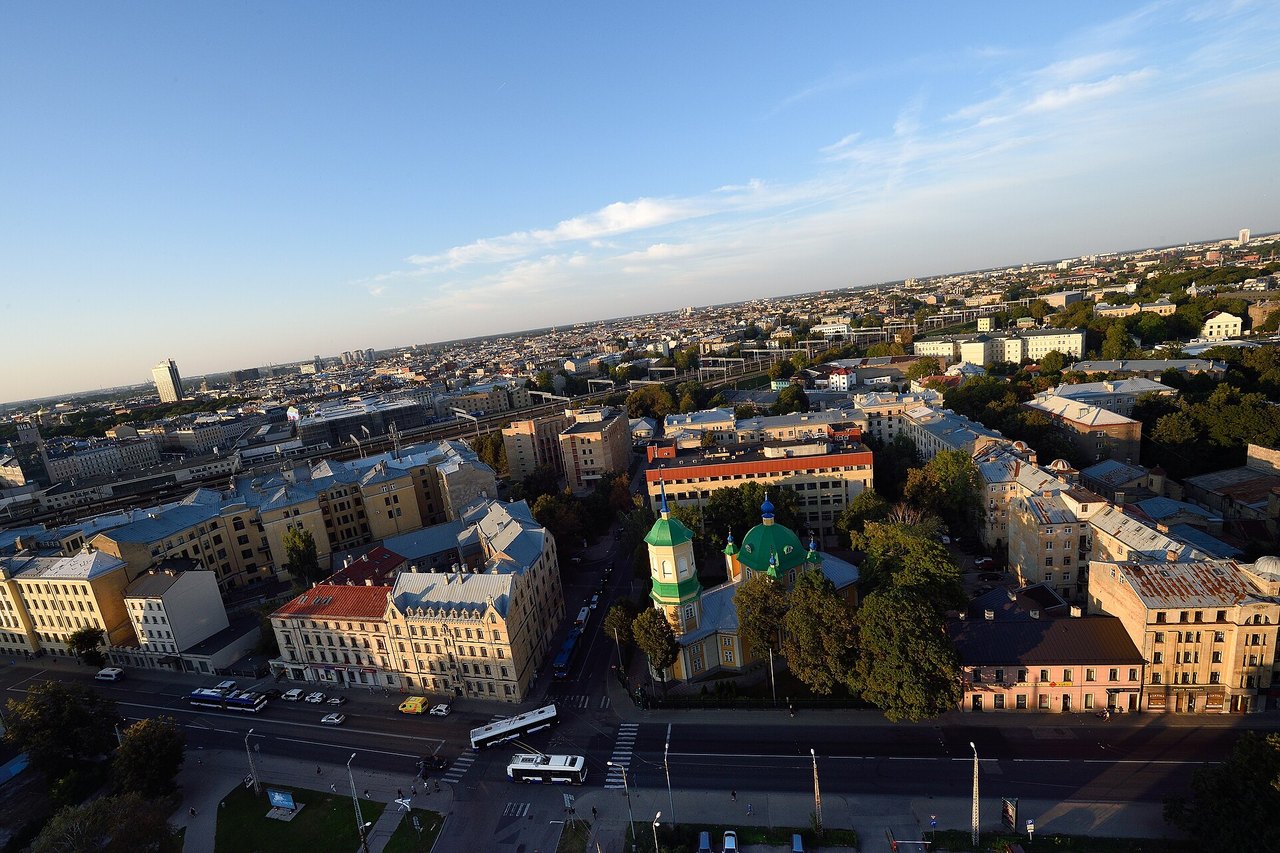
Art Nouveau elegance, a medieval old town, and the coolest Baltic capital for craft beer and creative energy.
- Best time to visit: May-September (long days, mild)
- Daily budget (budget traveller): $50 to $90 USD
- Ideal trip length: 3 to 4 days
Riga is the Baltic's hidden gem: a UNESCO old town of cobbled lanes and church spires, the world's finest collection of Art Nouveau architecture, and a food scene that blends Nordic minimalism with Eastern European heartiness. It's affordable, compact, and refreshingly under-touristed. Joy Plus maps the old town, the Jugendstil district and the central market so you see the best of it in a long weekend.
Riga is the Baltic capital that rewards people who do a little reading first. Roughly a third of the central buildings are Art Nouveau, about 800 of them, and the best of them sit in a grid of streets a ten-minute walk from the medieval Old Town. Mikhail Eisenstein's fantasy façades on Alberta iela, with their stone masks, peacocks and screaming faces, are the headline. Add a Hanseatic core of guild halls and church spires, plus a Soviet-era skyline across the Daugava, and you get a compact city with three centuries of architectural argument packed into one walkable square mile.
The eating and drinking is where Riga quietly beats its neighbours on value. Lunch at Lido, the self-service canteen in the Old Town, costs about €8 to €10. The Central Market, housed in five 1920s Zeppelin hangars, sells smoked fish, rye bread and pickles that locals actually queue for. The craft beer scene runs from Labietis to Valmiermuiža, and the national drink, Black Balsam, is a 45% herbal bitter that you will either love or describe as cough syrup with a grudge. Latvian food leans on grey peas with speck, rye, dill, sour cream and smoked everything. The Soviet-era Russian influence shows up in pelmeni, syrniki and borscht, all good.
Plan for a long weekend and you will leave wanting more, but 4 to 5 days lets you add Jūrmala's beach, the Gauja valley castles at Sigulda and a proper pirts (Latvian sauna) session. Come June to August for the long light, with sunset after 10pm around Midsummer, or December for the Christmas market on Doma laukums. The honest downsides: the Old Town has a few scammy bars and strip clubs that fleece stag groups, and the winter dark arrives at 3:30pm. Know where to eat and sleep, and Riga is one of the cheapest, safest and most photogenic capitals in the EU.
How many days in Riga?
For Riga, we recommend 3 to 4 days. With more time, add a day trip to Rundāle Palace.
| Trip length | What you'll see | Itinerary |
|---|---|---|
| 2 days | Old Town orientation; Art Nouveau district | Riga in 2 days |
| 3 days · Recommended | Adds: Central Market and Spīķeri | Riga in 3 days |
| 4 days · Recommended | Adds: Miera iela and craft beer | Riga in 4 days |
| 5 days | Adds: Jūrmala beach day | Riga in 5 days |
| 7 days | Adds: Sigulda and Gauja valley; Andrejsala, pirts | Riga in 7 days |
Riga itinerary
Arrive, Old Town orientation
Morning: Land at RIX, take bus 22 to the centre (about 30 min, around €2). Drop bags, coffee at Rocket Bean Roastery or any Old Town café.
Afternoon: Walk the Old Town: Livu laukums, the Three Brothers on Mazā Pils iela, the Cat House, Riga Cathedral. Cheap lunch at Lido Vecrīga on Tirgoņu iela, then go up the tower at St Peter's Church in late afternoon (it closes at 6pm, or 5pm from November to March, and is shut on Mondays).
Evening: Dinner at Rozengrāls (medieval cellar), then a Black Balsam at Black Magic Bar on Kaļķu iela.
Art Nouveau district
Morning: Start at Alberta iela at 9am for soft light and empty streets. Look for Eisenstein's façades at Alberta iela 2a, 4 and 13, plus Elizabetes iela 10a and 10b.
Afternoon: Riga Art Nouveau Museum at Alberta iela 12 (about €9). Walk the Quiet Centre toward Esplanāde Park and the Latvian National Museum of Art.
Evening: Dinner near Elizabetes iela. Cocktail at Skyline Bar, Radisson Blu Latvija, 26th floor, for the skyline view.
Central Market and Spīķeri
Morning: Central Market at 8am (Nēģu iela 7). Eat your way through smoked fish, pickles, rye bread, cheese and sour cherries. Do the dairy and meat pavilions first.
Afternoon: Walk to the Spīķeri quarter (Maskavas iela) for the creative warehouses and the Riga Ghetto and Latvian Holocaust Museum. Allow 90 minutes.
Evening: Folkklubs ALA Pagrabs on Peldu iela for live folk or rock and a Latvian beer. Cheap, loud and local.
Miera iela and craft beer
Morning: Museum of the Occupation of Latvia (adults €8, students €5) for a gripping hour of 20th-century history.
Afternoon: Walk to Miera iela, the creative quarter. Vintage shops, specialty coffee, bakeries. Browse the independent boutiques and street art.
Evening: Craft beer at Labietis or Valmiermuiža, then dinner at a local bistro in Centrs.
Jūrmala beach day
Morning: Train from Riga Central to Majori (30 min, about €2.50). Walk the wooden villas on Jomas iela.
Afternoon: Beach at Majori or Dzintari, with a long walk on the white-sand shore. Lunch at a beachfront café, then Dzintari Forest Park.
Evening: Train back to Riga. Easy dinner, rest day for the legs.
Sigulda and Gauja valley
Morning: Train from Riga Central to Sigulda (about 1h, €3-5). Walk to Sigulda Medieval Castle and the Gauja viewpoint.
Afternoon: Cable car across the Gauja valley to Krimulda, then Turaida Castle and the Dainu Hill sculpture park. Lunch in Sigulda.
Evening: Train back by 6 or 7pm. Dinner in Riga, early night.
Andrejsala, pirts and depart
Morning: Slow morning. Bakery run for rye bread and a sweet cottage-cheese pastry. Walk Andrejsala for waterfront bars, restaurants and river views.
Afternoon: Book a pirts (sauna) session if you haven't yet, or visit the Riga Bourse Art Museum. Last lunch at the market.
Evening: Bus 22 or a Bolt to RIX.
Best neighbourhoods
- Old Town (Vecrīga): The UNESCO core: cobblestones, guild houses, the cathedral, and the liveliest bars.
- Art Nouveau District: Alberta iela and surrounds: the most concentrated Art Nouveau streetscape on earth.
- Central Market: Five massive Zeppelin hangars turned into Europe's biggest market: food, crafts, and local life.
- Miera iela: The 'Peace Street' creative quarter: coffee roasters, vintage shops, and a laid-back vibe.
- Andrejsala: The old port area: waterfront bars, restaurants and river views.
Must-do experiences
- Art Nouveau walk on Alberta iela: The most ornate façades in Europe, best viewed in the soft morning light.
- Riga Central Market: Five Zeppelin hangars of smoked fish, rye bread, local cheese, and handmade crafts.
- View from St Peter's Church: The 360-degree panorama from the tower shows the red roofs, river, and parks.
- Craft beer crawl in Miera iela: Local microbreweries and cosy bars in the city's most creative quarter.
Hidden gems
- The Riga Ghetto and Latvian Holocaust Museum for powerful, intimate history.
- A sauna ritual (pirts) in a traditional wooden bathhouse on the city outskirts.
- The Riga Bourse Art Museum, a beautiful building with surprising collections.
- Local rye bread and hemp butter at a quiet bakery off the tourist paths.
Daily budget
- Accommodation: budget €15-30 / night (hostel dorm), mid-range €70-130 (boutique double or Centrs apartment), splurge €250+ (Grand Hotel Kempinski, Hotel Neiburgs). Old Town hostels spike on summer weekends. Centrs and Miera iela apartments are better value for 4+ nights.
- Food: budget €18-28 / day (Lido, market, bakeries), mid-range €40-65 (one sit-down dinner at Rozengrāls or similar), splurge €100+ (tasting menu at Max Cekot Kitchen). Lunch deals (dienas piedāvājums) run €7-11 for soup, main and a drink. The local hack.
- Transport: budget €0-5 / day (walk, one tram ticket), mid-range €8-15 (24h ticket + a Bolt or two), splurge €60+ (private driver to Rundāle or Sigulda). The Old Town and Art Nouveau district are walkable. Trains to Jūrmala and Sigulda are €2-5 each way.
- Activities: budget €0-12 / day (free market, 1 ticket such as the Museum of Occupation), mid-range €25-45 (St Peter's tower, Art Nouveau Museum, pirts session), splurge €100+ (private Art Nouveau guide, Gauja valley driver). St Peter's Church tower is around €9-10. The Occupation Museum is €8 (students €5).
- Drinks & nightlife: budget €10 (a couple of craft beers, supermarket drinks), mid-range €25-40 (Old Town bar hop + Black Magic Bar), splurge €70+ (Skyline Bar at Radisson + cocktails). Craft pints are €4-6, cocktails €9-13. Avoid Old Town bars with touts on the street.
Where to stay
- Social hostel in Old Town (Vecrīga) (€15-35 / night): Naughty Squirrel Hostel or Riga Old Town Hostel. Steps from the cobbles, social common rooms, easy to meet other solos.
- Boutique hotel in Quiet Centre / Art Nouveau district (€110-200 / night): Hotel Bergs. Design-led rooms, quiet streets, short walk to both Old Town and Alberta iela.
- Apartment in Miera iela / Centrs (€60-100 / night): Local streets, cafés downstairs, a kitchen for market hauls. Best value for 4+ nights.
- Splurge in Esplanāde edge of Old Town (€250-450 / night): Grand Hotel Kempinski Riga, an Art Nouveau-era building by the park with the Old Town at your door and a top-tier spa.
What to eat
- Grey peas with bacon (Latvian national dish)
- Smoked fish and rye bread from the central market
- Beef stroganoff and pelmeni at a traditional cellar
- Craft beer from a local Riga microbrewery
Day trips
- Jūrmala (30 min by train): A 30km strip of white-sand Baltic beach with wooden villas, Jomas iela cafés and the Dzintari pine forest. Locals' summer escape. Train from Riga Central station to Majori or Dzintari, every 20 to 30 min, about €2.50 each way.
- Sigulda and Gauja National Park (1 hour by train): Castles, caves, a cable car over the Gauja valley and forest trails. Turaida Castle and the Dainu Hill sculptures are the highlights. Train from Riga Central to Sigulda, about €3-5 each way. Cable car €15 one way or €22 return (return tickets on weekdays only).
- Rundāle Palace (1h15 by bus or car): Latvia's Versailles, a baroque palace by Rastrelli (who also designed the Winter Palace in St Petersburg), with formal gardens. Bus from Riga to Bauska (about 1h15), then a local bus or taxi. Entry about €15-20 with gardens. A private driver is easier.
When to visit
- Spring (April - May): 5-16°C, changeable, cold mornings. Crowds: Low, picks up in May. Underrated. Parks turn green, terraces open in May, and hotels are still cheap.
- Summer (June - August): 17-25°C, long light, sunset after 10pm in June. Crowds: Busiest, but never overwhelming. The best window. Midsummer (Jāņi, 23 to 24 June) is when locals leave town, so book ahead and go to a countryside party.
- Autumn (September - October): 6-16°C, golden light, rain by late October. Crowds: Moderate, drops after mid-September. Quiet, moody and cheap. Great for craft beer, museums and a pirts session.
- Winter (November - March): -6 to 2°C, snow likely, dark by 4pm. Crowds: Low, except Christmas market weeks. Only for the Christmas market on Doma laukums (late Nov to early Jan) or a hot-sauna-and-snow trip. Pack serious layers.
Entry rules for your passport
Visa rules for Latvia depend on the passport you travel on. Check the official source before you book: European Commission: Schengen visa policy
Getting there
Riga International Airport (RIX) is about 10km southwest of the centre and the Baltics' main hub, with airBaltic, Ryanair and Wizz Air flying in from across Europe. Bus 22 runs to the centre in about 30 minutes for around €2, paid by contactless card or ticket from the driver. A Bolt to the Old Town costs €10-15, and official airport taxis cost more, so use the app. By land, Lux Express and FlixBus link Riga to Tallinn (4 to 4.5 hours), Vilnius (about 4 hours) and Warsaw. The International Coach Terminal and Central Station sit side by side next to the Central Market. Rail Baltica is still being built, so don't count on a fast train yet.
Border checks: non-EU visitors (other than Swiss, Norwegian, Icelandic, Liechtenstein, Andorran, Monegasque, San Marinese and Vatican citizens, and holders of an EU residence permit or long-stay visa) are registered in the EU's Entry/Exit System (EES) instead of getting a passport stamp. On your first crossing, officers take your photo and/or fingerprints, so allow extra time at passport control. ETIAS, the planned travel authorisation, is not in operation yet, so don't pay any website for one.
Getting around
Riga is wonderfully compact: the old town, Art Nouveau district, and central market are all within walking distance. Trams and buses are cheap and efficient for longer hops; use an e-talons card or buy tickets in the Rīgas satiksme or Mobilly app. Taxis and Bolt are inexpensive. The airport is about 30 minutes by bus or 20 by taxi.
Safety
Riga is very safe, even at night in the old town and centre. Standard precautions apply: watch bags in the crowded central market and on trams. Avoid unlicensed taxis. Winter is cold and dark; summer days are long and mild, the best time to visit.
Solo travel tips
- Eat at Lido: Lido's self-service canteen format means no awkward solo table moment. Grab a tray, point, sit anywhere. It's also how you taste Latvian food for under €10.
- Free walking tour on day 1: Free Old Town walking tours start from the Town Hall Square near the House of the Blackheads. It's the easiest way to meet other solos and get your bearings.
- Hostel pick: Naughty Squirrel or Riga Old Town Hostel: Both are social without being party-only, with common areas, kitchens and organised pub nights. Book Old Town beds early for June to August weekends.
- Avoid the Old Town hustlers: Touts handing out cards for strip clubs or 'free drinks' are the city's one real scam. Never follow them. Stick to bars you chose, and check the menu prices first.
- Solo female travellers: Riga is very safe for women alone, including the Old Town at night. Keep drinks in sight, use Bolt after midnight, and avoid the streets around the Central Station after dark.
- Find your tribe in craft beer bars: Labietis, Valmiermuiža and the Miera iela bars are good for solo chats. Bartenders speak English and will pour you samples. Ask what's local and Latvian.
Cultural etiquette
- Start in English or Latvian, not Russian. About a third of residents speak Russian at home, but politics make it a sensitive choice with strangers. A simple 'paldies' (thanks) goes a long way.
- Give flowers in odd numbers. Even numbers are for funerals. Bring a small bouquet or chocolate if invited to someone's home.
- Take your shoes off at private homes and often in saunas and guesthouses. Bring clean socks.
- A pirts (sauna) is a ritual, not a spa. Follow your host's lead on heat, birch-whisk (vihta) use and cold plunges. Swimwear rules vary, ask first.
- Tipping is 10% if no service charge is included, or just round up. Don't tip in taxis beyond rounding.
- Treat the Freedom Monument with respect. It's a national symbol guarded by an honour guard, so no climbing and no loud selfies.
- Toast with 'Priekā!' (cheers), look people in the eye, and don't start eating before the host. Don't make Soviet nostalgia jokes.
Frequently asked questions
How many days do you need in Riga?
Three to four days covers the old town, the Art Nouveau district, the central market, and a day trip to Jūrmala beach or the Gauja National Park.
Is Riga good for solo travellers?
Very. It's safe, affordable, walkable, and English is widely spoken. The craft beer scene and creative quarter are easy to enjoy alone.
When is the best time to visit Riga?
May to September is ideal, with long daylight hours and mild weather. December is magical for Christmas markets but very cold and dark.
How much does a trip to Riga cost?
Budget around $50 to $90 USD per person per day, covering a hostel bed or simple room, local transport, two or three meals out and an activity or entry ticket. You can go lower with markets and free walking tours, or far higher with boutique hotels and private guides.
What should I eat in Riga?
Start with Grey peas with bacon (Latvian national dish), Smoked fish and rye bread from the central market, Beef stroganoff and pelmeni at a traditional cellar. Eating where locals queue is the simplest rule, and markets are usually the cheapest and best introduction to the food in Riga.
How much does a solo trip to Riga cost?
Budget on roughly $50-$90 USD per day in Riga as a solo traveller. That covers a hostel bed or simple room, local food, getting around and a couple of paid sights. Mid-range comfort with private rooms, sit-down dinners and the odd tour runs closer to double, while shoestring travellers who cook and stick to street food can come in under it.
Is Riga safe for solo female travellers?
Riga is generally a comfortable place to travel solo, including for women, as long as you use normal city sense. Riga is very safe, even at night in the old town and centre. Standard precautions apply: watch bags in the crowded central market and on trams. Avoid unlicensed taxis. Winter is cold and dark; summer days are long and mild, the best time to visit.
How do you get around Riga?
Riga is wonderfully compact: the old town, Art Nouveau district, and central market are all within walking distance. Trams and buses are cheap and efficient for longer hops; use an e-talons card or buy tickets in the Rīgas satiksme or Mobilly app. Taxis and Bolt are inexpensive. The airport is about 30 minutes by bus or 20 by taxi.
Tours and activities in Riga | Riga in 2 days | Riga in 3 days | Riga in 4 days | Riga in 5 days | Riga in 7 days
Can't decide? Compare Riga with...
Joy Plus home | Destinations | Itineraries | Activities | Flights | Budget planner | Calendar | Map | Blog | Lifetime access