Destinations / Europe
Rimini, Italy travel guide
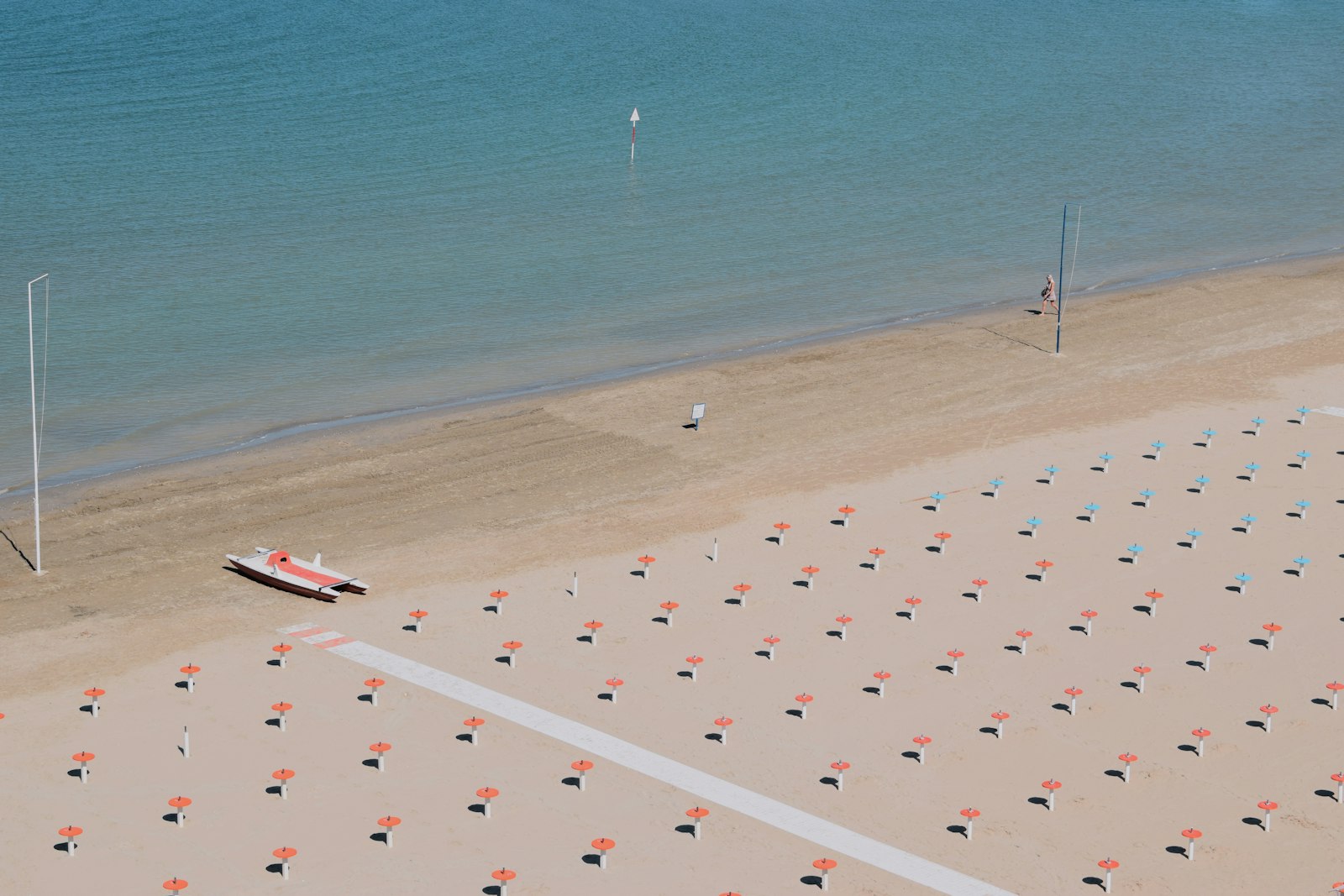
Fifteen kilometres of Adriatic beach, Roman ruins and Fellini's hometown nightlife.
- Best time to visit: June-September for beach, May and October for sightseeing
- Daily budget (budget traveller): $100 to $210 USD
- Ideal trip length: 4 days
Rimini is Italy's beach resort at full volume: rows of numbered bagni with striped umbrellas, a boardwalk that runs for kilometres and a nightlife strip that made it famous across Europe. What surprises people is the old town, where a Roman bridge and Augustus's triumphal arch still stand and Fellini's ghost is everywhere. Add San Marino 45 minutes away and Bologna within reach by train, and it's more than a sun-lounger stop. Joy Plus mixes beach days with Roman mornings and inland escapes.
Rimini is the loudest, most unapologetic beach town in Italy, and it has earned the right. The Adriatic here is shallow, warm and almost wave-free, and about 15 km of sand are carved into numbered bagni (beach clubs) with matching umbrellas, showers, volleyball nets and a lifeguard tower every few hundred metres. In July the lungomare is a conveyor belt of families, teenagers, cyclists and club promoters, and it works because everything is organised down to the last sunbed. Book a bagno, order a spritz, and let the system carry you.
Then there's the part the package crowd skips. Rimini was the Roman colony of Ariminum, where the Via Flaminia from Rome ended at the Arch of Augustus (27 BC) and the Via Emilia began at the Tiberius Bridge, still carrying foot traffic after 2,000 years. Add Sigismondo Malatesta's Renaissance Tempio Malatestiano, a Roman surgeon's house with his instruments in the vitrines, and Fellini's hometown, now a three-site museum in Castel Sismondo and Palazzo del Fulgor. The old town is a 15-minute walk from the beach, so you can do a Roman morning and be in the sea by two.
Rimini also works as a base for the rest of Romagna. San Marino's three towers are 50 minutes by bus, Ravenna's Byzantine mosaics are an hour by train, and Bologna is a fast train away if you want a food day. The trick is timing: bagni run roughly mid-May to late September, August is a wall of people (Ferragosto is August 15), and many hotels sell half-board packages. Come in June or September and you get warm water, open clubs and normal prices. Come in October and you get the town to yourself, with the museums still open.
How many days in Rimini?
For Rimini, we recommend 4 days.
| Trip length | What you'll see | Itinerary |
|---|---|---|
| 2 days | Piazza Cavour, Roman bridge and Borgo San Giuliano; Fellini, the Malatesta and a Roman surgeon | Rimini in 2 days |
| 3 days | Adds: Beach day and Parco del Mare | Rimini in 3 days |
| 4 days · Recommended | Adds: San Marino day trip | Rimini in 4 days |
| 5 days | Adds: Ravenna mosaics | Rimini in 5 days |
| 7 days | Adds: Santarcangelo and a slow beach afternoon; Fellini's grave, last piadina | Rimini in 7 days |
Rimini itinerary
Arrive, Piazza Cavour, Roman bridge and Borgo San Giuliano
Morning: Land at Fellini airport (RMI) and take bus 9 to Rimini station (about 15 min, around €2). Or arrive by train from Bologna in 1h to 1h20. Drop bags, then cappuccino and cornetto at a counter bar on Piazza Tre Martiri.
Afternoon: Walk Corso d'Augusto to the Arch of Augustus (27 BC), then back to Piazza Cavour for the Fontana della Pigna and the old Pescheria with its marble fish slabs. Finish at Tiberius Bridge and Piazza sull'Acqua.
Evening: Cross the bridge into Borgo San Giuliano for the Fellini murals, and dinner at Osteria de Borg (book ahead). Stroll back over the bridge as the lights come on.
Fellini, the Malatesta and a Roman surgeon
Morning: Tempio Malatestiano early (it closes at midday), to see Alberti's marble facade and the Piero della Francesca fresco. Then Domus del Chirurgo in Piazza Ferrari (about €5), the intact surgeon's house with mosaics and instruments.
Afternoon: Fellini Museum in Castel Sismondo and Palazzo del Fulgor (about €10, closed Mondays). Walk to Marina Centro, swim, and eat a gelato by the Grand Hotel.
Evening: Seafood dinner in Marina Centro, such as Da Lucio. Then a film at Cinema Fulgor, the restored cinema Fellini grew up in, or a lungomare stroll.
Beach day and Parco del Mare
Morning: Hire a bike (€8-12) and ride the Parco del Mare corridor south to Marebello and Rivazzurra, where the sand is wider and calmer.
Afternoon: Rent an umbrella and two loungers at a bagno (€20-35, more in August). Lunch is piadina and fried anchovies at the bagno bar.
Evening: Aperitivo on Lungomare Tintori, dinner, then a late drink in Marina Centro or take the Metromare to Riccione for the big clubs.
San Marino day trip
Morning: Take a morning Bonelli bus from Rimini station (about 50 min, around €5-6 each way). Walk up to Piazza della Libertà and Palazzo Pubblico, where the guard changes on the hour in summer.
Afternoon: Climb Guaita and Cesta towers (about €8 for two), lunch on the ridge, and get your passport stamped at the tourist office (about €5).
Evening: Bus back to Rimini, then an easy dinner. Cappelletti in brodo or strozzapreti at a Centro osteria.
Ravenna mosaics
Morning: Regional train from Rimini to Ravenna (about 1 hour, €6-8). Start at San Vitale and the Mausoleo di Galla Placidia, the best mosaics in Europe.
Afternoon: Lunch in the centre, then Neonian Baptistery and Sant'Apollinare Nuovo with the combined ticket (about €13-14). Pass Dante's tomb on the way back to the station.
Evening: Train back. Late piadina and a quiet evening in Borgo San Giuliano.
Santarcangelo and a slow beach afternoon
Morning: Regional train to Santarcangelo di Romagna (about 12 min, around €2.50). Walk up through the old town to the Rocca Malatestiana and visit the tufa caves (about €5).
Afternoon: Lunch at Osteria La Sangiovesa in Piazza Balacchi, with Sangiovese di Romagna. Back to Rimini by mid-afternoon for a late swim.
Evening: Sunset walk along the Molo di Levante, then fritto misto and grilled sardoncini near the port.
Fellini's grave, last piadina, depart
Morning: Take a taxi or bike to the Cimitero Monumentale to see Fellini's tomb, the bronze prow sculpture by Arnaldo Pomodoro. Back to town for coffee.
Afternoon: Last piadina with squacquerone and rocket from a kiosk, then a final lap of Piazza Cavour. Pick up bags.
Evening: Bus 9 or taxi (€20-25) to RMI, or train to Bologna for onward connections.
Best neighbourhoods
- Centro Storico: The Roman and medieval core: Piazza Cavour, Tiberius Bridge, the Malatesta Temple and the Fellini Museum.
- Marina Centro: The main beachfront with the classic bagni, the Grand Hotel and the busiest promenade.
- Borgo San Giuliano: A fishermen's quarter of painted lanes and Fellini murals just over the Roman bridge, with the best trattorias.
- Marebello & Rivazzurra: Quieter southern beach districts, cheaper hotels and more space on the sand.
Must-do experiences
- Cross the Tiberius Bridge: A 2,000-year-old Roman bridge still carrying foot traffic into Borgo San Giuliano, best photographed at golden hour.
- Visit the Fellini Museum: A three-site museum across Castel Sismondo and Palazzo del Fulgor devoted to Rimini's most famous son and his films.
- Spend a day at the bagni: Rent an umbrella and two loungers at one of the numbered beach clubs; most include showers, bars and beach volleyball.
- Day-trip to San Marino: A 50-minute bus to the world's oldest republic, with three fortress towers on a mountain ridge and huge views over the Adriatic.
- See the Malatesta Temple: Alberti's unfinished Renaissance masterpiece, built around a Gothic church, with a Piero della Francesca fresco inside.
Hidden gems
- Piazza sull'Acqua below the Tiberius Bridge, a water-level park most day-trippers miss.
- The Domus del Chirurgo, a Roman surgeon's house with intact mosaics and surgical instruments.
- Santarcangelo di Romagna, a hilltop village 15 minutes inland with tufa caves.
- The Parco del Mare cycle and walking corridor replacing the old seafront road.
Daily budget
- Accommodation: budget €28-45 / night (hostel dorm or off-season 2-star), mid-range €100-170 (3 to 4-star double, Marina Centro), splurge €350+ (Grand Hotel Rimini). Marebello and Rivazzurra are cheapest. In August many hotels only sell half-board (mezza pensione), so check what's included. Tourist tax is roughly €1-3.50 per person per night.
- Food: budget €22-30 / day (piadina, pizza al taglio, bar counter), mid-range €45-70 (one seafood dinner with wine), splurge €120+ (multi-course seafood tasting menu). Piadina romagnola is €4-6 and a proper lunch. Look for the pranzo di lavoro (set lunch), usually €12-15 with a primo, water and coffee. Coperto (cover charge) is €1.50-3 per head.
- Transport: budget €4-8 / day (city bus and Metromare at about €1.50-2 a ride), mid-range €8-14 (bike hire at €8-12 plus a train to Riccione), splurge €50+ (private driver to San Marino). Walk and cycle the centre. The Rimini to Riccione regional train is about €2.50 and the Metromare covers the same coast. Don't rent a car, the old town is a ZTL (restricted traffic zone) with camera fines.
- Activities: budget €8-15 / day (free beach, Roman sights, one museum), mid-range €25-45 (Fellini Museum at about €10, bagno day at €20-35), splurge €100+ (front-row cabana, boat trip, Ravenna mosaics ticket plus guide). The Arch of Augustus, Tiberius Bridge, Piazza Cavour and the Tempio Malatestiano are free to see. The Ravenna combined mosaics ticket is about €13-14.
- Drinks & nightlife: budget €8-12 (spritz at a kiosk, wine at an osteria), mid-range €20-35 (Lungomare cocktails, aperitivo), splurge €80+ (club table in Riccione, late night). Spritz is €5-7 in town, €8-10 on the seafront. Club cover is €15-35 and usually includes one drink. The biggest names, Cocoricò and Peter Pan, are in Riccione, 15 minutes south.
Where to stay
- Social hostel in Marina Centro / near the station (€28-55 / night): Most beds sit between the station and the beach, so you can reach both the old town and the sand on foot. Pick one with a bar or terrace and book months ahead for July.
- Boutique hotel in Marina Centro (€110-190 / night (August €220+)): Hotel Ambasciatori or Hotel Savoia, four-star comfort on the seafront, a bike ride from the old town. Choose a room with a balcony facing the sea.
- Apartment in Borgo San Giuliano or Marebello (€70-130 / night): Borgo apartments put you on painted lanes by the Roman bridge, quiet after midnight. Marebello flats are cheaper and closer to wide, calmer sand. Best for 5+ nights.
- Splurge in Parco Federico Fellini, Marina Centro (€350-650 / night): The Grand Hotel Rimini (1908), Fellini's favourite and the Amarcord icon. Garden, pool, beach access and the best address on the seafront.
What to eat
- Piadina romagnola filled with squacquerone and rocket
- Adriatic fritto misto and grilled sardoncini
- Cappelletti in brodo and strozzapreti pasta
- Sangiovese di Romagna and Albana wines
Day trips
- San Marino (50 min by bus): The world's oldest republic, on a mountain ridge with three fortress towers, cobbled lanes and huge views to the Adriatic. Go early to beat the tour buses. Bonelli bus from Rimini station, around €5-6 each way, several departures a day. Guaita and Cesta towers about €8 together.
- Ravenna (1 hour by train): Byzantine mosaics at San Vitale, Galla Placidia and the Baptistery, plus Dante's tomb. One of the best culture hits in Italy. Regional train from Rimini station, about €6-8 each way. Combined monument ticket about €13-14.
- Santarcangelo di Romagna (12 min by train): A hilltop town with tufa caves, a Malatesta fortress, the Tonino Guerra legacy and the Osteria La Sangiovesa for a long Romagnol lunch. Regional train from Rimini station, about €2.50. Walk 15 minutes up to the old town.
When to visit
- Spring (April - May): 13-24°C, bright but changeable, sea still cold (15-19°C). Crowds: Low, with school groups and cyclists. Best for sightseeing and cycling. Museums are quiet, but many bagni only open from mid-May, so don't plan on swimming.
- Summer (June - August): 26-32°C, humid, sea 23-26°C, occasional evening thunderstorms. Crowds: Heavy in July, extreme in August around Ferragosto (August 15). June is the sweet spot: full beach and club scene, lower prices. Skip the 10-20 August window unless you love crowds, because front-row umbrellas and seafront hotels cost double.
- Autumn (September - October): 22-27°C in September, 14-21°C in October, sea still 21-24°C early on. Crowds: Moderate in September, thin by mid-October. The locals' favourite season. Warm sea, shorter queues and lower hotel rates, but most bagni and clubs close after the second weekend of September.
- Winter (November - March): 2-11°C, foggy and damp, occasional snow inland. Crowds: Very low. Cheapest rooms and empty Roman sites, but the seafront is shuttered. Good for Fellini, Ravenna and a long lunch of cappelletti in brodo.
Entry rules for your passport
Visa rules for Italy depend on the passport you travel on. Check the official source before you book: European Commission: Schengen visa policy
Getting there
Federico Fellini airport (RMI) is about 5 km south of the centre, with seasonal Ryanair and Wizz Air flights and limited winter service. Bus 9 runs to Rimini station in about 15 minutes for around €2, and a taxi to Marina Centro is €20-25. Many travellers fly into Bologna (BLQ), take the Marconi Express to Bologna Centrale (about €7), then a regional train to Rimini (1h10 to 1h30, about €13) or a Frecciarossa/Italo (about 55 min, from €15). From Milan it's about 2h50 by high-speed train, from Rome about 3h30. Rimini station sits between the old town and the beach, 10 to 15 minutes on foot to either. If you drive, the A14 exit is Rimini Nord or Rimini Sud. The old town is a ZTL, so park outside it (€1-2 per hour).
Border checks: non-EU visitors (other than Swiss, Norwegian, Icelandic, Liechtenstein, Andorran, Monegasque, San Marinese and Vatican citizens, and holders of an EU residence permit or long-stay visa) are registered in the EU's Entry/Exit System (EES) instead of getting a passport stamp. On your first crossing, officers take your photo and/or fingerprints, so allow extra time at passport control. ETIAS, the planned travel authorisation, is not in operation yet, so don't pay any website for one.
Getting around
The beachfront and old town are 15 minutes apart on foot and linked by bike lanes; bike hire is the local default. The Metromare rapid bus runs down the coast to Riccione, and regional trains connect Bologna in an hour and Ravenna in 50 minutes. Buses to San Marino leave from the train station. Federico Fellini airport is 15 minutes from the centre.
Safety
Rimini is safe, though the summer crowd brings petty theft on the beach and around nightlife strips: never leave bags on loungers while you swim. Watch drink prices at clubs, and use official taxis or Metromare at night. Adriatic currents are mild but jellyfish appear in late summer. Traffic on the coastal roads is heavy in August.
Solo travel tips
- Rent one lounger, not a full set: Ask for a single lettino or ombrellone singolo instead of the standard umbrella plus two loungers. Many bagni will sell it for €10-20 off-peak. In August, book by WhatsApp a few days ahead.
- Eat at the counter: Piadina kiosks, bar counters and osteria bars are the easiest places to chat. Point at the squacquerone and rocket piadina, ask what the staff recommend, and you'll be talking within a few minutes.
- Hostels are thin and seasonal: Rimini has few true hostels and many only open April to September. Book dorm beds near the station or Marina Centro by April for July, and check they have a terrace or bar. Small family 2-star hotels at €50-80 outside August are the fallback.
- Use the Metromare after dark: The Metromare from Rimini station to Riccione, plus buses along the seafront, are the safest way to club-hop. Check the last departures, as service thins after midnight, and go home by taxi if you're past that.
- Solo female travellers: Rimini is safe, but the summer party crowd is loud and persistent around Marina Centro. Keep drinks in sight, walk the lit lungomare rather than the dark beach after midnight, and ignore beach vendors rather than negotiate.
- Find your people at the bagni and in Borgo: Beach volleyball, aperitivo hour at the bagno bars and the Borgo San Giuliano osteria terraces are the easiest places to meet people. Evenings in Piazza Cavour fill with locals and are good for solo diners.
Cultural etiquette
- Cover shoulders and knees in the Tempio Malatestiano and San Marino's basilica. Beachwear belongs on the sand, and some Romagna towns fine people for swimwear in the streets.
- Coperto (a per-person cover charge of €1.50-3) is legal and standard. Check the receipt, as 'servizio' is sometimes also included.
- Piadina is eaten by hand, folded and warm, from a kiosk or osteria. Don't ask for it 'cut and plated'.
- Lunch is 12:30 to 2:30pm and dinner starts at 8pm or later. Showing up at 6:30pm gets you a tourist menu or a locked door.
- Don't spread your towel in front of a bagno's loungers without paying. The free stretches (spiaggia libera) between the clubs are where you set up.
- Cappuccino is a breakfast drink. Order an espresso or caffè macchiato after lunch to avoid the stare.
- Say buongiorno and buonasera when you walk into a shop or bar. It's the default courtesy and changes the service.
Frequently asked questions
How many days do you need in Rimini?
Four days works well: two for the beach, one for the Roman and medieval old town plus the Fellini Museum, and one for San Marino or Ravenna. A week is easy if you're treating it as a summer beach base.
Is Rimini worth visiting?
Yes, if you want beach plus history. It has 15 km of organised Adriatic beach, a genuinely impressive Roman and Renaissance old town, Italy's best-known nightlife strip and easy access to San Marino, Ravenna's mosaics and Bologna.
When is the best time to visit Rimini?
June and September give warm sea, sunshine and lower prices than peak. July and August are hot, crowded and expensive but have the full beach-club and nightlife scene. May and October are ideal for sightseeing and cycling, though many beach clubs are closed.
How do you get from Rimini to San Marino?
The Bonelli bus leaves from Rimini train station and takes about 50 minutes to San Marino City, costing around €5 each way with several departures a day. Driving takes 40 minutes, with paid parking and lifts up to the historic centre.
Are Rimini beaches free?
Most of the seafront is organised into private bagni charging roughly €20-€35 a day for an umbrella and two loungers, more in August. There are free public stretches (spiaggia libera) between the clubs, but they're smaller and fill fast in peak season.
Is Rimini expensive?
It's mid-range for Italy: budget $100 to $210 a day. Hotels in the southern beach districts, piadina lunches and free beach stretches keep it cheap, while August seafront hotels and beach clubs push costs up sharply.
Is Rimini good for solo travellers?
It suits sociable solo travellers, especially in summer when hostels, beach clubs and the nightlife strip make meeting people easy. The old town and Borgo San Giuliano are pleasant for solo dining. Keep the usual caution around late-night clubbing areas and never leave valuables on the sand.
More about Rimini
Tours and activities in Rimini | Rimini in 2 days | Rimini in 3 days | Rimini in 4 days | Rimini in 5 days | Rimini in 7 days
Joy Plus home | Destinations | Itineraries | Activities | Flights | Budget planner | Calendar | Map | Blog | Lifetime access