Destinations / North America
Rocky Mountain National Park, United States travel guide
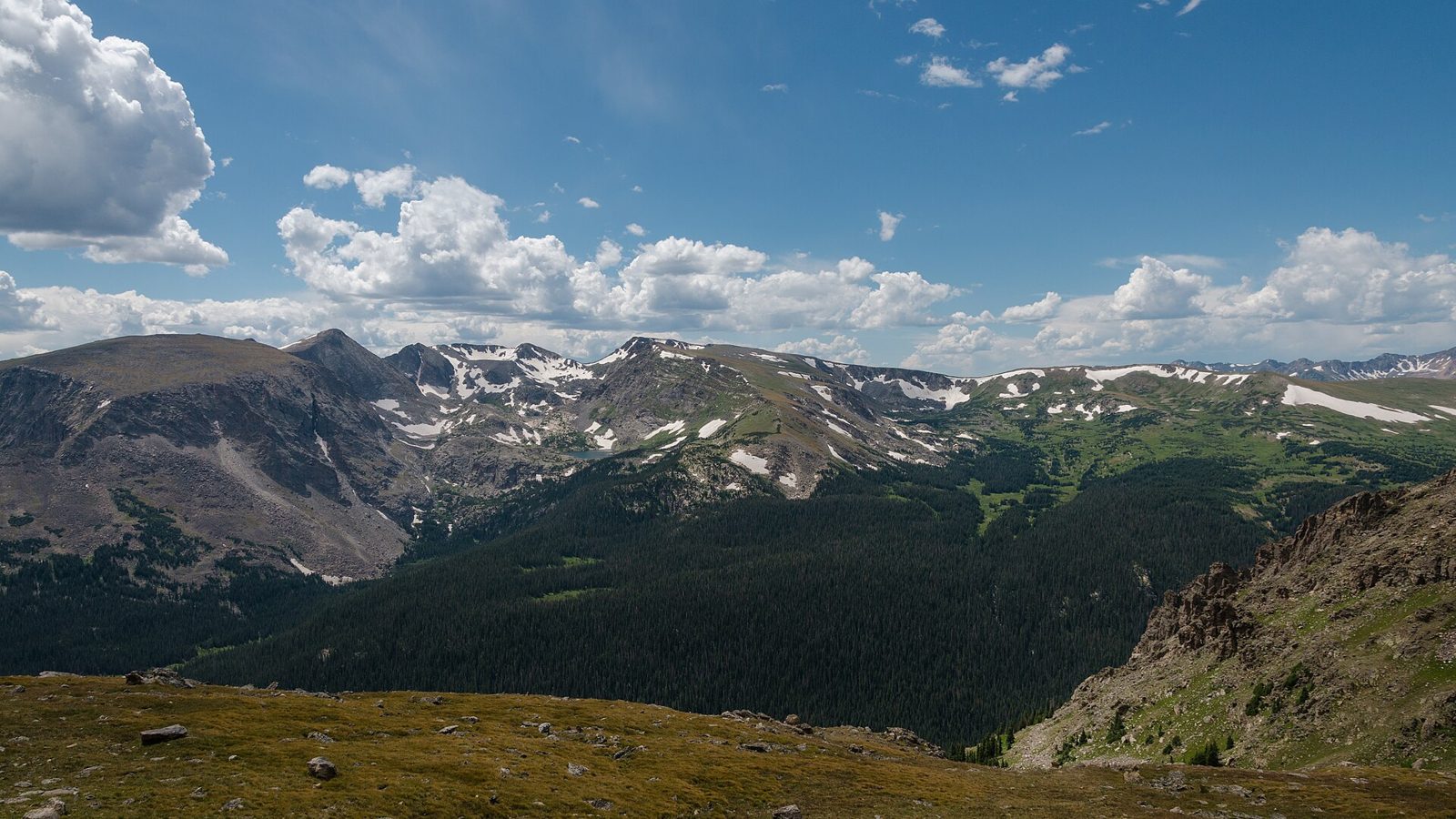
High peaks, alpine lakes and elk in the meadows, all about two hours from Denver. You hike to glacier-fed lakes before breakfast, drive over the tundra on the highest paved through road in the country and watch the elk graze at dusk in Moraine Park.
- Best time to visit: Mid-June to September
- Daily budget (budget traveller): $90 to $350 USD
- Ideal trip length: 3 to 5 days
Rocky Mountain National Park covers about 415 square miles of the Front Range in northern Colorado, with the gateway town of Estes Park on the east side and Grand Lake on the west. Trail Ridge Road links the two over the Continental Divide. It climbs above 12,000ft, and for long stretches you drive across open alpine tundra. Most visitors stay on the east side, where Bear Lake Road leads to a string of lakes below jagged peaks, and the wide meadows of Moraine Park and Horseshoe Park fill with elk in the evenings. The west side is quieter, with moose in the Kawuneeche Valley and the young Colorado River running through it. Much of the park sits above 8,000ft, so you will feel the thin air, and summer afternoons often bring thunderstorms. From late May to mid-October you need a timed entry reservation as well as a park pass to enter during the busiest hours. Visitors who are not US residents now pay an extra $100 per person. Even so, an early start, a campsite or a cheap lodge room in Estes Park and the park's shuttle buses make this a very rewarding place for a solo hiker.
Rocky Mountain is one of the most visited national parks in the US, and it is easy to see why. Within an hour of Estes Park you can stand by a glacier-carved lake under a 13,000ft peak, drive across open tundra where pikas call from the rocks and watch a herd of elk cross a meadow at sunset. More than 300 miles of trails cover everything from flat lake loops to full-day climbs, and about a third of the park lies above the treeline. Most people come for a day from Denver and spend it in traffic on Bear Lake Road. Stay a few nights and you get the better version: a 6am start at Bear Lake, a picnic by The Loch, the west side almost to yourself and elk bugling outside your tent in September.
Getting here takes a bit of planning. Denver International Airport is the hub, and most solo travellers hire a car for the 1.5 to 2 hour drive via Boulder and Lyons. Without a car, the weekend Bustang from Denver Union Station ($7.50 one way) and the Hiker Shuttle from Estes Park are your main options in summer. Then there are the permits. From late May to mid-October you need a timed entry reservation unless you arrive early or late, and Bear Lake Road has its own, stricter permit. Visitors from outside the US now pay a $100 surcharge per person on top of the entrance fee. Base yourself in Estes Park for the shuttles and the classic east-side hikes, at a park campground to be first at the trailhead, or in Grand Lake for a quieter west-side stay.
Timing shapes everything here. June brings snowmelt, waterfalls and some snow still on the high trails. July and August are warm and green, with wildflowers on the tundra, but they are the busiest months and storms build most afternoons. September brings golden aspens, the elk rut and fewer families. From November to April, Trail Ridge Road is closed and the high country is under snow, but you can snowshoe to Dream Lake and enjoy empty trails. The altitude affects everyone, so plan an easy first day. Estes Park is safe and friendly, with motels, breweries and fudge shops. There is no nightlife to speak of, and after a 5am start you will not miss it.
Rocky Mountain National Park itinerary
Arrive and acclimatise
Morning: Fly into Denver and pick up a hire car, or take the weekend Bustang from Union Station. Drive up through Boulder and Lyons to Estes Park, about 1.5 to 2 hours.
Afternoon: Walk the easy loop around Lily Lake to get used to the altitude. Stop at the Beaver Meadows Visitor Center for maps, trail conditions and your park pass.
Evening: Drive slowly through Moraine Park to watch the elk at dusk, then have an early dinner on Elkhorn Avenue and drink plenty of water.
Bear Lake lakes
Morning: Be at Bear Lake by 6am, or catch an early shuttle from the Park & Ride. Hike past Nymph Lake and Dream Lake to Emerald Lake, about 3.6 miles return.
Afternoon: Back at the trailhead, walk the short loop around Bear Lake, then take the shuttle down to Sprague Lake for a flat stroll and a picnic.
Evening: Rest in Estes Park and sit by the river walk in town. Book tomorrow's timed entry at 7pm if you still need one.
Trail Ridge Road and the tundra
Morning: Enter before 9am and drive up Trail Ridge Road, stopping at Many Parks Curve and Forest Canyon Overlook. Walk the short, paved Tundra Communities Trail near Rock Cut.
Afternoon: Visit the Alpine Visitor Center, then head down the west side to the Kawuneeche Valley and look for moose. Walk to the Holzwarth Historic Site.
Evening: Have dinner in Grand Lake by the water. Either drive back over the pass before dark or stay the night on the west side.
Sky Pond
Morning: Start at the Glacier Gorge trailhead at first light. Pass Alberta Falls and The Loch, then scramble beside Timberline Falls to Lake of Glass and Sky Pond.
Afternoon: Head down before the afternoon storms. Allow 6 to 8 hours in total and carry plenty of water, snacks and a warm layer.
Evening: An easy evening in Estes Park with a burger and a local beer at Estes Park Brewery.
Grand Lake and the west side
Morning: Drive or stay over in Grand Lake and hike the East Inlet trail to Adams Falls and the meadows beyond. It is quiet and gentle compared with the east side.
Afternoon: Rent a kayak or paddleboard on Grand Lake, or walk the boardwalk town. In July and August, the Never Summer Mountains look spectacular from the Coyote Valley Trail.
Evening: Watch the sunset over the lake, then drive back over Trail Ridge Road early the next morning if you are based in Estes Park.
Wild Basin waterfalls
Morning: Drive south on Highway 7 to Wild Basin and start early, as the car park is small. Hike past Copeland Falls and Calypso Cascades to Ouzel Falls, about 5.4 miles return.
Afternoon: Picnic by the river, then stop at the Chapel on the Rock at St Malo on the drive back. Treat yourself to an afternoon nap.
Evening: A farewell dinner in Estes Park and a last drive through Horseshoe Park for the elk.
Slow morning and depart
Morning: Have a last sunrise walk at Sprague Lake or Cub Lake, then pick up saltwater taffy on Elkhorn Avenue.
Afternoon: Drive down to Lyons for lunch, then on through Boulder to Denver airport. Allow plenty of time for traffic on the interstate.
Evening: Fly out of Denver, or carry on to Boulder or the next park on your trip.
Best neighbourhoods
- Downtown Estes Park: The main gateway town, set around Elkhorn Avenue and the river walk. You have the visitor centre, where the Hiker Shuttle and Bustang stop, plus most of the restaurants, shops and motels. It is busy and touristy in summer, but it is the easiest base if you do not have a car.
- Fall River corridor: The road west of town towards the Fall River entrance, lined with cabins, small lodges and motels along the river. It is quieter than downtown and a few minutes from the park gate. You will need a car or the free town shuttle to reach the centre.
- Moraine Park and Bear Lake Road: Inside the park, where the large Moraine Park and Glacier Basin campgrounds sit near the most popular trailheads. You wake up to elk in the meadow, and a campground booking counts as your timed entry. Book up to six months ahead, and expect cold nights and no showers.
- Grand Lake: A small lakeside town at the western entrance, with wooden boardwalks, a few cafés and Colorado's largest natural lake. It is much calmer than Estes Park and close to the moose country of the Kawuneeche Valley. In winter, when Trail Ridge Road is closed, it is a long drive round from the east side.
- Lyons: A small, relaxed town at the foot of the mountains, about 30 minutes below Estes Park on the road from Boulder. Rooms are often cheaper, it has good food and beer, and the weekend Bustang stops here. It suits you if you want a quieter base and do not mind the drive.
Must-do experiences
- Hike the Bear Lake lakes: From Bear Lake, follow the trail past Nymph Lake and Dream Lake to Emerald Lake, about 1.8 miles each way with a steady climb. Go at dawn for still water and space at the shore. You need the Bear Lake Road permit between 5am and 6pm in season, or you can take the free park shuttle from the Park & Ride.
- Drive Trail Ridge Road: The road crosses the park between Estes Park and Grand Lake and climbs past 12,000ft, with 11 miles above the treeline. Stop at Many Parks Curve, Forest Canyon Overlook and the Alpine Visitor Center. It is usually open from late May to mid-October, so check the status line before setting off.
- Watch the elk at dusk: Moraine Park and Horseshoe Park fill with elk in the early morning and evening. In September and October the bulls bugle during the rut, which is one of the park's big sights. Stay well back, use a long lens and never block the road.
- Hike to Sky Pond: A long but classic day hike from the Glacier Gorge trailhead, past Alberta Falls and The Loch, then up a wet scramble beside Timberline Falls. Expect roughly 9 to 10 miles return and a big climb. Start early and turn back if storm clouds build.
- Explore the Kawuneeche Valley: On the quieter west side, the young Colorado River winds through wide meadows where moose often feed. Walk the flat trail to the Holzwarth Historic Site, an old homestead and guest ranch. Combine it with lunch in Grand Lake.
- Drive Old Fall River Road: A narrow, one-way gravel road built in the early 1900s, climbing from Horseshoe Park to the Alpine Visitor Center past Chasm Falls. It usually opens around early July and closes in early October. Take it slowly, and return down Trail Ridge Road.
- Walk to Ouzel Falls in Wild Basin: In the park's south-east corner, Wild Basin feels far from the Bear Lake crowds. The trail passes Copeland Falls and Calypso Cascades before reaching Ouzel Falls, about 2.7 miles each way. The small car park fills early on summer weekends.
Hidden gems
- Lily Lake, a flat, easy loop just off Highway 7 with views of Longs Peak, good for a gentle first day while you adjust to the altitude
- Gem Lake on Lumpy Ridge, a short, steep hike north of Estes Park to a small pool among granite domes, often quieter than the Bear Lake trails
- Sprague Lake at sunrise, when the peaks reflect in the water and the flat loop is almost empty
- The Holzwarth Historic Site in the Kawuneeche Valley, a preserved homestead where you can see how early settlers lived on the west side
- Cub Lake trail in the early morning, crossing the edge of Moraine Park, where you often pass elk, deer and plenty of birds
Daily budget
- Accommodation: budget $30-35 / night (park campsite, plus your own gear), mid-range $120-220 (motel or lodge room in Estes Park), splurge $300+ (The Stanley Hotel or a riverside cabin). Summer prices in Estes Park are high, and single travellers pay the same as couples. Lodging tax is added. Park campsites can be booked up to six months ahead on Recreation.gov.
- Food: budget $25-40 / day (supermarket breakfast and picnic, one cheap meal out), mid-range $50-80 (café breakfast, trail lunch, sit-down dinner), splurge $100+ (steak or trout dinner with wine). There is almost no food for sale inside the park, so stock up in town. Add sales tax and an 18-20% tip at table-service restaurants.
- Transport: budget $2-15 / day (Hiker Shuttle, free park and town shuttles, Bustang), mid-range $60-100 (hire car plus fuel), splurge $150+ (SUV hire or private airport transfers). Bustang from Denver is $7.50 each way at weekends in summer. The Hiker Shuttle is $2 per reservation. Each timed entry permit adds a $2 booking fee.
- Activities: budget $0-10 / day (hiking, wildlife watching, ranger programmes), mid-range $30-35 (vehicle pass for one to seven days), splurge $100-250 (nonresident fee, guided hikes or horse rides). Entry is $30 a day or $35 for seven days per vehicle, and $70 for the park's annual pass. Non-US residents aged 16 and over add $100 per person, or buy the $250 annual pass.
- Drinks & nightlife: budget $6-9 (a local craft beer), mid-range $20-35 (a few drinks at a brewery or bar), splurge $50+ (cocktails at The Stanley). Coffee costs about $3-6. Evenings are quiet, mostly breweries and pubs that close fairly early. Go easy on alcohol at altitude.
Where to stay
- Campground in Moraine Park, inside the park ($30-35 / night (site)): Moraine Park Campground is the largest in the park, set in pine forest above a meadow full of elk, close to the Bear Lake Road trailheads. Your booking also covers timed entry, so you can be at the lakes before the crowds.
- Budget lodge in YMCA of the Rockies, near Beaver Meadows ($90-180 / night): A huge, long-running mountain centre with lodge rooms and cabins a short drive from the park entrance. It is good value for Estes Park and has activities and communal spaces where it is easy to meet people.
- Cabin or apartment in Fall River corridor or Grand Lake ($140-250 / night): Small riverside cabins and holiday rentals give you a kitchen to cook in and a quiet base near the park gates. Grand Lake rentals suit a calmer west-side stay.
- Splurge in Downtown Estes Park ($300-600+ / night): The Stanley Hotel is the grand white hotel on the hill above town, famous for inspiring The Shining. It offers fine views of the peaks, a good bar and ghost tours, and it is a short drive from the park.
What to eat
- A Colorado breakfast burrito smothered in green chile, the standard trail fuel at cafés around Estes Park
- Bison or elk burgers: lean local meat on most menus in Estes Park and Grand Lake. Ask whether it is farmed or wild
- Rocky Mountain trout: pan-fried or grilled at sit-down restaurants in both gateway towns
- Saltwater taffy from The Taffy Shop on Elkhorn Avenue, an Estes Park tradition for decades
- Colorado craft beer at Estes Park Brewery or the taprooms in Lyons, though remember that alcohol hits harder at altitude
- Picnic supplies from the supermarket in Estes Park, as there is almost nowhere to buy food inside the park
Day trips
- Grand Lake (About 48 miles (77km) from Estes Park via Trail Ridge Road, 1.5 to 2 hours): A wooden-fronted lakeside town at the park's western entrance, with boat hire, cafés and the quiet East Inlet trail. The drive over the Continental Divide is half the point. Drive over Trail Ridge Road from late May to mid-October. In winter it is a 3 to 4 hour detour via Winter Park, so stay overnight instead. There is no public transport.
- Boulder (About 35 miles (56km) south-east of Estes Park, around 1 hour by road): A lively university city under the Flatirons, with the walkable Pearl Street, good restaurants and hiking at Chautauqua Park. It makes a good rest day or a stop on the way to the airport. Drive down US 36 via Lyons. At summer weekends, the Bustang to Estes stops in Boulder, and RTD buses link Boulder with Denver Union Station.
- Lyons (About 20 miles (32km) south-east of Estes Park, around 30 minutes): A small creative town where the mountains meet the plains, with red sandstone cliffs, riverside parks, breweries and a good music scene in summer. Drive down US 36, or ride the weekend Bustang, which stops in Lyons between Denver and Estes Park. Park in town and walk everywhere.
When to visit
- Spring (April - May): 8-18°C in Estes Park, often below freezing at night, snow on the high trails. Crowds: Low to moderate, rising around Memorial Day. Good for elk calves, low-level walks and cheaper rooms. Trail Ridge Road stays closed until late May and the higher lakes are still frozen, so bring traction devices.
- Early summer (June): 18-25°C in town, cold mornings, snowfields above about 10,000ft. Crowds: Busy, with timed entry in force. Waterfalls are at their fullest and the valleys are green. Some high trails stay snowy until late June or early July. Book your timed entry or campsite as soon as it opens.
- High summer (July - August): 22-28°C in Estes Park, 8-15°C on Trail Ridge, afternoon thunderstorms most days. Crowds: Very busy, with trailhead parking full by early morning. The best time for high hikes, tundra wildflowers and Old Fall River Road. Start at dawn, be below the treeline by early afternoon and use the shuttles.
- Autumn and winter (September - March): September 15-22°C by day, then cold and snowy, often -10 to 5°C in winter. Crowds: Busy at September weekends, then quiet from November. September is the local pick, with aspens and bugling elk. Winter is peaceful and good for snowshoeing, but Trail Ridge Road is closed and some services shut.
Entry rules for your passport
Visa rules for the United States depend on the passport you travel on. Check the official source before you book: U.S. Department of Homeland Security
Getting there
Denver International Airport is the gateway, about 70 to 80 miles from Estes Park. The drive takes around 1.5 to 2 hours via Boulder and Lyons on US 36, or via I-25 and Loveland on US 34. Most visitors hire a car at the airport. Without a car, CDOT's Bustang to Estes runs from Denver Union Station on Saturdays, Sundays and holidays from late May to late September. A one-way adult fare is $7.50, booking is required, and the bus stops in Boulder and Lyons before reaching the Estes Park Visitor Center and the park's Park & Ride. Bustang riders do not need a separate timed entry permit, but they do need a park pass. The airport train links the terminal with Union Station. Private shuttles also run from the airport to Estes Park every day. To reach Grand Lake on the west side, drive via Trail Ridge Road in summer, or round via Winter Park and Granby when the road is closed. No public transport runs from Granby or Winter Park into the park.
Getting around
Inside the park there is almost no public transport beyond the seasonal shuttles, so most visitors drive. Hire a car at Denver International Airport, about 1.5 to 2 hours from Estes Park. From late May to mid-October, the Hiker Shuttle runs from the Estes Park Visitor Center to the Park & Ride on Bear Lake Road. It costs $2 per reservation on Recreation.gov, and you also need a park pass. The free park shuttles go on from the Park & Ride to Bear Lake and Moraine Park. In 2026, the Hiker Shuttle ran daily from 22 May to 7 September, then at weekends until 18 October. Estes Park also runs free town shuttles in summer. If you drive, enter before 9am or after 2pm to avoid needing a timed entry permit for most of the park, though Bear Lake Road needs a permit from 5am to 6pm. Trailhead car parks at Bear Lake, Glacier Gorge and Wild Basin often fill by 7am in summer. There are no fuel stations inside the park, so fill up in Estes Park or Grand Lake. No public transport runs from Grand Lake into the park.
Safety
The biggest risks here are altitude, weather and wildlife, not crime. Estes Park sits at about 7,500ft and Trail Ridge Road tops 12,000ft, so take a day to adjust, drink plenty of water and go down if you get a bad headache, nausea or dizziness. In summer, thunderstorms build most afternoons, and lightning above the treeline is a real danger. Start early and be off exposed ridges and summits by midday. Weather changes fast, and it can snow in any month up high. Keep at least 25 yards from elk and moose, and much more during the autumn rut and the calving season. Black bears and mountain lions live here, so store food properly. Longs Peak is a serious scramble, not a hike, and it has seen many accidents. Phone signal is patchy, so tell someone your route. The emergency number is 911. Overseas visitors need travel insurance with good medical cover, as US healthcare is very expensive.
Solo travel tips
- Start at dawn: Trailheads fill by 7am in summer, permits are not needed before 9am for most of the park, and storms usually arrive after lunch. An early start fixes all three problems.
- Book permits on the right day: Timed entry slots open at 8am about a month ahead, and more are released at 7pm the day before. Set an alarm, be logged in to Recreation.gov and know which permit you need.
- Respect the altitude: Spend a day on easy, lower trails before a big hike. Drink more water than you think you need, eat properly and turn round if your head starts to pound.
- Use the shuttles: The Park & Ride and the free Bear Lake shuttle save you the stress of parking and let you do one-way hikes, such as Bear Lake down to the Glacier Gorge trailhead.
- Safety for solo travellers: Leave your route and return time with someone, carry a paper map and a head torch and do not rely on phone signal. Stay well back from elk and moose, and keep to well-used trails if you are new to mountains.
- Meet people on a ranger programme: Free ranger talks and guided walks run in summer, and campground amphitheatres host evening programmes. Breweries in Estes Park and Lyons are easy places to swap trail tips.
Cultural etiquette
- Follow Leave No Trace: stay on marked trails, especially on the fragile tundra, where damage takes decades to heal.
- Never feed or approach wildlife. Keep at least 25 yards from elk and moose, and use a pullout rather than stopping in the road.
- Pack out all your rubbish, including fruit peel, and use the bear-proof bins and food lockers.
- Yield to uphill hikers and to horses on the trail, and keep music to headphones.
- Tip 18-20% at table-service restaurants and a dollar or two per drink at bars. Service staff rely on it.
- Remember that sales tax is added at the till, so prices on menus and shelves are lower than what you pay.
- Do not pick wildflowers, take rocks or build cairns, and do not fly drones, which are banned in the park.
Frequently asked questions
How do I get to Rocky Mountain National Park without a car?
It is possible in summer. On Saturdays, Sundays and holidays from late May to late September, CDOT's Bustang to Estes runs from Denver Union Station via Boulder and Lyons to the Estes Park Visitor Center and the park's Park & Ride. A one-way adult fare is $7.50, and reservations are required. In Estes Park, the Hiker Shuttle ($2 per reservation) runs to the Park & Ride, where free shuttles serve Bear Lake and Moraine Park. On weekdays, use a private shuttle from Denver airport to Estes Park.
How many days do I need in Rocky Mountain National Park?
Two days covers the Bear Lake lakes and a drive over Trail Ridge Road. Three to five days lets you add a long hike such as Sky Pond, the west side around Grand Lake and Wild Basin, and gives you time to adjust to the altitude. A week suits keen hikers who want several big trail days and some rest in between.
When is the best time to visit Rocky Mountain National Park?
Mid-June to September, when Trail Ridge Road is open and most trails are clear of snow. July and August are the busiest months and bring afternoon thunderstorms. September is many people's favourite, with golden aspens, the elk rut and fewer crowds after Labor Day. From November to April, the high country is snowbound, but snowshoeing around Bear Lake and the quiet roads have their own appeal.
Do I need a timed entry reservation?
From late May to mid-October, yes, unless you arrive outside the controlled hours. In 2026, the standard permit was needed from 9am to 2pm between 22 May and 12 October. The Bear Lake Road permit was needed from 5am to 6pm until 18 October. Each permit costs $2 on Recreation.gov, and you still need a park pass. Most are released at 8am about a month ahead, with more released at 7pm the night before. Campground bookings, Bustang tickets and Hiker Shuttle tickets cover entry. Check the 2027 dates before you plan.
How much does it cost to enter the park?
A private vehicle pays $30 for one day or $35 for seven days, and walkers and cyclists pay per person. The Rocky Mountain annual pass is $70. Since 1 January 2026, non-US residents aged 16 and over also pay a $100 fee per person, unless they have an annual pass. The America the Beautiful pass costs $80 for US residents and $250 for nonresidents. If you are visiting from abroad and seeing two or more of the big parks, the $250 pass usually works out cheaper.
Is Trail Ridge Road open?
It depends on the snow. The road usually opens to through traffic in the last week of May and closes in mid to late autumn. In 2026 it opened on 29 May. Even in summer, it can close for a few hours when there is snow, ice or poor visibility. Outside the season, you can still drive up to Many Parks Curve on the east side and to the Colorado River trailhead on the west side. Call the park's recorded road status line on (970) 586-1222 before setting out.
Is Rocky Mountain National Park safe for solo female travellers?
Yes. Crime is rare, and the popular trails are busy enough in summer that you are seldom truly alone. The main risks are the same for everyone: altitude, lightning, wildlife and getting lost. Leave your route with someone, carry a paper map, start early and pick well-used trails if you are new to mountain hiking. Estes Park is a friendly, family-oriented town and feels safe in the evenings.
What entry rules apply to the United States in 2026?
Citizens of the 42 Visa Waiver Program countries, including the UK, most of the EU and Australia, can visit for up to 90 days with an approved ESTA instead of a visa. The fee rose to $40 in September 2025 and has been $40.62 since 16 October 2026. ESTA forms now ask more questions, including about social media. Everyone else needs a visitor visa, and most nonimmigrant visas now carry an extra Visa Integrity Fee. Apply well before you fly, and check the official CBP and State Department websites for the latest rules.
Tours and activities in Rocky Mountain National Park | Rocky Mountain National Park in 2 days | Rocky Mountain National Park in 3 days | Rocky Mountain National Park in 4 days | Rocky Mountain National Park in 5 days | Rocky Mountain National Park in 7 days
Joy Plus home | Destinations | Itineraries | Activities | Flights | Budget planner | Calendar | Map | Blog | Lifetime access