Destinations / Europe
Rome, Italy travel guide
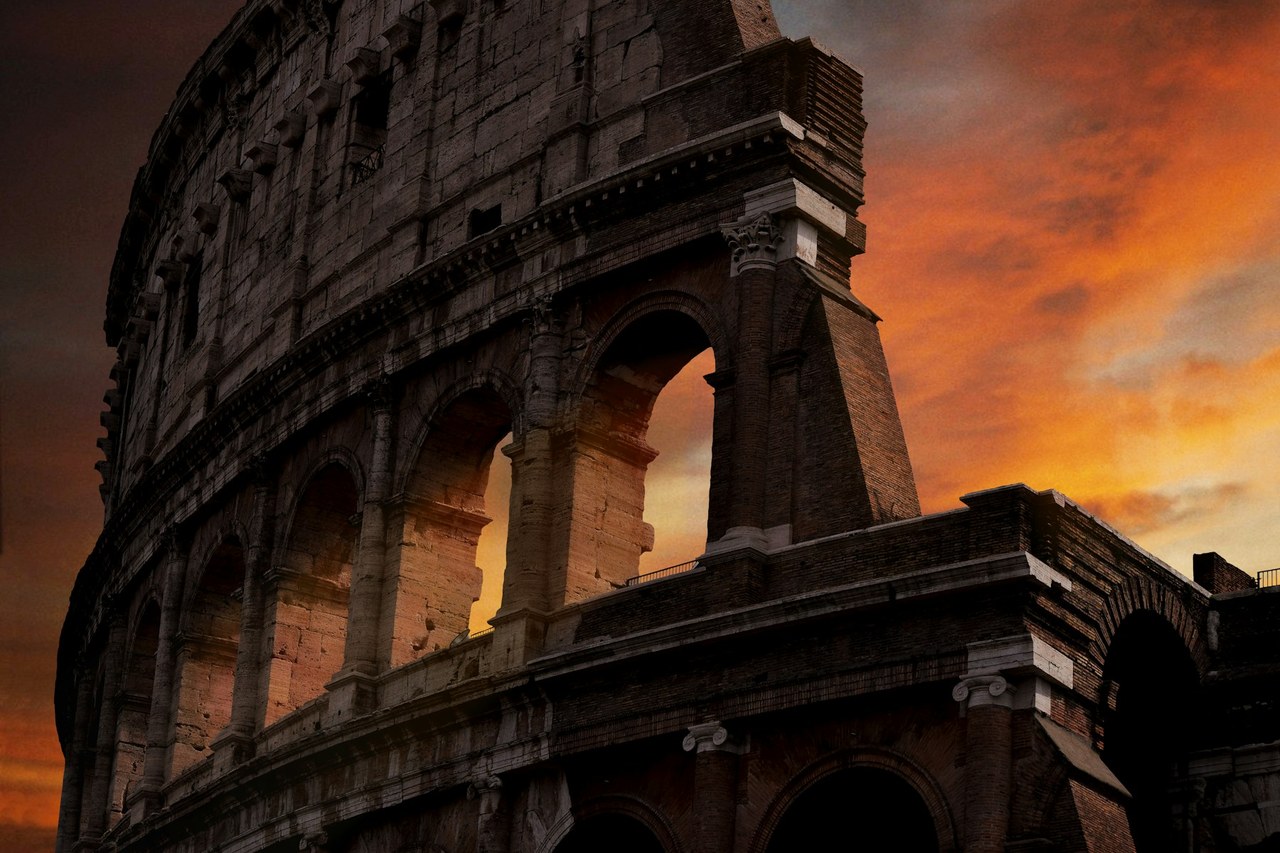
An open-air museum where every corner is 2,000 years old, and dinner is still the main event.
- Best time to visit: April-May and September-October
- Daily budget (budget traveller): $110 to $170 USD
- Ideal trip length: 4 to 5 days
Rome is overwhelming if you wing it, long queues, scorching piazzas, and tourist-trap carbonara on every corner. Joy Plus orders your days by neighbourhood and ticket window so you see the Colosseum at dawn and eat where the Romans actually eat.
Rome punishes the improviser and rewards the planner. The big sites run on timed tickets, the lines at the Colosseum and Vatican Museums stretch for hours by mid-morning, and the sun on the Forum in July is brutal. Order your days by neighbourhood and ticket window. Do the ruins at 8:30am, the piazzas at lunch, the churches in the dead hour after 1pm, and keep your evenings for what Rome does best: eating.
Eating well here is a skill. Skip any restaurant with a photo menu or a waiter hustling on the pavement. Standing at a bar, an espresso is €1.20 to €1.50 and a cornetto is €1.50. A plate of cacio e pepe at Felice a Testaccio is about €16, a slice of pizza al taglio is €3 to €5, and Roman dinner does not start before 8pm. Water comes free from the nasoni, the little iron fountains on every other corner. The best trattorias book out a week ahead, so reserve before you land.
The centre is smaller than it feels. The Pantheon, Trevi Fountain, Piazza Navona and Spanish Steps all sit within a 20 minute walk of each other, and the three metro lines (A, B, C) cover the rest. Base yourself in Monti, Testaccio or Prati rather than around Termini, wear shoes that can handle sampietrini cobblestones, and leave one afternoon empty. Some of Rome's best moments are unscheduled: a church with a Caravaggio and nobody in it, a keyhole on the Aventine, a late gelato on a street with no name.
How many days in Rome?
For Rome, we recommend 4 to 5 days. With more time, add a day trip to Ostia Antica or Tivoli.
| Trip length | What you'll see | Itinerary |
|---|---|---|
| 2 days | Walk the Centro Storico; Ancient Rome and Testaccio | Rome in 2 days |
| 3 days | Adds: Vatican and Trastevere | Rome in 3 days |
| 4 days · Recommended | Adds: Borghese, Spanish Steps and Esquilino | Rome in 4 days |
| 5 days · Recommended | Adds: Jewish Ghetto, Capitoline Hill and Monti | Rome in 5 days |
| 7 days | Adds: Appian Way by bike, Pigneto at night; Gianicolo, Trastevere | Rome in 7 days |
Rome itinerary
Arrive and walk the Centro Storico
Morning: Land at FCO, Leonardo Express to Termini (€14, 32 min), then metro B one stop to Cavour for Monti. Drop bags, cornetto and a standing cappuccino at any bar.
Afternoon: Pantheon at 2pm (€5, open 9am to 7pm), then Sant'Eustachio Il Caffè on Piazza Sant'Eustachio for its famous espresso. Walk through Piazza Navona to Giolitti on Via degli Uffici del Vicario for gelato.
Evening: Trevi Fountain after 9pm when it thins out (€2 to approach the fountain until 10pm, free after). Dinner and a tagliere of cheese and cured meats at Ai Tre Scalini on Via Panisperna in Monti. Bed by 11pm.
Ancient Rome and Testaccio
Morning: Metro B to Colosseo, 8:30am entry with the combined Colosseum, Forum and Palatine ticket (€18 plus booking fee). Walk the Colosseum, then Via Sacra, the Forum and up Palatine Hill. Exit at Via di San Gregorio.
Afternoon: Walk past the Circus Maximus to the Aventine for the Knights of Malta keyhole on Piazza dei Cavalieri di Malta and the Giardino degli Aranci. Lunch at Mercato Testaccio (Mon to Sat, closes about 3:30pm): a Mordi e Vai sandwich or a Trapizzino.
Evening: Aperitivo in Testaccio, then dinner at Felice a Testaccio on Via Mastro Giorgio (book ahead). Order the cacio e pepe, tossed at the table.
Vatican and Trastevere
Morning: Metro A to Ottaviano. St Peter's Basilica opens at 7am (free, cover knees and shoulders), then walk around the wall to the Vatican Museums for your earliest booked slot. Sistine Chapel last, via the Raphael Rooms.
Afternoon: Lunch at Bonci Pizzarium on Via della Meloria (metro A Cipro), pizza al taglio by weight. Walk to Castel Sant'Angelo (about €16) and cross Ponte Sant'Angelo at golden hour.
Evening: Cross to Trastevere. Aperitivo at Freni e Frizioni on Via del Politeama, then dinner at Da Enzo al 29 on Via dei Vascellari (book, or arrive at 7:30pm and queue).
Borghese, Spanish Steps and Esquilino
Morning: Galleria Borghese at the 9am slot (about €17 with booking, closed Mondays). Walk through Villa Borghese gardens to the Pincio terrace.
Afternoon: Piazza del Popolo and Santa Maria del Popolo (two Caravaggios, free), then down Via del Babuino to the Spanish Steps. Cheap pasta lunch at Pastificio Guerra on Via della Croce.
Evening: Metro A to Vittorio Emanuele. Dinner at Trattoria Da Danilo on Via Petrarca (carbonara and amatriciana, book ahead). Late walk home through Monti.
Jewish Ghetto, Capitoline Hill and Monti
Morning: Pizza ebraica from Il Boccione bakery on Via del Portico d'Ottavia. Walk the Ghetto and the Portico d'Ottavia ruins, then climb to the Capitoline Museums (around €16, opens 9:30am).
Afternoon: Lunch at Nonna Betta in the Ghetto for carciofi alla giudia. Wander Monti's vintage shops on Via del Boschetto.
Evening: Dinner at Salumeria Roscioli on Via dei Giubbonari (book a week ahead for the carbonara). Cocktails at Jerry Thomas Project on Vicolo Cellini.
Appian Way by bike, Pigneto at night
Morning: Metro A to Colli Albani, bus 660 to Via Appia Antica. Rent a bike at the Appia Antica Regional Park info point on Via Appia Antica 58 and ride the ancient road (cars are banned on Sundays). Stop at the Catacombs of San Callisto (about €10).
Afternoon: Picnic from a Testaccio deli, then see the Tomb of Cecilia Metella and the Circus of Maxentius. Back to the city by 5pm, shower, rest.
Evening: Metro C to Pigneto, Rome's bohemian nightlife quarter. Dinner at Necci dal 1924 on Via Fanfulla da Lodi, then bar-hop along Via del Pigneto.
Gianicolo, Trastevere and depart
Morning: Tram 8 to Trastevere (until 23 November 2026 replacement buses may run instead for track works, so check atac.roma.it), Santa Maria in Trastevere for its gold mosaics (free), then climb Via Garibaldi to the Gianicolo terrace. The noon cannon fires at 12:00 daily.
Afternoon: Supplì at Supplizio on Via dei Banchi Vecchi, then a last gelato at Fatamorgana. Collect bags.
Evening: Metro to Termini, Leonardo Express to FCO (runs about every 15 minutes, last departure around 22:35). Leave at least 3 hours before your flight.
Best neighbourhoods
- Centro Storico: The Pantheon, Piazza Navona, the postcard Rome.
- Trastevere: Cobbled lanes, ivy-covered trattorias, the city's best dinner neighbourhood.
- Monti: Boutiques, wine bars, hip without trying.
- Testaccio: Working-class Rome, the food market, the original Roman cuisine.
- Prati: Quiet, elegant, the smart base for the Vatican.
Must-do experiences
- Colosseum + Forum at opening: Book the first slot. By 10am the queues stretch around the block.
- Vatican Museums at first entry: No evening openings in 2026, so book the earliest slot to beat the tour groups.
- Walk the Appian Way on Sunday: The ancient road, closed to cars, lined with ruins and pines.
- Trastevere food wander at night: Cross the river to Rome's most atmospheric quarter, cobbled lanes, ivy-draped trattorias and aperitivo crowds. Eat cacio e pepe at a local osteria, then gelato as you wander the alleys.
Hidden gems
- Quartiere Coppedè, a fairytale Art Nouveau enclave most tourists never reach.
- The keyhole at the Knights of Malta on Aventine Hill.
- Centrale Montemartini, Roman statues displayed inside a former power plant.
- Sant'Eustachio Il Caffè, the espresso Romans actually queue for.
Daily budget
- Accommodation: budget €35-60 / night (hostel dorm), mid-range €140-320 (boutique double), splurge €600+ (Hotel de Russie, Palazzo Manfredi). Add the city tax of €4-10 per person per night, paid at the property and not included in booking prices. Monti and Testaccio give the best value.
- Food: budget €30-40 / day (bar breakfast, pizza al taglio, one trattoria pasta), mid-range €60-90 (one proper dinner with wine), splurge €300+ (La Pergola, 3 Michelin stars, tasting menu). Budget for the coperto, a €2-3 per person cover charge that is standard and legal. Weekday lunch at a trattoria is usually cheaper than dinner.
- Transport: budget €0-8.50 / day (walk, or 24h pass at €8.50), mid-range €12-20 (metro, tram, a couple of taxis), splurge €60+ (private driver to Orvieto or Tivoli). A single ticket is €1.50 and valid 100 minutes. Walk the centre. Never rent a car, ZTL zones will fine you automatically.
- Activities: budget €15-25 / day (Pantheon €5, free churches, one paid site), mid-range €45-70 (Colosseum €18 plus booking fee, Vatican Museums €25, Borghese €17), splurge €150+ (private early Vatican tour, Colosseum arena floor, Vespa tour). St Peter's Basilica, Santa Maria in Trastevere and dozens of Caravaggio churches are free. The Colosseum ticket also covers the Forum and Palatine.
- Drinks & nightlife: budget €8-12 (spritz at the bar, free nasoni water), mid-range €25-40 (aperitivo with buffet, a cocktail bar), splurge €80+ (Jerry Thomas Project speakeasy, hotel terrace). Aperitivo at Freni e Frizioni in Trastevere costs about €10-12 with a drink and a buffet, which can double as dinner.
Where to stay
- Social hostel in Esquilino (10 min to Monti) (€35-60 / night): The Beehive or Generator Rome, both a few minutes from Termini and the Leonardo Express. Mixed dorms and privates, communal kitchens, easy airport transfer.
- Boutique hotel in Monti (€140-320 / night): Duca d'Alba on Via Leonina, or Hotel Celio just beyond the Colosseum in neighbouring Celio. Cobbled streets, wine bars downstairs, and ancient Rome on your doorstep.
- Apartment in Testaccio (€100-170 / night): Real Roman life: the market in the morning, trattorias at night, metro B at Piramide. Best value for a 5+ night stay.
- Splurge in Campo Marzio / Spanish Steps (€600-1,400 / night): Hotel de Russie on Via del Babuino or Hotel Hassler above the Spanish Steps. Garden terraces, old Rome on foot, and a concierge who gets you into restaurants.
What to eat
- Cacio e pepe at Felice a Testaccio
- Roman pizza al taglio at Bonci Pizzarium
- Carbonara at Roscioli (book a week ahead)
- Gelato at Otaleg or Fatamorgana
Day trips
- Ostia Antica (30 min by train): Rome's ancient port city, with intact streets, a theatre, mosaics and a bar-restaurant. Far fewer people than Pompeii and easy to cover in half a day. Metro B to Piramide, then the Roma-Lido train from Porta San Paolo to Ostia Antica on a standard €1.50 ticket. Entry about €18.
- Tivoli (50 min by regional train): Villa d'Este's Renaissance fountain gardens and Hadrian's Villa, the emperor's sprawling retreat. Two UNESCO sites in one day. Regional train from Roma Tiburtina to Tivoli, about €3 each way. Bus to Hadrian's Villa is a few minutes. Both sites cost about €15 each.
- Orvieto (1h15 by train): A medieval hilltop town in Umbria with a spectacular Gothic cathedral, underground caves and white wine. Doable as a long day trip, better with an overnight. Regional train from Roma Termini, about €10 each way. Funicular from the station up to the old town.
When to visit
- Spring (April - June): 15-27°C, mostly sunny, occasional showers in April. Crowds: Heavy around Easter and May, manageable in early June. The best window. Long golden evenings, wisteria and roses in bloom, outdoor dinners. Book Easter week hotels months ahead.
- Summer (July - August): 30-37°C, heatwaves can touch 40°C, almost no rain. Crowds: Heavy in July, thinner in mid-August when Romans leave. Skip if you can. Ferragosto (15 August) closes many family trattorias. If you come, do ruins at 8:30am and nap from 1 to 5pm.
- Autumn (September - October): 20-29°C in September, 14-23°C in October, first rains late October. Crowds: Moderate, drops after the first week of November. The locals' favourite. Warm light, artichokes and porcini on menus, and shorter queues.
- Winter (November - March): 5-14°C, rainy spells, November is the wettest month. Crowds: Low, except Christmas and New Year. Cheapest hotels, near-empty Forum, carbonara weather. Pack a proper rain jacket and expect some early sunsets around 5pm.
Entry rules for your passport
Visa rules for Italy depend on the passport you travel on. Check the official source before you book: European Commission: Schengen visa policy
Getting there
Fiumicino (FCO) is 32km from the centre. The Leonardo Express goes non-stop to Termini in 32 minutes for €14, about every 15 minutes from 6:23am to 11:23pm. The regional FL1 train to Trastevere, Ostiense and Tiburtina is €8 and cheaper if you are staying outside Monti. Taxis from FCO to anywhere within the Aurelian Walls have a fixed fare of €55. Ciampino (CIA), used by Ryanair, is 15km away: Terravision or SIT bus to Termini is about €6 and takes 40 minutes. By train, Frecciarossa gets you from Milan in about 3 hours, Florence in 1.5 hours and Naples in 70 minutes. Cruise passengers reach Civitavecchia and take a regional train to Roma Termini or San Pietro (about 1 hour 15, around €5). Avoid unlicensed drivers at arrivals and stick to white taxis with the Roma Capitale logo.
Border checks: non-EU visitors (other than Swiss, Norwegian, Icelandic, Liechtenstein, Andorran, Monegasque, San Marinese and Vatican citizens, and holders of an EU residence permit or long-stay visa) are registered in the EU's Entry/Exit System (EES) instead of getting a passport stamp. On your first crossing, officers take your photo and/or fingerprints, so allow extra time at passport control. ETIAS, the planned travel authorisation, is not in operation yet, so don't pay any website for one.
Getting around
Walk the centre, most icons are within 20 minutes of each other. Use the metro for Vatican and Termini. Avoid driving: ZTL fines and one-way alleys are brutal.
Safety
Very safe. Pickpockets work the metro line A and bus 64 to the Vatican, keep bags zipped and front-facing. Solo travellers feel comfortable in Trastevere and Monti late into the night.
Solo travel tips
- Stand at the bar: Pay at the cassa first, hand the receipt to the barista, drink standing. Espresso is €1.20 to €1.50 at the bar and €3+ at a table. Ten minutes of nodding along with the regulars teaches you more Italian than a phrasebook.
- Book solo tickets early, not through resellers: Single slots for the Colosseum and Borghese are easier to find than pairs, but they still sell out days ahead. Use the official sites (ticketing.colosseo.it, museivaticani.va, galleriaborghese.it). Anyone offering tickets outside the gates is a reseller.
- Hostel pick: The Beehive or Generator Rome: The Beehive on Via Marghera is the boutique, quiet option with a vegetarian café. Generator Rome on Via Principe Amedeo runs a busy bar and social nights. The Yellow on Via Palestro is the classic party pick. All three sit near Termini, so you can reach Monti in 10 minutes on foot.
- Guard your bag on Metro A and bus 64: Pickpockets work Metro A at Termini, Barberini and Ottaviano, and bus 64 to the Vatican. Wear your bag on your front, keep your phone in an inside pocket, and walk to St Peter's from Ottaviano instead of taking the bus.
- Solo female travellers: Rome is generally safe in the centre, but catcalling is common around Termini and the Colosseum. Use official white taxis (call 06 3570 or the FreeNow app) after midnight, avoid Termini's side streets late, and ignore anyone handing you bracelets or roses.
- Find your tribe at a cooking class: Pasta-making classes in Trastevere run groups of 8 to 12 for €50 to €70 and end with you eating what you made. Testaccio food tours work the same way. Both are the easiest way to end up at a dinner table with new people.
Cultural etiquette
- Cover charge (coperto) of €2 to €3 per person is standard and legal. Tipping beyond that is not expected, round up or leave €1 to €2 for good service.
- Cappuccino is a breakfast drink. Ordering one after 11am marks you as a tourist, so switch to espresso, or caffè macchiato if you need milk.
- Cover your knees and shoulders in churches and the Vatican. A light scarf in your bag solves it, and security will turn you away otherwise.
- Don't sit on the Spanish Steps, eat on monument steps, or dip your feet in fountains. Fines run into the hundreds of euros, and the vigili do enforce it.
- Dinner starts at 8pm. Arriving at 6:30pm gets you an empty room and a tourist menu. Lunch is 1pm to 3pm.
- Carbonara has no cream, amatriciana has no garlic, and nobody puts chicken on pasta. Ask for ketchup and you will get a look.
- Greet shopkeepers and bartenders with a buongiorno or buonasera when you walk in, and say grazie and arrivederci when you leave. It changes the service.
Frequently asked questions
How many days do you need in Rome?
Four to five days. Two for ancient Rome (Colosseum, Forum, Palatine), one for the Vatican, one for neighbourhoods (Trastevere, Monti), and one slow day of food and aperitivo.
Is Rome expensive?
Mid-range. Budget $110-170/day with a comfortable hotel. Pizza al taglio and trattoria pasta are still cheap; coffee is €1.50 standing at the bar.
Do I need to book the Colosseum in advance?
Always. Tickets sell out well ahead in high season. The first morning slot is the only way to avoid both crowds and heat.
Where to stay first time in Rome?
Monti or Rione Ponte. Monti puts you walking distance to the Colosseum with cobblestone streets and wine bars; Ponte sits between Piazza Navona and the Vatican. Avoid Termini (rougher at night, charmless) and skip Trastevere unless you don't mind late-night noise.
What's the best Roman food I've never heard of?
Cacio e pepe (pasta with pecorino and pepper, three ingredients, impossible to do well), supplì (fried rice balls), carciofi alla giudia (Jewish-style fried artichokes in the Ghetto), and tonnarelli pasta. Skip 'spaghetti bolognese', it's not Roman and not really Italian.
Is the Vatican worth visiting if I'm not religious?
Absolutely. The Vatican Museums hold one of the world's great art collections, and the Sistine Chapel ceiling is unmatched. Book the earliest entry slot to dodge the crowds. St Peter's Basilica is free and stunning at 7am before mass.
Is the water from Rome's fountains safe to drink?
Yes. The little street fountains called nasoni run constant, free, cold drinking water all over the city. Bring a refillable bottle, you'll save money and survive the summer heat.
More about Rome
- 3 Days in Rome: A First-Timer's Itinerary With 2026 Prices
- The Perfect 3-Week Europe Itinerary for First-Time Visitors
Tours and activities in Rome | Rome in 2 days | Rome in 3 days | Rome in 4 days | Rome in 5 days | Rome in 7 days
Can't decide? Compare Rome with...
- Paris vs Rome
- Rome vs Florence
- Rome vs Milan
- Naples vs Rome
- Rome vs Venice
- Rome vs Athens
- London vs Rome
- Madrid vs Rome
- Rome vs Barcelona
- Lisbon vs Rome
- Rome vs Amalfi Coast
- Rome vs Istanbul
Joy Plus home | Destinations | Itineraries | Activities | Flights | Budget planner | Calendar | Map | Blog | Lifetime access