Destinations / South America
Rosario, Argentina travel guide
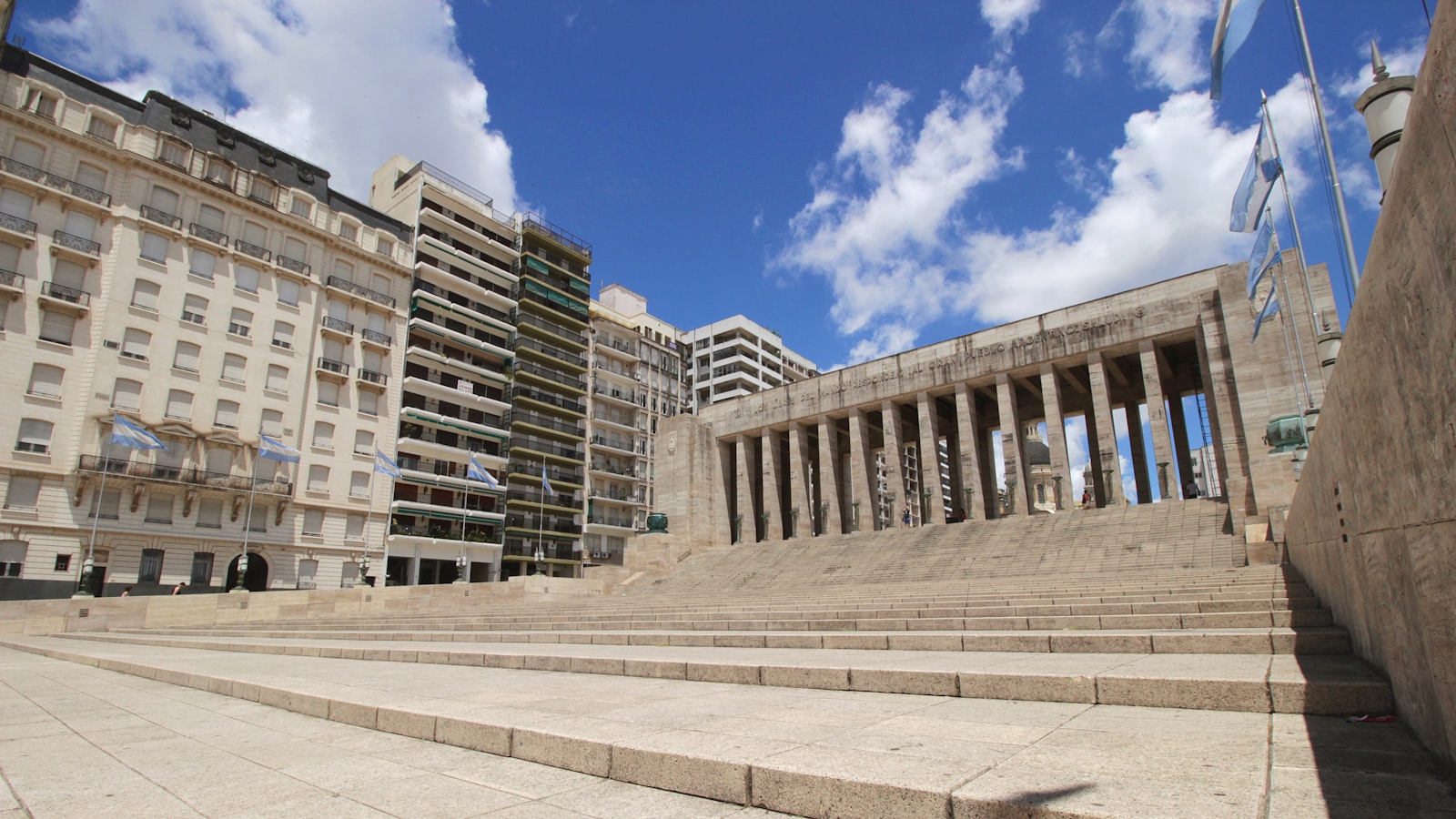
Argentina's relaxed riverside city, birthplace of Messi and the national flag.
- Best time to visit: September-November and March-May (mild spring and autumn)
- Daily budget (budget traveller): $35 to $100 USD
- Ideal trip length: 2 to 3 days
Rosario, on the banks of the mighty Paraná River, is Argentina's third-largest city and one of its most easygoing. Famous as the birthplace of Lionel Messi and of the Argentine flag, it's a graceful place of wide boulevards, grand Belle Époque architecture, riverside parks and sandy island beaches reached by boat. With a lively cultural scene, excellent parrillas and a relaxed pace far removed from Buenos Aires' intensity, Rosario is a rewarding stop. Its monumental Flag Memorial dominates the riverfront. Joy Plus maps the riverside walks, the best steakhouses and the boat trips to the Paraná delta islands.
Rosario is what Buenos Aires would be if it stopped shouting. It sits on the western bank of the Paraná, a brown, two-kilometre-wide river that is the city's front garden, beach and main road all at once. Locals spend their afternoons on the Costanera with a thermos under one arm and a mate gourd in the other, and a visitor who copies them will be fine. The city is flat, grid-planned and easy to read. Belle Époque mansions line Bv. Oroño, the pedestrian streets Córdoba and San Martín run west from Plaza 25 de Mayo, and the whole thing ends at the river, where the white prow of the Monumento Nacional a la Bandera points at the water.
The famous names are easy to tick off. Lionel Messi grew up here, playing first at Club Abanderado Grandoli and then at Newell's Old Boys. Che Guevara was born here, and Roberto Fontanarrosa, the comic artist and writer, drank his coffee at El Cairo on the corner of Sarmiento and Santa Fe. But the real draw is the pace. A good lunch lasts two hours, a bife de chorizo costs a fraction of a Palermo steak, and the island beaches across the river are a 15 minute boat ride from the city centre. Pichincha, once the red-light district, now packs bars and antique shops into low brick buildings, and the MACRO contemporary art museum lives in converted grain silos at the river end of Oroño.
Be honest with yourself about length. Two nights covers the Monument, the Costanera, Pichincha and one parrilla. Three lets you add the islands and a walk through Parque de la Independencia. A week, as laid out below, works only if you like slow travel and add day trips to San Lorenzo and Santa Fe. Argentina's economy moves fast, so treat every peso price here as a 2026 estimate. Check the exchange rate when you land and carry plenty of cash, because the 2026 card-versus-cash gap is narrower than it used to be but still varies by venue.
How many days in Rosario?
For Rosario, we recommend 2 to 3 days. With more time, add a day trip to Santa Fe city.
| Trip length | What you'll see | Itinerary |
|---|---|---|
| 2 days · Recommended | Centro and the Flag Memorial; Costanera, Parque de España and Pichincha | Rosario in 2 days |
| 3 days · Recommended | Adds: Island day on the Paraná | Rosario in 3 days |
| 4 days | Adds: Bv. Oroño, Parque Independencia and the Messi trail | Rosario in 4 days |
| 5 days | Adds: San Lorenzo day trip | Rosario in 5 days |
| 7 days | Adds: Puerto Norte and Barrio Martin; Last mate, optional Santa Fe | Rosario in 7 days |
Rosario itinerary
Arrive, settle, Centro and the Flag Memorial
Morning: Check in around Plaza 25 de Mayo. Coffee and medialunas at El Cairo (Sarmiento y Santa Fe), then step into the Catedral Nuestra Señora del Rosario on the plaza.
Afternoon: Walk Peatonal Córdoba and San Martín. At the river, climb the Monumento Nacional a la Bandera tower and see the crypt. Ice cream at Cremolatti afterwards.
Evening: Sunset on the Parque a la Bandera steps. Dinner at a Costanera parrilla (bife de chorizo, provoleta, a half bottle of Malbec) around 9:30pm.
Costanera, Parque de España and Pichincha
Morning: Rent a bike or walk north along the Costanera to Parque de España. Check the exhibition at the Centro Cultural Parque de España, then take the terraces over the river.
Afternoon: MACRO at the river end of Bv. Oroño, where the old grain silos house contemporary art. Late lunch of surubí or pacú at a Costanera restaurant.
Evening: Pichincha: antique shops and brick-lined streets by day, bars along Av. Francia and Calle Pasaje by night. Fernet con coca and live music.
Island day on the Paraná
Morning: Boat to the delta islands from the Costanera docks (about 15 min, check current departure times). Bring repellent, a hat and cash.
Afternoon: Beach, a swim at a river balneario, grilled fish lunch at an island parador. Mates on the sand.
Evening: Boat back by late afternoon. Quiet dinner of empanadas and a beer in Centro, early night.
Bv. Oroño, Parque Independencia and the Messi trail
Morning: Walk Bv. Oroño from the river westward past Belle Époque mansions. Visit the Museo Castagnino on Av. Pellegrini.
Afternoon: Parque de la Independencia: boating lake, Japanese garden and the Newell's Old Boys stadium. Ask about a Messi-themed tour (his childhood club Grandoli is in the south-west barrios).
Evening: Football if there's a home fixture (Newell's at Marcelo Bielsa, Central at Gigante de Arroyito). Otherwise a quiet parrilla in Barrio Martin.
San Lorenzo day trip
Morning: Bus north to San Lorenzo (about 40 to 50 min). Convento San Carlos and the Campo de la Gloria, where San Martín fought in 1813.
Afternoon: Lunch in town, then walk the riverside park. Return mid-afternoon.
Evening: Back in Rosario, a long dinner and an unhurried drink at Plaza Pringles area bars.
Puerto Norte and Barrio Martin
Morning: Slow start. Brunch at a Barrio Martin café, then walk the shady streets.
Afternoon: Cycle north to Puerto Norte, the redeveloped port district, for the promenade and riverside cafés. Rest through the heat.
Evening: A parrilla goodbye in Puerto Norte, or a cinema or theatre night in Centro.
Last mate, optional Santa Fe, depart
Morning: Mate and a croissant on the Costanera. Buy alfajores and a good yerba to take home from a supermarket.
Afternoon: Option A: bus to Santa Fe city (about 2 hours) for a history afternoon. Option B: easy lunch in Centro and head to the terminal or airport.
Evening: Overnight bus to Buenos Aires, or flight out of Rosario's Islas Malvinas airport.
Best neighbourhoods
- Centro: The downtown core around the Flag Memorial, pedestrian streets and main plazas.
- Pichincha: A revived bohemian quarter with bars, antique shops and nightlife.
- Puerto Norte: A redeveloped riverside district of modern towers, promenades and restaurants.
- Barrio Martin: A leafy residential area near the river with cafés and green spaces.
- La Costanera: The long riverfront strip of parks, beaches and boat departures.
Must-do experiences
- Visit the National Flag Memorial: Climb the monumental tower marking where Argentina's flag was first raised.
- Stroll the Costanera: Walk or cycle the long riverside promenade with its parks and views.
- Take a boat to the islands: Cross the Paraná to sandy river beaches and nature on the delta islands.
- Explore the Messi trail: See sites linked to Lionel Messi's childhood in his home city.
- Admire Boulevard Oroño: Wander the grand tree-lined boulevard past Belle Époque mansions.
- Eat at a riverside parrilla: Enjoy classic Argentine steak with a river view.
Hidden gems
- The bohemian bars and antique markets of the reborn Pichincha district.
- Sandy, low-key beaches on the Paraná delta islands in summer.
- The MACRO contemporary art museum in colourful converted grain silos.
- Late-afternoon light over the river from the Parque de España terraces.
Daily budget
- Accommodation: budget ARS 15,000-25,000 / night (hostel dorm), mid-range ARS 55,000-95,000 (central 3 or 4 star double), splurge ARS 150,000+ (Esplendor Savoy top rooms or a Puerto Norte tower suite). Centro is the best value. Many places quote in USD, and paying cash in dollars can earn a discount.
- Food: budget ARS 20,000-30,000 / day (empanadas, minutas, menú del día), mid-range ARS 45,000-70,000 (one parrilla dinner), splurge ARS 100,000+ (a long parrilla or tasting menu with wine). Lunch menús (menú ejecutivo) run ARS 10,000-15,000 and are the cheapest proper meal. Cubierto (cover charge) is ARS 2,500-4,000 per head at sit-down places.
- Transport: budget ARS 4,000-6,000 / day (buses on a Movi card), mid-range ARS 10,000-20,000 (buses plus a few Ubers), splurge ARS 40,000+ (private car to San Lorenzo, airport transfers). A city bus ride is roughly ARS 1,500. Centro is walkable, so walk and save the card for Parque Independencia and the north.
- Activities: budget ARS 0-5,000 / day (free parks, Costanera, Monument), mid-range ARS 12,000-25,000 (island boat, MACRO, Castagnino museum), splurge ARS 50,000+ (private boat, football match ticket). The Costanera, Bv. Oroño and most plazas cost nothing. Several museums have free days, check the posted schedule.
- Drinks & nightlife: budget ARS 8,000-12,000 (a fernet with cola and a beer), mid-range ARS 25,000-40,000 (Pichincha bar crawl), splurge ARS 60,000+ (cocktail bar then club entry). Nights start late: bars fill after midnight, clubs after 2am. Fernet con coca at a bar is ARS 6,000-9,000.
Where to stay
- Social hostel in Centro / Pichincha (ARS 15,000-30,000 / night): Walkable to the Monument and bars. Look for a hostel with a shared kitchen or rooftop asado and check recent Hostelworld reviews.
- Boutique hotel in Centro (ARS 80,000-140,000 / night): Esplendor by Wyndham Savoy Rosario on Av. Belgrano is a restored Belle Époque hotel, or choose a small design hotel near Plaza 25 de Mayo.
- Apartment in Barrio Martin or Pichincha (ARS 45,000-80,000 / night): Leafy streets, supermarkets and cafés nearby. Best value for 4+ nights, often with a balcony and kitchen.
- Splurge in Puerto Norte (ARS 150,000-280,000 / night): Modern tower suites with river views, pools and gyms. Quiet, safe and a short ride to Centro.
What to eat
- Asado and bife de chorizo from a riverside parrilla
- Freshwater river fish like surubí and pacú
- Empanadas and choripán snacks
- Fernet with cola, the local favourite drink
Day trips
- Paraná delta islands (15 min by boat): Sandy river beaches, grilled fish at island paradores and quiet mate afternoons. Best December to March. Bring repellent and cash. Small launches leave from the Costanera docks, roughly ARS 8,000-12,000 return. Confirm departure times, as schedules shift with the season and river level.
- San Lorenzo (25 km north, 40-50 min): Convento San Carlos and the Campo de la Gloria battlefield where San Martín won in 1813. A short, historic half-day. Interurban bus from Rosario's terminal (ask at the info desk for the San Lorenzo service), or Uber for about ARS 25,000-35,000 each way.
- Santa Fe city (170 km, about 2 hours): Colonial centre, riverside Costanera and Jesuit block. Worth a long day or an easy overnight. Several bus companies run frequent services from Mariano Moreno terminal, roughly ARS 10,000-15,000 each way.
When to visit
- Spring (September - November): 15-27°C, sunny, occasional storms in November. Crowds: Light to moderate, locals reclaim the Costanera. The best window. Jacarandas and tipas bloom along Oroño, the river is back in use and nobody is melting.
- Summer (December - February): 24-35°C, humid, violent afternoon thunderstorms. Crowds: Moderate, many locals leave for the coast in January. Go if island beaches are the point. Plan indoor time from 1pm to 5pm and expect mosquitoes on the river.
- Autumn (March - May): 14-27°C, clear, humid early on. Crowds: Light, shoulder-season prices. The local pick. Warm afternoons, cool nights, football season in full swing and terraces still open.
- Winter (June - August): 4-17°C, damp, grey spells. Crowds: Low, except around 20 June (Día de la Bandera). Cheapest and quietest. Fine for museums, cafés and parrillas, useless for the islands. Book ahead if you want to be here for Flag Day.
Entry rules for your passport
Visa rules for Argentina depend on the passport you travel on. Check the official source before you book: Argentina Ministry of Foreign Affairs
Getting there
Most visitors arrive by bus from Buenos Aires. Coaches leave Retiro terminal every 20 to 30 minutes and take about 4 to 4.5 hours. Semi-cama seats run ARS 25,000-40,000 one way, bookable on Plataforma 10 or at the counter. Rosario's Terminal de Ómnibus Mariano Moreno is on Cafferata, about 15 minutes by Uber from Plaza 25 de Mayo (ARS 5,000-8,000). Flights land at Rosario Islas Malvinas International Airport (ROS), about 15 km west of the centre, with domestic services from Buenos Aires, Córdoba and other cities. A remis or Uber to the centre costs ARS 20,000-30,000. Many travellers instead fly into Buenos Aires Aeroparque (AEP) or Ezeiza (EZE) and take the bus.
Getting around
Rosario is flat, well laid out and pleasant to explore, with a walkable centre around the Flag Memorial and pedestrian shopping streets. To cover the long riverfront and reach outer neighbourhoods, you'll want transport. The city has an extensive and cheap bus network (using a rechargeable card) and a popular public bike-share scheme that's ideal for the flat Costanera. Ride apps and taxis are affordable and convenient, especially at night. To reach the island beaches, small passenger boats and launches depart from the riverfront in the warmer months. The airport is a short drive from the centre, and long-distance buses connect Rosario with Buenos Aires in around four hours.
Safety
Rosario is a relaxed city that's generally fine for tourists, though like any Argentine city it calls for standard urban precautions. The central, riverside and tourist areas are well used and safe by day and evening, but keep valuables discreet, watch belongings in crowds and on buses, and use ride apps at night rather than walking long distances. Some peripheral neighbourhoods away from the centre are best avoided by visitors. Rosario was for years Argentina's most violent city, because of drug-gang crime in outer districts that tourists have no reason to enter, but killings have fallen sharply since 2024, and in July 2026 the US dropped its extra warning for the city. Stick to the well-travelled districts, stay aware after dark, and you'll find Rosario an easy-going, welcoming place, comfortable for solo travellers too.
Solo travel tips
- Eat at the counter: Many cafés and bodegones have a barra. Order a cortado or a minuta, listen, and you'll be in conversation within minutes. Rosarinos love to explain their football loyalties.
- Mate is an invitation: If someone offers you mate, drink it all and hand it back with 'gracias' only when you're done. Saying thanks early signals you don't want more.
- Stay in Centro or Pichincha: Both are walkable, well lit at night and close to the bars. Puerto Norte is quiet but fine. Avoid far-out barrios west and south of the centre.
- Use ride apps after dark: Uber and Cabify cost ARS 4,000-8,000 across the centre. Use them rather than walking back from Pichincha at 3am or hailing street taxis.
- Solo female travellers: Rosario is a relaxed city for women alone. Expect the odd street comment, keep your phone out of reach on buses and keep drinks in sight at crowded bars. Dress codes are casual and dinners are late.
- Meet people through football and bikes: Newell's and Central matches are the quickest route into local life (go with a ticket agent or hostel). Bike-share along the Costanera also puts you among locals, so check the current registration rules for foreigners.
Cultural etiquette
- Greet with one kiss on the right cheek, men included when they know each other. Handshakes work for first meetings.
- Dinner starts after 9pm and runs to midnight. Showing up at 7pm gets you an empty restaurant, if it's open.
- Tip 10% in restaurants, in cash if possible. Round up for taxis and cafés. Cubierto is a fixed cover charge, not a tip.
- Don't wear a rival's football shirt casually. Newell's (red and black) and Rosario Central (blue and yellow) split the city, so ask before you cheer.
- Don't call the Falklands anything but Malvinas in conversation. The airport itself is named after them.
- Mate is shared. Don't ask to wipe the bombilla, and don't stir it. Say 'gracias' only when you're finished.
- Use 'vos' rather than 'tú' if you speak Spanish. Locals use 'che' casually, so don't copy it too early.
Frequently asked questions
How many days do you need in Rosario?
Two to three days is ideal for Rosario. This gives you time to visit the monumental National Flag Memorial, stroll or cycle the long riverside Costanera, explore the grand Boulevard Oroño and the revived Pichincha nightlife district, and enjoy the city's excellent parrillas. In warmer months, set aside part of a day for a boat trip across the Paraná to the sandy island beaches. Football fans can also follow the Messi trail through his home city. Rosario's relaxed pace suits a short, unhurried break, and two full days comfortably cover the highlights, with a third for the river islands.
When is the best time to visit Rosario?
The most pleasant times to visit Rosario are spring (September to November) and autumn (March to May), when temperatures are mild and comfortable for walking the riverfront and exploring the city. Summer (December to February) is hot and humid but is the season for enjoying the Paraná island beaches and river swimming, though midday heat can be intense. Winter (June to August) is cool and quieter, fine for city sightseeing but less appealing for the river. For the best balance of comfortable weather and full access to Rosario's riverside life, aim for the shoulder months of spring or autumn.
What is Rosario known for?
Rosario is best known as the birthplace of Lionel Messi and as the cradle of the Argentine flag, commemorated by its vast National Flag Memorial on the riverfront. It's celebrated for its relaxed riverside lifestyle along the Paraná, its grand Belle Époque architecture on boulevards like Oroño, and the sandy delta islands reached by boat. The city also has a strong cultural scene, good museums such as the MACRO in converted grain silos, lively nightlife in Pichincha, and excellent Argentine steakhouses. Easygoing, elegant and river-focused, it offers a calmer alternative to Buenos Aires.
Is Rosario worth visiting?
Yes, Rosario is well worth a visit, particularly if you want to experience a relaxed, authentic Argentine city away from the intensity of Buenos Aires. Its highlights, the striking Flag Memorial, the scenic riverfront Costanera, elegant boulevards, sandy island beaches and superb parrillas, make for a rewarding couple of days. Football fans are drawn by its status as Messi's hometown. The pace is easygoing, the architecture handsome and the river setting distinctive. While not a blockbuster tourist destination, it's a pleasant, genuinely local stop, ideal on a route between Buenos Aires and the north, or as a laid-back city break in its own right.
How do you get from Buenos Aires to Rosario?
Rosario is around 300 kilometres northwest of Buenos Aires and easy to reach. The most common option is a long-distance bus, with frequent, comfortable services taking roughly four hours between the two cities' bus terminals. Driving takes a similar time via the main motorway. There are also short domestic flights connecting Buenos Aires and Rosario, though once you factor in airport time, the bus is often just as practical. Trains run on the route too but are slower and less frequent. For most travellers, the regular intercity buses offer the best balance of convenience, comfort and value.
What are the Rosario island beaches?
One of Rosario's most distinctive features is its access to sandy beaches on the islands of the Paraná River delta, directly across from the city. In the warmer months, small passenger boats and launches depart from the riverfront to these low-lying islands, where you'll find natural river beaches, calm swimming spots, simple beach bars and a laid-back, holiday atmosphere. It's a beloved local escape, giving Rosario an unusual river-beach culture for an inland city. Bring sun protection, water and cash, as facilities are basic. Boat frequency is highest in summer, so check departure times before setting out.
Is Rosario safe for tourists?
Rosario is generally safe for tourists who stick to the central, riverside and main tourist districts and take normal urban precautions. These well-used areas are comfortable by day and evening, but you should keep valuables discreet, watch your belongings in crowds and on buses, and use ride apps rather than walking long distances late at night. Rosario was for years Argentina's most violent city, because of drug-gang crime in outer districts, but killings have fallen sharply since 2024, and in July 2026 the US dropped its extra warning for the city. Some peripheral neighbourhoods are still best avoided, and visitors have no reason to go there. Stay aware after dark and use common sense, and you'll find Rosario a relaxed, welcoming city that's comfortable to explore, including for solo travellers.
Do I need health insurance to enter Argentina?
Yes. Since a decree of May 2025, foreign visitors must hold health insurance covering their stay and declare it on entry. Standard travel insurance with medical cover is generally accepted; carry the certificate. Public hospitals now treat non-residents free only in emergencies.
Tours and activities in Rosario | Rosario in 2 days | Rosario in 3 days | Rosario in 4 days | Rosario in 5 days | Rosario in 7 days
Joy Plus home | Destinations | Itineraries | Activities | Flights | Budget planner | Calendar | Map | Blog | Lifetime access