Destinations / Europe
Rovinj, Croatia travel guide
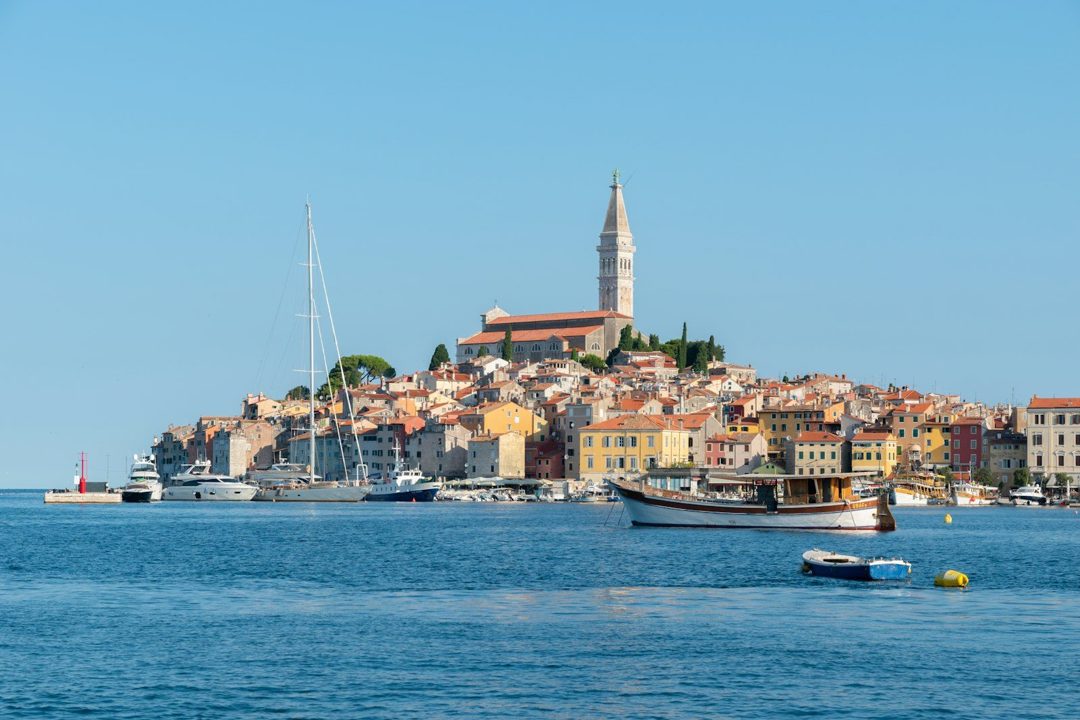
Istria's pastel peninsula: Venetian bell towers, turquoise coves and truffle-scented stone lanes.
- Best time to visit: May to June and September to October
- Daily budget (budget traveller): $75 to $185 USD
- Ideal trip length: 3 to 5 days
Tucked onto a tear-shaped peninsula jutting into the northern Adriatic, Rovinj is Istria's most mesmerising coastal town. Once an island fortress governed by Venice, its pastel-hued townhouses cascade down from the hilltop Church of St. Euphemia to a lively fishing harbour bobbing with wooden batana boats. For the solo traveller, it offers the ideal blend of Italianate charm and Croatian warmth: easy swimming off sun-bleached rocks right beneath the town walls, pine-scented coastal cycling in Punta Corrente, and intimate konobas dishing up handmade fuži pasta laced with Istrian truffles.
Perched on the western flank of the Istrian peninsula, Rovinj feels like an Italian maritime republic grafted onto the rocky Croatian shoreline. For more than five centuries, it was a pivotal naval station of the Venetian Empire, and that heritage remains stamped onto every stone: in the winged lions of Saint Mark carved above town gates, in the soaring campanile modelled on Venice's San Marco, and in the Venetian dialect still spoken softly by older fishermen mending nets along the quays.
What makes Rovinj irresistible to the solo traveller is its self-contained, walkable scale. The Old Town was an island until 1763, when the narrow channel separating it from the mainland was filled in. Today, its tightly packed pastel facades curve upward like a spiral seashell, threaded by narrow cobblestone passages that suddenly open onto hidden sea cliffs where you can drop your towel and jump straight into azure water. There are no frantic commuter trains or sprawling suburbs here; your morning begins with an espresso beside the fishing fleet and ends with a glass of crisp local Malvazija wine on a sunset boulder.
Beyond the historic core lies a dramatic natural landscape. To the south, the protected forest park of Zlatni Rt ribbons along the coast with fragrant cedar groves, quiet limestone quarries favoured by rock climbers, and tranquil pebble bays. Inland, Istria unfurls into olive orchards, rolling vineyards and fortified hill settlements reminiscent of Tuscany. Rovinj serves as the ultimate anchor: small enough to feel intimate and welcoming for a lone explorer, yet sophisticated enough to offer world-class seafood and effortless travel connections.
Rovinj itinerary
Venetian stones and harbour life
Morning: Arrive in Rovinj and check into your accommodation. Stroll through the open-air market at Valdibora to sample local figs and olive oils, then walk beneath the 17th-century Balbi's Arch into the Old Town.
Afternoon: Wind your way up the polished marble flagstones of Grisia Street, browsing small art galleries and ceramic workshops. Reach the plateau of the Church of St. Euphemia and take in the sea views.
Evening: Climb the wooden steps of St. Euphemia's bell tower for a panoramic sunset. Head down to Kantinon Tavern on the harbour for a plate of grilled Adriatic squid and a carafe of chilled Malvazija.
Pine trails and cove swimming
Morning: Rent a sturdy cruiser bicycle near the harbour. Pedal south past the marina into the lush pine and cedar paths of Zlatni Rt (Golden Cape) Forest Park.
Afternoon: Lock your bike and lay your towel on the flat limestone shelves of Lone Bay or Škaraba Beach. Swim in the calm, transparent water, then grab a relaxed lunch of fresh salad and sardines at a shaded beach cafe.
Evening: Ride back to town before dusk. Walk down to the western rocky cliff at Baluota Beach, order an Aperol spritz at a tiny cliffside bar, and watch the sun dip below the Adriatic horizon.
Island hopping and maritime roots
Morning: Walk to the main town pier and catch the small passenger ferry over to Sveti Andrija (Red Island), a 15-minute scenic boat journey past the town skyline.
Afternoon: Explore the peaceful trails linking Sveti Andrija to neighbouring Maškin Island via a stone causeway. Discover secluded rocky swimming inlets, visit the historic Hütterott family mausoleum, and swim off the western cliffs.
Evening: Return by ferry to Rovinj in the late afternoon. Visit the Batana Eco-museum to learn about the traditional flat-bottomed fishing boats, followed by dinner of handmade fuži pasta with black truffles at a rustic konoba.
Roman colosseums or fjord oysters
Morning: Take an early morning Arriva bus to Pula (45 minutes, €5 to €7). Marvel at the monumental 1st-century Roman Amphitheatre, one of the world's best preserved Roman arenas.
Afternoon: Wander Pula's Temple of Augustus and the Arch of the Sergii. Enjoy lunch of fresh seafood buzzara near the Roman forum before catching the afternoon bus back to Rovinj.
Evening: Spend a tranquil evening in Rovinj. Grab a gelato from Gelateria Italia, wander the quiet southern residential lanes of the Old Town, and listen to the gentle lap of the water against the fishing boats.
Hilltop truffles and farewell sunset
Morning: Join a small-group day tour or rent a car for a day into inland green Istria. Head north toward Motovun, a fortified medieval village crowning a steep, dramatic hill above the Mirna river valley.
Afternoon: Walk the ancient defensive ramparts of Motovun, gazing across vineyards and oak forests. Enjoy a truffle-themed lunch featuring local pljukanci pasta and olive oil tastings in the hill town.
Evening: Return to Rovinj for your final night. Book a seaside table at Puntulina, where tables cling to the cliff rocks, and toast your solo journey as the lighthouse flashes across the darkening water.
Best neighbourhoods
- Old Town (Stari Grad): The pedestrian-only historic core crowded onto the headland, brimming with polished limestone passages, art galleries and sea-facing wine bars.
- Centener and Lone Bay: A tranquil green quarter south of the marina, providing immediate access to pebble beaches, shaded pine forest walking trails and boutique hotels.
- Valdibora and Northern Harbour: The working port district north of the peninsula, home to the bustling open-air farmers market, local fishmongers and boat departure points.
Must-do experiences
- Climb the bell tower of St. Euphemia: Ascend the 60-metre wooden stairway of the Venetian campanile for uninterrupted panoramas across the Rovinj archipelago and the Adriatic Sea.
- Cycle through Zlatni Rt Forest Park: Rent a bike and pedal under century-old Himalayan cedars and Aleppo pines along Lone Bay, stopping for swims in crystal-clear coves.
- Wander the artist studios of Grisia Street: Climb the cobbled spine of the Old Town, where local painters, sculptors and ceramicists display their work directly on ancient stone facades.
- Take a wooden batana boat ride at sunset: Board a traditional flat-bottomed fishing boat at the town quay to glide past the waterfront walls as the pastel facades glow in dusk light.
- Swim off the rocks beneath the city walls: Follow the rocky perimeters of the peninsula down to Baluota beach for a refreshing dip directly into deep azure water.
- Feast on Istrian truffles and fuži pasta: Pull up a chair at a family-run tavern to taste hand-rolled quills of pasta smothered in rich local butter, shaved truffles and Malvazija wine.
Hidden gems
- The quiet sea-level stone ledge behind the Church of St. Euphemia for a crowd-free dip
- The tiny fishing cove of Kuvi beach, sheltered by wild olive and cypress groves
- The open-air contemporary sculpture park of Džamonja situated in Vrsar, around 30 km north by road
- The cliff-edge sunbathing platforms tucked near Mediterraneo Bar for an evening spritz
Daily budget
- Accommodation: budget €28-50 / night (hostel dorm bed or modest private room in Centener), mid-range €75-150 / night (charming Old Town studio or modern boutique guesthouse), splurge €240-480+ / night (luxury five-star design resort overlooking Lone Bay). Prices double between mid-July and late August. Shoulder season visits in May, June or September offer immense savings for solo room bookings.
- Food: budget €14-25 / day (bakery burek breakfast, market fruit, takeaway slice or calamari cone), mid-range €35-65 / day (sit-down lunch with Istrian fuži pasta, evening seafood stew and wine), splurge €110+ / day (multi-course tasting menu with Adriatic scampi and wine pairing at a Michelin-rated venue). Daily specials (marenda) served at local taverns between 11am and 2pm offer hearty traditional dishes for €8 to €12.
- Transport: budget €0-6 / day (walking everywhere within town, occasional municipal bus ride), mid-range €12-25 / day (daily bike rental plus return water taxi to Red Island), splurge €60-120 / day (private water taxi transfer, scooter rental or rental car for inland exploration). You need no vehicles within the town itself. Cycling is the fastest, most economical way to hop between southern beach coves.
- Activities: budget €4-9 (climbing St. Euphemia campanile €4, Batana Eco-museum €5, free beach swimming), mid-range €15-35 (museum entries, bike hire, kayak rental around islands), splurge €80-140 (guided sea kayak tour to Lim Fjord or half-day private truffle hunting trip). All beaches, forest walking trails in Punta Corrente and coastal swimming ledges are completely free of charge.
- Drinks & nightlife: budget €5-12 (supermarket Ožujsko beer, espresso at local marina cafe, tap wine), mid-range €18-35 (glass of Istrian Malvazija or Teran, sunset Aperol spritz at a cliffside bar), splurge €55+ (cocktails at luxury hotel terraces or vintage local wine bottles). Look out for open-air wine bars tucked into the western rocks where you can enjoy a drink perched on cushions directly above the waves.
Where to stay
- Social hostel in Old Town (Stari Grad) (€28-50 / night): Budget guesthouses like Rooms Montalbano provide air-conditioned rooms and convenient lodging, located directly in the Old Town on Ulica Montalbano.
- Boutique hotel in Old Town (Stari Grad) (€120-220 / night): Spirito Santo Palazzo Storico or Hotel Heritage Angelo d'Oro, featuring restored historic stone walls, courtyards and immediate access to harbour cafes.
- Apartment in Centener / Valdibora (€65-130 / night): Independent studio apartments with kitchenettes, balcony spaces and washing machines, ideal for solo travellers staying four or more days.
- Splurge in Lone Bay / Marina (€250-500+ / night): Grand Park Hotel Rovinj or Hotel Lone, offering spectacular design architecture, infinity pools overlooking the Old Town campanile, and world-class spa facilities.
What to eat
- Fuži with black Istrian truffles: delicate hand-folded quill pasta tossed in butter and shaved woodland truffles
- Buzara-style mussels: fresh Adriatic shellfish simmered with white wine, garlic, olive oil and fresh parsley
- Maneštra: a comforting traditional Istrian vegetable and bean soup scented with cured pork and dried corn
- Fritule: miniature hot fried dough balls dusted with icing sugar and flavoured with citrus zest and grappa
Day trips
- Pula & Roman Amphitheatre (45 min by bus): Istria's largest city, renowned for its remarkably preserved 1st-century Roman Arena, ancient temples, underground tunnels and vibrant harbour promenade. Direct Arriva buses depart Rovinj central bus station roughly once every hour; tickets cost €5 to €7 each way, arriving near Pula's city centre.
- Motovun & Central Istria (50 min by car or tour): An enchanting medieval walled town perched high above the Mirna valley, famous for truffle-rich oak forests, panoramic ramparts and hillside vineyards. Best reached by hiring a car for the day or joining a small-group wine and truffle excursion departing from Rovinj harbour.
- Lim Fjord (Limski Kanal) (20 min by boat or bike): A dramatic 12-kilometre sunken karst valley flanked by steep wooded hillsides, celebrated for pristine water, sea kayaking, and oyster and mussel farms. Excursion boats leave Rovinj's main pier daily in the morning (€25 to €35 return, often including lunch), or you can cycle along marked trails to the fjord entrance.
When to visit
- Spring (April - June): 15-25°C, mild sunshine, fresh sea breezes, water warming up to 21°C by early June. Crowds: Quiet in April and May, picking up comfortably in June without peak summer bottlenecks. An exceptional time for solo travellers. Wildflowers bloom across Zlatni Rt, hotel rates remain reasonable, and the alleys are peaceful enough for uninterrupted photography.
- Summer (July - August): 25-33°C, hot, dry and sunny with clear blue skies and warm sea temperatures around 26°C. Crowds: Very busy with European holidaymakers, yachting flotillas and day-trippers from nearby resorts. Vibrant and buzzing, but accommodation prices peak and restaurant reservations become mandatory. Best for travellers who love lively beach culture and evening patio drinks.
- Autumn (September - October): 17-25°C, balmy Adriatic waters, crisp evenings, occasional autumn rain showers. Crowds: Noticeably thinner crowds from mid-September onward as schools return. The connoisseur's season. The sea remains warm enough for lazy swims, the white truffle harvest kicks off in inland Istria, and the town reclaims its relaxed local rhythm.
- Winter (November - March): 5-12°C, cool with brisk northern bura winds, misty sea mornings and crisp sunny days. Crowds: Near-empty streets; many seasonal restaurants, beach bars and gelaterias close. Atmospheric, quiet and cheap, but limited ferry connections and shut dining spots make it suitable only for writers or travellers seeking total solitude.
Entry rules for your passport
Visa rules for Croatia depend on the passport you travel on. Check the official source before you book: European Commission: Schengen visa policy
Getting there
Rovinj has no train station, but regional connections are simple and frequent. Pula Airport (PUY) is the primary gateway, located 40km away; airport shuttle buses and taxis connect to Rovinj in around 40 minutes. Alternative arrival points include Trieste Airport in Italy (110km) or Ljubljana Airport in Slovenia (190km), both served by regional cross-border buses and transfer shuttles like GoOpti. From Zagreb, regular Arriva express coaches make the journey across Istria in 3.5 to 4 hours. During the summer season (June to September), high-speed passenger catamarans run by Venezia Lines and Kompas connect Venice directly to Rovinj's harbour in roughly 3 hours, offering a picturesque sea arrival.
Border checks: non-EU visitors (other than Swiss, Norwegian, Icelandic, Liechtenstein, Andorran, Monegasque, San Marinese and Vatican citizens, and holders of an EU residence permit or long-stay visa) are registered in the EU's Entry/Exit System (EES) instead of getting a passport stamp. On your first crossing, officers take your photo and/or fingerprints, so allow extra time at passport control. ETIAS, the planned travel authorisation, is not in operation yet, so don't pay any website for one.
Getting around
Rovinj's Old Town is entirely car-free, compact and best explored on foot. Wear shoes with firm grip, as the limestone cobbles have been polished mirror-slick by centuries of foot traffic. For journeys to the beaches and outer forest parks like Zlatni Rt, renting a bicycle (€12 to €18 per day) is the most enjoyable option. Water taxis run regularly from the main pier to Red Island (Sveti Andrija) and Katarina Island for around €10 to €12 return. Regional Arriva buses connect the town centre station with Pula, Poreč and Rovinj's surrounding villages.
Safety
Rovinj is an exceptionally safe destination with remarkably low rates of violent crime and theft, making it ideal for solo travellers and solo women. The main physical hazard is slipping on the polished marble flagstones in the Old Town, particularly after summer rain or early morning humidity. When swimming off the rocky coast, watch out for sea urchins on shallow shelves and consider packing neoprene water shoes. During high summer, heat and sun exposure along the unshaded stone quays can be intense, so carry water and sun cream.
Solo travel tips
- Embrace counter and cliffside dining: Solo dining is completely natural in Rovinj. Waterfront wine bars and small konobas welcome single guests warmly. If you want a casual bite without table service, grab a warm burek from Mlinar or a fresh seafood cone at the harbour.
- Invest in neoprene water shoes: The beaches in Rovinj are predominantly pebble, shale or natural limestone rock platforms. Sea urchins live on the rocky ledges, and climbing back onto stone shelves can be sharp; water shoes make swimming stress-free.
- Rent a bicycle for beach hopping: Walking to Lone Bay is easy, but having a rental bicycle gives you complete freedom to explore the outer reaches of Punta Corrente, Cuvi Bay and Polari without sweating along dusty vehicle roads.
- Mind the slippery town stones: The cream-coloured limestone paving stones of the Old Town have been polished smooth over centuries. When wet or humid, they become slick as ice; choose flat shoes or sandals with good rubber grip.
- Hostel and guesthouse picks: Budget guesthouses like Rooms Montalbano offer an affordable base directly in the Old Town, while private apartment rooms (sobe) across the neighbourhoods provide authentic character and easy access to late-night strolls.
- Safety for solo female travellers: Rovinj is remarkably safe at night. Alleys are lit by warm lanterns, and you can walk comfortably alone at midnight through the Old Town and harbour areas with minimal concern.
Cultural etiquette
- When visiting the Church of St. Euphemia or other historic religious sites, ensure your shoulders and knees are covered; do not enter in swimwear.
- Cover up when leaving the beach; walking through town streets or entering shops in bikinis or swim trunks is frowned upon and can result in municipal fines.
- A service tip of 10 percent is customary in sit-down restaurants if you enjoyed the meal, though leaving small change is acceptable in casual cafes.
- Do not touch fruit or produce directly at the Valdibora market; point to what you want and let the vendor weigh and bag it for you.
- Istria is proudly bilingual; you will hear both Croatian and Italian spoken across the region, and dual-language street signs are standard.
- Respect quiet residential hours (kućni red) in the Old Town between 2pm to 5pm and after 11pm, as stone alleys carry sound straight into bedroom windows.
- Always recycle your waste at designated bins located outside the historic centre, as Rovinj maintains strict environmental preservation rules.
Frequently asked questions
How do I get to Rovinj?
The closest airport is Pula (PUY), roughly 40km south, connected by regular shuttle buses and taxis (40 minutes). Alternatively, fly into Venice, Trieste or Zagreb and catch a direct Arriva coach, or take the summer passenger catamaran directly from Venice.
How many days are ideal for a solo trip to Rovinj?
Three to four days allow you to explore the Old Town alleys, cycle through Punta Corrente Forest Park, spend an afternoon on Red Island, and take a day excursion to the Pula amphitheatre or the medieval hill towns of inland Istria.
Is Rovinj expensive?
Rovinj is one of the pricier coastal towns in Croatia, particularly in July and August. However, solo travellers can keep costs moderate (€70 to €100 daily) by visiting in shoulder season, buying picnic lunches at the open-air market, and swimming from the free rocky town beaches.
Is Rovinj good for solo travellers?
Yes, Rovinj is wonderfully suited to solo travellers. It is compact, remarkably peaceful, safe at all hours, and easy to navigate on foot or by bike. Solo dining is casual and widely accepted at waterfront wine bars and konobas.
Can you swim right in the town?
Yes, the western perimeter of the Old Town features several rocky access points, such as Baluota Beach, where metal ladders and smooth stone shelves lead directly into deep, clean Adriatic water below the town walls.
What is the best way to get to the beaches?
The finest beaches lie just south of the town centre in the Zlatni Rt (Punta Corrente) Forest Park. You can reach Lone Bay and Mulini Beach via a scenic 15-minute coastal stroll or a 5-minute bike ride from the harbour.
What currency is used in Rovinj?
Croatia uses the Euro (€). Credit and debit cards are widely accepted across hotels, restaurants and larger shops, though having €20 to €40 in cash is helpful for the farmers market, small gelato stalls and water taxis.
What entry rules apply when travelling to Croatia in 2026?
Schengen 90 days in 180, EU Entry/Exit System (photo and fingerprints) since October 2025, ETIAS not yet required, check rules for your nationality.
Tours and activities in Rovinj | Rovinj in 2 days | Rovinj in 3 days | Rovinj in 4 days | Rovinj in 5 days | Rovinj in 7 days
Can't decide? Compare Rovinj with...
Joy Plus home | Destinations | Itineraries | Activities | Flights | Budget planner | Calendar | Map | Blog | Lifetime access