Destinations / North America
Sacramento, United States travel guide
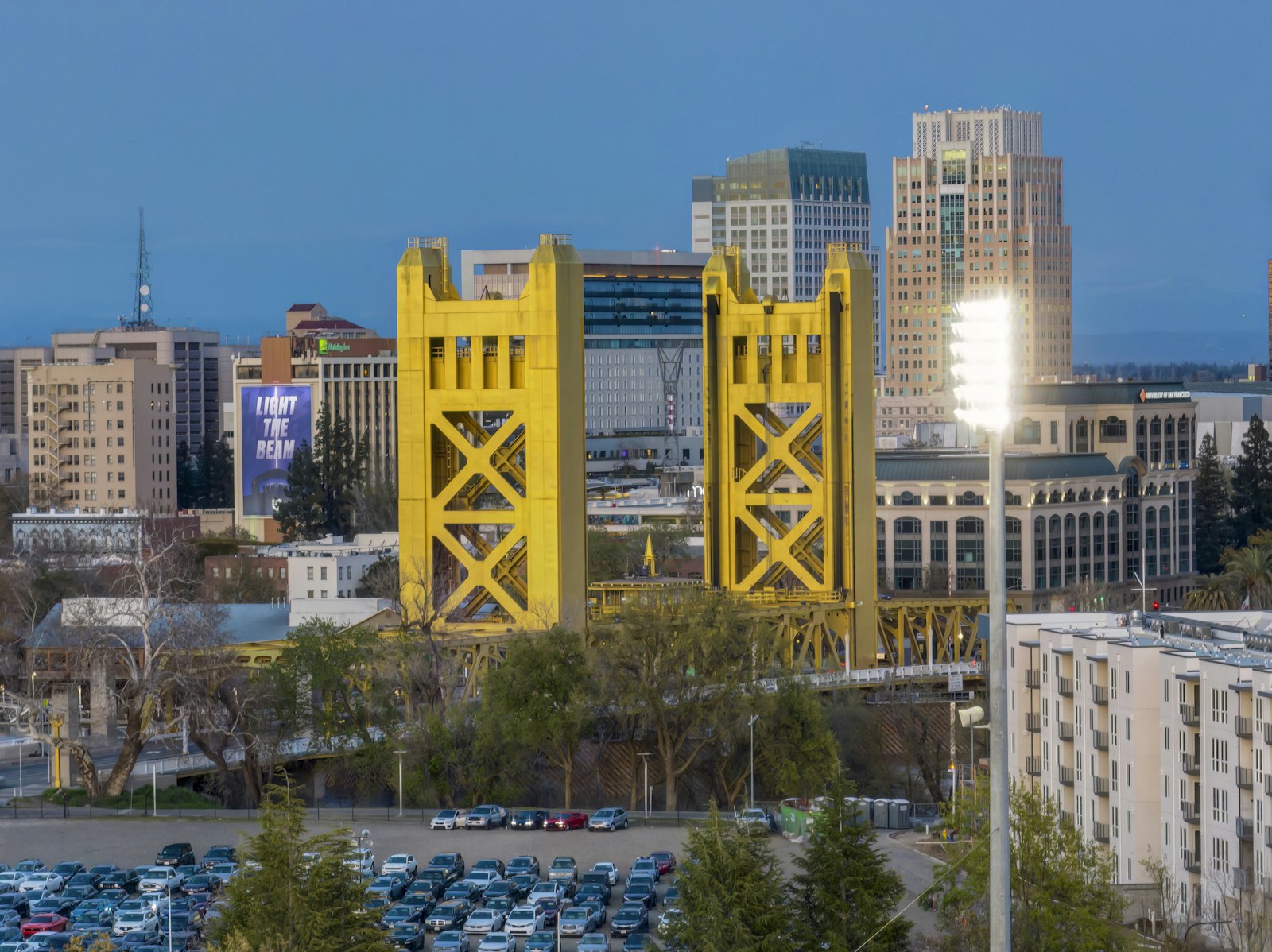
California's farm-to-fork capital, gold-rush history and the doorstep to Napa and Tahoe.
- Best time to visit: March-May, September-October
- Daily budget (budget traveller): $130 to $240 USD
- Ideal trip length: 2 to 3 days
Sacramento is California's capital and its self-declared farm-to-fork capital, sitting in the middle of one of the most productive agricultural valleys on earth. That means restaurant menus built from farms 30 minutes away, a huge Sunday farmers' market under a freeway, and prices that undercut San Francisco dramatically. Old Sacramento's wooden boardwalks preserve the gold-rush river town, while Midtown handles the cocktails and murals.
Sacramento is the rare capital city that feeds the country before it does anything else. The Central Valley around it grows a huge share of America's tomatoes, almonds, pears and rice, and the city has built its identity on that proximity. Menus name the farm, the Sunday market under the W/X freeway runs 8am to noon every week of the year, and a serious dinner costs $35 to $55 instead of the $120 you would pay in San Francisco, 90 miles west. It is also where California's gold rush started: gold turned up at Sutter's Mill in Coloma in January 1848, and Old Sacramento's wooden boardwalks are what survived of the river town that supplied the fever.
The city is flat, gridded and shaded by some of the biggest street trees in the state, which makes it easy to read. Old Sacramento and the Railroad Museum sit on the river. The Capitol and Capitol Park are ten minutes inland on foot. Midtown, the grid of Victorians, murals, patios and good bars between 16th and 28th Streets, is where you will spend your evenings. East Sacramento, with its 'Fab Forties' blocks and McKinley Park, is the calm residential end. Plan around closures: the Crocker Art Museum is shut Monday and Tuesday, and the best Midtown restaurants want reservations Thursday to Saturday. Starting your trip on a Monday lands your last day on a Sunday, which means the farmers' market.
Be honest with yourself about what this is. Sacramento has no beach, no skyline and no big-name landmark besides the dome. What it has is food, real history and a position that puts Napa (1 hour), Lake Tahoe (2 hours) and the Gold Country (45 minutes) within reach, plus hotel prices that let you stay for days. Summer afternoons regularly pass 38°C, so do the outdoor things before noon. Rent a car only for the day trips, and park it in a garage with nothing visible, because break-ins are the city's one persistent tourist problem.
How many days in Sacramento?
For Sacramento, we recommend 2 to 3 days. With more time, add a day trip to Lake Tahoe.
| Trip length | What you'll see | Itinerary |
|---|---|---|
| 2 days · Recommended | Capitol and the grid; Old Sacramento and the railroad | Sacramento in 2 days |
| 3 days · Recommended | Adds: Midtown, murals and the Crocker | Sacramento in 3 days |
| 4 days | Adds: Napa Valley day trip | Sacramento in 4 days |
| 5 days | Adds: East Sacramento and the American River | Sacramento in 5 days |
| 7 days | Adds: Gold Country: Coloma and Placerville; Sunday market | Sacramento in 7 days |
Sacramento itinerary
Arrive, Capitol and the grid
Morning: Land at SMF, 15 minutes from downtown. SacRT bus Route 142 is about $2.50, or rideshare $30-40. Drop bags, then a flat white at Temple Coffee Roasters on 9th Street.
Afternoon: Free guided tour of the State Capitol, then Capitol Park's rose garden, Camellia Grove and the Vietnam Memorial. Late lunch at Frank Fat's (806 L St), walnut shrimp and the banana cream pie.
Evening: Golden hour at Tower Bridge. Dinner at Hock Farm Craft & Provision (reserve), nightcap at Shady Lady Saloon on R Street.
Old Sacramento and the railroad
Morning: California State Railroad Museum at 10am opening, about $15. Walk through the Pullman cars and the 1860s locomotives before the school groups arrive.
Afternoon: Sacramento History Museum's Underground Tour to see the raised street levels. Burger and a beer at Fanny Ann's Saloon, then a drink on the deck of the Delta King riverboat.
Evening: Dinner at Rio City Cafe on Front Street with river views. Walk Tower Bridge to West Sacramento and back, or catch a Kings game at Golden 1 Center.
Midtown, murals and the Crocker
Morning: Brunch at Magpie Cafe (1601 16th St). Crocker Art Museum at 10am opening, about $15, allow two hours. It is closed Mondays and Tuesdays.
Afternoon: Mural walk through Midtown and the R Street Corridor, coffee at Old Soul at the Weatherstone. Ice cream at Gunther's on Franklin Boulevard.
Evening: Dinner at Mulvaney's B&L (reserve), then blues at Torch Club or cocktails at Harlow's. On the second Saturday of the month, add the Art Walk.
Napa Valley day trip
Morning: Leave by 8am to beat I-80 traffic, about 1 hour to Napa. Coffee and oysters at Oxbow Public Market (610 1st St).
Afternoon: Reserved sparkling tasting at Domaine Carneros, then a small tasting in Yountville or St. Helena. Share one tasting between two to cut costs.
Evening: Drive back before 7pm. Light dinner near the hotel, early night.
East Sacramento and the American River
Morning: Breakfast at Selland's Market-Cafe on H Street, then walk the Fab Forties to McKinley Park. Sutter's Fort at 10am, about $10.
Afternoon: Hop on a Lime bike to the Jedediah Smith Trail and ride toward Discovery Park, where the American and Sacramento Rivers meet.
Evening: Pints at New Helvetia Brewing on Broadway, then dinner at Paragary's or tacos along Franklin Boulevard.
Gold Country: Coloma and Placerville
Morning: Drive US-50 east to Placerville, then CA-49 north to Marshall Gold Discovery State Historic Park in Coloma, about $10 per car. Pan for gold and walk to the Sutter's Mill replica.
Afternoon: Lunch at Poor Red's Barbecue in El Dorado, order the Golden Cadillac. Wander Main Street in Placerville.
Evening: Back by 6pm. Cocktails at Grange in the Citizen Hotel.
Sunday market and depart
Morning: Sunday Farmers Market, 8am to noon, under the freeway at 8th and W. Pastries, hot tamales, stone fruit, a bag of local almonds.
Afternoon: Last lunch at Tower Cafe on Broadway, patio seating. Stroll Tower Theatre area.
Evening: Rideshare or the Route 142 bus to SMF, 15 minutes.
Best neighbourhoods
- Midtown: The dining and nightlife core: grid streets of restaurants, bars, murals and Victorian houses.
- Old Sacramento: A riverfront historic district with boardwalks, the Railroad Museum and paddle boats.
- East Sacramento: Leafy 'Fab Forties' streets, quiet cafés and McKinley Park's rose garden.
- Downtown / DOCO: The Capitol, Golden 1 Center arena and hotels around the entertainment district.
Must-do experiences
- Tour the California State Capitol: Free guided tours of the domed 1874 building and its surrounding 40-acre park.
- Visit the California State Railroad Museum: One of the finest railroad museums anywhere, with restored locomotives you can walk through.
- Explore Old Sacramento Waterfront: Gold-rush era buildings, riverboats and the Tower Bridge across the Sacramento River.
- Eat your way through Midtown: The heart of the farm-to-fork movement, best on a Second Saturday art walk.
- Bike the American River Parkway: A 32-mile riverside trail from Old Sacramento to Folsom Lake.
Hidden gems
- The Sunday Farmers Market under the W/X freeway, one of California's biggest year-round markets.
- The Crocker Art Museum, the oldest public art museum in the western US.
- Locke, a preserved historic Chinese-American delta town 45 minutes south.
- Sutter's Fort, the 1839 adobe outpost where the city began, hidden in Midtown.
Daily budget
- Accommodation: budget $35-60 / night (hostel dorm), mid-range $150-230 (boutique double), splurge $320+ (Kimpton Sawyer, Citizen Hotel). Midtown and downtown hotels drop $40 to $80 on weekends when the legislature is out of session. Midweek in spring is the priciest.
- Food: budget $35-50 / day (tacos, Sunday market, delis), mid-range $80-120 (one farm-to-fork dinner), splurge $200+ (Localis tasting menu). Taquerias on Franklin Boulevard run $3-4 a taco. Brunch at Tower Cafe or Magpie is $16-20.
- Transport: budget $7 / day (SacRT day pass), mid-range $15-30 (Lime bikes + a few rideshares), splurge $120+ (rental car for Napa or Tahoe, gas, parking). Walk or bike the grid. Rent a car only for the days you leave town.
- Activities: budget $0-15 (Capitol tour, Capitol Park, river trail, market), mid-range $30-60 (Railroad Museum, Crocker, Underground Tour), splurge $150+ (Napa tastings, Kings game, Tower Bridge Dinner). The Capitol tour and museum are free. Napa tasting fees run $50-100 per person.
- Drinks & nightlife: budget $8-15 (happy hour beer, Midtown patio), mid-range $35-55 (cocktails at Shady Lady, a taproom, live blues), splurge $80+ (hotel rooftop, late cocktails at Grange). Happy hour runs roughly 3-6pm. Bars stop serving at 2am, but Midtown is quiet by 1.
Where to stay
- Social hostel in Downtown, near Capitol Park ($35-60 / night): HI Sacramento Hostel, Victorian house, dorm beds and privates, walking distance to the Capitol, Old Sac and the Amtrak station. Check current availability.
- Boutique hotel in Midtown ($190-300 / night): The Sterling Hotel, an 1894 Victorian mansion, steps from the best restaurants. Quiet streets, tree-lined.
- Apartment in Boulevard Park or East Sacramento ($95-160 / night): Craftsman bungalows with porches and kitchens, easy bike rides to Midtown and McKinley Park. Best value for a 5+ night stay.
- Splurge in Downtown / DOCO ($320-480 / night): Kimpton Sawyer beside Golden 1 Center with a rooftop pool, or the Citizen Hotel with Grange downstairs. Perfect for post-Napa recovery.
What to eat
- Farm-to-fork tasting menus built on Central Valley produce
- Tacos and birria along Franklin Boulevard
- Delta-grown pears, tomatoes and stone fruit at the Sunday market
- Wine from the Sierra Foothills and beer from Track 7 and other local breweries
Day trips
- Napa Valley (1 to 1.25 hours by car): Wineries, Oxbow Public Market and Domaine Carneros for sparkling. Book tastings, they run $50-100 per person. Leave early to beat I-80 traffic. Drive I-80 west to CA-12, then CA-29 into Napa. No good transit option, rent a car or book a driver. Parking is free at most wineries.
- Lake Tahoe (2 hours by car, 100 miles): Alpine lake, beaches at Sand Harbor and Emerald Bay. Summer kayaking, winter skiing at Heavenly or Sierra-at-Tahoe. It is a long day, better as an overnight. Drive US-50 east through Placerville and over Echo Summit to South Lake Tahoe. In winter carry chains and leave by 6:30am on weekends.
- Gold Country (Coloma and Placerville) (45 to 60 minutes by car): Marshall Gold Discovery State Historic Park, where the 1848 gold find sparked the rush. Pan for gold, then lunch at Poor Red's Barbecue in El Dorado. Drive US-50 east to Placerville, then CA-49 north to Coloma. State park parking is about $10 per car.
When to visit
- Spring (March - May): 17-28°C (63-82°F), some rain in March, cool evenings. Crowds: Moderate, legislature in session so weekday hotels rise. The best window for walking. Camellias in March, roses in May, green foothills for day trips, and the heat has not arrived.
- Summer (June - August): 33-40°C (92-104°F), bone dry, evening Delta breeze. Crowds: Light in town, busy at the State Fair in July. Doable if you plan around it: museums and river after noon, outdoors before 11am, patio dinners after 7pm. Pool hotel recommended.
- Autumn (September - October): 22-33°C (72-91°F) in early September, 20-27°C by late October. Crowds: Busy around Farm-to-Fork weekend in late September. The locals' pick. Harvest season, warm evenings on patios, and the Tower Bridge Dinner. Book hotels early for the festival.
- Winter (November - February): 4-15°C (39-59°F), tule fog mornings, rainy spells. Crowds: Low. Cheapest rooms and empty museums. Grey and damp, but it is the gateway for Tahoe ski days if you carry chains.
Entry rules for your passport
Visa rules for the United States depend on the passport you travel on. Check the official source before you book: U.S. Department of Homeland Security
Getting there
Sacramento International (SMF) is 12 miles northwest of downtown, 15 to 20 minutes by car. Uber or Lyft to Midtown is $30 to $40. SacRT bus Route 142 runs to downtown for about $2.50, roughly hourly, so check the schedule if you land late. Rental car desks are in the rental center a short shuttle ride away. From San Francisco, Amtrak Capitol Corridor runs frequently to Sacramento Valley Station (401 I St) in about two hours, fares around $30 to $45, with free Wi-Fi onboard. Driving I-80 from SF is 90 miles, 1.5 to 2 hours, but allow longer at rush hour and weekends. Light rail from the station reaches Old Sacramento and Midtown.
Getting around
Downtown, Midtown and Old Sacramento form a flat, walkable and highly bikeable grid, with bike share widely available. SacRT light rail covers wider corridors for about $2.50. A car is worth it for Napa, Tahoe or Gold Country day trips. Sacramento International Airport is 15 minutes northwest, roughly $30 by rideshare or $2.50 on the hourly SacRT 142 airport bus.
Safety
Midtown, East Sacramento and Old Sacramento are comfortable during the day and evening. Parts of downtown near the transit mall and along the river feel less welcoming late at night, and car break-ins are a persistent issue across the city, so park in garages and leave nothing visible. Summer heat frequently passes 38C, so plan outdoor time for morning.
Solo travel tips
- Eat at the bar: Hock Farm, Mulvaney's and Ella all have counter seats and a bartender who will explain the farm names on the menu. You get dinner, conversation and no table minimum. Midtown solo diners get seated fast.
- Hostel pick: HI Sacramento: The HI Sacramento Hostel, in a Victorian near Capitol Park, is the city's main budget dorm and runs low-key events. It is small, so book ahead, and check current availability before you plan around it.
- Park in garages, leave nothing in sight: Car break-ins are the common crime here. Use a garage, take every bag inside, and do not leave charging cables on the dash. Rental cars are a target, so be extra careful on the Napa and Tahoe days.
- Skip the transit mall at night: The blocks around K Street and the transit mall feel rough after dark. Take a rideshare between Midtown and downtown after 10pm instead of walking, even if it is only $8.
- Solo female travellers: Midtown, East Sacramento and Old Sacramento are comfortable in the evening. Share your ride on the Uber or Lyft app, keep drinks in sight, and avoid the river path and empty parking structures after dark.
- Find your tribe at Second Saturday and the taprooms: Second Saturday Art Walk (6-9pm, free) fills Midtown galleries with locals, and taprooms like New Helvetia and Track 7 are easy places to land a seat at a shared table.
Cultural etiquette
- Tip 18 to 22% at sit-down restaurants and bars, $1 to $2 a drink at a counter. Service workers rely on it.
- Dress is casual almost everywhere, but near the Capitol you will see suits on weekdays. Dinner at Mulvaney's or Localis wants smart casual.
- The Capitol has airport-style security, so leave large bags and sharp items at the hotel.
- Cannabis is legal for adults 21 and over, but you cannot smoke in public or in most hotels. Dispensaries check ID at the door.
- California charges 10 cents for a paper bag and bans free plastic ones. Bring a tote for the farmers' market.
- On the river trail, keep right, pass left and call 'on your left' to cyclists. Dog walkers and e-bikes share the path.
- Do not drink and drive in Napa. Share a tasting between two, hire a driver, or designate one person. Fines and enforcement are strict.
Frequently asked questions
How many days do you need in Sacramento?
Two to three. One day covers the Capitol, Old Sacramento and the Railroad Museum; a second is for Midtown dining, the Crocker Art Museum and the river trail; a third works best as a day trip to Napa, Gold Country or Lake Tahoe.
When is the best time to visit Sacramento?
March to May and September to October, when days sit around 20-28C. Spring brings wildflowers and mild weather, autumn brings harvest season and the farm-to-fork festival. Summer regularly tops 38C, and winter is cool, grey and often foggy but rarely freezing.
Is Sacramento expensive?
Much cheaper than coastal California: $130 to $240 a day. Hotels run $110 to $200 versus double that in San Francisco, a strong farm-to-fork dinner $30 to $55, and many museums under $15. It's a common budget base for visiting Northern California.
How far is Sacramento from San Francisco?
About 90 miles, roughly 1.5 to 2 hours by car depending on traffic, or around two hours on the Amtrak Capitol Corridor train, which runs frequently and is a comfortable alternative to driving. Napa is about an hour and Lake Tahoe roughly two.
Is Sacramento worth visiting?
Yes, especially for food and history. It offers California's best farm-to-table dining outside the big coastal cities, real gold-rush heritage, a walkable Midtown and unbeatable positioning for Napa, Tahoe, Yosemite and the Sierra Foothills.
Is Sacramento safe for tourists?
Generally yes in Midtown, East Sacramento and Old Sacramento. Vehicle break-ins are the most common issue affecting visitors, so use garages and leave nothing in the car. Some downtown blocks near the transit mall are best avoided on foot late at night.
What is Sacramento known for?
Being California's state capital, the 1849 gold rush and Sutter's Fort, the California State Railroad Museum, and its farm-to-fork food movement fed by the surrounding Central Valley farmland. It's also a gateway to Tahoe and wine country.
Do foreign visitors pay more at US national parks?
At 11 of the busiest, yes. Since 1 January 2026, visitors who are not US residents and are aged 16 or over pay US$100 per person on top of the normal entrance fee at Acadia, Bryce Canyon, Everglades, Glacier, Grand Canyon, Grand Teton, Rocky Mountain, Sequoia and Kings Canyon, Yellowstone, Yosemite and Zion. A US$250 annual pass for non-residents covers that fee for everyone in one vehicle, and is usually cheaper for a group or for more than one park.
Do I need a visa or an ESTA to visit the United States?
Travellers from the 42 Visa Waiver countries, including most of the EU, the UK, Japan and Australia, do not need a visa for stays of up to 90 days but must get an ESTA online before travelling. It costs about $40 since 30 September 2025 and is valid for two years or until your passport expires. Apply at least 72 hours ahead on the official site, esta.cbp.dhs.gov, and avoid lookalike sites that charge more.
Tours and activities in Sacramento | Sacramento in 2 days | Sacramento in 3 days | Sacramento in 4 days | Sacramento in 5 days | Sacramento in 7 days
Joy Plus home | Destinations | Itineraries | Activities | Flights | Budget planner | Calendar | Map | Blog | Lifetime access