Destinations / Europe
Safranbolu, Turkey travel guide
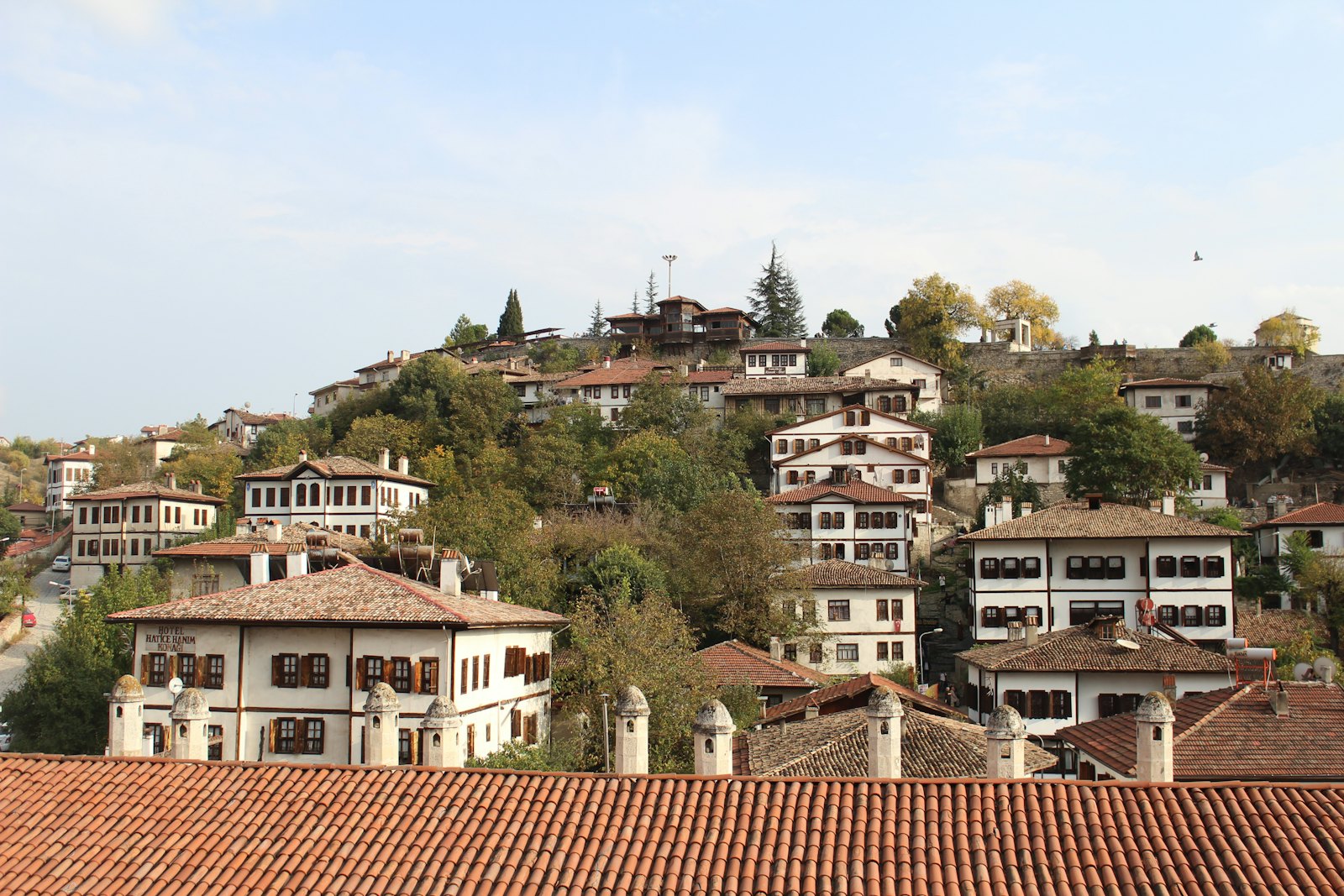
A hillside Ottoman market town of timber-framed mansions, copper workshops and steep cobbled lanes, where you sleep in a restored konak and eat saffron lokum with your tea.
- Best time to visit: April to June and September to October
- Daily budget (budget traveller): $50 to $205 USD
- Ideal trip length: 3 to 7 days
Safranbolu is in Karabük province in northern Turkey, about three hours by bus from Ankara and seven from Istanbul. Its old quarter, Çarşı, sits in a deep valley. It is packed with whitewashed, timber-framed Ottoman houses, a 17th-century caravanserai, mosques, a working hamam and lanes of blacksmiths, cobblers and lokum shops. The town has been on UNESCO's World Heritage List since 1994, and hundreds of its houses are protected. It takes its name from saffron, which was once grown widely here and is still sold in every sweet shop. Most Turkish visitors come for a weekend. Stay longer and you get the quiet version: early mornings before the tour coaches arrive, sunset from Hıdırlık Hill, a day out in Yörük Köyü and a walk above Tokatlı Canyon. Safranbolu is good value for a solo traveller. Mansion guesthouses include a big breakfast, lokanta meals are cheap and the old town is small enough to walk. It is safe, friendly and easy to find your way around once you know that the bus station and the old town are in different places.
Safranbolu grew rich as a stop on the caravan routes between Istanbul and the Black Sea coast. You can see that wealth in its houses. The merchants and officials who built them created two settlements: Çarşı, the winter town in a sheltered valley, and Bağlar, a greener summer quarter on the plateau. Hundreds of their timber-framed mansions survive, with stone ground floors, bay windows and carved ceilings, and that is why the town is on UNESCO's World Heritage List. Today Çarşı is a busy little tourist centre, full of lokum shops, copper workshops and konak guesthouses, but people still live and work here. Turkish visitors pour in at weekends. On a weekday morning you can have the lanes almost to yourself.
Getting here is easy, but it involves two steps. Long-distance buses from Istanbul (about ₺1,000-1,500) and Ankara (roughly ₺350-500) stop at the otogar in Kıranköy, the modern upper town. From there, a minibus or taxi takes you down to Çarşı. Stay in the old town if you can. Breakfast in a mansion garden and the walk home at night are half the point. Use your first day to get your bearings on foot. Save Yörük Köyü, Tokatlı Canyon and Mencilis Cave for later days by taxi or on a tour, and keep the museums away from Mondays, when the City History Museum closes.
Timing matters more than you might think. Spring and early autumn are the sweet spots: mild days, cool evenings and fewer coach groups. Summer is warm and lively, but weekends get crowded and rooms cost more. Late October and early November bring the saffron harvest in nearby villages and autumn colour in the canyon. Winter often brings snow, which looks lovely on the old roofs, but the cobbles turn icy, and some sights shorten their hours or close. Safranbolu is quiet at night. There are a few cafés, a little live music and plenty of tea, but no real nightlife, so if you want bars, plan a night in Ankara or Istanbul instead.
Safranbolu itinerary
Arrive and find your feet in Çarşı
Morning: This plan assumes you arrive on a Saturday. Take a morning bus from Ankara (about three hours) or an overnight bus from Istanbul to the otogar in Kıranköy.
Afternoon: Take a minibus or taxi down to Çarşı and check into your konak. Walk slowly around Cinci Han, the Köprülü Mehmet Paşa Mosque and the Yemeniciler Arastası.
Evening: Lokanta dinner, then a box of saffron lokum and a tea on Çarşı square. Early night.
Mansions and the view from above
Morning: Go to the Kaymakamlar Evi when it opens, before groups arrive. Then climb to the City History Museum (about ₺60) and the clock tower beside it.
Afternoon: Lunch of bükme or peruhi, then a slow wander through the upper lanes of Kaleardı and a look at the İzzet Mehmet Paşa Mosque.
Evening: Walk up Hıdırlık Hill an hour before sunset. Dinner back in Çarşı.
Yörük Köyü
Morning: Today is Monday, when the City History Museum closes, so it is a good day to leave town. Take a taxi with an agreed fixed price, or a guesthouse tour, to Yörük Köyü about 10km east.
Afternoon: Visit an open mansion such as the Sipahioğlu Konağı, see the old laundry house and have gözleme and ayran in a village café.
Evening: Back in Çarşı. Book tomorrow's canyon taxi, then an easy dinner.
Tokatlı Canyon and the glass terrace
Morning: Head to the Kristal Cam Teras at İncekaya early (about ₺95) to beat the queues, and take in the canyon from 80m up.
Afternoon: Walk to the İncekaya Aqueduct, then have a simple lunch at one of the restaurants near the terrace before heading back.
Evening: Bath and scrub at Cinci Hamamı, then a slow dinner at a konak restaurant.
Mencilis Cave and Bağlar
Morning: Taxi to Bulak Mencilis Cave about 8.5km away. Climb the roughly 150 steps and walk the lit section (₺140, bring cash).
Afternoon: Ask the driver to drop you in Bağlar on the way back, and wander among the old summer houses and gardens.
Evening: Minibus back to Çarşı (₺35). Supper at a lokanta and tea on a terrace.
Day trip to Amasra
Morning: Take an early bus towards Bartın and change for Amasra, allowing roughly two hours each way. Check return times before you set off.
Afternoon: Walk across the bridge to the old castle quarter, look out over the two harbours and eat fried fish by the water.
Evening: Bus back to Safranbolu. Farewell dinner in Çarşı.
Last look and leave
Morning: One last early wander through the lanes before the shops open, and buy saffron, lokum or a small piece of copper to take home.
Afternoon: Minibus or taxi up to the otogar for an afternoon bus to Ankara or Istanbul.
Evening: Arrive in Ankara for the evening, or connect onwards by the high-speed train or a flight.
Best neighbourhoods
- Çarşı (old town): The historic centre in the valley floor. Cinci Han, Cinci Hamamı, the Köprülü Mehmet Paşa Mosque, the Yemeniciler Arastası and most mansion guesthouses are all within a few minutes' walk. It is the best base for a solo traveller, though it fills with day-trippers at weekends.
- Hıdırlık and Kaleardı: The steep slopes rising above Çarşı. The Kaymakamlar Evi museum, Hıdırlık Hill and the City History Museum are up here, along with quieter konak guesthouses with valley views. Expect stiff climbs on uneven cobbles.
- Kıranköy: The newer town on the plateau above the valley, with the bus station, supermarkets, banks, pharmacies and cheaper modern hotels. It is practical rather than pretty. Minibuses and taxis link it to Çarşı.
- Bağlar: The old 'vineyards' district, where wealthy families spent their summers. It is greener and more spread out, with large wooden houses set in gardens. It suits travellers who want space and quiet and do not mind taking minibuses.
- Yörük Köyü: A village about 10km east of town, full of protected stone and timber houses that once belonged to settled Yörük nomads. Entry to the village is free. A few houses open to visitors, and simple cafés serve tea and gözleme. There is no handy bus.
Must-do experiences
- Wander Çarşı early in the morning: Walk the cobbled lanes around Cinci Han before 9am, when the shutters are going up and the coaches have not arrived. Look for the blacksmiths and the cobblers, and the cumba bay windows hanging over the streets.
- Look inside the Kaymakamlar Evi: This is the best restored of the house museums. It shows how a Safranbolu mansion worked, with a stable on the ground floor, built-in cupboards and bathing closets, and a sitting room upstairs. Entry is around ₺50, and Müzekart is not accepted.
- Watch sunset from Hıdırlık Hill: A short, steep walk above the old town leads to a park with a tomb and a view over the whole valley of red roofs. Go about an hour before sunset and bring a tea from the kiosk.
- Take a scrub at Cinci Hamamı: The 17th-century hamam next to Cinci Han still works, with separate sections for men and women. Expect several hundred lira for a bath with a kese (exfoliating scrub). Check the price board at the door.
- Walk over Tokatlı Canyon: The Kristal Cam Teras is a glass platform about 80m above the canyon at İncekaya, roughly 6-8km from Çarşı. Entry was about ₺95 in mid 2026. Afterwards, walk to the İncekaya Aqueduct, which crosses the canyon nearby.
- Spend a morning in Yörük Köyü: Wander the quiet lanes, look at the old communal laundry house and visit one of the open mansions, such as the Sipahioğlu Konağı. Go by taxi or on a tour, because there is no useful public bus.
- Go underground at Bulak Mencilis Cave: About 380m of the cave is lit and open to visitors, with a waterfall inside. First you climb about 150 steps to the entrance. Adult entry is ₺140, cash only, and the cave reopened in March 2026 after its winter closure.
Hidden gems
- The İzzet Mehmet Paşa Mosque, a large late-18th-century mosque on the road down into Çarşı that most visitors walk straight past
- The Yemeniciler Arastası, the old shoemakers' arcade behind the Köprülü Mehmet Paşa Mosque, now full of small craft and souvenir stalls
- The old clock tower near the City History Museum, with a quiet viewpoint over the rooftops
- The İncekaya Aqueduct, which feels far wilder than the busy glass terrace a short walk away
- Bağlar's old summer houses on a slow afternoon walk, where you see a side of Safranbolu that day-trippers never reach
Daily budget
- Accommodation: budget ₺900-2,000 / night (simple pansiyon or Kıranköy hotel), mid-range ₺2,500-4,500 (restored konak guesthouse in Çarşı), splurge ₺6,000+ (top mansion hotel such as Gülevi). Breakfast is almost always included and is usually generous. Prices rise sharply on weekends and Turkish holidays. Solo rates are often only a little below the double rate, so ask.
- Food: budget ₺600-1,000 / day (lokanta meals, bükme, simit), mid-range ₺1,200-2,000 (sit-down lunch and dinner), splurge ₺2,500+ (long dinners at konak restaurants). Breakfast at your guesthouse covers the morning. A lokanta plate costs about ₺250-450, and tea is cheap. Alcohol is only sold in some places. These are rough guides, because Turkish prices change quickly.
- Transport: budget ₺35-150 / day (walking and minibuses), mid-range ₺500-1,200 (taxi runs to the canyon or village), splurge ₺2,500+ (hire car or private driver). In-town minibuses cost ₺35 and Karabük routes ₺60-75. Taxis from the otogar to Çarşı are about ₺150-250. Agree fixed prices with waiting time for trips out of town.
- Activities: budget ₺0-150 / day (free lanes, Cinci Han, Hıdırlık, one museum), mid-range ₺300-700 (cave, glass terrace, house museums), splurge ₺1,000+ (hamam with scrub and massage, guided tour). The City History Museum costs about ₺60, the Kaymakamlar Evi around ₺50, the Kristal Cam Teras about ₺95 and Mencilis Cave ₺140 (cash). The Müzekart is generally not accepted.
- Drinks & nightlife: budget ₺100-250 (tea and coffee all day), mid-range ₺400-800 (Turkish coffee, sherbet and a beer or two), splurge ₺1,200+ (wine with dinner). Evenings are quiet. Tea gardens and cafés are the social scene. Most old-town cafés do not serve alcohol, so ask your host which places do.
Where to stay
- Social hostel in Çarşı (Hıdırlık slope) (₺900-2,200 / night): Safranbolu has no modern hostels. Bastoncu Pansiyon, a family-run guesthouse in an old house below the Kaymakamlar Evi, has long been the backpacker choice and has offered shared rooms in the past. Rooms are simple and small, but the location is excellent.
- Boutique hotel in Çarşı (₺3,000-4,500 / night): Cinci Han Hotel occupies the 17th-century caravanserai at the heart of the old town. Rooms are fairly plain, but you are sleeping in the town's best-known building, steps from the hamam.
- Apartment in Kıranköy or Bağlar (₺1,200-2,500 / night): Self-catering flats and apart-hotels in the newer districts are cheaper for longer stays and close to supermarkets and the otogar. You will rely on minibuses or taxis to reach Çarşı.
- Splurge in Çarşı (₺6,000-9,000 / night): Gülevi Safranbolu is a group of restored mansions on Hükümet Sokak with a garden, fireplaces and a highly praised breakfast. It is the town's best-known heritage stay.
What to eat
- Safranbolu lokumu: soft Turkish delight, often flavoured with saffron or packed with nuts and coated in coconut, sold by the box all over Çarşı
- Saffron tea and zerde: a golden tea, and a set rice pudding coloured and scented with saffron, often served after a meal
- Bükme: a local baked pastry filled with minced meat or cheese, good for a cheap lunch
- Peruhi: small local dumplings served with yoghurt and melted butter, similar to mantı
- Kuyu kebabı: lamb slow-cooked in a pit oven until it falls apart, served on rice at traditional restaurants
- Konak breakfast: the long spread of cheeses, olives, honey, jams, eggs and fresh bread that comes with most mansion guesthouses
Day trips
- Yörük Köyü (About 10km east of Çarşı, 15-20 minutes by car): A quiet village of protected stone and timber houses built by settled Yörük families. Walk the lanes, see the old communal laundry house and visit an open mansion such as the Sipahioğlu Konağı. There is no useful public bus. Take a taxi with an agreed fixed price and waiting time, or join a minibus tour from Çarşı. Some guesthouses arrange transfers.
- Amasra (About 90km north on the Black Sea, roughly 2 hours each way): A small harbour town with Byzantine and Genoese castle walls on a rocky peninsula, two bays and plenty of fish restaurants. It makes a good contrast to inland Safranbolu. Take a bus or minibus to Bartın, then a dolmuş to Amasra. Some direct services also run. Check return times on the day, and leave early.
- Kastamonu (About 100km east, roughly 2 hours by bus): A larger provincial town with a hilltop castle, historic mosques and an old centre with its own Ottoman houses. It is less touristy than Safranbolu. Buses run from Safranbolu Otogarı through the day for a few hundred lira. Start early so you have time for the castle climb before the last bus back.
When to visit
- Spring (April - June): 12-26°C, fresh and green, some showers. Crowds: Moderate, busy at weekends and on holidays. The best all-round season. The gardens are in flower, and it is good walking weather for the canyon and Hıdırlık Hill. Book ahead for holiday weekends.
- Summer (July - August): 25-31°C, warm days, cooler nights. Crowds: Busy, especially Friday to Sunday. Long evenings and every sight open. Do your sightseeing early, rest at midday and visit the canyon outside weekends to avoid queues on the terrace.
- Autumn (September - November): 8-25°C, crisp mornings, colours peaking in late October. Crowds: Moderate, falling off after October. The local favourite. Lovely light and saffron harvest season around late October. November gets cold, so bring layers.
- Winter (December - March): -3 to 8°C, frequent snow and frost. Crowds: Quiet apart from New Year and snowy weekends. Atmospheric and cheap, with fires lit in the konaks. Expect icy cobbles and shorter hours, and the cave may close until spring.
Entry rules for your passport
Visa rules for Turkey depend on the passport you travel on. Check the official source before you book: Türkiye Ministry of Foreign Affairs
Getting there
There is no airport in Safranbolu, and most visitors arrive by long-distance bus. From Ankara's AŞTİ bus station, buses run frequently through the day and take about three hours, with fares roughly ₺350-500. From Istanbul, Kamil Koç, Metro Turizm, Pamukkale and Efe Tur leave from Esenler on the European side and from Dudullu or Samandıra on the Asian side. The trip takes about six and a half to eight hours and costs roughly ₺1,000-1,500. Night buses are a good way to save on a room. Buses terminate at Safranbolu Otogarı in Kıranköy. From there, take an in-town minibus (₺35) or a taxi (about ₺150-250) to Çarşı. If your bus drops you in Karabük instead, minibuses run to Kıranköy for ₺60. The nearest airport is Zonguldak Çaycuma (ONQ), roughly 100km away, with limited domestic flights. Most international travellers fly into Ankara Esenboğa or Istanbul and continue by bus. Karabük has a railway station, but buses are simpler and more frequent, so check current TCDD services if you want to go by train. Driving from Istanbul takes about four to five hours via the Gerede junction.
Getting around
Çarşı itself is compact and best seen on foot, but it is steep, and the cobbles get slippery when wet. Wear shoes with grip. Buses arrive at Safranbolu Otogarı in Kıranköy, about 3km from the old town. Minibuses run between Kıranköy and Çarşı, and the in-town fare rose to ₺35 in September 2026. A taxi from the otogar to Çarşı costs roughly ₺150-250. Some guesthouses will collect you if you ask. Minibuses also link Safranbolu with Karabük, at ₺60 on the Karabük to Kıranköy route and ₺75 on the longer Bağlar, Çarşı and Karabük route. Carry small notes, because drivers take cash. Yörük Köyü, Tokatlı Canyon and Bulak Mencilis Cave have little or no useful public transport. For those, agree a fixed taxi price before you set off, with waiting time included, or join a minibus tour that your guesthouse can book. Combining the canyon and the cave in one taxi run saves money. A hire car is handy for Amasra or Kastamonu, but parking in Çarşı is very limited.
Safety
Safranbolu is very safe, and crime against visitors is rare. The most common problems are twisted ankles on the cobbles and steep lanes, especially in rain, ice or the dark, so carry a small torch. In winter, snow and ice can make the slopes treacherous. On the glass terrace and canyon paths, keep away from unfenced edges and follow staff instructions. Inside Mencilis Cave the steps are wet, so wear proper shoes. Street dogs are common in Turkish towns. Most are calm and tagged, but give them space and do not feed them near restaurants. Make sure taxis use the meter or agree a price first. Traffic on the main roads in Kıranköy moves fast, so cross carefully. Pharmacies (eczane) are easy to find. Karabük has the nearest large hospitals, about 15 minutes away. Get travel insurance, and check your own government's current travel advice for Turkey before you go.
Solo travel tips
- Sleep in Çarşı, not Kıranköy: Kıranköy is cheaper, but staying in the old town means early-morning walks, a garden breakfast and no minibus home at night. Many konaks are family-run and happy to chat.
- Avoid weekends for the big sights: Coach groups and day-trippers from Ankara and Istanbul arrive on Saturdays and Sundays. Visit the glass terrace, Kaymakamlar Evi and Yörük Köyü on weekdays.
- Share taxis and tours: Ask your guesthouse whether other guests are heading to the canyon or the village. Splitting a taxi or joining a small minibus tour makes out-of-town sights much cheaper for one person.
- Carry cash and small notes: Minibuses, the cave, small cafés and village stalls want cash. Big notes are hard to break early in the morning.
- Safety for solo travellers: The real risks are slippery cobbles, steep lanes in the dark and unfenced canyon edges. Wear proper shoes, carry a torch at night and agree taxi prices before you get in.
- Use the breakfast table: Konak breakfasts are long and shared, so they are the easiest place to meet other travellers, swap tips and find someone to share a taxi with. Download offline maps too, because the lanes twist.
Cultural etiquette
- Greet people with 'merhaba' (hello) and say 'teşekkür ederim' (thank you). A smile and a few words go a long way with shopkeepers.
- Dress modestly in mosques. Cover your shoulders and knees, women should cover their hair, and everyone takes their shoes off. Avoid visiting during Friday midday prayers.
- Take your shoes off when you enter a traditional house or guesthouse room if your hosts do. Many konaks provide slippers.
- Ask before photographing people, especially craftsmen in their workshops and women in the villages.
- Bargaining is fine for souvenirs and copperware, but keep it friendly and modest. Food prices and lokum boxes are usually fixed.
- In the hamam, keep your peştamal (cloth wrap) on, follow the attendant's lead and use the section for your gender.
- Accept tea when it is offered in a shop. It is hospitality, not a sales trap, and you are not obliged to buy.
Frequently asked questions
How do I get to Safranbolu and from the bus station to the old town?
Most people come by long-distance bus. Ankara to Safranbolu takes about three hours, and Istanbul to Safranbolu about six and a half to eight hours, depending on the route. Kamil Koç, Metro Turizm, Pamukkale and Efe Tur run from Istanbul, and Safran Turizm and Kale Seyahat run from Ankara. Buses stop at the otogar in Kıranköy. From there, take a minibus (about ₺35) or a taxi (roughly ₺150-250) down to Çarşı.
How many days do I need in Safranbolu?
Two full days cover Çarşı, the house museums and Hıdırlık Hill. Three to four days let you add Yörük Köyü, Tokatlı Canyon and Mencilis Cave without rushing. With a week you can slow right down and take day trips to Amasra on the Black Sea or to Kastamonu.
When is the best time to visit Safranbolu?
April to June and September to October bring mild weather, green hills and fewer crowds. Summer is warm and busy at weekends. Late October and early November are the saffron harvest season in nearby villages. Winter is cold and often snowy, which is very pretty, but some sights shorten their hours and the cave may close. Avoid Turkish public holidays if you can, because rooms fill up and prices rise.
Can I use cards in Safranbolu, or do I need cash?
Guesthouses, restaurants and most shops take cards, and there are ATMs in Çarşı and Kıranköy. Carry cash for minibuses, small cafés, market stalls, tips and Bulak Mencilis Cave, which was cash only in 2026. Avoid the standalone exchange-style ATMs with high fees, and use bank ATMs instead.
How much are entry fees, and does the Müzekart work?
Fees are low. The City History Museum is about ₺60 and closed on Mondays. The Kaymakamlar Evi is around ₺50, the Kristal Cam Teras about ₺95 and Mencilis Cave ₺140. The Cinci Han courtyard is free. The main sights are run by the municipality, the province or private operators, so the national Müzekart is generally not valid. Prices change often, so treat these as rough guides.
Can I reach Yörük Köyü and the canyon without a car?
Not easily by public transport. Yörük Köyü has only an early-morning village minibus from Karabük, which is no use to visitors. The easiest options are a taxi with an agreed fixed price and waiting time, or a minibus tour booked through your guesthouse that combines Yörük Köyü, the glass terrace and sometimes the cave.
Is Safranbolu safe for solo female travellers?
Yes, it is one of the more relaxed places in Turkey to travel alone. It is a family destination, and guesthouses are often run by couples or families who look out for their guests. Dress modestly away from your guesthouse, especially near mosques, and take a taxi rather than walking unlit lanes late at night. Ordinary common sense is enough here.
What entry rules apply to Turkey in 2026?
Many nationalities, including UK citizens and most EU citizens, can visit Turkey visa-free for up to 90 days in any 180-day period. Others need an e-Visa, which should only be bought from the official evisa.gov.tr website. Your passport normally needs to be valid for at least six months. Rules vary by nationality and can change, so check the Turkish Ministry of Foreign Affairs and your own government's travel advice before you book.
Tours and activities in Safranbolu | Safranbolu in 2 days | Safranbolu in 3 days | Safranbolu in 4 days | Safranbolu in 5 days | Safranbolu in 7 days
Joy Plus home | Destinations | Itineraries | Activities | Flights | Budget planner | Calendar | Map | Blog | Lifetime access