Destinations / Middle East
Salalah, Oman travel guide
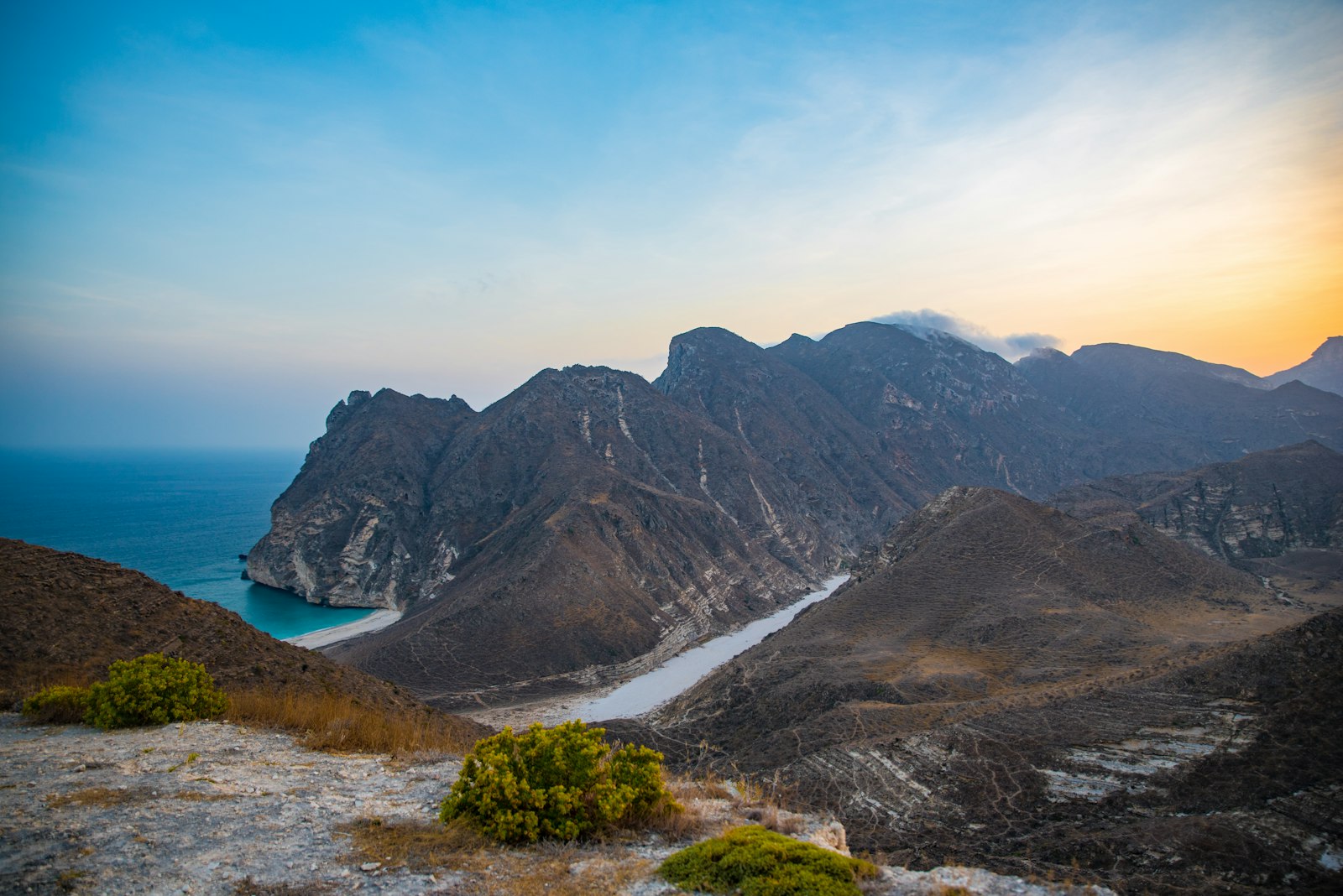
Oman's green south. Monsoon-misted mountains, frankincense souqs, and a tropical coast of empty beaches.
- Best time to visit: October-April (or July-September for Khareef)
- Daily budget (budget traveller): $50 to $130 USD
- Ideal trip length: 3 to 4 days
Salalah is Oman's lush southern surprise: a tropical coastal city in the Dhofar region where, uniquely in Arabia, a summer monsoon called the Khareef cloaks the mountains in mist and turns the hills emerald green. Beyond the Khareef season it offers year-round warmth, long empty beaches, banana and coconut plantations, and a deep heritage as the ancient heart of the frankincense trade. You can swim in turquoise bays, explore wadis and blowholes, and browse souqs scented with incense. Joy Plus pairs the beaches and coastline with the mountains, wadis and frankincense history that make the south so different from the rest of Oman.
Salalah is the part of Oman that breaks the Arabian stereotype. Between roughly late June and early September, the Khareef monsoon rolls in off the Indian Ocean and drapes the Dhofar mountains in mist. Hills turn emerald, waterfalls run, and Gulf families pour in by car from Saudi Arabia, the UAE and Kuwait to see rain. Come outside that window and you get something different: 27°C winter days, banana and coconut plantations, wide empty beaches and a clear horizon. Both versions are good, but they are different trips, so decide which one you want before you book.
The city itself is low-slung, spread out and unhurried. Al Haffa has the frankincense souq and the fish stalls, Salalah Centre has the malls and most restaurants, and the resort strip runs west along Dahariz and Hawana. The real draw sits further out. Al Baleed is a ruined frankincense port with a proper museum, Taqah has a hilltop castle and the ruins of Sumhuram at Khor Rori, and Mirbat has old merchant houses. Wadi Darbat has its lake and camels, Mughsail has blowholes that shoot spray up cliffs, and the plateau road passes frankincense trees growing out of bare rock. Distances are the catch. Nothing is far, but nothing is walkable, so you need wheels.
This is one of the easiest places in the Middle East to travel alone. Crime is minimal, people are curious and kind, and a car is cheap at about OMR 12 to 20 a day. The pace is slow and the nightlife is a karak chai and a plate of grilled kingfish, not a club. Treat it as a base for roads, beaches and mountains. Plan one big outing a day, be back by sunset, and spend evenings at the souq or on a corniche. Three to four days covers the highlights, and a week lets you do it properly.
How many days in Salalah?
For Salalah, we recommend 3 to 4 days.
| Trip length | What you'll see | Itinerary |
|---|---|---|
| 2 days | Souq and sunset; Wadi Darbat, Ain Razat and Taqah | Salalah in 2 days |
| 3 days · Recommended | Adds: Mughsail Beach and the blowholes | Salalah in 3 days |
| 4 days · Recommended | Adds: Al Baleed, Al Husn and the city | Salalah in 4 days |
| 5 days | Adds: Mirbat, Khor Rori and the east | Salalah in 5 days |
| 7 days | Adds: Job's tomb and the frankincense plateau; Souq shopping, slow morning | Salalah in 7 days |
Salalah itinerary
Arrive, souq and sunset
Morning: Land at SLL, which is about 6 km from town. Pick up your rental car at the airport desks or take a taxi at the fixed OMR 5 to 6 rate. Drop bags and have fresh juice and a late breakfast near your hotel.
Afternoon: Head to Al Haffa Souq after 4pm, when stalls reopen after the midday break. Smell your way through Hojari frankincense, burners, perfume oils and silver, and try a piece of halwa before buying.
Evening: Walk the Al Haffa corniche at sunset, then dinner at Bin Ateeq for grilled fish and rice. Bed early, the next three days are long drives.
Wadi Darbat, Ain Razat and Taqah
Morning: Leave by 8am for Wadi Darbat, about 40 km east. In Khareef the lake fills, camels wander the banks and mist clears by 10. Outside it, expect a calmer green strip and a quiet picnic.
Afternoon: Stop at the Ain Razat springs on the way back, then continue to Taqah Castle for old rooms, carved doors and rooftop views. Ask nicely to see inside the small museum if it's staffed.
Evening: Dinner at Kargeen Caffe in a garden setting, with kahwa coffee and Dhofari dishes. Park, shoes off at the majlis if asked.
Mughsail Beach and the blowholes
Morning: Drive west 45 minutes to Mughsail Beach. Arrive by 9am for soft light and few people, and take the blowholes at high tide, when spray shoots over the cliff rim.
Afternoon: Swim only on calm days and obey the flags. Browse the roadside stalls for coconuts, dates and dried fish, and climb the viewing platforms above the blowholes.
Evening: Back in Salalah, a long hotel pool swim, then dinner at a fish place in Al Haffa. Check the fish market early the next morning if you want a morning stroll.
Al Baleed, Al Husn and the city
Morning: Open the Land of Frankincense Museum in Al Baleed Archaeological Park at 9am, around OMR 5 for entry. Walk the ruins, then drive to the Sultan Qaboos Mosque, where non-Muslim visiting hours are limited to mornings, so check at the gate.
Afternoon: Lunch at the Salalah Gardens Mall food court or a local grill. Then Al Husn Souq and the exterior of Al Husn Palace for traditional dishdasha fabric, silver and halwa.
Evening: A sundowner at a licensed hotel such as Hilton Salalah Resort, then a late shawarma and karak chai at a corniche café.
Mirbat, Khor Rori and the east
Morning: Drive 75 km east to Mirbat. Walk past old merchant houses, the castle and the Bin Ali shrine, and get coffee and dates in town.
Afternoon: Stop at Khor Rori on the way back for the ruins of Sumhuram, a 2,000 year old frankincense port above a lagoon. Flamingos often feed there in winter.
Evening: Late dinner at a fish place in Taqah or Salalah. Early night, you've driven 150+ km.
Job's tomb and the frankincense plateau
Morning: Head north up the mountain to the Tomb of Job on Jebel Al Qara, about 45 minutes. Views stretch to the coast and the mountains are at their coolest and greenest here in Khareef.
Afternoon: Continue to the frankincense trees of Wadi Dawkah, a UNESCO site, or wander the Ittin farms. Fill up fuel before leaving the city, stations are sparse on the plateau.
Evening: Down to the coast for sunset on Hawana or Dahariz beach, then a seafood dinner by the water.
Souq shopping, slow morning, depart
Morning: Return to Al Haffa for last frankincense, burners and halwa. A decent bag of Hojari runs roughly OMR 3 to 6 per 100g, and most vendors will talk price. Coffee at a corniche café.
Afternoon: Lunch at Bin Ateeq or a local fish grill. Return the car with a full tank, and avoid the Friday midday prayer rush.
Evening: Taxi or hire car to SLL for your flight out. Allow at least two hours for international departures.
Best neighbourhoods
- Al Haffa & the Souq: The traditional district near the coast, famous for its frankincense and incense souq.
- Salalah Centre: The modern city core with hotels, malls, restaurants and the Sultan Qaboos Mosque.
- Ittin & the foothills: Green plains and farms below the mountains, lush and misty during the Khareef.
- Dahariz & the beaches: The coastal strip of long sandy beaches and seafront resorts.
- Taqah & Mirbat: Historic fishing towns east of the city with forts, beaches and old merchant houses.
Must-do experiences
- Frankincense souq at Al Haffa: Browse stalls of frankincense, incense burners and perfumes by the sea.
- Wadi Darbat: A lush valley of waterfalls, pools and grazing camels, spectacular in the Khareef.
- Mughsail Beach & blowholes: Dramatic cliffs where sea spray erupts through natural blowholes.
- Visit Mirbat and Taqah: Historic coastal towns with forts, old houses and quiet beaches.
- Al Baleed Archaeological Park: Ruins of an ancient frankincense-trading port with an excellent museum.
- Beach day on the Dhofar coast: Swim and relax on long, often empty stretches of soft sand.
Hidden gems
- Quiet coves with turquoise water along the coast east of the city.
- Tasting fresh coconut and bananas straight from roadside plantation stalls.
- The tomb of Job (Nabi Ayoub) high in the misty mountains with sweeping views.
- Watching camels and frankincense trees on the drive up to the Dhofar plateau.
Daily budget
- Accommodation: budget OMR 15-30 / night (basic hotel or guesthouse), mid-range OMR 45-85 (4-star or boutique beachside double), splurge OMR 190+ (Anantara Al Baleed, Hilton, Rotana). Rates carry roughly 17% tax and service on top. During the Khareef, prices can double or triple and the cheap rooms disappear, so book 2 to 3 months ahead.
- Food: budget OMR 5-8 / day (shawarma, biryani, fresh juice), mid-range OMR 12-20 (seafood dinner at Bin Ateeq or Kargeen Caffe), splurge OMR 35+ (hotel dining room or resort seafood buffet). Lunch rice-and-fish plates in local joints run OMR 1.5 to 3. Fresh coconuts at roadside stalls are about OMR 0.5. Many restaurants add 10% service and 5% VAT.
- Transport: budget OMR 14-18 / day (small rental split with someone, plus fuel), mid-range OMR 20-30 (compact SUV, fuel, parking), splurge OMR 50-70 (private driver or 4x4 with a guide). Cars are the only practical option. Petrol is about OMR 0.24 a litre, so fuel stays cheap. Pick up at the airport desks (Avis, Budget, Thrifty) and bring an International Driving Permit.
- Activities: budget OMR 0-5 (beaches, wadi, souq are free; Al Baleed museum extra), mid-range OMR 10-25 (Al Baleed, Khor Rori, Khareef events, a guided day), splurge OMR 100+ (private 4x4 trip toward the Empty Quarter edge). Most of what makes Salalah great is free. Blowholes, Mughsail, Darbat and the souq cost nothing, and archaeological sites charge a few rials.
- Drinks & nightlife: budget OMR 2-4 (karak chai, fresh juice, a shisha), mid-range OMR 8-15 (hotel bar drink, café evening), splurge OMR 25+ (resort bar and dinner by the sea). Alcohol is only sold in licensed hotel bars. Expect OMR 3 to 5 for a beer. Salalah nights are about corniche walks, café majlis and tea, not clubs.
Where to stay
- Social hostel in Al Haffa (OMR 15-30 / night): Salalah has almost no true hostels. Basic guesthouses and small hotels like Haffa House Hotel near the souq are the closest, with cheap rooms, walkable frankincense stalls and other solo travellers at breakfast.
- Boutique hotel in Dahariz (OMR 60-110 / night): Juweira Boutique Hotel and similar low-rise, beachside places give you a calm, design-led base on the coast strip, close to long sand and quiet evenings.
- Apartment in Salalah Centre (OMR 25-45 / night): Serviced apartments near Salalah Gardens Mall and Al Saada Street come with a kitchen, Lulu Hypermarket nearby and the easiest access for car trips. Best value for 5+ nights.
- Splurge in Al Baleed coast (OMR 190-400 / night): Anantara Al Baleed Resort sits beside the archaeological park with villas, private pools and the beach. Hilton and Rotana cover the same luxury level further west along Dahariz.
What to eat
- Fresh grilled and fried fish from the Dhofar coast
- Omani shuwa, spiced slow-roasted meat
- Coconut, banana and papaya from local plantations
- Omani halwa and kahwa coffee scented with cardamom
Day trips
- Wadi Darbat (40 km east, about 55 minutes): A valley of lakes, waterfalls and grazing camels, spectacular in Khareef when it fills and turns neon green. Outside the monsoon it is calmer and quieter. Go before 10am for light and parking. Drive east on Route 49 past Taqah, then follow the signs inland. Free entry and parking. In Khareef, expect slow traffic, so leave by 8am.
- Mirbat via Taqah and Khor Rori (35 to 75 km east, up to 1 hour 15 minutes): A chain of historic coastal stops. Taqah Castle, the Sumhuram ruins at Khor Rori, then Mirbat with its old merchant houses, fort and shrine. Easy to do in a day with a swim. Rental car east on Route 49. Entry to sites is a few rials. Bring cash for small coffee stops and fill the tank in Salalah.
- Mughsail Beach and Blowholes (45 km west, about 50 minutes): A wide beach backed by cliffs, with natural blowholes that fire spray up when the swell and tide align. Stalls sell coconuts and dried fish, and the road climbs spectacularly toward the Yemen border area. Drive west on the coastal highway. Free entry. Go at high tide, stay behind railings and don't swim in heavy surf.
When to visit
- Khareef (Late June - early September): 22-28°C, mist, drizzle, strong wind, very humid, sea too rough to swim. Crowds: Very heavy, Gulf families and festival traffic, peak late July to mid August. The famous green season and genuinely unique in Arabia. Book hotels and cars 2 to 3 months ahead, expect rates to double, and drive carefully in fog. Go for the landscapes, not the beach.
- Autumn (October - November): 27-33°C, clear skies, warm sea, hills still green after the monsoon. Crowds: Low to moderate, prices drop fast after the Khareef. The sweet spot for value. You get leftover greenery, calm beaches, running springs and cheap rooms before the winter crowd arrives.
- Winter (December - February): 19-28°C, dry, sunny, cool evenings. Crowds: Moderate, European and Gulf winter-sun visitors, busiest around New Year. The best all-round window for beaches, blowholes, castles and long drives. The hills are dry and golden, so Wadi Darbat is a gentler version of itself.
- Spring (March - early June): 28-38°C, humid, hazy, building heat. Crowds: Low, with a few Gulf holiday bumps around Eid. Hot and sticky by May. It's cheap and quiet, but plan sightseeing before 11am and after 4pm and spend the middle of the day in the sea or a pool.
Entry rules for your passport
Visa rules for Oman depend on the passport you travel on. Check the official source before you book: Oman Ministry of Foreign Affairs
Getting there
Salalah International Airport (SLL) is about 6 km from the city centre. Oman Air and SalamAir fly from Muscat in about 1h35 for roughly OMR 25 to 45 one way, with additional Gulf routes and seasonal charters in winter and Khareef. A taxi from the airport to central hotels is a fixed OMR 5 to 6, and OMR 8 to 10 to Dahariz or Hawana resorts. Rental desks (Avis, Budget, Thrifty) sit in arrivals, so reserve ahead for Khareef. The Mwasalat overnight bus from Muscat takes 12 to 13 hours for around OMR 10, and driving the 1,000 km desert road takes 11 to 12 hours with limited fuel stops. Many nationalities enter visa-free for 14 days, otherwise apply for an e-visa, around OMR 20 for 30 days.
Getting around
Salalah is spread out and its highlights are scattered across the wider Dhofar region, so a car is by far the best way to get around; rental cars are affordable and roads are good. Taxis exist but are limited and best arranged or negotiated in advance, and ride-hailing coverage is patchy. Many visitors hire a driver or join day tours to reach the mountains, wadis, blowholes and historic towns like Mirbat and Taqah. The city centre and souq are walkable in parts, but distances between sights make driving essential for a full visit.
Safety
Check official advice before booking: a war between the US and Iran began on 28 February 2026, and Iranian drones have struck the Port of Salalah more than once since, setting fuel tanks on fire. The US rates Oman 'Reconsider travel'. An agreement was announced in June 2026, but strikes in the region resumed in July. Salalah's airport was open and operating normally in September 2026, though some airlines have suspended routes to Oman. Oman is one of the safest and most welcoming countries in the Middle East, and Salalah is calm, friendly and very comfortable for solo travellers, including women, with low crime and hospitable locals. The main risks are practical rather than criminal: during the Khareef, roads can be misty, wet and slippery and wadis can flood, so drive carefully; outside it, sun and heat are intense, so hydrate. Take normal water-safety care with strong currents at some beaches and blowholes. Dress modestly in keeping with local custom.
Solo travel tips
- Rent a car or split a driver: Salalah has no real public transport, and the big sights sit 40 to 80 km out. A small rental is OMR 12 to 20 a day. If you don't want to drive, ask your hotel for a driver at OMR 40 to 60 a day and ask other solo guests to share.
- Hostels barely exist, so use tours: There's no hostel scene here. Social contact comes from guided day trips, hotel breakfasts and local cafés. Join a small-group Darbat or Mirbat tour through your hotel desk, or chat to travellers at Al Baleed, Mughsail and Wadi Darbat.
- Solo women travellers: Salalah is very comfortable for women alone. Cover shoulders and knees in public, and carry a light scarf. Locals are curious and polite. Taxis from hotels are safe, but agree the fare first. On beaches, swim away from busy family areas or inside a resort.
- Respect the flags and the swell: Rip currents and heavy swell hit Salalah beaches, especially in Khareef, when lifeguards often ban swimming. Swim only where others do, never alone at Mughsail, and stay behind railings at the blowholes. Spray can knock you over.
- Carry your passport near the border: Roads west of Mughsail head toward the Yemen border and checkpoints. Stay on tourist routes, carry your passport and rental papers, and ask at your hotel before going further west.
- Fill the tank and the water bottle: Fuel stations thin out fast on the plateau and the road east of Taqah. Fill up before long drives, carry two litres of water per person, and leave sightseeing by 3pm in Khareef, when fog can drop in suddenly.
Cultural etiquette
- Dress modestly. Cover shoulders and knees in towns and souqs, and carry a light scarf for mosque visits. Swimwear belongs on resort beaches and quiet stretches, not in the street.
- Greet with 'as-salaam alaikum' and a right hand to the chest. Accept a first cup of kahwa coffee with dates, and shake the cup gently from side to side to signal you've had enough.
- Ask before photographing people, especially women, and never photograph military sites, government buildings or palaces without clear permission. Drones need a permit.
- During Ramadan, avoid eating, drinking or smoking in public in daylight. Many restaurants close until sunset.
- Alcohol is only served in licensed hotel bars and restaurants. Don't carry it in public, and drink-driving is a serious offence.
- Souqs slow down from about 1pm to 4pm, and most close around prayer times and on Friday mornings. Weekends are Friday and Saturday.
- Bargain politely in the frankincense souq. Smile, ask for 'Hojari' quality, and expect a small discount rather than a haggling match.
Frequently asked questions
How many days do you need in Salalah?
Three to four days is ideal for Salalah and the Dhofar region. That gives time to explore the city and its frankincense souq, relax on the beaches, and take day trips to Wadi Darbat, the Mughsail blowholes, the historic towns of Taqah and Mirbat, and the Al Baleed archaeological park. Add an extra day or two if you want to venture further to the mountains, more remote beaches, or the edge of the Empty Quarter desert. During the green Khareef monsoon season, slower travel to soak up the misty landscapes is especially rewarding.
Is Salalah safe for solo travellers?
Day to day, yes, though official advice comes first: the US rates Oman 'Reconsider travel', and Iranian drones have struck Salalah's port during the 2026 war. Oman is consistently ranked among the safest countries in the Middle East and the world, and Salalah is a calm, friendly and welcoming city where solo travellers, including women, generally feel very comfortable. Crime against visitors is rare and locals are known for their hospitality. The main considerations are practical: drive carefully during the misty, wet Khareef season when roads can be slippery and wadis flood, take care with strong currents at some beaches and blowholes, stay hydrated in the heat, and dress modestly in line with local custom. It's an easygoing, reassuring destination.
What is the Khareef season in Salalah?
The Khareef is Salalah's unique summer monsoon, running roughly from late June to early September, when seasonal winds bring cool mist, drizzle and clouds to the Dhofar region. Unlike the rest of Arabia, this transforms the mountains and plains into lush, emerald-green landscapes with flowing waterfalls and full wadis, an extraordinary sight in the desert peninsula. It draws huge numbers of Gulf tourists escaping the heat. Temperatures stay mild and pleasant, around 25°C. The trade-off is grey, damp, often overcast weather, so it's better for greenery and waterfalls than beach days or clear skies.
When is the best time to visit Salalah?
It depends what you want. For warm, sunny beach weather with clear skies, visit between October and April, when temperatures are pleasant and the sea is inviting, ideal for swimming and coastal sightseeing. For the unique green landscapes, misty mountains and flowing waterfalls of the Khareef monsoon, come from late June to early September, accepting cooler, cloudier and damper conditions and bigger crowds of regional tourists. Many consider October, just after the Khareef, a sweet spot, when the hills are still green but the weather is clearing and sunny.
What is there to do around Salalah?
Plenty across the Dhofar region. In and near the city, browse the frankincense souq, visit the Al Baleed archaeological park and its ancient port ruins, and relax on long beaches. Day trips reach Wadi Darbat with its waterfalls and pools, the dramatic blowholes and cliffs at Mughsail, and the historic fishing towns of Taqah and Mirbat with their forts. Further afield are mountain viewpoints, the tomb of Job, frankincense tree groves, and the vast sands at the edge of the Empty Quarter. It's a region of beaches, mountains, history and unique nature.
Why is Salalah famous for frankincense?
Salalah and the Dhofar region are the historic heart of the frankincense trade, which made southern Arabia wealthy for thousands of years. The hardy frankincense trees that produce the prized aromatic resin grow in the area's dry hills, and the resin was once worth its weight in gold, traded across the ancient world. You can still see frankincense trees, buy high-quality resin and incense in the souqs, and visit UNESCO-listed sites like Al Baleed and the ancient trading post of Sumhuram that tell the story of this fragrant trade. The scent of frankincense is everywhere in Salalah.
Is Salalah worth visiting?
Yes, Salalah is a wonderful and unusual destination. It offers a side of Arabia few expect: lush green mountains during the Khareef monsoon, tropical plantations, long empty beaches, dramatic blowholes and wadis, and a deep heritage as the ancient frankincense capital. It's safe, welcoming and far quieter than the Gulf's glitzy cities, with a relaxed, authentic feel. Whether you come for the unique green season, year-round beaches and warmth, or the history and nature of the Dhofar region, Salalah rewards travellers looking for something genuinely different in the Middle East.
Do I need a visa to visit Oman?
Citizens of 103 countries, including EU states, the UK and the US, can enter Oman visa-free for up to 14 days, provided they have a confirmed hotel booking, health insurance and a return ticket. For longer stays, or other nationalities, apply for an e-visa on the official Royal Oman Police site, evisa.rop.gov.om.
Tours and activities in Salalah | Salalah in 2 days | Salalah in 3 days | Salalah in 4 days | Salalah in 5 days | Salalah in 7 days
Can't decide? Compare Salalah with...
Joy Plus home | Destinations | Itineraries | Activities | Flights | Budget planner | Calendar | Map | Blog | Lifetime access