Destinations / Central America
San José, Costa Rica travel guide
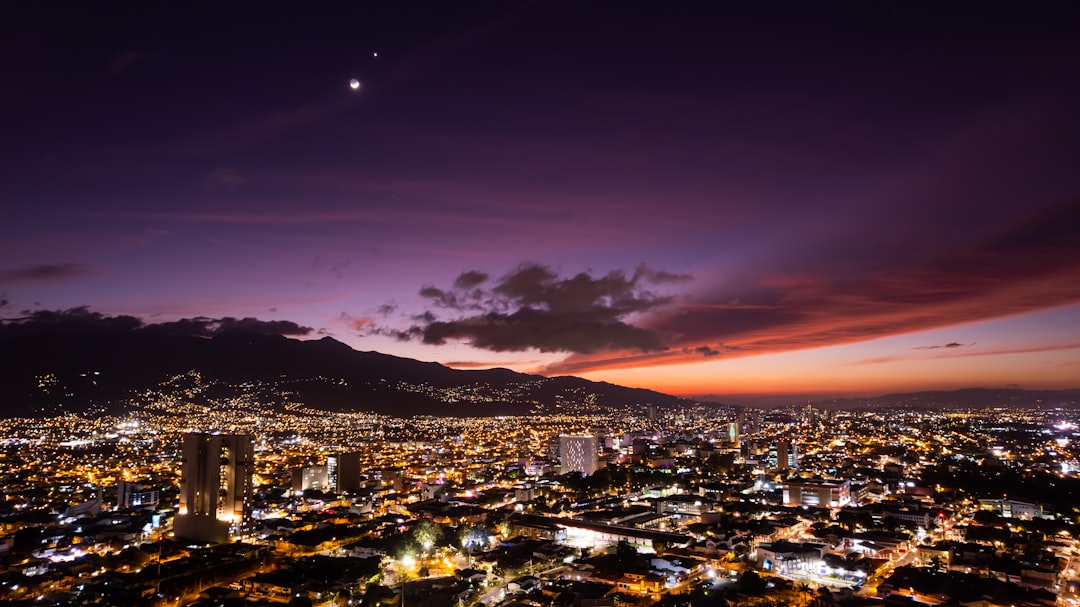
Costa Rica's green capital and gateway. Coffee culture, lively markets, and volcanoes and cloud forests on the doorstep.
- Best time to visit: December-April (dry season)
- Daily budget (budget traveller): $60 to $140 USD
- Ideal trip length: 2 to 3 days
San José is where almost every Costa Rica trip begins - a busy, green highland capital ringed by volcanoes and coffee plantations. It's often dismissed as a transit stop, but a day or two reveals lively central markets, gold and jade museums, a grand National Theatre, and a genuinely good café and food scene fuelled by the country's famous coffee. Beyond the city, Poás Volcano, cloud forests and waterfalls are easy day trips. Joy Plus makes the most of a short stay and lines up the onward journey to the coast or jungle.
San José (locals say Chepe) sits at 1,170 metres in a bowl of coffee hills, and most visitors treat it as a layover with a rental-car desk. That's a mistake worth correcting. The city is loud, a little concrete, and absolutely worth two days. Mornings are crisp and clear, afternoons turn soft and grey in the green season, and nobody is trying to sell you a zipline in the first ten minutes. You get a lavish 1897 opera house, a gold museum under a public plaza, a covered market that has fed the capital since 1880, and a food scene in Barrio Escalante that rivals anything on the coast.
The best way to read San José is as three neighbourhoods and a market. Barrio Amón has the old coffee-baron mansions, now boutique hotels and murals. Barrio Escalante is where the dinner crowd goes, with craft beer, Argentine grills and third-wave coffee on one leafy grid. Centro is the working city: Avenida Central is pedestrianised, the Teatro Nacional and Museo del Oro are 200 metres apart, and the Mercado Central serves a proper casado for about ₡5,000. Everything fits inside a 3 km radius, and an Uber between any two points rarely tops ₡4,500.
Where San José wins is leverage. Poás Volcano is 1.5 hours away, Irazú and the Orosi Valley are 1 hour 45, and a good coffee farm is 40 minutes out. You can see a steaming crater in the morning and be eating gallo pinto in a city soda by dinner. Prices are not Central American cheap (Costa Rica runs on USD-adjacent costs), but the trick is eating where Ticos eat, moving by app, and booking volcano entry ahead. Do that and 2 to 3 days here pays for itself before you head to Arenal, Monteverde or the Pacific.
How many days in San José?
For San José, we recommend 2 to 3 days. With more time, add a day trip to Tárcoles and Jacó.
| Trip length | What you'll see | Itinerary |
|---|---|---|
| 2 days · Recommended | Barrio Amón; Teatro Nacional, gold and the market | San José in 2 days |
| 3 days · Recommended | Adds: Poás Volcano and coffee country | San José in 3 days |
| 4 days | Adds: Irazú and the Orosi Valley | San José in 4 days |
| 5 days | Adds: La Sabana, art and local life | San José in 5 days |
| 7 days | Adds: Jade, history and Barrio Otoya; Market breakfast | San José in 7 days |
San José itinerary
Arrive and settle into Barrio Amón
Morning: Land at SJO, Uber to Barrio Amón (₡10,000-13,000, 30 to 45 min). Drop bags, then coffee and a pastry at Café Mundo in Barrio Otoya.
Afternoon: Walk Barrio Amón's old mansions and Parque España, then down to Parque Morazán and its domed Templo de la Música. Look for the Otoya murals on the way.
Evening: Dinner in Barrio Amón or Barrio Otoya. Take an Uber home.
Teatro Nacional, gold and the market
Morning: Teatro Nacional at opening for the guided tour, then coffee in its marble café. Next door, Museo del Oro under Plaza de la Cultura (opens 9:15am).
Afternoon: Walk pedestrian Avenida Central to Mercado Central (open Mon to Sat, 6am to 6pm). Casado at a market soda, then buy beans from a coffee stall.
Evening: Barrio Escalante food crawl. La Esquina de Buenos Aires for steak, Kalú for fusion, then a craft beer on the same strip.
Poás Volcano and coffee country
Morning: Leave by 7am. Poás gets cloud-covered by 10am, so be at the crater viewpoint early with your pre-booked slot (sinac.go.cr, $15).
Afternoon: Coffee tasting at Doka Estate, then lunch in Poasito (strawberries and chocolate fondue are the local thing).
Evening: Back in San José by 5pm. Easy dinner in Barrio Amón and an early night.
Irazú and the Orosi Valley
Morning: Irazú crater (3,400m) at opening, 8am. Bring a fleece. On clear days you can see both oceans.
Afternoon: Drop to Cartago for the Basílica de Nuestra Señora de los Ángeles and the roofless Ruinas de Cartago, then wind through the Orosi Valley to the colonial church and a hot springs soak.
Evening: Return by 6pm. Casual dinner and a beer in Los Yoses.
La Sabana, art and local life
Morning: If it's Saturday, Feria Verde de Aranjuez at 7am for tamales, cheese and fresh juice. Otherwise jog or stroll Parque La Sabana.
Afternoon: Lunch at Soda Tapia (open 24 hours, a Sabana institution), then the free Museo de Arte Costarricense in the old airport terminal.
Evening: Rooftop drinks in Barrio Escalante at sunset, then dinner at Kalú or a chifrijo and beer at a neighbourhood bar.
Jade, history and Barrio Otoya
Morning: Museo del Jade on Plaza de la Democracia, the world's largest American jade collection. Then the Museo Nacional in the old Bellavista fortress, where you can still see bullet holes from 1948.
Afternoon: Browse the craft stalls at Plaza de la Democracia, then walk into Barrio Otoya for murals.
Evening: Final big dinner in Escalante. Pick a place that fits your taste and book ahead on weekends.
Market breakfast and depart
Morning: Gallo pinto and fresh juice at a Mercado Central soda (closed Sundays, so go to a neighbourhood soda instead). Buy ground coffee to take home.
Afternoon: Uber to SJO, leave 3 hours before an international flight because Alajuela traffic is unpredictable.
Evening: In the departure lounge, finish your last colones on a Café Britt coffee.
Best neighbourhoods
- Centro & Avenida Central: The pedestrianised heart: National Theatre, museums, the central market.
- Barrio Amón: Historic mansions, boutique hotels and cafés in a leafy old quarter.
- Barrio Escalante: The city's foodie district, packed with restaurants, bars and coffee shops.
- La Sabana: The big central park with the Art Museum, jogging paths and green space.
- Los Yoses: A relaxed residential area with cafés and easy access to downtown.
Must-do experiences
- Pre-Columbian Gold Museum: Dazzling gold artefacts beneath the Plaza de la Cultura, telling Costa Rica's ancient story.
- Teatro Nacional: A lavish 1897 neoclassical theatre - tour it or catch a performance.
- Mercado Central: A bustling covered market for sodas (local diners), coffee, spices and souvenirs.
- Day trip to Poás Volcano: A drive-up active crater in a national park, often paired with a coffee tour and waterfall gardens. Tickets are sold online in advance, and the park closes when volcanic activity rises, as it did for four months in 2025.
- Barrio Escalante food crawl: Graze through the city's best restaurants, craft beer and third-wave coffee.
- Jade Museum: The world's largest collection of American jade, beautifully presented.
Hidden gems
- The artisan stalls and murals of Barrio Otoya.
- Feria Verde de Aranjuez, a Saturday organic farmers' market.
- The rooftop bars of Barrio Escalante at sunset.
- La Paz Waterfall Gardens, an easy nature stop on the Poás route.
Daily budget
- Accommodation: budget $15-28 / night (₡7,500-14,000, hostel dorm), mid-range $80-140 (₡40,000-70,000, Barrio Amón boutique double), splurge $250+ (Hotel Grano de Oro, Finca Rosa Blanca). Barrio Amón and Escalante are the best value. Most hotels quote prices before 13% IVA, check the final total.
- Food: budget $18-28 / day (₡9,000-14,000, sodas + market), mid-range $40-65 (₡20,000-32,000, one Escalante dinner), splurge $100+ (₡50,000+, tasting menu at Grano de Oro). A casado del día at a soda is ₡4,500-6,000. Sit-down restaurants add 13% IVA and 10% service automatically.
- Transport: budget $3-8 / day (₡1,500-4,000, buses + walking), mid-range $10-25 (₡5,000-12,000, Uber and DiDi), splurge $100-150 (private driver for Poás or Irazú). City buses cost about ₡400-700 but are confusing. A typical Uber across town is ₡2,500-4,500.
- Activities: budget $0-15 (La Sabana, murals, free art museum, one paid museum), mid-range $40-90 (Gold + Jade + Teatro Nacional, or a Poás day tour), splurge $120+ (private coffee farm and volcano day). Museo del Oro, Museo del Jade and Teatro Nacional tours each run roughly ₡6,000-8,000. Poás and Irazú entry is $15 each, booked online.
- Drinks & nightlife: budget $5-10 (₡2,500-5,000, Imperial beer + coffee), mid-range $25-40 (Escalante craft beer and cocktails), splurge $70+ (cocktail bar session, taxi home). Imperial and Pilsen are ₡1,800-2,500 in local bars, craft IPAs ₡3,500-4,500. Chelles bar is open 24 hours.
Where to stay
- Social hostel in Barrio Amón ($15-35 / night): Pick a hostel in Barrio Amón, walkable to Parque Morazán and a short Uber to Escalante. Casa Ridgway is the calm alternative.
- Boutique hotel in Barrio Amón ($90-150 / night): Hotel Santo Tomás or Hotel Fleur de Lys, restored coffee-era mansions with garden breakfasts and quiet streets, 10 minutes' walk from the theatre.
- Apartment in Barrio Escalante or Los Yoses ($45-85 / night): Leafy streets, good cafés and restaurants on the doorstep, and Uber 10 minutes to the centre. Best value for a 4+ night stay.
- Splurge in Paseo Colón or Santa Bárbara de Heredia ($250-500 / night): Hotel Grano de Oro is a Victorian mansion with a serious restaurant near La Sabana. Finca Rosa Blanca is a coffee-plantation hotel 40 minutes out, for a night of full-on luxury.
What to eat
- Gallo pinto (rice and beans) breakfast at a soda
- Casado, the classic plated lunch, at the Mercado Central
- Costa Rican coffee from a Barrio Escalante café
- Chifrijo and craft beer in a local bar
Day trips
- Poás Volcano and coffee country (55 km, 1.5 hours by car): Drive-up active crater with a turquoise acid lake, then coffee tasting at Doka Estate or waterfalls at La Paz Waterfall Gardens. Be there when it opens, clouds close in by mid-morning. Reserve entry at sinac.go.cr ($15). Take a group tour ($60-100), a private driver, or Uber to Alajuela and a hired driver from there. No reliable direct public bus.
- Irazú Volcano and Orosi Valley (55 km, 1 hour 45 by car): Costa Rica's highest active volcano, with a green crater lake, then Cartago's basilica, the roofless Ruinas de Cartago and the colonial church and hot springs in Orosi. Book Irazú entry online ($15). Tours run $70-110, or hire a driver for the day (about $100-130). Go early, the crater clouds over by late morning.
- Tárcoles and Jacó (100 km, about 2 hours each way): The Tárcoles River bridge for wild crocodiles, then Pacific surf in Jacó. A long day trip, better as an overnight. Interbus shuttle to Jacó (about $50 each way), or a public bus from San José bus terminals for far less. Leave by 7am.
When to visit
- Dry season peak (December - January): 16-27°C, sunny mornings, breezy, almost no rain. Crowds: Heavy, Christmas and New Year fill hotels, Festival de la Luz parade in December. Gorgeous and reliable, but book hotels and Poás tickets early and expect peak prices.
- Dry season shoulder (February - April): 17-28°C, driest and warmest in March and April, dusty by the end. Crowds: Busy, spikes during Semana Santa (21 to 28 March in 2027). Best volcano visibility of the year. Avoid Holy Thursday and Friday, when most shops close and alcohol sales stop.
- Early green season (May - August): 17-26°C, clear mornings, heavy showers 2pm to 5pm, a drier spell in July. Crowds: Low to moderate, 2 August pilgrimage to Cartago clogs roads. The value window. Do museums in the afternoon rain, volcanoes before 10am.
- Late green season (September - November): 17-25°C, wettest of the year, October is the soggiest month. Crowds: Lowest, many restaurants and hotels discount. Cheapest and greenest. Landslides can close Poás and Irazú roads, so keep your day trips flexible.
Entry rules for your passport
Visa rules for Costa Rica depend on the passport you travel on. Check the official source before you book: Costa Rica General Directorate of Migration
Getting there
Juan Santamaría International (SJO) is in Alajuela, about 17 km and 25 to 45 minutes from central San José depending on traffic. The official orange airport taxi has a fixed fare of roughly $30 to $35 (₡15,000 to 17,500) to the centre, paid at the kiosk. Uber and DiDi usually cost ₡9,000 to 14,000, with pickup at the designated lot outside arrivals. Interbus runs shared transfers to central hotels for around $20. Public buses via Alajuela are under ₡2,000 but slow and not worth it with luggage. For domestic flights to Quepos, Tortuguero or Nosara, Sansa uses the small Tobías Bolaños airport in Pavas, not SJO. Liberia (LIR) is the better airport if you're heading straight to Guanacaste. Overland, long-distance buses from San José run to La Fortuna (about ₡4,000, 4 hours) and Monteverde, or use Interbus and Gray Line shuttles for door-to-door.
Getting around
Central San José is walkable around the museums, theatre and markets, though traffic and one-way streets make driving stressful. Use official red taxis (with meters, 'maría') or the Uber/DiDi apps, which are cheap and reliable. Public buses are inexpensive but confusing for short visits. For day trips to Poás, Arenal or the coast, book a tour, shuttle (Interbus, Gray Line) or private driver rather than self-driving in the city.
Safety
Costa Rica is among Central America's safest countries, and central San José is fine by day with normal city awareness. Petty theft and pickpocketing are the main risks in crowded markets, bus stations and the Coca-Cola bus terminal area, so keep valuables hidden and don't flash phones. Avoid quiet streets late at night and use ride apps after dark. Solo travellers, including women, generally feel comfortable. Don't leave belongings unattended, and use hotel safes. The US rates Costa Rica 'Exercise increased caution' because of crime: petty theft is common, and violent crime also affects tourists.
Solo travel tips
- Eat at the soda counter: Sodas are cheap family diners. Take the counter seat, ask for the casado del día and a natural juice (fresco), and you'll be talking to the cook in two minutes. Expect ₡4,500-6,000 for a full plate.
- Use apps, not street taxis, at night: Uber and DiDi are cheap and trackable. If you hail a taxi, take only official red cabs with a yellow triangle and insist on the meter (the 'maría'). Airport taxis are orange and fixed fare.
- Hostel pick: Casa Ridgway: Casa Ridgway, a Quaker-run hostel, is quiet and good for early volcano starts.
- Know when downtown empties: Avenida Central is lively until about 6pm, then goes dead. Avoid the streets around Terminal Coca-Cola and Parque La Merced after dark, and walk Escalante in the evening instead.
- Solo female travellers: Costa Rica is one of the region's safest countries. Expect some catcalling (piropos), which usually passes if you ignore it. Use ride apps after dark, keep your bag across your body, and share live trip location with someone.
- Find your tribe on group tours: A shared Poás and coffee tour (about $60 to $90) is the easiest way to meet other solos. Escalante's craft beer bars and cupping sessions at specialty cafés also work well for a casual chat.
Cultural etiquette
- Say 'pura vida' and mean it. It works as hello, thanks and no worries. Greet shopkeepers and drivers before asking anything, a handshake for men, a light cheek kiss for women who know each other.
- Ticos avoid blunt refusals. A cheerful 'tal vez' or 'ahorita' (right now, eventually) often means no or later. Stay polite and don't push.
- Restaurants add 13% IVA and a 10% service charge to the bill by law. Extra tipping is optional, so round up or leave ₡1,000-2,000 for good service.
- In many older buildings and bathrooms, toilet paper goes in the bin, not the toilet. Follow the sign.
- Streets rarely have numbers. Directions sound like '200 metros norte de la iglesia', so use Waze, which locals rely on more than Google Maps.
- Social events run on 'Tico time', but tours, buses and museum slots start punctually. Be early for volcano bookings.
- Holy Week (21 to 28 March in 2027) shuts shops and bans alcohol sales on Thursday and Friday. Plan meals and cash ahead.
Frequently asked questions
How many days do you need in San José?
One to three days is plenty for most travellers. A single day covers the central highlights, the Gold and Jade museums, the National Theatre and the Mercado Central, plus dinner in Barrio Escalante. A second day allows a popular day trip to Poás Volcano, a coffee plantation tour or the La Paz Waterfall Gardens. Many people simply use San José as an arrival and departure base, spending the bulk of their Costa Rica trip in Arenal, Monteverde or on the coast.
Is San José worth visiting or just a gateway?
It's primarily a gateway, but it's worth a day or so rather than skipping entirely. San José lacks the dramatic nature that defines the rest of Costa Rica, yet its museums, historic theatre, lively markets and excellent Barrio Escalante food and coffee scene give it real character. It's also the most convenient base for day trips to nearby volcanoes and the Central Valley's coffee farms. Treat it as a cultural and culinary bookend to a nature-focused trip rather than the main event.
Is San José safe for solo travellers?
Generally yes, with sensible precautions. Costa Rica is one of Central America's safest countries, and central San José is comfortable for solo travellers by day, including women. The main risk is petty theft, pickpocketing and bag-snatching in crowded markets, around bus terminals and on quiet streets at night, so keep valuables out of sight, avoid deserted areas after dark, and use Uber or official red taxis at night. With normal urban awareness, most solo visitors explore the centre and take day trips without trouble.
When is the best time to visit San José?
The dry season, December to April, offers the most reliable sunshine and is ideal for city sightseeing and day trips to the volcanoes. The green (rainy) season, May to November, brings lush landscapes and fewer crowds, with mornings usually clear and rain arriving in the afternoon, so it's still very visitable. San José sits at altitude, giving it a mild, spring-like climate year-round with comfortable temperatures, so weather is rarely a barrier whenever you come.
How do you get from San José to Arenal, Monteverde or the coast?
Most travellers use shared shuttles (companies like Interbus and Gray Line), which offer convenient door-to-door service from San José hotels to Arenal/La Fortuna (about 3 hours), Monteverde (around 3.5 to 4 hours) and the main beach towns. Public buses are far cheaper but slower and less direct. Private transfers and rental cars are also popular, the latter giving flexibility for nature destinations, though driving in San José itself is best avoided. Between Arenal and Monteverde, you can even take a scenic jeep-boat-jeep transfer across Lake Arenal.
What day trips can you do from San José?
Several excellent ones. Poás Volcano National Park, with its drive-up active crater, is among the most popular and often combined with the La Paz Waterfall Gardens and a Central Valley coffee plantation tour. Irazú, Costa Rica's highest volcano, and the colonial town of Cartago with its basilica make another classic outing. White-water rafting on the Pacuare, the Doka Estate coffee tour, and even a long day to the Pacific coast are all possible. Booking a guided tour or shuttle keeps the logistics simple.
Is San José expensive?
Costa Rica is pricier than its Central American neighbours, and San José reflects that, though it's cheaper than the tourist beach towns. Budget travellers can eat well for a few dollars at sodas and the central market, use cheap ride apps and stay in hostels or guesthouses. Mid-range hotels, Barrio Escalante restaurants and organised day trips add up. Overall, San José offers good value compared with the coast, making it a sensible place to save money at the start or end of a trip.
Do I need a visa to visit Costa Rica?
Citizens of the EU, UK, US, Canada and Australia can enter Costa Rica visa-free as tourists for up to 180 days, at the immigration officer's discretion. You may need proof of onward travel and sufficient funds; confirm the latest requirements before visiting.
Tours and activities in San José | San José in 2 days | San José in 3 days | San José in 4 days | San José in 5 days | San José in 7 days
Can't decide? Compare San José with...
Joy Plus home | Destinations | Itineraries | Activities | Flights | Budget planner | Calendar | Map | Blog | Lifetime access