Destinations / Central America
San Juan del Sur, Nicaragua travel guide
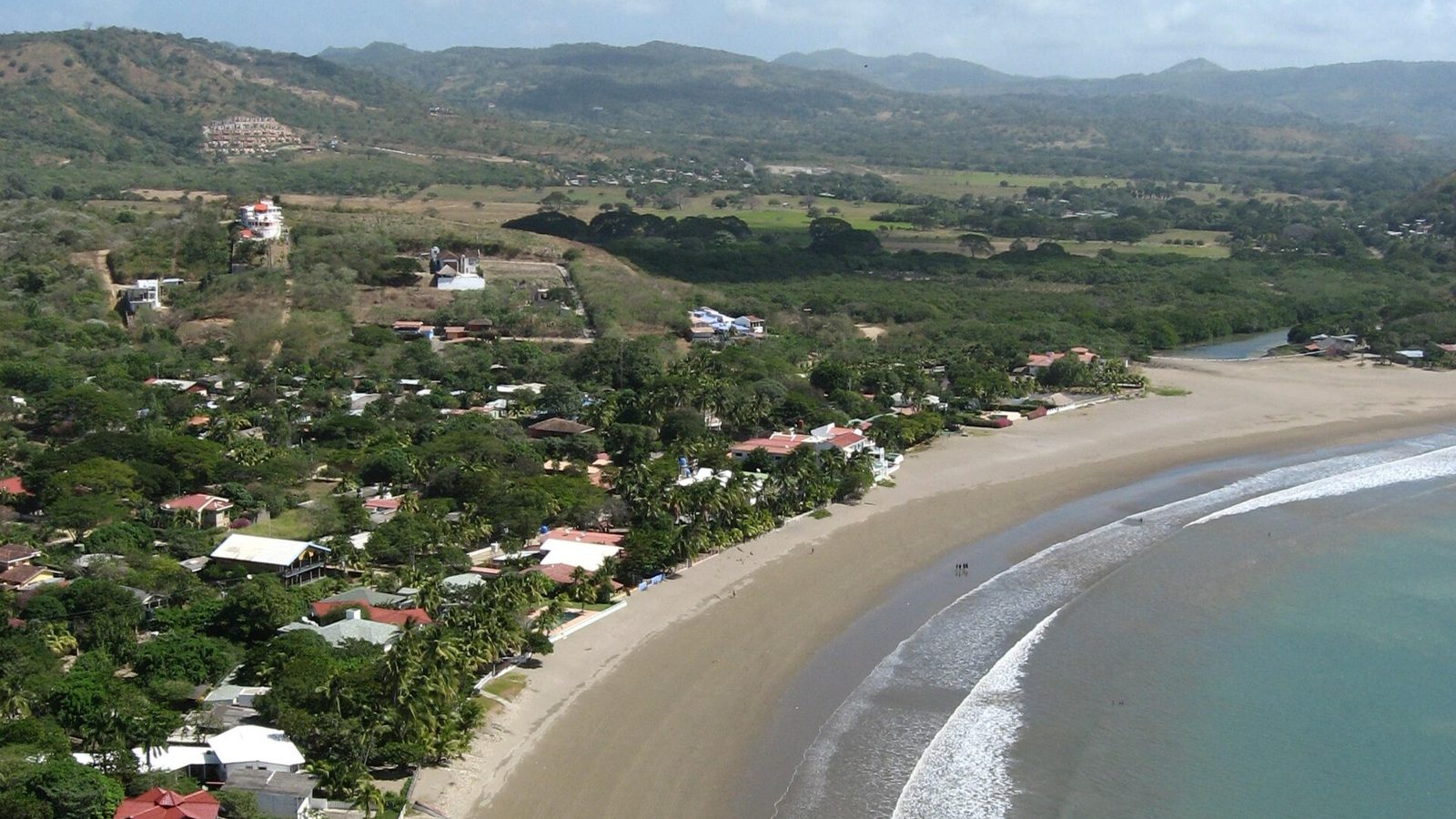
A small fishing town on a horseshoe bay on Nicaragua's Pacific coast, about 40 minutes from the Costa Rican border. You surf at the beaches north and south of town, walk up to the Christ statue for sunset and eat fried fish on the sand when the day's swell is done.
- Best time to visit: November to April
- Daily budget (budget traveller): $40 to $150 USD
- Ideal trip length: 3 to 5 days
San Juan del Sur sits on a sheltered, crescent-shaped bay in southwest Nicaragua. It is roughly 140km from Managua and close to the Peñas Blancas border with Costa Rica, so most travellers come in overland from the south. It started as a fishing port and is now the country's best-known beach town, with wooden houses, a small market, a bayfront lined with seafood ranchos and a big statue of Christ on the headland above. The town beach is calm and fine for swimming, but nobody comes here for that. The surf is on the open beaches a short ride away, such as Maderas and Marsella to the north and Remanso and Hermosa to the south, and cheap daily shuttles run out to them. At night the town turns into a backpacker hub. Sunday Funday, the weekly pool crawl, is famous on the Central American route, though you can skip it. San Juan del Sur costs more than the rest of Nicaragua, but dorm beds, $1 beers, market lunches and shared beach shuttles still make it good value for a solo traveller.
San Juan del Sur is Nicaragua's main beach town. It is a small, low-rise place on a deep, sheltered bay in the Rivas department, near the Costa Rican border. Fishing boats still anchor in the bay, and a white statue of Christ looks down from the northern headland. The town has grown up around surfers and backpackers. On one side you have the market, the church and family-run comedores, and on the other you have surf shops, yoga studios, rooftop hostels and pool bars. Most people pass through for a couple of nights on the overland route between Costa Rica and Granada. Stay longer and it settles into a routine: a morning shuttle to the waves, a long lunch on the sand, sunset from the headland and fish on the bayfront. Prices are higher than elsewhere in Nicaragua but far lower than in Costa Rica.
Getting here is simple for a border town. From Costa Rica, cross at Peñas Blancas with small US dollar bills for the fees, then take a bus or taxi the last 40 minutes. From Managua, it is about 2.5 hours by shuttle or private car, or longer by bus via Rivas. Once you arrive, walk around town and use the shared beach shuttles, which leave from hostels at fixed times to Maderas, Remanso and Hermosa. Base yourself in town if you want restaurants and nightlife, in Talanguera or the hills for quiet, or out at Maderas if surfing is the point of the trip. Rivas, half an hour away, is the hub for San Jorge and the ferry to Ometepe.
Timing matters more than you might think. The dry season from December to April brings blue skies, the most travellers and offshore winds strong enough to blow sand across the beaches. The green season from May to November is cheaper and quieter, with heavy afternoon rain, especially in September and October. It is also when turtles nest at La Flor. Nicaragua's politics are a real consideration in 2026, so read your government's advice, keep your opinions to yourself and do not bring a drone. In town, most people working in tourism speak some English, but a little Spanish goes a long way at the market and in the buses. If you want a social, cheap surf town with a bit of local life left in it, this is the place.
San Juan del Sur itinerary
Arrive and find your feet
Morning: Cross from Costa Rica at Peñas Blancas early, with small dollar bills ready for the fees, then take a bus or taxi to town. Drop your bag and walk the bayfront.
Afternoon: Have a market lunch at the Mercado Municipal, then book your beach shuttles and a surf lesson for the next few days at your hostel.
Evening: Walk along the beach to Talanguera and up to the Christ statue for sunset. Come back down by taxi, then eat fried fish at a bayfront rancho.
Surf at Maderas
Morning: Take the morning shuttle to Playa Maderas (about $5 return) and have a lesson or hire a board. Beginners should ask about the gentler inside waves.
Afternoon: Lunch at a beach café, then walk to Playa Majagual or nap in the shade. Catch the last shuttle back to town.
Evening: A cheap dinner in town, then a drink at a rooftop hostel. On a Thursday, join the free pub crawl from Pachamama.
Southern beaches
Morning: Take the shuttle to Playa Hermosa (around $8 including entry) and spend a slow morning swimming or surfing.
Afternoon: Stay for lunch at the beach restaurant, or move to Remanso for easier waves and rock pools at low tide.
Evening: Watch the sun go down from the free lighthouse viewpoint at the south end of the bay, then eat ceviche on the bayfront.
Lighthouse, Spanish and turtles
Morning: Book a Spanish class or a yoga session in town. Several schools offer drop-in lessons by the hour.
Afternoon: Rest up in the heat. In turtle season, buy a La Flor tour (around $30) for that evening.
Evening: Head south to La Flor with your guide for nesting turtles, or hatchlings in October and November. Out of season, have a slow dinner and an early night.
Day trip to Ometepe
Morning: Take an early shuttle or bus via Rivas to San Jorge, then the ferry to Moyogalpa on Ometepe, which takes about an hour.
Afternoon: Hire a scooter or a driver to see the Ojo de Agua spring and the black-sand beach at Santo Domingo, with views of both volcanoes.
Evening: Take the late-afternoon ferry and bus back to San Juan del Sur, or stay a night on the island if you want to hike.
Marsella and the north coast
Morning: Go north to Playa Marsella for a quieter beach morning, and look out for howler monkeys behind the sand.
Afternoon: Walk the estuary at low tide and have lunch at a beach restaurant, then head back by shuttle or taxi.
Evening: On a Sunday, try Sunday Funday (about $35). Otherwise, eat a farewell dinner with a view from one of the hillside restaurants.
Slow morning and depart
Morning: Have a last swim in the bay and a gallo pinto breakfast. Buy a bottle of Flor de Caña to take home.
Afternoon: Take a shared shuttle to Granada (from about $24) or León, or a bus to Rivas for Managua. Check times the day before.
Evening: Arrive in Granada for its colonial streets, or carry on to Managua for your flight.
Best neighbourhoods
- Town centre and the bayfront: The grid of streets between the market and the beach, where you will find most hostels, cafés, banks, the bus stop and the beach shuttles. The bayfront is lined with seafood restaurants and bars. It is the most practical base without a vehicle, but it is noisy at weekends, so ask for a room away from the bars if you sleep lightly.
- Talanguera and the north end of the bay: The quieter northern end of the town beach, across the small river, with guesthouses, holiday rentals and the steep road up to the Christ statue. It is only a 10 to 15 minute walk along the sand to the centre, and evenings are much calmer. After dark, take a taxi rather than walking the empty stretch alone.
- The hills above town: Hostels, hotels and villas with pools and big views over the bay, up on the slopes around town. Some are a steep walk from the centre and others are 15 to 20 minutes out by car. The views and quiet are worth it, but you will depend on taxis or hostel shuttles to get down to the bars and beaches.
- Playa Maderas and Marsella: The surf beaches about 20 to 30 minutes north of town on a rough dirt road. Expect surf camps, yoga decks, jungle hostels and howler monkeys in the trees. It is the best base if you want to surf every day, but restaurants are few and getting to town at night means a taxi or a lift.
- Southern beaches: Remanso, Yankee and Hermosa, strung along the coast south of town. Remanso has gentle waves for beginners and Hermosa is a long, privately run beach with an entry fee. Accommodation here is mostly scattered lodges and surf houses. It is peaceful and close to La Flor, but you will need transport for almost everything.
Must-do experiences
- Walk up to the Christ statue for sunset: Walk north along the town beach through Talanguera, then climb the very steep paved road to Cristo de la Misericordia. It takes about 30 minutes. Foreigners pay a few dollars in cash at the gate, often quoted at around $2 but reported higher by some visitors. The view over the whole bay is the best in town.
- Take a surf lesson at Remanso or Maderas: Remanso has softer waves for first-timers, and Maderas is the classic surf beach. Most hostels and surf shops sell lessons of about two hours with board hire, typically $30 to $40. Book through the place that runs your shuttle so the timings line up.
- Watch turtles nest at La Flor: Refugio de Vida Silvestre La Flor, about 20km south, is one of Nicaragua's main nesting beaches for olive ridley turtles. The season runs roughly July to December, with hatchlings most likely around October and November. Tours from town cost around $30, and there is a conservation fee of about C$200 on top.
- Spend a day at Playa Hermosa: A wide, clean beach south of town with consistent surf, board hire, a restaurant and showers. It is privately run, so you pay an entry fee of a few dollars. The beach shuttle from town usually includes the fee, which makes it an easy, low-effort day.
- Join Sunday Funday or a quieter night out: The weekly pool crawl starts around midday at Hostel Pachamama and moves between hostel pools by shuttle. Tickets are about $35, cheaper if you stay at a partner hostel, and drinks cost extra. It is 18+ only. For a gentler start, try the free Thursday pub crawl from Pachamama.
- Eat on the bayfront at sunset: Pull up a plastic chair at one of the ranchos on the sand and order a whole fried snapper with rice, salad and tostones. A plate costs around $8 to $15, and a cold Toña about $1.50. The sun goes down straight across the bay.
- Walk to the lighthouse at the south end of the bay: A short, free walk from the south end of the beach climbs to the old lighthouse on the headland. The view back to the town and the Christ statue is almost as good as from the top, and there is no ticket and no crowd. Go in daylight and in company.
Hidden gems
- The lighthouse viewpoint on the southern headland, a free alternative to the Christ statue with the whole bay in view
- Playa Marsella at low tide, where you can walk the estuary and the rocky points and often see howler monkeys in the trees behind the sand
- Playa Majagual, the quieter cove a short walk north of Maderas, where there is usually more sand than people
- The comedores inside the Mercado Municipal, where a plate of the day with rice, beans and meat costs a few dollars and you eat with local workers
- The town's central square on a weekday evening, when families come out, kids play football and the backpacker crowd is down at the beach
Daily budget
- Accommodation: budget $12 to $25 / night (hostel dorm), mid-range $50 to $100 (private room, guesthouse or small hotel with pool), splurge $250+ (hillside villa or eco-lodge on the northern beaches). Prices rise from December to April and spike at Christmas and Semana Santa. Party hostels sometimes include Sunday Funday discounts. Check whether hilltop places include a town shuttle.
- Food: budget $10 to $18 / day (gallo pinto breakfast, market comedor lunch, street food), mid-range $25 to $40 (café brunch and a fish dinner on the bayfront), splurge $60+ (seafood platters, cocktails, international restaurants). A market plate of the day is a few dollars, and a whole fried fish on the bayfront is about $8 to $15. A 10% service charge is often added to the bill.
- Transport: budget $2 to $6 / day (walking, local buses, a shuttle return), mid-range $10 to $25 (shuttles plus shared taxis), splurge $40 to $120 (private transfers, scooter or ATV hire). Buses to Rivas are about $1. Beach shuttles cost around $3 to $8. Shared shuttles to Granada start around $24. Land border fees run roughly $13 to $15 in and $4 to $5 out.
- Activities: budget $0 to $5 / day (beaches, lighthouse walk, Christ statue for a few dollars), mid-range $30 to $45 (surf lesson with board, turtle tour), splurge $60 to $150 (sailing trips, fishing charters, private tours). Board hire is about $10 to $15 a day. Hermosa charges a small entry fee. The La Flor conservation fee is about C$200 on top of the tour price.
- Drinks & nightlife: budget $5 to $10 (a few beers at a hostel bar), mid-range $15 to $30 (cocktails at sunset and a night out), splurge $50+ (Sunday Funday ticket plus drinks). A Toña costs about $1 to $1.50. Sunday Funday tickets are around $35 and do not include drinks. The Thursday pub crawl from Pachamama is free.
Where to stay
- Social hostel in Town centre ($12 to $25 / night (dorm)): Hostel Pachamama is the long-running party hostel where Sunday Funday starts, with a pool, a bar and discounted tickets for guests. For something a little calmer, Sohla Rooftop Hostel has a terrace over the bay and is just as central.
- Boutique hotel in Talanguera or the hills above town ($60 to $140 / night): Small hotels with pools and sea views give you quiet nights and the best sunsets, while staying a short taxi ride from the bars and the shuttles. Look for one with a free town shuttle.
- Apartment in Town centre and Talanguera ($40 to $90 / night): Holiday rentals with a kitchen work well for longer stays, Spanish courses or surf weeks. Check for air conditioning or at least a good fan, and ask about water pressure and security.
- Splurge in Northern beaches ($250 to $600+ / night): Eco-lodges and surf resorts in the forest above Maderas and further north offer private beaches, wildlife and spa treatments. Morgan's Rock is the best-known example. Transfers from town or the border can usually be arranged.
What to eat
- Pescado frito: a whole fried snapper or grouper with rice, salad and tostones from the bayfront ranchos, the classic San Juan del Sur meal
- Gallo pinto: Nicaragua's fried rice and red beans, served at breakfast with eggs, fresh cheese and sweet plantain at most cafés for a few dollars
- Ceviche: lime-cured fish or shrimp with onion and coriander, sold at beach bars and seafood restaurants, best eaten at lunchtime when the catch is fresh
- Nacatamal: a big tamal of corn dough, pork, rice and vegetables steamed in banana leaf, traditionally eaten at weekends. Look for hand-written signs outside houses
- Toña or Victoria beer and Flor de Caña rum: about $1 to $1.50 for a beer in most bars, and rum by the bottle is cheap in the supermarket
- Fresh fruit batidos and quesillo: blended papaya, mango or pitahaya from café counters, and a soft cheese tortilla with pickled onion and cream from street stalls
Day trips
- La Flor Wildlife Refuge (About 20km south, 45 minutes to an hour by road): A protected beach where olive ridley turtles come ashore to nest from roughly July to December, sometimes in large numbers. Rangers run the beach, and hatchlings are most likely around October and November. Book an evening tour in town, from around $30, which includes transport and a guide. The conservation fee of about C$200 is paid at the gate. Local buses run that way in the daytime, but they are infrequent.
- Ometepe Island (About 45 minutes to San Jorge, then roughly 1 hour by ferry): Twin volcanoes rising out of Lake Nicaragua, with the swimming spring at Ojo de Agua, black-sand beaches and farm villages. A day trip shows you the highlights, but climbing a volcano needs at least one night. Take a bus to Rivas and a taxi to San Jorge, or a direct shuttle (from about $24). Ferries and smaller boats to Moyogalpa cost a few dollars. Check the last return sailing, as crossings can be cancelled in strong wind.
- Granada (About 2 hours by shuttle): Nicaragua's most attractive colonial city, with painted houses, church towers, the central square and boat trips through the islets on Lake Nicaragua. It makes a good contrast to the beach. Take a shared shuttle from about $24, or a bus to Rivas and then a bus north. As a day trip it is long, so many people move on to Granada instead of returning.
When to visit
- Dry season (December - February): 28-32°C, sunny, strong offshore winds, cooler nights. Crowds: Busy, peaking over Christmas and New Year. Reliable sunshine and clean waves, but book beds early for the holidays. The wind can make boat trips and Ometepe crossings choppy.
- Late dry season (March - April): 30-34°C, hot and dusty, winds easing. Crowds: Busy, very busy during Semana Santa. Hot and lively. Easter week brings huge Nicaraguan crowds to the beaches, so book well ahead or avoid it.
- Early green season (May - August): 27-31°C, afternoon storms, green hills. Crowds: Moderate, with a small bump in July. Good value with bigger swell for experienced surfers. Mornings are usually dry. Turtle season at La Flor starts in July.
- Late green season (September - November): 26-30°C, wettest in September and October, drying out in November. Crowds: Low, with some places closing in September and October. Cheapest and quietest, and the best time for turtle hatchlings. Muddy roads can make some beaches hard to reach. November is the pick of these months.
Entry rules for your passport
Visa rules for Nicaragua depend on the passport you travel on. Check the official source before you book: Nicaragua Ministry of the Interior
Getting there
There is no airport in San Juan del Sur. Managua's Augusto C. Sandino airport is about 2.5 hours away by private transfer or shuttle. Many travellers fly into Liberia in Costa Rica instead, about 1.5 hours from the Peñas Blancas border, and then cross overland. At the border, pay the Costa Rican exit tax, which is about $8 online through Banco de Costa Rica or around $10 at the kiosk. On the Nicaraguan side, expect roughly $13 to $15 in cash, made up of the $10 tourist card, local charges and a $1 municipal fee. Carry small US dollar bills and ignore anyone selling forms. Tica Bus and TransNica run international buses between San José and Managua. Alternatively, cross on foot and take a local bus via La Virgen to San Juan del Sur for around $1 to $3, or a taxi, agreeing the fare first. From Managua, buses run to Rivas, where you change for a local bus that leaves about every 30 minutes and costs about $1. Shared shuttles connect San Juan del Sur with Granada, San Jorge for the Ometepe ferry and León, with fares from about $24. Costa Rican rental cars cannot cross into Nicaragua.
Getting around
The town itself is small and flat, so you walk everywhere. It takes about 10 minutes from the market to the beach and 15 minutes from one end of the bay to the other. The beaches are a different story, because they are spread out along rough dirt roads. Most travellers use the daily shared beach shuttles that leave from Casa de Oro and a few other hostels. Recent prices are around $3 one way or $5 return to Maderas, which runs several times a day, and about $8 to Hermosa including entry. Check the timetable the night before, as the last return is in the late afternoon. Local buses to the beaches and La Flor leave from near the market, cost about $1 and run infrequently. Taxis are easy to find. Agree the fare before you get in, and expect around $15 to Playa Yankee, less if you share. Buses to Rivas leave roughly every 30 minutes and cost about $1. Many people rent scooters or ATVs, but the roads are steep and rutted, accidents are common and insurance is often void, so think twice if you have not ridden before.
Safety
San Juan del Sur is relaxed and used to foreign visitors, but Nicaragua as a whole calls for more care than its neighbours. In 2026 the US State Department rates the country Level 3, Reconsider Travel, mainly because of the risk of arbitrary detention and unpredictable enforcement of laws. Stay out of politics, avoid demonstrations, do not photograph police, military or government buildings, and do not bring a drone. In town, the common problems are bag theft on the beach, phones taken from bars and drink spiking at big parties. Never leave your things alone on the sand, carry little at night and take a taxi rather than walking empty roads or the beach after dark. Rip currents are strong at Maderas, Hermosa and other open beaches, so swim near surfers or lifeguards, and do not swim drunk. Scooter and ATV crashes are a real risk. Drink bottled or filtered water. Medical care is basic locally, and serious cases go to Rivas or Managua, so get travel insurance that includes evacuation. The police emergency number is 118 and the Red Cross ambulance is 128.
Solo travel tips
- Pick your base by mood: Stay in town for nightlife and easy shuttles, in Talanguera or the hills for quiet, and at Maderas if you want to surf every day. Moving halfway through your stay is common and cheap.
- Carry small dollar bills: Border fees, taxis, entry gates and beach shuttles all go more smoothly with $1 and $5 notes. The córdoba is also accepted everywhere, and change usually comes back in córdobas.
- Plan around the shuttle timetable: Beach shuttles leave at fixed times, and the last ride back is usually in the late afternoon. Check them the night before so you are not stuck paying for a taxi on your own.
- Respect the ocean: Rips at Maderas, Hermosa and other open beaches catch out strong swimmers. Swim where surfers or lifeguards are, take a lesson before you paddle out alone, and never swim after drinking.
- Safety for solo travellers: Take taxis after dark instead of walking the beach or the road to Talanguera, and keep an eye on your drink at parties. Keep away from politics and protests, and do not take photographs of police or officials.
- Meet people without the hangover: Join a surf lesson, a yoga class, a Spanish school or the hostel's group dinner. Shared beach shuttles and turtle tours are also easy places to meet travel companions for day trips.
Cultural etiquette
- Greet people with 'buenos días' or 'buenas' before asking anything, and say 'gracias'. Even a little Spanish gets a warmer response at the market and on buses.
- Cover up off the beach. Walking through town or into shops shirtless or in a bikini is common among tourists but looks disrespectful to locals.
- Avoid political conversations, slogans, flags and protests, and do not photograph police, soldiers or government buildings.
- Ask before photographing people, especially fishermen, market traders and children.
- Keep the noise down when walking back from bars through residential streets, where families live and get up early.
- Check your bill before you tip. A 10% 'propina' is often added already, and you can leave extra for very good service.
- Give nesting turtles space, use no flash or torches on the beach and take all your rubbish away from the sand.
Frequently asked questions
How do I get to San Juan del Sur?
From Costa Rica, most people cross at Peñas Blancas, about 40 minutes away. Tica Bus and TransNica run from San José and Liberia, or you can take local buses to the border and then a bus or taxi on the Nicaraguan side. Shared shuttles cover San José, Liberia and Tamarindo. From Managua airport it is about 2.5 hours by private transfer, or you can take a bus from Managua to Rivas and change. From Rivas, buses to San Juan del Sur leave roughly every 30 minutes and cost about $1.
How many days do I need in San Juan del Sur?
Two or three nights covers the town, the Christ statue, a surf lesson and a beach day. Four or five nights lets you try both the northern and southern beaches, add a turtle tour at La Flor in season and fit in a Sunday. A week works if you want to surf every day, take Spanish classes or add day trips to Ometepe and Granada.
When is the best time to visit San Juan del Sur?
The dry season runs from about December to April, with sunshine, busy hostels and strong offshore winds that groom the waves but can make boat trips rough. May to November is the green season, with afternoon storms, fewer people and lower prices. September and October are the wettest months. November is a good compromise, with green hills, turtle hatchlings at La Flor and the start of drier weather.
Do I have to party to enjoy San Juan del Sur?
Not at all. Sunday Funday and the bars are a big part of the town's reputation, but they are concentrated in a few hostels and one night of the week. Stay at Talanguera, up in the hills or by the surf at Maderas and you get early nights, quiet beaches, yoga and sunsets. Tickets for Sunday Funday are about $35 and are 18+ only.
How do I get to the beaches without a car?
Use the shared beach shuttles from Casa de Oro and a few other hostels. Recent prices are around $5 return to Maderas, which runs several times a day, and about $8 to Hermosa including the entry fee. Local buses are cheaper but infrequent. Taxis cost more but make sense if three or four of you share. Always check the time of the last shuttle back.
Can I see sea turtles from San Juan del Sur?
Yes, from about July to December, at La Flor Wildlife Refuge around 20km south of town. Olive ridleys nest at night, sometimes in mass arrivals, and hatchlings are most likely around October and November. Tours from town cost around $30, plus a conservation fee of about C$200. Follow the rangers' rules, which means no flash photography and no touching.
Is San Juan del Sur safe for solo female travellers?
Many women travel here alone without problems, and the hostel scene makes it easy to find company. Take the usual party-town precautions. Watch your drink, go out with people you trust and take a registered taxi home rather than walking the beach or dark roads. Choose accommodation with good reviews from solo women, and be wary of overly friendly offers of rides or tours.
What entry rules apply to Nicaragua in 2026?
Since 16 February 2026, Nicaragua divides nationalities into visa-exempt and visa-required groups. Travellers from the US, Canada, the UK and most EU countries can still visit visa-free for up to 90 days, shared across the CA-4 countries of Nicaragua, Honduras, El Salvador and Guatemala, and pay a $10 cash tourist card on arrival. More than 120 nationalities, including New Zealand, now need a visa approved in advance. Your passport needs six months' validity, and you may be asked for an onward ticket. Check the rules for your passport on official sources before you book.
Tours and activities in San Juan del Sur | San Juan del Sur in 2 days | San Juan del Sur in 3 days | San Juan del Sur in 4 days | San Juan del Sur in 5 days | San Juan del Sur in 7 days
Joy Plus home | Destinations | Itineraries | Activities | Flights | Budget planner | Calendar | Map | Blog | Lifetime access