Destinations / Central America
Santa Teresa, Costa Rica travel guide
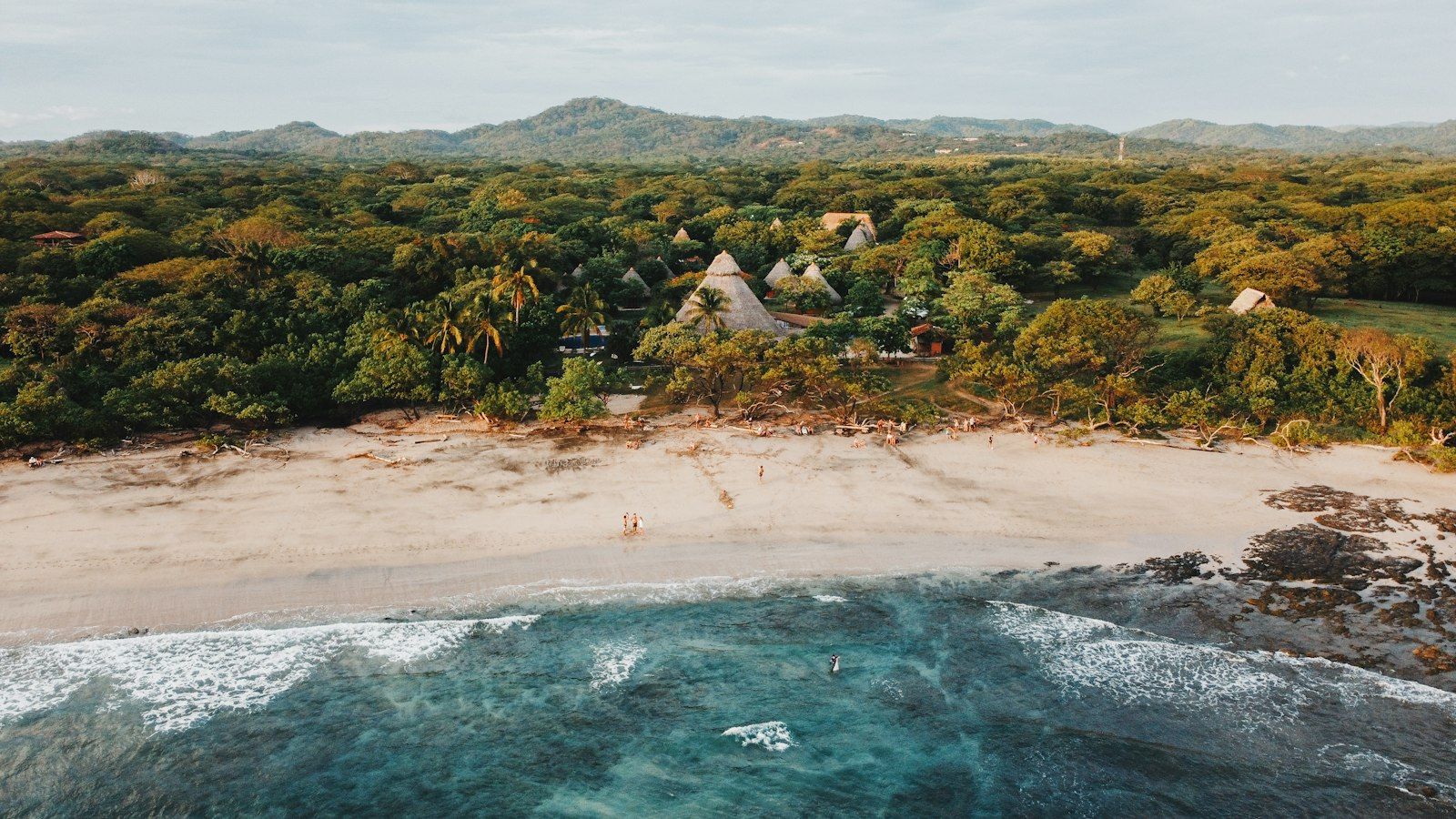
A dusty surf village on the tip of the Nicoya Peninsula, where you get consistent waves, jungle trails down to empty coves, and casados and sunsets that cost next to nothing.
- Best time to visit: December to April, plus July for green-season surf
- Daily budget (budget traveller): $60 to $240 USD
- Ideal trip length: 5 to 7 days
Santa Teresa started out as a fishing hamlet at the end of a bad road. Now it is one of Central America's best-known surf towns. A single main street runs parallel to the Pacific for about 5 kilometres, from the Mal País fishing boats in the south to Playa Hermosa in the north. Along it you'll find surf shops, yoga shalas, sodas, sushi bars and smoothie counters, with the beach a short sandy path away. The waves work almost every day of the year, which is why surfers keep coming back. Non-surfers come for the tide pools, the yoga and the sunsets, when half the town walks down to the sand. Prices here are high for Costa Rica, and many places quote them in US dollars. The cheaper version still exists: hostel dorms, soda casados for a few thousand colones, a local bus to Cóbano and beaches that cost nothing. Day trips take you to Cabo Blanco, the country's first protected reserve, to the Montezuma waterfall and out to Isla Tortuga. You don't need a car, and solo travellers are everywhere.
Santa Teresa sits on the Pacific side of the Nicoya Peninsula's southern tip, about 185km from San José by road and ferry. That distance kept it a fishing and farming backwater until surfers found it. Today the town runs along one main road behind a string of beaches: Mal País and its fishing boats in the south, Playa Carmen at the crossroads, Santa Teresa proper, then Playa Hermosa to the north. Many places price in US dollars, so it isn't cheap. A sushi dinner can top ₡15,000 and a smoothie bowl costs what a casado does. But there's a cheaper Santa Teresa too. It has hostel dorms with surfboard racks, sodas serving rice-and-beans plates for ₡4,000 to ₡6,000, a ₡1,000 local bus and free sunsets. This guide shows you how to live on that version.
Getting in is the main puzzle. From San José, the classic route is the Naviera Tambor ferry from Puntarenas to Paquera, about 70 to 80 minutes for ₡810 on foot, then about 75 minutes by road. Shared shuttles do the whole run, ferry included, in 5 to 6 hours. The daily direct bus to Cóbano is the cheapest way in. Domestic flights to Tambor cost much more but take only 30 minutes. Once you're here, slow down. Surf the morning glass, eat lunch at a soda and nap through the midday heat. Save Cabo Blanco for a Wednesday to Sunday, since the reserve closes on Mondays and Tuesdays.
Timing changes the trip. The dry season, from December to April, is sunny and busy, with brown hillsides, dusty roads and smaller, cleaner waves. The green season, from May to November, turns the jungle bright green, brings bigger south swells and cuts accommodation prices. You usually get sunny mornings and heavy afternoon rain. September and October are the wettest months, and some restaurants close for a break. Santa Teresa is easy for solo travellers. Hostels run surf trips and family dinners, yoga classes fill up with people travelling alone, and the sunset crowd on the beach gives you instant company. If you want big nightlife every night, go to Tamarindo. If you want to surf, swim and eat well on a budget, stay here.
Santa Teresa itinerary
Arrive and catch your first sunset
Morning: Leave San José early on a shared shuttle, or take the 6am Transportes Cóbano bus via the Puntarenas to Paquera ferry. Pack snacks for the crossing.
Afternoon: Arrive in Santa Teresa or change at Cóbano for the Transportes Malpaís bus (about ₡1,000). Check in, pick up colones from an ATM near Playa Carmen and buy water.
Evening: Walk to Playa Santa Teresa for sunset with the crowd on the sand, then have a casado at Soda Tiquicia.
Surf lesson and Playa Carmen
Morning: Group surf lesson at Playa Carmen, usually 2 hours. Book the day before and ask for a mid to low tide slot.
Afternoon: Lunch at Taco Corner, then rest through the heat. Rent a board for a late session if your arms still work.
Evening: Browse the Eat Street stalls for dinner, then join whatever your hostel has on that night.
Cabo Blanco and Cabuya (Wednesday to Sunday only)
Morning: Share a taxi or ride an ATV via Cóbano to the Cabo Blanco entrance near Cabuya (roughly 50-60 minutes). Arrive by 8:30am, pay about US$12 plus tax and start the Sueco Trail to Playa Cabo Blanco.
Afternoon: Swim and eat your packed lunch on the beach, leave by 2pm, and be out before the 4pm closing. No food or water is sold inside.
Evening: If the tide is low, walk out to the Cabuya cemetery island. Back to Santa Teresa for dinner.
Montezuma waterfall
Morning: Bus via Cóbano (allow 1.5-2.5 hours with the change) or share a taxi to Montezuma. Take the river trail from the bridge to the lower falls, free and about 20-30 minutes on foot. Wear grippy shoes.
Afternoon: Pay for the stairs to the quieter upper falls (about ₡1,000-2,000), then have lunch in the village and wander the beach.
Evening: Book tomorrow's Isla Tortuga trip in Montezuma, then stay the night there or head back to Santa Teresa.
Isla Tortuga by boat
Morning: Full-day trip from Montezuma at about 9am, or with pickup from Santa Teresa from about 8am. Expect roughly US$78-110 including lunch and snorkel gear, depending on the operator and pickup point.
Afternoon: Snorkel, beach time and a barbecue lunch on the island. Reapply sunscreen often, because the reflection off the water is brutal.
Evening: Back by late afternoon. Easy dinner and an early night.
Tide pools and a north-coast sunset
Morning: Check the tide table and walk the Mal País tide pools at low tide. Watch the fishing boats come back to the harbour.
Afternoon: Lunch at a Mal País soda, then a drop-in yoga class back in town.
Evening: In the dry season, ride an ATV or take a taxi north to Playa Manzanillo for sunset. In the rains, watch it from Playa Hermosa instead.
Last surf and departure
Morning: Dawn surf at Playa Carmen or Playa Hermosa while the wind is offshore, then brunch at Gula.
Afternoon: Afternoon shuttle, or the bus to Cóbano for the ferry back to Puntarenas. Check the current Naviera Tambor timetable the day before.
Evening: Overnight near San José airport if you have an early flight home.
Best neighbourhoods
- Central Santa Teresa: The stretch of main road around the supermarkets, surf shops and cafés, with the widest choice of hostels, sodas and sunset beach access. It's lively and convenient, and in the dry season it's dusty.
- Playa Carmen and the crossroads: The junction where the road from Cóbano reaches the coast. You'll find the bus stop, ATMs, surf schools and the friendliest beginner waves on Playa Carmen. It's the most practical base if you arrive without a car.
- Playa Hermosa (north): The quieter northern end of town, with a long, open beach, consistent peaks for intermediate surfers, self-catering casitas and a few good sodas. It suits longer stays and people who want calm nights.
- Mal País: The rocky southern end, with a small fishing harbour, tide pools, cheaper guesthouses and a much slower pace. It's the closest point to Cabo Blanco by road, though the direct track needs a 4x4.
- Montezuma: A hippie-era village on the east coast, about an hour away via Cóbano. It has the waterfall, a walkable centre and the cheapest Isla Tortuga departures. It works as a day trip or a two-night side base.
Must-do experiences
- Take a surf lesson at Playa Carmen: Book a group lesson with one of the surf schools at the crossroads. Mid to low tide on Playa Carmen's sandy beach break gives beginners soft whitewater and plenty of room.
- Hike Cabo Blanco's Sueco Trail: Walk roughly 10km return through dry tropical forest to Playa Cabo Blanco in Costa Rica's first protected area, created in 1963. It's open Wednesday to Sunday only, so start early and carry all your water.
- Swim at the Montezuma waterfall: Follow the river trail from the bridge in Montezuma to the big lower falls and its swimming hole. Entry is free along the river. Paid stairs lead to the upper falls.
- Snorkel on an Isla Tortuga boat day: Join a full-day boat trip from Montezuma to the white-sand islands in the Gulf of Nicoya, with snorkelling, a beach lunch and fruit. It's a good, easy way to meet other travellers.
- Watch sunset from Playa Santa Teresa: From about 5:15pm, surfers, dogs and travellers drift down to the sand to watch the sun drop behind the line-up. Grab a cold drink from a supermarket first.
- Explore the Mal País tide pools: At low tide, walk the volcanic rock shelf at the southern end of town to find clear pools full of fish, crabs and urchins. Then watch the fishing boats come back into the little harbour.
- Drop into a yoga class: Santa Teresa has more yoga studios than banks. Drop-in classes at places like Casa Zen Guesthouse & Yoga Center are an easy way to stretch out surf sessions and meet people.
Hidden gems
- The Cabuya cemetery island, a tiny graveyard on an islet off Cabuya that you can only walk to at low tide, so check the tide table before you go
- Playa Manzanillo, about 8km north of Santa Teresa, a wide, empty beach with rock pools and a huge sunset sky, though river crossings can block the road in the rains
- Soda Soy Tico in Playa Hermosa, a local soda at the quiet north end that serves proper casados far from the main-road prices
- The upper Montezuma falls, reached by paid stairs through private land, with quieter pools above the crowd at the main cascade
- Curú Wildlife Refuge near Paquera, a small private reserve with monkeys, a calm bay and forest trails that makes a good stop on the way to or from the ferry
Daily budget
- Accommodation: budget ₡7,500-18,000 / night (hostel dorm bed), mid-range ₡35,000-75,000 (private room, guesthouse or casita), splurge ₡250,000+ (Nantipa, Florblanca). Most places quote in US dollars, and online rates may exclude the 13% tax. Book Christmas to Easter well ahead. Green-season discounts can be big, especially for weekly stays.
- Food: budget ₡10,000-15,000 / day (soda casados + supermarket breakfast), mid-range ₡25,000-40,000 (café brunch, one sit-down dinner), splurge ₡60,000+ (Manzú tasting menu, sushi and cocktails). A soda casado is about ₡4,000-6,000. Restaurant menus often add 13% tax and a 10% service charge at the bottom, so add about 23% in your head. Supermarkets are pricey but fine for fruit and breakfast.
- Transport: budget ₡0-3,000 / day (walking, Transportes Malpaís bus about ₡1,000), mid-range ₡25,000-45,000 (ATV or scooter hire per day), splurge ₡35,000-70,000+ (Tambor flight one way, private transfers). The Puntarenas to Paquera ferry is ₡810 for a foot passenger. Shared shuttles to San José or Liberia run about ₡25,000-38,000. Bike hire is often ₡5,000-8,000 a day. Check rates when you book.
- Activities: budget ₡0-7,000 / day (beaches, Montezuma lower falls free, Cabo Blanco about ₡6,800), mid-range ₡25,000-35,000 (group surf lesson, board hire about ₡7,500-10,000 a day), splurge ₡45,000-60,000 (Isla Tortuga day from Santa Teresa with transfer). Cabo Blanco costs about US$12 plus 13% tax for foreigners. The Montezuma upper falls stairs cost roughly ₡1,000-2,000. Isla Tortuga is cheaper if you leave from Montezuma. Confirm prices locally.
- Drinks & nightlife: budget ₡1,500-4,000 (supermarket Imperial + one bar beer), mid-range ₡8,000-15,000 (cocktails at a beach bar), splurge ₡25,000+ (sunset bar and a big night out). Nights run on rotating party evenings at a few bars and beach clubs, and the schedule changes by season, so ask at your hostel. Many people are in bed early for dawn surf.
Where to stay
- Social hostel in Central Santa Teresa (₡7,500-18,000 / night (dorm)): Lost Boyz (adults only) and Hostel La Posada, with its bar, pool and regular events, are among the most social bases in town. Both are close to the beach, surf rentals and sodas.
- Boutique hotel in Playa Carmen to Santa Teresa beachfront (₡90,000-175,000 / night): Tropico Latino sits right on the sand with a pool and gardens. It's a calm, walkable base for surf lessons and sunsets without hostel noise.
- Apartment in Playa Hermosa or Mal País (₡35,000-75,000 / night): Self-catering casitas and studios at either quiet end of town give you a kitchen and a slower pace, with good weekly discounts in the green season.
- Splurge in Santa Teresa beachfront (₡250,000-600,000+ / night): Nantipa, home of the Manzú restaurant, or Florblanca for beachfront villas, yoga and complete quiet at the northern end of the beach.
What to eat
- Casado at Soda Tiquicia: rice, black beans, salad, plantain and fish, chicken or pork, usually ₡4,000 to ₡6,000, the cheapest proper meal in town
- Gallo pinto breakfast: rice and beans fried with onion and coriander, served with eggs, tortilla and natilla (sour cream) at any soda
- Ceviche at La Cevicheria: Peruvian-style raw fish in lime, the one sit-down seafood dinner worth budgeting for
- Whole fried snapper and patacones: crispy fish and smashed fried plantain at local sodas such as Soda Tica Linda
- Eat Street: a casual food market on the main road with several stalls, good when you are eating alone and want options
- Fish tacos at Taco Corner: quick, cheap and filling after a surf
Day trips
- Cabo Blanco Absolute Natural Reserve and Cabuya (Roughly 50-60 minutes by road via Cóbano): Costa Rica's first protected area, created in 1963. The Sueco Trail runs through dry forest to Playa Cabo Blanco, about 10km return, past seabird colonies offshore. Cabuya's island cemetery is next door at low tide. Taxi, ATV or a shared ride via Cóbano and Cabuya. Montezuma has buses towards Cabuya. Open Wednesday to Sunday, 8am to 4pm, about US$12 plus tax. Take water and lunch, because nothing is sold inside.
- Montezuma and the waterfall (About 40-60 minutes by road, longer by bus): A laid-back east-coast village with a three-tier waterfall. The big lower falls are a free 20-30 minute river walk from the bridge, and paid stairs lead to the upper pools. Transportes Malpaís bus to Cóbano, then a Transportes Cóbano bus to Montezuma (allow 1.5-2.5 hours with the connection), or share a taxi. Wear grippy shoes on the slippery rocks.
- Isla Tortuga (About an hour by boat from Montezuma): White-sand islands in the Gulf of Nicoya with snorkelling, a beach barbecue and calm water. It's the classic boat day on the peninsula and good for meeting other travellers. Full-day tours from operators such as Zuma Tours and Tours Paradise run about US$78-98 from Montezuma, or up to about US$110 with pickup in Santa Teresa. Book a day ahead.
When to visit
- Dry season (December - April): 28-34°C, sunny and dry, dusty roads, offshore morning winds. Crowds: Heavy, peaking at Christmas, New Year and Easter week. Most reliable sunshine and the easiest roads, but the highest prices. Book hostels and shuttles weeks ahead for the holidays, and bring a buff for the dust.
- Early green season (May - June): 26-31°C, sunny mornings, afternoon storms, south swells building. Crowds: Moderate and falling. Good value with lush scenery and better waves. Surf early and plan indoor time or a nap for the afternoon rain.
- Veranillo (July - August): 26-31°C, often a drier spell, consistent swell. Crowds: Moderate, with summer holidaymakers from North America and Europe. A strong pick for surfers. Green hills, frequent sunshine and solid waves at lower prices than the dry season.
- Peak rains (September - November): 25-30°C, heavy rain in September and October, easing in late November. Crowds: Low. The cheapest and quietest time, but roads turn to mud, rivers rise and some businesses close in October. Late November is a good gamble as the rain tails off.
Entry rules for your passport
Visa rules for Costa Rica depend on the passport you travel on. Check the official source before you book: Costa Rica General Directorate of Migration
Getting there
Most visitors fly into San José (SJO). Liberia (LIR) in Guanacaste is another option and needs no ferry, with shuttles taking around 5 hours. From San José you have three ways in. Shared shuttles from operators such as Tropical Tours cover the trip in about 5 to 6 hours, ferry included, for roughly ₡25,000-38,000. The Transportes Cóbano direct bus leaves San José daily at about 6am and reaches Cóbano in about 5.5 hours via the ferry. From Cóbano, Transportes Malpaís buses take about 40 minutes to Santa Teresa for about ₡1,000. If you book online, check which San José terminal your bus leaves from. The Naviera Tambor ferry from Puntarenas to Paquera runs eight times a day each way, from about 4am to 10pm. It costs ₡810 for foot passengers and takes 70 to 80 minutes. Part of each sailing's tickets is sold online, and the rest at the dock. Sansa and Costa Rica Green Airways fly from San José to Tambor in about 30 minutes for roughly ₡35,000-70,000 one way. Luggage limits are strict and surfboards cost extra. A taxi from Tambor to Santa Teresa takes 45 to 60 minutes. Many nationalities enter visa-free, but you need a valid passport and proof of onward travel, so check the official immigration site before you fly.
Getting around
Santa Teresa is a long ribbon of road, so where you sleep decides how you get around. In the centre you can walk almost everywhere, and many hostels rent bicycles. ATVs (quads) and scooters are the local way to get about, at roughly ₡25,000 to ₡45,000 a day for an ATV. Only rent with a valid licence and insurance, and never ride after drinking. The main road is partly unpaved, dusty in the dry season and muddy in the rains. Transportes Malpaís runs local buses between Santa Teresa, Playa Carmen and Cóbano several times a day for about ₡1,000 to ₡1,500. From Cóbano, connecting buses go to Montezuma, Paquera and San José. Taxis are available but pricey, so agree the fare first and ask your hostel to call a trusted driver. For Cabo Blanco, most people drive or take a taxi via Cóbano and Cabuya. The direct track from Mal País needs a 4x4 and can be impassable in the wet season.
Safety
Santa Teresa is generally relaxed and friendly, but petty theft is common. Never leave phones, bags or keys on the beach while you surf, and use your hostel locker. Break-ins at rentals happen, so lock doors and windows. Rip currents are the biggest danger, and there are few lifeguards, so ask surf schools where it is safe to swim and avoid river mouths. ATV crashes are the most common injury, especially at night on unlit, potholed roads. Walk with a head torch after dark, and take a taxi rather than walking long, empty stretches alone. You may be offered drugs in bars and on the beach. Say no and move on. Watch your drink. The sun is fierce, so use reef-safe sunscreen and a rash vest. Mosquitoes can carry dengue, so use repellent. Watch for snakes on forest trails at Cabo Blanco. The emergency number in Costa Rica is 911.
Solo travel tips
- Stay central if you have no wheels: Santa Teresa is long and the roads are dark at night. A bed between Playa Carmen and central Santa Teresa puts the bus stop, ATMs, sodas, surf schools and sunset within walking distance.
- Pick a social hostel first: Places like Lost Boyz and Hostel La Posada run family dinners, surf outings and party nights. Spend your first three nights there, then move to a quieter guesthouse once you have a crew.
- Plan around Cabo Blanco's closed days: The reserve is shut on Mondays and Tuesdays, and you need to be off the beach by about 2pm. Find hostel friends to split a taxi or ATV, which brings the transport cost right down.
- Learn the surf etiquette: Don't drop in on someone already riding a wave, paddle wide of the peak and stay in the whitewater until you can turn. Lessons teach the rules, and locals respect people who follow them.
- Safety for solo travellers: Leave valuables in a locker, never leave your phone on the sand while you surf, carry a head torch at night and use trusted taxis after dark. Only swim where surf schools say the currents are safe.
- Eat at sodas and cook breakfast: A casado at lunch keeps you full until dinner for ₡4,000-6,000. Hostel kitchens and supermarket fruit cover breakfast, which leaves money for one good dinner out.
Cultural etiquette
- 'Pura vida' is a greeting, a thank you and a way of life. Say 'buenos días' when you walk into a shop or soda, and reply 'con gusto' when someone thanks you.
- Put a shirt on in supermarkets, banks and restaurants away from the sand. Topless sunbathing isn't accepted on Costa Rican beaches.
- Don't feed monkeys, coatis or any wildlife, and keep your distance on trails. In Cabo Blanco, stay on marked paths.
- In the water, respect the line-up. Don't drop in, don't snake and give way to locals at their home breaks.
- Ask before photographing fishermen in Mal País or families at sodas. A smile and '¿puedo?' usually gets a yes.
- Things run on Tico time. Buses can be early or late, and shops close early on Sundays, so leave slack in your plans.
- Keep the noise down at night in residential streets, and carry your rubbish off the beach. Locals care a lot about keeping the coast clean.
Frequently asked questions
How do I get from San José airport to Santa Teresa?
You have three main options. Shared shuttles run door to door in about 5 to 6 hours, including the Puntarenas to Paquera ferry, for roughly ₡25,000 to ₡38,000. The budget route is the daily Transportes Cóbano bus from San José to Cóbano, then a Transportes Malpaís bus to Santa Teresa for about ₡1,000. The fastest option is a 30-minute flight with Sansa or Costa Rica Green Airways to Tambor, then a 45 to 60 minute taxi. Check fares and timetables when you book.
How many days do I need in Santa Teresa?
Five days covers a couple of surf sessions, Cabo Blanco, Montezuma and an Isla Tortuga boat day. A week lets you settle into the surf and do the tide pools and a slow day. Many people stay much longer, as the town is set up for long stays.
When is the best time to visit Santa Teresa?
December to April is the dry season, with sunshine, dusty roads, offshore mornings and peak prices. May to November is the green season, with afternoon rain, bigger swells and lower rates. July often brings a drier spell. September and October are the wettest months, and some businesses close for a few weeks.
Do I need a car or ATV in Santa Teresa?
No. If you stay in central Santa Teresa or near Playa Carmen, you can walk, cycle and use the local bus. An ATV or scooter for a day or two makes Cabo Blanco, Playa Hermosa and Manzanillo easier, but rent only with a valid licence and avoid riding at night.
Can I pay in US dollars and by card?
Yes. Many hotels, tours and restaurants quote prices in dollars, and cards work in most sit-down places and supermarkets. Carry colones in cash for sodas, buses, the ferry and small shops, and expect a worse exchange rate if you pay in dollars. ATMs sit along the main road but can run low at busy weekends.
Is Santa Teresa good for beginner surfers?
Yes, if you choose your spot and tide. Playa Carmen is the usual learner beach, and dozens of surf schools run group and private lessons. Some breaks get heavy at higher tides and in big green-season swells, so take a lesson before you head out alone.
Is Santa Teresa safe for solo female travellers?
Generally yes. It's full of solo women surfing, doing yoga and working remotely. Standard precautions apply. Avoid walking dark, empty stretches of road alone at night, use trusted taxis, watch your drink, and don't leave belongings unattended on the beach.
What entry rules apply to travellers visiting Costa Rica in 2026?
Many nationalities, including UK, EU, US and Canadian citizens, can visit Costa Rica without a visa. The immigration officer decides how many days you get, up to a maximum of 180. You need a passport valid for your whole stay, and many airlines want 6 months of validity. You also need proof of onward or return travel, and you may be asked for proof of funds. Rules vary by nationality and can change, so always confirm on the official Costa Rica immigration website (migracion.go.cr) and your own government's travel advice before you book.
Tours and activities in Santa Teresa | Santa Teresa in 2 days | Santa Teresa in 3 days | Santa Teresa in 4 days | Santa Teresa in 5 days | Santa Teresa in 7 days
Can't decide? Compare Santa Teresa with...
Joy Plus home | Destinations | Itineraries | Activities | Flights | Budget planner | Calendar | Map | Blog | Lifetime access