Destinations / South America
Santiago, Chile travel guide
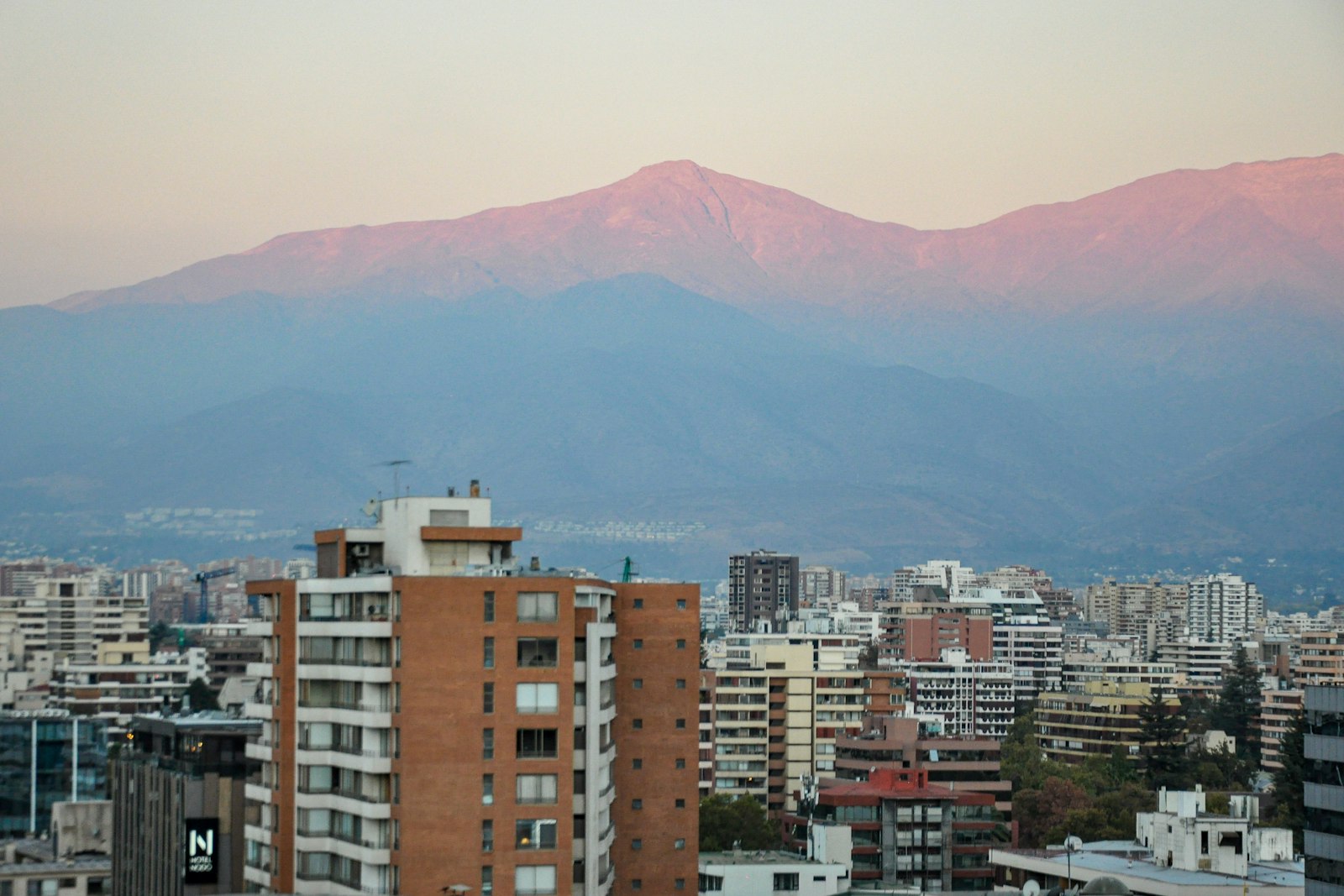
Chile's snow-capped capital, where the Andes loom over wine, markets and rooftop bars.
- Best time to visit: September-November and March-May (spring and autumn)
- Daily budget (budget traveller): $55 to $130 USD
- Ideal trip length: 3 to 4 days
Santiago sits in a valley with the snow-dusted Andes as its dramatic backdrop, a modern, well-organised capital that's the gateway to Chile's vineyards, mountains and Pacific coast. It blends glassy financial towers with leafy bohemian barrios, excellent museums, lively markets and a buzzing café and wine scene. It's also one of South America's safest and easiest big cities to navigate. Joy Plus pairs the city's culture and food with day trips to nearby wine valleys, coastal Valparaíso and the cordillera, so you get both the urban and the epic.
Santiago is a city that makes more sense once you stop looking at it and start looking past it. On a clear morning, especially after a winter storm, the Andes stand up behind the skyscrapers like someone forgot to turn the backdrop off. The city itself is a working capital, not a museum. You get a tidy grid of leafy barrios, a metro that puts most of Europe to shame, and a lunch culture built around the menú del día, a set meal of soup, a main and a drink for roughly CLP 8,000 to 12,000. It is calmer, safer and cheaper than most first-timers expect from a South American capital.
The centre is compact and easy to read. Lastarria is the polished, walkable base with wine bars, galleries and the Cerro Santa Lucía park. Bellavista sits at the foot of Cerro San Cristóbal, with street art, Neruda's colourful house La Chascona and the loudest nights. Providencia is green and comfortable, with Sky Costanera and the best apartments. Barrio Italia has antique shops and courtyard cafés. The old Centro, around Plaza de Armas, La Moneda and the Mercado Central, is where Chile's history and its caldillo de congrio live. Eat a lomito at Fuente Alemana, drink a terremoto at La Piojera, and you have done the city properly.
Santiago also works as a launchpad. Within two hours you can be in the Maipo Valley tasting Carmenère at Concha y Toro, wandering the painted hills of Valparaíso, or up in the Cajón del Maipo canyon with snow on the ridge. This guide builds a week that balances the three. It tells you which weekday the museums close (Monday), when to hit the funicular for the clearest air, and how to turn a 1h45 bus ride to the coast into the best day of your trip. Prices below are 2026 estimates in Chilean pesos (CLP), at roughly 900 to 1,000 per US dollar, so check the current rate before you fly.
How many days in Santiago?
For Santiago, we recommend 3 to 4 days.
| Trip length | What you'll see | Itinerary |
|---|---|---|
| 2 days | Cerro Santa Lucía and Lastarria; Centro, Pre-Columbian art and the market | Santiago in 2 days |
| 3 days · Recommended | Adds: Cerro San Cristóbal, Neruda and Sky Costanera | Santiago in 3 days |
| 4 days · Recommended | Adds: Maipo Valley wine day | Santiago in 4 days |
| 5 days | Adds: Valparaíso day trip | Santiago in 5 days |
| 7 days | Adds: Memory museum and Barrio Italia; Parque Forestal | Santiago in 7 days |
Santiago itinerary
Arrive, Cerro Santa Lucía and Lastarria
Morning: Land at SCL and take the Centropuerto bus (about CLP 3,000) to Los Héroes, then Metro L1 two stops to Universidad Católica. Drop bags in Lastarria, buy a Bip! card, coffee and an ice cream at Emporio La Rosa.
Afternoon: Climb Cerro Santa Lucía (free) for a first look at the Andes. Wander Plaza Mulato Gil de Castro and the GAM cultural centre.
Evening: Lomito and a beer at Fuente Alemana, then a wine flight at Bocanáriz on Lastarria. Early night, the city is easier after sleep.
Centro, Pre-Columbian art and the market
Morning: Metro to Plaza de Armas (L3/L5), cathedral, then the Museo Chileno de Arte Precolombino at 10:00 (CLP 10,000, closed Mondays). Walk to La Moneda palace and the underground Centro Cultural La Moneda.
Afternoon: Late lunch at Mercado Central, caldillo de congrio at Donde Augusto (ignore the waiters waving you in). Cross the Mapocho to La Vega Central for fruit and cheap snacks.
Evening: Terremoto at La Piojera, then dinner in Bellavista at Galindo (pastel de choclo) or Peumayén for Mapuche-inspired plates.
Cerro San Cristóbal, Neruda and Sky Costanera
Morning: Funicular from Plaza Caupolicán in Bellavista around 10:00 (about CLP 4,000-5,000 return, hours shift seasonally). Walk up to the Virgin statue, then wander down the pedestrian path.
Afternoon: La Chascona, Neruda's house, book a slot online (about CLP 12,000-14,000, closed Mondays). Short walk back through Bellavista street art.
Evening: Metro L1 or L4 to Tobalaba, Sky Costanera one hour before sunset (about CLP 25,000, pre-book). Pisco sour and dinner at Bar Liguria on Providencia.
Maipo Valley wine day
Morning: Metro L4 to Plaza de Puente Alto, then a colectivo or Uber (about 25 min) to Pirque. Concha y Toro tour at 10:00 (book ahead, about CLP 30,000-45,000).
Afternoon: Long winery lunch with Carmenère and Cabernet. Wander Pirque village, or hop to a smaller boutique estate by pre-arranged Uber.
Evening: Back in town, dinner in Barrio Italia (metro Santa Isabel, L5). Antiques shops close early, courtyard restaurants run late.
Valparaíso day trip
Morning: Early Turbus or Pullman from Terminal Alameda (metro Universidad de Santiago) to Valparaíso, about 1h45, roughly CLP 5,000-9,000 each way. Start at Plaza Sotomayor and ride the Ascensor Reina Victoria up to Cerro Alegre.
Afternoon: Paseo Gervasoni, Paseo Atkinson, street art on Cerro Concepción. Fish lunch at Mercado Cardonal. Visit La Sebastiana, Neruda's hillside house.
Evening: Sunset over the bay, then the last comfortable bus back (check times, they run until about 21:00-22:00). Light dinner near your hotel.
Memory museum and Barrio Italia
Morning: Metro L5 to Quinta Normal, Museo de la Memoria y los Derechos Humanos (free, 10:00-18:00, closed Mondays). Plan 2 hours, it is heavy but essential.
Afternoon: Walk through Barrio Yungay's tiled streets, then lunch in Barrio Italia. Browse Avenida Italia design shops and courtyards.
Evening: Pisco sour at Bar Constitución or craft beer in Bellavista. Cheap dinner at a picada or a cevichería.
Slow morning, Parque Forestal, depart
Morning: Coffee in Lastarria, stroll Parque Forestal and the free Museo Nacional de Bellas Artes. On weekends, browse the Persa Bío Bío flea market.
Afternoon: Last menú del día lunch in Lastarria. Pick up wine or pisco, check the 100 ml liquid rule if carry-on only.
Evening: Centropuerto bus from Los Héroes to SCL, allow 3 hours before an international flight.
Best neighbourhoods
- Bellavista: Bohemian district at the foot of San Cristóbal hill, full of street art, bars and restaurants.
- Lastarria: Elegant, walkable quarter with museums, cafés, galleries and weekend antique markets.
- Providencia: Comfortable, green residential area with good hotels, shops and easy metro access.
- Centro: The historic heart around Plaza de Armas, La Moneda palace and the central market.
- Barrio Italia: Trendy enclave of design shops, courtyards, cafés and antique stores.
Must-do experiences
- Ride up Cerro San Cristóbal: Take the funicular for panoramic city and Andes views from the hilltop.
- Visit the Pre-Columbian Art Museum: Explore one of Latin America's finest collections of indigenous artefacts.
- Wander Plaza de Armas: Take in the cathedral, historic buildings and street life of the old centre.
- Eat at Mercado Central: Sample fresh seafood and Chilean classics in the iron-framed market hall.
- Tour a nearby winery: Day-trip to the Maipo or Casablanca valleys for tastings among the vines.
- Explore Barrio Lastarria: Browse galleries, museums and cafés in the city's most charming quarter.
Hidden gems
- Sunset from Sky Costanera, the tallest observation deck in South America.
- The colourful house-museum La Chascona, one of Pablo Neruda's homes.
- Weekend antique and book stalls in Barrio Lastarria.
- A short metro-and-cable-car combo up to Parque Metropolitano's quieter trails.
Daily budget
- Accommodation: budget CLP 15,000-25,000 / night (hostel dorm), mid-range CLP 80,000-140,000 (boutique double), splurge CLP 230,000+ (The Singular Santiago, W Santiago). Foreign tourists are exempt from the 19% IVA at hotels if paying by foreign card or in USD. Show your passport and ask for 'exención de IVA'.
- Food: budget CLP 15,000-22,000 / day (empanadas, completos, menú del día), mid-range CLP 35,000-60,000 (one nice dinner in Bellavista), splurge CLP 150,000+ (Boragó tasting menu). Lunch menus run CLP 8,000-12,000 with soup, main and a drink. A cheese empanada is CLP 2,500-3,500, a lomito at Fuente Alemana about CLP 7,000-9,000.
- Transport: budget CLP 3,000-5,000 / day (4-5 metro rides), mid-range CLP 8,000-15,000 (metro + a few Ubers), splurge CLP 120,000+ (private driver to Casablanca or Valparaíso). Metro fares sit around CLP 800-900 depending on time of day, and the Bip! card costs about CLP 1,550. Skip rental cars in the city.
- Activities: budget CLP 0-10,000 / day (Santa Lucía, free museums, funicular), mid-range CLP 30,000-60,000 (Sky Costanera, Precolombino, La Chascona, one winery tour), splurge CLP 120,000+ (private vineyard day with lunch). Museo de la Memoria and the Museo Nacional de Bellas Artes are free. Sky Costanera is about CLP 25,000, the Precolombino CLP 10,000. Most museums close on Mondays.
- Drinks & nightlife: budget CLP 6,000-10,000 (terremoto + Escudo beer), mid-range CLP 20,000-35,000 (pisco sours, craft beer, wine bar), splurge CLP 60,000+ (rooftop cocktails + late club). Pisco sours run CLP 5,000-8,000 in bars. Pío Nono in Bellavista is the student strip, Lastarria and Providencia are calmer.
Where to stay
- Social hostel in Lastarria / Centro edge (CLP 15,000-28,000 / night (dorm)): Andes Hostel or Hostal Forestal, steps from Cerro Santa Lucía and Metro Bellas Artes and Universidad Católica. Common rooms, kitchens and a good mix of solo travellers.
- Boutique hotel in Lastarria / Santa Lucía (CLP 80,000-140,000 / night): Hotel Montecarlo or Hotel Magnolia, small, characterful and walkable to everything. Quiet streets, good breakfasts, staff who know the best table at Fuente Alemana.
- Apartment in Providencia (Pedro de Valdivia or Manuel Montt) (CLP 45,000-90,000 / night): Tall, modern apartment blocks with kitchens, gyms and concierges at fair prices. Metro L1 on the doorstep, supermarkets and parks around. Best value for 5+ nights.
- Splurge in Lastarria or Las Condes / El Golf (CLP 230,000-450,000 / night): The Singular Santiago in Lastarria (rooftop pool, Andes views) or W Santiago in the financial district. Spa, rooftop bars, and a quiet room after a long wine day.
What to eat
- Fresh ceviche and machas a la parmesana at Mercado Central
- Empanada de pino (beef, onion, egg and olive)
- Chilean Carmenère and Cabernet from the Maipo Valley
- Pastel de choclo, the classic corn-and-meat pie
Day trips
- Valparaíso and Viña del Mar (1h45 by bus): Painted hillside houses, ascensores, street art and Neruda's La Sebastiana. Pair it with Viña del Mar's beaches and flower clock, or overnight to see the port at sunrise. Turbus or Pullman from Terminal Alameda or Pajaritos, every 15 to 20 minutes, about CLP 5,000-9,000 each way. Local ascensores cost about CLP 300-500.
- Maipo Valley wineries (Pirque) (1 hour by metro and car): Concha y Toro, Santa Rita and boutique estates serving Cabernet and Carmenère with Andes backdrops. Book tours ahead, especially on weekends and at harvest in March and April. Metro L4 to Plaza de Puente Alto, then colectivo or Uber to Pirque (about 25 min). Or a small-group tour from Lastarria for CLP 60,000-90,000 including transport.
- Cajón del Maipo (1h30 by bus): Canyon with river views, hot springs, hiking and Embalse El Yeso. Snow in winter, swimming and picnics in summer. Quiet and rural, a good counterpoint to the city. Metro L4 to Bellavista de La Florida, then bus 72 up the canyon, about CLP 1,500-2,500. Check the last return bus, or share a taxi from San José de Maipo.
When to visit
- Spring (September - November): 9-26°C, mostly sunny, cool mornings, warm afternoons. Crowds: Moderate, spikes around Fiestas Patrias (18-19 Sept). The single best window. Snow still on the Andes, parks in bloom, wine valleys waking up. Book early for the Dieciocho week, when many shops close and locals head to fondas.
- Summer (December - February): 14-33°C, bone dry, up to 35°C in January. Crowds: Light in the city, heavy at the coast. Hot, but the city empties as locals flee to the beach. Some restaurants shut in late January. Good for hotel prices, Cajón del Maipo swimming and rooftop bars. Skip long walks at midday.
- Autumn (March - May): 6-29°C, warm in March, crisp by May, clear skies. Crowds: Moderate, quietest in May. The locals' favourite. Harvest (vendimia) in the Maipo and Casablanca valleys runs March to April, light is golden, and air quality is still good. Pack layers for chilly evenings.
- Winter (June - August): 3-15°C, rainy spells, frosty nights, smog on still days. Crowds: Low in the city, busy at the ski resorts. Cheapest hotels and a good base for Valle Nevado, La Parva and El Colorado skiing. After a storm the Andes are razor-sharp. Check air quality alerts if you have asthma.
Entry rules for your passport
Visa rules for Chile depend on the passport you travel on. Check the official source before you book: Chile Ministry of Foreign Affairs
Getting there
Arturo Merino Benítez International Airport (SCL) is 18 km northwest of the centre. The easiest option is the Centropuerto or Turbus airport bus, about CLP 3,000 and roughly 30 to 40 minutes to Los Héroes or Pajaritos, where you connect to Metro L1. Uber and Cabify are legal and cost CLP 15,000-25,000 to Providencia or Lastarria, depending on traffic. Official taxi counters inside the terminal charge CLP 25,000-30,000, so avoid freelance touts. Buses to Valparaíso and Viña del Mar leave from Terminal Alameda (metro Universidad de Santiago) and Terminal Pajaritos. Overland from Mendoza the bus takes 6 to 8 hours across the Los Libertadores pass, which can close in heavy winter snow.
Getting around
Santiago has one of the best metro systems in South America, clean, fast, extensive and cheap, making it the backbone of getting around. Buy a rechargeable Bip! card for metro and buses. Ride apps like Uber and Cabify are affordable and convenient for areas off the metro and for nights out, and regular taxis are also available. The central neighbourhoods, Lastarria, Bellavista, Providencia and the Centro, are walkable and pleasant. For day trips to wineries, Valparaíso or the Andes, join a tour, hire a driver or use intercity buses from the modern terminals. You won't need a rental car within the city.
Safety
Santiago is among the safer capitals in South America, but petty theft and pickpocketing are common in busy areas, on the metro and around tourist sites, so keep phones, bags and valuables secure and out of sight. Be extra alert in crowded markets, at viewpoints and in the Centro, and avoid displaying expensive items. Use ride apps at night rather than walking through quiet or unfamiliar streets. Occasional protests occur around Plaza Baquedano (Plaza Italia), so check local news and steer clear of demonstrations. Solo travellers, including women, generally feel comfortable with standard urban precautions. Violent crime against tourists is less common, though muggings and carjackings do occur.
Solo travel tips
- Eat at the barra: Fuente Alemana, Mercado Central counters and picadas all have bar seating. Sit there, point at the lomito, and the staff will chat. Counter prices are often lower than table service too.
- Hostel pick: Andes Hostel or Hostal Forestal: Both sit in or next to Lastarria with social common areas, kitchens and easy metro access. Go for a dorm or a private room, and ask at reception about winery group tours so you can split the transport.
- Guard your phone, not just your wallet: The real Santiago hazard is phone snatching, often on a bike or in the metro doorway. Don't scroll near doors or platform edges, keep it in a front pocket on Plaza de Armas and around Plaza Italia, and use a zipped crossbody bag.
- Free walking tours for the first day: Tours4Tips and similar pay-what-you-want walks leave from Plaza de Armas daily. They are an easy way to learn the layout and meet other solos. Tip CLP 5,000-10,000 if you enjoyed it.
- Solo female travellers: Lastarria, Providencia and Barrio Italia feel comfortable by day and evening. Use Uber or Cabify after about 11pm, skip empty streets in the Centro at night, and watch your drink in Bellavista bars along Pío Nono.
- Sunday bike streets: On Sundays the city closes lanes on Avenida Providencia and other main roads to cars for the Ciclorecreovía. Rent a bike for CLP 5,000-8,000 and ride with locals, or just stroll along the river park.
Cultural etiquette
- Greet with a single cheek kiss between women, or a man and a woman, and a handshake between men. A friendly 'buenos días' when entering a shop is expected.
- Chilean Spanish is fast and full of slang. Learn 'cachai?' (you get it?) and 'bacán' (cool), but leave 'weón' for friends.
- A 10% tip (propina sugerida) is added to the restaurant bill as a suggestion. Say 'con propina' to accept it, round up at cafés, no tip in taxis.
- Never claim pisco is only Chilean or only Peruvian out loud, the debate is a national sport. Just order the sour.
- Lunch is 1-3pm, dinner starts at 8:30-9pm. At 5-8pm many Chileans have 'once', tea with bread, avocado and cold cuts.
- Stand on the right on metro escalators and let people pass on the left. Rush hours are 7:00-9:00 and 18:00-20:00.
- Be sensitive about the Pinochet years. Visit the Museo de la Memoria before you ask a local about politics.
Frequently asked questions
How many days do you need in Santiago?
Three to four days works well. Two days covers the city itself, Plaza de Armas and the Centro, the Pre-Columbian museum, Cerro San Cristóbal, and the Lastarria and Bellavista neighbourhoods. A third and fourth day let you take day trips, the most popular being a winery tour in the Maipo or Casablanca valleys and an excursion to the colourful coastal city of Valparaíso. If you're heading to ski resorts or the Andes, add more time. Santiago rewards travellers who use it as a base, so build in at least one or two day trips beyond the city limits.
When is the best time to visit Santiago?
Spring (September-November) and autumn (March-May) are the best times, with mild, pleasant temperatures and clear skies ideal for sightseeing and day trips. Autumn also coincides with the wine harvest, a great time for winery visits. Summer (December-February) is hot and dry, and many locals leave the city, though it's good for the coast and mountains. Winter (June-August) is cool and can be smoggy in the valley, but it's ski season in the nearby Andes. For the best all-round city experience and comfortable day-trip weather, aim for the spring or autumn shoulder seasons.
Is Santiago safe for tourists?
Santiago is one of the safer major cities in South America, but petty crime is the main concern. Pickpocketing and bag-snatching happen in crowded areas, on the metro and around tourist spots, so keep valuables hidden and stay alert, especially in the Centro and at busy markets and viewpoints. Use ride apps at night rather than walking through unfamiliar areas. Occasional protests occur around Plaza Italia, so avoid demonstrations and check local news. Violent crime against tourists is less common, though muggings and carjackings do occur. With sensible precautions, including for solo and female travellers, most visitors have a trouble-free experience.
What day trips can you take from Santiago?
Santiago is an excellent base for day trips. The most popular is a wine tour to the Maipo Valley (just outside the city) or the Casablanca Valley en route to the coast, with tastings at renowned vineyards. Another favourite is the bohemian, UNESCO-listed port city of Valparaíso, paired with the seaside resort of Viña del Mar, about 1.5 hours away. In winter, Andes ski resorts like Valle Nevado are within reach, while in summer you can hike or visit Cajón del Maipo, a dramatic mountain canyon. Tours, hired drivers and intercity buses all make these trips easy.
How do you get around Santiago?
Santiago has one of the best metros in South America, clean, fast, cheap and extensive, and it's the easiest way to move around. Get a rechargeable Bip! card, which also works on city buses. For areas off the metro and for nights out, ride apps like Uber and Cabify are affordable and reliable. The main tourist neighbourhoods are walkable and pleasant. For day trips to wineries, the coast or the mountains, use organised tours, hired drivers or intercity buses from the city's modern terminals. You generally won't need to rent a car unless you're exploring rural regions independently.
Can you see the Andes from Santiago?
Yes, on clear days the snow-capped Andes form a spectacular backdrop to the city, and the views are one of Santiago's signature sights. The best vantage points are elevated spots like Cerro San Cristóbal (reached by funicular), Cerro Santa Lucía and the Sky Costanera observation deck, South America's tallest. Visibility is best in spring, autumn and after rain clears the valley air; summer haze and winter smog can obscure the peaks. For the closest mountain experience, day trips to Cajón del Maipo or the Andes ski resorts put you right among the cordillera within an hour or two.
Is Santiago good for solo travellers?
Yes, Santiago is one of the easiest South American capitals for solo travel. It's relatively safe, well-organised and easy to navigate thanks to the excellent metro, and the central neighbourhoods are walkable with plenty of cafés, museums and restaurants to enjoy alone. There are good hostels and a sociable scene in areas like Bellavista, plus group day tours to wine country and Valparaíso that make meeting people easy. Solo female travellers generally feel comfortable with standard precautions. The city's modern infrastructure, ride apps and welcoming culture make it a comfortable, manageable base for independent travellers.
Do I need a visa to visit Chile?
Citizens of the EU, UK, US, Canada and Australia can enter Chile visa-free for up to 90 days. Your passport must be valid for the duration of your stay.
Tours and activities in Santiago | Santiago in 2 days | Santiago in 3 days | Santiago in 4 days | Santiago in 5 days | Santiago in 7 days
Can't decide? Compare Santiago with...
Joy Plus home | Destinations | Itineraries | Activities | Flights | Budget planner | Calendar | Map | Blog | Lifetime access