Destinations / Europe
Santillana del Mar, Spain travel guide
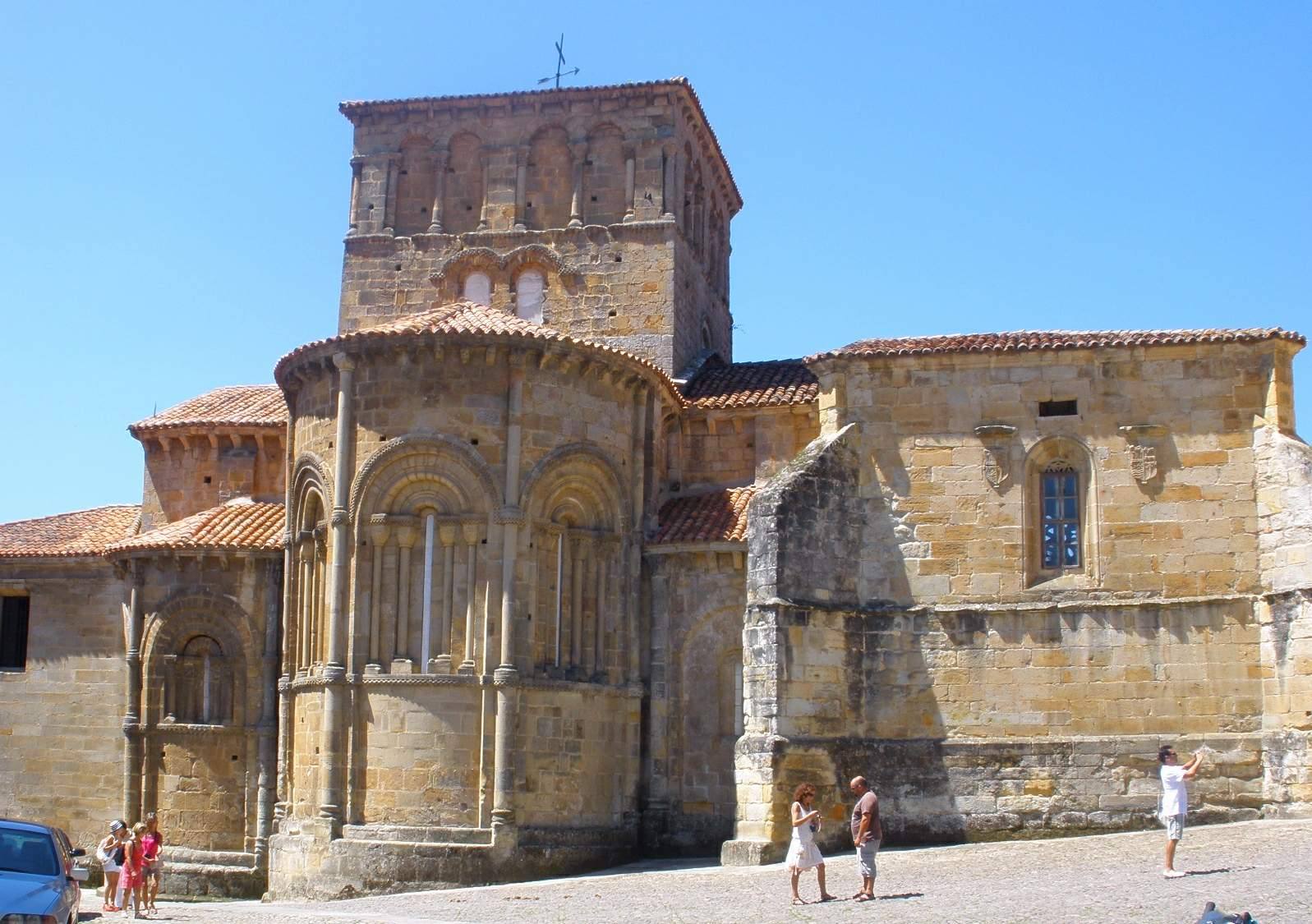
A small medieval town of stone mansions, cobbled lanes and a Romanesque church, a short walk from the Altamira cave replica and a short bus ride from Comillas and the Cantabrian coast.
- Best time to visit: May to June and September to October
- Daily budget (budget traveller): $75 to $240 USD
- Ideal trip length: 2 to 5 days
Santillana del Mar is a small medieval town in Cantabria, about 30km west of Santander. People call it the town of three lies. It is not holy, it is not flat and it is not on the sea, though the coast is only a few kilometres away. What it does have is a pedestrian old town of cobbled streets, stone houses with carved coats of arms, wooden balconies full of flowers and a 12th-century Romanesque collegiate church with a beautiful cloister. About 2km up the hill is the Altamira Museum and its Neocave, an exact replica of the famous painted cave with its bison. The real cave stays closed to protect the paintings. By day Santillana fills with coach groups and shops selling sobaos and cheese. In the early morning and after about 6pm it goes quiet, and that is when staying overnight pays off. For a solo traveller it works well. It is safe, compact and easy to reach by bus from Santander, and it makes a good base for Comillas, the beaches and the caves of western Cantabria. Rooms are cheaper than you might expect outside August. A coffee in the plaza and a slice of bizcocho with a glass of cold milk cost very little.
Santillana del Mar is a small town of a few thousand people in the green hills of western Cantabria, about 30km from Santander and a few kilometres inland from the Bay of Biscay. It grew up around the monastery of Santa Juliana, and the town's name comes from her. Over the centuries, noble families built stone houses carved with their coats of arms. Today the old town is pedestrian and very well preserved, with cobbled streets, wooden balconies, flower boxes and towers such as the Torre de Don Borja and the Torre del Merino on Plaza Mayor. The highlight is the 12th-century Colegiata and its cloister. Above the town is the Altamira Museum, home of the Neocave, a precise replica of one of the most famous cave paintings in the world.
Logistics are simple. Fly or take the train to Santander, then catch a La Cantábrica bus of about 40 minutes for a few euros, or go via Torrelavega. Arrive with a timetable, because buses run only a few times a day. Stay in or beside the old town so you can walk everywhere. Altamira is a 25-30 minute walk uphill. Comillas and Santander are easy bus trips. For El Soplao, the coast west of Comillas or the Picos de Europa, a hire car from Santander airport saves a lot of waiting. Keep Mondays free for travel or the beach, because the main sights close.
Timing makes a big difference. Most visitors come on day trips between about 10am and 6pm, so early mornings and evenings feel like a different place. Late spring and early autumn have mild weather and fewer coach groups. August is crowded and rooms cost more. Cantabria is green for a reason, so expect rain in any month and pack a proper jacket. Santillana is not a nightlife town. It suits a solo traveller who likes slow mornings, Romanesque stone, prehistoric art and a cheap glass of milk and cake at the end of a walk.
Santillana del Mar itinerary
Arrive and walk the old town
Morning: This plan assumes you arrive on a Tuesday. Take a La Cantábrica bus from Santander bus station, about 40 minutes and a few euros. Check the timetable first, because there are only a few buses a day.
Afternoon: Drop your bag and walk slowly along Calle del Cantón and Calle Carrera to Plaza Mayor. Look up at the coats of arms and the Torre de Don Borja and Torre del Merino.
Evening: Wait for the day visitors to leave, then do the loop again in the evening light. Have dinner on Plaza Mayor or try a menú at a local restaurant.
Colegiata and Regina Coeli
Morning: Be at the Colegiata de Santa Juliana when it opens at about 10am, for the cloister before the crowds. Allow an hour. Entry is around €3.
Afternoon: Bizcocho and cold milk at Casa Quevedo next door, then lunch. Afterwards visit the Museo Diocesano Regina Coeli at the town entrance, about €2, and see whether a joint ticket is available.
Evening: Sit on a terrace on Plaza Mayor with a glass of wine. Book Altamira for tomorrow online if it is high season.
Altamira Museum and Neocave
Morning: Walk about 2km uphill to the Altamira Museum, which opens at 9:30. The Neocave and the exhibition take two to three hours. General entry is €3.
Afternoon: Walk back down for a late menú del día lunch in town, then an easy afternoon. If you have the energy, walk the lanes north towards Ubiarco.
Evening: Quiet evening stroll down Calle del Río to the Colegiata when the square is empty. Early night.
Comillas and El Capricho
Morning: Take a La Cantábrica bus west to Comillas, roughly 20-30 minutes. Visit Gaudí's El Capricho first, about €7 for adults, with a time slot booked in summer.
Afternoon: Walk past the Palacio de Sobrellano and up to the Universidad Pontificia for views, then head down to Comillas beach and have seafood for lunch at the harbour.
Evening: Catch the last convenient bus back to Santillana. Check the time in the morning so you do not miss it.
A day in Santander
Morning: Take the bus to Santander. Walk the bay to the Palacio de la Magdalena and its peninsula.
Afternoon: Lunch near the Mercado de la Esperanza, then the Centro Botín arts centre by the water or a swim at El Sardinero beach.
Evening: Pintxos and drinks around the old streets of the centre, then catch an evening bus back. If you want a late night, stay in Santander instead.
El Soplao cave by car or tour
Morning: Pick up a hire car or join a tour to the Cueva El Soplao, about an hour west, famous for its unusual crystal formations. The guided tourist visit is about €15 and lasts roughly an hour. Book ahead.
Afternoon: Enjoy the views over the Picos de Europa from the site, then drive down to San Vicente de la Barquera for a late lunch by the estuary.
Evening: Back to Santillana. It is Sunday, so you could also take advantage of free entry at Altamira earlier in the day if you skipped it.
Santa Justa beach and leave
Morning: It is Monday, so the main sights are closed. Walk or drive a few kilometres north to Santa Justa beach at Ubiarco to see the hermitage in the cliff. Check the tide first.
Afternoon: Last sobaos for the road, then the bus back to Santander for your onward train, flight or ferry.
Evening: Fly out of Santander airport, or spend a night in the city if your connection is early the next day.
Best neighbourhoods
- Calle del Cantón and Calle Carrera: The main cobbled street running into the old town from the east. It is lined with stone houses, small hotels, cafés and shops selling sobaos, cheese and souvenirs. It is lively by day and very quiet at night, and it is the easiest place to stay if you arrive by bus.
- Plaza Mayor (Plaza de Ramón Pelayo): The sloping main square, framed by the Torre de Don Borja, the Torre del Merino, the town hall and the two Paradors. It is the social heart of the town, with terraces for coffee and evening drinks. Staying here is the splurge option.
- Calle del Río and the Colegiata end: The lane running down past the old stone water trough to the Colegiata de Santa Juliana and the small square in front of it. Casa Quevedo, where you get bizcocho and fresh milk, is here. It is the most photographed corner of town, so come early.
- Avenida del Zoo and the town edge: The newer roads around the outside of the old town, near the zoo and the main road. This is where you find apartments, parking and the more modern, cheaper hotels. It is a five to ten minute walk to the cobbles and handy if you have a car.
- Ubiarco and the coast: A scattered rural parish a few kilometres north, towards the sea. It has country houses, farm stays and the cliff-backed beach of Santa Justa with its tiny hermitage. It is peaceful but you will need a car or be happy to walk country lanes.
Must-do experiences
- See the cloister of the Colegiata de Santa Juliana: Cantabria's most important Romanesque building, from the 12th century, holds the tomb of Santa Juliana. The cloister has dozens of carved capitals with biblical scenes, animals and plant patterns. Entry is around €3. It is closed on Mondays and shuts for a long lunch.
- Visit the Altamira Museum and Neocave: Walk about 2km uphill from town to the museum. The Neocave is a precise replica of the original cave and its painted ceiling of bison, and the exhibition explains Palaeolithic life clearly. General entry is €3, and it is free on Saturdays from 2pm and all day Sunday. Closed on Mondays.
- Walk the old town at dawn and dusk: Wander Calle del Cantón, Calle Carrera, Calle del Río and Plaza Mayor before 10am or after the coaches leave in the evening. You get empty cobbles, soft light on the stone, and swallows around the towers.
- Look round the Museo Diocesano Regina Coeli: This former 16th-century convent of Poor Clares at the entrance to town holds religious art spanning many centuries. It is usually calm, entry is around €2 and the cloister is worth the visit by itself. Ask about a joint ticket with the Colegiata.
- Have bizcocho and milk at Casa Quevedo: A local tradition next to the Colegiata. You get a slice of sponge cake or a sobao with a glass of cold fresh milk, and it costs very little. It makes a good mid-morning stop between sights.
- Take the bus to Comillas and El Capricho: Comillas is about 18km west, with modernista buildings and a good beach. Gaudí's El Capricho is one of his few works outside Catalonia, and adult entry is about €7. Book a time slot in summer.
- Walk or ride to Santa Justa beach: A small beach at Ubiarco, a few kilometres north, where a tiny hermitage is built into the cliff. Take a picnic, and check the tide because the beach shrinks at high water.
Hidden gems
- The Ermita de Santa Justa at Ubiarco, a little chapel set into the rock face above the beach, very quiet outside July and August
- The cloister of Regina Coeli, often almost empty while Calle Carrera is packed with tour groups
- The small Jesús Otero museum beside the Colegiata, dedicated to the local sculptor, worth a look if it is open when you pass
- Plaza Mayor after 9pm in spring or autumn, when the day visitors have gone and only a few terraces stay open
- Free entry at Altamira on Sunday mornings, best right at the 9:30 opening before the families arrive
Daily budget
- Accommodation: budget €45-70 / night (simple hostal or guesthouse room off-season), mid-range €80-140 (stone-house hotel in the old town), splurge €150-280+ (Parador de Santillana Gil Blas). There is no backpacker hostel, and the pilgrim albergue is only for Camino walkers. Prices jump in August and on Spanish holiday weekends. Apartments with kitchens help a lot on longer stays.
- Food: budget €25-35 / day (bakery breakfast, menú del día lunch, picnic dinner), mid-range €45-70 (café lunch and a sit-down dinner), splurge €90+ (a long dinner at the Parador or a seafood meal in Comillas). A weekday lunchtime menú del día usually costs around €14-20 and is the best value in the area. Restaurants in the old town charge a little more than in Torrelavega. Prices are rough guides, so check.
- Transport: budget €0-10 / day (walking, local buses), mid-range €20-40 (bus day trips plus the odd taxi), splurge €50-80 (hire car with fuel). Santander to Santillana by bus costs a few euros. A taxi from Torrelavega is roughly €15-20. A hire car is worth it for El Soplao and the Picos de Europa.
- Activities: budget €0-8 / day (Altamira free on Sundays, walks, beaches), mid-range €10-25 (Colegiata about €3, Regina Coeli about €2, El Capricho about €7), splurge €35-60 (El Soplao adventure visit or a guided day tour). Altamira costs €3 and is free on Saturdays from 2pm and all day Sunday. The El Soplao tourist visit is about €15. A Renfe long-distance ticket can get you 50% off Altamira within 48 hours of your journey.
- Drinks & nightlife: budget €5-10 (a caña or a glass of wine on a terrace), mid-range €15-30 (drinks with pintxos or raciones), splurge €40+ (wine with dinner and an orujo nightcap). Nightlife means a quiet drink on Plaza Mayor. For bars and late nights, go to Santander. A small beer is usually about €2-3.50.
Where to stay
- Social hostel in Old town edge (€10-20 pilgrims / €45-70 room): There is no backpacker hostel. Walkers with a pilgrim credential can use the Albergue de Peregrinos Jesús Otero on the Camino del Norte. Everyone else should look for a simple hostal or guesthouse room, which is often good value outside August.
- Boutique hotel in Calle del Cantón (€100-180 / night): Hotel Casa del Marqués is a small hotel in a historic noble house on the main cobbled street, with a few minutes' walk to Plaza Mayor and the bus stop.
- Apartment in Avenida del Zoo (€60-110 / night): Apartamentos Estela de Altamira, on Avenida del Zoo, give you a kitchen to save on food and easy parking if you have a car. The old town is a short walk away.
- Splurge in Plaza Mayor (€150-280+ / night): The Parador de Santillana Gil Blas is a historic stone mansion right on the main square. In the evening you get the plaza almost to yourself.
What to eat
- Cocido montañés: a hearty Cantabrian stew of white beans, cabbage, chorizo, morcilla and pork, ideal for a wet day
- Sobaos pasiegos: dense, buttery sponge cakes from the Pas valleys, sold in packs all along Calle Carrera
- Quesada pasiega: a soft, set cheesecake-style pudding, often served with a glass of fresh milk
- Bizcocho with cold milk at Casa Quevedo by the Colegiata, a cheap and very local snack
- Anchovies from Santoña and rabas (fried squid strips), on bar menus across Cantabria
- Local cheeses such as the strong blue Picón Bejes-Tresviso and the smoked cheeses from the mountains
Day trips
- Comillas and El Capricho de Gaudí (About 18km west, 20-30 minutes by bus or car): A seaside town with standout modernista buildings. El Capricho is a colourful early Gaudí villa. Add the Palacio de Sobrellano, the Universidad Pontificia on the hill and a swim at the town beach. Take a La Cantábrica bus on the Santander to Comillas line, which stops in Santillana. El Capricho costs about €7 per adult. Book a time slot in summer and check the return bus times.
- Santander (About 30km east, roughly 40 minutes by bus): Cantabria's capital, with a big bay, the Palacio de la Magdalena, El Sardinero beach, the Centro Botín arts centre and lots of pintxos bars. It is a good contrast to quiet Santillana. Take a La Cantábrica bus to Santander bus station for a few euros, or go via Torrelavega by train. Check the last bus back before you go.
- Cueva El Soplao (About 50km west, around an hour by car): An old mining area that hides a cave packed with rare crystal formations. The tourist route is a guided visit of about an hour on accessible walkways, and the site has wide views of the Picos de Europa. There is no practical public transport, so drive or join a tour. The tourist visit costs about €15, and adventure visits cost more. Book ahead in summer and arrive 30 minutes early.
When to visit
- Spring (March - May): 12-20°C, showery, bright green countryside. Crowds: Low, with a sharp rise at Easter. A good, cheap window outside Easter week. Expect rain some days, but the old town is quiet and the hills are at their greenest.
- Early summer (June): 17-23°C, longer days, fewer showers. Crowds: Moderate, busier at weekends. Maybe the best month. Warm enough for the beaches, light until late and calmer than July and August. The local fiesta of Santa Juliana falls around 28 June, and some places close then.
- High summer (July - August): 20-26°C, mild and sometimes muggy, occasional sea mist. Crowds: Very busy, with coach groups and Spanish holidaymakers. Great for the coast, but book rooms and Altamira, El Soplao and El Capricho slots well ahead. Explore the old town early and late.
- Autumn and winter (September - February): 8-20°C, mild September, wetter and cooler from November. Crowds: Moderate in September, very low in winter. September and early October are the locals' pick, with warm sea and fewer people. Winter is cheap and peaceful but damp, and some restaurants shorten their hours.
Entry rules for your passport
Visa rules for Spain depend on the passport you travel on. Check the official source before you book: European Commission: Schengen visa policy
Getting there
Santander is the gateway. Santander airport (SDR) has flights from Spanish cities and some European routes, so check current schedules. Bilbao airport has many more international links and is about 130km away. ALSA coaches connect Bilbao and Santander. Renfe trains run from Madrid to Santander in roughly 4 to 5 hours, and a long-distance ticket can get you half-price entry to Altamira within 48 hours of your journey. Brittany Ferries sails to Santander from the UK, so check routes and seasons. From Santander bus station, Autobuses La Cantábrica runs to Santillana in about 40 minutes for a few euros, but there are only a handful of departures each day. Another option is to take a train or bus to Torrelavega, about 10km away, then a taxi for roughly €15-20. By car, it is about 30 minutes from Santander on the A-67 and CA-131. Park outside the pedestrian old town.
Border checks: non-EU visitors (other than Swiss, Norwegian, Icelandic, Liechtenstein, Andorran, Monegasque, San Marinese and Vatican citizens, and holders of an EU residence permit or long-stay visa) are registered in the EU's Entry/Exit System (EES) instead of getting a passport stamp. On your first crossing, officers take your photo and/or fingerprints, so allow extra time at passport control. ETIAS, the planned travel authorisation, is not in operation yet, so don't pay any website for one.
Getting around
The old town is small and pedestrian, and you can cross it on foot in ten minutes. Wear shoes with grip, because the cobbles are uneven and slippery after rain. The Altamira Museum is about 2km uphill from town, roughly 25-30 minutes on foot along the road and lanes, or a short taxi ride. Autobuses La Cantábrica run buses between Santander, Santillana and Comillas a few times a day. The stop is on the main road at the edge of the old town. Single fares are a few euros. Torrelavega is about 10km away and has trains and more frequent buses, so a taxi from there costs roughly €15-20. For El Soplao, the Picos de Europa or quiet beaches, hire a car in Santander or book a tour. Driving into the old town is restricted, so use the paid car parks on the outskirts. Taxis are limited, so ask your hotel to book one ahead.
Safety
Santillana is very safe and crime against visitors is rare. Keep an eye on your bag in the crowds on Calle Carrera in August, but that is about it. The cobbles are the main hazard. They are steep in places and slippery when wet, so take care at night. If you walk to Altamira or the coast, the country roads have no pavements, so wear something bright and walk facing the traffic. On the beaches, Cantabrian surf and currents can be strong. Swim only where lifeguards are on duty, look for the flags and check tide times at Santa Justa. The weather turns quickly, so carry a rain jacket on hikes. EU visitors should bring an EHIC or GHIC card. Everyone else needs travel insurance with medical cover. The nearest large hospital is in Santander.
Solo travel tips
- Stay inside the old town: You can walk to everything, enjoy the quiet streets early and late, and never wait for a taxi. Rooms at the edge of the cobbles cost a little less and are just as convenient.
- Work around Mondays: The Colegiata and the Altamira Museum both close on Mondays. Use Mondays for travel, Santander or the beach, and do your sightseeing from Tuesday to Sunday.
- Screenshot the bus timetable: La Cantábrica buses run only a few times a day, and the last bus back can leave earlier than you expect. Save the times on your phone before each day trip.
- Eat the menú del día at lunch: Lunch is the main meal in Spain. A weekday menú del día gives you three courses with bread and a drink for a reasonable price, and it is easy to eat alone at the bar or a small table.
- Safety for solo travellers: The town is very safe. The real risks are slippery cobbles, unlit country roads and strong surf. Wear good shoes, carry a torch for evening walks and swim only on lifeguarded beaches.
- Join a tour for the remote sights: If you do not drive, a small-group tour is the easiest way to see El Soplao, Comillas or the Picos de Europa in one day. It is also a simple way to meet other travellers.
Cultural etiquette
- Greet people in shops and bars with 'hola' or 'buenos días', and say 'gracias'. A little Spanish goes a long way in a small town.
- Meal times run late. Lunch is roughly 1:30-3:30pm and dinner rarely starts before 8:30-9pm, so kitchens can be shut in the late afternoon.
- Dress respectfully in the Colegiata and Regina Coeli, keep your voice down and avoid visiting during mass.
- People live in the old houses. Do not open gates, sit on private steps or photograph people in their homes and gardens.
- Shops and smaller sights close for a long lunch, especially outside summer. Plan the middle of the day around a meal.
- Do not touch carved stone or cave replicas, and follow the guides' rules at Altamira and El Soplao.
- A small tip is welcome but not expected. Round up in a bar or leave a few euros after a good meal.
Frequently asked questions
How do I get to Santillana del Mar without a car?
Get to Santander first by plane, train, coach or ferry. From Santander bus station, Autobuses La Cantábrica buses take about 40 minutes and cost a few euros, but there are only a handful a day, so check the timetable. You can also take a train or bus to Torrelavega and a taxi of about 10km from there.
How many days do I need in Santillana del Mar?
The town and the Colegiata take half a day, and Altamira takes another half day. Two nights let you see both without rushing and enjoy the town when it is quiet. Three to five nights work well if you add Comillas, Santander and the beaches.
Can I visit the real Altamira cave?
Almost certainly not. The original cave is closed to protect the paintings. Each week a tiny draw among museum visitors picks five people for a short supervised visit. Everyone else sees the Neocave, a faithful replica of the painted ceiling, which costs €3 or is free on Saturday afternoons and Sundays.
What days are things closed?
Mondays. The Altamira Museum and the Colegiata are both closed on Mondays, and the museum also closes on a few holidays, including 1 and 6 January, 1 May and 24, 25 and 31 December. The Colegiata also closes for lunch. Plan your sightseeing for Tuesday to Sunday and keep Monday for travel or the coast.
When is the best time to visit?
May, June, September and early October bring milder weather, green countryside and fewer coach groups. July and especially August are warm but very busy, and rooms cost more. Winter is cheap, quiet and often rainy, and some restaurants shorten their hours.
Is Santillana del Mar good for solo female travellers?
Yes. It is small, safe and relaxed, and people are used to visitors. The main thing is that it gets very quiet at night, so choose accommodation in or right next to the old town and avoid walking unlit country roads after dark.
Do I need cash?
Cards are accepted almost everywhere, including hotels, most restaurants, the museum and the bigger shops. Keep a little cash for small bakeries, the Casa Quevedo snack, church entry and buses. There are ATMs in town, and many more in Torrelavega and Santander.
Is there a hostel in Santillana del Mar?
Not a backpacker hostel. Santillana is on the Camino del Norte, and the pilgrim albergue only takes walkers with a pilgrim credential. Other solo travellers usually book a small hostal, a guesthouse room or an apartment. Outside summer these can be very reasonable.
More about Santillana del Mar
Tours and activities in Santillana del Mar | Santillana del Mar in 2 days | Santillana del Mar in 3 days | Santillana del Mar in 4 days | Santillana del Mar in 5 days | Santillana del Mar in 7 days
Joy Plus home | Destinations | Itineraries | Activities | Flights | Budget planner | Calendar | Map | Blog | Lifetime access