Destinations / Asia
Shanghai, China travel guide
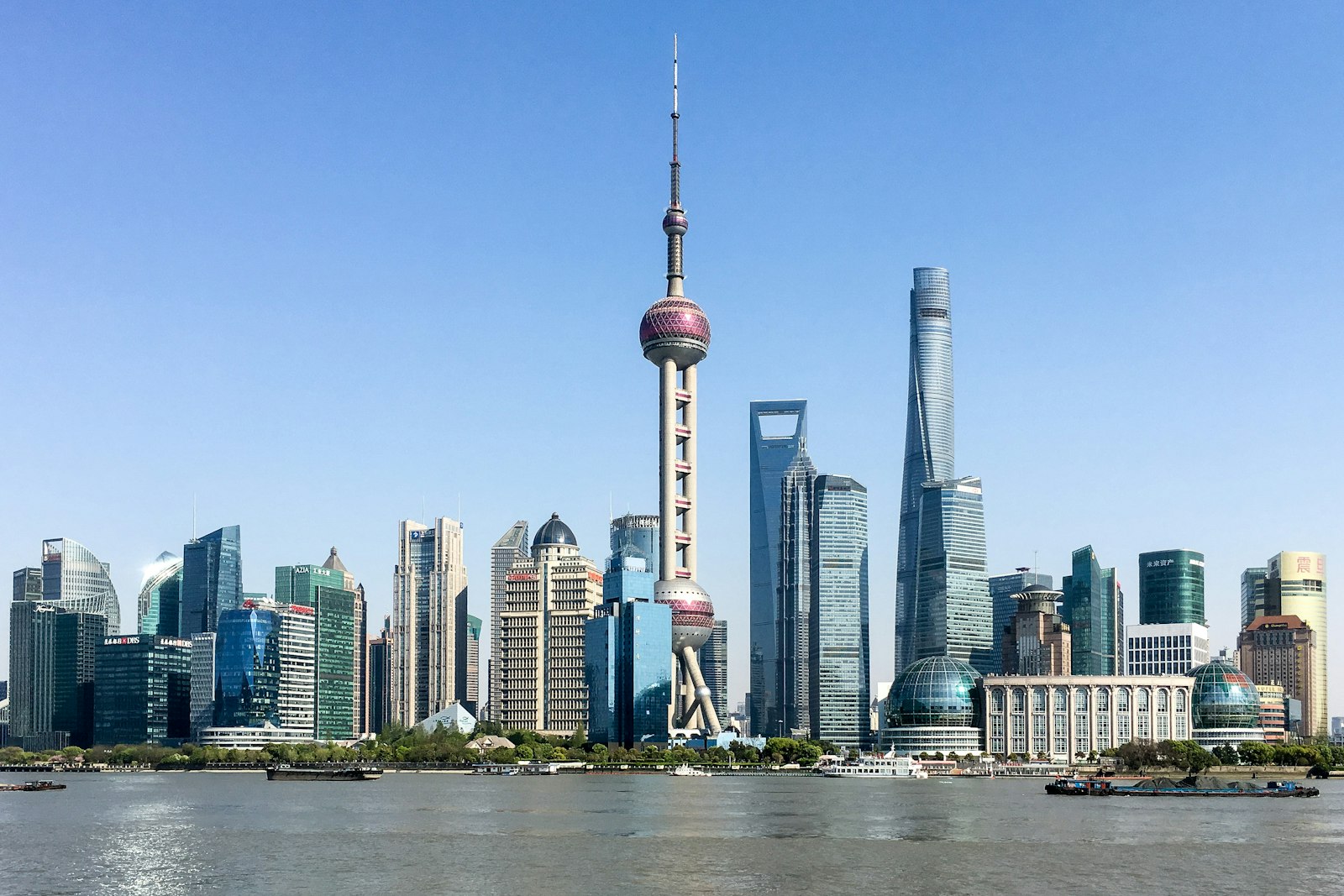
China's dazzling future-facing metropolis, where art deco riverfronts, neon skyscrapers and serene gardens collide.
- Best time to visit: March-May & September-November
- Daily budget (budget traveller): $50 to $120 USD
- Ideal trip length: 3 to 5 days
Shanghai is China at its most cosmopolitan, a city that pairs the Bund's grand early-20th-century buildings with the rocket-ship skyline of Pudong across the river. It moves fast: bullet-quiet metros, all-night dumpling joints, leafy Former French Concession lanes and futuristic malls all within a single day. For solo travellers it's surprisingly easy, clean, safe and connected, though the language barrier and cashless payment system take a day to crack. Joy Plus turns Shanghai's sprawl into a tight day-by-day plan around the right neighbourhoods, opening hours and metro lines.
Shanghai is the version of China that moves fastest, and it is the easiest place in the country to land for the first time. The Bund's 1920s banks stare across the Huangpu at Pudong's Shanghai Tower, the metro runs on a 20-line grid with English on every sign, and a bowl of scallion oil noodles still costs ¥25. It is huge, but it is not chaotic. Everything good sits on or near a metro line, and the best neighbourhoods are walkable once you are in them.
The city rewards a plan. Yu Garden is a different place at 9am than at 11am. The Former French Concession is best on foot along Wukang Road and Fuxing Park, and the Shanghai Museum is free but needs a passport-linked reservation. Then there is the cashless problem. Almost everything runs through Alipay or WeChat Pay, and a foreign card can be linked to both. Do that at home, not at a dumpling counter with a queue behind you.
Eat constantly. Shengjianbao at breakfast, xiaolongbao at Jia Jia Tang Bao on Huanghe Road, hairy crab in autumn, a Speak Low cocktail behind a fake shopfront at night. Add one water town and one garden city (Zhujiajiao and Suzhou), and you have a week that feels like three different trips. Solo travel here is safe, cheap by big-city standards and genuinely fun, as long as you download a translation app and carry your passport.
How many days in Shanghai?
For Shanghai, we recommend 3 to 5 days. With more time, add a day trip to Hangzhou.
| Trip length | What you'll see | Itinerary |
|---|---|---|
| 2 days | The Bund and the first dumplings; Yu Garden, Old City and Tianzifang | Shanghai in 2 days |
| 3 days · Recommended | Adds: Former French Concession and speakeasies | Shanghai in 3 days |
| 4 days · Recommended | Adds: Pudong skyline and the museum hit | Shanghai in 4 days |
| 5 days · Recommended | Adds: Zhujiajiao water town | Shanghai in 5 days |
| 7 days | Adds: Suzhou and its gardens; M50, West Bund | Shanghai in 7 days |
Shanghai itinerary
Arrive, the Bund and the first dumplings
Morning: Land at PVG, take the maglev (¥50, 8 min) to Longyang Road, then metro Line 2 to East Nanjing Road (about 35 min). Drop bags and pick up a ¥18 day pass.
Afternoon: Walk the pedestrian Nanjing East Road to the Bund. Lunch at Jia Jia Tang Bao on Huanghe Road, 12 xiaolongbao for around ¥40.
Evening: Bund at dusk as the lights come on. Take the Fuxing Dong Lu ferry (¥2) across to Pudong and back for the skyline cruise at street prices. Early night.
Yu Garden, Old City and Tianzifang
Morning: Yu Garden at the 9am opening (closed Mondays except public holidays), ¥30-40 depending on season, before the tour groups. Skip the queue at Nanxiang Steamed Bun and breakfast at a local stall instead.
Afternoon: Metro Line 10 to Xintiandi, then walk about 1.5km to Tianzifang's lane houses, or take Line 13 one stop to Madang Road and change to Line 9 for one stop to Dapuqiao. Browse galleries and coffee.
Evening: Dinner at Din Tai Fung Xintiandi or Ye Shanghai. Drinks around Xintiandi's lanes.
Former French Concession and speakeasies
Morning: Wukang Road and the Wukang Mansion exterior. Coffee on Anfu Road. Propaganda Poster Art Centre (¥30, check its current address).
Afternoon: Walk Fuxing Park, then Jing'an Temple (¥50, closes 5pm) via Line 2.
Evening: Dinner at Lost Heaven for Yunnan food. Cocktails at Speak Low on Fuxing Middle Road (near Shaanxi South Road metro), entered through a bar-tools shop and a sliding bookcase.
Pudong skyline and the museum hit
Morning: Shanghai Museum at People's Square, free, 9am open, closed Mondays. Reserve on WeChat the day before with your passport.
Afternoon: Line 2 to Lujiazui. Shanghai Tower observation deck (¥180) on the 118th floor, then riverside walk.
Evening: Flair rooftop at the Ritz-Carlton Pudong for sunset cocktails, or a river cruise (around ¥120).
Zhujiajiao water town
Morning: Metro to Hongqiao Railway Station (Line 2 or 10), then Line 17 to Zhujiajiao station (about 1 hr 10, ¥7). Arrive before 10am to beat day-tour groups.
Afternoon: Wander canals, take a 30-minute rowing boat (¥120 per boat), lunch on a canal bank.
Evening: Back to the city. Dinner at a Shanghainese bistro, early night.
Suzhou and its gardens
Morning: High-speed train from Hongqiao to Suzhou (about 30 min, ¥40 or so). Metro Line 4 to Beisita for the Humble Administrator's Garden (¥80).
Afternoon: Suzhou Museum designed by I.M. Pei (free, book ahead), then Pingjiang Road for lunch and canals.
Evening: Train back to Hongqiao. Easy dumpling dinner near your hotel.
M50, West Bund, depart
Morning: M50 art district on Moganshan Road (free to wander, galleries 10am to 6pm). Brunch at a café on the West Bund waterfront.
Afternoon: Power Station of Art on the river (free main halls, closed Mondays). Metro Line 4 or 8 from Xizang South Road.
Evening: Back for bags, Line 2 to Longyang Road, maglev to PVG. Leave 3.5 hours before an international flight.
Best neighbourhoods
- The Bund: The historic riverfront promenade with the city's most iconic skyline views.
- Pudong (Lujiazui): The futuristic financial district of supertall towers, observation decks and malls.
- Former French Concession: Leafy plane-tree lanes, boutiques, cafés and the best walking in the city.
- People's Square / Nanjing Road: The central hub of museums, shopping and metro connections.
- Tianzifang & Xintiandi: Restored shikumen lane houses packed with bars, galleries and restaurants.
Must-do experiences
- Walk the Bund at dusk: Watch the Pudong skyline light up across the Huangpu River.
- Ascend the Shanghai Tower: Ride to one of the world's highest observation decks, at about 560 metres.
- Wander the Former French Concession: Stroll tree-lined lanes of cafés, boutiques and villas.
- Visit Yu Garden: Explore the classical Ming-dynasty garden and surrounding bazaar.
- Eat soup dumplings: Hunt down the city's famous xiaolongbao at a local favourite.
- Take a Huangpu River cruise: See both skylines from the water after dark.
Hidden gems
- The quiet morning calm of Yu Garden before the tour groups arrive.
- Hidden speakeasy bars tucked behind shopfronts in the Concession.
- The Propaganda Poster Art Centre, a private museum of Mao-era posters (check its current address).
- Wukang Mansion and the photogenic streets of the old Concession.
Daily budget
- Accommodation: budget ¥70-130 / night (hostel dorm), mid-range ¥600-1,100 (boutique double), splurge ¥3,000+ (The Peninsula, Waldorf Astoria on the Bund). Book on Trip.com for the best rates. Jing'an and the Former French Concession give the best mid-range value.
- Food: budget ¥80-120 / day (noodles, dumplings, street breakfast), mid-range ¥250-450 (one Din Tai Fung or Ye Shanghai dinner), splurge ¥1,500+ (Fu He Hui, Ultraviolet). Yang's Fry-Dumpling is about ¥12 for four shengjianbao. Jia Jia Tang Bao steamers are around ¥40. Lunch sets are the hack.
- Transport: budget ¥15-25 / day (metro, ¥3 to ¥9 per ride), mid-range ¥50-100 (metro + Didi), splurge ¥600+ (private driver to Zhujiajiao or Suzhou). Metro 1-day pass ¥18, 3-day ¥45. The maglev from PVG is ¥50 one way. Metro runs roughly 5:30am to 11pm.
- Activities: budget ¥0-60 (Shanghai Museum is free, Yu Garden ¥30-40, the Bund is free), mid-range ¥250-400 (Shanghai Tower ¥180, river cruise, Jing'an Temple ¥50), splurge ¥800+ (ERA acrobatics show from ¥280 up, private guide ¥1,200+). Book free museums on WeChat 1 to 3 days ahead. Bring your passport to every museum.
- Drinks & nightlife: budget ¥30-50 (convenience store Tsingtao ¥6, bubble tea ¥15), mid-range ¥150-300 (Speak Low cocktails ¥110, a craft beer or two), splurge ¥600+ (rooftop cocktails at Flair, late clubs). Convenience store beer on the Bund promenade is a local move. Cocktail bars charge ¥100 to ¥150 each.
Where to stay
- Social hostel in People's Square / The Bund (¥70-130 / night): Captain Hostel, central metro access and a rooftop terrace with skyline views.
- Boutique hotel in Former French Concession (¥800-2,000 / night): Hengshan Garden Hotel or The Mansion Hotel, plane-tree streets, walkable cafés, quiet nights. Line 1 and Line 10 close by.
- Apartment in Jing'an or Xuhui (¥600-1,000 / night): Serviced apartments with a kitchenette, booked on Trip.com. Good for 5+ nights, near Line 2 and Line 7. Airbnb is not available in mainland China.
- Splurge in The Bund (¥3,000-6,000 / night): The Peninsula or Waldorf Astoria on the Bund, river-view rooms, classic skyline from bed, walk to Nanjing Road and the ferry.
What to eat
- Xiaolongbao (soup dumplings) at a local dumpling house
- Shengjianbao, pan-fried pork buns from a street stall
- Hairy crab in autumn season
- Scallion oil noodles, a Shanghai breakfast classic
Day trips
- Zhujiajiao (1 hr 10 by metro): A 1,700-year-old water town of stone bridges and canals. Go before 10am to beat the tour groups, then take a rowing boat (¥120) and eat on the canal bank. Metro Line 2 from People's Square to Hongqiao Railway Station, then Line 17 to Zhujiajiao station, around ¥7. Walk 10 minutes to the old town.
- Suzhou (30 min by high-speed train): China's classical garden city. Humble Administrator's Garden (¥80), Pingjiang Road canals, and the I.M. Pei-designed Suzhou Museum (free, book ahead). G train from Hongqiao Railway Station to Suzhou, around ¥40. Book on Trip.com or 12306 with your passport. Metro Line 4 to Beisita.
- Hangzhou (1 hr by high-speed train): West Lake, tea plantations at Longjing, and temples in the hills. Doable in a long day, better with an overnight. G train from Hongqiao to Hangzhou East, around ¥73. Metro Line 1 from the station toward West Lake.
When to visit
- Spring (March - May): 10-25°C, drizzly in March, clear and mild by May. Crowds: Moderate, spikes around May Day (May 1 to 5). Excellent. Azaleas and magnolias in the Concession, long café afternoons. Avoid the May holiday week.
- Summer (June - August): 27-38°C, 80% humidity, plum rains mid-June to early July, typhoon risk. Crowds: Heavy with domestic families, indoor spots packed. Hard going. Do museums and malls midday, outdoor sights at 8am or after 6pm, and carry an umbrella.
- Autumn (September - November): 16-28°C, dry, bright, low humidity. Crowds: Packed during Golden Week (Oct 1 to 7), calm afterwards. The best window. Hairy crab season, osmanthus in the air, ideal walking weather. Aim for late October to mid November.
- Winter (December - February): 1-9°C, damp, grey, no central heating in older buildings. Crowds: Low, but Spring Festival (6 Feb in 2027) shuts many restaurants. Cheap hotels and empty museums. Pack a proper coat and book indoor plans. Skip Chinese New Year week.
Entry rules for your passport
Visa rules for China depend on the passport you travel on. Check the official source before you book: China National Immigration Administration
Getting there
Pudong airport (PVG) is 40km east of the centre. The maglev to Longyang Road takes 8 minutes at 300km/h and costs ¥50, then switch to metro Line 2 for the Bund or People's Square. The all-metro Line 2 ride from PVG to People's Square costs about ¥8 and takes roughly an hour. Hongqiao airport (SHA) is on Line 2 and Line 10 and is ¥5 to ¥6 into town. Didi or an official taxi to the Bund is ¥180 to ¥220 from PVG, ¥60 to ¥90 from SHA. Use only the official taxi queue, insist on the meter, and have your hotel address in Chinese on your phone. High-speed trains from Beijing and Hangzhou arrive at Hongqiao Railway Station. Check the 240-hour visa-free transit rule and current visa-free lists for your nationality before booking.
Getting around
Shanghai's metro is vast, cheap, clean and signposted in English, it's by far the best way to get around. Buy a rechargeable transport card or use the metro QR system. Taxis and Didi (China's Uber) are affordable but app setup needs a foreign card linked. Crucially, set up Alipay or WeChat Pay with your foreign card before arrival, as the city is almost entirely cashless and many places won't take cash. The maglev train links Pudong airport to the city at 300km/h.
Safety
Shanghai is one of the safest big cities in the world, with very low violent crime and a strong police presence. It's excellent for solo travellers, including women, day and night. The main issues are petty: pickpocketing in crowded tourist zones like Nanjing Road, and persistent 'tea ceremony' and 'art student' scams around the Bund and People's Square, politely decline strangers inviting you for tea or to a gallery. Traffic can be chaotic, so cross carefully. Air quality varies, check it if sensitive.
Solo travel tips
- Set up Alipay before you land: Download Alipay or WeChat at home, link your Visa or Mastercard, and complete identity verification. Also activate the Metro QR inside Alipay so you skip ticket machines. Carry ¥200 in cash as a backup.
- Sit at the counter or scan the table QR: At most dumpling shops and noodle bars you can order from a QR code and pay in the app. At counters you can point at the next person's bowl. Google Translate camera mode handles menus.
- Hostel pick: Captain Hostel: Captain Hostel near the Bund has a rooftop terrace with skyline views. It is an easy place to find a Zhujiajiao partner.
- Decline the tea ceremony: On Nanjing Road and the Bund, friendly students who 'want to practise English' and invite you for tea or to an art show are a known scam. A smile and 'bu yong, xie xie' ends it.
- Solo female travellers: Shanghai is one of the safest big cities in Asia for women alone at night. Use Didi for late rides, watch drinks in nightlife bars as anywhere, and skip the 2am wander through dark lanes. Metro security checks are routine and fine.
- Find your tribe with run clubs and gallery nights: Sunday morning run groups use the West Bund waterfront track. Gallery openings at M50 and the Power Station of Art are free and social. Wukang Road cafés suit a long solo afternoon.
Cultural etiquette
- Do not tip. It is not expected in restaurants, taxis or hotels, and some staff will try to hand the money back.
- Never stick chopsticks upright in rice. It resembles incense at a funeral. Rest them across the bowl.
- Queue discipline varies. Metro riders let people exit first, but elsewhere expect some pushing. Stay calm and move forward gently.
- Hand over and accept cards, cups and business cards with both hands. It signals respect.
- Carry tissues and hand sanitiser. Public toilets often have no paper and sometimes squat styles.
- Avoid political topics with strangers, and do not photograph police or military buildings.
- Bring your passport everywhere. Museums, hotels, trains and some banks require it.
Frequently asked questions
How many days do you need in Shanghai?
Three to five days is ideal. Three days covers the essentials, the Bund, Pudong's skyscrapers, Yu Garden and the Former French Concession, while five days lets you slow down, explore more neighbourhoods, add a day trip to the water town of Zhujiajiao or the canal city of Suzhou, and dig into the food scene. Shanghai is huge and spread out, so extra days help you avoid rushing across the city and let you enjoy its cafés, galleries and riverside walks at a relaxed pace.
Do you need a visa to visit Shanghai?
It depends on your passport. Citizens of about 50 countries, including most EU states, the UK, Canada, Australia and Japan, can enter mainland China visa-free for up to 30 days under a policy that runs to 31 December 2026; the UK and Canada joined in February 2026. US citizens are not covered: they need a tourist (L) visa, or can use the 240-hour (10-day) visa-free transit when passing through China to a third country. Rules change often, so check the latest requirements for your nationality before booking, and carry your passport, as it is needed to enter major sights.
Is Shanghai good for solo travellers?
Yes, Shanghai is excellent for solo travellers. It's extremely safe, easy to navigate thanks to an English-signed metro, and packed with things to do alone, from museum-hopping to café culture in the Former French Concession. The main hurdles are the language barrier outside tourist areas and the cashless payment system, both manageable with translation apps and Alipay or WeChat Pay set up in advance. Hostels and walking tours make it easy to meet other travellers.
How do you pay for things in Shanghai?
Shanghai is almost entirely cashless, and locals pay for nearly everything via Alipay or WeChat Pay QR codes, from taxis to street food. Before your trip, download Alipay or WeChat and link a foreign credit card, which now works for most foreign visitors. Keep some cash as a backup, but be aware many small vendors no longer accept it. International credit cards are accepted in upscale hotels and some restaurants, but mobile payment is far more practical day to day.
When is the best time to visit Shanghai?
Spring (March to May) and autumn (September to November) are the best times, with mild, comfortable temperatures and the clearest skies. Autumn is especially pleasant and brings hairy crab season. Summers (June to August) are hot, humid and prone to heavy rain and occasional typhoons, while winters are cold and damp but quieter and cheaper. Avoid the major national holidays, especially the October Golden Week and Chinese New Year, when domestic tourist sites and transport are extremely crowded.
How do I get around Shanghai?
The metro is the best way to get around, it's vast, inexpensive, clean and signed in English, connecting nearly all major sights. Buy a rechargeable Shanghai transport card or use metro QR-code entry via Alipay. Taxis and the Didi ride-hailing app are cheap and useful late at night, though setting up Didi requires a linked card. For the airport, the Maglev train is a fun, ultra-fast option. Much of central Shanghai, especially the Bund and Concession, is also very walkable.
Is the internet restricted in Shanghai?
Yes. Mainland China blocks many Western sites and apps, including Google, Gmail, WhatsApp, Instagram and Facebook, through its firewall. To access them, set up a reputable VPN on your devices before you arrive, as VPN provider sites are themselves often blocked inside China. Alternatively, an international roaming SIM or eSIM that routes data abroad can bypass the restrictions. Download offline maps and translation tools in advance, and have local apps like Alipay ready, since you'll rely on them heavily.
Tours and activities in Shanghai | Shanghai in 2 days | Shanghai in 3 days | Shanghai in 4 days | Shanghai in 5 days | Shanghai in 7 days
Can't decide? Compare Shanghai with...
- Beijing vs Shanghai
- Shanghai vs Hangzhou
- Shanghai vs Hong Kong
- Seoul vs Shanghai
- Shanghai vs Shenzhen
- Tokyo vs Shanghai
Joy Plus home | Destinations | Itineraries | Activities | Flights | Budget planner | Calendar | Map | Blog | Lifetime access