Destinations / Asia
Shenzhen, China travel guide
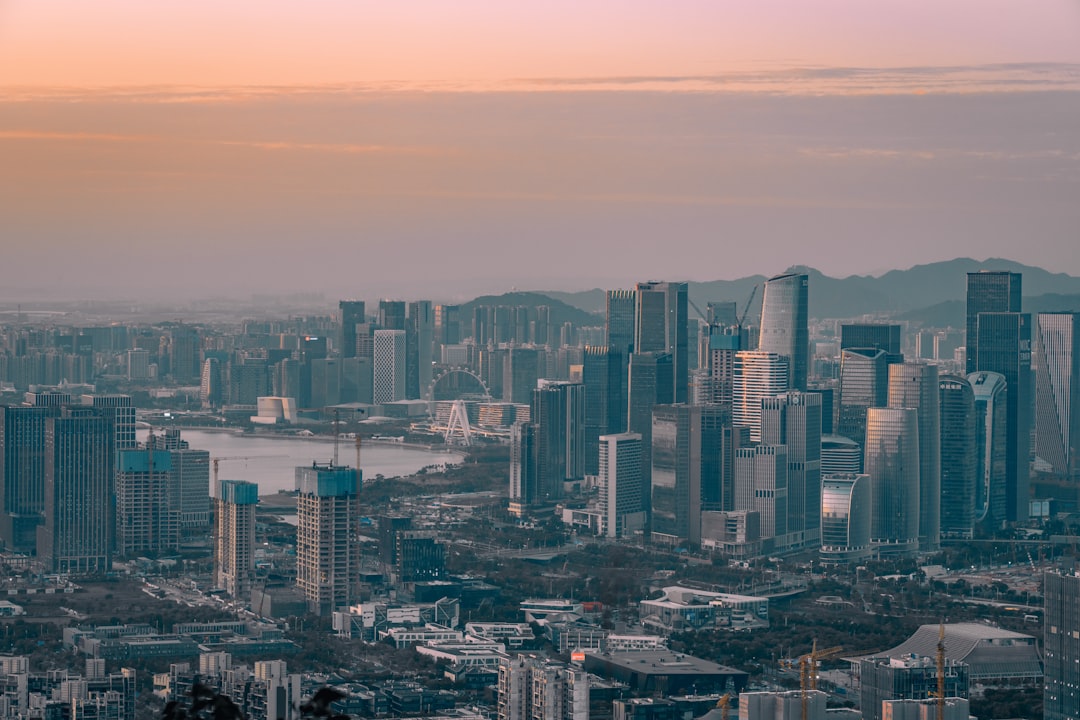
China's instant megacity: electronics markets, design districts, theme parks and coastal hikes 30 minutes from Hong Kong.
- Best time to visit: October-December
- Daily budget (budget traveller): $50 to $130 USD
- Ideal trip length: 2 to 3 days
Before 1980 Shenzhen was fishing villages; now it's a city of 17 million with the world's densest electronics market, an ambitious art and design scene and surprisingly good coastline. It's the easiest mainland city to visit from Hong Kong and the most futuristic feeling. Joy Plus balances the neon with beaches and parks.
Shenzhen was a county seat with a border post in 1979 and had no real skyline until the 1990s. Today it is a city of roughly 17.5 million with Huawei, Tencent and DJI headquarters, the Ping An Finance Center, and a metro network of more than 15 lines. It rewards a different kind of curiosity than Beijing or Xi'an. You come to see how things get made and how a city can be improvised at speed. The best of it is not in the postcard towers but in the details: a stall that will solder a phone screen back together in ten minutes, a 1990s factory turned gallery, a Ming-era fort three streets from a surf-free beach.
It is also the easiest way into mainland China. The high-speed train from Hong Kong West Kowloon reaches Futian in about 14 minutes, the metro signage is in English, and DiDi works in English with a foreign card. Shenzhen is not a sightseeing checklist city. It is spread across districts that each feel like a separate town: Futian for business and museums, Huaqiangbei for hardware, OCT and Nanshan for design and cafes, Shekou for the waterfront and expat bars, and Dapeng for beaches an hour and a half east. The trick is to treat each one as its own half day and let the metro do the work.
The logistics are the real hurdle, so sort them before you land. Install Alipay or WeChat Pay and link a foreign card, because cash is awkward and foreign cards are rarely accepted. Get an eSIM that roams out of the country, or a VPN, if you need Google, WhatsApp or Instagram. Carry your passport everywhere, because museums, trains and hotels all want it. Do that and Shenzhen is calm, safe, cheap by Hong Kong standards and surprisingly easy to love. Spend two to three days for the headline sights, or up to a week if you want Dapeng, Wutong Mountain and a Guangzhou side trip.
How many days in Shenzhen?
For Shenzhen, we recommend 2 to 3 days. With more time, add a day trip to Hong Kong or Guangzhou.
| Trip length | What you'll see | Itinerary |
|---|---|---|
| 2 days · Recommended | Futian and the Civic Center; Huaqiangbei, the hardware mecca | Shenzhen in 2 days |
| 3 days · Recommended | Adds: OCT-LOFT and Nantou | Shenzhen in 3 days |
| 4 days | Adds: Shekou waterfront and Design Society | Shenzhen in 4 days |
| 5 days | Adds: Dapeng Peninsula | Shenzhen in 5 days |
| 7 days | Adds: Wutong Mountain and Ping An sunset; Shenzhen Bay | Shenzhen in 7 days |
Shenzhen itinerary
Arrive, Futian and the Civic Center
Morning: Land at Bao'an (SZX), take metro Line 11 to Futian, about 30 minutes and ¥10. Drop bags and register at your hotel with your passport.
Afternoon: Shenzhen Museum at the Civic Center (free, reserve on WeChat, closed Mondays). Walk up Lianhuashan Park for the Deng Xiaoping statue and city view.
Evening: Chaozhou beef hotpot at Bahe Li Haiji, hand-sliced cuts by the plate. Then watch the Futian CBD towers light up from the Civic Center plaza.
Huaqiangbei, the hardware mecca
Morning: Line 1 to Huaqiang Road. SEG Electronics Market opens about 9:30am, then work through Yuanwang Digital Mall and Mingtong. Test everything before you pay.
Afternoon: Lanzhou ramen lunch for ¥25. Browse the component and repair floors, bargain hard and use WeChat or Alipay.
Evening: Dongmen Old Street (Laojie station), Hakka salt-baked chicken and fruit-tea stalls, then an early night.
OCT-LOFT and Nantou
Morning: Line 2 to Qiaocheng East. OCT-LOFT at 10am, galleries and coffee at one of its cafés. Walk the He Xiangning Art Museum (free).
Afternoon: Window of the World if you want kitsch, otherwise DiDi to Nantou Ancient Town (¥20-25). Wander the restored walls and the design shops.
Evening: Dinner in Nantou, then take the metro back. Try a Heytea or Nayuki milk tea as your nightcap.
Shekou waterfront and Design Society
Morning: Line 2 to Sea World. Design Society and the Design Museum Shenzhen (¥60-120 per exhibit). Climb the Minghua ship's deck for the harbour view.
Afternoon: Walk Nanhai Avenue and Shekou Old Street. Late lunch at a Cantonese dim sum house.
Evening: Tank-to-table seafood or skewers on Shekou's street stalls, then craft beer or a convenience-store Tsingtao by the harbour.
Dapeng Peninsula
Morning: DiDi from Luohu or Futian (about 1h30, ¥140-200), or Line 8 to Yantian Road then DiDi (¥70-100). Dapeng Fortress first.
Afternoon: Walk the Ming-era walls, then seafood lunch in Nan'ao or Dapeng old town. Beach time at Xichong if the weather holds.
Evening: DiDi back to Futian or Luohu, noodles near your hotel, early bed.
Wutong Mountain and Ping An sunset
Morning: Early DiDi (¥45-60 from Luohu) to Wutong Mountain gate. The trail is free and climbs to the 943m summit; start before 8am to dodge the heat.
Afternoon: Dafen Oil Painting Village (Line 3, Dafen station), thousands of studios, free to wander.
Evening: Ping An Finance Center Free Sky deck for sunset (book ahead, about ¥199-250). Dinner in the CBD.
Shenzhen Bay and depart
Morning: Walk or cycle Shenzhen Bay Park along the water, with the Talent Park and Spring Cocoon stadium views.
Afternoon: Last dim sum lunch, then metro to the airport or to Futian for the high-speed train to Hong Kong West Kowloon.
Evening: Land or check in on the other side. Keep the evening open for border delays.
Best neighbourhoods
- Futian: Central business district, Civic Center, museums and the main border crossings.
- Huaqiangbei: Multi-storey electronics malls, component floors and repair stalls.
- OCT & Nanshan: OCT-LOFT creative park, galleries, theme parks and the best cafes.
- Shekou: Waterfront, expat bars, Sea World plaza and ferries to Hong Kong airport.
- Dapeng Peninsula: Beaches, an old fortified town and coastal hiking an hour east.
Must-do experiences
- Huaqiangbei electronics markets: Floors of chips, drones, phones and parts, the physical internet of hardware.
- OCT-LOFT and Design Society: Former factories turned galleries, bookshops and design museums in Nanshan.
- Ping An Finance Center Free Sky deck: The 116th floor of a 599-metre tower, best on a clear day after rain.
- Dapeng Fortress and the east beaches: Ming-era walled town and clean coastline, a full day out from the centre.
Hidden gems
- Nantou Ancient Town, a walled village swallowed by the city and restored as a design quarter.
- Wutong Mountain sunrise hike, the highest point in Shenzhen.
- Dafen Oil Painting Village, thousands of studios reproducing and creating art.
- Xiasha or Shekou seafood streets for tank-to-table dinners with locals.
Daily budget
- Accommodation: budget ¥130-250 / night (hostel bed or Hanting, Home Inn, Ji Hotel), mid-range ¥450-800 (Atour, Hilton Garden Inn, Crowne Plaza), splurge ¥1,800+ (Park Hyatt, The Ritz-Carlton, Four Seasons). Some budget hotels cannot register foreign guests. On Trip.com filter for 'accepts foreign guests' before booking. Futian and Nanshan are the best-value mid-range.
- Food: budget ¥60-100 / day (Lanzhou ramen, congee, dumplings, street skewers), mid-range ¥180-320 (dim sum brunch plus Chaozhou beef hotpot), splurge ¥600+ (Cantonese tasting dinner at a five-star hotel). Lunch set meals are ¥28-45. A bowl of Lanzhou ramen is ¥20-28 and a basket of dim sum is ¥10-25, cheaper than Hong Kong.
- Transport: budget ¥15-25 / day (metro only), mid-range ¥50-90 (metro plus a few DiDi), splurge ¥400+ (private car and driver to Dapeng). Metro fares run ¥2 to about ¥14 and trains run roughly 6:30am to 11pm. Pay with the Alipay or Shenzhen Tong QR. Don't rent a car.
- Activities: budget ¥0-60 (OCT-LOFT, Shenzhen Museum, Dafen all free), mid-range ¥200-350 (Ping An Free Sky deck, Design Society, Window of the World), splurge ¥600+ (Happy Valley, private Dapeng guide). Shenzhen Museum is free but closed Mondays. Reserve with your passport on its WeChat mini program. Free Sky tickets are about ¥199-250, book online for a clear-day slot.
- Drinks & nightlife: budget ¥20-40 (convenience-store Tsingtao, Heytea or Nayuki milk tea), mid-range ¥120-220 (Shekou craft beer and cocktails), splurge ¥400+ (hotel sky bar, ¥110+ per cocktail). Convenience-store beer is ¥6-10 and drinking on the waterfront is normal. Shekou craft pints are ¥50-70, and drinks prices fall sharply once you leave the expat strip.
Where to stay
- Social hostel in Luohu or OCT East (¥90-180 / night): Hostel beds are scarce and only some are licensed for foreigners, so confirm first. Luohu has the border and Line 1, OCT East has Line 2 and the galleries.
- Boutique hotel in OCT & Nanshan (¥420-700 / night): Ji Hotel and Orange-style design hotels near Qiaocheng East. Quiet, design-led, walkable to OCT-LOFT, with a metro two stops from Shekou.
- Apartment in Futian CBD (¥600-1,000 / night): Serviced apartments such as Oakwood Residence Shenzhen. Washing machines, kitchens and metro at the door, the best value for 5+ nights.
- Splurge in Futian CBD (¥1,800-3,500 / night): Park Hyatt Shenzhen or The Ritz-Carlton, skyline views, sky bars and direct links to Futian Port, no hassle with luggage.
What to eat
- Cantonese morning tea, cheaper here than Hong Kong
- Chaozhou beef hotpot with hand-sliced cuts
- Hakka salt-baked chicken and stuffed tofu
- Late-night skewers and beer at a Shekou street stall
Day trips
- Dapeng Peninsula (About 1h30 by car): Dapeng Fortress is a walled Ming-era garrison town, with clean beaches at Xichong and Nan'ao seafood restaurants. Take a full day and go on a clear weekday. DiDi from Luohu or Futian, ¥140-200 each way, or Line 8 to Yantian Road then DiDi ¥70-100.
- Hong Kong (14 minutes by high-speed rail): West Kowloon station drops you in the city, with Victoria Harbour, dim sum and the Peak close by. Good for a day or overnight. High-speed rail from Futian to West Kowloon, about ¥75 (HK$80). Bring your passport and check entry rules.
- Guangzhou (30 minutes by high-speed rail): Canton Tower, Shamian Island and Cantonese dim sum institutions. More historic than Shenzhen, with older streets and temples. High-speed rail from Futian or Shenzhen North to Guangzhou South, about ¥75-80, trains every 10-15 minutes.
When to visit
- Autumn (October - December): 18-28°C, dry, clear skies, low humidity. Crowds: Moderate, but Golden Week (Oct 1 to 8) is packed. The single best window. Skyline decks are clear after the first cool front, hikes are comfortable, and the beaches at Dapeng are empty by December.
- Winter (January - February): 9-18°C, grey, damp, cool evenings. Crowds: Low, then near empty during Chinese New Year (6 Feb in 2027). Quiet and cheap, though heated rooms are rare so pack a jacket. Huaqiangbei and many restaurants shut for a week or more around New Year, so avoid those dates.
- Spring (March - May): 18-28°C, humid, fog and drizzle, thunderstorms by May. Crowds: Moderate, hotels spike during Guangzhou trade fairs. Fine for markets and museums, hazy for skyline views. Bring a compact umbrella and keep the Dapeng beach day for a clear forecast.
- Summer (June - September): 28-35°C, 80%+ humidity, typhoon season July to September. Crowds: Moderate, domestic family holidays in July and August. Skip if you can. It is brutal outdoors, typhoon signals close parks and ferries, and the metro and air-conditioned malls become the whole itinerary.
Entry rules for your passport
Visa rules for China depend on the passport you travel on. Check the official source before you book: China National Immigration Administration
Getting there
Shenzhen Bao'an International Airport (SZX) is about 30km from Futian. Metro Line 11 runs direct to Futian in about 30 minutes for roughly ¥10. A DiDi to Futian is ¥110-150, an airport taxi ¥130-170. From Hong Kong, the high-speed train from West Kowloon to Futian takes about 14 minutes, around ¥75 (HK$80). Alternatively take MTR East Rail to Lo Wu (Luohu, roughly 6:30am to midnight) or Lok Ma Chau (Futian Port, Line 4 and 10) and walk across, allowing 30-60 minutes for immigration, longer at weekends. From Hong Kong International Airport, SkyPier ferries run to Shekou with no Hong Kong entry required. Check current visa-free rules for your passport. Many nationalities have 30-day visa-free entry through at least the end of 2026, plus 240-hour transit visa-free. Complete the online arrival card if required.
Getting around
Bao'an International Airport connects by metro in about 50 minutes, and Hong Kong is 15 to 45 minutes away via the Futian and Luohu crossings or high-speed rail. The metro has more than 15 lines, English signage and most rides under $1. Alipay or WeChat Pay linked to a foreign card is essential, and a VPN helps if you need Google or Western apps.
Safety
Shenzhen is extremely safe with very low street crime, though counterfeit goods and inflated prices are common in electronics markets, so test items before paying. Summers are hot, humid and typhoon-prone from July to September. Border queues at Luohu can exceed an hour at weekends. Confirm current visa-free or transit rules for your nationality before travelling.
Solo travel tips
- Install Alipay and a maps app before you land: Link your foreign card to Alipay or WeChat Pay and test one small purchase at home. Install Amap (Gaode) or Apple Maps, because Google Maps is unreliable without a VPN. DiDi works in English with a foreign card.
- Eat at the counter: Dim sum houses and noodle shops often have shared tables or a counter. Sit down, point at the picture menu, and use the QR on the table. You will be left alone politely or fed advice, both are fine.
- Carry your passport and a Chinese address card: Museums, trains and hotels all check passports. Screenshot your hotel name and address in Chinese and show it to taxi drivers. Hotels must register foreign guests with the police within 24 hours, which is routine.
- Hostels are thin, so pick carefully: Dorm culture is limited and not every hostel can take foreigners. Look around Luohu and OCT East and confirm with the property before booking. If it fails, a ¥150-220 room at Hanting or Ji Hotel is nearly as cheap.
- Solo female travellers: Shenzhen is one of China's safest cities for women alone, with heavy street lighting and CCTV. Standard rules apply. Use DiDi after midnight, watch your drink in Shekou bars, and watch for silent e-bikes running red lights.
- Find people at Shekou or OCT events: Shekou has the biggest expat community, with run clubs, quiz nights and craft beer events. OCT-LOFT posts weekend markets and talks on WeChat and Instagram. Both are easy places to land a coffee chat.
Cultural etiquette
- Learn two words. Ni hao (hello) and xie xie (thank you) go a long way, though Mandarin and Cantonese both run here.
- No tipping in restaurants, taxis or hotels. Leave the change, and it may be handed back.
- Do not stick chopsticks upright in rice, and use the serving spoon or flip chopsticks for shared dishes.
- Queue politely at metro doors, let passengers off first, and avoid phone calls on speaker in carriages.
- Ask before photographing people, especially stallholders and older residents, and avoid photographing border posts or government buildings.
- Keep your passport on you. Museums, trains and hotels need it, and police may ask for ID.
- Avoid political topics in conversation, and do not comment on Hong Kong, Taiwan or Tibet.
Frequently asked questions
Is Shenzhen worth visiting?
Yes, if you like modern cities, tech and design more than ancient sites. Huaqiangbei's electronics markets, the OCT-LOFT art district, theme parks and the Dapeng coast fill two to three good days, and it's the easiest mainland trip from Hong Kong.
How do you get from Hong Kong to Shenzhen?
Take the MTR East Rail line to Lo Wu or Lok Ma Chau and walk across the border, or the high-speed train from West Kowloon to Futian in 15 minutes. Allow 30 to 60 minutes for immigration, longer at weekends and holidays.
Do you need a visa for Shenzhen?
It depends on your passport. Citizens of about 50 countries, including most EU states, the UK, Canada, Australia and Japan, can enter mainland China visa-free for up to 30 days under a policy that runs to 31 December 2026; the UK and Canada joined in February 2026. US citizens are not covered: they need a tourist (L) visa, or can use the 240-hour (10-day) visa-free transit when passing through China to a third country. A five-day visa on arrival, valid for Shenzhen only, is also issued to many nationalities at the Luohu, Huanggang and Shekou crossings, but not at the high-speed rail station. Rules change often, so check the latest requirements for your nationality before booking, and carry your passport, as it is needed to enter major sights.
How many days do you need in Shenzhen?
Two to three. One day for Huaqiangbei, Futian and a skyline deck, one for OCT-LOFT, Nantou and Shekou, and a third for Dapeng Peninsula beaches or a Wutong Mountain hike.
Is Shenzhen safe for tourists?
Very. Violent crime is rare and the city is heavily policed and monitored. The main risks are counterfeit electronics, overcharging in markets and heat or typhoons in summer. Solo travellers, including women, report feeling comfortable at night.
What is Shenzhen famous for?
Being China's first special economic zone and its hardware capital, home to Huawei, Tencent and DJI, the vast Huaqiangbei electronics market, dramatic skyscrapers and a design scene built inside converted factories.
How do you pay in Shenzhen?
Almost everything runs on Alipay or WeChat Pay. Link an international card before arrival, as foreign credit cards are rarely accepted and cash is increasingly awkward. Metro cards and QR ticketing also work through the same apps.
Tours and activities in Shenzhen | Shenzhen in 2 days | Shenzhen in 3 days | Shenzhen in 4 days | Shenzhen in 5 days | Shenzhen in 7 days
Can't decide? Compare Shenzhen with...
Joy Plus home | Destinations | Itineraries | Activities | Flights | Budget planner | Calendar | Map | Blog | Lifetime access