Destinations / Asia
Siquijor, Philippines travel guide
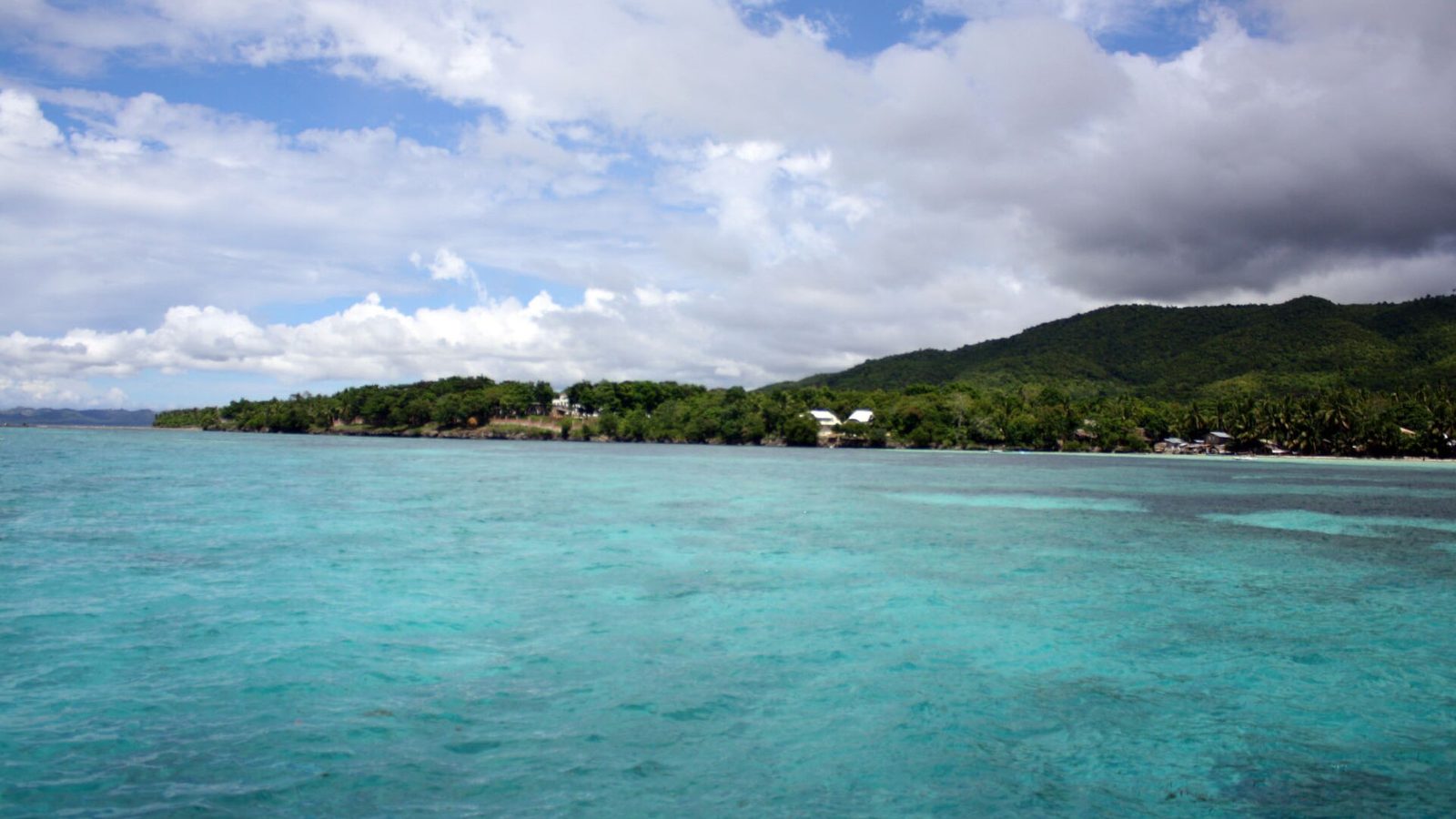
A small, green island off the south of Negros, known across the Philippines for its folk healers and witchcraft stories. You ride a scooter around one quiet coastal road, swim in turquoise waterfall pools and watch the sun set into the Bohol Sea from a beach bar in San Juan.
- Best time to visit: February to May
- Daily budget (budget traveller): $30 to $120 USD
- Ideal trip length: 3 to 5 days
Siquijor is a small island in the Central Visayas, about an hour by fast ferry from Dumaguete on Negros. For a long time Filipinos avoided it because of its reputation for witchcraft and love potions. Today that reputation is mostly a selling point, with folk healers still at work in the hills and herbal oils sold in the markets. The island is easy to get around. A single concrete road runs about 72km around the coast, connecting the six towns, and most visitors rent a scooter and do the loop in a day or two. The main draws are Cambugahay Falls, a set of turquoise pools with rope swings near Lazi, the cliff jumps and reef at Salagdoong, the old coral-stone church and convent at Lazi and the sunsets along the Solangon strip in San Juan. Inland there are caves, springs and a small nature park on the island's highest hill. Siquijor is calmer than Boracay or El Nido, with no big resorts and very little traffic. Dorm beds cost under $15, simple meals cost a couple of dollars and most sights charge less than a dollar to get in. It is a good island for a solo traveller who wants a few slow, cheap days by the sea.
Siquijor is the third-smallest province in the Philippines, an island of about 100,000 people lying between Negros, Bohol and Mindanao. The Spanish called it Isla del Fuego, the island of fire, supposedly after swarms of fireflies in its trees. For generations, Filipinos linked it with sorcery and healers, and many still mention it with a nervous laugh. What you find is a quiet farming and fishing island, with coral-stone churches, waterfalls in the forest, small coves and one ring road with very little traffic. Most visitors come over from Dumaguete for a night or two. Stay longer and you get the better version: Cambugahay Falls before the tour groups arrive, a swim at Paliton at sunset and long evenings with a cold drink in Solangon. It is also one of the cheapest islands in the country, with dorm beds under $15 and most entry fees under a dollar.
Getting here is simple. Fly into Dumaguete from Manila or Cebu, take a tricycle to the port and board a fast ferry to Siquijor town, which takes about 45 minutes to an hour. Slower RoRo car ferries also run to Siquijor and Larena, and OceanJet links the island with Tagbilaran on Bohol and Cebu. Once you arrive, rent a scooter. Base yourself in San Juan or Solangon for hostels, cafés and sunsets, or in Paliton for a quieter beach. The rest of the island is within an hour's ride. Lazi and Cambugahay Falls are to the southeast, Salagdoong is in the east, and Cantabon Cave and Mount Bandilaan are in the cooler hills inland.
Timing shapes the trip. February to May is dry, with calm seas and clear falls, though April and May are hot and Holy Week is busy with domestic visitors and the healing festival. June to November brings rain, and the risk of typhoons means ferries are sometimes cancelled. December and January are greener and pleasant, but rooms fill up around Christmas. English is widely spoken, people are friendly and the island is very safe, though the roads deserve respect. There are no clubs and no big resorts. If you want nightlife, stay in Dumaguete. If you want a waterfall swim, a reef at the end of the beach and a quiet ride home under the stars, stay here.
Siquijor itinerary
Ferry over and find your feet
Morning: Take a morning fast ferry from Dumaguete (about 45 minutes to an hour). Rent a scooter at the pier, or take a tricycle, and head south to San Juan.
Afternoon: Check in, then cool off at Capilay Spring Park in the centre of San Juan. Stock up on cash and water.
Evening: Watch the sunset from Paliton Beach, then have dinner and a beer at one of the bars along the Solangon road.
Falls, balete tree and Lazi
Morning: Ride east to Cambugahay Falls for opening time, around 8am. Pay the small entry fee and add the rope swing for about ₱50.
Afternoon: Visit Lazi Church and the old convent, then stop at the Old Enchanted Balete Tree on the way back for the fish spa.
Evening: Back in San Juan, have a carinderia dinner and an early night.
East coast loop
Morning: Ride on through Lazi to Maria and spend the morning at Salagdoong Beach (about ₱30-50). Snorkel the reef and jump if the tide is right.
Afternoon: Take the steps down to Kagusuan Beach for a quieter swim, then carry on clockwise through Larena to Siquijor town.
Evening: Pass Guiwanon Spring Park if there is light left, then ride south to San Juan before dark.
Inland hills and caves
Morning: Head up into the cool interior for Cantabon Cave with a local guide. Wear clothes you do not mind getting muddy.
Afternoon: Climb to the viewpoint at Mount Bandilaan Nature Park and visit the nearby butterfly garden. Lunch at a simple roadside eatery.
Evening: Have a swim and a drink at Solangon at sunset.
Reef morning and a slow day
Morning: Snorkel the Tubod Marine Sanctuary in calm early water. Rent a mask nearby, or take a fun dive with a local shop.
Afternoon: Read in a hammock, get a massage or visit a folk healer respectfully through your guesthouse.
Evening: Join a hostel family dinner or a beach bonfire to meet other travellers.
Apo Island day trip
Morning: Join an organised Apo Island trip if seas are calm. Expect an early start and around $45-55 including boat and lunch.
Afternoon: Snorkel with green turtles over the island's protected reefs. Use reef-safe sunscreen and keep your distance from the turtles.
Evening: Back on Siquijor, have a farewell dinner of grilled fish and kinilaw in San Juan.
Slow morning and depart
Morning: Have a last swim at Paliton, then torta and coffee for breakfast. Return your scooter.
Afternoon: Ride or take a tricycle to Siquijor port. Pay the ₱50 ecological fee at the ticketing office before boarding.
Evening: Arrive in Dumaguete for a night on the Rizal Boulevard or an onward flight.
Best neighbourhoods
- San Juan and Solangon: The island's tourist hub on the southwest coast. Most hostels, beach bars and cafés line the main road through Solangon, and the sunsets face straight across the water. It is the easiest place to meet other travellers and rent a scooter. It can be lively at weekends, so ask for a room set back from the road if you sleep lightly.
- Paliton: A quieter area just west of San Juan, along a short lane lined with palms that leads to Paliton Beach, one of the island's best sunset spots. Several small guesthouses and a couple of hostels sit along the road. It suits you if you want the beach on your doorstep, and San Juan's bars are only 10 minutes away by scooter.
- Siquijor town: The provincial capital and main ferry port on the west coast, with the Church of St Francis of Assisi, the market, banks and ATMs. It is practical rather than pretty. Stay here for an early ferry or if you want local life over beach bars. San Juan is about 20 to 30 minutes south by road.
- Lazi: A small town on the south coast, home to the old San Isidro Labrador Church and Convent, with Cambugahay Falls just inland. There are only a few places to stay, but you will have the falls almost to yourself if you sleep nearby and go at opening time.
- Maria and the east coast: The quiet eastern end of the island, with Salagdoong Beach, the steps down to Kagusuan Beach and a few small resorts. It is the most rural part of Siquijor. You will need a scooter, as evenings are very quiet and eating options are limited.
Must-do experiences
- Swim at Cambugahay Falls: Three tiers of turquoise pools in the forest just above Lazi, with rope swings and bamboo rafts. Entry is a small fee, recently reported at between ₱20 and ₱100, and rope swings cost about ₱50 extra. Arrive when it opens in the morning, as tricycle tours fill it by late morning.
- Ride the coastal loop by scooter: The ring road is about 72km and links all six towns. Rent a scooter for around ₱350 to ₱500 a day and do the loop in one long day, or split it over two, with stops at churches, springs and beaches. Fill up in town before the quieter east coast.
- Jump off the cliffs at Salagdoong: Salagdoong Beach in Maria has two small coves, a reef that is good for snorkelling and concrete platforms for cliff jumping. Entry is around ₱30 to ₱50, plus about ₱20 to park a scooter. Check the depth and the tide before you jump, and go early on weekdays.
- See Lazi Church and Convent: The San Isidro Labrador Church was built from coral stone and hardwood in the 19th century and is a National Cultural Treasure. The church is free to enter. Across the road, the huge old convent is one of the largest in Asia and has a small museum upstairs.
- Watch the sunset at Paliton Beach: A short strip of white sand at the end of a road lined with palms, just west of San Juan. It is free. Bring a sarong and something to drink, and stay for the sunset over the sea.
- Snorkel the Tubod Marine Sanctuary: A protected reef just off the shore in San Juan, near Coco Grove Beach Resort. There is a small entry fee, and you can rent masks nearby. Expect corals, reef fish and sometimes turtles in calm morning water.
- Meet the island's folk-healing culture: Siquijor's reputation comes from its mananambal, or traditional healers, who use herbs, oils and prayers. Visit respectfully with a local guide or through your guesthouse, or look for the healing festival held in San Antonio during Holy Week. Small bottles of herbal oil are sold around the island.
Hidden gems
- The Old Enchanted Balete Tree near Lazi, a huge strangler fig said to be around 400 years old, with a spring-fed pool at its base where small fish nibble your feet for a fee of about ₱20 to ₱30
- Capilay Spring Park in the centre of San Juan, a free spring-fed pool on the town square where local families swim in the late afternoon
- Kagusuan Beach in Maria, a quiet cove at the bottom of a long concrete staircase, with rocks and clear water and usually very few people
- The road up to Mount Bandilaan Nature Park in the cool interior, where a short climb to the viewpoint and the nearby butterfly garden make a break from the heat
- Guiwanon Spring Park near the main port, with wooden walkways through a mangrove forest and a low entry fee
Daily budget
- Accommodation: budget $8-17 / night (hostel dorm), mid-range $35-80 (private room or small beachfront resort), splurge $120+ (Coco Grove Beach Resort or a villa with a pool). San Juan and Solangon have the most choice. Prices rise around Christmas, New Year and Holy Week. Some hostels are cash only, so check before you arrive.
- Food: budget $8-15 / day (carinderia meals, torta, grilled skewers), mid-range $20-35 (café breakfast, restaurant dinner, smoothies), splurge $50+ (resort dinners, imported wine, seafood platters). A rice-and-dish meal at a roadside eatery costs about ₱80-150. Café and restaurant mains are about ₱250-500. Prices are rough guides.
- Transport: budget $7-10 / day (scooter plus fuel), mid-range $20-30 (tricycle day tour, shared), splurge $45-55 (Apo Island boat day trip). Scooter rental costs ₱350-500 a day. Fast ferries from Dumaguete cost from about ₱350 each way. The ₱50 ecological fee is paid when you leave the island.
- Activities: budget $0-3 / day (beaches, springs, falls), mid-range $10-25 (Cantabon Cave with a guide, snorkel hire, Mount Bandilaan), splurge $40+ (fun dives, Apo Island tours). Most entry fees are ₱20-100. Rope swings, rafts, parking and toilets are often charged separately, so carry small notes.
- Drinks & nightlife: budget $2-5 (a beer or shake at sunset), mid-range $10-20 (a few drinks at a Solangon bar), splurge $30+ (cocktails at a resort). A local beer costs about ₱70-120 and a coffee about ₱120-180. Nightlife means beach bars and hostel evenings, mostly in San Juan.
Where to stay
- Social hostel in San Juan ($10-17 / night (dorm)): Fable Hostel is a well-rated, social hostel in San Juan, known for its family dinners and helpful staff. It is close to Solangon's bars and an easy ride to Paliton for sunset.
- Boutique hotel in Solangon ($40-90 / night): Small beachfront resorts along the Solangon strip give you a private room, a sea view and a pool, a short walk from cafés and sunset bars. Many can arrange scooters and dive trips.
- Apartment in Paliton and the hills above San Juan ($30-70 / night): Rental houses and bungalows with kitchens give you space and quiet. A scooter is essential, and you should check for a generator or backup water in case of power cuts.
- Splurge in Tubod, San Juan ($120-250+ / night): Coco Grove Beach Resort is the island's best-known resort, with pools, a dive centre and the Tubod Marine Sanctuary right off its beach. It is a comfortable base with San Juan's bars nearby.
What to eat
- Torta: the soft, sweet and slightly yeasty sponge cake that bakeries on the island are known for, best with morning coffee
- Kinilaw: raw fish cured in vinegar and calamansi with ginger, onion and chilli, served in local eateries and beach bars
- Grilled fish and barbecue skewers: chicken, pork and fresh fish grilled at roadside stalls in the late afternoon, priced by the stick or by weight
- Carinderia meals: rice with one or two dishes such as adobo or fish soup from a roadside canteen, usually for about ₱80 to ₱150
- Halo-halo or fresh mango shakes: the cheapest way to cool down after a ride, sold in cafés and small shops
- Tuba and San Miguel: palm wine in rural villages, or a cold beer at a Solangon beach bar at sunset for about ₱70 to ₱120
Day trips
- Apo Island (About 1 to 1.5 hours by boat, depending on the tour and the sea): A small volcanic island with one of the Philippines' best-known marine sanctuaries, where you can snorkel with green turtles over healthy coral. Book an organised boat trip through your hostel or a San Juan dive shop, at around $45-55 including lunch. Trips only run in calm seas, so stay flexible.
- Cantabon Cave and Mount Bandilaan (About 30 minutes inland from San Juan by scooter): A guided crawl and wade through a cave full of stalactites, followed by the island's highest viewpoint and a butterfly garden in cool forest. Ride up through the interior or hire a tricycle. Cave visits need a local guide, and helmets and torches are usually provided. Bring clothes you do not mind getting wet and muddy.
- Dumaguete (About 45 minutes to an hour by fast ferry): A relaxed university city with a seafront boulevard, good cafés, markets and proper banks. It is handy for cash, shopping and a change of pace. Take an OceanJet fast ferry from Siquijor town, from about ₱350 each way. Check the last return sailing, and remember the ₱50 ecological fee on departure.
When to visit
- Dry season (February - March): 27-31°C, sunny with low rainfall, calm seas. Crowds: Moderate, busier around Chinese New Year. The best weather of the year. The falls are clear, the snorkelling is good and ferries rarely miss a sailing. Book hostels a few days ahead.
- Hot season (April - May): 30-34°C, hot and humid, very calm water. Crowds: Busy in Holy Week, moderate otherwise. Great for swimming and diving, but plan rides for early morning and late afternoon. Holy Week brings the healing festival and full ferries, so book early.
- Wet season (June - November): 26-31°C, showers and storms, typhoon risk peaks around August to November. Crowds: Low. Cheap, green and quiet. Mornings are often fine, but ferries can be cancelled and falls turn murky after heavy rain. Keep a spare day before onward flights.
- Cool season (December - January): 25-30°C, more comfortable, with some rain early in the season. Crowds: Busy over Christmas and New Year, moderate in January. Pleasant temperatures and green hills. Rooms cost more around the holidays, but January is a good compromise between weather and crowds.
Entry rules for your passport
Visa rules for the Philippines depend on the passport you travel on. Check the official source before you book: Bureau of Immigration, Philippines
Getting there
There is no regular commercial air service to Siquijor. Fly to Dumaguete (Sibulan) from Manila or Cebu, then take a tricycle or GrabTrike to Dumaguete port, which takes 15 to 30 minutes. OceanJet fast ferries sail to Siquijor town several times a day, from early morning to early evening. The crossing takes about 45 minutes to an hour, and fares start at about ₱350 after temporary fuel increases from March 2026. Montenegro and Aleson RoRo ferries are cheaper and take about 1.5 to 2 hours, sometimes docking at Larena. Expect a small terminal fee at each port. OceanJet also runs from Tagbilaran on Bohol and from Cebu, and there are slower car ferries from Liloan in southern Cebu to Larena. Sailings are cancelled in rough weather, especially from June to November, so leave a spare day before international flights. When you leave, pay the ₱50 Tourism Ecological Fee at the Siquijor Port ticketing office, which has been charged since 1 February 2026.
Getting around
Siquijor has no taxi apps, so most visitors rent a scooter. Expect to pay about ₱350 to ₱500 a day from the port, your guesthouse or the rental stalls in San Juan, plus fuel. Weekly rentals are cheaper. Check the brakes and lights, and make sure you get a helmet. The ring road is quiet and well paved, but watch for dogs, children and loose gravel, and avoid riding after dark. If you do not ride, hire a tricycle and driver for the day for roughly ₱1,200 to ₱1,800. It covers the falls, the balete tree, Lazi and Salagdoong. Tricycles from Siquijor port to San Juan cost around ₱250 to ₱300, and the officially approved fares are posted at the port, so check them before you agree a price. Short hops cost ₱50 to ₱150. Jeepneys and multicabs link the towns cheaply, but they are slow and run infrequently. The interior roads to Cantabon Cave and Mount Bandilaan are steep, so take care going down.
Safety
Siquijor is one of the safest islands in the Philippines, and violent crime against visitors is rare. The witchcraft stories are folklore and nothing to worry about. The real risks are on the road and in the water. Scooter accidents are the most common cause of injury, so wear a helmet, go slowly on bends and avoid riding at night, when roads are unlit. Check your travel insurance covers motorbikes. At Salagdoong and Cambugahay, look at the depth before jumping, and do not snorkel alone in currents. Watch for sea urchins on rocky entries. Mosquitoes can carry dengue, so use repellent. Do not drink tap water. Use filtered refill stations, which many hostels have. Power cuts happen, so carry a torch. From June to December, typhoons and rough seas can cancel ferries, so leave a spare day before an onward flight. The emergency number is 911. Travel insurance with medical cover is essential, as serious cases go to Dumaguete.
Solo travel tips
- Base yourself in San Juan: Most hostels, cafés and scooter rentals are here, and the sunsets are the best on the island. Everything else is within an hour's ride, so you do not need to move base.
- Go early to the falls: Tricycle and van tours reach Cambugahay and Salagdoong by mid-morning. Arrive at opening time and you will have the pools and cliffs almost to yourself.
- Bring cash from Dumaguete: ATMs are few and can run dry or go offline during power cuts. Carry enough pesos in small notes for scooters, fees, eateries and the exit fee.
- Ride carefully and finish before dark: Roads are quiet but unlit, with dogs, kids and gravel on bends. Plan routes so you are home by sunset, and do not ride after drinking.
- Safety for solo travellers: The main risks are scooter crashes, cliff jumps and swimming alone in currents. Check the water depth before jumping, snorkel near other people and tell your hostel where you are heading.
- Meet people at hostel dinners: Several San Juan hostels run family dinners, sunset trips and shared tricycle tours. Splitting a driver or an Apo Island boat is the easiest way to make friends and save money.
Cultural etiquette
- Greet people with a smile. English is widely spoken, but 'salamat' (thank you) in Cebuano goes a long way.
- Dress modestly away from the beach, and cover your shoulders and knees inside Lazi Church and other churches.
- Treat folk healers and their practices with respect. Ask before taking photos, and pay or donate what is asked.
- Use 'po' and polite manners with older people, and avoid raising your voice or losing your temper. Calm patience works far better.
- Agree tricycle fares before you set off, and check the official fare board at the port.
- Tipping is not expected at roadside eateries, but leaving small change or 5 to 10% at restaurants is appreciated.
- Take your rubbish with you from beaches, falls and caves, and never touch or stand on coral.
Frequently asked questions
How do I get to Siquijor and from the port to my room?
Fly to Dumaguete, then take a tricycle or GrabTrike to the port, which takes 15 to 30 minutes. OceanJet fast ferries run several times a day to Siquijor town and take about 45 minutes to an hour. Fares start at about ₱350 after temporary fuel increases in 2026. Slower RoRo car ferries are cheaper and take about 1.5 to 2 hours. At Siquijor port, a tricycle to San Juan costs around ₱250 to ₱300, or you can rent a scooter at the pier and ride there in about 25 minutes.
How many days do I need in Siquijor?
Two nights is enough to ride the loop and see Cambugahay Falls, Lazi and Salagdoong. Three to five nights lets you add snorkelling, Cantabon Cave, Mount Bandilaan and some lazy sunset evenings in San Juan. A week works if you want to slow down or add a day trip to Apo Island.
When is the best time to visit Siquijor?
February to May is the driest period, with calm seas and clear water, though April and May are very hot. December and January are pleasant but busy around the holidays. June to November is the wet season. Mornings are often fine, but storms and typhoons can cancel ferries and turn the waterfalls brown.
Do I need to ride a scooter?
It is the cheapest and most flexible way to see the island, at about ₱350 to ₱500 a day, but it is not essential. If you have never ridden, do not learn on Siquijor's hills. Hire a tricycle and driver for the day instead, for roughly ₱1,200 to ₱1,800. You may be able to share the cost with people from your hostel.
Is there a fee to visit Siquijor?
Yes. Since 1 February 2026, the province has charged a Tourism Ecological Fee of ₱50 per visitor, or ₱40 for students and seniors. It is collected when you leave, at the ticketing office at Siquijor Port. You will also pay a small terminal fee at the ports and separate entry fees at most falls and beaches. Keep plenty of small notes.
Are there ATMs and can I pay by card?
There are only a few ATMs, mostly in Siquijor town and Larena, and they sometimes run out of cash or go offline during power cuts. Bring most of your cash from Dumaguete. Scooter rentals, entry fees, tricycles and small eateries are cash only. Some hostels and cafés accept cards or GCash QR payments, but do not rely on it.
Is Siquijor safe for solo female travellers?
Yes. It is calm and friendly, and many women travel here alone. The usual precautions apply. Watch your drink in beach bars, avoid isolated beaches after dark and do not ride a scooter home late on unlit roads. San Juan's hostels are a good base, as they are social and well located.
What entry rules apply to the Philippines in 2026?
Citizens of the UK, US, Canada, Australia and most EU countries can enter visa-free for up to 30 days. You can extend your stay at the Bureau of Immigration. Your passport should be valid for at least six months beyond your stay, and you need an onward or return ticket. Every traveller must complete the free eTravel registration at etravel.gov.ph within 72 hours before arrival. Avoid copycat sites that charge a fee. Some nationalities, including Indian and Chinese citizens, have shorter visa-free stays with conditions attached. Check official Philippine government sources and your own government's travel advice before you go.
Tours and activities in Siquijor | Siquijor in 2 days | Siquijor in 3 days | Siquijor in 4 days | Siquijor in 5 days | Siquijor in 7 days
Joy Plus home | Destinations | Itineraries | Activities | Flights | Budget planner | Calendar | Map | Blog | Lifetime access