Destinations / North America
Sonoma, United States travel guide
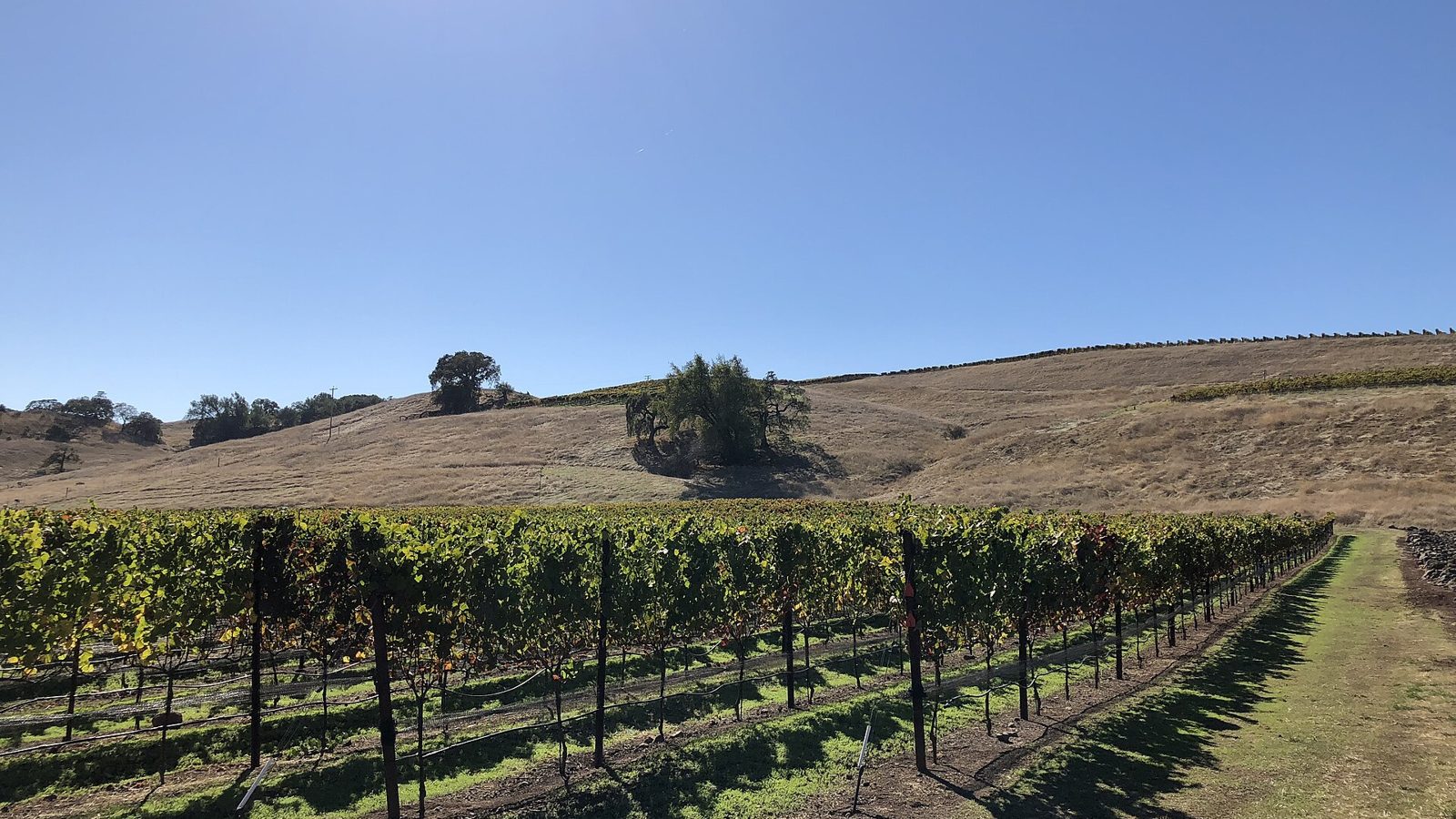
A small wine-country town built around California's largest plaza, an hour north of San Francisco. You walk between tasting rooms and adobe buildings from the Mexican era, cycle out to the oldest wineries in the state and hike up through the oak hills above the vines.
- Best time to visit: April to May and September to October
- Daily budget (budget traveller): $180 to $550 USD
- Ideal trip length: 3 to 5 days
Sonoma sits at the southern end of the Sonoma Valley, about an hour's drive north of San Francisco and just over the hills from Napa. The town grew up around a Spanish mission founded in 1823, the last of California's 21 missions. In 1846, American settlers raised the Bear Flag here and declared a short-lived California Republic. The old pueblo layout survives in the big, shady Plaza, which has adobe barracks, the mission and General Vallejo's buildings on its edges. Today the streets around the square are full of tasting rooms, bakeries and restaurants, and vineyards start within a mile or two in every direction. Sonoma feels more relaxed and farm-based than Napa, and tasting fees are usually lower, though still not cheap. You can walk or cycle to several historic wineries, climb the Overlook Trail for views over the valley and take a local bus up to Glen Ellen and Jack London's old ranch. There are no hostels, and rooms are expensive at weekends and during the harvest. Public transport is thin, too, so a car or a bike makes life easier. Even so, a solo traveller who sleeps in a simple inn, picnics from the local markets and spaces out the paid tastings can have a slow, sociable few days here.
Sonoma is the oldest town in California's wine country, home to around 11,000 people at the foot of the Valley of the Moon. Spain founded its last California mission here in 1823. Mexico's General Mariano Vallejo then laid out the pueblo around a central square, and in 1846 settlers raised the Bear Flag on that square and declared a republic that lasted 25 days. All of it is still easy to read on the ground: the adobe barracks, the mission chapel, Vallejo's Gothic-style house and the Plaza, now ringed by tasting rooms and restaurants. Most visitors come for a single wine-tasting day from San Francisco. Stay a few nights and you get the better version: an early hike above the vines, a bike ride to wineries founded in the 1850s and a picnic on the Plaza as the day trippers drive home.
Getting here takes more planning than the short distance suggests. The nearest airport is Charles M. Schulz Sonoma County Airport near Santa Rosa, but most international travellers fly into SFO or Oakland. Groome shuttles run from both airports to Petaluma and Santa Rosa for about $55 one way, and Sonoma County Transit buses cover the last stretch. From San Francisco itself, you can take the ferry to Larkspur, the SMART train to Petaluma and then a weekday bus to the Plaza. Once you are here, base yourself near the Plaza, walk or cycle to most things and use the infrequent Route 30 bus for Glen Ellen. Book a tour or a driver for the wineries further up the valley.
Timing shapes both the trip and the cost. Spring brings green hills and mild days, and autumn brings the harvest, festivals and the highest room prices. Summer is hot, dry and busy at weekends, while winter is quiet, cheaper and often wet. Late summer and autumn also bring wildfire risk, so keep an eye on alerts. Sonoma is not a budget destination, and you will not find hostels or cheap dorms. You can keep costs reasonable by staying midweek, walking, picnicking, choosing a few paid tastings rather than many and filling the gaps with free trails and the $3 historic park ticket. If you want a party, go to San Francisco. If you want a slow, friendly small town with good wine and big skies, this is the place.
Sonoma itinerary
Arrive and find the Plaza
Morning: Travel up from the airport or San Francisco by shuttle, train and bus. Drop your bag and get your bearings with a coffee on the Plaza.
Afternoon: Walk a lap of the square, see the Bear Flag Monument and City Hall and look into a couple of the shops and galleries. Book any tastings for the coming days.
Evening: Have a first glass of Sonoma Valley wine at a Plaza wine bar, then dinner on or near the square.
Mission, barracks and Vallejo
Morning: Buy the $3 historic park ticket at the mission when it opens at 10am. Then cross to the barracks and the Toscano Hotel.
Afternoon: Walk or cycle the bike path past Depot Park to General Vallejo's home at Lachryma Montis, which is included on the same ticket. Picnic in the grounds.
Evening: Taste at one of the downtown tasting rooms before they close, then have a relaxed dinner off the Plaza.
East side wineries by bike
Morning: Hire a bike and ride out along quiet lanes to Buena Vista Winery for a booked morning tasting.
Afternoon: Picnic among the vines, then ride on to Gundlach Bundschu or another nearby winery for a second tasting. Share or spit pours and drink plenty of water.
Evening: Ride or walk back before dark. Have a simple dinner and an early night.
Overlook Trail and the Springs
Morning: Hike the Sonoma Overlook Trail from the Mountain Cemetery before the heat. Allow about 1.5 hours for the loop and the views.
Afternoon: Take the fare-free Route 32 or county bus to the Springs for lunch at El Molino Central. Book a spa session at the Fairmont, or visit the Sonoma Valley Museum of Art back in town.
Evening: A wine-free evening on the Plaza with an ice cream or a mocktail. Your liver will thank you.
Glen Ellen and Jack London
Morning: Take Route 30 up the valley to Glen Ellen, or drive. Walk up to Jack London State Historic Park, which opens at 9am.
Afternoon: See the House of Happy Walls museum, the cottage and the Wolf House ruins, then walk part of the trail network on Sonoma Mountain.
Evening: Dinner in one of Glen Ellen's small restaurants, then take the bus back if the timetable allows, or book a ride.
A weekday in Petaluma
Morning: Take Route 40 to Petaluma, a river town with a well-preserved Victorian downtown. Stroll its main street and the riverfront.
Afternoon: Visit the Petaluma Adobe, the Vallejo ranch house that is included on your historic park ticket if you use it on the same day. Otherwise, browse the antique shops and have a coffee.
Evening: Bus back to Sonoma and have a farewell dinner. Book somewhere special if you have saved on food all week.
Slow morning and depart
Morning: Have a last breakfast at a Plaza bakery and pick up cheese or olive oil to take home if your luggage allows.
Afternoon: Take the bus to Santa Rosa or Petaluma for the Groome shuttle to SFO or Oakland. Check times the day before and allow for traffic.
Evening: Fly out, or carry on to San Francisco or the coast.
Best neighbourhoods
- The Plaza and downtown: The historic heart of Sonoma, set around an eight-acre square with City Hall in the middle and the Bear Flag Monument at one corner. The mission, the barracks, dozens of tasting rooms, bakeries and most restaurants are here. It is the best base without a car, though rooms on the square are among the priciest in the valley.
- East Side and Old Winery Road: Quiet lanes east of the Plaza that lead to vineyards and some of California's oldest wineries, including Buena Vista and Gundlach Bundschu. You will find a few inns and holiday rentals here. It is lovely for cycling, and the Plaza is a 15 to 30 minute walk away, but the streets are dark at night.
- The Springs: Boyes Hot Springs, Agua Caliente and Fetters Hot Springs run along Highway 12 just north-west of town. This is a working, largely Latino community with taquerías, cheaper motels and the Fairmont spa resort, which sits on natural hot springs. It feels less polished but more local, and fare-free and county buses run along the main road.
- Glen Ellen: A tiny village about 7 miles north, tucked into a creek valley under Sonoma Mountain. It has a handful of restaurants, a couple of inns and Jack London State Historic Park up the hill. It is peaceful and pretty, but you need a car or the bus to get around, and very little is open late.
- Kenwood: A strip of big-name wineries and a few restaurants further up the valley, about 12 miles north of Sonoma. It suits you if you want to be among the vines and close to the hiking in the hills. It is spread out and rural, so plan for driving or a booked tour.
Must-do experiences
- Spend an evening on the Plaza: Walk the paths around City Hall, find the Bear Flag Monument and watch the ducks on the pond. Many tasting rooms close by early evening, so taste in the afternoon and come back for dinner. On summer weekends you will often find live music or events in the square.
- See Sonoma State Historic Park: One $3 adult ticket gets you into the mission, the Sonoma Barracks, the Toscano Hotel and General Vallejo's home on the same day. It also covers the Petaluma Adobe. The sites open from 10am to 5pm daily, except Thanksgiving, Christmas Day and New Year's Day.
- Cycle to the east side wineries: Hire a bike near the Plaza and ride out to Buena Vista, the state's oldest commercial winery, founded in 1857, and to Gundlach Bundschu nearby. Standard tastings in Sonoma now cost about $35 to $50, and most wineries prefer a booking. Ask if the fee is waived when you buy bottles.
- Hike the Sonoma Overlook Trail: This free trail starts beside the Mountain Cemetery, a few minutes' walk north of the Plaza. It climbs through oak woods and meadows to views over the town, the vineyards and, on clear days, San Pablo Bay. Allow about 1.5 hours and go early, as there is little shade at the top.
- Visit Jack London's Beauty Ranch: Jack London State Historic Park in Glen Ellen holds the writer's cottage, the ruins of Wolf House, his grave and miles of trails. Since June 2026 the fee has been $15 per car. The museum and cottage are included, and the park opens from 9am to 5pm daily.
- Ride the Sonoma Bike Path: A flat, car-free path runs across town from west to east, passing Depot Park and ending near General Vallejo's home. It is the easiest way to see the quiet residential side of Sonoma. Link it to the Vallejo home on the same day as your historic park ticket.
- Build a market picnic: Pick up bread, local cheese, fruit and charcuterie from the shops around the Plaza or from Sonoma Market. Then eat at the picnic tables in the Plaza or at a winery that allows it. It is the best way to save money in a place where dinners add up fast.
Hidden gems
- The Mountain Cemetery at the start of the Overlook Trail, where early Sonoma families, including members of the Vallejo clan, are buried under old oaks
- The Sonoma Mission's collection of Chris Jorgensen watercolours of the California missions, which most visitors walk straight past
- Depot Park and its old railway depot museum, a quiet green corner just north of the Plaza on the bike path
- The taquerías and panaderías along Highway 12 in the Springs, where lunch costs a fraction of what it does on the Plaza
- The walk up the old eucalyptus-lined drive to Lachryma Montis, General Vallejo's Gothic-style house, early on a weekday when it is almost empty
Daily budget
- Accommodation: budget $140 to $200 USD / night (simple inn or motel), mid-range $250 to $400 USD (boutique inn near the Plaza), splurge $600+ USD (MacArthur Place or Fairmont Sonoma Mission Inn). There are no hostels. Prices jump on Fridays, Saturdays and during harvest, and a local hotel tax is added on top. Single travellers pay the full room rate, so midweek stays save the most.
- Food: budget $40 to $60 USD / day (bakery breakfast, taquería lunch, market picnic), mid-range $80 to $130 USD (café lunch and a sit-down dinner), splurge $200+ USD (tasting menu with wine pairing). Restaurant mains around the Plaza run roughly $25 to $45 USD before tax and tip. Allow 18 to 20% for table service. Prices are rough guides.
- Transport: budget $0 to $10 USD / day (walking, fare-free Route 32, county buses), mid-range $40 to $80 USD (bike or e-bike hire, or a rideshare), splurge $150+ USD (car hire with fuel, or a private driver). Groome airport shuttles cost about $55 USD each way to Petaluma or Santa Rosa. Intercity bus fares are zone-based and usually a few dollars.
- Activities: budget $3 to $20 USD / day (free trails, $3 historic park ticket, one Plaza wine bar glass), mid-range $40 to $100 USD (one or two standard tastings), splurge $150+ USD (reserve tastings or a guided wine tour). Standard tastings average about $35 to $50 USD, and reserve tastings about $95 USD. Jack London park costs $15 USD per car. Fees are often waived if you buy bottles.
- Drinks & nightlife: budget $12 to $20 USD (a glass of local wine or a craft beer), mid-range $40 to $70 USD (a few glasses at a wine bar), splurge $100+ USD (cocktails and a good bottle at dinner). A coffee costs about $4 to $6 USD. Nightlife means wine bars and a couple of pubs around the Plaza, and most places wind down by 10pm.
Where to stay
- Budget inn in The Springs or the edge of town ($140 to $200 USD / night): Simple motor inns along Highway 12 and on the western side of town are the cheapest beds in the valley. Buses stop nearby, and some offer a pool and a basic breakfast.
- Boutique hotel in The Plaza ($250 to $450 USD / night): Historic hotels such as the Sonoma Hotel and the Ledson Hotel sit right on the square. You can walk to tasting rooms, the mission and dinner without a car.
- Apartment in East Side and residential streets ($200 to $350 USD / night): Cottages and holiday rentals give you a kitchen for market picnics and breakfasts, and many are a short bike ride from the wineries. Check the cleaning fees and the minimum stay.
- Splurge in Boyes Hot Springs or downtown ($600 to $1,000+ USD / night): Fairmont Sonoma Mission Inn has a large spa fed by natural hot springs, while MacArthur Place is a garden estate a few blocks from the Plaza.
What to eat
- Plaza bakery breakfast: a pastry and coffee at the Basque Boulangerie Café, a long-running favourite on the square
- Dry Jack and local cheese: Sonoma is known for its aged Jack cheeses, sold in shops around the Plaza, and they are perfect for a picnic
- Wine-country French and Californian cooking: book The Girl & the Fig on the Plaza for a treat. Expect mains in the $30 to $45 USD range
- Tamales and enchiladas: El Molino Central in Boyes Hot Springs makes some of the valley's best Mexican food for much less than a downtown dinner
- Sonoma Valley Zinfandel, Cabernet and Chardonnay: try them by the glass at a Plaza wine bar if you do not want to pay for a full tasting
- Farm produce in season: summer peaches, heirloom tomatoes and figs from the weekly farmers' market, and olive oil from the valley's small producers
Day trips
- Petaluma (About 13 miles west, 35 to 45 minutes by bus): A river town with one of the best-preserved Victorian downtowns in the Bay Area, plus antique shops, cafés and a riverside walk. The Petaluma Adobe, Vallejo's old ranch house, is on the edge of town. Sonoma County Transit Route 40 runs from the Plaza on weekdays, and the Adobe is included on your $3 historic park ticket if you use it on the same day. At weekends, drive or book a rideshare.
- Santa Rosa (About 20 miles north, roughly an hour by bus via the valley): The county's main city, with the Charles M. Schulz Museum for Peanuts fans, a downtown square and good cheap food. The bus ride up the valley passes Glen Ellen and Kenwood. Take Sonoma County Transit Route 30 from the Plaza. Check the timetable for return times, as services are infrequent, especially at weekends.
- Napa (About 15 miles east, 30 minutes by car): The bigger, glossier wine valley next door, with a riverside downtown, food halls and grand estates. It makes a useful contrast with Sonoma, but tasting fees are much higher. Drive over Highway 12 and 121, or join a guided tour that covers both valleys. Public transport between the two is slow and involves changes.
When to visit
- Spring (March - May): 18-24°C by day, cool nights, the last rain in March. Crowds: Moderate, busier at weekends and around Easter. A lovely time to come. The hills are green, wildflowers line the trails and rooms are cheaper than at harvest. Book weekend tastings ahead.
- Summer (June - August): 28-34°C, dry and sunny, cool foggy mornings. Crowds: Busy at weekends, calmer midweek. Good for long evenings on the Plaza and outdoor events, but hike early and drink plenty of water. Visit wineries midweek if you can.
- Harvest (September - October): 25-30°C, warm days and crisp nights. Crowds: Busiest, especially on weekends and festival dates. The most atmospheric season, with grapes coming in and festivals in town. It is also the most expensive. Book rooms early and watch for wildfire alerts.
- Winter (November - February): 13-17°C by day, 3-6°C at night, the rainiest months. Crowds: Quiet, apart from the holidays. Cheapest rooms, empty tasting rooms and fires lit in the bars. Some trails get muddy, and February brings yellow mustard flowers in the vineyards.
Entry rules for your passport
Visa rules for the United States depend on the passport you travel on. Check the official source before you book: U.S. Department of Homeland Security
Getting there
Sonoma has no airport of its own. Charles M. Schulz Sonoma County Airport (STS) near Santa Rosa has flights to West Coast hubs and is about 40 minutes away by car. Most long-haul travellers land at San Francisco (SFO) or Oakland (OAK), about 1 to 1.5 hours away by road without traffic. Groome Transportation, formerly the Sonoma County Airport Express, runs scheduled shuttles from both airports to Petaluma Fairgrounds, Rohnert Park, Santa Rosa and STS for about $55 one way. From 17 November 2026, Landline also runs a Straight to Gate coach from STS to SFO for $55, with security screening done in Santa Rosa. From Petaluma, Sonoma County Transit Route 40 reaches the Plaza on weekdays. From Santa Rosa, Route 30 runs down the valley through Kenwood and Glen Ellen. From San Francisco, take the Golden Gate ferry to Larkspur, the SMART train to Petaluma Downtown and then the bus. Allow 2.5 to 3 hours in total. Driving from San Francisco takes about an hour via the Golden Gate Bridge, which charges an electronic toll southbound, so ask your hire company how it is billed.
Getting around
Downtown Sonoma is flat and compact, so you can walk from the Plaza to the mission, the bike path, the Overlook Trail and dozens of tasting rooms. The east side wineries are 1.5 to 2 miles from the Plaza, which makes them an easy bike ride or a long walk. Several shops near the Plaza rent bikes and e-bikes, so check daily rates when you book. Sonoma County Transit runs the buses. Route 32, the local Sonoma shuttle, is fare-free. Route 30 runs up the valley through the Springs, Glen Ellen and Kenwood to Santa Rosa, and Route 40 links the Plaza with Petaluma on weekdays. Adult fares on the intercity routes are zone-based and usually a few dollars. You can pay cash or use Clipper. Services are infrequent and thin out at weekends, so check times before you set off. Uber and Lyft work in town, but cars can be scarce late at night and further up the valley. If you hire a car, never drive after tastings. California's limit is 0.08% blood alcohol and is enforced, so a tour, a bike or a designated day off driving is safer.
Safety
Sonoma is a safe, quiet town, and crime against visitors is rare. Lock bikes and do not leave bags visible in parked cars at trailheads and wineries. The biggest risk is alcohol. A few tastings add up quickly, so spit or share pours, eat, drink plenty of water and do not drive or cycle on busy Highway 12 after drinking. Summer days can pass 33°C, and the trails have little shade. Watch for poison oak, ticks and the occasional rattlesnake, and stay on the paths. Wildfires have hit the valley in recent years, mostly between late summer and autumn. Check local alerts, sign up for Sonoma County's SoCo Alert emergency messages and follow evacuation orders immediately. Smoke can also affect air quality. Tap water is safe to drink. The emergency number is 911. Healthcare in the US is very expensive, so travel insurance with strong medical cover is essential.
Solo travel tips
- Stay within walking distance of the Plaza: Without a car, the Plaza is your transport hub, dining room and social life. A slightly older inn in town beats a cheaper motel you need a ride to reach.
- Book tastings, then space them out: Most wineries want a booking, and two tastings a day is plenty. Put the paid ones on alternate days and fill the rest with trails, history and picnics.
- Go midweek: Rooms are cheaper from Sunday to Thursday, tasting rooms are quieter and staff have more time to talk. Weekends, especially at harvest, fill with groups.
- Sit at the bar: Solo diners get the best seat at restaurant and wine bar counters. You can often walk in without a booking, and it is the easiest place to chat with locals and staff.
- Safety for solo travellers: The main risks are alcohol, heat and unlit country lanes. Pace your pours, never drive after tasting, carry water on the trails and book a ride back from outlying wineries.
- Join a small-group tour: A half-day bike or van tour is a good way to meet people and reach wineries that buses do not serve. It also means you do not have to think about who is driving.
Cultural etiquette
- Tip 18 to 20% for table service and $1 to $2 a drink at bars. For tastings, a small tip is welcome but not expected, especially if the fee was waived.
- Book tastings where asked and arrive on time. If you cannot make it, cancel, as many small wineries have only a few seats.
- Spitting and pouring out wine at tastings is normal and polite, so use the spittoon without embarrassment.
- Do not bring outside alcohol to winery picnic areas, and check that picnics are allowed at all.
- Keep to marked paths and do not walk into the vineyards. Vines are private property and easily damaged.
- Sales tax is added at the till, so menu and shelf prices are lower than what you will pay.
- Respect the town's quiet evenings. Many residents live just off the Plaza, and noise carries.
Frequently asked questions
How do I get to Sonoma without a car?
It takes some planning. From SFO or Oakland airport, Groome Transportation shuttles (formerly the Sonoma County Airport Express) run to Petaluma and Santa Rosa for about $55 one way. From Petaluma, Sonoma County Transit Route 40 reaches the Plaza on weekdays, and from Santa Rosa, Route 30 runs down the valley via Glen Ellen. From San Francisco, you can take the ferry to Larkspur, the SMART train to Petaluma and then the bus. Allow 2.5 to 3 hours. At weekends, a rideshare from Petaluma is often the simplest final leg.
How many days do I need in Sonoma?
Two nights covers the Plaza, the historic park and a couple of wineries. Three to five nights lets you add the Overlook Trail, a bike day on the east side, Glen Ellen and Jack London's ranch. A week works if you want to add Petaluma, Santa Rosa or a tour into Napa and keep tasting days well spaced.
When is the best time to visit Sonoma?
April and May bring green hills, wildflowers and mild days. September and October are harvest season, when the vineyards are busy and the light is golden, but rooms cost the most then. Summer is hot and dry, with weekend crowds. Winter is quiet, rainy and cheaper, and February and March bring yellow mustard flowers between the vines.
How much does wine tasting cost in Sonoma?
Standard tastings in Sonoma County now average roughly $35 to $50 per person, and reserve or estate experiences often cost $75 to $100 or more. Many wineries waive or reduce the fee if you buy two or three bottles. Most prefer or require a booking, especially at weekends. Valley tasting passes and some credit card perks give discounts, so check what you already have before you go.
Do I need a car in Sonoma?
Not if you stay near the Plaza. You can walk to the historic sites, tasting rooms and the Overlook Trail, and cycle to the east side wineries. Buses reach Glen Ellen and Santa Rosa, though not often. A car helps for Kenwood, the coast or Napa, but you should never drive after tasting. A guided tour is often the better choice on wine days.
Are there hostels in Sonoma?
No. The cheapest beds are in simple inns and motels in town or in the Springs, usually about $140 to $200 a night midweek and more at weekends and during harvest. Book early for Friday and Saturday nights. Holiday rentals can work for longer stays, but check the cleaning fees and the local hotel tax.
Is Sonoma safe for solo female travellers?
Yes. It is a calm, friendly town, and the Plaza stays lively into the evening. The main risks are drinking more than you meant to at tastings and walking unlit country lanes after dark. Pace your pours, book a ride back from outlying wineries and keep to the Plaza area at night.
What entry rules apply to the United States in 2026?
Citizens of Visa Waiver Program countries, including the UK, most of the EU and Australia, need an approved ESTA before flying. It allows stays of up to 90 days. The fee rose to $40.62 for applications made from 16 October 2026, and an approval usually lasts two years or until your passport expires. Everyone else needs a visa. Rules and fees change often, so check the official CBP and US State Department websites and your own government's travel advice before you book.
Tours and activities in Sonoma | Sonoma in 2 days | Sonoma in 3 days | Sonoma in 4 days | Sonoma in 5 days | Sonoma in 7 days
Can't decide? Compare Sonoma with...
Joy Plus home | Destinations | Itineraries | Activities | Flights | Budget planner | Calendar | Map | Blog | Lifetime access