Destinations / Asia
Srinagar, India travel guide
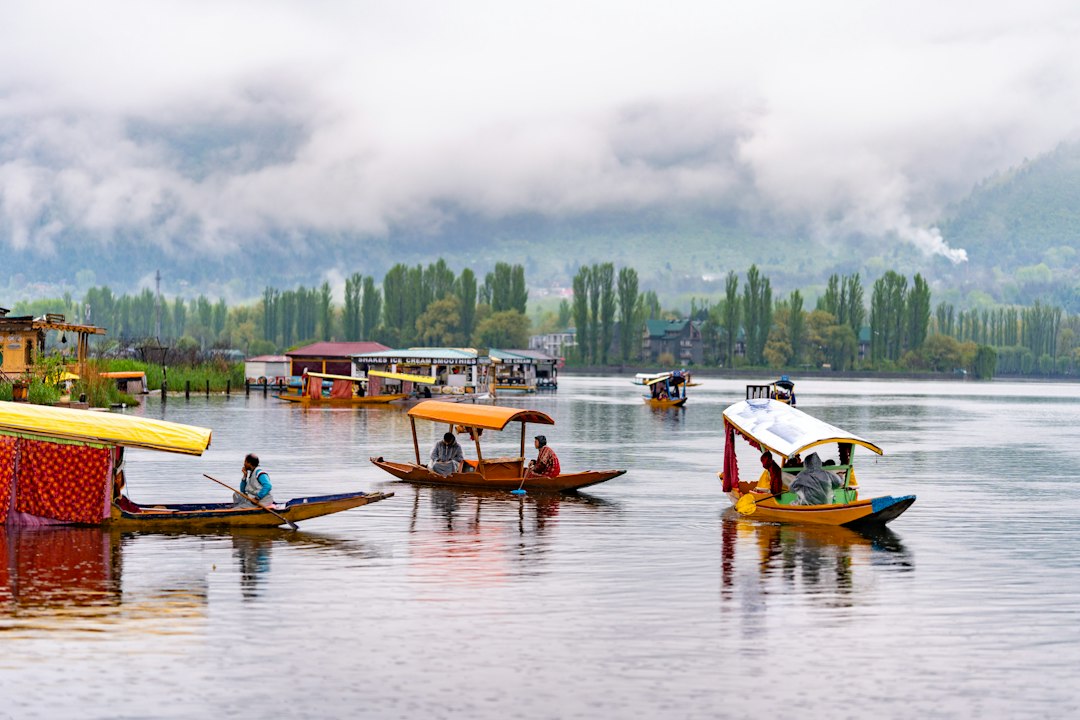
Dal Lake houseboats, Mughal gardens, and the heart of Kashmir.
- Best time to visit: April to October
- Daily budget (budget traveller): $30 to $60 USD
- Ideal trip length: 3 to 4 days
Srinagar, summer capital of Kashmir, is built around Dal Lake: wooden shikaras gliding past floating vegetable markets, cedar houseboats that have hosted travelers for a century, and Mughal gardens terraced down to the water. Beyond the lake, the old town hides timber mosques and shrines along the Jhelum, and the valley's famous ski and trekking country starts 1.5 to 2 hours away in Gulmarg and Pahalgam.
Srinagar does not behave like a normal city break. It is a lake city first: Dal Lake is a floating neighbourhood of houseboats, vegetable gardens, wooden shikaras and families who have lived on the water for generations. Cedar houseboats sit along Boulevard Road and on quieter Nagin Lake, and the Zabarwan range stands behind them. The big Mughal gardens, Nishat Bagh (1633) and Shalimar Bagh (1619), step down to the shoreline in terraces of chinar trees and fountains. Come at sunrise, when the lake is flat, the air smells of woodsmoke, and the floating vegetable market is mid-trade.
The real texture is across town in the old city, along the Jhelum. The 14th century Jama Masjid has 370 deodar pillars, Khanqah-e-Moula glows with papier mache and carved timber, and the bakers at Aali Kadal pull lavasa and girda out of tandoors before most visitors wake. Food here is a serious, slow, lamb-heavy culture. Wazwan is a multi course feast served on a shared copper trami, and the day also runs on salt tea (noon chai), saffron kahwa and bakery bread. Nightlife is basically tea and conversation, and shops shut early. Plan around it instead of fighting it.
Logistics are easier than the reputation suggests. Flights from Delhi take about 1.5 hours, and the Vande Bharat rail link from Katra has opened the valley from Jammu's side. Gulmarg, Pahalgam and Sonamarg are each a long morning's drive. Seasons matter more than almost anywhere in India. Tulips and blossom come in April, houseboat summers run June to August, chinars turn copper in late October, and Gulmarg is a ski resort from December. Carry your passport for checkpoints, keep a day of slack in your plan, and check current travel advice before you go. In return you get one of the most hospitable, scenic and distinctive places in South Asia.
How many days in Srinagar?
For Srinagar, we recommend 3 to 4 days. With more time, add a day trip to Sonamarg.
| Trip length | What you'll see | Itinerary |
|---|---|---|
| 2 days | Land on the water; Floating market and Mughal gardens | Srinagar in 2 days |
| 3 days · Recommended | Adds: Old Town on foot | Srinagar in 3 days |
| 4 days · Recommended | Adds: Gulmarg Gondola | Srinagar in 4 days |
| 5 days | Adds: Pahalgam by way of saffron country | Srinagar in 5 days |
| 7 days | Adds: Shankaracharya, Hazratbal, Nagin Lake | Srinagar in 7 days |
Srinagar itinerary
Land on the water
Morning: Land at Srinagar airport (SXR) and take the prepaid taxi to Boulevard Road, about 30 minutes. Drop bags at your houseboat and have kahwa on the deck.
Afternoon: Walk the Boulevard promenade past Nehru Park and the shikara ghats. Pick your boatman and agree the price before you step in.
Evening: Take a sunset shikara loop (about 1.5 hours) for saffron kahwa on the water. Dinner is served on the houseboat. Early night.
Floating market and Mughal gardens
Morning: Be at the ghat at 5:30am for the floating vegetable market, when boats trade lotus stems, haak greens and tomatoes. Back for breakfast, then Nishat Bagh at opening (about 9am).
Afternoon: Short hop to Chashme Shahi and its spring water, then walk or taxi up to Pari Mahal. Sit on the terraces and wait for the light.
Evening: Dinner at Ahdoo's on Residency Road, order a wazwan thali for one. Walk it off through Lal Chowk if the streets are open.
Old Town on foot
Morning: Taxi to Jama Masjid (arrive before noon prayers, closed to visitors during Friday prayers). Walk to Khanqah-e-Moula, then Aali Kadal for lavasa and girda bread.
Afternoon: Browse the Old Town bazaars for papier mache, copper and walnut wood. Late lunch at a local dhaba, rogan josh with rice.
Evening: Back to Lal Chowk and Ghanta Ghar. Dinner at Mughal Darbar, then noon chai or kahwa at a bakery near Residency Road.
Gulmarg Gondola
Morning: Leave at 7am for Gulmarg (about 1.5 to 2 hours). Gondola phase 1 to Kongdoori, then phase 2 to Apharwat if the weather is clear.
Afternoon: Walk the meadows, or ski and sled from December to March. Lunch in town, hot rajma chawal or a Kashmiri thali.
Evening: Drive back to Srinagar by dusk. Simple dinner on the houseboat.
Pahalgam by way of saffron country
Morning: Leave early for Pahalgam (about 2 to 2.5 hours). Stop at Pampore for saffron shops and, in late October to November, the purple fields.
Afternoon: Visit Aru Valley or Betaab Valley and the Lidder river. Check locally which meadows are open before you commit to a route.
Evening: Back in Srinagar for hot soup and an early night.
Shankaracharya, Hazratbal, Nagin Lake
Morning: Climb to Shankaracharya Temple early for the city view. Phones are not allowed inside, so leave them at the deposit counter.
Afternoon: Visit Hazratbal's white marble dome, then a quiet shikara on Nagin Lake. Shop at the fixed price J&K Handicrafts Emporium for pashmina and carpets.
Evening: Splash out on a proper wazwan dinner or a cooking session with your houseboat family.
Slow morning and depart
Morning: Last kahwa and a walk along Boulevard. Pick up saffron, almonds and dried fruit in Lal Chowk.
Afternoon: Lunch, then taxi to SXR. Arrive at least 2.5 hours before your flight, as security checks are thorough.
Evening: Fly out. Keep your shawl handy, the plane is cold.
Best neighbourhoods
- Dal Lake (Boulevard Road): The classic strip along the lake with houseboats, shikara ghats, and views of the Zabarwan mountains.
- Old Town (Downtown): The historic district along the Jhelum with wooden mosques, shrines, bazaars and the city's best street food.
- Nishat and Shalimar: The lakeshore east of the centre where the great Mughal gardens sit among apple orchards and quieter guesthouses.
Must-do experiences
- Stay on a houseboat: Spend at least one night on a cedar houseboat on Dal or Nagin Lake, with carved interiors, hot kahwa tea and water views from bed.
- Ride a shikara at sunrise: Glide across Dal Lake before the crowds, past the floating vegetable market where traders trade produce from boat to boat.
- Walk the Mughal gardens: Nishat Bagh and Shalimar Bagh terraced fountains and chinar trees, built by emperors who considered this paradise on earth.
- Explore the old town: Find the 14th century Jama Masjid with its 370 wooden pillars, the Shah Hamdan shrine's papier mache walls, and spice bazaars.
- Day trip to Gulmarg: Ride the Gulmarg Gondola, one of the world's highest cable cars, to 4,000 metre meadows and, in winter, serious ski slopes. The gondola was shut for a month after a breakdown in May 2026 and reopened on 25 June: check that it is running.
- Take a Kashmiri wazwan meal: A multi course feast of slow cooked lamb dishes, or at least try rogan josh, nadru (lotus stem) and gushtaba at a local restaurant.
Hidden gems
- Nagin Lake, the quieter sister of Dal with clearer water and fewer boats
- Hazratbal shrine's white marble dome mirrored in the lake at dawn
- Pari Mahal, a terraced ruin above the lake with the best sunset view in the city
- A working saffron farm in Pampore on the drive toward Pahalgam
Daily budget
- Accommodation: budget ₹700 to 1,200 / night (hostel dorm or simple homestay), mid-range ₹4,000 to 9,000 (heritage houseboat, meals included), splurge ₹18,000+ (Lalit Grand Palace, Taj Dal View). Houseboat rates normally include breakfast and dinner. Prices jump in April, May and June, and they soften 30 to 40 percent in winter.
- Food: budget ₹500 to 800 / day (bakery bread, noon chai, dhabas, one kebab plate), mid-range ₹1,500 to 2,500 (Ahdoo's or Mughal Darbar dinner), splurge ₹4,000+ (full hotel wazwan, private dining). A restaurant trami (shared copper plate) for four runs about ₹3,000 to 5,000. Order one between two to try the range without waste.
- Transport: budget ₹300 to 500 / day (autos, shared cabs, shikara hops), mid-range ₹1,500 to 2,500 (sightseeing taxi day, or a split Gulmarg cab), splurge ₹6,000 to 9,000 (private SUV and driver for the day). Gulmarg round trip by car is roughly ₹3,500 to 4,500, Pahalgam ₹4,500 to 5,500. Split it with other travellers from your hostel or houseboat.
- Activities: budget ₹300 to 800 / day (garden tickets, free shrines, Pari Mahal), mid-range ₹2,000 to 3,500 (private shikara plus Gulmarg Gondola), splurge ₹6,000+ (ski day with gear, instructor and lunch). Gondola phases 1 and 2 together run about ₹1,700 to 2,000 in season. Book on the official J&K cable car site the night before, as phase 2 shuts in bad weather.
- Drinks & nightlife: budget ₹100 to 300 (kahwa, noon chai, lassi), mid-range ₹600 to 1,200 (café on Boulevard, dessert and coffee), splurge ₹2,500+ (hotel bar at the Lalit or Taj). Alcohol is rare and mostly limited to a few hotel bars. Nightlife here means sitting on a shikara ghat with a hot drink, and most places shut by 10pm.
Where to stay
- Social hostel in Rajbagh and Boulevard Road (₹700 to 1,500 / night): Zostel Srinagar and a few homestay hostels sit near the lake and the Boulevard shikara ghats. Mixed dorms, shared meals, and easy people to split cabs with.
- Boutique hotel in Nagin Lake (₹4,000 to 9,000 / night): A heritage cedar houseboat with carved walnut ceilings, a private deck and meals included. Butt's Clermont Houseboats is one of the long established names. Quieter than Dal, with clearer water.
- Apartment in Nishat and Brein (₹2,500 to 4,500 / night): Family run homestays and guesthouses in apple orchards near the Mughal gardens. Good for stays of four nights or more, with home cooked kahwa and breakfast.
- Splurge in Gupkar Road and Nishat (₹18,000 to 35,000 / night): The Lalit Grand Palace (a former Maharaja's palace) and Taj Dal View overlook the lake and the Zabarwan hills, with proper spas, restaurants and bars.
What to eat
- Rogan josh, Kashmiri lamb slow cooked in aromatic red spice
- Kahwa, saffron and almond green tea served from samovars
- Nadru yakhni, lotus stem in a delicate yogurt gravy
- Lavasa flatbread from old town tandoors with morning butter tea
Day trips
- Gulmarg (52 km, 1.5 to 2 hours by road): Meadow of flowers in summer and Asia's best known ski resort in winter. The Gulmarg Gondola climbs to Kongdoori and then to Apharwat at around 3,980 m. Private cab ₹3,500 to 4,500 return from Srinagar, or shared cab to Tangmarg then a local cab. Book the Gondola online the night before.
- Pahalgam (95 km, 2 to 2.5 hours by road): Lidder river, pine forests and meadows like Aru and Betaab Valley. Stop at Pampore for saffron and the ruins at Awantipora. Check which meadows are open before you go. Private cab ₹4,500 to 5,500 return. Leave by 7am to avoid Amarnath Yatra and summer traffic.
- Sonamarg (80 km, 2.5 to 3 hours by road): The Meadow of Gold, with glacier views at Thajiwas and the Sindh river. Quieter and higher than Gulmarg, with ponies to the glacier base. Cab ₹4,500 to 6,000 return. Roads can close in winter, so confirm conditions the night before.
When to visit
- Spring (March to May): 8 to 22°C, crisp mornings, some showers. Crowds: Building, peaks during the tulip weeks. The classic window. The Tulip Garden opens in late March, almond and apple blossom follow, and Gulmarg still has snow. Book houseboats early for April.
- Summer (June to August): 22 to 33°C, humid afternoons, occasional storms. Crowds: Heavy, mostly domestic Indian tourists. Good for Gulmarg meadows and Sonamarg, hot in town. Prices spike and the Amarnath Yatra clogs the Pahalgam road, so go for the high country and keep town days short.
- Autumn (September to November): 8 to 24°C, clear skies, cold nights. Crowds: Moderate, thinning after October. The locals' favourite. Chinar leaves go copper in late October, Pampore's saffron fields flower for a few weeks, and the light is superb. Pack a proper jacket.
- Winter (December to February): minus 4 to 7°C, snow likely, lake edges freeze. Crowds: Low in town, busy only in Gulmarg. Cheapest rooms and a hushed, smoky city, with ski days in Gulmarg. Some roads close after heavy snow, so keep your dates flexible.
Entry rules for your passport
Visa rules for India depend on the passport you travel on. Check the official source before you book: Government of India e-Visa portal
Getting there
Srinagar airport (SXR, Sheikh ul-Alam International) is about 12 km from the centre, roughly 25 to 40 minutes by road. Flights from Delhi take about 1.5 hours and cost ₹4,000 to 9,000, with daily links to Mumbai, Bengaluru and Jammu. Use the prepaid taxi counter at arrivals, ₹700 to 1,000 to Boulevard Road. For rail, the Vande Bharat connects Katra to Srinagar in about 3 hours. Combine it with Delhi to Katra for a full train journey, but check the current timetable. By road from Jammu (about 270 km) takes 7 to 10 hours via the Banihal tunnel, shared Sumos run ₹800 to 1,500 a seat, and landslides near Ramban can add hours.
Getting around
Srinagar has no app taxis, so rely on prepaid taxis, auto rickshaws negotiable at 150 to 400 rupees for short hops, or your houseboat's shuttle. Shikaras cross the lake for small sums. Gulmarg is 1.5 hours by road, Pahalgam 2 hours, and the airport sits 20 minutes from Boulevard Road. Trains have also run from Katra since 2025 and, since May 2026, directly from Jammu in about five hours.
Safety
In April 2025 an attack near Pahalgam killed 26 people, most of them tourists, and India and Pakistan exchanged strikes soon after. The UK, the US, Canada, Australia, France, Germany and Ireland all advise against travel to Jammu and Kashmir, including Srinagar, Gulmarg and Pahalgam, and most travel insurance excludes or limits cover where your government advises against travel. Tourist sites have reopened under heavy security and Indian visitors have returned, but read your government's advice before booking. Carry your passport for checkpoints, expect occasional shutdowns, and dress modestly. The main physical risks are altitude around Gulmarg and cold nights outside summer.
Solo travel tips
- Book your houseboat direct: Touts on Boulevard Road will steer you to commission boats. Message two or three houseboats on WhatsApp the week before, read recent reviews, and confirm what meals and shikara transfers are included.
- Eat the wazwan solo, share the trami: A trami is built for four. Ask the hotel or a restaurant if they can seat you with another group, or order a smaller thali. People love to feed a solo traveller.
- Hostel pick: Zostel Srinagar: Zostel and a few homestay hostels give you a base with other solo travellers. They also help you split Gulmarg and Pahalgam cabs, which is the biggest cost saver on this trip.
- Use the Tourist Reception Centre: The J&K Tourism Reception Centre near Dal Gate has fixed rates for Srinagar sightseeing and day trips. It is safer than haggling on the street, especially when you are arriving alone.
- Solo female travellers: Many solo women travel Kashmir comfortably and meet warm hospitality. Dress modestly, cover your shoulders and knees, avoid empty lanes after dark, and stay on houseboats or hotels with good reviews from women.
- Find your tribe on the slopes or trail: Gulmarg ski lessons, the Great Lakes trek groups (July to September) and shikara photography sunrises are the best places to meet other travellers. Most are friendly and easy to join.
Cultural etiquette
- Dress modestly: cover shoulders and knees, and carry a scarf for mosques and shrines. Women should cover their heads inside mosques.
- Take your shoes off before entering mosques and shrines. Non-Muslim visitors are generally welcome at the exterior and courtyards, but ask at the door before going further.
- Always ask before photographing people, especially women. Never photograph security forces, checkpoints or bunkers.
- During Ramadan (about 8 February to 9 March in 2027) avoid eating or drinking in public during the day. Many restaurants open only after sunset.
- Eat wazwan with your right hand, and expect a washbasin (tasht-t-nari) to be passed around before and after the meal.
- Say yes to the kahwa. Declining a cup of tea in someone's shop or home is a minor insult, and it often leads to a friendly chat.
- Politics is a sensitive subject. Let locals bring it up first, listen more than you speak, and avoid jokes about the region's status.
Frequently asked questions
Is Srinagar safe for tourists right now?
It depends on whose advice you follow. After the April 2025 attack near Pahalgam, in which 26 people were killed, the UK, the US, Canada, Australia, France, Germany and Ireland advise against travel to Jammu and Kashmir, including Srinagar, Gulmarg and Pahalgam, and travel insurance may not cover you there. On the ground, most tourist sites have reopened under heavy security and domestic tourism has recovered. Check your government's latest advice and your insurance before booking, carry ID for checkpoints, and stay flexible.
How many days do I need in Srinagar?
Three to four days works well: one for Dal Lake and the gardens, one for the old town and Pari Mahal, and one or two for day trips to Gulmarg or Pahalgam. Add two more days if you want the full Gulmarg ski experience or a Sonamarg night.
Are houseboats on Dal Lake worth it?
Yes, it is the signature Srinagar experience. Heritage cedar houseboats cost $40 to $120 per night including breakfast, with carved wood interiors and butler service. Choose one moored on quieter Nagin Lake if you want calm water, and read recent reviews as quality varies.
What is the best time to visit Srinagar?
April to June brings garden blooms and mild weather, the classic season. July and August are warm with occasional rain. September and October have golden chinar trees and clear skies. Winter (December to February) turns Gulmarg into a ski resort and the lake partially freezes.
Can I visit Gulmarg as a day trip from Srinagar?
Yes, it is about 1.5 hours each way. Leave early to ride the Gondola phase one and two before queues build, and return by evening; the Gondola reopened on 25 June 2026 after a month's closure for a breakdown, so confirm it is running. In winter, roads can close after heavy snow, so confirm conditions the night before.
Do I need a special permit to visit Kashmir?
Indian nationals need no permit for Srinagar, Dal Lake, Gulmarg or Pahalgam. Foreign tourists also need no permit for these areas, though passports are checked at several points. Ladakh routes require additional checkposts, and some border areas remain off limits.
What food should I try in Srinagar?
Wazwan is the famous multi course Kashmiri feast, but even simpler meals deliver: rogan josh, gushtaba meatballs in yogurt gravy, nadru lotus stem dishes, and morel mushrooms in season. Pair everything with saffron kahwa tea, and try the old town's street food around Aali Kadal in the evening.
Do I need a visa for India?
Yes, almost every foreign visitor needs one. Most nationalities can apply online for an e-Visa on the official portal, indianvisaonline.gov.in, at least four days before arrival. You must also complete the free e-Arrival Card on the same site within the 72 hours before you land. Use only the official portal: lookalike sites charge fees.
Tours and activities in Srinagar | Srinagar in 2 days | Srinagar in 3 days | Srinagar in 4 days | Srinagar in 5 days | Srinagar in 7 days
Can't decide? Compare Srinagar with...
Joy Plus home | Destinations | Itineraries | Activities | Flights | Budget planner | Calendar | Map | Blog | Lifetime access