Destinations / North America
St. Augustine, United States travel guide
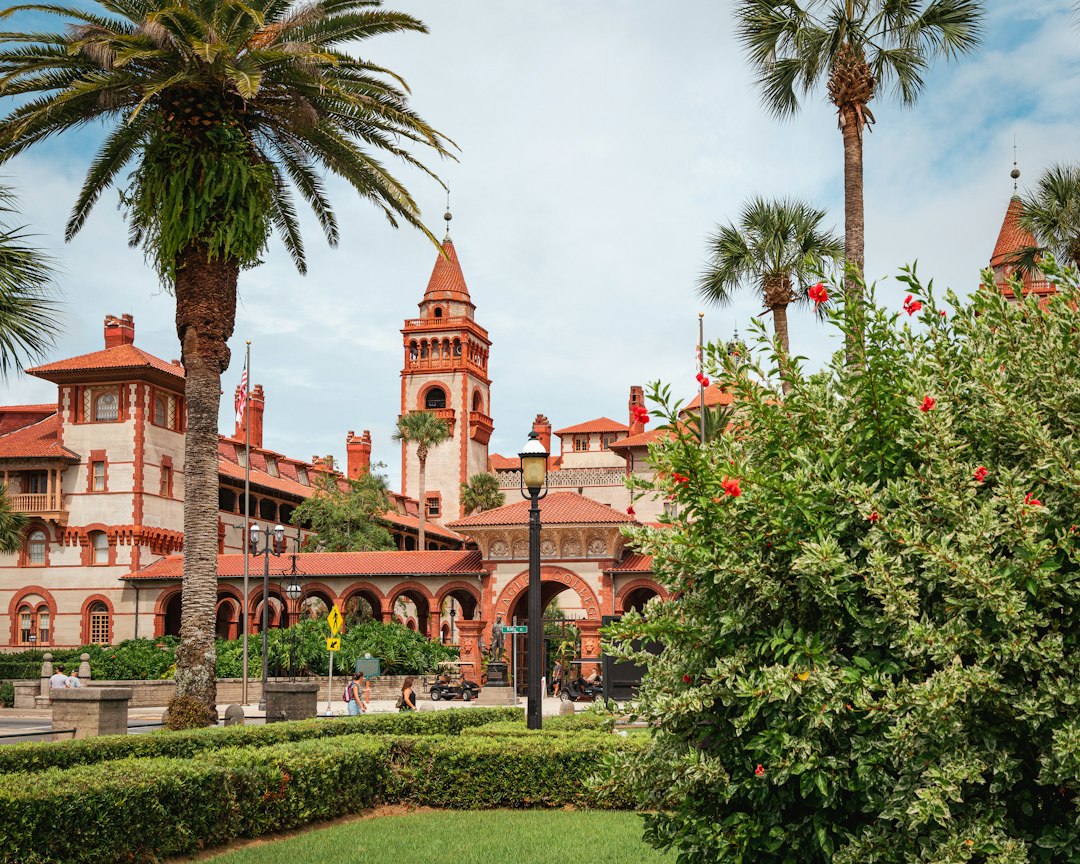
The nation's oldest continuous European city: a Spanish fort, cobblestones and Atlantic beaches.
- Best time to visit: March-May & October-November
- Daily budget (budget traveller): $120 to $320 USD
- Ideal trip length: 2 to 3 days
Founded by the Spanish in 1565, St. Augustine is 42 years older than Jamestown and feels it: a 17th-century stone fortress on the bay, cobbled lanes, Gilded Age hotels built by Henry Flagler and a ghost story on every corner. Add 68km of beaches and a surprisingly good food scene, and it's Florida's most atmospheric small city.
St. Augustine was founded in 1565 by Pedro Menéndez de Avilés, which makes it the oldest continuously occupied European-founded city in the continental US. It turns 461 in 2026. The proof is a few blocks from the dock: the Castillo de San Marcos, a fort of coquina (compressed seashell stone) finished in 1695, still standing after centuries of cannon fire and hurricanes. Walk five minutes and you hit St. George Street, a pedestrian lane of reconstructed colonial houses, then Aviles Street, the oldest street in the country, now lined with galleries and courtyard cafés.
The second layer is Gilded Age money. In 1888 Henry Flagler, the Standard Oil partner, built the Hotel Ponce de León here, with Tiffany windows and a dining room that still works. It is now Flagler College. His rival hotel, the Alcazar, is the Lightner Museum, and the Casa Monica is still taking guests. Add 68km of Atlantic beach on Anastasia Island, a lighthouse with 219 steps, and a ghost-tour industry that takes itself surprisingly seriously, and you get a small city that packs a lot into a few square kilometres.
Be realistic about the crowds. St. George Street is a tourist corridor by 11am, and weekends from March to May and the Nights of Lights season (mid-November to January) are busy. The fix is timing: the fort at 9am, the beach in the morning, the old town at dawn or after dinner, and the real food in Lincolnville and on Anastasia Island instead of the main drag. Do that and the place feels less like a theme park and more like what it is: a proper Spanish colonial port that happens to have excellent shrimp.
How many days in St. Augustine?
For St. Augustine, we recommend 2 to 3 days. With more time, add a day trip to Jacksonville.
| Trip length | What you'll see | Itinerary |
|---|---|---|
| 2 days · Recommended | Old town walk; Fort, Flagler and ghosts | St. Augustine in 2 days |
| 3 days · Recommended | Adds: Anastasia Island, beach and lighthouse | St. Augustine in 3 days |
| 4 days | Adds: Earliest history and Vilano sunset | St. Augustine in 4 days |
| 5 days | Adds: Southern A1A: Washington Oaks and Marineland | St. Augustine in 5 days |
| 7 days | Adds: Amelia Island day trip; Distillery, Villa Zorayda | St. Augustine in 7 days |
St. Augustine itinerary
Arrive, settle, old town walk
Morning: Land at JAX, pick up the rental car and take I-95 south to exit 318 (SR 16), about 55 minutes. Park at the Historic Downtown Parking Facility on Cordova St. Drop bags.
Afternoon: Walk St. George Street end to end, then the Plaza de la Constitución and the Cathedral Basilica. Grab empanadas at the Spanish Bakery on Spanish St before it closes. Stroll Aviles Street.
Evening: Dinner at Columbia Restaurant on St. George (1905 Salad, Spanish sangria). Late drinks and live music at Tradewinds Lounge.
Fort, Flagler and ghosts
Morning: Castillo de San Marcos at 9am opening ($15), ranger talk and cannon firing on weekends. Coffee and a bun at The Bunnery on St. George Street.
Afternoon: Flagler College tour at 2pm (about $20) for the Tiffany windows and rotunda. Then the Lightner Museum (about $20), lunch at Café Alcazar in the old hotel pool.
Evening: Evening ghost tour at 7:30pm. Walking operators like A Ghostly Experience start at about $25, trolley Ghosts & Gravestones includes the Old Jail.
Anastasia Island, beach and lighthouse
Morning: Anastasia State Park at 9am (about $8 per car). Swim, walk the dunes, rent a kayak. Beat the 11am parking squeeze.
Afternoon: St. Augustine Lighthouse (about $20, 219 steps) and the Maritime Museum. Then the St. Augustine Alligator Farm if you have time.
Evening: Dinner at Gypsy Cab Company on Anastasia Blvd. Sunset on the Bridge of Lions walk back downtown.
Earliest history and Vilano sunset
Morning: Fountain of Youth Archaeological Park at opening (about $20), peacocks and the Timucua exhibits. Then the Mission Nombre de Dios and its giant cross, free.
Afternoon: Fort Mose Historic State Park (about $2), site of the first legally sanctioned free Black settlement in North America. Then the Lincolnville Museum and Cultural Center.
Evening: Drive to Vilano Beach for sunset. Dockside dinner at Cap's on the Water on Myrtle St (reserve, it fills up).
Southern A1A: Washington Oaks and Marineland
Morning: Drive A1A south (25-30 minutes) to Washington Oaks Gardens State Park for coquina rock shoreline and formal gardens.
Afternoon: Marineland Dolphin Adventure, the original oceanarium. Then Flagler Beach for a pier walk and seafood.
Evening: Back in town, dinner at A1A Ale Works overlooking the Bridge of Lions. Craft beer and the lights of the bay.
Amelia Island day trip
Morning: Drive 1h30 north on I-95 to Fernandina Beach. Walk Centre Street's Victorian blocks. Fort Clinch State Park for the Civil War fort.
Afternoon: Shrimp lunch at the docks. Drink at the Palace Saloon on Centre St, Florida's oldest bar (1903).
Evening: Drive back, easy dinner on Hypolita St, early night.
Distillery, Villa Zorayda, depart
Morning: Free tour and tasting at St. Augustine Distillery (1 King St area, no booking). Browse Aviles Street galleries.
Afternoon: Villa Zorayda Museum, the Moorish Revival mansion on King St (about $15). Last bowl of Minorcan chowder.
Evening: Drive 55 minutes to JAX, leave 2h30 before the flight.
Best neighbourhoods
- Historic District: St. George Street, the fort and the pedestrian colonial core.
- Flagler's Hotel District: The Lightner Museum and former Ponce de León Hotel.
- Lincolnville: Historic Black neighborhood with the city's best food revival.
- Anastasia Island: Beaches, the lighthouse and the amphitheatre across the bridge.
- Vilano Beach: Retro beach town north of the inlet with sunset piers.
Must-do experiences
- Castillo de San Marcos: The 1672 Spanish stone fort, oldest masonry fort in the continental US.
- St. George Street: The pedestrian lane of colonial buildings, shops and cafes.
- Flagler College & Lightner Museum: Tiffany glass and Gilded Age grandeur in Flagler's old hotels.
- St. Augustine Lighthouse: 219 steps to the best view over the city and Anastasia Island.
Hidden gems
- The beach at Anastasia State Park, 5 minutes from the old town, about $8 per car
- Aviles Street, the oldest street in America, lined with galleries
- The St. Augustine Distillery's free tour and tastings in an old ice plant
- Fountain of Youth Archaeological Park's peacocks and Timucua history
Daily budget
- Accommodation: budget $45-70 / night (dorm bed or off-season motel), mid-range $180-300 (boutique inn double), splurge $450+ (Casa Monica Resort & Spa, The Collector). Weekends and Nights of Lights add 30-50%. Midweek in February is the best value of the year.
- Food: budget $30-40 / day (bakeries, tacos, grocery picnic), mid-range $65-100 (one sit-down dinner), splurge $150+ (Collage tasting dinner). Spanish Bakery empanadas are $5-7 and a full lunch. Lunch menus at Columbia Restaurant beat dinner prices.
- Transport: budget $15-20 / day (garage parking, then walk), mid-range $40-60 (trolley pass plus rideshares to the beach), splurge $100+ (rental car plus private driver to Amelia Island). The Historic Downtown Parking Facility on Cordova St is the cheap, central option. Park once and walk.
- Activities: budget $20-30 / day (Castillo $15 plus free beach and fort walls), mid-range $60-90 (Castillo, Flagler tour, lighthouse, ghost tour), splurge $150+ (schooner sail, Alligator Farm zipline, private tour). Castillo tickets cover 7 days. Free with the $80 America the Beautiful pass.
- Drinks & nightlife: budget $8-12 (happy hour beer, free distillery tasting), mid-range $30-45 (Ice Plant cocktails, live music at Tradewinds), splurge $80+ (cocktail flight, late dinner and drinks at Casa Monica). Last call is 2am. Tradewinds Lounge on Charlotte St has live music most nights with no cover.
Where to stay
- Social hostel in Historic District ($40-65 / night): Pirate Haus Inn & Hostel on Treasury St, steps from the Plaza, shared dorms and a courtyard, no car needed.
- Boutique hotel in Avenida Menendez / Historic District ($200-340 / night): Casablanca Inn or The Collector Luxury Inn & Gardens, bayfront porches, antique-filled rooms, breakfast included, walkable to the fort.
- Apartment in Lincolnville ($130-220 / night): Restored Victorian cottages with porches and free street parking, 10-15 minutes' walk to the Plaza. Best value for 4+ nights.
- Splurge in Cordova St, Historic District ($380-650 / night): Casa Monica Resort & Spa, a 1888 Flagler-era castle hotel with a spa and a courtyard bar, opposite the Lightner Museum.
What to eat
- Minorcan clam chowder, the city's datil-pepper-spiked signature
- Fresh Mayport shrimp at a dockside shack across the inlet
- Craft cocktails and small plates in a Lincolnville shotgun house
- Datil pepper sauce on everything, then a bottle to take home
Day trips
- Washington Oaks and Marineland (25-30 min south on A1A): Coquina rock shoreline, formal gardens at Washington Oaks Gardens State Park, and the original Marineland Dolphin Adventure. Add Flagler Beach for a pier walk. Drive A1A south. Washington Oaks entry is about $5 per car. No public transit, so rent a car or arrange a rideshare.
- Amelia Island (Fernandina Beach) (1h30 north by car): Victorian downtown on Centre Street, the Palace Saloon from 1903, Fort Clinch State Park and fresh shrimp at the docks. I-95 north to A1A east. Fort Clinch is about $6 per car. Long for a day but easy for a slow one.
- Jacksonville (1 hour north by car): Riverside Arts Market on Saturdays, the Cummer Museum and Gardens, and Kingsley Plantation for the history. I-95 north. Uber or Lyft one-way is $70-100. Rent a car if you want more than one stop.
When to visit
- Spring (March - May): 18-27°C, low humidity, sunny, sea still cool. Crowds: Busy on weekends, spring break in March. The best window. Pleasant for walking the fort, warm enough for the beach by late April. Book weekends early.
- Summer (June - September): 25-34°C, thick humidity, afternoon thunderstorms, hurricane season. Crowds: Heavy with families, thinner in the midday heat. Beach mornings, museums at midday, early dinners. Cheapest rooms are in September, but it is peak storm risk.
- Autumn (October - mid November): 20-27°C, drier, warm ocean. Crowds: Moderate, rises as the lights go up. The locals' pick. Warm sea, Halloween ghost tours at full volume, and easy parking before the holiday rush.
- Winter (Mid November - February): 8-20°C, crisp mornings, occasional cold snaps. Crowds: Very heavy during Nights of Lights, quiet in Feb. Come for the 3 million lights on a weeknight, or go in February for empty streets and the lowest hotel rates.
Entry rules for your passport
Visa rules for the United States depend on the passport you travel on. Check the official source before you book: U.S. Department of Homeland Security
Getting there
Jacksonville International (JAX) is 80km north, about 55 minutes via I-95 to exit 318 (SR 16). Rental cars run $45-70 a day and Uber or Lyft to downtown is $70-100. Orlando (MCO) is 170km south, about 1h45, with cheaper international flights but a longer drive. Daytona Beach (DAB) is 90km south. St. Augustine Airport (UST) is mainly private aviation, and there is no passenger rail. Rent a car for day trips, but park at the Historic Downtown Parking Facility on Cordova St ($15-20 a day) and forget it until beach time. Skip airport shuttles that stop in Jacksonville first.
Getting around
Fly into Jacksonville (JAX), 1 hour north, or Orlando (MCO), 1.75 hours south. The historic core is fully walkable, and the Old Town Trolley and Ripley's trains hop between sights ($30+). Parking is the headache: use the Historic Downtown Parking Facility ($15/day) and forget the car until beach time. Rideshare covers Anastasia Island.
Safety
St. Augustine is safe and easy, even solo at night in the lit historic district. Watch summer heat (33°C+ with heavy humidity), afternoon thunderstorms from June to September, and rip currents at the beaches. During the November-January Nights of Lights, crowds triple and trolleys sell out: book everything ahead. On its busiest nights the downtown garage charges $40 and the city runs free park-and-ride shuttles instead.
Solo travel tips
- Sit at the bar at Tradewinds: Tradewinds Lounge on Charlotte St has a long bar, live music most nights and a mixed local and tourist crowd. Order a beer, nod to the bartender, and you will be in a conversation within ten minutes.
- Ghost tours are the best solo social event: Groups are small, guides chat, and everyone walks the same route. A Ghostly Experience and the trolley Ghosts & Gravestones tour are the two I would pick.
- Hostel pick: Pirate Haus Inn & Hostel: Dorms from about $40 a night on Treasury St, a block from the Plaza. Shared kitchen, a courtyard, and a steady mix of solo road-trippers. Book ahead from November to January.
- Walk the old town at 7am: Before the tour groups the streets are empty and the light on the coquina walls is perfect. The Castillo opens at 9, so walk the seawall first, then queue.
- Solo female travellers: St. Augustine is safe and well lit in the old town. Standard rules apply: watch drinks, use Uber or Lyft after dark to Anastasia Island, and keep your phone charged for late ghost tour walks.
- Find your tribe on a sail or kayak: Schooner Freedom's sunset sail (about $50) seats strangers together, and Ripple Effects Ecotours runs small-group kayak paddles through the marsh. Both are easy places to chat.
Cultural etiquette
- Tip 18-20% at sit-down restaurants, $1-2 per drink at the bar, and $5-10 per person for a good tour guide. Service is not included.
- Don't climb on the Castillo walls or touch the coquina. It is fragile and rangers will correct you quickly.
- Say 'Ponce de Leon' as PON-say and Matanzas as muh-TAN-zus. Locals notice and quietly appreciate the effort.
- Sea turtles nest on the beaches from May to October. Keep lights off after dark, fill in holes you dig, and don't leave beach chairs out overnight.
- Open containers of alcohol are not allowed on public streets in most of town. Drink at the bar or take it in a cup to-go only where posted.
- Datil pepper is a local pride and it is hot. Ask for mild if you are unsure, and ask a server for a taste first.
- Fort Mose and Lincolnville tell stories that the main drag skips. Visit with a guide or museum and treat them with the seriousness they deserve.
Frequently asked questions
What is the best time to visit St. Augustine?
March to May and October to November: warm, dry and manageable crowds. The famous Nights of Lights run from mid-November to mid-January, when 3 million lights cover the old town: magical but packed. Summer is hot and stormy; winter days are mild (12-20°C) and quiet outside the lights season.
How many days do you need in St. Augustine?
Two days covers the Castillo, St. George Street, Flagler College and a ghost tour. Add a third for the lighthouse, Anastasia State Park beach and the distillery. It pairs beautifully with Jacksonville, Amelia Island or as a stop on a Florida road trip to Orlando or Miami.
Is St. Augustine worth visiting?
Yes: it's genuinely unlike anywhere else in the US. Nowhere else pairs a 350-year-old Spanish fortress with Gilded Age Tiffany interiors and Atlantic beaches within a 10-minute radius. It's touristy on St. George Street, but the history is real and the food scene has caught up.
What are the Nights of Lights?
From mid-November to mid-January (21 November 2026 to 18 January 2027 this season), the entire historic district is draped in around 3 million white lights, a tradition rooted in the Spanish custom of candles in windows. It's free to walk, but expect peak crowds: book trolleys, tours and restaurants weeks ahead, and visit on weeknights.
Can you visit St. Augustine beaches?
Yes: 68km of Atlantic sand within 10 minutes of the old town. Anastasia State Park is the local favorite (entry ~$8 per car), St. Augustine Beach has the pier and casual bars, and Vilano Beach is quieter with inlet sunsets. You can even drive on designated beach sections with a pass.
What is a ghost tour and which is best?
St. Augustine markets itself as America's most haunted city, and evening ghost tours are a rite of passage. Options range from walking tours of the old town to the trolley Ghosts & Gravestones tour with access to the old jail. Book any established operator; the storytelling matters more than the scares.
Is St. Augustine a good day trip from Orlando?
It's 1.75 hours each way, so doable but rushed. An overnight is far better: you'll catch the fort, old town and dinner, plus evening atmosphere that day-trippers miss. Combine it with Daytona or Jacksonville on a northeast Florida loop if you have 2 to 3 days.
Do I need a visa or an ESTA to visit the United States?
Travellers from the 42 Visa Waiver countries, including most of the EU, the UK, Japan and Australia, do not need a visa for stays of up to 90 days but must get an ESTA online before travelling. It costs about $40 since 30 September 2025 and is valid for two years or until your passport expires. Apply at least 72 hours ahead on the official site, esta.cbp.dhs.gov, and avoid lookalike sites that charge more.
Tours and activities in St. Augustine | St. Augustine in 2 days | St. Augustine in 3 days | St. Augustine in 4 days | St. Augustine in 5 days | St. Augustine in 7 days
Can't decide? Compare St. Augustine with...
Joy Plus home | Destinations | Itineraries | Activities | Flights | Budget planner | Calendar | Map | Blog | Lifetime access