Destinations / Europe
St Ives, England travel guide
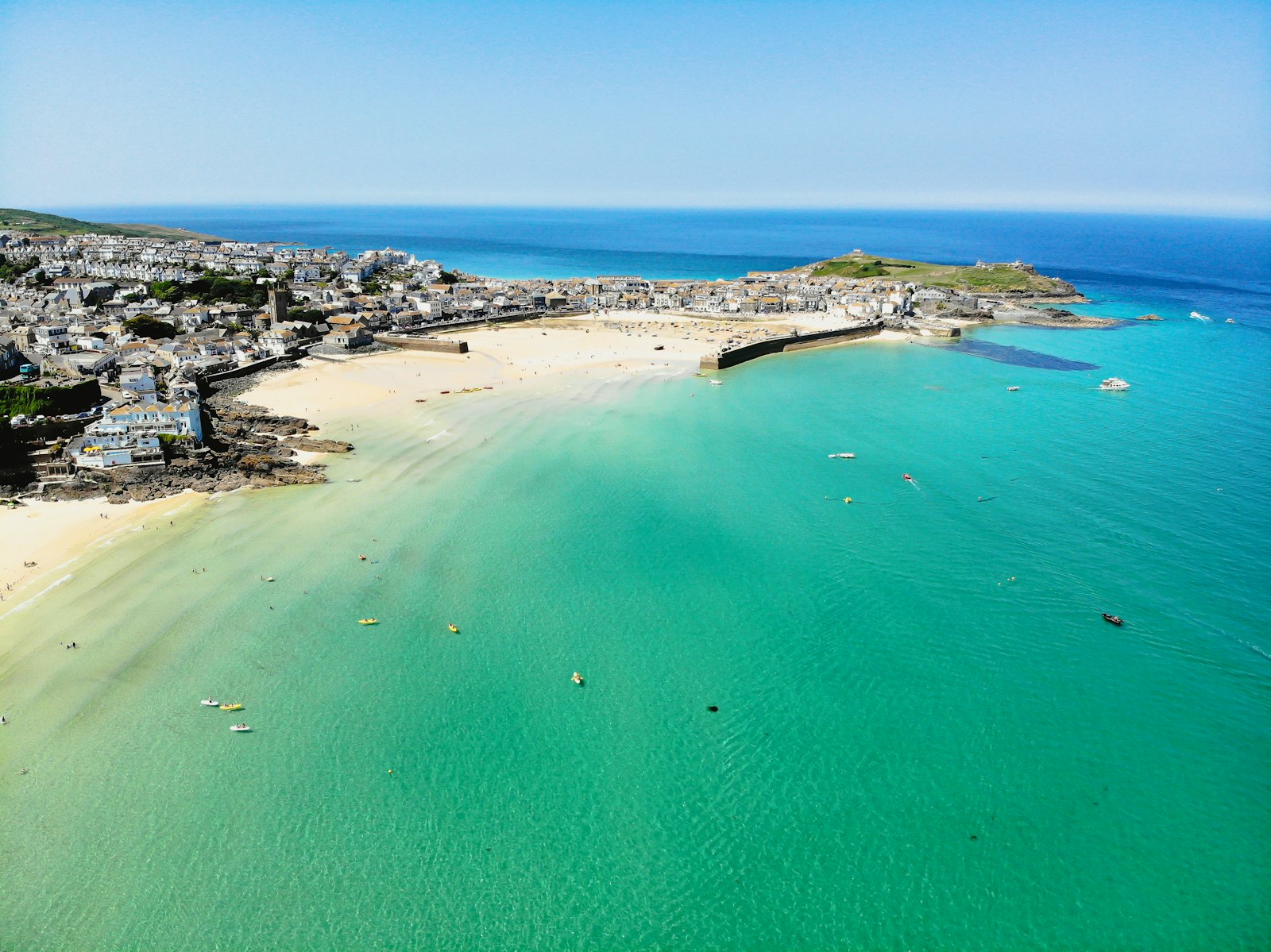
A small fishing town on the far west tip of Cornwall, where you swim off white-sand beaches, see modern art next to the surf and walk the cliff path to a granite village pub.
- Best time to visit: May to June and September
- Daily budget (budget traveller): $140 to $405 USD
- Ideal trip length: 3 to 7 days
St Ives sits on a headland at the western end of St Ives Bay in Cornwall, near the end of the railway line from London. It is a small town of narrow lanes, granite cottages and a working harbour, with a beach on almost every side. Artists have come here for well over a century for the light. Tate St Ives sits above Porthmeor Beach, and Barbara Hepworth's studio and garden are a few minutes' walk away. Most visitors come in July and August, when the lanes fill up, the car parks are full and the gulls get bold. Come in late spring or September and you get much the same town with room to move. The sea is still swimmable, the coast path is quiet and you can usually get a table. St Ives is not a cheap place to stay. Rooms in summer cost a lot, and there is very little budget accommodation. But the beaches and walks are free, buses and trains are cheap, and a pasty on the harbour wall costs a few pounds. It is a very easy, safe place to travel alone.
St Ives grew up as a pilchard-fishing port on a small headland at the western end of St Ives Bay. When the fishing faded, painters arrived. They came first in Victorian times, then the St Ives School in the mid 20th century, including Barbara Hepworth, Ben Nicholson, Peter Lanyon and the self-taught fisherman painter Alfred Wallis. You can still feel that history. Tate St Ives looks out over Porthmeor Beach, Hepworth's studio and garden are open to visitors, and the lanes of Downalong are full of galleries and studios. It is also a beach town, with Porthmeor, Porthminster, Porthgwidden, the harbour beach and Carbis Bay all within walking distance. Most people come for a day or a week of sun. Stay a little longer and the town is at its best early in the morning, when the harbour is empty and the light is soft.
Getting here without a car is simple and saves a lot of trouble. Trains from London Paddington run to St Erth, and the St Ives Bay Line takes you the last stretch along the estuary and the cliffs. If you drive, leave the car at St Erth and take the train, because the town's streets were not built for cars. Base yourself in Downalong or near Porthmeor if you want to step out to the beach, or near Porthminster and the station for calmer streets and an easy arrival. Plan the coast walk to Zennor on a dry day, and book the Tate for a wet one.
Timing makes a big difference here. July and August bring the biggest crowds, the highest room prices and queues for everything. Late May, June and September are warm enough for swimming and much calmer, and the St Ives September Festival brings music and art events to town. Winter is quiet and mild, often windy, with stormy seas that are worth watching from the Island. Some places close, but the Tate stays open with shorter hours. Whenever you come, St Ives is safe and friendly, and easy to manage alone. The main things to plan around are the sea, the weather and the price of a room.
St Ives itinerary
Arrive and find your feet
Morning: Take the train to St Erth and change for the St Ives Bay Line. Sit on the right for the views over Carbis Bay. Drop your bag at your room.
Afternoon: Walk along Porthminster to the harbour, then out along Smeaton's Pier. Pop into St Ia's Church to see Hepworth's Madonna and Child.
Evening: Fish and chips on the harbour wall, with your back to a wall because of the gulls. Then walk up to St Nicholas Chapel on the Island for sunset.
Tate St Ives and Porthmeor
Morning: Book a morning slot at Tate St Ives, at about £14-15.50. Look for the St Ives School rooms and the big window over the beach.
Afternoon: Lunch at Porthmeor Beach Café, then a swim or a surf lesson on Porthmeor between the flags.
Evening: Wander the lanes of Downalong while the day crowds leave. Have a pint at the Sloop Inn on the Wharf.
Hepworth and the Leach Pottery
Morning: Go to the Barbara Hepworth Museum when it opens, at about £10-11. The garden is small and gets crowded later.
Afternoon: Walk about 20 minutes uphill on Higher Stennack to the Leach Pottery. The shop and entrance gallery are free, and the site has been under redevelopment, so check what is open. Catch the bus back down if your legs are tired.
Evening: Rest your feet at Porthgwidden Beach, then dinner at Blas Burgerworks or a crab sandwich from a pub.
Coast path to Zennor
Morning: Check the weather and the bus times back. Start early from Porthmeor and follow the South West Coast Path west. It is about 6 miles of rocky, muddy walking.
Afternoon: Arrive in Zennor after four hours or so. Lunch at the Tinners Arms, then visit St Senara's Church to see the mermaid chair.
Evening: Take the bus back to St Ives, which takes about 20 minutes, but runs only a few times a day. An early, quiet night after a big walk.
St Michael's Mount
Morning: Do this on a Sunday to Friday. The castle is shut on Saturdays. Take the bus towards Penzance and Marazion, and time it with the tide so you can walk the causeway.
Afternoon: Tour the castle, at £18 booked ahead or £21 on the day. The garden is open on weekdays in summer. If the tide is in, take the boat back for £3.20.
Evening: Stop in Penzance for a walk along the promenade and dinner, then take the train back via St Erth.
Lelant to Carbis Bay and a seal trip
Morning: Take the train to Lelant, but check the timetable, because not every train stops there. Walk back on the coast path past Porth Kidney Sands and Carbis Bay, about 4 miles.
Afternoon: Swim at Carbis Bay or Porthminster. Book a seal boat trip from the Wharf if the sea is calm.
Evening: Farewell dinner at Porthminster Beach Café. Book ahead, and ask for a table by the window.
Knill's Steeple and home
Morning: Walk up to Knill's Steeple for views across the bay to Godrevy Lighthouse. Then have a last coffee on the harbour.
Afternoon: Pick up a pasty from Pengenna Pasties for the train. Board the branch line and change at St Erth.
Evening: Travel home, or take the Night Riviera sleeper from St Erth if it runs that night. It does not run on Saturdays.
Best neighbourhoods
- Downalong: The old fishermen's quarter between the harbour and Porthmeor. It is a maze of cobbled lanes, slate-roofed cottages and tiny galleries. Most holiday cottages are here, so you are a few minutes from everything, but expect steps, no parking and some noise in summer.
- The Wharf and harbour: The busy seafront strip curving round the harbour from Smeaton's Pier to the lifeboat station. It has pubs, fish and chips, ice cream, the boat trip kiosks and the Sloop Inn. It is good for people-watching and lively in the evening, and the quietest at breakfast.
- Porthmeor and the Island: The north side of town, facing the Atlantic. Porthmeor Beach is the surf beach, with Tate St Ives right above it. The Island is the grassy headland beyond, with St Nicholas Chapel and small Porthgwidden Beach. This is the best area for sunsets and morning swims.
- Porthminster and the station: The slope above Porthminster Beach on the south side, near St Ives station. Guesthouses and small hotels line the roads up the hill. You get calm water, an easy arrival by train and a ten-minute walk into the centre.
- Carbis Bay: The next bay along, one stop on the train or about 40 minutes on foot along the coast path. It has a sheltered sandy beach, larger hotels and more space. It is quieter and less charming than town, but often better value and easier if you are driving.
Must-do experiences
- See Tate St Ives: The gallery above Porthmeor Beach shows work by the St Ives artists, such as Hepworth, Ben Nicholson, Patrick Heron and Alfred Wallis, next to changing exhibitions. Adult tickets are about £14, or £15.50 with donation, and under-18s go free. Book a timed slot in summer.
- Walk round Barbara Hepworth's garden: Hepworth lived and worked at Trewyn Studio from 1949 until her death in 1975. Her bronzes still stand where she placed them among the palms and flower beds. It needs a separate ticket of about £10, or £11 with donation. Go early, because the small garden fills up.
- Walk the coast path to Zennor: The South West Coast Path from St Ives to Zennor is about 6 miles of rough, rocky and often muddy cliff walking. Allow four hours or more. Finish at the Tinners Arms and look for the mermaid chair in the church, then take the bus back.
- Swim at Porthminster or Porthmeor: Porthminster is calm and sheltered, which suits a lazy swim. Porthmeor faces the Atlantic and is the place to hire a board or take a surf lesson. Both have lifeguards in season, so swim between the red and yellow flags.
- Watch sunset from the Island: Climb the short slope to St Nicholas Chapel on the Island headland. You get views over Porthmeor and the bay, and on a calm evening you may spot seals or dolphins. Bring a jumper, because it is windy up there.
- Take a boat trip to Seal Island: Small boats leave from the harbour in season for a trip of about an hour along the cliffs to the grey seal colony on the rocks off the coast. Book at the kiosks on the Wharf on a calm day. Trips depend on the weather and tide.
- Ride the St Ives Bay Line: The short branch line from St Erth runs along the Hayle Estuary and the clifftops above Carbis Bay. It takes about 12 minutes. Sit on the right-hand side heading into St Ives for the sea views.
Hidden gems
- The Madonna and Child sculpture by Barbara Hepworth inside St Ia's Church, the parish church by the harbour, which is free to see
- Trewyn Garden, a small public garden near the Hepworth Museum with benches under the trees, a quiet place to eat a takeaway lunch away from the gulls
- Knill's Steeple, an odd 18th-century granite pyramid on a hill above Carbis Bay with wide views over the bay to Godrevy
- The Leach Pottery on Higher Stennack, the studio pottery Bernard Leach and Shoji Hamada founded in 1920, with a free shop and entrance gallery
- Porthgwidden Beach, a small sandy cove tucked beside the Island that is easy to miss and calmer than Porthmeor
Daily budget
- Accommodation: budget £70-120 / night (single room in a guesthouse, off-peak), mid-range £130-220 (B&B or small hotel with sea views), splurge £300+ (boutique harbour hotel or Carbis Bay resort). There is no proper backpacker hostel in town, and summer prices jump. Look for guesthouses with single rates, or stay in Penzance, where hostels and cheaper rooms are easier to find.
- Food: budget £25-40 / day (bakery breakfast, pasty lunch, fish and chips), mid-range £50-80 (café lunch and a pub or bistro dinner), splurge £100+ (beach café tasting menus, seafood dinners). Pasties cost about £5-6 and fish and chips around £12-16. A main course at a beach café runs about £20-30. Book dinner in summer, because popular places fill up.
- Transport: budget £0-10 / day (walking, £3 capped bus fares), mid-range £10-20 (Cornwall day bus ticket plus a train hop), splurge £40+ (taxis to Godrevy or the far west). Bus singles are capped at £3 until March 2027. A Cornwall day ticket costs £10 and a week ticket £40. A return train from London is the big cost, so book advance tickets early.
- Activities: budget £0-15 / day (beaches, coast path, the Island, churches), mid-range £25-40 (Tate plus the Hepworth Museum), splurge £60+ (surf lesson, St Michael's Mount with boat). The Tate costs about £14 and the Hepworth about £10. St Michael's Mount castle costs £18 booked ahead or £21 on the day, plus £3.20 each way for the boat at high tide.
- Drinks & nightlife: budget £5-15 (a pint at the pub), mid-range £25-45 (sundowners and a couple of rounds), splurge £60+ (cocktails at a hotel bar). Nightlife means pubs, live music in summer and the odd late bar. A pint costs roughly £5-7. Things are quiet after 11pm, especially out of season.
Where to stay
- Social hostel in Penzance (about 30-40 minutes away) (£25-45 / night (dorm), £70-120 (St Ives single room)): St Ives has no reliable dorm hostel. Solo travellers on a tight budget often stay at YHA Penzance and come over by bus or train for the day. In town itself, the cheapest options are guesthouses with single rooms.
- Boutique hotel in The harbour (£200-400 / night): Trevose Harbour House is a small, stylish hotel a short walk from the harbour, the Tate and the beaches. It suits a solo traveller who wants comfort without a big resort.
- Apartment in Downalong (£100-250 / night): Self-catering cottages and flats in the old fishermen's quarter put you in the middle of the lanes, with a kitchen to cut food costs. Many have minimum stays in summer and steep stairs.
- Splurge in Carbis Bay (£300-700+ / night): The Carbis Bay Hotel sits right on the sandy beach, one stop from St Ives on the train. Boskerris Hotel, up the hill, has wide bay views and a smaller, calmer feel.
What to eat
- Cornish pasty: beef, potato, swede and onion in crimped pastry, best eaten warm from Pengenna Pasties and well away from the gulls
- Cornish cream tea: scone, then jam, then clotted cream on top, the opposite order from Devon
- Fish and chips eaten on the harbour wall, ideally with your back to a wall to keep the gulls off
- Crab sandwich: fresh white crab meat in brown bread, sold in pubs and beach cafés all summer
- Saffron bun: a sweet yellow yeasted bun with dried fruit, sold in local bakeries
- Moomaid of Zennor ice cream, made with milk from the farm near Zennor and sold at its shop in St Ives
Day trips
- Zennor (About 6 miles west on the coast path, or 20 minutes by bus): A tiny granite village between the moors and the sea, with the Tinners Arms pub and St Senara's Church, known for its carved mermaid chair. The walk there is one of the best stretches of the South West Coast Path. Walk the coast path from Porthmeor in about four hours or more, then take the bus back to St Ives. Buses run only a few times a day, so check the timetable before you set off.
- St Michael's Mount and Marazion (About 9 miles south, 30-45 minutes by bus): A tidal island with a castle and terraced gardens, reached by a causeway at low tide or a short boat ride. The castle opens Sunday to Friday from spring to late October. The garden opens on weekdays in summer. Take the bus towards Penzance and Marazion, or the train via St Erth to Penzance and then a bus or walk along the bay. Castle tickets cost £18 in advance or £21 on the day. The boat costs £3.20 each way.
- Godrevy (About 4 miles across the bay as the crow flies, 20-25 minutes by road): The headland at the far end of St Ives Bay, with the lighthouse that inspired Virginia Woolf's To the Lighthouse. Grey seals haul out at Mutton Cove, which you can see from the cliff top. Keep well back from the edge. Easiest by car or taxi to the National Trust car park. Without a car, take the train or bus to Hayle and walk along the Towans and Gwithian beach, a long but flat walk. Check the tides first.
When to visit
- Spring (March - May): 10-16°C, mixed sun and showers, cool sea. Crowds: Low to moderate, busy at Easter and May half-term. Good for walking and galleries. Wildflowers are out on the coast path, and room prices are fairer before June.
- Summer (June - August): 16-21°C, longest days, sea around 15-17°C. Crowds: Very busy in July and August with school holidays. The best beach weather, with lifeguards on duty, but expect crowds, full car parks and high prices. Book rooms months ahead.
- Early autumn (September - October): 13-18°C, often settled, sea at its warmest in September. Crowds: Moderate, quieter after the first week of September. The locals' pick. The water is warm, the beaches are calmer and the September Festival is on. St Michael's Mount castle stays open to late October.
- Winter (November - February): 7-11°C, windy and wet spells, big Atlantic swells. Crowds: Quiet. Cheap rooms and dramatic seas. Some cafés and attractions close or cut their hours, and buses run less often, so check before you go.
Entry rules for your passport
Visa rules for the United Kingdom depend on the passport you travel on. Check the official source before you book: UK Visas and Immigration (GOV.UK)
Getting there
Most people arrive by train. Great Western Railway runs direct trains from London Paddington to St Erth in about five to five and a half hours, and there are also connections from Bristol, Exeter and Plymouth. At St Erth, change to the St Ives Bay Line for the 12-minute trip into St Ives. Trains run about twice an hour, seven days a week, except on Christmas Day and Boxing Day. The Night Riviera sleeper leaves Paddington late in the evening, six nights a week (not Saturdays), and reaches St Erth at about 07:40. Seats start at about £25 and cabins cost more, with booking opening around three months ahead. National Express coaches run from London and other cities to Cornwall and are slower but cheap. The nearest airport is Newquay, about an hour away by road. If you drive, use the St Erth Park & Ride, which has more than 500 spaces, and take the train into town. The old Park & Ride at Lelant Saltings has closed.
Getting around
St Ives is small and very walkable, but it is hilly, and many lanes are steep and cobbled. You can walk from the station to Porthmeor in about 15 minutes. Do not drive into the old town. The streets are tiny, parking is scarce and expensive, and summer traffic is slow. If you arrive by car, use the Park & Ride at St Erth station, which has over 500 spaces, and take the train in. The St Ives Bay Line runs from St Erth via Lelant and Carbis Bay, roughly twice an hour, and a day return from St Erth has cost about £4-5. Buses are run under the Transport for Cornwall brand. A single journey within Cornwall costs no more than £3 under the national cap, which is funded until March 2027. Short hops cost £2.50 and medium ones £2.80. An all-Cornwall adult day ticket is £10, a week is £40 and a town-zone day ticket is £7. You can pay by contactless. First Kernow stopped running local buses in Cornwall in February 2026, so older route numbers and open-top services may have changed. Check the current timetable for Zennor, Penzance and Marazion before you set out. Taxis wait near the bus station and the Malakoff, but book ahead for late trains in summer.
Safety
St Ives is very safe, and crime against visitors is rare. The real risks are the sea, the cliffs and the weather. Rip currents form on the surf beaches, especially Porthmeor, so swim at lifeguarded beaches between the red and yellow flags. RNLI lifeguards cover the main beaches in season. The coast path to Zennor is remote and rough, with steep drops and little phone signal in places. Wear proper boots, take water and tell someone your plan. Tides come in fast around the rocks and coves, so check tide times before you explore. In an emergency at sea or on the cliffs, call 999 and ask for the Coastguard. Herring gulls snatch food from hands, so eat with your back to a wall or indoors. In summer the sun is stronger than it feels in the sea breeze. The lanes are steep and slippery when wet, so bring shoes with grip.
Solo travel tips
- Stay near the beach you will use most: Downalong and Porthmeor put you close to the Tate, the Island and the surf. Near the station you get an easy arrival, calm Porthminster and quieter nights.
- Avoid August if you can: Rooms, restaurants and beaches are packed, and single rooms vanish. Late May, June and September give you nearly the same weather with half the stress.
- Leave the car at St Erth: The Park & Ride at St Erth has hundreds of spaces, and the train ride in is a highlight. Driving into the old town is slow, stressful and expensive.
- Eat out at lunch: Beach cafés and pubs often have cheaper lunch menus, and a bar seat is easy to get alone. Book dinner ahead in summer, even for one.
- Safety for solo travellers: The town itself is very safe. Take more care on the coast path and in the sea. Tell someone your walking plan, carry water and a charged phone, swim between the flags and check tide times before you explore coves.
- Use the bus cap: Bus singles are capped at £3, and a £10 day ticket covers the whole county. That makes Zennor, Penzance and Marazion cheap trips. Check the latest timetables, because routes changed in 2026.
Cultural etiquette
- Say hello on the coast path and in small shops. A friendly word goes a long way, and locals notice when visitors are polite.
- Respect the people who live here. Many cottages in Downalong are homes, so keep your voice down in the lanes at night and do not sit on doorsteps.
- Do not feed the gulls. It is discouraged locally, and it makes them more aggressive towards everyone.
- In Cornwall, a cream tea has jam first, then clotted cream. People will tease you if you do it the Devon way.
- Take your rubbish home from the beach. Bins overflow in summer, and the tide takes litter out to sea.
- Follow the dog and beach rules posted on signs. Some beaches have seasonal dog bans and lifeguard zones for swimmers and surfers.
- Keep to the path and close gates on farmland near Zennor. Livestock graze close to the coast path.
Frequently asked questions
How do I get to St Ives by train?
Take a Great Western Railway train from London Paddington to St Erth, which takes about five to five and a half hours. Then change to the St Ives Bay Line for the 12-minute ride into St Ives. Trains on the branch line run roughly twice an hour, every day except 25 and 26 December. The Night Riviera sleeper also stops at St Erth early in the morning, six nights a week.
How many days do I need in St Ives?
Three days covers the harbour, the Tate, the Hepworth garden, a beach day and the coast walk to Zennor. Five to seven days gives you time for St Michael's Mount, Godrevy and slow mornings, plus a spare day if the weather turns. A day trip from Penzance or Falmouth is possible, but you miss the quiet evenings.
When is the best time to visit St Ives?
May, June and September are the best balance of decent weather, warm enough sea for a swim and fewer crowds. July and August are the busiest and most expensive months, so book rooms months ahead. Winter is quiet, mild and cheap, but some cafés close and the Tate has shorter hours.
Do I need to book Tate St Ives in advance?
It is a good idea in summer and during school holidays. Tickets are limited, and a few are kept for the door. Adult entry has been about £14, or £15.50 with donation, and the Barbara Hepworth Museum needs a separate ticket of about £10. Under-18s go free, and Tate Members get in free.
Can I visit St Ives without a car?
Yes, and it is easier without one. The town is walkable, the train links you to the main line at St Erth, and buses run to Penzance, Zennor and other villages. Single bus fares in Cornwall are capped at £3 until March 2027. A car is only really useful for remote spots such as Godrevy or the far west.
Is St Ives good for solo travellers?
Yes. It is safe, compact and friendly, and pubs and beach cafés are easy places to eat alone. The main problem is cost. There are few single rooms, and summer prices are high. Look for guesthouses with single rates, travel outside August, or stay in Penzance and come over for the day.
How do I visit St Michael's Mount from St Ives?
Take a bus towards Penzance and Marazion, or the train to St Erth and then on to Penzance, and walk or bus along the bay. Cross the causeway at low tide or take the boat at high tide, which costs about £3.20. The castle opens Sunday to Friday from spring to late October. Adult castle tickets cost £21 on the day or £18 if you book by midnight the day before. Check the tide times first.
Is the sea safe for swimming in St Ives?
Generally yes, at the right beaches and with care. Porthminster and Carbis Bay are calmer, and Porthmeor has surf and stronger currents. Lifeguards patrol the main beaches in season. Swim between the flags, never swim alone off rocks, and remember the Atlantic stays cool, around 15-17°C even in late summer.
Tours and activities in St Ives | St Ives in 2 days | St Ives in 3 days | St Ives in 4 days | St Ives in 5 days | St Ives in 7 days
Joy Plus home | Destinations | Itineraries | Activities | Flights | Budget planner | Calendar | Map | Blog | Lifetime access