Destinations / Caribbean
St. Thomas, U.S. Virgin Islands travel guide
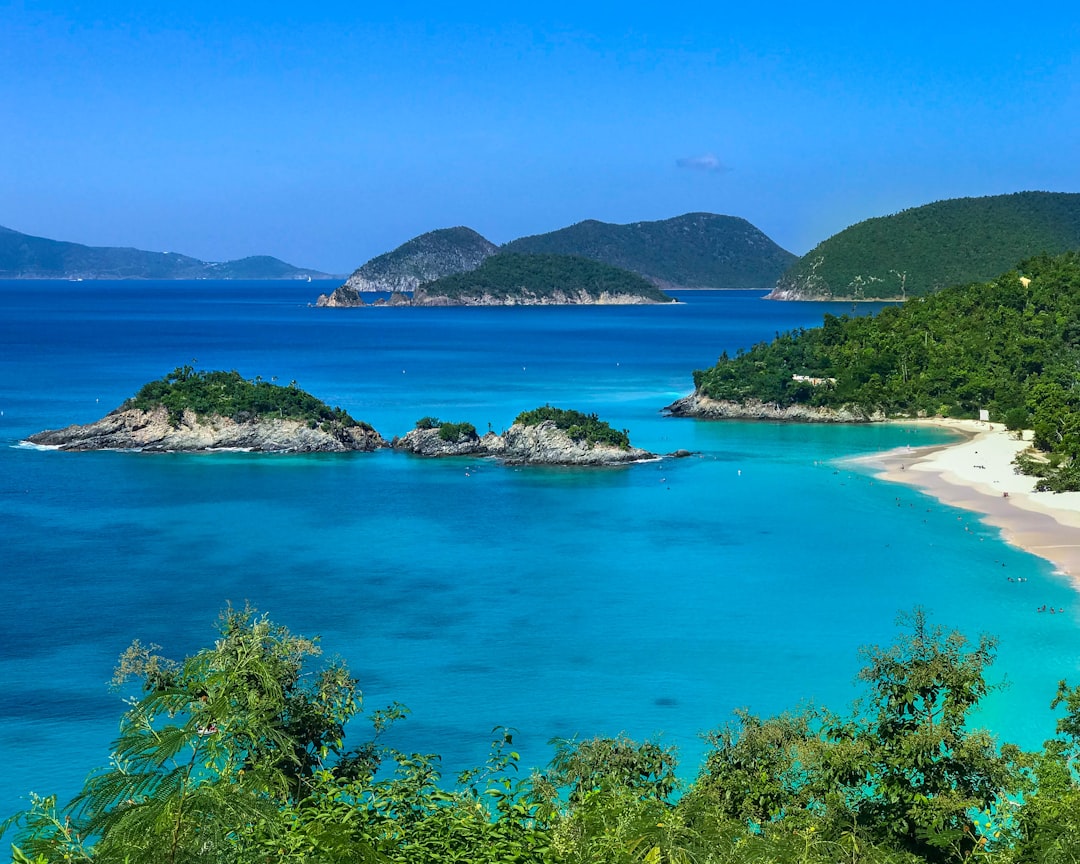
Magens Bay, duty-free Charlotte Amalie, hillside harbour views, and easy island-hopping in the USVI.
- Best time to visit: December-April (dry season)
- Daily budget (budget traveller): $140 to $260 USD
- Ideal trip length: 4 to 6 days
St. Thomas is the busiest of the U.S. Virgin Islands: a steep green island wrapped around one of the Caribbean's prettiest harbours, with duty-free shopping in Charlotte Amalie and Magens Bay's perfect crescent just over the ridge. It is also the launchpad for St. John's national-park beaches and the BVIs. Joy Plus keeps you ahead of cruise crowds and out on the water.
St. Thomas is a steep green island with a postcard harbour wedged into its south side. Charlotte Amalie is where Danish warehouses became duty-free shops, and where the cruise ships line up like apartment blocks. Drive ten minutes over the ridge and you are at Magens Bay, a mile of calm water that charges $7 at the gate and is worth every cent. The trick is that the island has two speeds. On a day with five or six ships in port, Main Street and Havensight are gridlocked by 10am. On a day with none, you will have 99 Steps to yourself.
This is also the best launchpad in the Virgin Islands. Red Hook's ferry reaches Cruz Bay on St. John in about 20 minutes for roughly $9, and from there you are at Virgin Islands National Park, where Trunk Bay's underwater snorkel trail is a short safari-taxi ride away. Water Island is a 10 minute hop from Crown Bay Marina, and Jost Van Dyke in the BVIs is a boat ride beyond that (bring your passport). Build your trip around the water, not the shops, and you will see why people come back every winter.
It is also not a cheap or entirely carefree island, and you should plan accordingly. Almost everything is imported, so a beer on the waterfront runs $7 to $9. Roads are narrow, hilly and driven on the left in left-hand-drive cars, which confuses everyone for the first hour. Crime is higher than at most Caribbean resort islands, so you take taxis after dark and never leave anything in a parked car. In return you get warm 80°F water, honest local food (pate, johnnycakes, fresh mahi) and some of the best sunsets in the Caribbean.
How many days in St. Thomas?
For St. Thomas, we recommend 4 to 6 days. With more time, add a day trip to Jost Van Dyke.
| Trip length | What you'll see | Itinerary |
|---|---|---|
| 2 days | Frenchtown dinner; Charlotte Amalie before the ships | St. Thomas in 2 days |
| 3 days | Adds: Magens Bay and the north side | St. Thomas in 3 days |
| 4 days · Recommended | Adds: St. John day trip | St. Thomas in 4 days |
| 5 days · Recommended | Adds: Reef day: Coki and Sapphire | St. Thomas in 5 days |
| 7 days | Adds: Water Island and Honeymoon Beach | St. Thomas in 7 days |
St. Thomas itinerary
Land, settle, Frenchtown dinner
Morning: Land at Cyril E. King Airport (STT). Taxis use posted per-person rates, about $10 to $15 to Charlotte Amalie. Drop bags and check the day's cruise schedule before planning anything.
Afternoon: Lunch at Gladys' Cafe on Main Street (jerk, saltfish and johnnycakes). Walk the waterfront and the back streets of Charlotte Amalie while the heat is manageable.
Evening: Taxi to Frenchtown for fish at Hook, Line & Sinker, then a drink at Molly Molone's. Taxi home, don't walk.
Charlotte Amalie before the ships
Morning: Climb the 99 Steps on Government Hill at 8am, then visit Fort Skytsborg (Blackbeard's Castle) for harbour views. Window-shop Main Street while it is still quiet.
Afternoon: Late local lunch at Cuzzin's Caribbean Restaurant (stewed chicken, fungi, fish). Take the Skyride at Havensight (about $27, opens 9am) up to Paradise Point.
Evening: Sunset drinks at Paradise Point, then a taxi to dinner. Hotel 1829's terrace is a good spot for a nightcap over the harbour lights.
Magens Bay and the north side
Morning: Be at Magens Bay when it opens at 8am ($7 entry). Swim the flat end, rent a chair, and be gone by 11am when the ship buses arrive. Stop at Drake's Seat on Skyline Drive on the way.
Afternoon: Lunch and a banana daiquiri at Mountain Top, then a nap or a hike on the Magens Bay Nature Trail.
Evening: Dinner at Hull Bay Hideaway on the north shore, with the local surfers and a cold beer.
St. John day trip
Morning: Catch an early ferry from Red Hook to Cruz Bay (about $9, 20 minutes). Safari taxi to Trunk Bay (about $5 per person) and pay the $5 national-park fee. Snorkel the underwater trail before 10am.
Afternoon: Lunch in Cruz Bay at Cruz Bay Landing. Take the safari taxi to Cinnamon Bay or Hawksnest if you want fewer people.
Evening: Late ferry back to Red Hook. Dinner at Duffy's Love Shack, then a drink at Caribbean Saloon. Check the last ferry time before you cross.
Reef day: Coki and Sapphire
Morning: Coki Beach at 9am, before the crowds. Rent a mask for about $10 to $15 and swim straight out. The Coki Beach Dive Club on the sand also runs shore dives.
Afternoon: Move to Sapphire Beach for the reef at the east end, usually turtles, then lunch on the sand.
Evening: Sunset at Iggies Beach Bar at Bolongo Bay, then dinner back in Frenchtown or Red Hook.
Water Island and Honeymoon Beach
Morning: Ferry from Crown Bay Marina to Water Island (about $5 each way, 10 minutes). Rent a golf cart or walk the beach road.
Afternoon: Honeymoon Beach, lunch at Dinghy's Beach Bar, and paddleboards or kayaks on the calm side.
Evening: Ferry back before dusk. Dinner at Cuzzin's or the Waterfront. Pack for the flight tomorrow.
Slow morning and departure
Morning: Pate from a roadside stand, then a last swim at Lindbergh Bay beach right by the airport. It is free and almost empty before 10am.
Afternoon: Return the rental car or take a taxi to STT. Arrive about 2.5 hours before your flight for TSA and agricultural checks.
Evening: Fly home with sand in your bag.
Best neighbourhoods
- Charlotte Amalie: The harbour capital: Danish colonial streets, duty-free shops, and Blackbeard's Castle.
- Frenchtown: A former fishing quarter with the island's best seafood restaurants and local bars.
- Magens Bay / North Side: The famous heart-shaped bay with calm turquoise water and lush hills.
- Red Hook: The east-end ferry hub: marinas, casual bars, and boats to St. John.
- Water Island: A tiny car-light island minutes away by ferry, with quiet Honeymoon Beach.
Must-do experiences
- Swim at Magens Bay: A mile-long crescent of calm, warm water ringed by green hills.
- Ferry to St. John: Twenty minutes to Cruz Bay, then a short taxi ride to Trunk Bay, Cinnamon Bay and Virgin Islands National Park.
- Skyride to Paradise Point: A gondola to a hilltop bar overlooking the harbour and cruise ships. It runs mainly on cruise-ship days, so check the hours.
- Snorkel Coki Beach or Buck Island: Reef fish, turtles, and easy shore snorkelling in clear water.
Hidden gems
- Honeymoon Beach on Water Island, a short ferry from Crown Bay and rarely crowded.
- Frenchtown seafood dinners where locals eat, away from the duty-free strip.
- Hull Bay, a laid-back local surf beach on the north shore with a beach bar.
- The 99 Steps and Blackbeard's Castle, reopened after years closed since the 2017 hurricanes, for harbour views without the shopping crowd.
Daily budget
- Accommodation: budget $110-170 / night (simple guesthouse or beach hotel room, per room), mid-range $220-350 (historic or beachfront boutique, per room), splurge $600+ (Ritz-Carlton St. Thomas, Westin Frenchman's Reef). There is no true hostel scene here, so budget means a basic room near Lindbergh Bay or a cheap apartment. Rates are per room, so share with someone and halve the cost. Add 12.5% hotel tax and resort fees.
- Food: budget $35-50 / day (pate, johnnycakes, local plates at Cuzzin's or Gladys' Cafe), mid-range $80-120 (one proper Frenchtown dinner with a drink), splurge $200+ (waterfront fine dining, lobster, wine). A pate from a roadside stand is $3 to $5 and a decent lunch. Groceries are pricey, so buy snacks at Cost-U-Less or the Tutu Park supermarkets, not resort shops.
- Transport: budget $15-25 / day (Vitran bus $1 to $2, safari taxis, St. John ferry $9 each way), mid-range $60-90 (taxis between areas, one ferry day), splurge $150+ (rental car $75-120/day plus gas, or private driver). Taxis charge per person at set rates, so four people in one cab cost a lot. Safari taxis and Vitran buses are the cheap way around, but carry small bills.
- Activities: budget $10-25 / day (Magens Bay $7, Coki Beach free, 99 Steps free, Trunk Bay $5), mid-range $70-120 (Skyride about $27 plus a half-day snorkel sail), splurge $300+ (full-day catamaran to the BVIs or a private charter). Most beaches are free. Rent snorkel gear on the sand, for about $10 to $15, instead of booking a tour.
- Drinks & nightlife: budget $12-20 (local beer $5 to $7 at a beach bar), mid-range $40-60 (painkillers and rum punch in Red Hook or Frenchtown), splurge $100+ (resort cocktails, champagne at Epernay, cabana). Painkillers and rum punches run $12 to $15. Nightlife is bars and live music, not clubs, and you should take a taxi home rather than walk.
Where to stay
- Social hostel in Lindbergh Bay ($110-190 / night): St. Thomas has no real hostel scene, so the closest to a budget social base is Island Beachcomber Hotel. It is basic, steps from a quiet beach and five minutes from the airport, with other budget travellers around the pool bar.
- Boutique hotel in Government Hill, Charlotte Amalie ($200-340 / night): Hotel 1829 is a restored 19th-century mansion above town with harbour views and a walkable, historic setting. Good if you want character over resort polish.
- Apartment in Red Hook or Smith Bay ($180-300 / night): Condos and villa apartments with a kitchen, which saves serious money on food. Red Hook puts you at the St. John ferry and the east-end bars, and Smith Bay is close to Coki Beach.
- Splurge in Great Bay and East End ($500-1,200 / night): The Ritz-Carlton St. Thomas or the Westin at Frenchman's Reef. Private-feeling beaches, big pools and excellent service, though you will need a taxi to see anything else.
What to eat
- Fresh mahi-mahi and conch in Frenchtown
- Pate (fried savoury turnovers) from a roadside stand
- Johnnycakes with saltfish
- Painkiller cocktails made with local rum
Day trips
- St. John (20 min by ferry from Red Hook): Two thirds national park. Trunk Bay has an underwater snorkel trail, Cinnamon Bay is great for a long beach day, and Cruz Bay has the bars and restaurants. Go early, since ferries fill up on cruise days. Ferry from Red Hook to Cruz Bay, about $9 each way, running roughly hourly until late evening. Charlotte Amalie ferries take about 45 minutes and cost around $15, with fewer sailings. Safari taxi from Cruz Bay to Trunk Bay is about $5 per person, and the park fee is $5.
- Water Island (10 min by ferry from Crown Bay Marina): The fourth USVI island, quiet and car-light. Honeymoon Beach has calm water, kayaks and Dinghy's Beach Bar. Rent a golf cart and be home by dusk. Ferry from Crown Bay Marina, about $5 each way, running hourly during the day. Check the last return before you go.
- Jost Van Dyke (BVI) (About 1 to 1.5 hours by boat from Red Hook or Charlotte Amalie): Soggy Dollar Bar at White Bay, where the painkiller was born, and beach bars in Great Harbour. A long day, but the best beach-bar crawl in the region. Passport required. Boats and ferries via Red Hook or West End Tortola vary by season, roughly $90 to $130 round trip plus BVI fees. Check current schedules and bring cash for BVI fees.
When to visit
- Peak season (December to April): 80-86°F (27-30°C), dry, steady trade winds, sea around 80°F. Crowds: Heavy, with cruise ships most days and the highest hotel rates. Best weather, worst prices. Book flights and rooms months ahead, and hit Magens Bay and Charlotte Amalie before 10am. The March regatta and April Carnival add energy and traffic.
- Early summer (May to July): 84-90°F (29-32°C), hotter and more humid, short afternoon showers. Crowds: Light, as the cruise season winds down. The locals' pick. Hotels drop 20 to 40%, beaches are quiet and the water is bathwater. Carnival finishes in early May, and the ferries are still easy.
- Hurricane peak (August to October): 85-91°F (29-33°C), humid, heavy rain, peak storm risk in September. Crowds: Very low. Cheapest, but some restaurants and boat operators close for a month or more. Buy travel insurance with hurricane cover or skip it. Book refundable rooms only.
- Late autumn (November): 82-87°F (28-31°C), rain tapering off, seas calm. Crowds: Low to moderate, building in the last week. A smart shoulder month. Hurricane risk fades, the island is green after the rains and rooms are still affordable before the December jump.
Entry rules for your passport
Visa rules for the US Virgin Islands depend on the passport you travel on. Check the official source before you book: U.S. Department of Homeland Security
The US Virgin Islands are a US territory, so US entry rules apply.
Getting there
Cyril E. King Airport (STT) is about 3 miles west of Charlotte Amalie, a 10 minute drive. Nonstop flights come in from Miami, Atlanta, Charlotte, New York and Newark, and connecting flights from San Juan. Taxis charge set per-person rates: about $10 to $15 to Charlotte Amalie or Havensight, and $25 to $30 to Red Hook or Magens Bay, so a four-person cab gets pricey. The rates are posted at the stand, so check before you get in. Ferries from Red Hook and Charlotte Amalie serve St. John, Water Island and the BVIs, and Crown Bay Marina is the Water Island dock. US citizens need only photo ID for the flight. Canadians just show a passport, Visa Waiver travellers need an ESTA, and most other nationalities need a visa. Anyone going on to the BVIs needs a passport.
Getting around
Cyril E. King Airport is a few minutes from Charlotte Amalie. Open-air safari taxis run fixed routes for a few dollars per person and are the cheapest way to move around, while dollar-rate taxis charge per person with published fares. Ferries from Red Hook and Charlotte Amalie serve St. John, Water Island and the BVIs. Rental cars are useful for beach-hopping but roads are steep, narrow and driving is on the left despite U.S. plates.
Safety
Tourist areas, beaches and Charlotte Amalie by day are generally fine, but the island has higher crime rates than most Caribbean resort destinations and some neighbourhoods should be avoided, particularly after dark. Stick to lit main streets at night, use taxis rather than walking between areas, and never leave bags in a parked car. Steep roads with sharp bends demand cautious driving. Hurricane season runs June to November.
Solo travel tips
- Pick your base by how you move: Charlotte Amalie is best without a car: walkable, with buses and taxis. Red Hook is ideal for ferries and bar-hopping. Do not stay somewhere remote without a car, since taxis are charged per person and add up quickly.
- Sit at the bar: Duffy's Love Shack and Caribbean Saloon in Red Hook, and Molly Molone's in Frenchtown, are all places where the bar is the social room. Order a drink, ask the bartender what is fresh, and you will have company in ten minutes.
- Use safari taxis and Vitran buses: Open-air safari taxis run set routes for a few dollars cash, and Vitran buses cost $1 to $2. Carry $1 and $5 bills, they rarely make change. Ask your hotel which route goes where, as there are no clear timetables.
- Solo women, same rules as any island: Day trips and beaches are fine. After dark, use taxis for every trip, even a few blocks, and ask your hotel to call one. Keep valuables off the sand, and watch your drink at crowded bars.
- Join a snorkel sail or shore dive: Half-day sailing and snorkel trips from Red Hook or Compass Point are $90 to $130 and full of solo travellers. The Coki Beach Dive Club runs shore dives and is a good way to meet other divers.
- Rent a golf cart on Water Island: Water Island has no big resorts and no crowds. Rent a cart at the ferry landing, share it with another solo traveller, and tour the island in an hour. Lunch at Dinghy's Beach Bar is the natural social stop.
Cultural etiquette
- Greet people first. A 'good morning' or 'good afternoon' to a shopkeeper, driver or waiter before you ask anything is standard, and skipping it comes across as rude.
- Cover up away from the beach. Swimwear and bare chests in shops, restaurants and Charlotte Amalie streets are frowned on, so throw on a shirt or cover-up.
- Drive on the left in left-hand-drive cars. Take the hills slowly, expect blind corners and give way to safari taxis that stop suddenly.
- Tip 15 to 20% at restaurants, but check the bill first since many add a service charge. Tip taxi drivers about 15% and bartenders $1 to $2 a drink.
- Reef-safe sunscreen only. The USVI bans oxybenzone, octinoxate and octocrylene, so buy a mineral sunscreen. Never stand on or touch coral.
- Island time is real. Service can be slow, and a tight schedule makes you cranky. Order a drink and wait.
- Respect the history. Charlotte Amalie was a Danish slave-trading port, and sites such as Fort Christian and Emancipation Garden are serious places, not photo props. Carnival in April and May is a local celebration, so ask before filming people.
Frequently asked questions
How many days do you need in St. Thomas?
Four to six days is a good fit. That allows two or three beach days including Magens Bay and Coki or Sapphire, a morning in Charlotte Amalie, a full day trip by ferry to St. John's national-park beaches, and a boat or snorkelling excursion. Add days if you plan to visit the British Virgin Islands, which requires a passport and border formalities.
Do U.S. citizens need a passport for St. Thomas?
No. The U.S. Virgin Islands are a U.S. territory, so American citizens can travel there with government-issued photo ID and do not need a passport for the flight from the mainland. You will need a passport if you take a day trip to the British Virgin Islands. Other nationalities follow standard U.S. entry requirements including ESTA or a visa.
When is the best time to visit St. Thomas?
December to April brings the driest, breeziest weather and the busiest cruise season, with the highest hotel rates. May, June and early July are warm, quieter and better value. September and October are the wettest and highest-risk hurricane months, when some businesses close. For fewer crowds ashore, check the cruise schedule and plan around heavy ship days.
Is St. Thomas safe for tourists?
Most visits are trouble-free, but St. Thomas has higher crime rates than many Caribbean resort islands, so it pays to be sensible. Stay in well-used tourist areas, avoid walking around Charlotte Amalie or unfamiliar neighbourhoods after dark, take taxis at night, and never leave valuables visible in a rental car or unattended on a beach.
Is St. Thomas or St. John better?
St. Thomas has the airport, more hotels, restaurants, shopping and nightlife, making it the practical base. St. John is two thirds national park, with quieter, arguably more beautiful beaches such as Trunk Bay and Cinnamon Bay, but far fewer services and higher prices. Many travellers stay on St. Thomas and take the 20-minute ferry over for day trips.
Is St. Thomas expensive?
Yes, it is one of the pricier Caribbean destinations because almost everything is imported and it caters to cruise and U.S. holiday traffic. Expect roughly $140 to $260 a day for mid-range travel. Save by using safari taxis instead of private cars, eating pate and local plates rather than waterfront restaurants, and choosing free public beaches over resort day passes.
What is the best beach in St. Thomas?
Magens Bay is the headline: a long, sheltered crescent with calm water that suits families and swimmers, though there is a small entry fee and it fills up on cruise days. Coki Beach has the best easy shore snorkelling, Sapphire Beach offers reef and views towards St. John, and Honeymoon Beach on Water Island is the quietest escape.
Tours and activities in St. Thomas | St. Thomas in 2 days | St. Thomas in 3 days | St. Thomas in 4 days | St. Thomas in 5 days | St. Thomas in 7 days
Joy Plus home | Destinations | Itineraries | Activities | Flights | Budget planner | Calendar | Map | Blog | Lifetime access