Destinations / Central America
Suchitoto, El Salvador travel guide
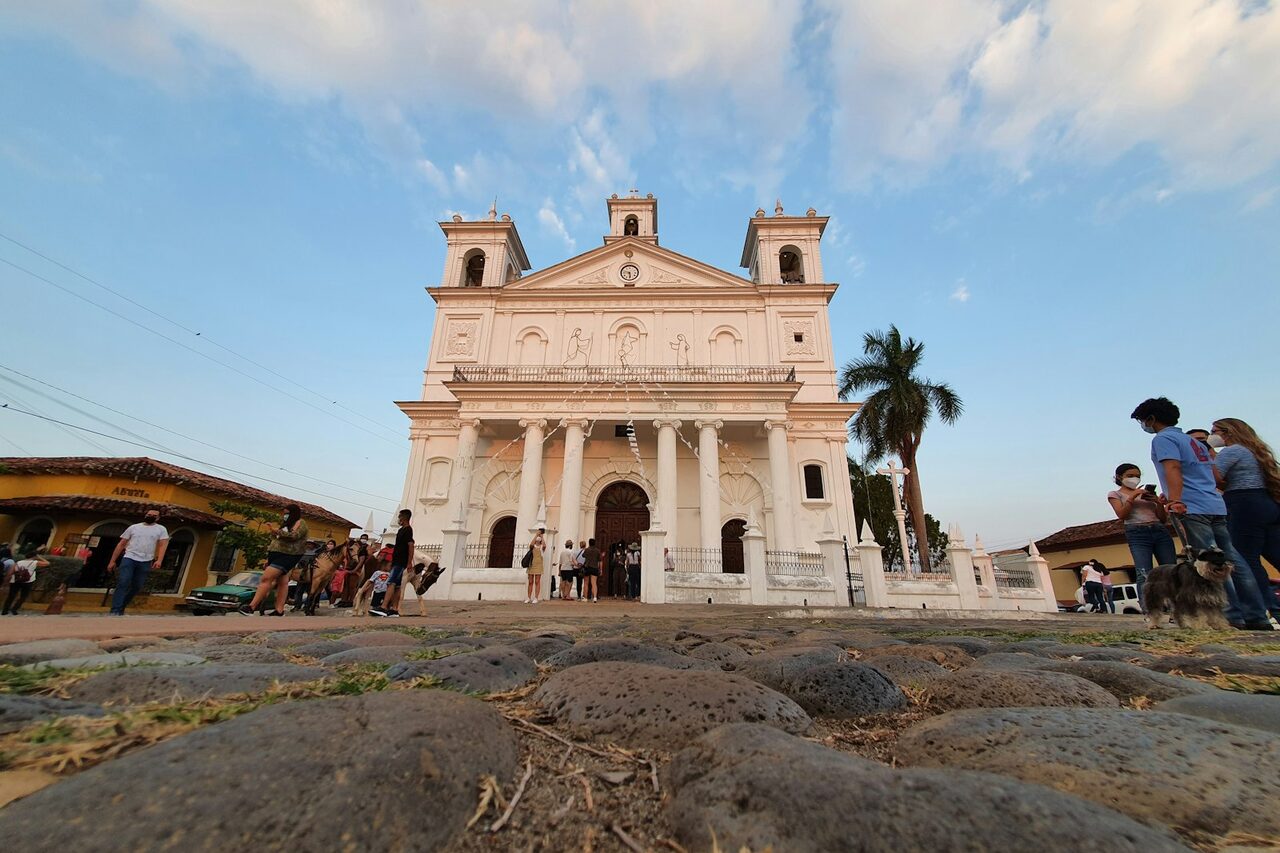
El Salvador's best-preserved colonial town: cobbled streets, a white church, lake views and a thriving arts scene.
- Best time to visit: November to April
- Daily budget (budget traveller): $35 to $65 USD
- Ideal trip length: 2 days
Suchitoto is El Salvador's cultural jewel, a hilltop colonial town of cobblestone streets, white-adobe houses and the gleaming Santa Lucía church above a wide central plaza. Overlooking Lake Suchitlan, it has reinvented itself as the country's arts capital, full of galleries, festivals and indigo workshops, while staying small and serene. As El Salvador's tourism booms on the back of a dramatic safety turnaround, Suchitoto offers the calm, characterful side of the country away from the surf beaches. Joy Plus pairs the town's art and history with the birdlife and waterfalls of the surrounding lake country.
Suchitoto sits on a ridge above the Cerrón Grande reservoir, about 45 km north of San Salvador, and it is the one place in El Salvador where the pace drops without you asking. The grid is small: cobbled streets, whitewashed adobe houses with terracotta roofs, and the twin-towered Iglesia Santa Lucía holding down the plaza. The town was nearly emptied during the civil war and came back through artists, who moved into the old houses and turned them into galleries, indigo studios and guesthouses. That history is why a town of roughly 10,000 people has a theatre, a peace-themed arts centre and a festival calendar out of proportion to its size.
The town itself takes about half a day to see. The rest is what surrounds it. Los Tercios waterfall drops over hexagonal basalt columns a short tuk-tuk ride out, the lake is a serious birdwatching wetland with herons, cormorants and, in cooler months, migratory flocks, and the forest at Cinquera sits in former guerrilla country 45 minutes east. Evenings are the other draw: pupusas on the plaza, a $2 beer on a terrace, and the sound of nothing much. Nightlife here means sitting down and talking.
This guide assumes two to four nights, a bus or transfer from San Salvador, and cash in small US bills. Everything in the centre is walkable, though the cobbles are steep and uneven, so wear proper shoes. Weekends fill with Salvadoran day-trippers and the plaza gets lively, so for the town at its best, go Tuesday to Thursday. Pair it with a day in San Salvador's historic centre or a push on to the Ruta de las Flores, and you have the calm half of El Salvador's new tourism story.
How many days in Suchitoto?
For Suchitoto, we recommend 2 days.
| Trip length | What you'll see | Itinerary |
|---|---|---|
| 2 days · Recommended | Plaza at dusk; Los Tercios and the arts quarter | Suchitoto in 2 days |
| 3 days | Adds: Lake Suchitlán by boat | Suchitoto in 3 days |
| 4 days | Adds: Cinquera forest day trip | Suchitoto in 4 days |
| 5 days | Adds: Indigo, craft and slow town | Suchitoto in 5 days |
| 7 days | Adds: Ilobasco ceramics or Cihuatán ruins | Suchitoto in 7 days |
Suchitoto itinerary
Arrive, settle, plaza at dusk
Morning: Land at SAL (Monseñor Romero airport) and take a pre-booked transfer straight to Suchitoto (about 1h45), or hop to Terminal de Oriente in San Salvador for bus 129. Drop bags and eat a late breakfast.
Afternoon: Walk the plaza and step into Iglesia Santa Lucía. Wander Calle Francisco Moran and pop into the small galleries and craft shops. Stay off the steepest cobbles in flip-flops.
Evening: Pupusas from the stalls around the plaza (revueltas and loroco-cheese are the classics), then a beer on a terrace. Early night.
Los Tercios and the arts quarter
Morning: Tuk-tuk to Los Tercios at 8am before the day-trippers. The basalt columns are best after rain. Entry is a few dollars, ask for a local guide if you want the geology and the legend.
Afternoon: Back in town, visit the Centro Arte para la Paz and the Museo Alejandro Cotto. Late almuerzo at a comedor near the market.
Evening: Sunset from a clifftop terrace bar over the lake. Dinner at Los Almendros de San Lorenzo, in a restored colonial house.
Lake Suchitlán by boat
Morning: Taxi or tuk-tuk to Puerto San Juan for the first shared boat (go early, birds are most active in the morning). Look for herons, cormorants, kingfishers and, in season, migratory flocks.
Afternoon: Fried tilapia and rice at a lakeside restaurant. Back to town for a siesta in the shade.
Evening: Slow dinner at your guesthouse, then a stroll through the quiet streets. The town is lit and almost empty after 9pm.
Cinquera forest day trip
Morning: Leave early by hired taxi or pre-arranged driver for Cinquera (about 45 minutes). Hire a local guide at the visitor centre for the forest trail and the former guerrilla camp history.
Afternoon: Lunch in Cinquera village, then walk the plaza murals. Return by mid-afternoon.
Evening: Showers, a cold Pilsener, and pupusas again. You've earned them.
Indigo, craft and slow town
Morning: Book a morning indigo (anil) workshop at a local studio such as Arte Añil. You'll dye a scarf or tote and learn the process from plant to pigment.
Afternoon: Browse the craft shops and galleries again with new eyes. Coffee and a pastry on the plaza.
Evening: Dinner at Villa Balanza or a hotel terrace for lake and sky. Pack your dyed fabric away from clothes, indigo bleeds.
Ilobasco ceramics or Cihuatán ruins
Morning: Drive or taxi to Ilobasco (about 1 hour) for its ceramics workshops and the famous sorpresas, tiny clay scenes hidden inside eggs. Or go to the Cihuatán ruins near Aguilares.
Afternoon: Lunch in Ilobasco, buy a few pieces direct from the potters, return to town by late afternoon.
Evening: Last night in town. Pupusas on the plaza and a nightcap at your hotel.
Slow morning, depart
Morning: Coffee on the plaza and a final lap past the church. Grab bread and sweets for the road.
Afternoon: Bus 129 to Terminal de Oriente in San Salvador, or a transfer to SAL. Allow 2.5 hours to the airport.
Evening: Fly out or push on to the Ruta de las Flores or the beaches of La Libertad.
Best neighbourhoods
- Centro & Parque Central: The colonial heart around the Santa Lucía church, ringed by galleries, cafes and craft shops.
- Lake Suchitlan shore: The waterfront below town, where boats depart and birdlife gathers, with restaurants overlooking the water.
- Calle Francisco Morán: A pretty cobbled street of restored houses, boutique stays and artisan studios.
- Los Tercios area: The outskirts leading to the distinctive hexagonal-columned waterfall, busiest in the rainy season.
Must-do experiences
- Santa Lucía church & plaza: Admire the white twin-towered church and soak up the calm of the town's colonial square.
- Boat trip on Lake Suchitlan: Cruise the reservoir to spot herons, cormorants and seasonal migratory birds.
- Indigo & art workshops: Try traditional añil (indigo) dyeing and browse the town's many galleries and studios.
- Los Tercios waterfall: Walk to the dramatic basalt-column falls, most impressive after rain.
- Wander the cobblestone colonial town: Suchitoto is El Salvador's best-preserved colonial town, whitewashed houses, a pretty central church and an artsy, tranquil atmosphere overlooking Lake Suchitlán.
Hidden gems
- The Centro Arte para la Paz, a cultural centre in a former convent.
- Sunset over Lake Suchitlan from a clifftop terrace bar.
- The horsetail-shaped seasonal waterfalls and quiet trails outside town.
- Local indigo cooperatives where you can dye your own scarf.
Daily budget
- Accommodation: budget $20-35 / night (simple private room, Pensión Menéndez-type guesthouse), mid-range $60-110 (boutique double with courtyard or pool), splurge $140-220 (Villa Balanza, Los Almendros de San Lorenzo). Dorms are rare. Budget travellers get private rooms with fans. Fridays and Saturdays cost 20-30% more than midweek.
- Food: budget $8-14 / day (pupusas, market comedores), mid-range $22-35 (sit-down lunch and a nice dinner), splurge $50+ (tasting-style dinner at a hotel restaurant). Pupusas are around $0.75-1.25 each, a lunch plate is $4-6. 13% IVA applies, a suggested 10% tip is often added to the bill.
- Transport: budget $3-6 / day (tuk-tuks, local bus), mid-range $10-20 (tuk-tuk tours, taxi to Cinquera), splurge $60-90 (private transfer to or from San Salvador or SAL). Bus 129 from Terminal de Oriente is under $2. Inside town, tuk-tuks run $1-3 per ride. Walk the centre.
- Activities: budget $5-12 / day (Los Tercios, free galleries and church), mid-range $25-45 (boat trip, indigo workshop), splurge $80-140 (private launch, guided Cinquera hike, driver). Shared lake boats run roughly $5-10 a head. Indigo workshops are roughly $10-25 depending on what you dye.
- Drinks & nightlife: budget $4-6 (two Pilsener beers, fresh juices), mid-range $12-20 (cocktails on a terrace), splurge $30+ (rum tasting and a hotel terrace dinner). A local beer is $1.50-2.50. The town is quiet, most places close by 10 or 11pm. Don't expect clubs.
Where to stay
- Social hostel in Centro, around Parque Central ($20-40 / night): Real dorms are rare, so go for a historic guesthouse such as Pensión Menéndez with a courtyard and shared tables. Walk to the church, the market and the best pupusa stalls.
- Boutique hotel in Calle Francisco Moran and the colonial core ($65-120 / night): Restored houses with courtyards, tiled floors and small pools. Posada de Suchitlán and similar places mix colonial charm and a quiet garden, five minutes from the plaza on foot.
- Apartment in Barrio El Calvario and the residential upper streets ($40-80 / night): A rented house or apartment with a kitchen and terrace, good for a longer stay. Quieter nights, local shops, and cheaper than the centre. Check air conditioning or fans in March and April.
- Splurge in Lake-view colonial hotels ($140-220 / night): Villa Balanza or Los Almendros de San Lorenzo: restored colonial buildings, lake views, pools and restaurants that turn dinner into the main event.
What to eat
- Pupusas, El Salvador's stuffed griddle cakes, the national dish
- Pan con pavo, a slow-roasted turkey sandwich
- Fresh lake fish, often served fried with rice and salad
- Atol de elote, a warm sweet corn drink
Day trips
- Cinquera Forest Reserve (About 45 min by road): A protected forest once used as a guerrilla stronghold, with trails, viewpoints, war relics and a village known for its murals. Hire a local guide at the visitor centre. Hired taxi or pre-arranged driver from Suchitoto, around $25-40 return. Public buses exist but are infrequent, so confirm times.
- Ilobasco (About 1 hr by road): El Salvador's ceramics town, famous for sorpresas, tiny scenes inside clay eggs, plus workshops where you can buy directly from the potters. Taxi or driver from Suchitoto, about $30-50 return, or local buses with a change. Go on a weekday when workshops are open.
- Cihuatán ruins and Aguilares (About 1 hr by road): A large post-classic archaeological site with temples, ball court and plazas, linked to Aguilares and the memory of Father Rutilio Grande. Driver or taxi from Suchitoto, around $30-50 return. Check opening hours with your guesthouse before going.
When to visit
- Dry season peak (December - February): 22-31°C, sunny, cool mornings and evenings, almost no rain. Crowds: High on weekends and around Christmas and New Year. Best weather and migratory birds on the lake. Book rooms ahead for holiday weekends.
- Hot dry season (March - April): 26-36°C, dry, hazy, hot by midday. Crowds: Spikes in Semana Santa, calm otherwise. Do outdoor things at 7am, siesta at noon. Los Tercios is thin on water. Semana Santa is lively but fully booked.
- Green season (May - October): 22-30°C, humid, afternoon downpours, heaviest Sept-Oct. Crowds: Low. Lush hills and the best Los Tercios flow. Plan mornings outside, afternoons in a gallery. Cheapest rooms.
- Shoulder (November): 21-30°C, rains tapering, green hills. Crowds: Low to moderate. The sweet spot. Everything is green, skies clear, prices still low, and the birds begin arriving.
Entry rules for your passport
Visa rules for El Salvador depend on the passport you travel on. Check the official source before you book: El Salvador Ministry of Foreign Affairs
Getting there
Fly into Monseñor Óscar Arnulfo Romero International Airport (SAL), about 45 km south of San Salvador and roughly 1h45 from Suchitoto. A pre-booked transfer straight to town costs about $60-90 and is the easiest option after a long flight. The budget route is a taxi or shuttle to San Salvador's Terminal de Oriente, then bus 129 to Suchitoto, around $1.50-2 and 1.5 to 2 hours. Buses run roughly every 30 to 45 minutes from the early morning until late afternoon, so check the last return before a day trip. Uber works in San Salvador and is cheaper than taxis for the Terminal de Oriente leg. Within the region, a rental car gives you Cinquera and Ilobasco on your own schedule, but it is not needed for Suchitoto itself.
Getting around
Suchitoto is tiny and made for walking, though its cobbled streets are steep and uneven, so wear sturdy shoes. Tuk-tuks (mototaxis) buzz around for a dollar or two and reach the lake and Los Tercios. From San Salvador it's about a 90-minute drive or a direct bus; renting a car or a private transfer gives the most flexibility for the surrounding area.
Safety
Suchitoto is calm and tourist-friendly, and El Salvador's overall security has improved dramatically in recent years. Use normal precautions: watch your step on cobbles, carry water in the heat and keep valuables discreet. For day trips and the waterfall, go in daylight and consider a local guide. Check current travel advice before visiting, and stick to bottled water.
Solo travel tips
- Stay midweek: Tuesday to Thursday the plaza belongs to locals and a handful of travellers. Weekends bring Salvadoran families and prices rise. Solo travellers get better rooms and more conversation midweek.
- Eat at the plaza stalls: Order two pupusas at a time and sit at the shared tables. You'll be talking to someone in minutes. Say 'revuelta' for pork and cheese and 'loroco' for the edible-flower version.
- Guesthouses are the social scene: True hostels are scarce, so pick a small guesthouse with a courtyard or terrace (Pensión Menéndez style). Breakfast tables are where solo travellers swap tips and share boat or tuk-tuk costs.
- Share the boat and the waterfall: Boats are priced per boat or per head depending on the operator, so ask your guesthouse to gather a group. The same goes for tuk-tuks to Los Tercios and taxis to Cinquera.
- Solo female travellers: Suchitoto is calm and well-watched, and local women use the plaza at night. Standard rules apply: use a registered taxi after dark, tell your guesthouse where you're going, and hike Cinquera or Los Tercios with a guide in daylight.
- Find your tribe at a workshop: Indigo dyeing and ceramics workshops are small group affairs, and the instructors love explaining the town's story. It's the easiest way to meet other travellers and local artists in a single morning.
Cultural etiquette
- Greet people. A quick 'buenos días' or 'buenas tardes' when entering shops, restaurants and guesthouses is expected and warms every interaction.
- Pupusas are eaten with your hands, topped with curtido (pickled cabbage) and tomato salsa. Don't ask for a fork.
- Tipping: 10% is suggested and often listed on the bill as propina sugerida. Check before adding more. Round up for tuk-tuks and small services.
- Dress modestly in churches and towns. Cover shoulders and avoid beachwear on the plaza and at Iglesia Santa Lucía.
- Ask before photographing people, especially vendors and indigo workers. Many are happy to pose, some aren't.
- The civil war is recent history. Visit Cinquera and the arts centre with respect, listen more than you speak, and let guides set the tone.
- Ask before swimming or wading in the lake or at Los Tercios. Currents and slippery rocks are real hazards, and local guides know where it's safe.
Frequently asked questions
How many days do you need in Suchitoto?
One full day covers the town's church, galleries and viewpoints, but two days lets you add a Lake Suchitlan boat trip, an indigo workshop and the Los Tercios waterfall at a relaxed pace.
Is Suchitoto safe for tourists?
Yes, Suchitoto is one of El Salvador's calmest, most visitor-friendly towns, and the country's security has improved markedly in recent years. Use standard precautions, keep valuables discreet and do day trips in daylight.
When is the best time to visit Suchitoto?
The dry season from November to April offers the most comfortable, sunny weather. The rainy season (May to October) is greener and best for the Los Tercios waterfall, though afternoon storms are common.
Do I need a visa to visit El Salvador?
Citizens of the EU, UK, US, Canada and Australia can enter El Salvador visa-free as tourists for up to 90 days, shared across Guatemala, El Salvador, Honduras and Nicaragua under the CA-4 agreement. Confirm current requirements before you travel.
How do I get to Suchitoto from San Salvador?
It's about 90 minutes by road. You can drive, take a private transfer, or catch a direct public bus from San Salvador. Having a car or driver helps if you want to explore the lake and waterfall around town.
What is Suchitoto known for?
It's El Salvador's best-preserved colonial town and arts capital, famous for its white Santa Lucía church, cobblestone streets, indigo (añil) dyeing tradition, lakeside birdwatching and a busy calendar of cultural festivals.
Is Suchitoto expensive to visit?
It's affordable, around $35 to $65 a day. Pupusas and local meals cost very little, guesthouses are reasonable, and the main extras are boat trips, workshops and guided tours.
Is Suchitoto worth visiting?
Yes, it's the cultural and artistic heart of El Salvador, a peaceful, beautiful colonial town with cobbled streets, lake views, festivals and galleries. A lovely slow-travel stop.
Is El Salvador safe to visit now?
Tourist areas like Suchitoto, the coast and the capital's main districts have become much safer in recent years. Use normal travel caution and check current advice before you go.
Tours and activities in Suchitoto | Suchitoto in 2 days | Suchitoto in 3 days | Suchitoto in 4 days | Suchitoto in 5 days | Suchitoto in 7 days
Joy Plus home | Destinations | Itineraries | Activities | Flights | Budget planner | Calendar | Map | Blog | Lifetime access