Destinations / Africa
Swakopmund, Namibia travel guide
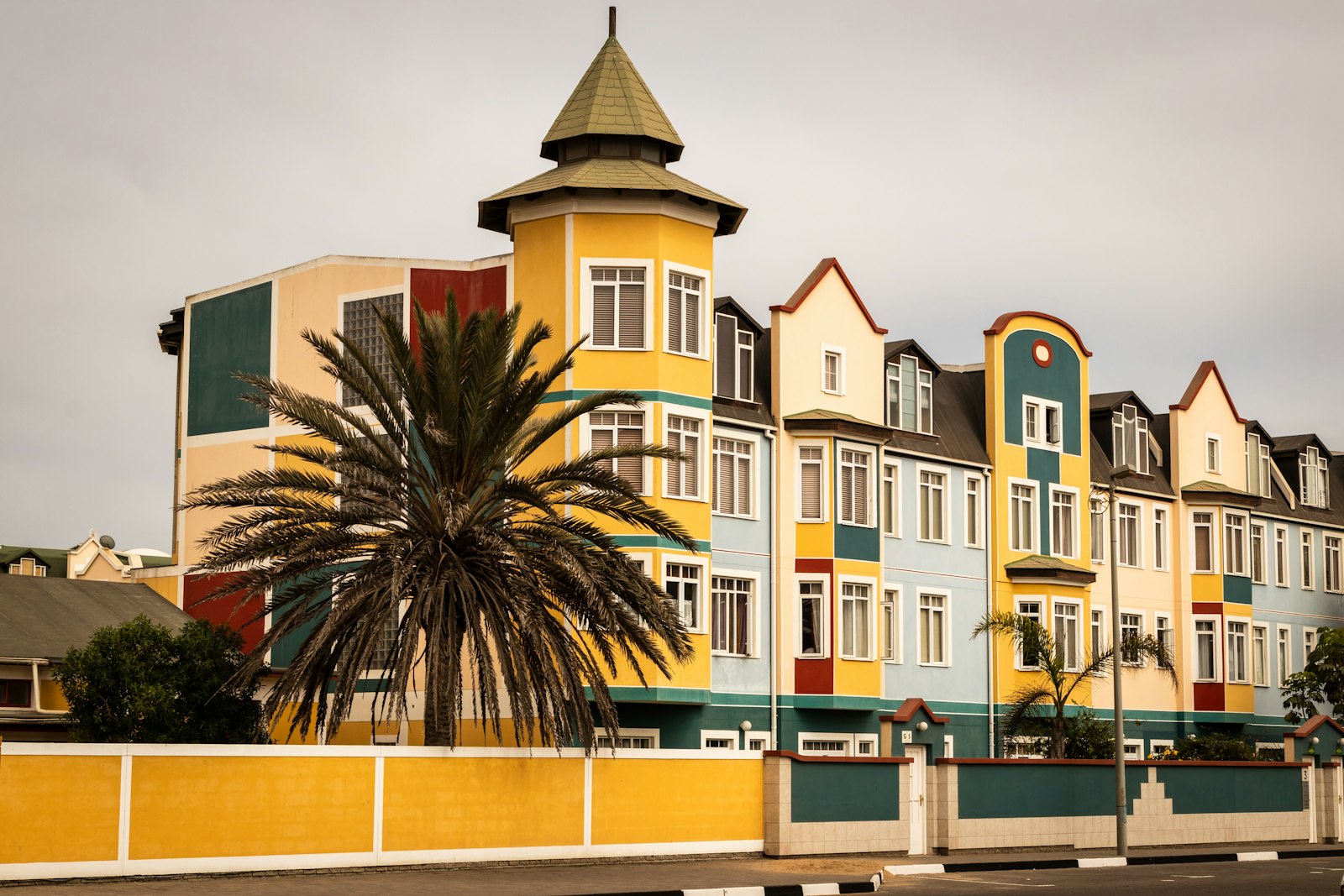
A cool, foggy German-era seaside town where the Namib dunes meet the Atlantic, with sandboarding in the morning, seals and flamingos down the coast and Black Forest cake by the beach.
- Best time to visit: October to April
- Daily budget (budget traveller): $60 to $220 USD
- Ideal trip length: 4 to 7 days
Swakopmund is Namibia's main seaside town, about 360km west of Windhoek on a good tar road. The Germans founded it in the 1890s, and it still shows. You will see half-timbered houses, a lighthouse, bakeries selling Apfelstrudel and street signs in several languages. On one side is the cold Atlantic. On the other is the Namib, with a belt of dunes that starts just south of the Swakop River. Most travellers come to cool off after the heat inland and to book the adventure trips Swakop is known for: sandboarding, quad biking, the Living Desert tour, the 4x4 drive to Sandwich Harbour and catamaran cruises from Walvis Bay. It suits solo travellers well. The centre is compact and walkable, there are good backpacker hostels, and tour operators collect you from your door. Expect morning fog, chilly evenings and a slower pace. Namibia is not a budget destination once you add tours and park fees. Still, a dorm bed, self-catering and one or two well-chosen trips keep costs under control.
Swakopmund was founded in 1892 as the main harbour of German South West Africa. That past is everywhere in the old town: the lighthouse, the Woermannhaus, the old railway station that is now a hotel, and bakeries that still sell Brötchen in the morning. It is also where Namibians go on holiday, so in December the town fills up with families from inland escaping the heat. For travellers, Swakop is the adventure base of the coast. The dune belt starts on the edge of town, the Skeleton Coast runs north and Walvis Bay's lagoon and harbour are 35km south. Solo travellers do well here. Hostels are sociable, tours are easy to join alone and most operators pick you up and drop you back.
Getting here is straightforward. Shared shuttles from Windhoek take about four to five hours and cost roughly N$350-600. Intercape buses run a few times a week, and Airlink flies daily into Walvis Bay from Cape Town and Johannesburg. Base yourself in the old town if you do not have a car, so the beachfront, cafés and tour offices are all a short walk away. Book the Living Desert tour early in your stay, because it sets up everything else you will see in the dunes. Plan Sandwich Harbour and the catamaran for a calm day, and keep Cape Cross and the inland trips for days when you have a car or a tour booked. Remember that park fees rose to N$280 per person per day for international visitors in April 2026.
The weather here is not what most people expect from Africa. The cold Benguela current brings fog most mornings, and it often hangs on until late morning. Summer is mild rather than hot, and winter evenings need a fleece. The exception is the east wind, which blows off the desert mostly between April and July and can push temperatures past 30°C, with sand in everything. Many shops close at lunchtime on Saturdays and stay shut on Sundays, so plan museums and errands around that. English is widely spoken, along with Afrikaans, German, Oshiwambo and other local languages. Swakop is quiet at night by city standards, but between the brewery pubs and hostel bars there is enough to keep a solo traveller company.
Swakopmund itinerary
Arrive and walk the old town
Morning: Take the morning shuttle from Windhoek, or fly into Walvis Bay and transfer to town (about 40 minutes). Watch the desert turn to fog as you near the coast.
Afternoon: Check in to a hostel in the old town. Walk past the Woermannhaus, the old railway station and the lighthouse, then browse the craft market nearby.
Evening: Walk to the end of the Jetty for sunset, then have dinner at The Tug or a cheaper plate in the centre. Book tomorrow's Living Desert tour if you have not already.
The Living Desert and a museum afternoon
Morning: Living Desert tour with pickup around 8am (about N$900-1,000). Look for chameleons, geckos and sidewinders in the dune belt with your guide.
Afternoon: Back in town for lunch around 1pm. Spend an hour at Swakopmund Museum by the lighthouse, then the Kristall Galerie (Monday to Saturday, 9am to 5pm).
Evening: Coffee and Black Forest cake at Café Anton, then a beer and an early dinner at Swakopmund Brauhaus.
Walvis Bay cruise and Sandwich Harbour
Morning: Take the combined tour transfer to the Walvis Bay waterfront for a catamaran cruise. Seals may hop on board near Pelican Point, and oysters are often served.
Afternoon: Join the 4x4 drive along the beach and over the dunes to Sandwich Harbour. Combos are around N$3,950, including park fees and lunch. Confirm what your price covers.
Evening: Return to Swakop, tired and sandy. Cook a cheap dinner in the hostel kitchen and swap stories with other guests.
Sandboarding and Mondesa
Morning: Half-day sandboarding in the dune belt south of the Swakop River. Choose lie-down boards if you are new to it. Add a quad bike session if your budget allows.
Afternoon: Shower and rest, then join a guided Mondesa township tour that includes a visit to a local home and lunch or a tasting at a local restaurant.
Evening: An easy evening on the beachfront at the Mole. Take a taxi home if it is late.
Skeleton Coast and Cape Cross
Morning: Drive or take a tour north on the C34 salt road. Stop at the Zeila shipwreck south of Henties Bay, and drive slowly in the fog.
Afternoon: Spend an hour or so at the Cape Cross seal colony (N$280 per person plus a vehicle fee). Stay behind the barriers, as bulls move fast.
Evening: Back in Swakop by late afternoon. Dinner of kingklip at a seafood place in the centre.
Moon Landscape and Welwitschia Drive
Morning: Get the park permit in town first, as the office keeps only morning hours at weekends. Then drive inland on the C28 to the Moon Landscape viewpoint above the Swakop River valley.
Afternoon: Follow the numbered markers of the Welwitschia Drive to the giant welwitschia plant, which is thought to be well over 1,000 years old. Carry water and food, because there are no facilities.
Evening: A farewell meal in the old town. Pack and confirm your shuttle or flight.
Dune 7 and depart
Morning: Head south to Dune 7, one of the tallest dunes in the area, near Walvis Bay. Climb early before the heat and wind arrive. There is a small fee at the picnic area.
Afternoon: Watch the flamingos on the Walvis Bay lagoon esplanade, then go to Walvis Bay airport or catch the afternoon shuttle back to Windhoek.
Evening: Connect onwards, or spend a night in Windhoek before an international flight.
Best neighbourhoods
- Old town centre: The grid of streets around Sam Nujoma Avenue and Tobias Hainyeko Street. Colonial buildings, cafés, banks, the Kristall Galerie, tour offices and most backpacker hostels are within a few blocks. It is the easiest base if you do not have a car.
- Beachfront and the Mole: The promenade from the Mole down past the lighthouse and museum to the Jetty. It has sea views, the craft market, a handful of restaurants and the town's smartest hotels. It is busy by day and quiet by night.
- Vineta: A residential suburb north of the centre, about 10 to 20 minutes' walk from town. Self-catering flats and guesthouses sit near the long beaches here. It is calm and good value if you want a kitchen, but you will need taxis after dark.
- Mondesa: The township on the eastern side of town, created under apartheid-era planning. Most visitors come on a guided cultural tour with lunch at a local restaurant rather than staying. It shows a side of Swakop the old town does not.
- Long Beach (Langstrand): A holiday strip halfway between Swakopmund and Walvis Bay, with Dune 7 and the dune belt behind it. It is quiet outside Namibian school holidays and suits travellers with a hire car.
Must-do experiences
- Take a Living Desert tour: A guide drives you into the dunes of Dorob National Park to find the 'little five', such as the Namaqua chameleon, sidewinder adders and dancing white lady spiders. Tours run about four to five hours and cost roughly N$900-1,000, with park access usually included.
- Ride a 4x4 to Sandwich Harbour: Huge dunes drop straight into the Atlantic south of Walvis Bay. Half-day tours drive along the beach at low tide and over the dunes, often with oysters and bubbly. They are expensive, but this is the trip people remember.
- Go sandboarding in the dune belt: Lie-down boards are the easy option. Stand-up boarding is for those who can already snowboard or skateboard. Half-day trips leave from town, and some operators combine boarding with a quad bike session.
- Join a catamaran cruise in Walvis Bay: Morning cruises pass Pelican Point, where seals often climb aboard. You may see dolphins, pelicans and, in season, whales. Combine it with Sandwich Harbour on the same day to save on transfers.
- See the seals at Cape Cross: Up to around 200,000 Cape fur seals crowd the rocks about 120km north on the salt road. It is loud and very smelly, and well worth it. International visitors now pay N$280 per person plus a vehicle fee.
- Walk the Jetty and the Mole at sunset: The Jetty pushes out into the surf from the end of the promenade. Walk to the end, then stroll north past the lighthouse to the Mole beach. Fog often lifts in the late afternoon.
- Spend a foggy morning in the museums: Swakopmund Museum by the lighthouse covers natural history, local peoples and the colonial era, including its dark side. The Kristall Galerie nearby holds a huge quartz cluster. Both have small entry fees.
Hidden gems
- The craft market near the lighthouse, where Herero women sell handmade dolls in traditional Victorian-style dress. Haggle gently and pay cash
- The 'Martin Luther' steam traction engine, a stranded 1890s machine on the B2 just east of town with a small museum shelter
- The Swakop River mouth at low tide, a free and quiet spot for birdwatching and a walk along the dry riverbed
- The Walvis Bay lagoon esplanade, where flamingos feed a few metres from the path for free, best on a calm morning
- An early walk on the Mole beach, the only sheltered swimming spot in town, before the wind gets up
Daily budget
- Accommodation: budget N$250-450 / night (hostel dorm), mid-range N$1,000-2,200 (guesthouse or small hotel), splurge N$3,500+ (beachfront hotel on the Mole). Private rooms in hostels cost roughly N$600-900. Self-catering flats in Vineta are good value for stays of a week. Book well ahead for December and Easter.
- Food: budget N$200-350 / day (self-catering, bakery breakfasts, takeaways), mid-range N$450-750 (café lunch and a seafood dinner), splurge N$1,000+ (oysters, wine and a long dinner at the Jetty). Supermarkets in town are well stocked, so hostel kitchens save a lot. Mains at sit-down restaurants are often around N$150-300. Prices are rough guides.
- Transport: budget N$0-100 / day (walking and short taxi rides), mid-range N$700-1,200 (compact hire car plus fuel), splurge N$2,000+ (private transfers or a 4x4). The shuttle from Windhoek costs roughly N$350-600 each way. Most tours include pickup in Swakopmund. Never drive an ordinary hire car onto the dunes.
- Activities: budget N$50-300 / day (museums, Jetty, beaches, one tour spread across the trip), mid-range N$900-1,700 (Living Desert tour, sandboarding or catamaran cruise), splurge N$2,500-4,000 (Sandwich Harbour or a cruise and 4x4 combo). Living Desert tours are around N$900-1,000. Sandwich Harbour half days are often about US$140-180. One full-day cruise and Sandwich Harbour combo lists N$3,950. Park fees are N$280 per person per day if not included.
- Drinks & nightlife: budget N$50-120 (supermarket beer at the hostel), mid-range N$200-400 (pints at a brewery pub), splurge N$600+ (sundowners and wine at a beachfront restaurant). Local lagers are cheap and good. Nightlife means pubs, hostel bars and the odd live band. The town is quieter on Sundays.
Where to stay
- Social hostel in Old town centre (N$250-450 / night (dorm)): Desert Sky Backpackers is a long-running hostel a short walk from the beach and restaurants. It has a kitchen, a lounge and a steady stream of overlanders and solo travellers.
- Boutique hotel in Old town centre, near the beach (N$1,800-2,800 / night): The Delight Swakopmund is a bright, modern small hotel a few minutes from the beachfront. It is known for its generous breakfast, and it is easy to walk everywhere from here.
- Apartment in Vineta (N$800-1,500 / night): Self-catering flats and guesthouse units in Vineta are close to the northern beaches and are good value for longer stays. Cook your own meals and take a taxi into town in the evening.
- Splurge in The Mole (N$3,500-6,000+ / night): Strand Hotel Swakopmund sits right on the Mole beach, with sea views, several restaurants and the lighthouse and museum a short stroll away.
What to eat
- Kingklip: firm white fish from the Benguela current, grilled with lemon butter at most seafood places in town
- Walvis Bay oysters: farmed in the cold Atlantic and served raw by the dozen on catamaran cruises and at The Tug by the Jetty
- Apfelstrudel and Black Forest cake: German-style coffee and cake at Café Anton or one of the town's old bakeries
- Eisbein and game steaks: hearty German and Namibian plates at Swakopmund Brauhaus in the old town
- Kapana: grilled street beef cut into pieces and dipped in spicy salt, often found in Mondesa on a guided township tour
- Biltong and droëwors: dried, spiced meat sold everywhere, and good for long drives to Cape Cross or Spitzkoppe
Day trips
- Sandwich Harbour (About 90km south via Walvis Bay, roughly an hour and a half by 4x4 from Swakopmund): Tall dunes plunge into the Atlantic beside a lagoon full of birds. The drive along the beach at low tide and over the dunes is the highlight, and many trips stop for oysters and snacks. Book a 4x4 tour from Walvis Bay. Half days are often around US$140-180, and catamaran combos cost more. Tours are tide-dependent and usually include Namib-Naukluft park fees, but check. Do not try it in a hire car.
- Cape Cross and the Skeleton Coast (About 120km north on the C34 salt road, around 1.5 hours each way): One of the world's largest Cape fur seal colonies sits next to a replica of the stone cross that Portuguese sailor Diogo Cão raised in 1486. On the way, stop at the Zeila shipwreck and Henties Bay. Self-drive on the salt road, slowly in fog, or join a half-day tour from Swakopmund. Entry is N$280 per international visitor plus a vehicle fee, payable at the gate.
- Spitzkoppe (About 150km inland, around 2 hours by road): Granite peaks rise sharply out of the desert plains, with rock arches, Bushman rock paintings and wide views. It is a full day, or an overnight stay if you camp. Hire a car, ideally shared through your hostel, or book a day tour. The last stretch is gravel. Pay the community-run entry fee at the gate, and carry plenty of water and fuel.
When to visit
- Summer (December - February): 17-25°C, fog in the mornings, sunnier afternoons. Crowds: Very busy over Christmas and New Year with Namibian holidaymakers. The warmest and most social time, with seal pups at Cape Cross early in the season. Book beds and tours well ahead for late December.
- Autumn (March - May): 15-24°C, some clear days, the first east wind days. Crowds: Moderate, with an Easter bump. A good balance. The crowds have gone and the light is lovely. An east wind day may bring heat and blowing sand, so keep plans flexible.
- Winter (June - August): 10-20°C, often foggy, cold nights, occasional hot east wind days. Crowds: Moderate, busier in July and August with European visitors. Fine for tours and a welcome break from the cold inland nights, but pack warm layers. Sandstorms can cancel or shorten dune trips.
- Spring (September - November): 13-22°C, steadily clearer and windier in the afternoons. Crowds: Moderate. The locals' pick for value. Whales may still be around Walvis Bay early in the season, and the seal pupping season starts in late November.
Getting there
Most travellers arrive from Windhoek. Hosea Kutako International Airport is about 45 minutes east of the capital, and Swakopmund is about 360km further west on the B2 tar road via Okahandja and Karibib. Shared shuttles such as Welwitschia Shuttle and Town Hoppers run daily, collecting you from Windhoek accommodation and dropping you at your door in Swakop. Expect about four to five hours and roughly N$350-600 one way, and book at least a day ahead. Intercape long-distance buses also stop in Swakopmund a few times a week. Private transfers cost much more, often several thousand Namibian dollars per vehicle. If you are coming from South Africa, Airlink flies daily to Walvis Bay (WVB) from Cape Town and Johannesburg, and one-way fares often start around N$3,000-4,300. Flights from Windhoek to Walvis Bay exist but are usually pricey. Walvis Bay airport is about 40 minutes by road from Swakopmund, so pre-book a transfer. Since April 2025 many nationalities, including UK, US and most EU citizens, need a Namibian visa, available online or on arrival.
Getting around
The old town and beachfront are flat and easy to walk in a day. Tours almost always include pickup from your accommodation, so many solo travellers manage without a car. Taxis are cheap for short trips but vary in quality. Ask your hostel or hotel to call a trusted driver instead of flagging one down, especially at night, and agree the fare first. Walvis Bay is about 35km south. Shared taxis and minibuses run between the two towns, or you can join a tour that includes the transfer. A hire car makes Cape Cross, the Moon Landscape and Spitzkoppe much easier, and rental firms work from both towns and Walvis Bay airport. Traffic drives on the left. The C34 coast road north is a salt road that turns slippery in fog, so drive slowly. Never take an ordinary car onto the dunes or the beach to Sandwich Harbour, as that route needs a 4x4 and real experience.
Safety
Swakopmund is one of Namibia's more relaxed towns, but petty crime does happen. Keep your phone out of sight, never leave anything visible in a parked car and use ATMs inside banks or shopping centres during the day. Do not walk alone on the beach or through quiet streets after dark, and take a taxi home at night. Visit Mondesa with a local guide. The Atlantic here is cold, with strong currents and rip tides, so only swim at the Mole beach and never alone. On the roads, fog and salt surfaces cause crashes, and long stretches have no phone signal, so carry water and tell someone your route. In the dunes, follow your guide and wear a helmet on quad bikes. East wind days, mostly from April to July, can bring sandstorms and sudden heat. Get travel insurance that covers adventure activities.
Solo travel tips
- Stay in an old town hostel: Desert Sky Backpackers and similar places are within walking distance of cafés, the beach and tour offices. Their notice boards and bars are the easiest way to find people to share a hire car or a tour.
- Book tours through your hostel: Hostels and hotels book the main operators every day and know which ones run reliably. Tours often need a minimum of two people to depart, so a group booking helps solo travellers.
- Plan around fog and wind: Fog usually lifts by late morning. Keep museums and coffee for grey starts, and leave a spare day for when an east wind sandstorm cancels a dune trip.
- Share a car for the long drives: Cape Cross, Spitzkoppe and the Welwitschia Drive are far cheaper with a shared hire car than on a private tour. Ask at your hostel, and agree on fuel and park fees up front.
- Safety for solo travellers: Use taxis arranged by your accommodation at night, keep your phone out of sight, leave nothing in parked cars and only swim at the Mole. Tell someone your route before driving the empty coast roads.
- Carry layers everywhere: A morning in the fog can feel like 12°C, and the dunes at midday can be 30°C. A fleece, a windproof jacket and sunscreen belong in your daypack every day.
Cultural etiquette
- Greet people before asking a question. A simple 'Good morning, how are you?' matters a lot in Namibia, and skipping it comes across as rude.
- Ask before photographing people, especially Herero women in traditional dress at the craft market. Many will expect a small payment or a purchase.
- Swakopmund's German colonial history includes the genocide of the Herero and Nama peoples from 1904 to 1908. Be respectful at memorials and avoid treating the colonial past as quaint.
- On township tours, go with a local guide, follow their lead on photos and treat homes you visit as you would anyone's private space.
- Dress casually but cover up in the town centre. Swimwear is for the beach.
- Tip guides and drivers on tours. Around 10% is normal in restaurants if service is not included.
- Stay on marked tracks in the desert. Lichen fields and gravel plains take decades to recover from tyre tracks.
Frequently asked questions
How do I get to Swakopmund from Windhoek?
Shared shuttles such as Welwitschia Shuttle and Town Hoppers run daily, pick up from Windhoek accommodation and drop off in Swakopmund. The trip takes about four to five hours, and shuttles cost roughly N$350-600 one way. Book at least a day ahead. Intercape long-distance buses also stop in Swakopmund a few times a week. The road is about 360km of good tar if you are driving yourself.
Can I fly to Swakopmund?
The nearest airport is Walvis Bay (WVB), about 40 minutes' drive away. Airlink flies there daily from Cape Town and Johannesburg, with one-way fares often starting around N$3,000-4,300. Flights from Windhoek exist but are often expensive, so the shuttle usually makes more sense. Pre-book an airport transfer, as taxis do not wait for every flight.
How many days do I need in Swakopmund?
Three days covers a Living Desert tour, Sandwich Harbour and a walk around town. Five days adds sandboarding, a Walvis Bay cruise and Cape Cross. A week lets you add the Moon Landscape, the Welwitschia Drive and Spitzkoppe, and leaves room for a foggy or windy day.
When is the best time to visit Swakopmund?
October to April is generally the warmest and clearest, with summer days around 17-25°C. December and January are busy with Namibian holidaymakers, so book early. June to August is cool and often foggy, and east wind days from April to July can bring hot, sandy weather. Seal pups are born at Cape Cross from late November into December.
How much are park fees in 2026?
Namibia raised its park entry fees on 1 April 2026. International visitors now pay N$280 per person per day in the top-tier parks, including Dorob, Namib-Naukluft, the Skeleton Coast and Cape Cross, plus a vehicle fee. Many tours include these fees, so check what your price covers.
Is Swakopmund safe for solo female travellers?
Generally yes. The centre is busy by day, hostels are social, and tour operators collect you from your door. Use common sense. Take taxis arranged by your accommodation at night, avoid empty beaches after dark and do not leave bags in cars. Book township visits through a guide.
Do I need a visa for Namibia in 2026?
Since April 2025, Namibia has required visas from many nationalities that used to enter visa-free, including UK, US and most EU citizens. Visas are available online in advance or on arrival, and the fee has been around N$1,600. Your passport should have at least six months' validity and blank pages. Rules change, so check the official Namibian immigration website and your government's travel advice before you book.
Can I use South African rand in Swakopmund?
Yes. The Namibian dollar is pegged one to one with the rand, and rand notes are accepted everywhere. You will get change in Namibian dollars, which you cannot easily spend or exchange outside Namibia, so use them up before you leave.
Tours and activities in Swakopmund | Swakopmund in 2 days | Swakopmund in 3 days | Swakopmund in 4 days | Swakopmund in 5 days | Swakopmund in 7 days
Joy Plus home | Destinations | Itineraries | Activities | Flights | Budget planner | Calendar | Map | Blog | Lifetime access