Destinations / Oceania
Tahiti, French Polynesia travel guide
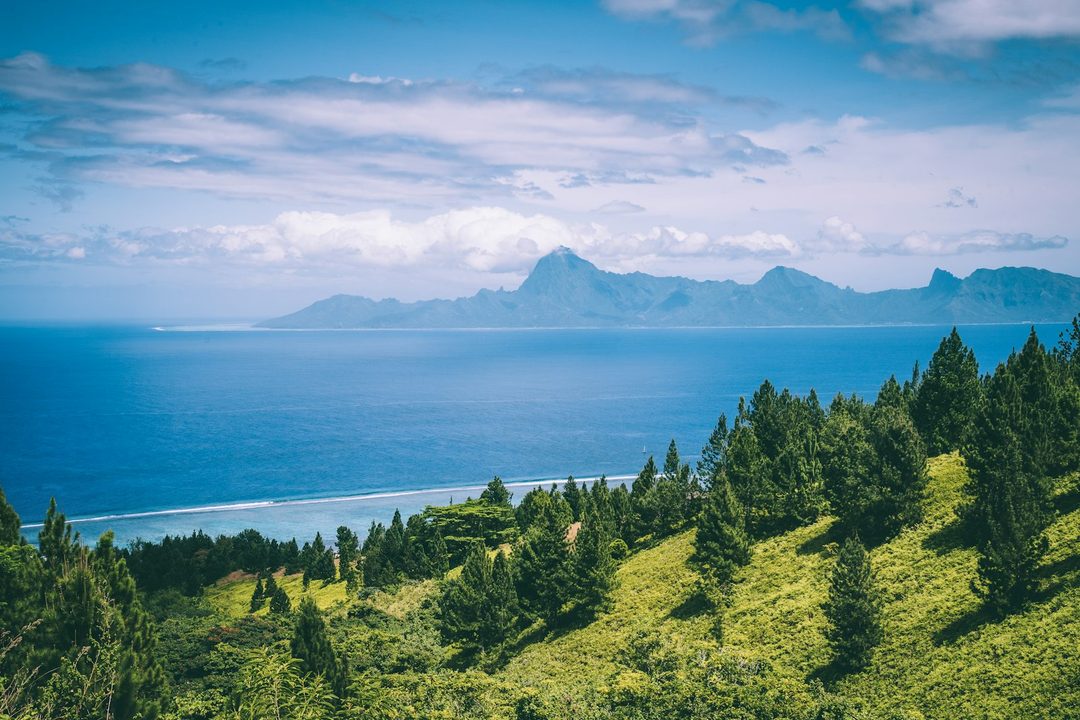
A lush volcanic heart of the South Pacific: vibrant markets, dramatic black sand beaches, and world-class surf.
- Best time to visit: May to October
- Daily budget (budget traveller): $110 to $320 USD
- Ideal trip length: 4 to 5 days
Serving as the primary gateway to French Polynesia, Tahiti is often unfairly treated as a mere layover en route to Bora Bora. Yet this towering volcanic island pulses with a rugged, authentic energy that rewards the solo traveller willing to explore beyond the airport. The capital, Papeete, is a bustling hub where French colonial influence meets deep-rooted Polynesian culture, best experienced at the vibrant municipal market or the lively waterfront food trucks. Beyond the city limits, Tahiti reveals dramatic black sand beaches, lush mountainous interiors laced with waterfalls, and the legendary surf break of Teahupo'o. For those travelling alone, Tahiti offers a surprisingly accessible slice of the South Pacific, complete with reliable public buses, welcoming local guesthouses, and a laid-back rhythm that invites you to slow down and immerse yourself in the mana of the islands.
Serving as the primary gateway to French Polynesia, Tahiti is often unfairly treated as a mere layover en route to the famous overwater bungalows of Bora Bora. Yet this towering volcanic island pulses with a rugged, authentic energy that rewards the solo traveller willing to explore beyond the airport. The capital, Papeete, is a bustling hub where French colonial influence meets deep-rooted Polynesian culture. Here, the scent of tiare flowers mingles with freshly baked baguettes, and the vibrant municipal market offers a daily masterclass in island life.
For the solo traveller, Tahiti provides an immensely rewarding and surprisingly accessible slice of the South Pacific. While the luxury resorts cater heavily to honeymooners, the island also hosts a network of family-run pensions and guesthouses that offer a more intimate and budget-friendly experience. You can spend your morning hiking through dense, waterfall-laced jungles, enjoy a hearty lunch of raw tuna marinated in coconut milk, and spend the afternoon watching world-class surfers tackle the legendary waves at Teahupo'o.
Beyond the immediate city limits, the island is divided into the larger Tahiti Nui and the smaller, wilder peninsula of Tahiti Iti. A drive around the coastal road reveals dramatic black sand beaches, ancient open-air temples known as marae, and sweeping viewpoints over the Pacific Ocean. Whether you are navigating the local bus network to reach a secluded botanical garden or catching the quick ferry across the channel to the jagged peaks of Moorea, Tahiti promises a deeply authentic and culturally rich tropical escape.
Tahiti itinerary
Arrival and the Capital
Morning: Arrive at Faa'a Airport, drop your bags, and head straight to the Marché de Papeete to soak in the vibrant colours and tropical scents.
Afternoon: Stroll along the Papeete waterfront, visit the Pearl Museum, and hunt for vibrant street art murals in the city centre.
Evening: Head to Place Vaiete to eat at Les Roulottes. Try the classic poisson cru and soak up the lively local atmosphere.
The East Coast and Waterfalls
Morning: Rent a scooter or take the bus along the rugged east coast. Stop at the Arahoho Blowhole to watch the ocean spray.
Afternoon: Take a short hike to the impressive Faarumai Waterfalls, then relax on the historic black sands of Point Venus.
Evening: Return to Papeete for a casual dinner at a local brasserie, enjoying a cold Hinano beer.
Day Trip to Moorea
Morning: Catch the early Aremiti ferry to Moorea. Rent a scooter at the dock and ride up to the Belvedere Lookout for breathtaking twin-bay views.
Afternoon: Relax on the white sands of Temae Beach or snorkel in the crystal-clear lagoon to spot rays and reef sharks.
Evening: Catch the late afternoon ferry back to Tahiti and enjoy a quiet dinner near the ferry terminal.
West Coast and Ancient Temples
Morning: Head down the sunny west coast to visit the Museum of Tahiti and the Islands to learn about Polynesian history and culture.
Afternoon: Explore the beautifully restored Marae Arahurahu, an ancient open-air temple set against a backdrop of lush green mountains.
Evening: Watch the sunset over Moorea from a beachside bar in Punaauia, enjoying a tropical cocktail.
Journey to Tahiti Iti
Morning: Drive down to the southern peninsula, Tahiti Iti. Stop at the Belvedere de Taravao for panoramic views of the island's isthmus.
Afternoon: Reach the end of the road at Teahupo'o. Take a water taxi out to the reef to witness the world-famous, heavy surf break.
Evening: Dine at a local pension in Tahiti Iti, enjoying fresh seafood caught that very day.
Botanical Gardens and Caves
Morning: Visit the Water Gardens of Vaipahi, strolling among the lily ponds and taking a short hike up the hillside trails.
Afternoon: Explore the Maraa Grotto, a series of fern-draped caves filled with cool, clear water just off the main coastal road.
Evening: Head back towards Papeete and treat yourself to a dinner blending French culinary techniques with Polynesian ingredients.
Souvenirs and Departure
Morning: Return to the Papeete market to pick up last-minute souvenirs, such as vanilla beans, monoi oil, or a colourful pareo.
Afternoon: Enjoy a final leisurely lunch of chao men at a local cafe, soaking in the tropical heat and laid-back island pace.
Evening: Collect your luggage and take a pre-arranged transfer to Faa'a International Airport for your flight home.
Best neighbourhoods
- Papeete Centre: The bustling urban heart of the island, packed with colonial architecture, the vibrant central market, pearl shops, and a lively waterfront promenade.
- Punaauia: A sunny, residential district on the west coast boasting white sand beaches, upscale resorts, and excellent spots for paddleboarding and sunset viewing.
- Teahupo'o (Tahiti Iti): The rugged and remote southern peninsula, world-renowned for its monstrous surf break, pristine nature, and deeply traditional Polynesian lifestyle.
Must-do experiences
- Explore the Marché de Papeete: Wander through the colourful municipal market to find fresh tropical fruits, fragrant vanilla beans, and intricate local handicrafts.
- Dine at Les Roulottes: Head to Place Vaiete after dark to feast on fresh poisson cru and Chinese-Polynesian street food from the iconic waterfront food trucks.
- Visit Point Venus: Relax on this historic black sand beach on the north coast, featuring a Victorian-era lighthouse and stunning views of the surrounding mountains.
- Hike to the Faarumai Waterfalls: Take a short walk through dense tropical forest to witness these three spectacular cascading waterfalls located just off the east coast road.
- Marvel at the Teahupo'o surf: Take a water taxi out to the reef pass in Tahiti Iti to watch surfers tackle one of the heaviest and most famous waves on the planet.
- Stroll the Water Gardens of Vaipahi: Discover lush tropical flora, tranquil lily ponds, and ancient religious sites in this beautifully maintained botanical garden on the south coast.
Hidden gems
- The panoramic views from the Belvedere de Taravao, offering a sweeping vantage point over the isthmus connecting Tahiti Nui and Tahiti Iti
- The secluded and mystical Marae Arahurahu, a beautifully restored ancient Polynesian open-air temple nestled in a lush valley
- The striking blowhole of Arahoho on the rugged east coast, where ocean swells force water through a coastal lava tube
- The vibrant street art murals scattered across downtown Papeete, created during the annual Ono'u international graffiti festival
Daily budget
- Accommodation: budget 4,000 to 8,000 XPF / night (hostel dorm or basic room in a family pension), mid-range 15,000 to 25,000 XPF (comfortable boutique hotel or private guesthouse in Papeete), splurge 45,000+ XPF (luxury resort room with ocean views and pool access). Family-run pensions are the best way to save money and experience authentic Polynesian hospitality.
- Food: budget 2,000 to 4,000 XPF / day (baguettes, market snacks, and a meal from a roulotte), mid-range 6,000 to 10,000 XPF (sit-down lunch at a local cafe and a nice seafood dinner), splurge 15,000+ XPF (fine French-Polynesian dining with imported wines). The waterfront food trucks (roulottes) offer the best value for massive portions of fresh local food.
- Transport: budget 400 to 1,000 XPF / day (using the Tere Tahiti public buses), mid-range 5,000 to 8,000 XPF (renting a scooter for the day to explore the coast), splurge 15,000+ XPF (renting a car or relying on expensive private taxis). Public buses are cheap but stop running early. Renting a scooter is highly recommended for at least one day.
- Activities: budget 0 to 1,000 XPF (beaches, waterfalls, and exploring the Papeete market), mid-range 4,000 to 10,000 XPF (return ferry to Moorea, museum entries, or a guided hike), splurge 20,000+ XPF (scuba diving, whale watching tours, or a 4x4 inland safari). Nature is free in Tahiti, meaning you can see the best sights without spending much on tours.
- Drinks & nightlife: budget 1,000 to 2,000 XPF (local Hinano beer from a supermarket), mid-range 3,000 to 6,000 XPF (a few cocktails at a waterfront bar during happy hour), splurge 10,000+ XPF (premium imported spirits or French champagne at a resort bar). Alcohol is heavily taxed. Stick to the local Hinano beer or buy duty-free before you arrive.
Where to stay
- Social hostel in Papeete Centre (4,000 to 8,000 XPF / night): Perfect for budget solo travellers, offering cheap dorm beds, communal kitchens, and easy walking access to the ferry terminal and market.
- Boutique hotel in Papeete Waterfront (18,000 to 28,000 XPF / night): Modern, stylish options like the Boutique Hotel Kon Tiki offer rooftop bars and comfortable private rooms right in the heart of the city.
- Pension (Guesthouse) in Punaauia or Teahupo'o (10,000 to 18,000 XPF / night): Authentic, family-run accommodations providing a deeper cultural connection, home-cooked meals, and a quiet residential vibe.
- Splurge in Faa'a / West Coast (45,000 to 80,000+ XPF / night): Large resorts like the InterContinental offer luxurious pools, overwater bungalows, and spectacular sunset views over Moorea.
What to eat
- Poisson cru (ia ota): the national dish of raw tuna marinated in lime juice and freshly squeezed coconut milk, served with crunchy vegetables
- Firi firi: sweet, figure-eight-shaped Polynesian doughnuts deep-fried to a golden crisp and typically enjoyed with coffee for breakfast
- Poulet fafa: a comforting chicken stew slow-cooked with taro leaves, which taste similar to spinach, and rich coconut cream
- Chao men: a beloved local take on Chinese fried noodles, packed with mixed meats, shrimp, and vegetables, reflecting the island's multicultural heritage
Day trips
- Moorea (35 minutes by ferry): A spectacular, jagged volcanic island just across the channel. Famous for its twin bays, pineapple plantations, and crystal-clear lagoon perfect for snorkelling. Take the Aremiti or Vaeara'i passenger ferry from the Papeete terminal. Ferries run multiple times a day.
- Tetiaroa (2.5 hours by catamaran): A stunning private atoll once owned by Marlon Brando. It offers pristine white sand beaches, a massive bird sanctuary, and untouched coral reefs. Book a full-day catamaran tour departing from Papeete, which usually includes lunch and guided snorkelling.
- Papenoo Valley (45 minutes by 4x4): The deep, uninhabited volcanic crater at the centre of Tahiti Nui, featuring towering green peaks, hidden waterfalls, and river crossings. Access requires a guided 4x4 safari tour, as the rugged dirt tracks are impassable for standard rental cars.
When to visit
- Spring (September to November): 24 to 29°C, transitioning from the dry season to warmer, more humid conditions. Crowds: Moderate, as the peak winter tourist season begins to wind down. A great shoulder season offering a balance of good weather and slightly quieter beaches.
- Summer (December to March): 26 to 31°C, highly humid with frequent heavy tropical downpours and a risk of cyclones. Crowds: Low, aside from the festive holiday weeks in late December. Best avoided if you want guaranteed beach weather, though the waterfalls are at their most spectacular.
- Autumn (April to May): 25 to 30°C, rainfall decreases and the lush landscapes are vibrantly green. Crowds: Moderate, as the weather stabilises and the dry season approaches. An excellent time to visit for lush scenery and comfortable hiking conditions before the peak crowds arrive.
- Winter (June to August): 22 to 28°C, dry, sunny, and cooled by the southeast trade winds. Crowds: High, as this is the peak season for international visitors and cultural festivals. The absolute best season for clear skies, comfortable temperatures, and experiencing the Heiva i Tahiti festival.
Entry rules for your passport
Visa rules for French Polynesia depend on the passport you travel on. Check the official source before you book: France-Visas (French government)
French Polynesia sets its own entry rules, separate from mainland France and the Schengen area.
Getting there
Faa'a International Airport (PPT) is the only international gateway to French Polynesia, located just 5 kilometres west of Papeete. It receives direct flights from Los Angeles, San Francisco, Seattle, Honolulu, Auckland, Tokyo, and Paris (usually via the US). Major carriers include Air Tahiti Nui, Air France, and United, alongside budget options like French bee. Upon arrival, there is no reliable late-night public transport. Taxis are available at the rank but are expensive (around 2,500 XPF to Papeete). As a solo traveller, the most stress-free option is to arrange an airport transfer directly through your guesthouse or hotel prior to arrival. If you plan to visit other islands like Bora Bora, domestic flights operated by Air Tahiti depart from this same airport.
Getting around
Papeete is highly walkable, but exploring the rest of Tahiti requires transport. The Tere Tahiti public bus network is reliable and affordable, with a flat fare of 150 XPF per ride (200 XPF if bought on board), though services drop off significantly in the evenings and on weekends. For ultimate freedom, renting a scooter or a small car is ideal for circling the 114-kilometre coastal road. Taxis are available but notoriously expensive, so it is best to arrange airport transfers through your accommodation. To visit Moorea, the Aremiti and Vaeara'i ferries depart frequently from the Papeete terminal, taking just 30 to 40 minutes to cross the channel.
Safety
Tahiti is generally very safe for solo travellers, with a warm and hospitable local culture. Violent crime is rare, though petty theft can occur, so do not leave valuables unattended on the beach. The main hazards are natural. Coral cuts are common and prone to infection, so pack reef shoes and antiseptic. Mosquitoes can carry dengue fever, making a strong repellent essential day and night. When swimming, be mindful of strong currents and always heed local advice before entering the water.
Solo travel tips
- Stay in a family pension: Skip the expensive resorts and book a room in a local pension. It is much cheaper, and the Polynesian hosts often provide invaluable local tips and home-cooked meals.
- Carry cash for the roulottes: The food trucks at Place Vaiete and local markets do not accept credit cards. Always keep a stash of CFP Francs for these budget-friendly meals.
- Pack reef shoes: Many of Tahiti's beaches have coral reefs or rocky volcanic shorelines. Sturdy water shoes will protect your feet from sharp coral and stonefish.
- Master the bus schedule: The Tere Tahiti buses are great for daytime travel, but they become scarce after 5 PM and on weekends. Plan your return trips carefully so you do not get stranded.
- Buy alcohol at the supermarket: Drinks at bars and resorts are notoriously expensive due to import taxes. Buy local Hinano beer or French wine at a Carrefour supermarket to save money.
- Learn a few Tahitian words: While French is the primary language, greeting locals with 'Ia orana' (hello) and saying 'Mauruuru' (thank you) goes a long way in showing respect for the culture.
Cultural etiquette
- Always greet people with a warm 'Ia orana' (hello) and a smile. Polynesians value politeness and a friendly demeanour.
- Remove your shoes before entering a local home or a family-run pension, just as you would in many parts of the world.
- Dress modestly when away from the beach. Wearing swimwear in supermarkets or walking around town shirtless is considered disrespectful.
- Tipping is not a traditional part of Polynesian culture. It is not expected, though leaving a small amount for exceptional service is increasingly appreciated.
- Do not touch or walk on ancient marae (stone temples) disrespectfully. These are sacred sites that hold deep spiritual significance.
- Pace yourself. 'Island time' is real here; service in restaurants and cafes can be slow, so practice patience and enjoy the relaxed rhythm.
- Always ask for permission before taking photographs of local people, especially in more traditional areas like Tahiti Iti.
Frequently asked questions
How do I get from Faa'a International Airport to Papeete?
The airport is just 5 kilometres from the city centre. While there is a daytime bus, the most reliable option, especially for late-night arrivals, is a pre-arranged transfer or an official taxi, which costs around 2,500 XPF.
How many days do I need in Tahiti?
Four to five days allow you to explore Papeete, circle the island to see the waterfalls and black sand beaches, and take a full day trip to Moorea without rushing.
When is the best time of year to visit Tahiti?
The dry season from May to October offers the best weather, with lower humidity, cooler temperatures, and minimal rainfall, making it perfect for hiking and beach days.
Can I use my credit card everywhere?
Major credit cards are widely accepted in hotels, supermarkets, and larger restaurants. However, you will need cash (CFP Francs) for the bus, the market, and the food trucks at Les Roulottes.
Is it easy to visit Moorea for a day?
Yes, it is incredibly easy. Ferries run multiple times a day from Papeete, taking about 35 minutes. You can rent a scooter upon arrival in Moorea to explore the island at your own pace.
What language is spoken in Tahiti?
French and Tahitian are the official languages. English is widely spoken in tourist areas, hotels, and by tour operators, though learning a few basic French or Tahitian phrases is highly appreciated.
Is Tahiti safe for solo female travellers?
Yes, Tahiti is considered very safe for solo female travellers. Locals are respectful and helpful. Standard precautions apply, such as avoiding isolated beaches at night and watching your drinks in bars.
What entry rules apply to travellers visiting French Polynesia in 2026?
French Polynesia is an overseas collectivity of France but is not part of the Schengen Area. Therefore, Schengen visas do not apply. Citizens of the US, UK, Canada, Australia, and the EU can enter visa-free for up to 90 days. The EU Entry/Exit System (EES) and ETIAS do not apply here. A valid passport and proof of onward travel are required.
Tours and activities in Tahiti | Tahiti in 2 days | Tahiti in 3 days | Tahiti in 4 days | Tahiti in 5 days | Tahiti in 7 days
Can't decide? Compare Tahiti with...
Joy Plus home | Destinations | Itineraries | Activities | Flights | Budget planner | Calendar | Map | Blog | Lifetime access