Destinations / Asia
Tashkent, Uzbekistan travel guide
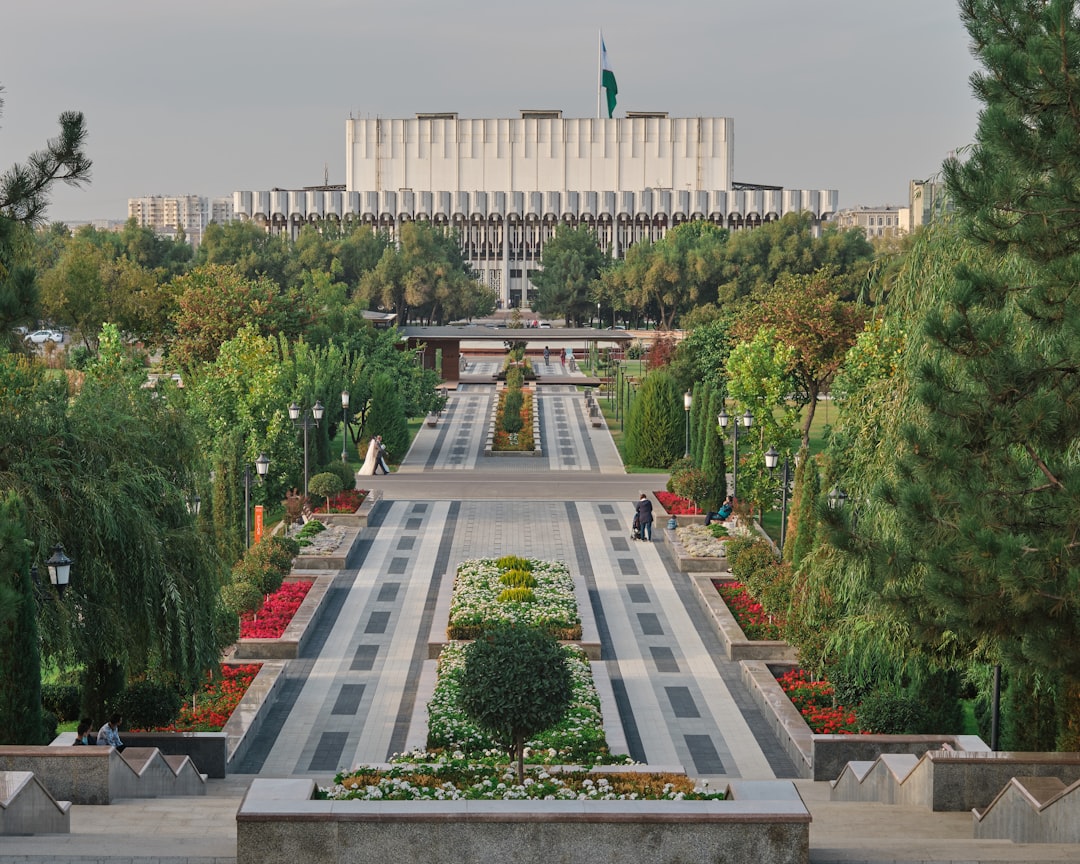
Soviet boulevards, chandeliered metro stations and the gateway to the Silk Road.
- Best time to visit: April-May, September-October
- Daily budget (budget traveller): $30 to $90 USD
- Ideal trip length: 2 to 3 days
Tashkent was rebuilt after the 1966 earthquake as a showcase Soviet capital, which is why Central Asia's biggest city is all wide avenues, fountains and mosaic-covered apartment blocks. Beneath it runs a metro whose stations look like palaces, and in the old town the bazaars and madrasas still run on Silk Road rhythms.
Tashkent is the Soviet capital that Central Asia never quite shook off, and that is exactly why it is worth your time. On 26 April 1966 an earthquake flattened much of the old centre, and Moscow answered by rebuilding it as a showcase: avenues wide enough to land a plane on, fountain squares, mosaic-clad apartment blocks, a concrete circus and a metro that opened in 1977 with stations designed like palaces. Photography underground was banned until 2018, so the stations still feel like a secret you have been let in on. Kosmonavtlar is all blue-and-white space-age tile, Alisher Navoi is carved alabaster and green panels, and the whole network costs less than a bag of crisps.
What you will miss if you treat the city as a one-night stopover before Samarkand is the other Tashkent, the one that works on Silk Road rhythms. At Chorsu Bazaar, under the big blue dome, women stack pyramids of dried apricots, men stamp non bread out of tandyr ovens and the butchers' hall smells of lamb fat and cumin. A short walk away the low mudbrick lanes of the Old City lead to Hazrati Imam, where one of the oldest Qurans on earth is now on show in the new Center of Islamic Civilization next door. Then there is plov: at the Besh Qozon Plov Centre, kazans the size of paddling pools feed office workers by the thousand until the rice runs out around 2pm. Eat that before you see any monument and the city starts to make sense.
Practicalities are refreshingly easy. Tashkent is cheap, safe, and a visa-free 30 days for citizens of around 100 countries, including the US, the EU and UK. Distances are long and the streets are huge, so you ride the metro and hop in Yandex Go taxis for 15,000 to 35,000 UZS rather than walking everywhere. Two days covers the headline sights, three lets you add the Chimgan mountains or a Samarkand day on the Afrosiyob train. Go in April, May, September or October, learn to say rahmat, and say yes when someone hands you tea.
How many days in Tashkent?
For Tashkent, we recommend 2 to 3 days.
| Trip length | What you'll see | Itinerary |
|---|---|---|
| 2 days · Recommended | Amir Timur Square; The metro, plov and Soviet Tashkent | Tashkent in 2 days |
| 3 days · Recommended | Adds: Chorsu, the Old City and Hazrati Imam | Tashkent in 3 days |
| 4 days | Adds: Chimgan and Charvak mountain day | Tashkent in 4 days |
| 5 days | Adds: Samarkand day by Afrosiyob | Tashkent in 5 days |
| 7 days | Adds: Mirabad, Alay Bazaar and the ballet; Flea market, Yunusabad | Tashkent in 7 days |
Tashkent itinerary
Arrive, settle, Amir Timur Square
Morning: Land at TAS, Yandex Go to the centre (about 15 minutes, 25,000-40,000 UZS). Drop bags, then a first coffee and a cheese-and-herb pastry at a Bon! or Safia bakery.
Afternoon: Walk Amir Timur Square, the Timurid Museum and the old Hotel Uzbekistan facade, then the quiet Navoi Theatre gardens. Sit by the fountains and let the scale of the place sink in.
Evening: Stroll Sayilgoh (Broadway) pedestrian street for people-watching, then dinner of lagman or manti at a local Uzbek restaurant. Early bed, tomorrow is a long walking day.
The metro, plov and Soviet Tashkent
Morning: Buy a metro ticket and ride Kosmonavtlar, Alisher Navoi and Pakhtakor, getting off to photograph each. Go before 9am to dodge the commuter rush.
Afternoon: Taxi to the Besh Qozon Plov Centre by the TV Tower for the 12 to 2pm plov service. Then the Museum of Applied Arts, set inside a decorated 19th-century diplomat's house.
Evening: Sunset from the TV Tower deck, then dinner and a stroll in Tashkent City Park among the fountains. Locals treat it as the evening promenade.
Chorsu, the Old City and Hazrati Imam
Morning: Metro to Chorsu at 7:30am. Walk the blue-domed hall, eat samsa and buy non from the tandyr bakers. Photograph the dried-fruit pyramids.
Afternoon: Walk past Kukeldash Madrasa into the Old City lanes, then Hazrati Imam: Barak-Khan Madrasa, Tilla Sheikh Mosque and the 7th-century Uthman Quran, now in the new Center of Islamic Civilization next door.
Evening: Taxi to Mirabad for dinner. Finish with chai at a choyxona or a pint in a craft beer pub.
Chimgan and Charvak mountain day
Morning: Leave at 8am by Yandex Go or a hired driver (about 90 minutes). Stop at the Charvak reservoir for the turquoise-water view from the road.
Afternoon: Take the Beldersay chairlift above Chimgan village, walk the ridge and eat grilled lamb shashlik at a mountain cafe.
Evening: Drive back by 6pm to beat the traffic. Light dinner and an early night.
Samarkand day by Afrosiyob
Morning: Take the earliest Afrosiyob high-speed train from Tashkent Central (metro Toshkent). Two hours and ten minutes later you are at the Registan at opening time.
Afternoon: Shah-i-Zinda necropolis, Gur-e-Amir, then plov or a kebab lunch near Siyob Bazaar. Buy the bazaar's famous round bread to take home.
Evening: Late-afternoon or evening train back to Tashkent. Book both directions weeks ahead, because spring and autumn trains sell out.
Mirabad, Alay Bazaar and the ballet
Morning: Alay Bazaar in Mirabad for dried fruit, nuts and spices. Brunch in a leafy Mirabad cafe.
Afternoon: State Museum of Arts of Uzbekistan, then a slow walk past embassy villas and the Anhor canal.
Evening: Book a ballet or opera at the Alisher Navoi Theatre, a Soviet-built beauty. Tickets are 50,000-150,000 UZS and the interior is worth it alone.
Flea market, Yunusabad, depart
Morning: On a weekend, visit the Yangiobod flea market for Soviet cameras, medals and clutter. On a weekday, walk through Yunusabad's mosaic-covered microdistricts.
Afternoon: Last lunch of lagman at a Uyghur cafe, then a final bag of dried apricots from Chorsu.
Evening: Yandex Go to TAS, leave 3 hours before your flight if it is international.
Best neighbourhoods
- Old City (Eski Shahar): Chorsu bazaar, Kukeldash Madrasa and the low mudbrick lanes around Hazrati Imam.
- Amir Timur Square: Monumental centre with the Hotel Uzbekistan, museums and tree-lined avenues.
- Mirabad: Leafy embassy district with the best restaurants and the Alay bazaar.
- Yunusabad: Residential Soviet microdistricts and the TV tower, everyday Tashkent life.
- Tashkent City Park: New glass-and-fountain development that locals treat as the evening promenade.
Must-do experiences
- Tashkent metro: Ride the network and photograph Kosmonavtlar, Alisher Navoi and Pakhtakor stations.
- Chorsu Bazaar: Spend a morning under the blue-domed hall among spices, bread and butchers.
- Hazrati Imam and the Center of Islamic Civilization: The old religious complex and, beside it, the vast centre opened in March 2026, where the 7th-century Uthman Quran, one of the oldest in the world, is now displayed.
- Soviet-era architecture walk: Trace the modernist blocks and mosaics of the post-1966 rebuilt city; ten of these buildings joined UNESCO's World Heritage list in July 2026.
Hidden gems
- Museum of Applied Arts inside a 19th-century diplomat's decorated house
- The Romanov Palace exterior, a strange piece of imperial Russia in the centre
- Tashkent's Plov Centre at midday, industrial-scale rice cooked in vast kazans
- Yangiobod flea market on a weekend for Soviet clutter and old cameras
Daily budget
- Accommodation: budget 120,000-180,000 UZS / night (hostel dorm, about $10-14), mid-range 500,000-900,000 UZS (4-star or boutique double), splurge 2,000,000+ UZS (Hilton Tashkent City, Hyatt Regency, Lotte City Hotel Tashkent Palace). Hotels register you with the authorities automatically. Keep the slip until you leave. Breakfast is almost always included.
- Food: budget 120,000-200,000 UZS / day (plov, samsa, lagman, bazaar fruit), mid-range 300,000-500,000 (a proper sit-down dinner with a beer), splurge 800,000+ (hotel restaurants, tasting menus in Mirabad). A plate of plov at the Besh Qozon Centre is 60,000-90,000 UZS with salad and tea, and it is gone by about 2pm. Samsa at Chorsu are 8,000-12,000 each, still hot.
- Transport: budget 15,000-30,000 UZS / day (metro rides plus one short taxi), mid-range 60,000-120,000 (Yandex Go for most hops), splurge 400,000+ (driver for the day to Chimgan and Charvak). Metro is a flat fare of 15 to 25 cents (1,700 UZS by card, 3,000 UZS in cash) and runs roughly 5am to midnight. Yandex Go shows the price before you ride, which kills the haggling.
- Activities: budget 20,000-60,000 UZS / day (metro stations free, Hazrati Imam free, one museum), mid-range 100,000-200,000 (Museum of Applied Arts, TV Tower deck, a Navoi Theatre ballet ticket), splurge 400,000+ (private guide, Samarkand day with transfers and Registan tickets). Foreigner ticket prices are higher than local ones. Many museums close on Mondays, so check before you go.
- Drinks & nightlife: budget 20,000-40,000 UZS (green tea, ayran, a shop-bought local beer), mid-range 100,000-180,000 (craft beer pub in Mirabad or a hotel rooftop), splurge 300,000+ (cocktails at a five-star bar). Tashkent evenings are mellow, built around park promenades rather than clubs. Beer in pubs is 30,000-50,000 UZS a pint. Uzbek wine is surprisingly drinkable.
Where to stay
- Social hostel in Old City / Chorsu (120,000-200,000 UZS / night): A hostel dorm near Chorsu puts you ten minutes from the bazaar and Hazrati Imam, with shared breakfast, travel advice and easy trip-sharing.
- Boutique hotel in Mirabad (600,000-1,100,000 UZS / night): Leafy, quiet and close to the best restaurants and Alay Bazaar. Small hotels here offer design touches, courtyards and calm after the big avenues.
- Apartment in Yunusabad (400,000-800,000 UZS / night): Real Tashkent life in the metro-linked microdistricts, with a kitchen, a bazaar downstairs and a very local feel. Best value for 4+ nights.
- Splurge in Amir Timur Square / Tashkent City (2,000,000-4,000,000 UZS / night): Lotte City Hotel Tashkent Palace, Hilton Tashkent City or Hyatt Regency put you in a tower or a historic landmark, with pools, spa and skyline views.
What to eat
- Plov, the national dish, best eaten before 2pm when it runs out
- Samsa baked on the walls of a tandyr, lamb and onion inside
- Lagman hand-pulled noodles in a Uyghur cafe
- Non bread stamped fresh at Chorsu, still hot from the oven
Day trips
- Samarkand (2h10 by Afrosiyob train): The Registan, Shah-i-Zinda and Gur-e-Amir are the Silk Road at its most spectacular. Doable as a long day trip, but better as an overnight. Afrosiyob from Tashkent Central (metro Toshkent), about 200,000-330,000 UZS each way depending on class. Book weeks ahead on railway.uz.
- Chimgan and Beldersay (About 90 minutes by car): Snowy peaks above the Chatkal range, a chairlift, hiking trails and shashlik cafes. A fine summer escape and a ski area in winter. Yandex Go or a hired driver, about 200,000-300,000 UZS one way. The chairlift costs roughly 50,000-100,000 UZS up and down. Minibuses run in peak season.
- Charvak Reservoir (About 80 minutes by car): A turquoise artificial lake framed by mountains, with beaches, boat rides and lakeside restaurants. Combine with Chimgan for a full day. Same route as Chimgan. Ask a driver to stop at the viewpoints on the Charvak road. Boat trips are 50,000-150,000 UZS.
When to visit
- Spring (March - May): 12-27°C, April showers, tulips and blossom in the parks. Crowds: Building, manageable except Navruz week. One of the two best windows. Navruz on 21 March brings sumalak pots, concerts and street food, and the Samarkand trains sell out early.
- Summer (June - August): 33-42°C, bone dry, shops and streets empty after 1pm. Crowds: Low in the city, busy in the Chimgan hills. Doable if you start at 7am, break for the afternoon in a metro station or museum, and head out again after 6pm. Melons and watermelons are at their peak.
- Autumn (September - October): 18-30°C in September, 10-22°C by late October, clear skies. Crowds: Moderate, the busiest tourism months for the Silk Road. The locals' pick. Warm days, grapes and pomegranates in every bazaar, and the plane trees turn gold along the boulevards.
- Winter (November - February): -5 to 8°C, grey skies, occasional snow, smoggy in January. Crowds: Very low. Cheapest hotels and zero queues. Pair a snowy Soviet-architecture walk with long lunches in heated choyxonas, and plan Chimgan for skiing.
Entry rules for your passport
Visa rules for Uzbekistan depend on the passport you travel on. Check the official source before you book: Uzbekistan Ministry of Foreign Affairs
Getting there
Tashkent International Airport (TAS) is about 8 km from the centre, and direct flights arrive from Istanbul, Dubai, Doha, Delhi, Seoul, Moscow and many European cities. Uzbekistan Airways runs the national network. A Yandex Go from the airport to the centre costs 25,000-45,000 UZS and takes 15 to 25 minutes. City buses leave from the arrivals road but are slow with luggage. Ignore touts at the exit quoting 150,000 UZS. By land, the main crossings are from Kazakhstan near Shymkent and from Tajikistan at Oybek. The Afrosiyob high-speed train links Tashkent with Samarkand and Bukhara, and you book via railway.uz or the Uzrailways app with your passport. Citizens of the EU, UK, Japan, the US, Canada, Australia and about 100 countries in all enter visa-free for 30 days, others use the e-visa (about $20).
Getting around
The metro is cheap, fast, air-conditioned and beautiful, with a flat fare of about 15 to 25 cents. Yandex Go is the standard taxi app and rides across the centre cost $1 to $3. Distances between sights are long and the streets are wide, so pair the metro with short taxi hops rather than walking everywhere.
Safety
Tashkent is one of the safest capitals in Asia, with very low street crime and a heavy but polite police presence. Photography in metro stations is now allowed, though avoid government buildings. Summer heat above 40C is the real hazard, and unregistered taxis will overcharge if you do not use the app.
Solo travel tips
- Say yes to tea: If a shopkeeper, baker or taxi driver invites you to sit and drink chai, accept. Hospitality is a point of honour here and it is the fastest way to meet people. Learn salom, rahmat and yaxshi, you will use them hourly.
- Ride the metro to learn the city: The network is clean, safe and gloriously cheap. Station staff are used to confused visitors, and rush hour is at 8 to 9am and 5 to 7pm, so travel outside those for the best photographs and room to breathe.
- Always use Yandex Go: Install it before landing. Prices are fixed, drivers see your pin, and it saves you from the airport 'taxi' hustle. Share your ride with a friend at night, though Tashkent is very safe.
- Eat at choyxonas, not just restaurants: A choyxona (teahouse) serves communal food on low tables. Solo diners are common and welcome. Order plov, a salad and tea, and expect conversation.
- Solo female travellers: Tashkent is among the easiest Central Asian capitals for women alone. Dress modestly in mosques and the Old City, sit in the women-friendly metro carriage if you want, and expect curious questions rather than hassle. Standard rules apply after midnight.
- Hostel pick: Old City dorms: Look for a hostel near Chorsu or Amir Timur. Most run family-style breakfasts, will book Afrosiyob tickets for you and have shared Samarkand day trip groups, which saves money.
Cultural etiquette
- Greet with salom and, between men, a handshake with the left hand placed on the heart. Women often just nod. Wait for the other person to extend a hand.
- Take your shoes off at homes, many guesthouses and teahouse platforms. Check for a shoe pile at the door.
- Bread is sacred. Never place a non upside down or throw it away, and tear rather than cut it. If you are given a piece, accept it.
- Dress modestly in mosques and madrasas. Cover shoulders and knees, and women should carry a scarf for the Hazrati Imam complex.
- Ask before photographing people, especially women and older men. Avoid photographing police, military sites and government buildings above ground.
- Tipping is not required but 10% is common. Many restaurants add a service charge, so check the bill before adding more.
- During Ramadan (about 8 February to 9 March in 2027) many locals fast in daylight. Cafes still open in Tashkent, but eat discreetly and expect shorter hours, then enjoy the iftar evenings.
Frequently asked questions
How many days do you need in Tashkent?
Two days is enough for the main sights: one for the metro stations, Amir Timur Square and the museums, one for Chorsu bazaar, the old town and Hazrati Imam. A third day suits a trip to the Chimgan mountains or the Charvak reservoir, about 90 minutes out of the city.
Is Tashkent worth visiting?
Yes, though for different reasons than Samarkand or Bukhara. Tashkent is about Soviet modernism, the extraordinary metro, huge bazaars and modern Uzbek life rather than turquoise domes. Treat it as a two-day city in its own right rather than a stopover and it holds up well.
Do you need a visa for Uzbekistan?
Citizens of about 100 countries, including the EU, the UK, Canada, Australia and Japan, enter visa-free for 30 days, and since 1 January 2026 so do Americans. Other nationalities can use the e-visa, which costs about $20 USD and is usually issued in two to three working days. Check the current official list before you book, as the rules keep widening.
How do you get from Tashkent to Samarkand?
The Afrosiyob high-speed train takes about two hours and 10 minutes and costs roughly $12 to $25 depending on class. It sells out days ahead in spring and autumn, so book online as soon as your dates are fixed. Slower trains take four hours and shared taxis around four to five.
When is the best time to visit Tashkent?
April to May and September to October, when days are warm and the parks are at their best. Summer regularly passes 40C and the city empties in the afternoon. Winter is cold and grey but very cheap, with occasional snow that makes the Soviet architecture look striking.
Is Tashkent expensive?
It is one of the better-value capitals in Asia. Hostels run $10 to $15, mid-range hotels $35 to $70, plov lunches $2 to $4 and full restaurant dinners $8 to $15. Metro tickets cost 15 to 25 cents and taxis across town $2. Around $45 a day is comfortable, and $30 is easily doable.
Can you photograph the Tashkent metro?
Yes. The ban was lifted in 2018 and photography is now openly permitted in the stations, which are among the most decorated in the world. Kosmonavtlar, Alisher Navoi and Pakhtakor are the highlights. Avoid photographing military or government buildings above ground, where restrictions still apply.
Tours and activities in Tashkent | Tashkent in 2 days | Tashkent in 3 days | Tashkent in 4 days | Tashkent in 5 days | Tashkent in 7 days
Can't decide? Compare Tashkent with...
Joy Plus home | Destinations | Itineraries | Activities | Flights | Budget planner | Calendar | Map | Blog | Lifetime access