Destinations / Europe
Tavira, Portugal travel guide
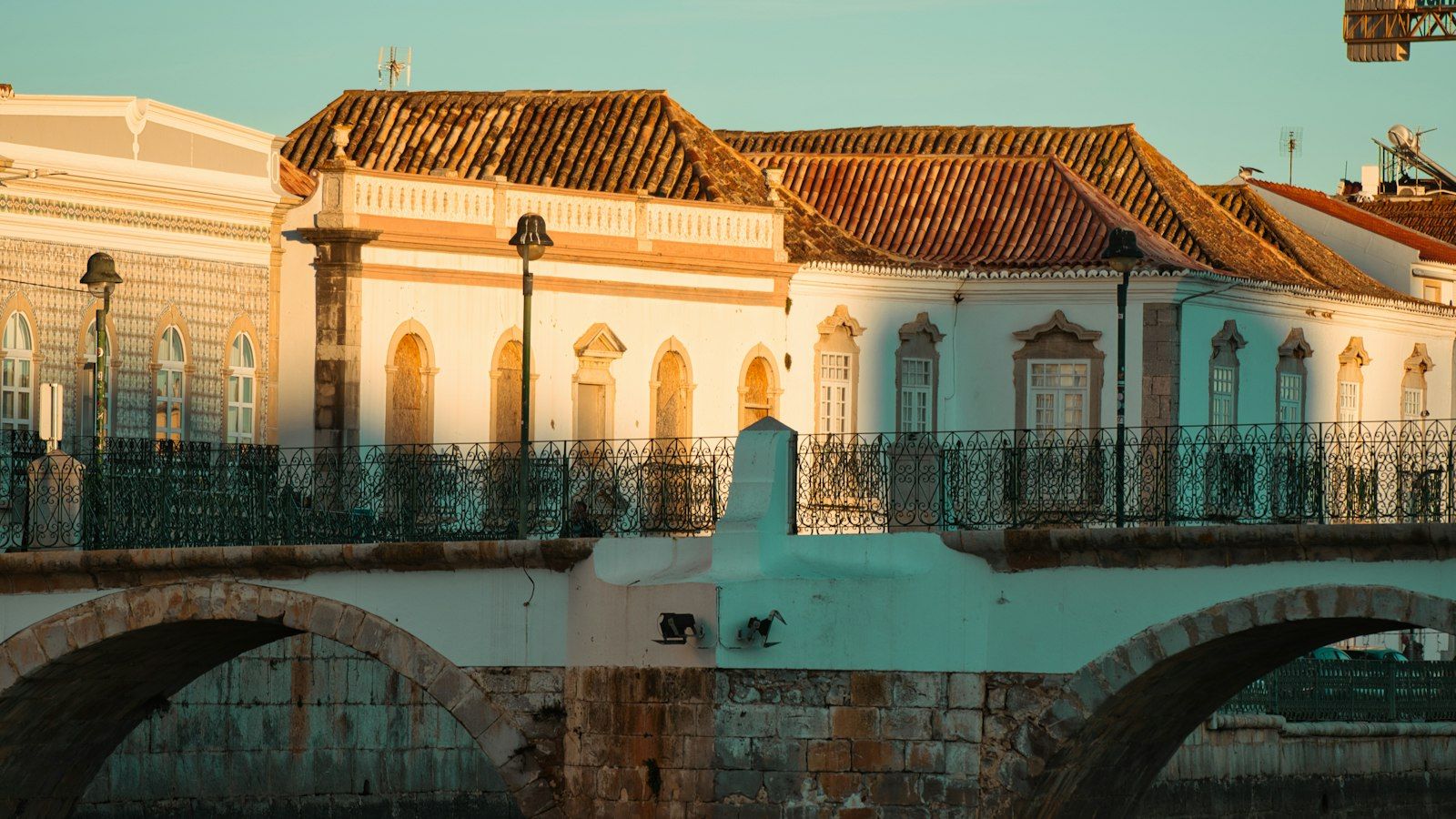
A slow, whitewashed river town in the eastern Algarve, with a hilltop castle, a 'Roman' bridge and a car-free sandbar beach that costs €2 by ferry.
- Best time to visit: May to June and September to October
- Daily budget (budget traveller): $65 to $195 USD
- Ideal trip length: 4 to 7 days
Tavira sits on both banks of the Gilão river, about 40km east of Faro airport and half an hour from the Spanish border. It has none of the high-rise sprawl of the central Algarve. The town has whitewashed houses, tiled façades, church towers and a ruined castle you can walk into for free. The best beach is not in town at all. It is on Ilha de Tavira, a long sandbar in the Ria Formosa Natural Park, and you reach it on a ten-minute ferry. Further west, Praia do Barril has an anchor cemetery left by the old tuna fleet. Next door, Santa Luzia calls itself Portugal's octopus capital, and the waterfront menus back that up. It works well solo. The train from Faro is cheap and direct, the old town is walkable, and the ferries and buses cover the beaches. The pace is unhurried, it feels safe, and you can eat a good lunch for the price of a cocktail in Lisbon. Come in summer for long beach days, or in spring and autumn when you get the lagoon and the old town mostly to yourself.
Tavira is what many people hope the Algarve will be: a real town with a river through the middle, more church towers than you can count, and almost no high-rises. It sits about 40km east of Faro airport, close enough to arrive in an afternoon and far enough east to miss the big resort strip. The old town on the west bank climbs to a free-entry castle. The east bank is quieter and full of tiled houses. A seven-arched bridge, which locals still call Roman, joins them. You can see the whole centre in a day. The appeal is having the time to repeat it: coffee at the same pastelaria, a long lunch, then the ferry to the sand.
The beaches are the reason most people stay longer. Ilha de Tavira is a barrier island in the Ria Formosa Natural Park, about ten minutes by Silnido ferry from Quatro Águas for roughly €2 return. Further west, Praia do Barril has a little train across the marshes and a line of rusting tuna anchors in the dunes. Between the two sits Santa Luzia, whose quay is stacked with octopus pots and whose restaurants have turned one ingredient into a full menu. The train line makes day trips easy. Olhão and Faro are to the west, and Vila Real de Santo António, with the ferry to Spain, is to the east. Each costs a few euros and takes under an hour.
Tavira suits solo travel because it is easy. It is safe, walkable and friendly, it runs on lunch, and a dish of the day at a tasca still costs about €10 to €14. The trade-off is that it's quiet. There is no club scene, social life centres on the hostel, the ferry queue and the bar stools along the river, and in winter the ferries run less often and some sights close. Come between May and October for beach days. In the shoulder months the lagoon, the light and the old town are at their best and least crowded.
Tavira itinerary
Arrive, cross the bridge, climb the castle
Morning: Land at Faro. Take bus 16 from arrivals into Faro (about €2.50-3), then the CP regional train east to Tavira (35-40 minutes, about €3.60-3.80). Or take a Bolt or Uber from about €30.
Afternoon: Drop your bags (the youth hostel checks in from 6pm but you can usually leave luggage). Walk Praça da República, cross the old bridge and climb to the castle, which is free and open from 10am. Peek into Santa Maria do Castelo next door.
Evening: Sunset on the riverfront. Dinner at Ti Maria or O Tonel, and book in summer.
Salt pans and Ilha de Tavira
Morning: Walk about 25 minutes along the river past the salt pans to Quatro Águas and look for flamingos. Take the Silnido ferry to the island (about €2 return, 10 minutes, tickets sold at the pier).
Afternoon: Swim at the lifeguarded stretch in season, have lunch at one of the island restaurants, then walk west along the sand towards Terra Estreita.
Evening: Note the last ferry before you leave town. In summer, take the town-centre boat back (about €2.70 return) and have grilled fish on the east bank.
Santa Luzia, Barril and the anchor cemetery
Morning: Walk or cycle about 3km to Santa Luzia, then on to Pedras d'El Rei. Vamus bus 105 also goes there, but only on weekdays. Cross the footbridge and take the mini-train (about €2 one way) or walk 1.3km.
Afternoon: Photograph the anchor cemetery and swim at Praia do Barril. Walk back to Santa Luzia's waterfront, past the octopus pots on the quay.
Evening: Octopus dinner at Casa do Polvo Tasquinha or grilled fish at Capelo, then a short taxi or Bolt back to Tavira.
Museums, churches and Cabanas
Morning: Núcleo Islâmico and Palácio da Galeria on a combined ticket of about €3. They are usually closed on Monday, so check. Add the Camera Obscura if it's in season, and Igreja da Misericórdia.
Afternoon: Bolt, bike or bus about 6km east to Cabanas de Tavira. Take the short boat across to its barrier-island beach for a swim.
Evening: Sunset on the Cabanas promenade. Book Noélia & Jerónimo if you want a special dinner, or head back to Tavira for petiscos.
Cacela Velha above the lagoon
Morning: Take a Bolt to Cacela Velha (about 15-20 minutes), or the train to Cacela station and a walk of roughly 30-40 minutes. Wander the walled village and its whitewashed church.
Afternoon: At low tide, walk down to the lagoon and across to the sandbar beach. Check tide times first and never wade a channel at a rising tide.
Evening: Back in Tavira for a lazy dinner. Have a nightcap by the river and watch the bridge lights.
Olhão market and Faro old town
Morning: Train west to Olhão (about 20 minutes). Browse the fish and fruit market halls on the waterfront. Saturday morning is the busiest.
Afternoon: Train on to Faro (about 10 minutes). Walk through the arch into the Cidade Velha and visit the Sé, which has a small entry fee, for the view from the bell tower.
Evening: Early dinner in Faro, then the train back. The last service is around 10pm, so check CP the day before.
Over the Guadiana to Spain
Morning: Train east to Vila Real de Santo António (about 30 minutes), then the river ferry to Ayamonte. Spain is one hour ahead, so watch your return times.
Afternoon: Tapas in Ayamonte's squares, then ferry and train back. Have a last swim from Quatro Águas if the timetable allows.
Evening: Farewell dinner. Book A Ver Tavira well ahead for a splurge, or eat a final polvo à lagareiro at a tasca.
Best neighbourhoods
- Old town, west bank (around the castle): The historic core, climbing from Praça da República to the castle, Santa Maria do Castelo church and the Camera Obscura tower. Cobbled lanes, guesthouses, the youth hostel and most of the sights are within a ten-minute walk.
- East bank of the Gilão: Across the old bridge, a quieter grid of tiled houses and riverside restaurant terraces. It's handy for the walk to Quatro Águas and a good place for an apartment, with fewer day-trippers.
- Quatro Águas and the salt pans: The river mouth, about 2km from the centre, where the year-round ferry to Ilha de Tavira leaves. The walk out passes salt pans where flamingos often feed. There are a few seafood restaurants, but it is not really a place to stay.
- Santa Luzia: A working fishing village about 3km west of Tavira, with octopus pots stacked on the quay and a waterfront of octopus restaurants. It's quiet at night and close to Pedras d'El Rei and Praia do Barril.
- Cabanas de Tavira: A small resort village about 6km east, with a long lagoon promenade, a short boat hop to its own barrier-island beach and a more holiday feel than Tavira.
Must-do experiences
- Take the ferry to Ilha de Tavira: Silnido's boat from Quatro Águas takes about ten minutes and costs about €2 return. It drops you at a long sandbar with no cars, a lifeguarded stretch in season and kilometres of empty beach if you walk west.
- See the anchor cemetery at Praia do Barril: Cross the footbridge at Pedras d'El Rei, then walk 1.3km or ride the little train (about €2 one way, €4 return) over the marshes. The rusting anchors are lined up in the dunes, left over from the tuna fishery.
- Climb Tavira Castle: It's free and has a small garden. From the walls you look over the tiled roofs, the river and the lagoon. Next door, Igreja de Santa Maria do Castelo usually charges a couple of euros, and in some seasons that includes the bell tower.
- Eat octopus in Santa Luzia: Walk or cycle along the lagoon to the octopus capital and order polvo à lagareiro at Casa do Polvo Tasquinha, or grilled fish at Capelo on the harbourside.
- Walk the old bridge and the riverfront: The seven-arched bridge, still called the Ponte Romana, links the two halves of town. Cross it at golden hour and continue along the river past the old market hall.
- Spy on the town from the Camera Obscura: A converted water tower near the castle projects a live 360° image of Tavira onto a dish. Sessions are short and guided. It runs in the warmer months only and opening hours change, so check before you go.
- Visit the Núcleo Islâmico: This small museum on Praça da República is built around the remains of Moorish walls and holds the Tavira Vase. A combined ticket with the Palácio da Galeria museum has been about €3.
- Watch the tide at Cacela Velha: A tiny walled village on a bluff above the lagoon, about 15km east. Go for the view at sunset, and check the tide tables if you want to reach the sandbar beach below.
Hidden gems
- The salt-pan walk from the town centre to Quatro Águas, where flamingos and waders feed in the shallow pools beside the road
- Praia da Terra Estreita, reached by a small ferry from Santa Luzia, a quieter stretch of the same barrier island
- The long beach walk from Praia do Barril east to Ilha de Tavira, taking roughly an hour or more, then the ferry back to town instead of retracing your steps
- The boat hop from Cabanas de Tavira to its barrier-island beach, a short crossing that costs a couple of euros
- Igreja da Misericórdia, a Renaissance church near the castle with a carved portal and blue-and-white azulejo panels inside
Daily budget
- Accommodation: budget €20-40 / night (hostel dorm), €55-80 for a private room, mid-range €90-160 (boutique hotel or guesthouse double), splurge €200+ (Pousada Convento de Tavira). Prices roughly double in August. A municipal tourist tax may be added per night, so check whether it is included. Book July and August well ahead.
- Food: budget €20-35 / day (pastelaria breakfast, prato do dia, supermarket dinner), mid-range €45-70 (two sit-down meals with wine), splurge €150+ (A Ver Tavira tasting menu; check current prices). A prato do dia at a tasca is about €10-14. Bread, olives and butter brought to the table (couvert) are charged if you eat them, so send them back if you don't want them.
- Transport: budget €2-10 / day (ferry about €2 return, train about €3.60-3.80, Barril train €4 return), mid-range €15-30 (bike hire, a Bolt to Pedras d'El Rei or Cacela Velha), splurge €40-70+ (hire car, water taxi at about €8-20 a trip). The Faro airport transfer costs about €6-7 by bus and train, or €30+ by Uber or Bolt. Vamus line 105 to Barril runs on weekdays only.
- Activities: budget €0-10 / day (castle free, museum combined ticket about €3, church about €2-3), mid-range €25-50 (Ria Formosa boat or birdwatching trip), splurge €80+ (private boat or guided kayak in the lagoon). Most of the best things are free: the island beaches, the salt-pan walk and the castle. The Camera Obscura is about €5-6 and seasonal. Museums usually close on Mondays.
- Drinks & nightlife: budget €3-8 (an imperial beer and a glass of house wine), mid-range €15-30 (sangria and cocktails on a riverside terrace), splurge €50+ (wine pairing, bottle of Algarve white). Nightlife means late dinners and bars along the river, not clubbing. Supermarket beer and wine are very cheap.
Where to stay
- Social hostel in Old town, near the castle (€20-40 / night dorm, €55-80 private): HI Tavira – Pousada de Juventude is Tavira's main hostel, in a century-old building with Arabic-style décor. It has 4-bed dorms, private twins, a shared kitchen, laundry and breakfast. Check-in starts at 6pm.
- Boutique hotel in Central Tavira (€90-180 / night): Small hotels such as Authentic Tavira Hotel and Palacio de Tavira put you in the old town within walking distance of the bridge, station and town ferry. Check room sizes, because historic buildings vary.
- Apartment in East bank of the Gilão (€60-120 / night): Self-catering apartments in tiled townhouses across the bridge are quieter at night and on the walking route to Quatro Águas. With the Olhão and Tavira markets close by, cooking a few meals saves money.
- Splurge in Old town, below the castle (€200-350+ / night): Pousada Convento de Tavira is a converted convent with cloisters and a pool a few minutes' walk from the castle. It's the most atmospheric bed in town.
What to eat
- Polvo à lagareiro: octopus boiled until tender, then roasted with lots of olive oil and garlic and served with small crushed potatoes. Santa Luzia's signature dish
- Arroz de polvo: a soupy octopus rice made with tomato and coriander, cooked for the table and a good order to share or eat as a big solo lunch
- Cataplana: seafood, pork or fish stewed in a sealed copper pan, an Algarve classic that is often priced for two, so ask for a half portion
- Grilled sardines: best in the summer season, served whole on bread or with boiled potatoes and salad at simple grills
- Amêijoas à Bulhão Pato: clams from the Ria Formosa cooked with garlic, olive oil, coriander and lemon
- Prato do dia: the lunch dish of the day at a local tasca, often with bread, a drink or coffee included, and the best-value meal in town
- Dom Rodrigo and almond-fig sweets: Algarve sweets made with egg-yolk threads and almonds, wrapped in coloured foil and sold in pastelarias
Day trips
- Cacela Velha (About 15km east of Tavira): A tiny walled village of white houses and a church on a bluff above the Ria Formosa, with one of the Algarve's best lagoon views. At low tide you can reach the sandbar beach below. Bolt or taxi in about 15-20 minutes, or the train to Cacela station and a walk of roughly 30-40 minutes. Check the tide times before going down to the water.
- Olhão and Faro (About 20 minutes (Olhão) and 35-40 minutes (Faro) by train): Olhão has its waterfront market halls, which are best on a Saturday morning. Faro has the walled Cidade Velha, the cathedral bell tower and lagoon views. CP regional trains west along the Algarve line, a few euros each way. Check the last train back, which is around 10pm.
- Vila Real de Santo António and Ayamonte (Spain) (About 30 minutes by train, plus a short river ferry): Vila Real has a grid-planned riverside town. A ferry crosses the Guadiana to Ayamonte, with tapas and Spanish squares. Spain is one hour ahead. Train east from Tavira to Vila Real de Santo António, then walk to the ferry pier. Ferry fares are a few euros, so check sailing times, especially in winter.
When to visit
- Spring (March - May): 18-25°C, sunny with occasional showers, sea still cool at around 16-18°C. Crowds: Low, with an Easter bump. Great for walking, birdwatching and the old town. The sea is bracing until late May, and ferries move to busier timetables as the season builds.
- Summer (June - September): 27-33°C, dry and bright, sea warmest at about 20-23°C. Crowds: Busy, peaking in August with Portuguese and Spanish families. Peak beach season, with frequent ferries and lifeguards on duty. Book beds early, go to the island in the morning and expect queues for the return ferry in the late afternoon.
- Autumn (October - November): 19-25°C in October, cooler and wetter by late November, sea still around 19-20°C early on. Crowds: Low to moderate. The locals' pick. Warm sea, golden light and quiet beaches in October. By November, timetables are thinner and some seasonal attractions have closed.
- Winter (December - February): 15-17°C by day, cold nights, the year's main rain. Crowds: Very quiet. Cheap and peaceful, good for walks and food. Most houses are not heated, the Camera Obscura is closed and island ferries are infrequent, so check every timetable.
Entry rules for your passport
Visa rules for Portugal depend on the passport you travel on. Check the official source before you book: European Commission: Schengen visa policy
Getting there
Faro airport (FAO) is about 40km west of Tavira, roughly 35 minutes by car. Budget airlines link it with much of the UK and Europe, and Lisbon has long-haul connections. There is no train at the airport. Take bus 16 from outside arrivals to central Faro (about €2.50-3, around 20 minutes), then the CP regional train east to Tavira (35-40 minutes, about €3.60-3.80). Trains run roughly hourly with afternoon gaps, and the last one leaves Faro around 10pm, so check CP. Vamus Algarve bus 67 also runs Faro to Tavira, more slowly and less often. Uber and Bolt start at around €30. From Lisbon, take the Alfa Pendular or Intercidades train to Faro (about 3 to 3.5 hours) and change to the regional line. From Spain, go via Ayamonte and the Guadiana ferry to Vila Real de Santo António, then take the train west to Tavira (about 30 minutes). Tavira station is about a ten-minute walk from the old bridge. Before you fly, check the Schengen entry rules, including the EU Entry/Exit System registration at the border.
Border checks: non-EU visitors (other than Swiss, Norwegian, Icelandic, Liechtenstein, Andorran, Monegasque, San Marinese and Vatican citizens, and holders of an EU residence permit or long-stay visa) are registered in the EU's Entry/Exit System (EES) instead of getting a passport stamp. On your first crossing, officers take your photo and/or fingerprints, so allow extra time at passport control. ETIAS, the planned travel authorisation, is not in operation yet, so don't pay any website for one.
Getting around
Tavira's centre is compact and easy on foot, though the lanes up to the castle are steep and cobbled. The CP regional train on the Algarve line stops at Tavira station, about a ten-minute walk from the bridge. It runs west to Olhão and Faro and east to Vila Real de Santo António, roughly every hour with some gaps. Vamus Algarve buses leave from the bus station on Rua dos Pelames. Line 67 runs to Faro, a local bus goes to Quatro Águas, and line 105 goes to Pedras d'El Rei for Praia do Barril on weekdays only, with just a few departures. Silnido ferries cross to Ilha de Tavira from Quatro Águas all year and from the town centre in the warmer months. Water taxis cost more. Bike hire is a good way to reach Santa Luzia and Barril on the flat lagoon paths. Bolt and Uber work in the area, and a hire car is only worth it for the hills or the far east.
Safety
Tavira is one of the calmer towns on the Algarve and violent crime against visitors is rare. In summer, watch for pickpockets in crowds and on ferries, and don't leave anything visible in cars at beach car parks such as Pedras d'El Rei. The sea is the bigger risk. The barrier-island beaches face the open Atlantic, lifeguards only work during the bathing season, and the tidal channels of the Ria Formosa have strong currents. Swim near lifeguards, obey the flags and never try to wade or swim across a channel. Weever fish hide in shallow sand, so water shoes help. Summer sun and heat are intense, so carry water and shade. Check the time of the last ferry from Ilha de Tavira before you settle in, because a water taxi costs far more. Cobbles get slippery after rain. The emergency number is 112.
Solo travel tips
- Base yourself in the old town: Stay within ten minutes of Praça da República and everything is walkable: the station, the bus station, the town ferry, the castle and dozens of restaurants. The youth hostel on Rua Dr. Miguel Bombarda is a short walk from the castle.
- Plan around the ferry, not the beach: The island has no road. Check Silnido's current timetable, note the last return sailing and expect queues between about 4pm and 7pm in summer. A water taxi costs about €8 from Quatro Águas and about €18-20 from the centre.
- Make lunch your main meal: The prato do dia is where Tavira's value lives, at about €10-14 at a tasca, often with a drink or coffee. Sit at the counter and it is easy to strike up a chat. Decline the couvert if you don't want it.
- Rent a bike for the lagoon: Santa Luzia, Barril and Quatro Águas are flat and close. A bike makes them easy, and the Ecovia do Litoral coastal cycle route passes through the area. It also saves you from the weekday-only bus to Pedras d'El Rei.
- Find company on the water: Boat and birdwatching trips into the Ria Formosa leave from the town quay, and the hostel's common areas and kitchen are the easiest place to meet people. In summer, the ferry queue does the rest.
- Safety for solo travellers: Tavira is very safe, including for women alone. The real risks are the sea, the sun and empty beaches after dark. Swim only near lifeguards, never cross tidal channels on foot, and keep valuables out of sight in parked cars.
Cultural etiquette
- Greet first. Say 'bom dia' in the morning and 'boa tarde' after lunch. Say 'obrigado' if you are a man and 'obrigada' if you are a woman. Never assume people want to speak Spanish.
- Bread, olives and butter put on the table are the couvert, and you pay if you eat them. Saying 'não, obrigado' and sending them back is normal.
- Lunch runs from about 12:30 to 3pm and dinner rarely starts before 7:30pm. Many kitchens close between services.
- Cover shoulders and avoid beachwear in churches. Some churches charge a small entry fee, which helps maintain them.
- Topless sunbathing is tolerated on many beaches, but full nudity is only for designated naturist areas.
- Museums often close on Mondays and smaller shops on Sunday. Plan beach days for those.
- Take only photos in the Ria Formosa. Do not collect shells or disturb nesting birds, and stick to the boardwalks over the dunes.
Frequently asked questions
How do I get from Faro airport to Tavira?
There is no train station at the airport. Take bus 16 from outside arrivals to central Faro (about €2.50 to €3, roughly 20 minutes), then the CP regional train east to Tavira (about 35 to 40 minutes, around €3.60 to €3.80). Trains run roughly hourly with some gaps, so check the timetable. Uber and Bolt start at around €30 for the 40km drive, and Vamus bus 67 also links Faro and Tavira.
How many days do I need in Tavira?
Three days covers the old town, Ilha de Tavira and Praia do Barril with Santa Luzia. Five to seven days lets you add Cabanas, Cacela Velha, Olhão and Faro by train, and a hop across the border to Ayamonte in Spain.
When is the best time to visit Tavira?
May to June and September to October are the best months, with warm days, swimmable seas by early summer and fewer crowds. July and August are hot and busy with Portuguese and Spanish holidaymakers. Winter is mild and quiet, but ferries run less often and some seasonal attractions close.
Does the ferry to Ilha de Tavira run all year?
The Quatro Águas ferry runs all year, about ten minutes each way for roughly €2 return, but winter sailings are much less frequent. The town-centre boat (about €2.70 return) runs in the warmer months. Silnido publishes seasonal timetables on its website, so always check the last return sailing.
Do I need a car in Tavira?
No. Trains link Tavira with Faro, Olhão and Vila Real de Santo António, ferries cover the island beaches, and Santa Luzia and Barril are an easy walk or bike ride. A car only helps for the inland hills or for late returns when public transport has stopped.
Is Tavira safe for solo female travellers?
Yes. Tavira is relaxed and low-crime, and many women travel here alone. Use normal precautions: stay on lit streets late at night, watch your drink, keep your bag close on busy summer ferries, and avoid isolated beaches after dark.
Can I get by with English and cards?
Mostly. English is widely spoken in restaurants, hotels and shops, and cards work in most places. Carry some cash for ferry tickets, small cafés and markets. A few words of Portuguese, such as bom dia and obrigado or obrigada, are appreciated.
What entry rules apply to travellers visiting Portugal in 2026?
Portugal is in the Schengen Area. Many non-EU visitors, including UK, US, Canadian and Australian citizens, can stay up to 90 days in any 180 without a visa. The EU Entry/Exit System has been fully running since April 2026, so expect fingerprints and a photo at the border on your first entry. The ETIAS travel authorisation had not launched as of autumn 2026. Rules change, so confirm on the official Portuguese government and EU websites before you book.
More about Tavira
- What To Do in Lisbon for 7 Days: Itinerary with Sintra, Cascais and Évora
- Hidden Gems in Lisbon: Quiet Viewpoints, Museums, Gardens and Markets
Tours and activities in Tavira | Tavira in 2 days | Tavira in 3 days | Tavira in 4 days | Tavira in 5 days | Tavira in 7 days
Can't decide? Compare Tavira with...
Joy Plus home | Destinations | Itineraries | Activities | Flights | Budget planner | Calendar | Map | Blog | Lifetime access