Destinations / Europe
Trieste, Italy travel guide
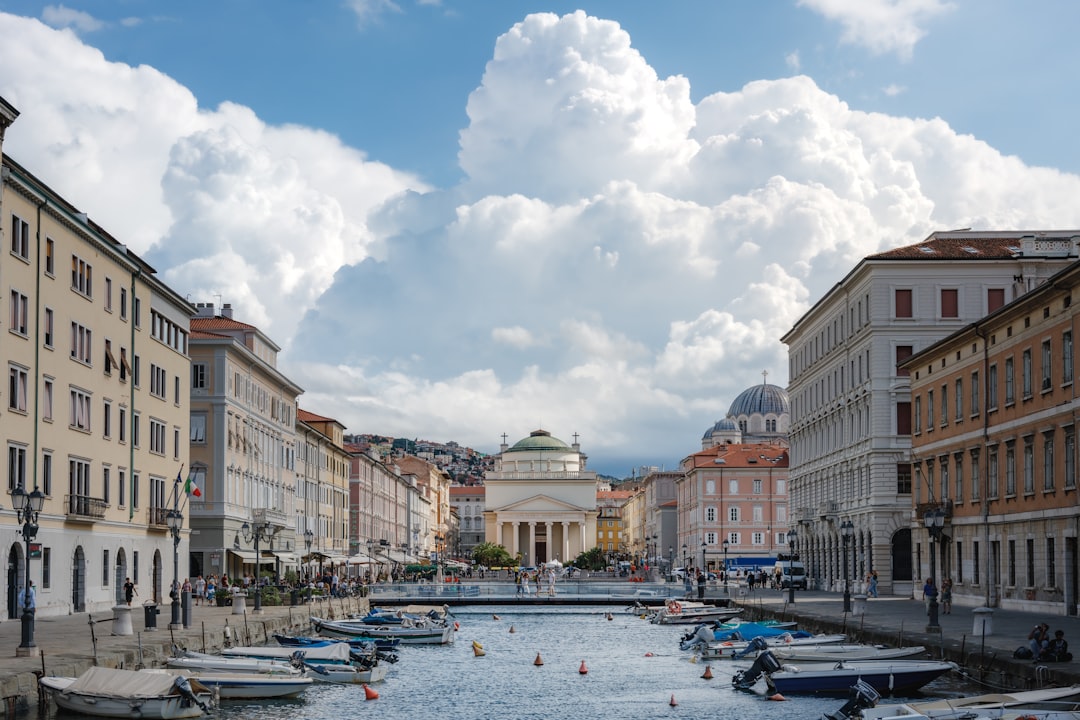
Habsburg grandeur on the Adriatic, Europe's great coffee port and a border-crossing city.
- Best time to visit: May-June, September-October
- Daily budget (budget traveller): $110 to $220 USD
- Ideal trip length: 2 to 3 days
Trieste doesn't feel entirely Italian, and that's the point. For centuries it was the Habsburg Empire's seaport, so the architecture is Viennese, the coffee culture is Central European, the food borders on Slovenian and the literary ghosts include James Joyce and Italo Svevo. Piazza Unità d'Italia opens straight onto the Adriatic, Miramare Castle sits on a white rock over the sea, and Slovenia is 15 minutes away.
Trieste is the Italian city that forgot to behave like one. For two centuries it was the Habsburg Empire's only real seaport, a free port where Greek, Serbian, Jewish, Slovene and Austrian merchants built a Viennese city and drank Central European coffee in it. The result is Piazza Unità d'Italia, a square that opens straight onto the Adriatic with no road between you and the water, a seafront of coffee houses that Joyce, Svevo and Rilke drank in, and Miramare Castle sitting on a white rock over the gulf. Slovenia is about 15 minutes away by car. The bora wind comes down off the karst in winter and strings ropes along the steep streets. It is a city that does not try to sell itself, and that is the appeal.
The city is easy to read once you know its three levels. The flat seafront (Riva, Piazza Unità, the Borgo Teresiano canal grid) holds the cafés, buffets and museums. Above it the old town climbs to San Giusto, with the cathedral, castle and Roman theatre. Above that the Carso plateau (the Karst) holds the osmize, farmhouses that hang out a leafy branch when they are selling their own wine and cured meat, plus Grotta Gigante and the Rilke path to Duino. Learn the coffee dialect (a nero is an espresso, a capo is a macchiato), eat lunch standing at a buffet counter with boiled pork and kren, and swim from the concrete platforms at Barcola in summer. That is the whole local routine.
Two to three days covers the centre, Miramare and one Carso afternoon. Four to five lets you add Duino, Muggia and a day in Ljubljana. Prices are well below Venice and Florence and the crowds are a fraction of either, apart from the second weekend of October, when the Barcolana regatta packs the gulf with sailboats and fills every hotel. Go in May, June or September. Bring a windproof jacket whatever the forecast, and book the Carso lunches the way locals do, by checking which farmhouse is open that week.
How many days in Trieste?
For Trieste, we recommend 2 to 3 days.
| Trip length | What you'll see | Itinerary |
|---|---|---|
| 2 days · Recommended | Piazza Unità and the Canal Grande; Cittavecchia, San Giusto and a literary café | Trieste in 2 days |
| 3 days · Recommended | Adds: Miramare and Barcola | Trieste in 3 days |
| 4 days | Adds: Grotta Gigante and an osmiza on the Carso | Trieste in 4 days |
| 5 days | Adds: Duino and the Rilke path | Trieste in 5 days |
| 7 days | Adds: Ljubljana day trip; Muggia | Trieste in 7 days |
Trieste itinerary
Arrive, Piazza Unità and the Canal Grande
Morning: Regional train from Trieste Airport station to Trieste Centrale (about 30 min, around €5). Drop bags, then a nero at the bar in Caffè degli Specchi on Piazza Unità.
Afternoon: Walk Corso Cavour to the Riva, out along Molo Audace, then back through the Canal Grande to the Joyce statue on Ponte Rosso. Look in at the Serbian Orthodox church of San Spiridione.
Evening: Boiled pork and kren at Buffet da Pepi, then a spritz in Cavana. Piazza Unità is at its best lit after dark.
Cittavecchia, San Giusto and a literary café
Morning: Climb to the Cattedrale di San Giusto and the castle ramparts (castle ticket about €6). Walk down past the Roman theatre.
Afternoon: Lunch at Buffet Siora Rosa on Piazza Hortis. Then pastries at Pasticceria Pirona, Joyce's favourite for presnitz.
Evening: Caffè San Marco for a nero and a book, then jota soup somewhere in Cavana.
Miramare and Barcola
Morning: Bus 6 to Miramare. Castle at 9am opening (about €15), then the park.
Afternoon: Walk the coast path to Barcola (about 4 km) and swim off the concrete platforms.
Evening: Aperitivo at sunset on the Barcola promenade, then fish at Al Bagatto.
Grotta Gigante and an osmiza on the Carso
Morning: Bus 42 from Piazza Oberdan to Grotta Gigante for a guided cave tour (about €15, wear a layer, it is around 11°C inside).
Afternoon: Find an open osmiza nearby (check osmize.com), and eat cured meat, cheese and eggs with a taiut of Vitovska. Cash only.
Evening: Back in town, a concert at Teatro Verdi if one is on, or a quiet dinner in Borgo Teresiano.
Duino and the Rilke path
Morning: Bus 44 to Sistiana (about 40 min). Walk the Rilke path along the cliffs to Duino (about 1.7 km).
Afternoon: Castello di Duino and its gardens (about €12), lunch in the village.
Evening: Bus back, dinner at a buffet or osteria in Cittavecchia.
Ljubljana day trip
Morning: FlixBus from Trieste Autostazione to Ljubljana (about 1h40, €8-15). Triple Bridge, Central Market and Dragon Bridge.
Afternoon: Funicular or walk up to Ljubljana Castle, then coffee on the river.
Evening: Late bus back, or stay for dinner and take the last departure.
Muggia and depart
Morning: Bus 20 along the coast road, or the ferry in season, to Muggia. Wander Piazza Marconi.
Afternoon: Grilled fish on the waterfront, back by early afternoon, last pastry at La Bomboniera.
Evening: Train to Trieste Airport station (about 30 min), or onward to Venice (about 2 hours).
Best neighbourhoods
- Borgo Teresiano: The 18th-century grid around the Grand Canal, with Neoclassical facades and Sant'Antonio Nuovo church.
- Piazza Unità & Seafront: Europe's largest sea-facing square, the Molo Audace pier and the historic cafés around it.
- Cittavecchia & San Giusto: The old town climbing to Roman ruins, the cathedral and the castle terrace over the gulf.
- Barcola & Miramare: The seafront promenade where all Trieste swims, running to Miramare Castle and its park.
Must-do experiences
- Sit in Piazza Unità d'Italia: The largest sea-facing square in Europe, ringed with Habsburg palaces and lit up spectacularly at night.
- Visit Miramare Castle: Archduke Maximilian's white castle on a promontory, with preserved interiors and a botanical park over the Adriatic.
- Drink coffee properly: Order a nero, capo in b or goccia at Caffè San Marco or Caffè degli Specchi; Trieste's coffee dialect is its own institution.
- Climb to San Giusto: The hilltop cathedral, castle ramparts and Roman remains with the best view over the gulf and the port.
- Eat at an osmiza on the Carso: Farmhouses on the karst plateau that open seasonally to sell their own wine, cured meats and cheese.
Hidden gems
- Grotta Gigante, one of the world's largest accessible show caves, on the karst above the city.
- Risiera di San Sabba, a sobering WWII memorial in a former rice mill.
- The Joyce and Svevo museums and the Joyce statue on the Ponte Rosso.
- Castello di Duino and the Rilke path along the cliffs.
Daily budget
- Accommodation: budget €25-40 / night (hostel dorm, Ostello Tergeste), mid-range €100-160 (boutique double, Hotel Alabarda), splurge €260+ (Savoia Excelsior Palace, Grand Hotel Duchi d'Aosta). Borgo Teresiano is the best-value base. Barcolana week in October roughly doubles prices, so book early.
- Food: budget €25-35 / day (buffet lunch, pastry, nero €1.30), mid-range €55-85 (buffet lunch, fish dinner), splurge €140+ (Harry's Piccolo tasting menu). A buffet plate of boiled pork, sauerkraut and kren plus a beer is about €12-18. Lunch is the cheap meal.
- Transport: budget €3-6 / day (bus tickets, walking), mid-range €10-20 (buses plus a few taxis), splurge €60+ (private driver to Duino and wineries). Buy bus tickets at tabaccherie, about €1.45 each, and validate on board. The centre is flat, so walk.
- Activities: budget €10-20 / day (San Giusto castle, a free museum, Barcola swim), mid-range €35-55 (Miramare castle about €15, Grotta Gigante about €15), splurge €100+ (private boat trip, winery visit at Zidarich or Kante). Miramare is free on the first Sunday of each month. Risiera di San Sabba and most piazza walks cost nothing.
- Drinks & nightlife: budget €8-12 (nero, taiut of wine at an osmiza), mid-range €25-40 (spritz and wine crawl in Cavana), splurge €70+ (hotel terrace cocktails, estate tasting). A glass of Vitovska or Terrano is €2-4 at an osmiza. Nightlife is bars and aperitivo, not clubs.
Where to stay
- Social hostel in Viale Miramare, near Barcola (€25-40 / night): Ostello Tergeste, a seaside hostel by the coast path, with dorms and privates. Quiet rather than party. Bus 6 to the centre.
- Boutique hotel in Borgo Teresiano (€100-170 / night): Hotel Alabarda or Hotel Continentale, walkable to the Canal Grande, Piazza Unità and the station. Quiet streets, good breakfast.
- Apartment in Cittavecchia or Cavana (€80-130 / night): Lived-in old town streets under San Giusto, cheaper restaurants, bars downstairs. Best for 4+ nights.
- Splurge in Riva and Piazza Unità (€260-450 / night): Savoia Excelsior Palace or Grand Hotel Duchi d'Aosta, grand Habsburg-era hotels on the waterfront with sea views.
What to eat
- Jota, a bean, sauerkraut and pork soup from the Slovenian border
- Buffet-style boiled pork with kren at Buffet da Pepi
- Sardoni in savor, marinated Adriatic anchovies
- Presnitz and putizza pastries with a nero in a historic café
Day trips
- Duino and the Rilke path (22 km, about 45 min by bus): Clifftop path above the gulf between Sistiana and Duino, ending at the castle where Rilke began the Duino Elegies. Bus 44 from Piazza Oberdan to Sistiana (about €2), then walk the path to Duino. Castle ticket about €12.
- Muggia (8 km across the bay, about 30 min): A small Venetian-style port on the Istrian side of the gulf, with a harbour square, a Duomo and fish restaurants on the waterfront. Ferry from Trieste in season (about €4-5), or bus 20 along the coast road all year.
- Ljubljana (95 km, about 1h40 by bus): Slovenia's riverside capital, with Plečnik bridges, a hilltop castle and a car-free centre. Doable as a long day or an overnight. FlixBus from Trieste Autostazione, €8-15 each way. Bring ID, the border is open but sometimes checked.
When to visit
- Spring (April - June): 14-25°C, mostly sunny, short showers, sea still cool. Crowds: Light to moderate. The best window. Terraces open, osmize start their spring season and Miramare's park is in bloom.
- Summer (July - August): 26-32°C, humid, sea 24-26°C. Crowds: Moderate, mostly Italian and Austrian holidaymakers. Swimming season at Barcola and the Pedocin. Hot at midday, and some restaurants shut around Ferragosto (15 August).
- Autumn (September - October): 15-25°C, warm sea into early October, first bora gusts. Crowds: Moderate, spikes for the Barcolana (second Sunday of October). The locals' favourite. September is perfect for swimming and osmize, but book months ahead for Barcolana week.
- Winter (November - March): 2-11°C, dry and bright when the bora blows, can hit 100+ km/h. Crowds: Low. Cheapest hotels and the best coffeehouse weather. Check the wind forecast, and expect ropes along some streets on gusty days.
Entry rules for your passport
Visa rules for Italy depend on the passport you travel on. Check the official source before you book: European Commission: Schengen visa policy
Getting there
Trieste Airport (TRS, in Ronchi dei Legionari) is about 33 km northwest of the centre. The airport has its own train station: regional trains to Trieste Centrale take about 30 min and cost around €5. Bus 51 also runs to the centre in about an hour for a similar fare. Avoid taxis, they are €80+. From Venice, regional trains take about 2 to 2h20 (roughly €13-20), Milan is about 4h30. FlixBus from Ljubljana takes about 1h40 (€8-15) to the Autostazione behind Trieste Centrale. The station is about a 15-minute walk down Corso Cavour to Piazza Unità.
Border checks: non-EU visitors (other than Swiss, Norwegian, Icelandic, Liechtenstein, Andorran, Monegasque, San Marinese and Vatican citizens, and holders of an EU residence permit or long-stay visa) are registered in the EU's Entry/Exit System (EES) instead of getting a passport stamp. On your first crossing, officers take your photo and/or fingerprints, so allow extra time at passport control. ETIAS, the planned travel authorisation, is not in operation yet, so don't pay any website for one.
Getting around
The centre is flat and walkable along the seafront, with buses climbing to San Giusto and out to Barcola and Miramare. The Opicina tram to the karst plateau has spent long spells out of service; it returned in late July 2026, for now from Piazza Dalmazia, so check it is running. Trains reach Venice in about two hours and Ljubljana by bus in 90 minutes. Trieste Airport is 40 minutes north with a direct train link.
Safety
Trieste is one of Italy's safest and calmest cities, with low petty-crime rates even in summer. Watch bags around the station and port areas at night. The bora wind can gust over 100 km/h in winter, when ropes are strung along some streets, so check forecasts. Karst trails and cliffs near Duino need proper shoes.
Solo travel tips
- Eat at the buffet counter: Buffet da Pepi and Siora Rosa serve boiled pork, sausage and sauerkraut from steaming pots. Stand at the counter, point at what you want, add kren (horseradish) and a beer. You will be chatting to a regular within minutes.
- Learn the coffee dialect: A nero is an espresso, a capo is a macchiato in a cup, a capo in b is the same in a small glass. Order it standing at the bar and it is cheaper than a table. Linger at a historic café afterwards, nobody will rush you.
- Swim like a local: Barcola is a free promenade with concrete platforms, and Bagno La Lanterna (El Pedocin) is a century-old beach with a wall splitting men and women for about €1.50. Bring swim shoes for the rocky edges.
- Osmize are the best solo lunch: Shared benches, no menu, cash only. Check osmize.com for what is open that week, look for the leafy branch signs on the road, and sit wherever there is space.
- Respect the bora, and the late night: Trieste is very safe for solo women and men. Watch bags near the station and port after dark. On bora days stay off the Molo Audace and cliff paths, and use the ropes on steep streets.
- Hostel pick and day trips: Ostello Tergeste on Viale Miramare is a quiet seaside hostel, about 15 min from the centre by bus. For company, join the Cavana spritz crowd, or take the cheap FlixBus to Ljubljana where backpackers cluster.
Cultural etiquette
- Learn the coffee dialect, it matters. Ask for a nero or a capo, and a plain cappuccino may confuse the bartender.
- Stand at the bar for coffee. Sitting at a table, especially on Piazza Unità, costs noticeably more.
- Trieste has a large Slovene minority and bilingual signs in the surrounding villages. Say grazie, but a dober dan (hello in Slovene) goes down well on the Carso.
- At a buffet, you order at the counter, pay at the end and eat standing or at a high table. Don't ask for pasta, they sell meat.
- Osmize are cash only, no menu, and run by families. Say thank you, take your rubbish and don't haggle.
- Lunch is 12:30-2:30pm, dinner from 7:30pm. Many kitchens close between meals.
- Be careful with the history of the Italian-Slovene border and the Risiera. Visit with respect and ask rather than assume.
Frequently asked questions
How many days do you need in Trieste?
Two days covers Piazza Unità, the Grand Canal in Borgo Teresiano, San Giusto and Miramare Castle. A third day lets you add the Carso plateau, Grotta Gigante, Duino or a hop over the border to Slovenia.
Is Trieste worth visiting?
Yes, particularly if you like Italy without the crowds. It offers Habsburg architecture, Europe's largest sea-facing square, serious coffee culture and Central European food, at lower prices and with far fewer tourists than Venice.
What is Trieste famous for?
Coffee, it's Italy's coffee capital and home of Illy, plus Piazza Unità d'Italia, Miramare Castle, its Habsburg past as the Austrian Empire's main port, the bora wind and literary residents including James Joyce.
How do you get to Trieste?
Trains from Venice take about two hours, from Milan around four and a half. Trieste Airport has a direct train to the centre in 30 to 40 minutes. Ljubljana is 90 minutes by bus, so many travellers combine Slovenia and Trieste. Carry your passport or ID card if you cross into Slovenia: Italy reintroduced spot checks on that border in late 2023.
When is the best time to visit Trieste?
May to June and September to October for warm weather without August crowds and heat. Summer is swimming season at Barcola. Winter is quiet and atmospheric in the cafés but the bora wind can be fierce.
How do you order coffee in Trieste?
The local dialect differs from the rest of Italy: nero is an espresso, capo is a macchiato, and capo in b is a macchiato in a small glass. Ask for a cappuccino and you may get a small glass rather than a big cup.
Is Trieste good for solo travellers?
Very. It's safe, flat and walkable, café culture makes sitting alone completely normal, and the historic literary cafés are made for a book and a nero. Buses cover Miramare and the Carso, so no car is needed.
More about Trieste
Tours and activities in Trieste | Trieste in 2 days | Trieste in 3 days | Trieste in 4 days | Trieste in 5 days | Trieste in 7 days
Can't decide? Compare Trieste with...
Joy Plus home | Destinations | Itineraries | Activities | Flights | Budget planner | Calendar | Map | Blog | Lifetime access