Destinations / Central America
Utila, Honduras travel guide
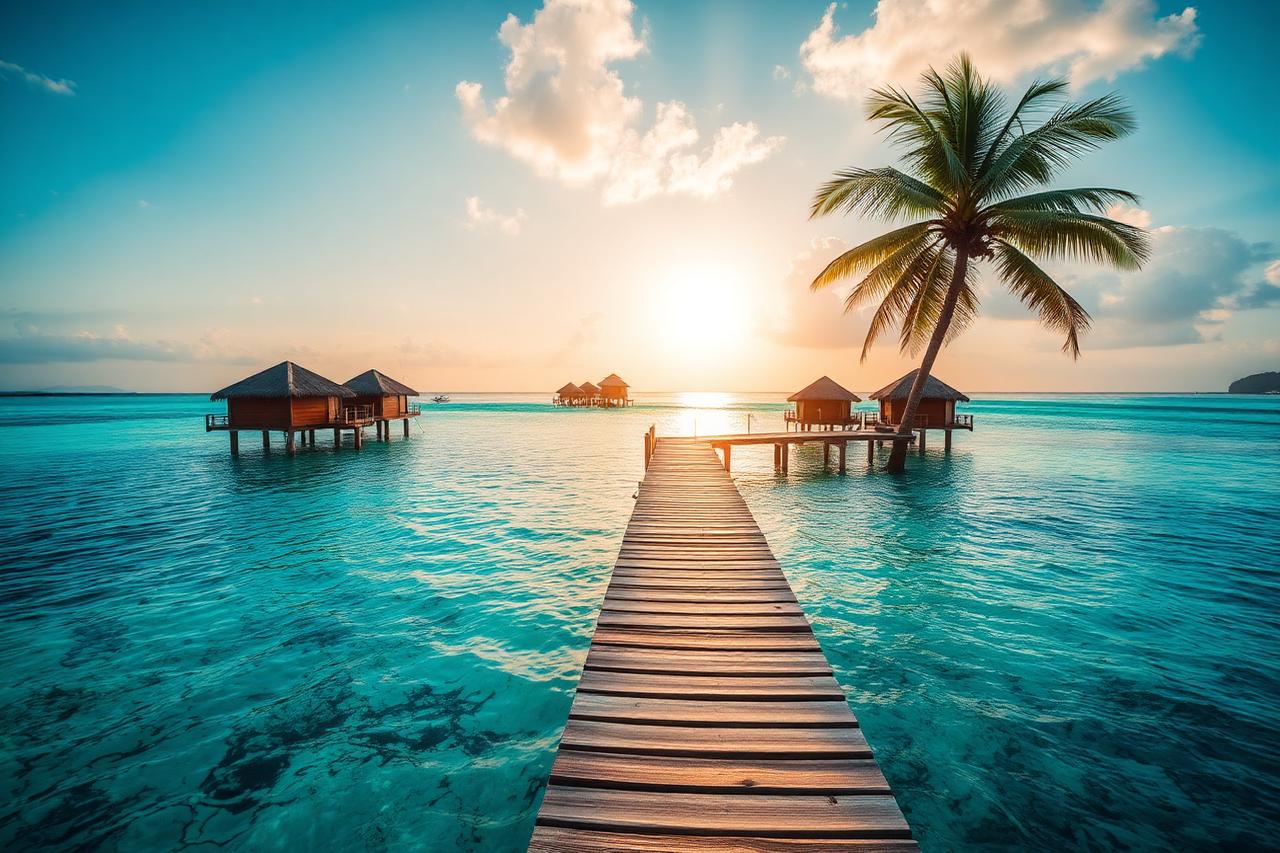
The Caribbean's cheapest diving: coral reefs, whale sharks, beach bars and an island that lives underwater.
- Best time to visit: March to May and September to November
- Daily budget (budget traveller): $40 to $70 USD
- Ideal trip length: 4 to 7 days
Utila is the smallest of Honduras' Bay Islands and the one that matters most to divers. It sits on the southern edge of the Mesoamerican Barrier Reef, the second-largest reef system on Earth, and offers some of the cheapest scuba certification and fun diving in the Caribbean. The island is tiny, just 11km long, with a single main road, a handful of beach bars and a social scene built around dive boats, sunset decks and the shared obsession with what lives below. Between dives, whale sharks are spotted in the channel from March to May and again in autumn. As Honduras' tourism slowly rebuilds, Utila remains the beating heart of the country's backpacker and diver culture. Joy Plus pairs dive schedules with the best local eats, snorkel spots and the whale shark window.
Utila is 11km of mangrove, sand and tin-roof wooden houses, and almost every conversation on it starts with 'how many dives have you got?' The island sits on the southern edge of the Mesoamerican Barrier Reef, so the reef is a ten-minute boat ride from your bed. That is why a PADI Open Water course here costs roughly $350 to $420 (about L 9,100 to L 10,900) and often comes with free or discounted dorm nights. Most people arrive for a three-day course and end up staying three weeks. The ones who leave early usually say they regret it.
Utila Town is a single strip along the waterfront road, walkable end to end in 15 minutes. The island's speech is its own thing, a Bay Islands English creole with Spanish and Garifuna mixed in. Dive shops double as social clubs, with morning boats, afternoon briefings and evening bars where instructors and students end up at the same table. Between dives you eat baleadas for L 40 to L 80 at the counter, ride a rented bike to Chepes Beach or kayak the mangroves, and watch the sunset from a dock bar. Whale sharks cruise the channel most visibly from March to May and again from September to November, and boats go out when spotters call it. Sightings are never guaranteed, which is half the fun.
Honest warnings. Sand flies bite hard at dusk, so bring repellent and keep your ankles covered. Cards are not accepted everywhere and ATMs sometimes run dry, so carry cash. Power cuts are routine and Wi-Fi is patchy. The island runs on boat time, so be flexible when weather moves the schedule. You also cannot fly within about 18 hours of your last dive, so plan your exit with that in mind. Treat the reef gently, tip your boat crew, and Utila repays you in colour, cheap beer and a community that remembers your name by day three.
How many days in Utila?
For Utila, we recommend 4 to 7 days. With more time, add a day trip to Turtle Harbour Wildlife Refuge.
| Trip length | What you'll see | Itinerary |
|---|---|---|
| 2 days | Ferry in, settle, first sunset; Start Open Water or do your first fun dives | Utila in 2 days |
| 3 days | Adds: Reef and wreck diving | Utila in 3 days |
| 4 days · Recommended | Adds: Whale shark morning, mangrove afternoon | Utila in 4 days |
| 5 days · Recommended | Adds: Water Cay and snorkelling | Utila in 5 days |
| 7 days · Recommended | Adds: Pumpkin Hill and the iguanas | Utila in 7 days |
Utila itinerary
Ferry in, settle, first sunset
Morning: Take the morning Utila Princess from La Ceiba (about an hour). The dive-shop touts at the dock are friendly, so ask about free dorm nights with a course.
Afternoon: Drop bags, rent a bike for L 150, ride to Chepes Beach and swim. Snack on a baleada for lunch.
Evening: Sunset drinks at a dock bar, then dinner in town. Put on repellent before dusk, because the sand flies find ankles quickly.
Start Open Water or do your first fun dives
Morning: Classroom or confined-water session at Bay Islands College of Diving, Alton's Dive Center or Captain Morgan's. Fun divers can book a two-tank boat dive on the north wall.
Afternoon: Surface interval over a plate of grilled fish, then a second dive or pool skills.
Evening: Dinner with your dive group. Many shops run bars, and a quiet night helps you dive well tomorrow.
Reef and wreck diving
Morning: Two-tank boat trip to Black Hills or Duppy Waters. Watch for eagle rays, turtles and reef sharks along the wall.
Afternoon: Rinse gear, log the dives and nap. Visit the Whale Shark & Oceanic Research Center to learn how to spot whale sharks.
Evening: Treetanic Bar for treehouse drinks, or a movie at Reef Cinema.
Whale shark morning, mangrove afternoon
Morning: Join a whale shark snorkel trip. Boats leave early, and spotters call the sharks from the channel.
Afternoon: Rent a kayak (Utila Water Sports or your dive shop) and paddle the mangrove channels at the east end.
Evening: Cook-and-chill at the hostel, or pupusas from a local stall. Sleep early if you dive tomorrow.
Water Cay and snorkelling
Morning: Boat taxi to Water Cay, about 15 minutes. Snorkel the reef edge.
Afternoon: Swim, read, drink a cold beer at the cay bar. Check the return boat time before you settle in.
Evening: Back in town, dinner at a waterfront restaurant. Order the catch of the day.
Pumpkin Hill and the iguanas
Morning: Ride east to Pumpkin Hill (about 9km) and hike to the viewpoint. Take plenty of water, because it gets hot by 9am.
Afternoon: Visit the pirate caves at Pumpkin Hill Beach with a headlamp. Then stop at the Iguana Research & Breeding Station on the way back.
Evening: Night dive for octopus, lobster and sleeping parrotfish, or a final sunset drink on the dock.
Slow morning, depart
Morning: Thompson's Bakery for cinnamon rolls. Do not dive today if you fly out, since you need about 18 hours before flying.
Afternoon: Catch the Utila Princess back to La Ceiba, or a Sosa flight. Buy your ticket early and confirm departure times at the dock.
Evening: Dinner in La Ceiba or a transfer to San Pedro Sula. Do not travel at night on the mainland if you can avoid it.
Best neighbourhoods
- Utila Town: The only real settlement, a strip of dive shops, hostels, bars and restaurants along the main waterfront road.
- Chepes Beach: The main swimming and sunset beach on the south side of town, with shallow water and a relaxed social scene.
- The Cays: Tiny mangrove islands a short boat ride away, home to a secluded resort, birdlife and pristine snorkelling.
- Pumpkin Hill: The island's highest point, a short hike to a viewpoint over the reef, the sea and the distant mountains of the mainland.
Must-do experiences
- Get scuba certified: Utila is one of the cheapest places on Earth to learn to dive, with PADI and SSI open-water courses running almost daily.
- Dive the North Side wall: Drift along a coral wall that drops into the blue, with reef sharks, eagle rays, turtles and schooling fish.
- Whale shark snorkel: Between March and May and again in September to November, spot and snorkel with the world's largest fish in the deep channel.
- Sunset at Pumpkin Hill: Hike to the island's highest point for panoramic views of the reef, the mainland and the setting sun.
- Learn to scuba dive: Utila is one of the cheapest places in the world to get scuba certified, with excellent reefs right offshore. Many travellers come for a course and stay for weeks.
Hidden gems
- The mangrove tunnel kayak tour at the east end of the island, full of birds and baby sharks.
- Water Cay, a tiny private-feeling sand island with a single bar and excellent snorkelling.
- The local baleada lady who sets up a stall after dark near the petrol station.
- Night diving to see bioluminescence, octopus, lobster and sleeping parrotfish.
Daily budget
- Accommodation: budget L 260-520 / night (dive shop dorm, $10-20), mid-range L 1,800-3,000 (garden room at Mango Inn or Jade Seahorse, $70-115), splurge L 5,800+ (Utila Lodge, $220+). Book a course and ask the shop for free or discounted dorm nights. Most do it, and it is the biggest saving on the island.
- Food: budget L 400-650 / day (baleadas, pupusas, bakery, $15-25), mid-range L 900-1,400 (cafés, grilled fish, one dinner out, $35-55), splurge L 2,000+ (waterfront seafood dinners, $80+). A baleada sencilla is about L 30 and a loaded one L 50 to L 80. Grab cinnamon rolls at Thompson's Bakery for breakfast.
- Transport: budget L 150-200 / day (bike rental, $6-8), mid-range L 1,100-1,300 (golf cart day or tuk-tuk hops, $40-50), splurge L 4,000+ (private boat charter, $150+). The Utila Princess ferry from La Ceiba is around L 700 to L 800 one way. Tuk-tuk rides in town are L 50 to L 100. Walk or cycle for everything else.
- Activities: budget L 900-1,800 (snorkel gear, free beaches, one shore dive, $35-70), mid-range L 2,000-3,500 (two fun dives or whale shark trip, $75-135), splurge L 9,100-10,900 (Open Water course) or L 3,900+ (private whale shark boat). Fun dives run $35 to $45 each, discounted on packages. Whale shark trips are about $60 to $90 and are not guaranteed. Bring your own mask and fins to save rental fees.
- Drinks & nightlife: budget L 150-250 (Salva Vida at L 50 to 70, happy hour), mid-range L 500-900 (rum punches, bar-hopping), splurge L 1,500+ (cocktails and a boat party). Dive shops run bars with cheap beer. Rum punches are L 100 to L 130. Sunset drinks on a dock are the island's main entertainment.
Where to stay
- Social hostel in Utila Town waterfront (L 260-520 / night ($10-20)): Dive-shop dorms such as Bay Islands College of Diving or Alton's Dive Center put you steps from the boats and the bar. Many include free or cheap nights with a course.
- Boutique hotel in Utila Town, garden side (L 1,800-3,000 / night ($70-115)): Mango Inn or Jade Seahorse offer quiet gardens, air-con, a pool or art-filled rooms, and a short walk to the dive shops.
- Apartment in Sandy Bay or Camp Bay (L 1,000-1,800 / night ($40-70)): Rent a small house or apartment away from the town noise. Weekly and monthly rates are far better than nightly, so ask locally for long stays.
- Splurge in Utila Lodge, waterfront (L 5,800-9,900 / night ($220-380)): Package dive resort with private dock, sea-view rooms, a restaurant and boats on your doorstep. Everything is arranged, which is the point.
What to eat
- Baleadas, the Honduran street-food staple: flour tortilla folded around beans, cheese, cream and your choice of fillings
- Fresh seafood platters, lionfish, conch and shrimp grilled Caribbean-style
- Pupusas, the Salvadoran corn cakes stuffed with cheese and beans, popular with islanders
- Tropical rum punches and cold Salva Vida beers at waterfront sunset bars
Day trips
- Water Cay (15 min by boat): A tiny sandy cay ringed by clear shallows and good snorkelling, with a small beach bar. Arrive early and agree a pick-up time before you leave. Boat taxi from the Utila cays dock or via your dive shop. Expect roughly L 260 to L 520 per person return, negotiated. Bring water and cash.
- Pumpkin Hill and the pirate caves (About 9km east, 40 min by bike): Hike up the island's highest point for views of the reef and the mainland, then explore the caves on Pumpkin Hill Beach with a headlamp. Rent a bike for L 150 or a golf cart for about L 1,100 in town. Go early or late to avoid the heat.
- Turtle Harbour Wildlife Refuge (30 min by boat or kayak): A protected north-coast lagoon with mangroves, birdlife and calm water for paddling and snorkelling. It was a pirate hideout once. Arrange with a dive shop or a local captain, about $50 to $100 per boat. Go with a guide, since the entrance is not obvious.
When to visit
- Spring (March to May): 28-31°C air, sea 27-28°C, mostly dry, calm seas. Crowds: Busy, peaks at Semana Santa (Easter week). The sweet spot. Flat water, 25 to 30m visibility and the main whale shark window. Book dorms ahead for Easter week, when Honduran families fill the island.
- Summer (June to August): 30-33°C, humid, short afternoon showers, hurricane season begins. Crowds: Moderate, backpackers and a few European holidaymakers. The sleeper window. June and July are usually calm and hot with good visibility. Watch forecasts in August, since a tropical system can cancel boats for a few days.
- Autumn (September to November): 28-31°C, humid, rain builds from October, peak storm risk. Crowds: Low to moderate, thin out by November. Whale sharks return, rooms get cheaper and dive shops have space. Buy flexible transport, since weather can disrupt both the ferry and the dive boats.
- Winter (December to February): 24-28°C, wet spells, windy northers, sea 26-27°C. Crowds: Busy at Christmas and New Year, quiet in late January. Good diving when the wind drops, but the north side can be too rough for dives. Pack a light rain shell and expect a few lost days to weather.
Entry rules for your passport
Visa rules for Honduras depend on the passport you travel on. Check the official source before you book: Honduras National Migration Institute
Getting there
Most travellers fly into San Pedro Sula (SAP) or Roatan, then reach La Ceiba. From San Pedro Sula, a Hedman Alas or similar bus to La Ceiba takes about 3 hours and costs L 450 to L 600. From La Ceiba, the Utila Princess ferry takes roughly an hour to Utila Town and costs about L 700 to L 800 one way. Aim for the morning departure and confirm the schedule at the La Ceiba dock or on the company's page, as times change. Buy tickets early. Small planes (Sosa, CM Airlines) fly La Ceiba to Utila airport, from about $90 to $130, and the airport is a 1.5km tuk-tuk (L 50 to L 100) from town. Avoid arriving in La Ceiba after dark if you can. Do not dive within about 18 hours of a flight.
Getting around
Utila is tiny and flat. You can walk from one end of Utila Town to the other in 15 minutes. Bicycles are the main transport and can be rented cheaply. Golf carts and tuk-tuks are available. Dive boats handle all reef and cay trips. The island is reached by ferry from La Ceiba on the mainland, about an hour crossing, or by small plane from San Pedro Sula or Roatan.
Safety
Utila is very safe and has a tight-knit dive community. Normal precautions apply: secure valuables in hostel lockers, don't leave dive gear unattended, and be careful on boats and docks. Diving carries inherent risks, so dive within your training, check equipment and surface intervals, and respect depth limits. The sun is intense on the water, so reef-safe sunscreen and hydration are essential. Mosquitoes can be an issue after rain.
Solo travel tips
- Pick your dive shop for the people: Dive shops are the social centre of the island. Visit two or three, ask who is in their current course, and choose the one with a bar full of solos rather than the cheapest price.
- Take a course in your first days: A course gives you a built-in group, a daily schedule and a reason to talk to everyone. By day three you have dive buddies and dinner plans.
- Hostel pick: dive-shop dorms: The dorms at the bigger shops are cheap, social and close to the dock. Look for one with lockers, a fan or air-con, and ask about mosquito nets.
- Respect the dark road: The main road is poorly lit after dark. Carry a headlamp, ride with lights on your bike, and use a tuk-tuk after a few drinks rather than walking alone.
- Solo female travellers: Utila is a small, close community and generally comfortable for women alone. Standard rules apply: watch your drink, tell someone where you are headed after dark, and avoid isolated beaches at night.
- Say yes to boat trips: Cay days, whale shark trips and sunset booze cruises are easy places to meet people. Show up, ask who is sailing and squeeze in.
Cultural etiquette
- Greet people. Say 'good morning' on the road and the island greets you back. English and Spanish both work, but locals are often more at home in Bay Islands English.
- Do not touch or stand on the coral, and keep your fins off the bottom. Never touch a whale shark or ride a turtle, and keep your distance as the guides ask.
- Tip 10% at sit-down restaurants and tip boat crews and divemasters (about $5 to $10 per day when service is good).
- Wear a shirt and cover up away from the beach. Walking through town in swimwear is not appreciated.
- Do not buy black coral, turtle shell or shells from the reef. It is illegal and harms the ecosystem.
- Respect the water supply. Showers should be short and tap water is not for drinking, so refill from filtered stations.
- Ask before photographing locals or their kids, and keep drones away from people and boats unless you are sure it is allowed.
Frequently asked questions
How many days do you need in Utila?
Four to seven days is ideal: time to complete a scuba course or do four to six fun dives, snorkel with whale sharks if in season, kayak the mangroves and enjoy the island's beach bar social life.
Is Utila safe for tourists?
Yes, it is very safe, with a strong, welcoming dive community. Use standard precautions with valuables, respect dive safety protocols, and be careful on boats and docks. The island feels like a small village where everyone looks out for each other.
When is the best time to visit Utila?
The best diving and whale shark seasons are March to May and September to November, with calm seas, warm water and excellent visibility. The wet season (June to August) can bring storms that disrupt boats, while December to February is good but slightly cooler.
Do I need a visa to visit Honduras?
Citizens of the EU, US, Canada, Australia and the UK can enter Honduras visa-free as tourists for up to 90 days. British citizens needed a visa from August 2024, but Honduras lifted that rule on 31 October 2026. Confirm the latest entry rules and proof of onward travel requirements before visiting.
How do I get to Utila from the mainland?
The Utila Princess ferry runs daily from La Ceiba, taking about an hour. There are also small domestic flights from San Pedro Sula, Tegucigalpa or Roatan. La Ceiba is reached by bus or flight from the main Honduran cities.
Is Utila really the cheapest place to learn to dive?
It is among the cheapest in the Caribbean and often cheaper than Southeast Asia. PADI Open Water courses typically run $250 to $350 including accommodation, making it one of the best-value dive certifications in the world.
What is the difference between Utila and Roatan?
Utila is smaller, cheaper, more backpacker-focused and famous for dive training and whale sharks. Roatan is larger, more developed, more resort-focused and offers a wider range of restaurants and beaches, but diving and living costs are higher.
Is Utila worth visiting?
Yes, especially for divers, it's a budget-friendly Caribbean island on the Mesoamerican reef with great diving, whale sharks and a fun, backpacker-friendly scene.
Why is Utila famous for diving?
It offers world-class reef diving at very low prices, making it one of the cheapest places to get PADI certified, plus the rare chance to dive with whale sharks.
Utila or Roatán?
Utila is cheaper, smaller and more backpacker/diver-focused; Roatán is more developed, with resorts and a wider range of beaches and comforts. Choose by budget and vibe.
Tours and activities in Utila | Utila in 2 days | Utila in 3 days | Utila in 4 days | Utila in 5 days | Utila in 7 days
Joy Plus home | Destinations | Itineraries | Activities | Flights | Budget planner | Calendar | Map | Blog | Lifetime access