Destinations / Europe
Valletta, Malta travel guide
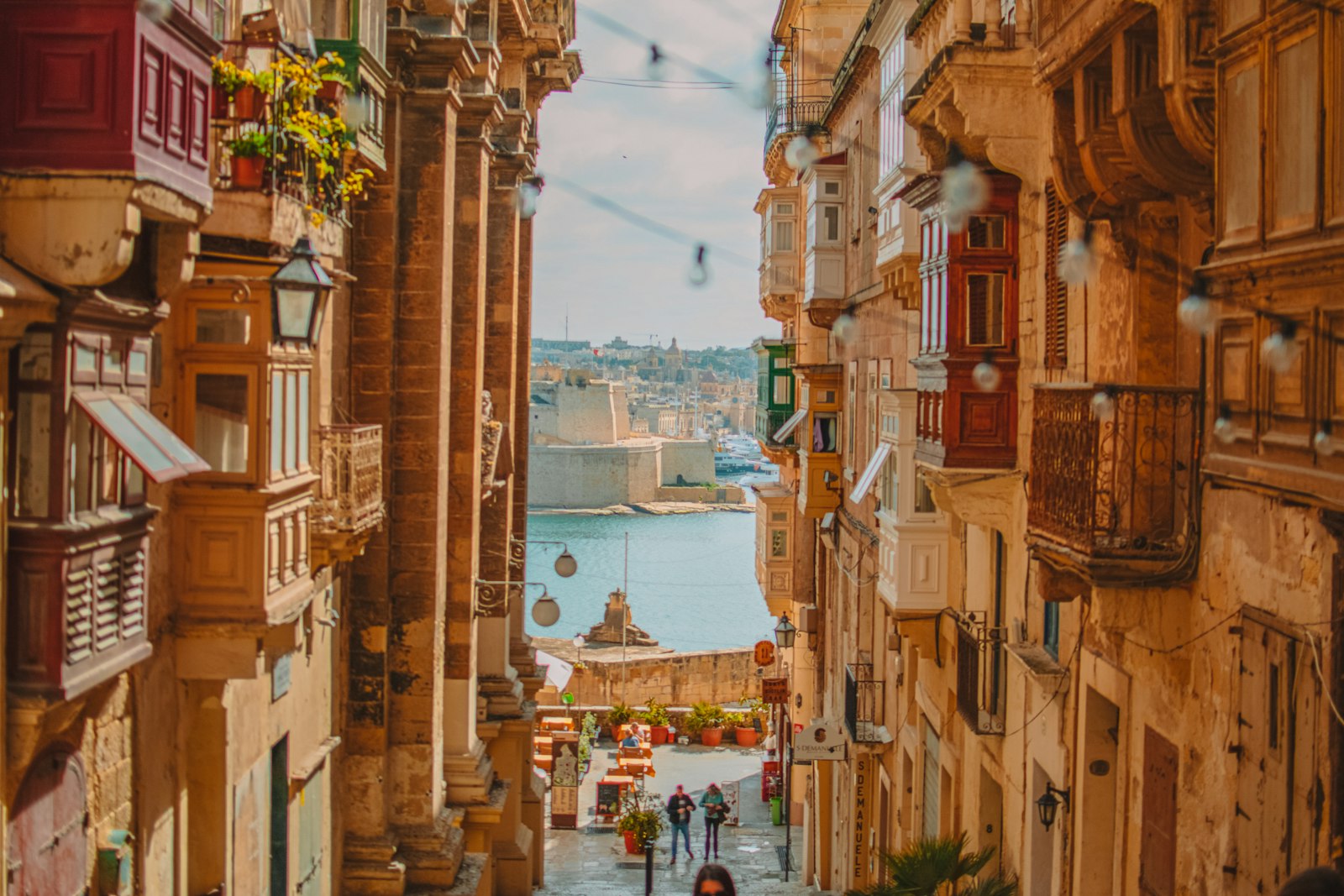
Malta's golden fortress capital. Baroque grandeur, Grand Harbour views and Mediterranean sun.
- Best time to visit: April-June & September-October
- Daily budget (budget traveller): $80 to $180 USD
- Ideal trip length: 3 to 5 days
Valletta is one of Europe's most concentrated historic capitals, a tiny golden city built by the Knights of St John on a peninsula between two great harbours. Its grid of honey-coloured streets is packed with Baroque palaces, the dazzling St John's Co-Cathedral, fortified bastions and sweeping Grand Harbour views. Compact and walkable, it's the gateway to the rest of Malta and its sister island Gozo. Joy Plus pairs Valletta's history with the wider island's beaches and ancient sites.
Valletta is a city built in a hurry and on purpose. After the Great Siege of 1565, the Knights of St John laid out a grid on a bare limestone peninsula, with streets angled to catch sea breezes and cross streets that drop into stairs. The whole capital is about 1km long and half that wide, and it packs in more Baroque palaces, auberges and bastions per block than almost anywhere in Europe. The honey-coloured stone glows at sunset, the wooden balconies (gallariji) are painted in greens, blues and reds, and the Grand Harbour is always at the end of a street.
It is also a working capital, not a museum. Locals queue for pastizzi at the counter, ministers walk past Renzo Piano's City Gate, and Strait Street, once the sailors' red-light lane, now holds small wine bars and live jazz. The noon cannon at the Upper Barrakka Saluting Battery still goes off, tourists included. The honest catch is the cruise ships. On a big arrival day the main streets fill by 10am, so you plan around them: St John's at opening, harbour walks late, Mdina and Gozo on the busiest days.
Malta is small enough that Valletta works as a hub for everything else. Bus 81 reaches the fishing village of Marsaxlokk, buses 51 and 52 reach silent Mdina, and the ferry from Cirkewwa gets you to Gozo in 25 minutes. English is an official language, the buses are cheap with a Tallinja card, and the island is among the safest in Europe, which makes it easy to go alone. Plan three days for Valletta and the Three Cities, add two to four for Mdina, Gozo, Comino and the temples, and you will cover most of what matters without a rental car.
How many days in Valletta?
For Valletta, we recommend 3 to 5 days.
| Trip length | What you'll see | Itinerary |
|---|---|---|
| 2 days | City Gate and the Grand Harbour; St John's, palaces and WWII | Valletta in 2 days |
| 3 days · Recommended | Adds: The Three Cities by ferry | Valletta in 3 days |
| 4 days · Recommended | Adds: Mdina, Rabat and Dingli cliffs | Valletta in 4 days |
| 5 days · Recommended | Adds: Gozo day | Valletta in 5 days |
| 7 days | Adds: Comino and the Blue Lagoon; Marsaxlokk | Valletta in 7 days |
Valletta itinerary
Arrive, City Gate and the Grand Harbour
Morning: Land at MLA, take the X4 bus to the Valletta terminus (about 30 min). Walk through Renzo Piano's City Gate, drop your bags, and have coffee and a pastizz at Caffe Cordina on Republic Street.
Afternoon: Walk to Upper Barrakka Gardens for the 4pm cannon salute and the Grand Harbour view. Ride the Barrakka Lift down (€1) and wander the waterfront.
Evening: Dinner at Ta' Kris on Old Bakery Street for bigilla, rabbit or pasta. Wine on Strait Street, then bed early.
St John's, palaces and WWII
Morning: St John's Co-Cathedral at opening (€15 with audio guide, closed Sundays), then Caravaggio's Beheading of St John in the oratory. Cover your shoulders and knees.
Afternoon: Grandmaster's Palace armoury, then lunch at Is-Suq tal-Belt food hall. Afternoon tour of the Lascaris War Rooms in the tunnels under the Upper Barrakka bastion.
Evening: Dinner at Rubino or Trattoria da Pippo on Melita Street. Stroll Merchants Street as the shops close.
The Three Cities by ferry
Morning: Take the ferry from the Grand Harbour quay to Birgu (about €2.80 return). Walk the lanes to Fort St Angelo and the Inquisitor's Palace.
Afternoon: Lunch at Don Berto on the Birgu waterfront. Walk to Senglea's Gardjola gardens for the best view back to Valletta.
Evening: Dgħajsa water taxi or ferry back at golden hour. Dinner at a Valletta terrace with a bastion view.
Mdina, Rabat and Dingli cliffs
Morning: Bus 51 from Valletta to Mdina's gate (about 35 min). Wander the silent walled city and take cake at Fontanella Tea Garden on the bastion.
Afternoon: Walk to Rabat for pastizzi at Crystal Palace and a tour of St Paul's Catacombs. Bus 52 on to Dingli.
Evening: Sunset at Dingli Cliffs, Malta's highest point at about 250m. Bus back to Valletta, easy late dinner.
Gozo day
Morning: Bus 41 from Valletta to Cirkewwa, then the Gozo Channel ferry to Mgarr (25 min, €4.65 return paid on the way back). Bus 301 to Victoria and the Citadel.
Afternoon: Visit Ggantija temples (about €10), older than Stonehenge. Lunch in Marsalforn, salt pans walk at Xwejni.
Evening: Ferry back from Mgarr, bus back to Valletta. Light dinner and an early night.
Comino and the Blue Lagoon
Morning: Catch the first boat to Comino from Cirkewwa or a morning cruise from Sliema (€15-45). Since May 2025 everyone landing needs a free time slot booked in advance, and visitor numbers are capped.
Afternoon: Walk to St Mary's Tower on Comino or swim at Santa Marija Bay for fewer people. Sunbed pair is about €20.
Evening: Boat back, dinner in Sliema on the Tower Road promenade, ferry or bus to Valletta.
Marsaxlokk and departure
Morning: Bus 81 to Marsaxlokk (about 40 min). On Sundays the fish market is 7am to 1pm, otherwise just the painted luzzu boats and lunch at Tartarun.
Afternoon: Back to Valletta for a last Upper Barrakka walk and a cake at Caffe Cordina. Collect bags.
Evening: X4 bus to MLA, arrive two hours before your flight.
Best neighbourhoods
- Valletta City Centre: The grid of Baroque streets around Republic Street and the cathedral.
- Grand Harbour & Bastions: The fortified waterfront with the Upper Barrakka Gardens views.
- The Three Cities: Historic Vittoriosa, Senglea and Cospicua across the harbour.
- Sliema & St Julian's: The modern seafront hub of shopping, dining and nightlife nearby.
- Mdina: The silent walled medieval old capital a short trip inland.
Must-do experiences
- Visit St John's Co-Cathedral: Marvel at the Baroque interior and Caravaggio masterpieces.
- Watch the Grand Harbour from Upper Barrakka: Take in panoramic views and the noon cannon salute.
- Explore the Three Cities by boat: Cross the harbour to the atmospheric fortified towns.
- Day trip to Mdina: Wander the silent walled medieval city's lamplit lanes.
- Boat to the Blue Lagoon: Swim in Comino's electric-blue waters between Malta and Gozo; a free time slot must be booked online in advance.
- Tour the ancient megalithic temples: See some of the world's oldest free-standing structures.
Hidden gems
- The hidden underground WWII Lascaris War Rooms beneath Valletta.
- The colourful fishing village of Marsaxlokk and its Sunday market.
- The clifftop Dingli viewpoints and the silent Mdina ramparts at night.
- Gozo's Ggantija temples and the salt pans at Marsalforn.
Daily budget
- Accommodation: budget €30-55 / night (hostel dorm, higher in summer), mid-range €110-180 (boutique double or Sliema apartment), splurge €280+ (The Phoenicia, Xara Palace in Mdina). Valletta rooms are small and pricey. Sliema and St Julian's are cheaper and ferries or buses link them to Valletta quickly.
- Food: budget €25-35 / day (pastizzi, ftira, lunch specials), mid-range €55-85 (one proper dinner with wine), splurge €150+ (Noni, Michelin-starred tasting menu). Pastizzi cost €0.60-0.90 each. Lunch menus in Valletta run €12-18 and are the best value of the day.
- Transport: budget €3 / day (Tallinja Explore card, about €21 for 7 days), mid-range €10-20 (buses, ferries and the odd Bolt), splurge €60+ (private driver for Gozo or the south). Skip the car. Valletta to Sliema ferry and Three Cities ferry are about €2.80 return, and the Barrakka Lift is €1.
- Activities: budget €10-20 / day (free gardens, one Heritage Malta site), mid-range €35-60 (St John's €15, Gozo, Ggantija €10), splurge €100+ (private boat to Comino, Hypogeum tour). Heritage Malta multi-site passes pay off if you visit three or more. Upper Barrakka Gardens and most churches are free.
- Drinks & nightlife: budget €8-12 (Cisk lager at €2.50-3.50, Kinnie), mid-range €25-40 (Strait Street wine and cocktails), splurge €70+ (rooftop cocktails, Paceville club night). Valletta is calm after midnight. Paceville in St Julian's is where the loud nights are.
Where to stay
- Social hostel in St Julian's / Paceville (€30-55 / night): Follow the Sun Boutique Hostel in St Julian's, mixed dorms, terrace and bar, a bus or ferry hop to Valletta.
- Boutique hotel in Valletta City Centre (€150-280 / night): Casa Ellul or Palazzo Consiglia, restored palazzo rooms with stone arches, a short walk to St John's and the bastions.
- Apartment in Birgu (Three Cities) (€80-140 / night): Quiet limestone houses with a balcony on the old waterfront. Ferry to Valletta in 10 minutes and far cheaper than Valletta itself.
- Splurge in Floriana, by City Gate (€280-450 / night): The Phoenicia Malta, a grand 5-star with gardens and a pool right outside Valletta's gate.
What to eat
- Pastizzi, flaky pastries filled with ricotta or peas
- Fenek (rabbit) stew, the national dish
- Ftira, Malta's ring-shaped sourdough sandwich
- Kinnie, the local bittersweet orange soft drink
Day trips
- Mdina and Rabat (35 min by bus, 12km): The silent walled old capital, perched on a hill with narrow lanes and lamplit evenings. Pair with Rabat's St Paul's Catacombs and pastizzi at Crystal Palace. Stay until after 6pm when the day-trippers go. Bus 51 or 52 from the Valletta terminus to Mdina gate, €2 to 2.50 each way. Explore card covers it.
- Gozo (and Comino) (About 90 min door to door): A greener, slower island. Victoria's Citadel, Ggantija temples, Ramla Bay and Marsalforn salt pans. Add Comino's Blue Lagoon on a separate day; since May 2025 everyone landing needs a free time slot booked in advance, and visitor numbers are capped. Bus 41 from Valletta to Cirkewwa (about 1h15), then the Gozo Channel ferry to Mgarr every 45 min (25 min crossing, €4.65 return). Comino boats leave Cirkewwa from about 9am.
- Marsaxlokk and the south (40 min by bus, 14km): Fishing harbour with painted luzzu boats, a Sunday fish market and seafood restaurants like Tartarun. Combine with Hagar Qim and Mnajdra temples or Blue Grotto boat rides. Bus 81 from the Valletta terminus to Marsaxlokk. Market runs Sunday morning, about 7am to 1pm.
When to visit
- Spring (April - June): 18-28°C, sunny, short showers in April, sea about 16-21°C. Crowds: Building, manageable until June. The best window for sightseeing. Wildflowers on the clifftops, long days, easy walking. Sea is still cold in April, fine for swimming from late May.
- Summer (July - August): 30-37°C, dry, humid, sea about 26-27°C. Crowds: Heavy, cruise ships plus village festa season. Great for swimming, rough for climbing Valletta's stairs at midday. Sightsee 8am to 11am, swim after, expect peak hotel rates and full buses.
- Autumn (September - October): 24-31°C, warm sea about 24-26°C, first rain in late October. Crowds: Moderate, easing from mid October. The local pick. Warm water, softer light, Notte Bianca in Valletta in October, and hotel rates drop after mid September.
- Winter (November - March): 12-17°C, windy, rainy spells, bright days in between. Crowds: Low, apart from Carnival in February. Cheapest hotels and empty bastions. Good for Valletta's museums, the Baroque Festival in January and walking, but pack a rain jacket and forget beach days.
Entry rules for your passport
Visa rules for Malta depend on the passport you travel on. Check the official source before you book: European Commission: Schengen visa policy
Getting there
Malta International Airport (MLA) is in Luqa, about 6km from Valletta. Bus X4 runs to the Valletta terminus in about 30 minutes for €2 to 2.50 (check the route board outside arrivals). A fixed-fare taxi from the airport desk is about €20 to 25, and Bolt or eCabs is typically €12 to 18. KM Malta Airlines, Ryanair and Wizz Air connect Malta to most of Europe. From Sicily, Virtu Ferries sail from Pozzallo to Valletta in about 1h45, from around €50 each way. Cruise ships dock right below the bastions at the Valletta Cruise Port.
Border checks: non-EU visitors (other than Swiss, Norwegian, Icelandic, Liechtenstein, Andorran, Monegasque, San Marinese and Vatican citizens, and holders of an EU residence permit or long-stay visa) are registered in the EU's Entry/Exit System (EES) instead of getting a passport stamp. On your first crossing, officers take your photo and/or fingerprints, so allow extra time at passport control. ETIAS, the planned travel authorisation, is not in operation yet, so don't pay any website for one.
Getting around
Valletta is tiny and best explored on foot, though its streets are steep and stepped in places. Malta has an extensive and cheap public bus network radiating from Valletta and Sliema to most of the island and the ferry ports, making car-free travel easy. Frequent ferries link Valletta to Sliema and the Three Cities, and a fast ferry runs to Gozo, while the car ferry leaves from Ċirkewwa, in the north. Driving is on the left and traffic can be heavy; many visitors skip the car and rely on buses, ferries and the occasional taxi or tour.
Safety
Malta is one of the safest countries in Europe, with low crime, and Valletta is very comfortable for solo travellers, including women, day and night. The main considerations are practical: streets are steep and stepped, the summer sun and heat are intense, and the island gets very busy with cruise visitors and traffic. Take care swimming at rocky spots and in the Blue Lagoon's busy boat areas. English is an official language, which makes navigating, transport and emergencies straightforward for visitors.
Solo travel tips
- Take a group boat: Day cruises from Sliema to Comino and Gozo, and the Three Cities ferry, are where solos meet people. Sit at the front and talk to whoever is doing the same route.
- Eat at Is-Suq tal-Belt: The Valletta market hall has shared counters and mix-and-match stalls. Easy to dine alone without feeling stared at, with a pastizz or ftira under €8.
- Hostel pick: Follow the Sun in St Julian's: Valletta has few hostels, so most solos base in Sliema or St Julian's. Follow the Sun Boutique Hostel has a bar, a terrace and a pool and runs events. Bus or ferry gets you to Valletta in 20 to 30 minutes.
- Plan around the cruise ships: Check the Valletta Cruise Port schedule. On three or four ship days, hit St John's at opening and the bastions after 4pm. Spend the middle of the day in Mdina or on a boat.
- Solo female travellers: Malta is very safe day and night. Valletta is quiet after midnight. Paceville is loud and drunk, so watch your drink, use Bolt or eCabs back, and avoid walking the unlit road to Sliema alone.
- Learn the bus rhythm: Tallinja buses are cheap but crowded in summer. Get the Explore card, board at the terminus, and leave the Blue Lagoon before 4pm to avoid the full-bus crush.
Cultural etiquette
- Cover shoulders and knees at churches. St John's turns away bare shoulders and bans high heels to protect the marble tombstone floor.
- Say Bongu (good morning) and Grazzi (thank you). Maltese is its own Semitic language with Italian words, and locals appreciate the try. English works everywhere.
- Tipping is 5 to 10% at sit-down restaurants where service is not added. Round up taxis and cafés.
- Eat pastizzi standing at the counter, from paper. Don't carry a tray to a table in a bakery.
- Village festas in summer mean fireworks, bands and church bells at odd hours. Join in, don't complain.
- Don't wear swimwear or go shirtless in town. Keep beachwear for beaches and boats.
- Drive on the left, and Sunday trade is limited. Many museums and some shops close or shorten hours on Sunday.
Frequently asked questions
How many days do you need in Valletta and Malta?
Three to five days works well. One to two days cover Valletta itself, including St John's Co-Cathedral, the Grand Harbour, the bastions and the Three Cities across the water. Add days for Mdina, the old capital, the Blue Lagoon on Comino, the megalithic temples and a trip to Gozo. Malta is small, so a long weekend gives a good taste, while five days let you explore both islands and their beaches and history at a relaxed pace.
Is Valletta good for solo travellers?
Yes, Valletta and Malta are excellent for solo travel. The country is very safe, English is widely spoken, and the compact size makes getting around easy. Valletta is walkable and full of history, while group boat trips, harbour cruises and tours to Gozo and the temples make meeting people simple. Solo women travellers consistently rate Malta as one of the most comfortable Mediterranean destinations, with a welcoming atmosphere day and night.
When is the best time to visit Valletta?
April-June and September-October offer warm, sunny weather without the intense heat and crowds of high summer, making them ideal for sightseeing and swimming. July and August are very hot and busy, with peak prices and many cruise visitors, though the sea is warmest. Winter is mild and quiet, pleasant for exploring Valletta's history and culture, with some festivals, though it's cooler and occasionally wet, and beach time is limited. Spring is especially green and pleasant.
Do you need a car in Malta?
Not really. Malta has a comprehensive, inexpensive bus network centred on Valletta and Sliema that reaches almost everywhere, including the airport, beaches, Mdina and the ferry ports. Frequent ferries connect Valletta, Sliema, the Three Cities and Gozo. Driving is on the left, traffic is heavy and parking in Valletta is restricted, so many visitors skip renting a car and rely on buses, ferries, taxis and organised tours. A car can help only if you want to explore Gozo extensively.
Is St John's Co-Cathedral worth visiting?
Absolutely. St John's Co-Cathedral is one of the finest Baroque churches in Europe and Valletta's must-see attraction. Behind its plain facade lies a breathtaking gilded interior, an inlaid marble floor of knights' tombs, and two original Caravaggio paintings, including 'The Beheading of Saint John the Baptist', his largest work. There's an entry fee that includes an audio guide, and modest dress is required. Visiting early helps you appreciate it before tour groups arrive.
Can you visit Gozo and the Blue Lagoon from Valletta?
Yes, both make great day trips. The Blue Lagoon on the tiny island of Comino is famous for its vivid turquoise water and is reached by boat trips from Sliema, Ċirkewwa and other harbours, often combined with Gozo; go early to beat the crowds. Since May 2025 everyone landing there needs a free time slot, booked in advance on the official site, bluelagooncomino.mt. Gozo, Malta's greener sister island, is reached by a car-and-passenger ferry from Ċirkewwa and offers the Ggantija temples, the Citadel in Victoria, salt pans and quieter beaches. Both are easy, popular excursions from the Valletta area.
Is Malta expensive?
Malta is moderately priced, generally cheaper than Western European capitals but not a budget bargain. Public transport is very cheap, pastizzi and local snacks cost little, and there's a wide range of accommodation. Sit-down restaurants, boat trips and attractions in tourist areas like Valletta and St Julian's can add up, and prices rise in summer. Overall, budget and mid-range travellers do well, especially by using buses and ferries and eating where locals do away from the main tourist strips.
Tours and activities in Valletta | Valletta in 2 days | Valletta in 3 days | Valletta in 4 days | Valletta in 5 days | Valletta in 7 days
Can't decide? Compare Valletta with...
Joy Plus home | Destinations | Itineraries | Activities | Flights | Budget planner | Calendar | Map | Blog | Lifetime access