Destinations / Caribbean
Vieques, Puerto Rico travel guide
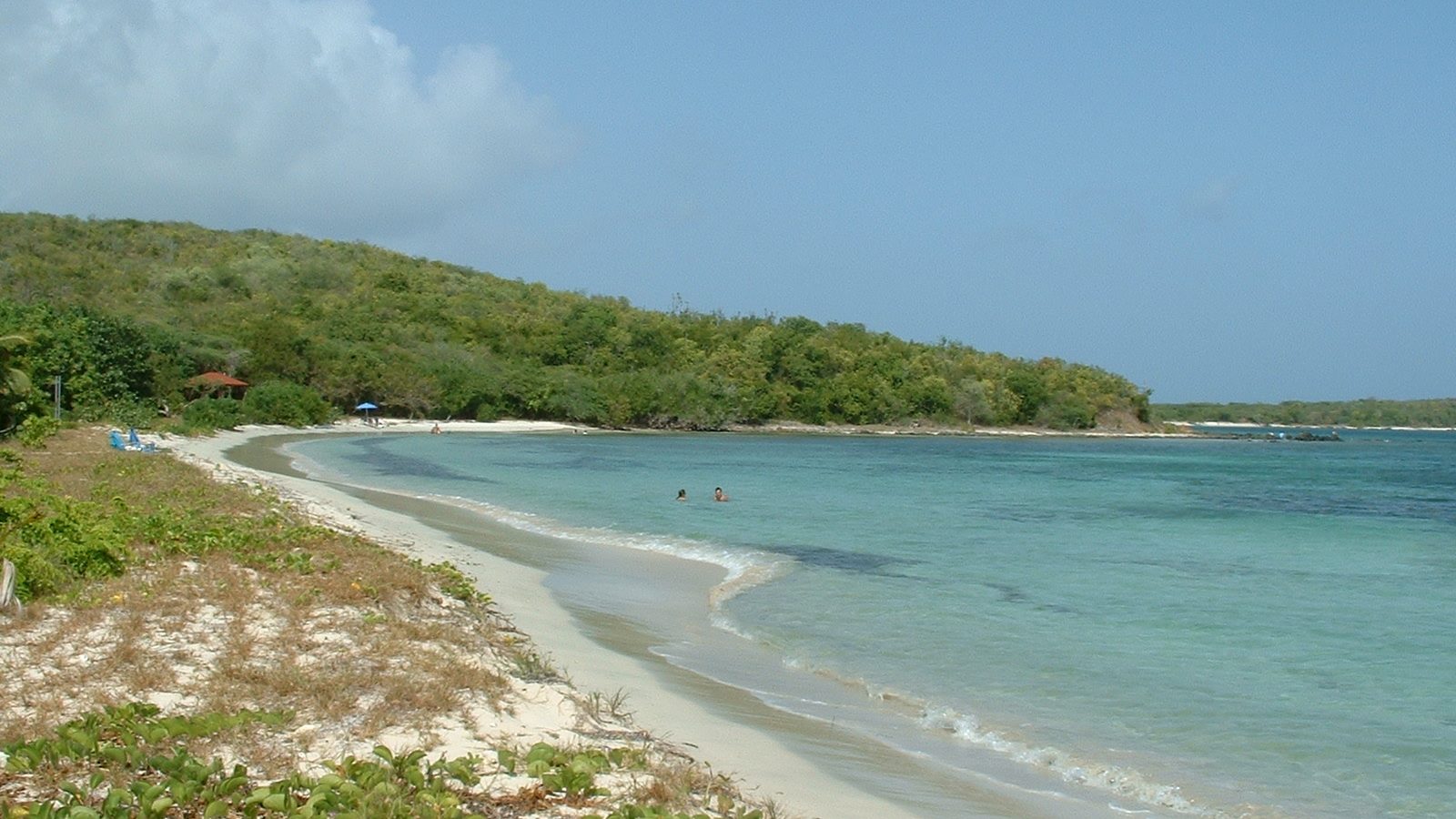
A quiet island off Puerto Rico's east coast, with wild horses on the roads and empty beaches on old US Navy land. At night you paddle through one of the brightest bioluminescent bays in the world.
- Best time to visit: Mid-December to April and May to June
- Daily budget (budget traveller): $130 to $400 USD
- Ideal trip length: 3 to 5 days
Vieques lies about 13km off the east coast of mainland Puerto Rico. You reach it by a cheap ferry from Ceiba or a short flight in a small plane. For more than 60 years the US Navy used most of the island for training and bombing practice. When the Navy left in 2003, much of that land became the Vieques National Wildlife Refuge, and that history is why so many of the beaches have no development at all. There are no big chain resorts and no traffic lights worth mentioning. Horses wander along the verges. The island has two small towns. Isabel Segunda on the north coast has the ferry pier, the old Spanish fort and most of the shops. Esperanza on the south coast is a single seafront strip of bars, guesthouses and tour desks. Most people come for Mosquito Bay, where tiny organisms make the water glow around your paddle on dark nights. They stay for days spent between Red Beach, Blue Beach and Black Sand Beach. Vieques is not cheap. Rooms, food and jeep hire all cost more than on the mainland, and there are no proper hostels. A solo traveller can still keep costs down with a simple guesthouse in Esperanza, shared públicos, picnic lunches and free refuge beaches.
Vieques is the larger of Puerto Rico's two inhabited offshore islands. It has about 8,000 people, two small towns and a lot of empty coast. Its modern history shapes almost everything you see. From the 1940s the US Navy controlled most of the island for training and bombing practice. Years of local protest ended with the Navy leaving in 2003, and much of its land became the Vieques National Wildlife Refuge, the largest in the Caribbean. That is why the best beaches have no hotels, no sunbeds and often no other people. It is also why parts of the east end are still closed while unexploded ordnance is cleared. Come for the beaches and the bio bay, but take an hour at the Fortín in Isabel Segunda to understand the place.
Getting here takes some planning. The passenger ferry now leaves from Ceiba, not Fajardo or San Juan. The adult fare is currently $2 each way, and the crossing takes about an hour. Tickets sell out, so book on the official app or website and arrive an hour before departure. Small planes are the backup. Cape Air flies from San Juan's main airport from around $159 one way, and Vieques Air Link makes the short hop from Ceiba or flies from San Juan's Isla Grande airport. Once you are here, públicos run between the ferry, the airport, Isabel Segunda and Esperanza. You will need a jeep or a taxi for the refuge beaches. Esperanza is the best base for a first solo trip, as you can walk to dinner, Sun Bay and the bio bay tour meeting points.
The island runs on its own clock. Shops close early, restaurants keep odd hours outside peak season and some places shut entirely in September and October. Winter is dry and breezy but busy and expensive. May and June are quieter and still lovely, while the hurricane months from August to October carry real risk. Vieques suits people who like early swims, long empty beaches and quiet nights under a sky full of stars. If you want nightlife, stay in San Juan. If you want horses grazing by the road, a turtle at Mosquito Pier and a kayak trailing light across a dark bay, give it at least three nights.
Vieques itinerary
Ferry over and settle into Esperanza
Morning: Drive or take a taxi from San Juan to the Ceiba ferry terminal, arriving an hour before your sailing. Cross to Isabel Segunda (about an hour).
Afternoon: Take a público to Esperanza and drop your bag. Walk the Malecón and snorkel off the beach towards Cayo Afuera.
Evening: Sunset drink on the Malecón, then dinner at the bar of one of the seafront restaurants.
Sun Bay and the bio bay
Morning: Walk east to Sun Bay for an early swim while it is quiet. Carry on to the calm, shallow water at Playa Media Luna if you have the energy.
Afternoon: Rest through the hottest hours. Pick up groceries and confirm your bio bay tour time and meeting point.
Evening: Kayak or take a boat across Mosquito Bay (from about $60 to $85, plus the $3 cash fee). No swimming, and leave the camera expectations low.
East refuge beaches
Morning: Pick up a jeep and drive into the eastern refuge as the gates open. Start at Playa Caracas (Red Beach) while the water is glassy.
Afternoon: Move on to La Chiva (Blue Beach) and snorkel the reef near the small islet. Bring lunch and plenty of water, as there is nothing to buy.
Evening: Leave before the gates close (6:30pm from September to February, 7:30pm from March to August). Simple dinner back in Esperanza.
Black Sand Beach and Isabel Segunda
Morning: Walk down the stream bed to Playa Negra before the sun gets high. Check that the path is dry and the sea is calm.
Afternoon: Drive up to Isabel Segunda for the Fortín Conde de Mirasol (free, donation welcome, check the hours). Then walk down to the plaza and the Punta Mulas lighthouse.
Evening: Watch the sunset from the north coast and have dinner in Isabel Segunda, where it is more local and a bit cheaper.
The wild west end
Morning: Drive west to Mosquito Pier and snorkel along the breakwater, looking out for turtles and rays.
Afternoon: Stop at the ancient ceiba tree, then spend the afternoon at Punta Arenas (Green Beach), with the mainland on the horizon.
Evening: Return the jeep if you have finished with it. Late swim at Sun Bay and a farewell-to-the-beaches dinner on the Malecón.
Day trip to Culebra
Morning: Fly to Culebra with Vieques Air Link, or take the ferry back to Ceiba and change for Culebra if the timings work. There is no direct ferry between the islands.
Afternoon: Spend the afternoon at Flamenco Beach, or snorkel at Tamarindo. Check your return flight or ferry time before you settle in.
Evening: Back on Vieques for a quiet night. If the moon is still dark, consider a second bio bay trip.
Slow morning and depart
Morning: Have a last early swim at Sun Bay or Cayo Afuera, then breakfast in Esperanza.
Afternoon: Take a público to Isabel Segunda for your ferry back to Ceiba, or to the airport for a flight to San Juan. Check sailings the day before.
Evening: Arrive in San Juan, or spend a night near Ceiba or Fajardo before your next stop.
Best neighbourhoods
- Esperanza and the Malecón: A small fishing village on the south coast that has turned into the island's main base for visitors. The seafront Malecón is lined with bars, restaurants, guesthouses and bio bay tour meeting points, and Sun Bay is a short walk east. It is the most sociable place to stay alone and the easiest without a car.
- Isabel Segunda: The island's main town on the north coast, where the ferry and most públicos arrive. You will find the Fortín Conde de Mirasol, the town plaza, banks, supermarkets and a few cheaper guesthouses. It is more local and less pretty than Esperanza, and quieter at night, but handy for early ferries.
- Sun Bay and the Mosquito Bay side: The stretch just east of Esperanza, with the long public beach at Sun Bay (Sombé) and the dirt tracks down to Mosquito Bay. Accommodation here is mostly rental houses and a few hilltop places. It is calm and close to the bio bay, but you will want wheels after dark.
- The central hills: Green, rolling country in the middle of the island, dotted with villas, eco lodges and boutique guesthouses with sea views from above. It is cooler and very quiet, and you get big skies at night. It suits a slow stay with a jeep, as walking to town is not realistic.
- Bravos de Boston and the north shore: A residential area west of Isabel Segunda, with rental houses close to the north coast and the road west to Mosquito Pier and the refuge beaches. It is a little cheaper and close to the airport. The sea on this side is often choppier than in the south.
Must-do experiences
- Paddle Mosquito Bay at night: Mosquito Bay is often called the brightest bioluminescent bay in the world. Clear-bottom kayak tours start at about $60 to $70, and small boat tours cost around $85. Expect a $3 cash fee for the natural resources department. Swimming is not allowed. Book a night close to the new moon.
- Spend a day at Red Beach and Blue Beach: Playa Caracas (Red Beach) and La Chiva (Blue Beach) are inside the eastern part of the wildlife refuge. Entry is free, and the gates open from 7am to 7:30pm between March and August and to 6:30pm from September to February. There are no shops, so bring water and lunch.
- Walk to Black Sand Beach: Playa Negra is reached by a short scramble down a dry stream bed off the coast road west of Esperanza. The dark volcanic sand looks striking against the turquoise sea. Skip it after heavy rain, when the path floods, and do not swim when the surf is up.
- Learn the island's story at the Fortín: Fortín Conde de Mirasol, on the hill above Isabel Segunda, was built between 1845 and 1855. It is often called the last Spanish fort built in the Americas. Inside are Taíno finds, local art and exhibits on the Navy years. Entry is free with a donation, but opening hours vary, so check ahead.
- Swim at Sun Bay: Sombé is a long, calm, palm-backed public beach just east of Esperanza, with lifeguard huts, showers and picnic shade. If you are on foot, you can walk there from the Malecón. Arrive early on weekends and holidays, when local families come for the day.
- Snorkel the west end: Head west to the refuge beaches at Punta Arenas (Green Beach), where you can see the mainland across the water. Stop at Mosquito Pier on the way, a long breakwater where turtles and rays are often seen. You need a car or a taxi to get out here.
- Visit the giant ceiba tree: La Ceiba Centenaria, on the west side of the island, is a huge silk cotton tree thought to be over 300 years old. The ceiba is a sacred tree in Taíno belief. It only needs a short stop, so combine it with Green Beach and Mosquito Pier on the same drive.
Hidden gems
- Playa Media Luna, a shallow, sheltered half-moon cove east of Sun Bay where the water stays calm and waist-deep a long way out
- Cayo Afuera, the little islet just off the Esperanza Malecón, where you can snorkel among coral and fish from the shore without a tour
- The Punta Mulas lighthouse just above the Isabel Segunda ferry pier, a small 19th-century Spanish light with views across to Culebra
- Sun Bay at sunrise, when the beach is almost empty and the horses sometimes come down to the sand
- The Puerto Ferro area east of Esperanza, where the 4,000-year-old remains of the 'Puerto Ferro man' were found, now one of the island's quietest coastal spots
Daily budget
- Accommodation: budget $90 to $140 USD / night (simple guesthouse room), mid-range $160 to $260 USD (boutique guesthouse or apartment), splurge $350+ USD (hilltop boutique hotel or private villa). There are no real hostels on Vieques, so a private room is the budget option. Prices rise from mid-December to April. Hotel and occupancy taxes are added on top. Check the minimum stays.
- Food: budget $35 to $50 USD / day (supermarket breakfast, pinchos, bar dinner), mid-range $60 to $90 USD (café lunch and a sit-down dinner), splurge $120+ USD (seafood dinner with wine). Food costs more than on the mainland because most of it arrives by ferry. Stock up in Isabel Segunda before beach days. Prices are rough guides.
- Transport: budget $4 to $15 USD / day (ferry share, públicos, walking), mid-range $65 to $100 USD (jeep hire plus fuel), splurge $159+ USD (one-way Cape Air flight from San Juan). The ferry is currently $2 each way for adults, but a non-resident rise has been postponed rather than cancelled. Públicos cost about $3 to $5 per person. Golf carts can cost more than a jeep.
- Activities: budget $0 to $10 USD / day (refuge beaches, Sun Bay, Fortín by donation), mid-range $60 to $90 USD (bio bay kayak or boat tour), splurge $145+ USD (kayak and snorkel combo or a private boat trip). Refuge beaches are free. Bio bay tours add a $3 cash fee for the natural resources department. Pick a night near the new moon.
- Drinks & nightlife: budget $6 to $12 USD (a beer or two on the Malecón), mid-range $20 to $40 USD (a few rum cocktails), splurge $60+ USD (cocktails and wine over a long dinner). Nightlife means bars on the Esperanza Malecón and a few in Isabel Segunda. Things wind down early, especially outside winter.
Where to stay
- Budget guesthouse in Esperanza ($90 to $140 USD / night): Simple guesthouse rooms just back from the Malecón are the closest thing Vieques has to a hostel. You can walk to Sun Bay, the bars and the tour meeting points, so you can skip the jeep on some days.
- Boutique hotel in Esperanza and the hills above it ($180 to $300 USD / night): Small design-led hotels and hilltop inns give you a pool, a breakfast table where you can meet other guests and staff who can book tours and jeeps. Some are a short walk from the seafront, others need a car.
- Apartment in Isabel Segunda or Bravos de Boston ($110 to $200 USD / night): Apartments and small houses near the north shore are usually cheaper than in Esperanza and handy for early ferries and the supermarkets. You will want a jeep or regular públicos to reach the south coast beaches.
- Splurge in The central hills ($350 to $700+ USD / night): Hilltop eco lodges, boutique hotels and private villas give you sea views, plunge pools and total quiet. Hacienda Tamarindo, above Esperanza, is one long-running example. You need a jeep, but the starry nights make up for it.
What to eat
- Pinchos and empanadillas: grilled meat skewers and fried turnovers from roadside stands and beach kiosks, a few dollars each and the cheapest lunch on the island
- Mofongo: mashed fried plantain with garlic, often stuffed with shrimp or served under a stew, on most local menus
- Fresh fish: whole fried snapper or a fish of the day on the Malecón in Esperanza. Ask the price first, as it is often sold at market rate
- Bar food on the Malecón: casual plates and rum drinks at places such as Duffy's, and pizza at Lazy Jacks, both good spots to eat alone at the bar
- A splurge dinner: Esperanza has a few more ambitious seafood restaurants, such as El Quenepo, for one special night
- Piña coladas and local rum, plus a picnic from the supermarkets in Isabel Segunda before a refuge beach day
Day trips
- Culebra and Flamenco Beach (About 15km north-east, a short flight or two ferry crossings via Ceiba): Vieques's smaller, even sleepier neighbour. Flamenco Beach is often ranked among the best beaches in the Caribbean, and there is good snorkelling at Tamarindo and Carlos Rosario. There is no direct ferry between the islands. Fly with Vieques Air Link, or take the ferry back to Ceiba and change for Culebra. The Culebra ferry costs about $2.25 plus a $2 environmental fee for non-residents. Check the return times carefully.
- El Yunque and the east coast (About 1 hour by ferry to Ceiba, then roughly 40 to 60 minutes by car): The only tropical rainforest in the US National Forest system, with waterfalls, trails and lookout towers. It is a cool green contrast to the dry Vieques coast. Take an early ferry to Ceiba and pick up a rental car there, or join a tour from the Fajardo area. Check whether you need a timed-entry ticket for the main forest road on recreation.gov before you go.
- Old San Juan (About 30 minutes by plane, or 2 to 3 hours by ferry and road): A walled colonial city with blue cobbled streets, two huge Spanish forts and the island's best food and nightlife. It works best as a stop on your way in or out. Fly with Cape Air to SJU or with Vieques Air Link to Isla Grande, which is close to the old town. Otherwise, take the ferry to Ceiba and a taxi or car west. Allow a full day for the round trip.
When to visit
- Dry season (Mid-December - April): 27-30°C, sunny and breezy, little rain. Crowds: Busy, especially at Christmas, New Year and Easter. The most reliable weather and the calmest seas on the south coast. Rooms and jeeps cost the most and sell out, so book months ahead.
- Early summer (May - June): 28-31°C, hotter and more humid, short showers. Crowds: Moderate, busier at weekends with visitors from the mainland. Arguably the best value. Warm water, fewer visitors and lower prices. Hurricane season officially starts in June, but early storms are uncommon.
- Peak hurricane season (July - October): 29-32°C, humid, heavier rain and possible storms. Crowds: Low, apart from local summer holidays in July. Cheapest, but the riskiest time. Ferries and flights can be cancelled, and some restaurants close in September and October. Buy flexible bookings and good insurance.
- Late autumn (November - early December): 27-30°C, drying out, occasional showers. Crowds: Low to moderate, rising after Thanksgiving. A good shoulder season, with green hills, fewer people and prices before the winter rise. Check ferry timetables, which often change on 1 December.
Entry rules for your passport
Visa rules for Puerto Rico depend on the passport you travel on. Check the official source before you book: U.S. Department of Homeland Security
Puerto Rico is a US territory, so US entry rules apply.
Getting there
Most international flights land at Luis Muñoz Marín airport (SJU) in San Juan. From there you have three options. The cheapest is the passenger ferry from Ceiba, on the old Roosevelt Roads naval base, about 1 to 1.5 hours' drive east of San Juan. The crossing to Isabel Segunda takes about an hour, and the adult fare is currently $2 each way. A higher non-resident fare, reported at $11.25, has been postponed, so check the price when you book. There are several sailings a day, the earliest leaving Ceiba at 4:30am, and timetables change every few months, with a new one due on 1 December 2026. Book on the official Puerto Rico Ferry website or app, arrive an hour early and note that boarding closes 10 minutes before departure. You cannot bring a mainland rental car. The second option is Cape Air from SJU, which takes about 25 to 35 minutes, with fares from around $159 one way. The third is Vieques Air Link, which flies from San Juan's Isla Grande airport and makes a 10-minute hop from Ceiba, sometimes from around $56 one way. Flights are also the backup when ferries are cancelled.
Getting around
Vieques is about 34km long, and the two towns are roughly 15 minutes apart by car. Públicos are shared vans and cars with a yellow plate. They meet the ferry and flights and run mainly between Isabel Segunda and Esperanza, usually for about $3 to $5 per person. They do not normally go out to the remote refuge beaches. Taxis are not metered, so agree the fare before you get in. A jeep gives you the most freedom, as many beach roads are rough dirt tracks. In 2026 a 4x4 Jeep Wrangler starts at around $65 a day. Book early for winter, as the island fleet is small and the big international chains have no desks here. You cannot bring a rental car over from the mainland on the ferry. Golf carts are popular but can cost more than a jeep and are slow on hills. Within Esperanza you can walk everywhere, and Sun Bay is a short walk east. Watch for horses, potholes and unlit roads after dark. Inside the refuge, drive only on marked roads and never on the sand.
Safety
Vieques is calm, and violent crime against visitors is rare. The most common problem is petty theft from empty beach blankets and parked jeeps. Leave nothing visible in the car, and many locals leave their jeep unlocked with the soft top open so nobody slashes it. Large parts of the eastern refuge are still closed because of unexploded ordnance. Never enter fenced or signed areas by land or by boat, and never touch metal objects on the ground or in the water. Roads are dark, narrow and shared with loose horses, so drive slowly at night. Some beaches have strong currents and no lifeguards, so swim near other people. Medical facilities are limited and serious cases are sent to the main island, so carry travel insurance with evacuation cover. Use mosquito repellent on land, as dengue is present in Puerto Rico, but follow the bio bay rules about not wearing it in the water. Power cuts happen across Puerto Rico, so carry a torch and a power bank. Hurricane season runs from June to November. The emergency number is 911.
Solo travel tips
- Stay in Esperanza: You can walk to the beach, the bars and the bio bay meeting points, and it is the easiest place on the island to get chatting. You will not need a car every day.
- Book the ferry and the jeep first: The ferry sells out at busy times, and the island has only a small number of rental jeeps. Lock in both before you book your room, then plan the rest of the trip around them.
- Follow the moon: The bio bay is far brighter on dark nights. Check the lunar calendar and book your tour for the nights closest to the new moon, with a spare night as backup for bad weather.
- Pack a beach day kit: The refuge beaches have no shops, no shade and often no phone signal. Bring water, lunch, snorkel gear and sun protection, and tell someone which beach you are heading to.
- Safety for solo travellers: Never leave valuables on the sand or in the car. Stick to marked roads in the refuge and swim where other people are. Pre-book a taxi for late nights rather than walking dark roads.
- Meet people on the water: Bio bay tours, snorkel trips and kayak outings are the easiest way to meet other travellers. The Malecón bars at sunset come a close second.
Cultural etiquette
- Greet people with 'buenos días' or 'buenas tardes' and say 'gracias'. Many people speak English, but a little Spanish is warmly received.
- Remember the Navy history. The island is proud of having forced the Navy out, so listen, and keep your opinions about the military to yourself.
- Respect the horses. They belong to local families even when they roam free, so do not feed, ride or crowd them.
- Cover up away from the beach. Walking into shops, restaurants or the plaza in Isabel Segunda in swimwear is frowned upon.
- Follow the bio bay rules about repellent, sunscreen and touching the water. Locals have worked hard to keep the bay healthy.
- Tip around 15 to 20% in restaurants and bars, and tip your tour guide, as wages are low and costs high.
- Take every bit of rubbish off the beaches. Most refuge beaches have no bins, and nobody comes to clear up after you.
Frequently asked questions
How do I get to Vieques from San Juan?
There is no ferry from San Juan. The passenger ferry leaves from Ceiba, on the former Roosevelt Roads naval base, about 1 to 1.5 hours' drive from San Juan. The crossing takes about an hour, and the adult fare is currently $2 each way. Arrive an hour early, as boarding closes 10 minutes before departure. Alternatively, Cape Air flies from San Juan's main airport in about 25 to 35 minutes, with fares from around $159 one way. Vieques Air Link flies from Isla Grande in San Juan and from Ceiba.
How many days do I need in Vieques?
Two nights is the minimum, because the bio bay tours run at night and you need to sleep on the island afterwards. Three to five nights lets you cover the east and west refuge beaches, Black Sand Beach, the Fortín and a snorkel or two without rushing. A week works if you want to slow right down or add a day trip to Culebra.
When is the best time to visit Vieques?
Mid-December to April is dry, sunny and breezy, but it is also peak season, with the highest prices and jeeps booked out. May and June are warm, quieter and cheaper. July to November is hurricane season, with the highest risk from August to October, when some businesses also close for a break. Whatever the month, plan your bio bay tour for a night near the new moon.
Do I need to hire a car in Vieques?
Not if you stay in Esperanza and are happy with Sun Bay, the Malecón and a bio bay tour. Públicos link the ferry, the airport and the two towns for about $3 to $5. For the refuge beaches, Black Sand Beach and the west end you will want a jeep for at least a day or two, from around $65 a day in 2026. Book well ahead in winter.
How much does the Vieques ferry cost in 2026?
The published adult fare is $2 each way, with lower fares for children and older adults. The Puerto Rico government has approved a much higher fare for non-residents, reported at $11.25 one way, but it has been postponed, with the latest reports pointing to the end of 2026. Check the live price when you book on the official Puerto Rico Ferry website or app. Tickets can sell out, so book early.
Can I swim in the bioluminescent bay?
No. Swimming in Mosquito Bay has been banned for years to protect the organisms that make the water glow. You see it from a kayak or a small electric or pontoon boat. Tours run every night, weather permitting. Avoid nights around the full moon, when the glow is much harder to see, and skip sunscreen and repellent if the guide asks you to.
Is Vieques safe for solo female travellers?
Generally yes. It is a small, relaxed island, and Esperanza in particular is used to solo visitors. Take normal care with drinks at the Malecón bars, do not leave bags alone on quiet beaches and arrange a lift home rather than walking dark roads late at night. Bio bay tours and snorkel trips are easy, safe ways to spend evenings and days with other people.
What entry rules apply to Puerto Rico in 2026?
Puerto Rico is a US territory, so US entry rules apply. US citizens travelling from the mainland do not need a passport, but need valid ID for the flight. Most other visitors need a passport and either a US visa or, for Visa Waiver countries such as the UK and much of Europe, an approved ESTA. If you arrive from outside the US, you clear immigration in San Juan. Rules and fees change, so check the official US government websites and your own government's travel advice before you go.
Tours and activities in Vieques | Vieques in 2 days | Vieques in 3 days | Vieques in 4 days | Vieques in 5 days | Vieques in 7 days
Joy Plus home | Destinations | Itineraries | Activities | Flights | Budget planner | Calendar | Map | Blog | Lifetime access