Destinations / Europe
Vilnius, Lithuania travel guide
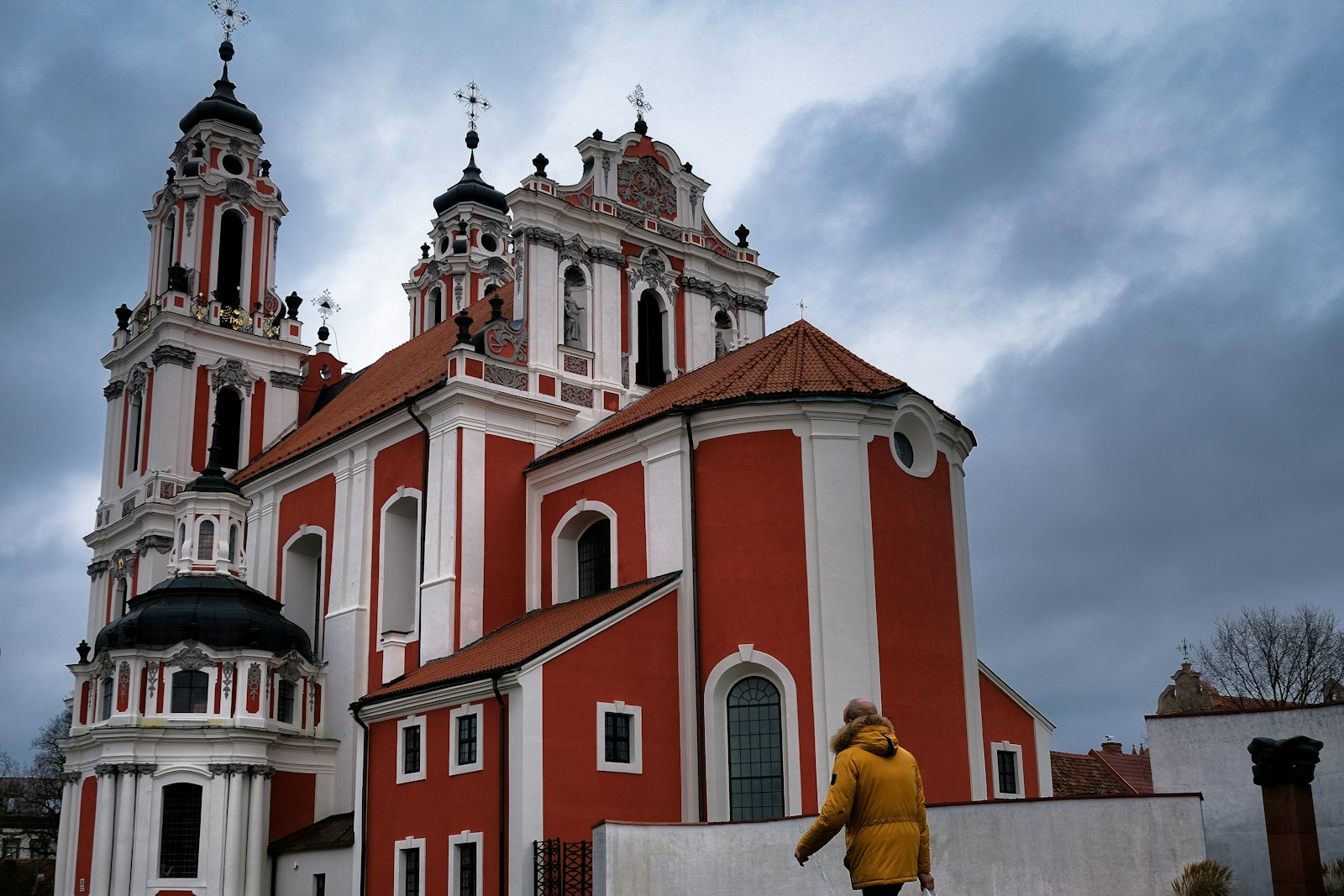
The Baltics' baroque beauty: a vast UNESCO old town, a bohemian breakaway republic and easy charm.
- Best time to visit: May-September
- Daily budget (budget traveller): $70 to $120 USD
- Ideal trip length: 2 to 3 days
Vilnius has one of Europe's largest and most beautiful baroque old towns, a warren of cobbled lanes, church spires and hidden courtyards, plus the cheeky self-declared artists' republic of Užupis just across the river. Green, compact and full of charm, the Lithuanian capital is an easy, affordable delight. Joy Plus shapes the old town, the viewpoints, Užupis and the food stops into an easy couple of days.
Vilnius is what happens when a city gets burned, bombed, occupied and renamed more times than it can count, and still comes out with one of the largest surviving baroque old towns in Europe. Around 1,500 buildings sit inside a UNESCO-listed warren of cobbled lanes, with a church on nearly every corner and a courtyard behind every archway. It is compact enough to cover on foot in a day, but the real pleasure is the slow part: a coffee in a vaulted cellar, a door left ajar onto a courtyard with a studio inside, a bell tower you can climb for the price of a latte.
Then there is the cheek. Across the Vilnia river, the district of Užupis declared itself an independent republic on 1 April 1997, with its own president, flag, army of about a dozen and a constitution posted in many languages on Paupio gatvė. It includes the right to be happy, the right to be unhappy, and the right of a dog to be a dog. The joke has outlived the 90s because the neighbourhood really is full of painters, musicians and slow cafés. Add a craft-beer scene, a Naujamiestis full of street art and co-working spaces, and a food culture built on rye bread, smoked fish and potato dumplings the size of a fist, and you get a capital that feels lived in rather than curated.
Prices are the other surprise. Vilnius costs noticeably more than it did five years ago, but a soup-and-main lunch is still €7 to €10, a craft pint €4 to €6, and a dorm bed rarely tops €28. Winters are hard (dark by 4pm, -8°C is normal) and summers are long, green and light until after 10pm. Two days gets you the headline sights, three lets you add Užupis and Naujamiestis properly, and a week lets you use the city as a base for Trakai's island castle, Kernavė's burial mounds and Kaunas. Lithuanians are reserved at first, warm once you ask a real question, and almost always speak good English.
How many days in Vilnius?
For Vilnius, we recommend 2 to 3 days.
| Trip length | What you'll see | Itinerary |
|---|---|---|
| 2 days · Recommended | Old Town and Gediminas Hill; Baroque churches and the Gates of Dawn | Vilnius in 2 days |
| 3 days · Recommended | Adds: Užupis, the bohemian republic | Vilnius in 3 days |
| 4 days | Adds: Trakai island castle | Vilnius in 4 days |
| 5 days | Adds: Naujamiestis and recent history | Vilnius in 5 days |
| 7 days | Adds: Day trip: Kaunas or Kernavė; Last wander | Vilnius in 7 days |
Vilnius itinerary
Arrive, Old Town and Gediminas Hill
Morning: Land at VNO. Train to Vilnius central station takes 7 minutes (about €1), or take bus 1 or 2 to the centre. Drop bags and have coffee and a pastry at Skonis ir Kvapas.
Afternoon: Walk Pilies gatvė to Cathedral Square, then climb Gediminas Hill for the old-town panorama. Go up the tower when it opens at 10 for the best light.
Evening: Dinner at Lokys, a game and cepelinai cellar on Stiklių gatvė. One drink in a courtyard, then early bed.
Baroque churches and the Gates of Dawn
Morning: St Anne's Church and the Bernardine Church next door at 9am before the groups. Wander Vilnius University's courtyards and see the Church of St Peter and Paul on Antakalnis (small donation).
Afternoon: Walk Aušros Vartų gatvė to the Gates of Dawn and the chapel above it. Lunch at Hales Turgus market on Pylimo gatvė: smoked fish, cheese, cepelinai.
Evening: Dinner at Čili Kaimas (cepelinai and šaltibarščiai), then a craft pint at Špunka.
Užupis, the bohemian republic
Morning: Cross Užupis bridge and read the constitution on Paupio gatvė. Find the angel statue and have coffee at Užupio Kavinė.
Afternoon: Climb to the Bernardine Garden, then wander Literatų gatvė, a lane of glass and ceramic plaques from writers and artists. Lunch at a small Užupis cafe.
Evening: Sunset at the Three Crosses hill, a 15 minute walk. Dinner back in Užupis, then a drink in the Old Town.
Trakai island castle
Morning: Train from Vilnius station to Trakai (about 35 minutes, around €2.50). Walk 2.5 km to the island castle, which opens at 10.
Afternoon: Tour the castle (about €12), rent a paddle boat or kayak on Lake Galvė, and eat kibinai at Kybynlar on Karaimų gatvė.
Evening: Train or bus back, easy dinner near your hotel, early night.
Naujamiestis and recent history
Morning: Museum of Occupations and Freedom Fights (the former KGB building) on Gedimino prospektas. Allow 90 minutes, and read the cells.
Afternoon: Lunch in Naujamiestis, then walk the street art and co-working cafés around Pylimo and Vokiečių. Optional: the MO Museum or the TV Tower observation deck.
Evening: Craft-beer evening at Alaus Biblioteka, then late cocktails in a hotel bar.
Day trip: Kaunas or Kernavė
Morning: Train to Kaunas (about 1h10, €7 to €10) or bus to Kernavė (about 50 minutes, around €3.50). Kaunas: Laisvės alėja and the old town. Kernavė: the UNESCO mounds at opening.
Afternoon: Kaunas: Devils' Museum and the Ninth Fort. Kernavė: walk the hillfort trails and eat at the village cafe.
Evening: Back to Vilnius. Lithuanian dinner at Bernelių Užeiga, with dark beer and potato pancakes.
Slow morning, last wander, depart
Morning: Brunch in Naujamiestis or Užupis and pick up black rye bread and amber from Pilies gatvė.
Afternoon: A last loop around Cathedral Square and the Presidential Palace. Collect your bags.
Evening: Train or bus 1 to VNO, 7 to 20 minutes depending on mode.
Best neighbourhoods
- Senamiestis (Old Town): One of Europe's largest baroque old towns, full of churches, courtyards, cafés and cobbled lanes.
- Užupis: The bohemian 'republic' of artists across the river, with its own constitution, galleries and quirky bars.
- Naujamiestis: The hip new town of co-working spaces, craft beer, street art and a creative, local scene.
- Cathedral & Gediminas Hill: The civic heart with the cathedral, bell tower and the castle hill viewpoint above the city.
Must-do experiences
- Old Town & Cathedral Square: Wander the vast baroque old town from the cathedral to the Gates of Dawn.
- Gediminas' Tower viewpoint: Climb the castle hill for a panorama over the spires and rooftops of the old town.
- Užupis republic: Cross into the bohemian artists' quarter to read its tongue-in-cheek constitution and explore its galleries.
- St Anne's & the baroque churches: Admire the delicate Gothic St Anne's Church and the city's wealth of ornate baroque interiors.
Hidden gems
- The dazzling baroque interior of the Church of St Peter and St Paul.
- Sunset over the old town from the hill behind the Three Crosses monument.
- Hidden courtyards and craft studios tucked through old-town archways.
- Street art and a former KGB-prison museum exploring the city's recent history.
Daily budget
- Accommodation: budget €16-28 / night (hostel dorm), mid-range €90-150 (boutique double), splurge €250+ (Hotel Pacai, Stikliai Hotel). Old Town hostels are within a 10 minute walk of everything. Prices jump 20 to 30% in July and at Christmas.
- Food: budget €20-30 / day (lunch menu + market + bakery), mid-range €40-65 (lunch menu, one proper dinner), splurge €110+ (tasting menu at Ertlio Namas). Weekday lunch menus (soup + main) are €7-10 and cheaper than dinner. Hales Turgus market is the budget hack.
- Transport: budget €5 / day (24h public transport ticket), mid-range €8-14 (transit + a few Bolt rides), splurge €60+ (private driver to Trakai and back). Walk the old town. Buses and trolleybuses cover the rest, and Bolt rides across town rarely top €6.
- Activities: budget €0-12 (churches, Gediminas Hill, one museum), mid-range €25-45 (Gediminas' Tower, Trakai Castle, a bell tower), splurge €130+ (hot-air balloon flight, private guide). Most churches are free or donation-only. The Gates of Dawn and Užupis cost nothing.
- Drinks & nightlife: budget €8-12 (craft pint + shop beer), mid-range €25-40 (craft-beer crawl or cocktail evening), splurge €70+ (hotel rooftop, cocktails and a late club). Drinking in the street is fined. Shops only sell alcohol in limited hours, so buy before 8pm.
Where to stay
- Social hostel in Old Town (€16-28 / night): Jimmy Jumps House or Downtown Forest Hostel: common rooms, kitchens, walking tours and a ten minute stroll to the cathedral.
- Boutique hotel in Old Town (€100-170 / night): Shakespeare Boutique Hotel on Bernardinų gatvė or Narutis on Pilies gatvė: period interiors, quiet courtyards and everything on your doorstep.
- Apartment in Užupis or Naujamiestis (€55-95 / night): Residential streets, local cafés, a kitchen for market food. Užupis for quiet charm, Naujamiestis for transport and cheaper rates. Best for 4+ nights.
- Splurge in Old Town, Cathedral Square (€250-420 / night): Hotel Pacai on Universiteto gatvė or Stikliai Hotel: restored palace, spa and a serious restaurant, with the cathedral within sight.
What to eat
- Cepelinai, potato dumplings stuffed with meat
- Šaltibarščiai, a vivid pink cold beetroot soup
- Kibinai, pastry pockets filled with meat, a Karaite speciality
- Black rye bread and local craft beer
Day trips
- Trakai (30 min by train): A red-brick island castle on Lake Galvė, plus Karaite wooden houses and kibinai pastries. Go on a weekday morning, then rent a paddle boat or kayak. Train from Vilnius station, about 35 min, around €2.50 each way. Castle ticket about €12. Walk 2.5 km from the station or take a local bus.
- Kaunas (1h10 by train): Lithuania's interwar capital, with modernist architecture (UNESCO), the Devils' Museum, the Ninth Fort and a lively student scene on Laisvės alėja. Direct trains from Vilnius, about €7-10 each way. Buses (Lux Express, FlixBus) take 1h30 and cost similar.
- Kernavė (50 min by bus): UNESCO-listed archaeological site: hillforts, burial mounds and the medieval capital grounds. A quiet, green day with panoramic walks and a living-history festival in summer. Bus from Vilnius bus station, around €3.50 each way. Services are limited, so check the return time before you go.
When to visit
- Spring (April - May): 5-17°C, fresh and changeable, some rain. Crowds: Low, building in May. Cheap, quiet and green by mid-May. Užupis celebrates its independence on 1 April with a parade and passport stamps. Pack a rain jacket.
- Summer (June - August): 18-27°C, occasionally 30°C+, light until after 10pm. Crowds: Busy in the old town, never overwhelming. The best window. Courtyard terraces, lake swims at Trakai, and Joninės (23-24 June) bonfires. Book hostels early for July.
- Autumn (September - October): 8-18°C, golden light, rain picks up in October. Crowds: Moderate, thinning fast. The locals' favourite. Parks turn amber, terraces still open in September, and Vilnius Jazz in October fills the cellars.
- Winter (November - March): -8 to 2°C, snow likely, dark by 4pm. Crowds: Very low, apart from December. Cold but atmospheric. Cathedral Square Christmas market, Kaziukas Fair in early March, cheap hotels and cosy bars. Bring proper boots.
Entry rules for your passport
Visa rules for Lithuania depend on the passport you travel on. Check the official source before you book: European Commission: Schengen visa policy
Getting there
Vilnius Airport (VNO) is 5 to 6 km south of the centre. The train to Vilnius central station takes 7 minutes and costs about €1, with departures every 30 to 60 minutes through the day. Buses 1 and 2 serve the centre in 15 to 20 minutes for €1 to €2 (cheaper with an e-ticket or contactless). A Bolt to the Old Town is €6 to €10 and takes about 15 minutes. Ignore touts in arrivals and use only marked taxis if you go that route. By land, Lux Express and FlixBus link Vilnius to Riga (about 4h, from €10), Tallinn, Warsaw (about 8h) and Kaunas (1h30). Many European budget airlines (Ryanair, Wizz Air, airBaltic via Riga) fly in.
Border checks: non-EU visitors (other than Swiss, Norwegian, Icelandic, Liechtenstein, Andorran, Monegasque, San Marinese and Vatican citizens, and holders of an EU residence permit or long-stay visa) are registered in the EU's Entry/Exit System (EES) instead of getting a passport stamp. On your first crossing, officers take your photo and/or fingerprints, so allow extra time at passport control. ETIAS, the planned travel authorisation, is not in operation yet, so don't pay any website for one.
Getting around
Vilnius's old town is compact and best explored on foot, with most sights within walking distance. Cheap buses and trolleybuses cover the wider city, and the airport is just 15 to 20 minutes from the centre by bus, train or taxi. Ride-hailing apps like Bolt are inexpensive and widely used, and the city is easy to walk or cycle.
Safety
Vilnius is very safe and excellent for solo travellers including women, day and night. Violent crime is rare and the old town feels calm and welcoming. The main caution is minor pickpocketing in crowded tourist spots and occasional rowdy nightlife groups, so use normal city sense and you'll have no trouble.
Solo travel tips
- Do a free walking tour on day one: The tips-based tours leave from the Town Hall and Cathedral Square, and take 2 to 3 hours. You orient yourself, ask a local anything, and usually find a dinner companion by the end.
- Hostel pick: Jimmy Jumps House or Downtown Forest Hostel: Both are in the centre with common rooms, kitchens and organised nights out that stay sociable rather than loud. Book dorms with curtains if you value sleep.
- Use Bolt, skip taxi ranks: Bolt covers the city and rides are cheap and fixed-price. Short Old Town to Užupis hops cost €3 to €5 and late-night rides home are easy and safe.
- Solo female travellers: Vilnius is among the safest capitals in Europe for women alone. Normal rules apply: watch your drink, use Bolt after midnight, and avoid empty parks at 3am. Streets around Gedimino prospektas are well-lit and busy.
- Sit at the bar for craft beer: Bars like Špunka and Alaus Biblioteka are happy to give small tasters. Ask the bartender for a local pour. Lithuanians open up quickly once you show interest in their beer.
- Time Užupis for April 1: If you are visiting in spring, Užupis Independence Day on 1 April brings a parade, passport stamps and a block party. Solo travellers get absorbed into it immediately.
Cultural etiquette
- Lithuania is Baltic, not post-Soviet in the lazy sense. Do not assume Russian is welcome. Start in English or try labas (hello) and ačiū (thank you).
- Tip 10% at sit-down restaurants, round up at cafés. Hand cash to your server rather than leaving it on the table, and say 'viskas' if you do not want change.
- Dress modestly in churches, cover shoulders and take off hats. Silence is expected, and some chapels ask for no photos.
- Bring an odd number of flowers if invited to dinner. Even numbers are for funerals.
- Do not shake hands or pass items across a doorway. It is an old superstition and some locals still avoid it.
- Drinking in the street and parks is fined. Shops sell alcohol only in limited hours, roughly 10:00 to 20:00 and shorter on weekends, so buy before you need it.
- Take off your shoes when entering a private home. Hosts will usually offer slippers.
Frequently asked questions
How many days do you need in Vilnius?
Two days cover the old town, the cathedral, Gediminas' Tower, the main churches and Užupis. A third day lets you slow down, explore the new town's craft scene, or take a day trip to Trakai Castle on its lake.
Is Vilnius safe for solo travellers?
Yes, very. Vilnius is a safe, relaxed city and excellent for solo travellers including women at any hour. Violent crime is rare; the only minor cautions are pickpockets in busy tourist spots and the occasional rowdy nightlife group.
When is the best time to visit Vilnius?
May to September brings warm weather, green parks and lively outdoor cafés. Spring and early autumn are pleasant and quieter, while winter is cold and snowy but atmospheric, with cosy bars and Christmas markets. The long summer days are especially lovely.
What is Užupis?
Užupis is a small, bohemian district of Vilnius that playfully declared itself an independent 'republic' of artists in 1997, complete with its own tongue-in-cheek constitution displayed on a wall. It's full of galleries, quirky bars, sculptures and a creative, freewheeling spirit.
Is Vilnius worth visiting?
Yes. Vilnius has one of Europe's largest and most beautiful baroque old towns, the quirky Užupis republic, great viewpoints, a creative food and craft scene and excellent value. It's an underrated, charming and easy Baltic city break.
How do I get from Vilnius Airport to the city?
A train runs from Vilnius Airport to the central station in about 7 minutes, and buses take around 15 to 20 minutes; both are cheap. Ride-hailing apps like Bolt are inexpensive and convenient, taking around 15 minutes to the old town.
Can you do day trips from Vilnius?
Yes. The fairytale island castle of Trakai on its lake is the top day trip at around 30 minutes away. You can also reach the Kernavė archaeological site, the Europos Parkas open-air sculpture park, and even Kaunas, Lithuania's second city, by train.
Tours and activities in Vilnius | Vilnius in 2 days | Vilnius in 3 days | Vilnius in 4 days | Vilnius in 5 days | Vilnius in 7 days
Can't decide? Compare Vilnius with...
Joy Plus home | Destinations | Itineraries | Activities | Flights | Budget planner | Calendar | Map | Blog | Lifetime access