Destinations / Oceania
Wanaka, New Zealand travel guide
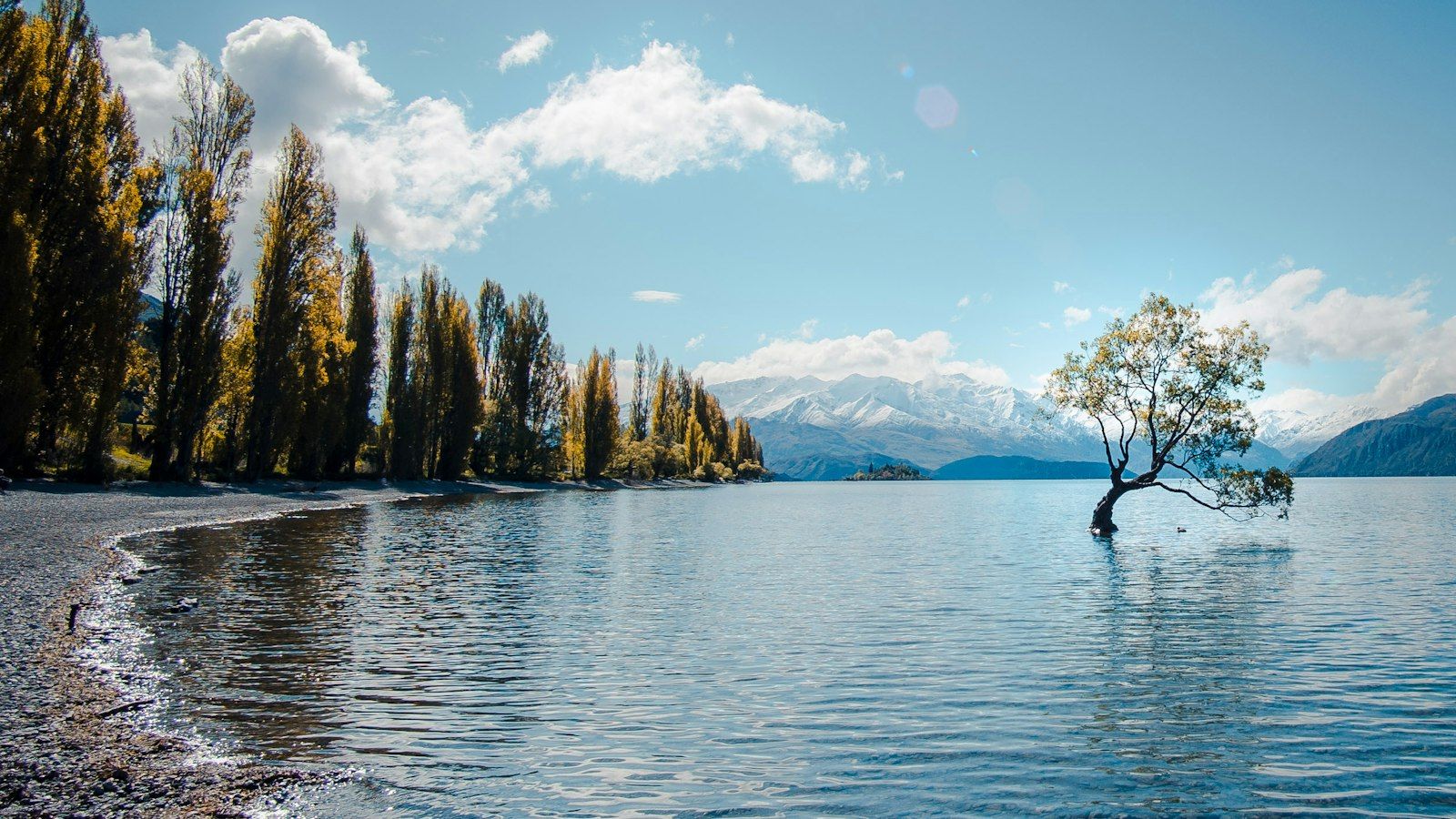
A small lakeside town on the edge of Mount Aspiring National Park, with dawn ridge hikes, glacier valleys and a lone willow standing in the lake.
- Best time to visit: February to April, plus December for the longest days
- Daily budget (budget traveller): $70 to $265 USD
- Ideal trip length: 4 to 7 days
Wānaka sits at the southern end of Lake Wānaka, New Zealand's fourth-largest lake, about an hour over the Crown Range from Queenstown. People often call it Queenstown's quieter sibling, and that's fair. There's no gondola, no bungy and no 2am crowd. What you get is a lakefront lined with cafés, a town of about 13,000 people and big mountains in every direction. It works well for solo travellers because the best days here are walks you can do alone or with whoever you met in the hostel kitchen. Roys Peak climbs about 1,250 metres to the ridge view everyone photographs. The Rob Roy Glacier Track heads into Mount Aspiring National Park, below a glacier hanging off the cliffs. Isthmus Peak shows you two lakes at once. For slower days there's Mt Iron, the river path to Albert Town and a swim off the town beach. Summer brings long evenings and full car parks, autumn turns the poplars gold, and winter belongs to the skiers at Cardrona and Treble Cone. Wānaka isn't cheap, but most of the best things here are free trails, and a hostel bunk with a lake view keeps your daily spend under control.
Wānaka is a lake town first and a resort town second. The lakefront is the town square. People swim off the beach in summer, picnic on the grass, and walk the shore path to That Wanaka Tree, a willow standing alone in the shallows of Roys Bay. Behind the town, Mount Aspiring National Park starts within an hour's drive. The money here comes from skiers, second-home owners and day-trippers from Queenstown, so prices are high. A brunch costs NZ$25 and a pint NZ$13. But almost everything that makes Wānaka worth the trip is free: Roys Peak, Mt Iron, Diamond Lake, the lakeside paths and the light on the water at 9pm in January.
The trip that works solo is simple. Take the bus from Queenstown, base yourself on the lakefront or Lakeside Road for walkability, and plan your big days around the forecast and the track calendar. Roys Peak closes from 1 October to 10 November for lambing, and Isthmus Peak closes from 20 November to 20 December for fawning, so there's a short window in November when both are open. The Rob Roy Glacier Track needs a shuttle or a car happy on 30km of gravel. Hire a car for two or three days in the middle of the trip for Isthmus Peak, the Blue Pools and Cardrona, then hand it back. You don't need it for the town.
Timing changes everything. Summer, from December to February, has long days, warm lake swims and packed trailhead car parks, so start Roys Peak before dawn. Autumn is the locals' favourite, with calm days, cool nights and the poplars and willows turning gold through April. Winter swaps hikers for skiers heading to Cardrona and Treble Cone, and the high tracks need alpine skills. Spring is changeable, with snow on the peaks and lambs in the fields. Wānaka is safe, outdoorsy and easy to love. If you want nightlife, go to Queenstown. If you want to be on a ridge at sunrise and in the lake by lunch, stay here.
Wanaka itinerary
Arrive, lakefront and That Wanaka Tree
Morning: Take the SkyDrive or InterCity bus from Queenstown (about 1 hour 15 minutes to 1 hour 45 minutes) to the Log Cabin stop at 100 Ardmore Street. Drop your bags.
Afternoon: Walk the lakefront, swim off the town beach if it's warm, and buy hiking food and water for the next two days at the supermarket.
Evening: Walk about 15 minutes along the shore to That Wanaka Tree for sunset. Dinner at Big Fig on the lakefront, where you choose a plate size and slow-cooked fillings.
Roys Peak at dawn
Morning: Book a taxi the night before, or cycle the 6km to the Roys Peak car park. Start by head torch about 2 hours before sunrise. It's 16km return with about 1,250m of climbing. Closed 1 October to 10 November; swap in Isthmus Peak or Rocky Mountain then.
Afternoon: Back by early afternoon. Lie on the lakefront grass, stretch, and cool your legs in the lake.
Evening: A burger at Red Star Burger Bar on Ardmore Street, then a film from the couches at Cinema Paradiso.
Rob Roy Glacier Track
Morning: Take a seasonal shuttle from the lakefront at around 8am (roughly NZ$100-130 return, check dates) to Raspberry Creek, 54km away. Cross the swing bridge over the West Matukituki and climb through beech forest.
Afternoon: Eat lunch below the glacier at the upper viewpoint, then walk out, about 3 to 4 hours of walking in total, for the mid-afternoon return shuttle.
Evening: Treat yourself at Kika on Dunmore Street, where the sharing plates work fine for one. Book ahead.
Mt Iron, Puzzling World and the Clutha
Morning: Walk out of town to the Mt Iron track for a 1 to 1.5 hour loop with views over the lake and the river. Puzzling World is next door on the highway (about NZ$32.50).
Afternoon: Hire a bike and ride the lakeside path past Eely Point and Beacon Point, then the Outlet Track along the Clutha to Albert Town.
Evening: Pick up a hire car for the next three days. Pizza at Francesca's Italian Kitchen.
Lake Hāwea and Isthmus Peak
Morning: Drive about 30 to 40 minutes to the Stewart Creek car park on SH6 above Lake Hāwea and start early. It's about 16km return to the 1,386m summit. Closed 20 November to 20 December; swap in Diamond Lake and Rocky Mountain then.
Afternoon: Back down, swim or rest on the Lake Hāwea foreshore before driving back.
Evening: Cook in the hostel kitchen and swap trail stories with whoever's in. Early night.
Blue Pools and Makarora
Morning: Drive north past Lake Hāwea and along The Neck to Makarora, about 75km and just over an hour. Walk the short Blue Pools track over swing bridges to the clear glacial pools, under an hour return.
Afternoon: Picnic at Makarora, then stop at the Lake Hāwea and Lake Wānaka lookouts on the drive back. Sandfly repellent is essential here.
Evening: Golden hour from Eely Point, then a casual dinner in town.
Glendhu Bay, Cardrona and out
Morning: Drive to Waterfall Creek and walk part of the lakeside track towards Glendhu Bay, or stop for the view from Rippon's vineyard slopes.
Afternoon: Drive over the Crown Range. Lunch at the Cardrona Hotel, then on to Queenstown Airport, about an hour, to return the car.
Evening: Fly out, or bed down in Queenstown before an early flight.
Best neighbourhoods
- Town centre and lakefront: Ardmore Street and the grassy lakefront are the centre of town, with Big Fig, Red Star Burger Bar, the beach, kayak hire and the Log Cabin bus stop at 100 Ardmore Street. Everything is walkable and it's the easiest base without a car.
- Lakeside Road: A quiet strip running north from the centre along Roys Bay, about 10 to 15 minutes' walk from the shops. Wanaka Bakpaka is up here, and the views over the lake to the mountains beat most of the town centre's.
- Albert Town: A low-key village where the Clutha River leaves the lake, about 5km east of the centre. It's a good base for holiday rentals and riverside walks, and quieter and cheaper than town, but you'll want a bike or a car.
- Lake Hāwea: A small lakeside township about 15km north of Wānaka on the next lake over. It suits drivers heading to Isthmus Peak or north to Makarora and the Haast Pass, and the swimming beach is calmer and the evenings quieter than in Wānaka.
- Cardrona Valley: An old gold-rush valley on the Crown Range road between Wānaka and Queenstown, home to the historic Cardrona Hotel and the road up to Cardrona Alpine Resort. Stay here in winter for skiing, or stop for lunch on the way through.
Must-do experiences
- Climb Roys Peak at dawn: A steep 16km return zigzag up farmland to a 1,578m summit, with about 1,250m of climbing and 5 to 7 hours of walking. Start in the dark for the sunrise ridge view. The track closes from 1 October to 10 November for lambing.
- Walk the Rob Roy Glacier Track: Drive or take a shuttle 54km up the Matukituki Valley to Raspberry Creek, cross a swing bridge, then climb through beech forest to a viewpoint below the hanging glacier. It's about 10km return and 3 to 4 hours of walking.
- See That Wanaka Tree: The lone willow standing in the shallows of Roys Bay is the most photographed tree in the country. Walk 15 minutes along the lakefront from town at sunrise, when the water is still and the crowds are asleep.
- Hike Isthmus Peak: About 16km return from the Stewart Creek car park above Lake Hāwea, with Lake Hāwea views on the way up and Lake Wānaka at the 1,386m summit. It's usually quieter than Roys Peak, and it closes for fawning from 20 November to 20 December.
- Loop over Mt Iron: A short, sharp climb from the highway on the edge of town for a 360-degree view of the lake, the Clutha and the Cardrona Valley. Allow about 1 to 1.5 hours, and add it to a recovery day.
- Cycle the lakeside paths to Albert Town: Hire a bike in town and follow the lakeside path past Eely Point and Beacon Point to the lake outlet, then take the Outlet Track down the turquoise Clutha River to Albert Town.
- Get lost at Puzzling World: A long-running roadside oddity on the Luggate highway, with a large outdoor maze, tilted illusion rooms and a puzzle café. A combo ticket is about NZ$32.50, and it's the best rainy-day plan in town.
Hidden gems
- The lakeside track from Waterfall Creek to Glendhu Bay, a flat walk or ride west of town past Rippon's vineyard slopes to a wide, quiet swimming bay
- Diamond Lake and Rocky Mountain off Mount Aspiring Road, a shorter climb with big lake views that doesn't close for lambing
- The Hāwea River Track from Albert Town, a quiet riverside path that most visitors never find
- Cinema Paradiso in town, where you watch films from old couches and eat homemade cookies at the interval, a good rainy-night plan
- The Cardrona Hotel's garden bar, a pub from the 1860s gold-rush days, good for a pint on the drive over the Crown Range
Daily budget
- Accommodation: budget NZ$40-65 / night (hostel dorm), mid-range NZ$180-350 (private room, motel or apartment), splurge NZ$700+ (luxury lodge or lake-view suite). Summer and the ski holidays sell out early. A private room in a hostel runs about NZ$110-160. Book free cancellation in case the weather moves your hiking days.
- Food: budget NZ$30-50 / day (supermarket and hostel kitchen, one cheap plate), mid-range NZ$80-120 (café brunch, Big Fig or Red Star dinner), splurge NZ$150+ (Kika sharing plates with wine). A flat white is about NZ$5.50-6.50, a burger NZ$20-28 and a pizza NZ$28-35. Stock up at the town supermarkets for hiking lunches.
- Transport: budget NZ$0-25 / day (walking, a shared taxi to Roys Peak), mid-range NZ$60-120 (bike or e-bike hire, Rob Roy shuttle day), splurge NZ$120+ (hire car with fuel, scenic flight). Queenstown to Wānaka by SkyDrive or InterCity costs about NZ$40-45 one way. Rob Roy shuttles cost roughly NZ$100-130 return. Hire car prices swing hugely by season, so check live rates.
- Activities: budget NZ$0-35 / day (free trails, Puzzling World on a wet day), mid-range NZ$60-200 (kayak hire, guided walk, lift pass in winter), splurge NZ$400+ (skydive, heli-hike, scenic flight to Mount Aspiring). Roys Peak, Isthmus Peak, Mt Iron, Rob Roy and Diamond Lake are all free. Puzzling World costs about NZ$32.50. Check current ski pass prices before winter trips.
- Drinks & nightlife: budget NZ$0-20 (supermarket beer, one pint), mid-range NZ$40-80 (a few pints, a glass of local pinot), splurge NZ$120+ (cellar door tasting and dinner wine). Nightlife means a few bars on Ardmore and Helwick streets, a film at Cinema Paradiso and early nights before dawn hikes. A pint is about NZ$12-15.
Where to stay
- Social hostel in Lakeside Road (NZ$40-65 / night (dorm)): Wanaka Bakpaka is a small, highly rated hostel on Lakeside Road with lake views, a TV-free lounge and a good kitchen, about 10 to 15 minutes' walk from the lakefront. Adventure Wanaka Hostel and Haka House are other social options in town.
- Boutique hotel in Town centre (NZ$250-450 / night): Small lodges and boutique guesthouses near Brownston Street keep you a few minutes from the lakefront and restaurants, often with a cooked breakfast and owners who know the trail conditions.
- Apartment in Albert Town or the town fringe (NZ$180-350 / night): Self-contained units and holiday homes on Bookabach and similar sites give you a kitchen and parking, with river walks on the doorstep in Albert Town. Cooking most meals saves a lot here.
- Splurge in Mount Aspiring Road (NZ$700-3,000+ / night): Whare Kea Lodge on the lake road west of town is the classic Wānaka luxury lodge, with mountain views and full board. For less, book a lake-view suite at a lakeside hotel near Roys Bay.
What to eat
- Central Otago lamb: slow-roasted or grilled local lamb is on most bistro menus in town, and Big Fig on the lakefront does slow-cooked plates you can pick by size
- Central Otago pinot noir: the region's signature red, best tasted at a cellar door like Rippon on Mount Aspiring Road with the lake below
- Mince and cheese pie: New Zealand's default road-trip lunch, sold hot from bakeries and petrol stations for about NZ$6 to NZ$9
- Hokey pokey ice cream: vanilla with crunchy honeycomb toffee pieces, eaten on the lakefront wall on a hot afternoon
- Cheese scone and a flat white: a café classic, and Federal Diner's cheddar scone has a loyal following
- Summer stone fruit: from about December to February, roadside stalls around Cromwell sell cherries and apricots by the bag
- Burgers: Red Star Burger Bar on Ardmore Street has been turning out handmade burgers since 2004, with weekly specials
Day trips
- Blue Pools and Makarora (About 75km north, just over an hour by car): Drive along the shores of Lake Hāwea and Lake Wānaka to the Makarora Valley, then walk through beech forest and over swing bridges to clear blue glacial pools on the edge of Mount Aspiring National Park. Hire car. There's no practical public transport for a day trip. Leave early in summer, when the car park gets busy, and pack sandfly repellent.
- Cardrona and Arrowtown via the Crown Range (About 25km to Cardrona, roughly an hour to Arrowtown): Climb the Crown Range road through the Cardrona Valley, stop at the historic Cardrona Hotel, then continue to Arrowtown's gold-rush main street and riverside walks. Hire car, or the SkyDrive bus, which stops at Cardrona. Check road conditions in winter, when chains may be required.
- Cromwell and Bannockburn (About 55km south-east, around 45 minutes): Central Otago's fruit-and-wine country, with Cromwell's restored heritage precinct on Lake Dunstan, roadside fruit stalls in summer and pinot noir cellar doors around Bannockburn. Hire car, or the Ritchies bus via Cromwell. If you plan to taste wine, book a guided tour rather than driving.
When to visit
- Summer (December - February): Highs of about 22-28°C, long dry days, cool nights, light until around 10pm. Crowds: Peak, especially over Christmas and January. Best for lake swims and long hikes. Book beds early, start Roys Peak before dawn to beat the heat and the car park rush, and carry plenty of water.
- Autumn (March - May): Highs of about 10-22°C, settled days, frosty mornings by May. Crowds: Moderate, busy over Easter. The pick. Stable hiking weather, gold poplars and willows peaking in late April, and cheaper beds after Easter.
- Winter (June - August): Highs of about 5-10°C, hard frosts, snow on the peaks and sometimes in town. Crowds: Busy on ski weekends and school holidays. Come for Cardrona and Treble Cone. Roys Peak's upper section needs crampons, an ice axe and avalanche awareness, and the Crown Range may need chains.
- Spring (September - November): Highs of about 10-20°C, very changeable, late snow, windy days. Crowds: Low until late November. Quiet and cheaper, but Roys Peak is closed from 1 October to 10 November. Isthmus Peak and Diamond Lake fill the gap, and Roys reopens on 11 November.
Entry rules for your passport
Visa rules for New Zealand depend on the passport you travel on. Check the official source before you book: Immigration New Zealand
Getting there
The nearest international airport is Queenstown (ZQN), about an hour away over the Crown Range. It has direct flights from Sydney, Melbourne and Brisbane, plus domestic links from Auckland, Wellington and Christchurch. From Queenstown, Ritchies' SkyDrive service runs about four times a day from Athol Street and the airport to the Wānaka lakefront, taking about 1 hour 15 minutes via the Crown Range or longer via Cromwell. InterCity runs a daily coach of about 1 hour 45 minutes. Both stop at the Log Cabin, 100 Ardmore Street, and fares are typically around NZ$40-45 one way. Ritchies connects with InterCity in Cromwell for Dunedin and Christchurch. Driving from Christchurch takes about 5 to 6 hours via the Lindis Pass. Most visa-waiver visitors need an NZeTA and must pay the NZ$100 International Visitor Conservation and Tourism Levy before flying; Australian citizens are exempt from the NZeTA. Confirm current rules on immigration.govt.nz. New Zealand's biosecurity rules are strict, so declare food and make sure your hiking boots and tent are clean.
Getting around
The town centre, lakefront, Lakeside Road and Mt Iron are all walkable, and a bike opens up Albert Town and Glendhu Bay on flat lakeside paths. Bike shops in town hire mountain bikes and e-bikes, typically from about NZ$50 to NZ$100 a day. There's no frequent town bus network like Queenstown's, so you'll need taxis, shuttles or a car for trailheads. Roys Peak is about 6km from town, close enough for a taxi or a bike at dawn. Seasonal shuttles run from the lakefront to the Rob Roy trailhead, usually leaving around 8am and returning mid-afternoon. A hire car is the easiest way to reach Isthmus Peak, Diamond Lake and the Blue Pools. The last 30km of the road to Raspberry Creek is unsealed and the last 10km can wash out or flood, so check your rental agreement covers gravel roads and ask DOC about conditions. New Zealand drives on the left. Ritchies' SkyDrive service and InterCity buses link the lakefront with Queenstown and the airport.
Safety
Wānaka is very safe for solo travellers, and crime against visitors is mostly limited to break-ins at trailhead car parks, so never leave bags on show in a parked car. The real risks are outdoors. Mountain weather changes fast, even in summer, so carry a warm layer and a rain shell on every hike, check the MetService mountain forecast, and leave your plans with someone through AdventureSmart. Roys Peak has no shade and no water, so carry 2 to 3 litres in summer. In winter, its upper section and the far end of the Rob Roy valley carry avalanche risk, and you'll need alpine skills and equipment. The New Zealand sun is fierce, so wear sunscreen and a hat even on cool days. Lake Wānaka stays cold all year, so ease in slowly and don't swim far out alone. On the roads, the Crown Range is steep and can be icy in winter, and the Matukituki Valley road has fords that become impassable after rain. Emergency number: 111.
Solo travel tips
- Base yourself where you can walk to the lake: A bed on the lakefront or Lakeside Road means no taxis for dinner, sunset or the bus stop. Wanaka Bakpaka and the hostels around Brownston Street fill with hikers planning the same walks, so it's easy to find a partner for Roys Peak or a share in a hire car.
- Plan around the closures, not the other way round: Roys Peak closes from 1 October to 10 November and Isthmus Peak from 20 November to 20 December. Check DOC and the landowner notices before you lock in dates, and keep Diamond Lake and Rocky Mountain as your backup.
- Hire a car for the middle of the trip only: Town, Mt Iron and Roys Peak need nothing more than a bike or a taxi. Rent for two or three days for Isthmus Peak, the Blue Pools and the Crown Range, and check whether gravel roads like Mount Aspiring Road are covered.
- Start before dawn in summer: Roys Peak has no shade and the car park fills early. A 4am or 5am start gives you sunrise, cooler air and a quieter ridge. Pack a head torch, a warm layer for the top and 2 to 3 litres of water.
- Safety for solo hikers: Wānaka is very safe, but the mountains aren't. Leave your plans with someone through AdventureSmart, check the MetService mountain forecast, and consider hiring a personal locator beacon for remote valleys where there's no phone signal.
- Eat well without blowing the budget: Cook breakfasts and trail lunches in your hostel kitchen, then pick one good meal a day. Big Fig and Red Star are the best-value sit-down plates, and Kika is the one splurge worth booking.
Cultural etiquette
- Say 'Kia ora' (hello) and use it back. Te reo Māori place names are everywhere, and using the macron in Wānaka is a small sign of respect.
- Respect track closures. Roys Peak crosses private farmland, and the landowner's goodwill keeps it open.
- Leave gates as you find them on farm tracks, keep off fenced paddocks and give stock a wide berth.
- Check, Clean, Dry your boots, kayaks and gear between lakes and rivers to stop the spread of didymo and other freshwater pests.
- Drones need DOC authorisation over national parks and conservation land, so check the rules before flying near Rob Roy or Mount Aspiring.
- Freedom camping is tightly controlled around Wānaka. Only camp where it's signposted as allowed, or use a holiday park.
- Tipping isn't expected. Service is included in the price, though rounding up for great service is always welcome.
Frequently asked questions
How do I get from Queenstown Airport to Wānaka?
Queenstown Airport is about an hour's drive away over the Crown Range. Ritchies' SkyDrive service runs about four times a day from the airport and Athol Street in central Queenstown to the Wānaka lakefront, taking about 1 hour 15 minutes via the Crown Range or longer via Cromwell. InterCity also runs a daily coach of about 1 hour 45 minutes. Fares are typically around NZ$40 to NZ$45 one way, so check the booking portal. Hire cars are available at the airport.
How many days do I need in Wānaka?
Four to five days covers Roys Peak, the Rob Roy Glacier Track, a lake day and a spare day for bad weather. Seven days lets you add Isthmus Peak, the Blue Pools near Makarora and a slow day in Cardrona without rushing.
When is Roys Peak closed?
The Roys Peak Track crosses private farmland and closes for lambing from 1 October to 10 November every year. It reopens on 11 November, including for sunrise. Don't try to get around the closure, because access depends on the landowner's goodwill. Isthmus Peak is the usual alternative, but it closes for fawning from 20 November to 20 December, so check both before you plan around them.
When is the best time to visit Wānaka?
February to April is the sweet spot for settled hiking weather, warm lake swims and, by late April, golden autumn trees. December and January bring the longest days and the biggest crowds. June to September is ski season at Cardrona and Treble Cone, while spring is changeable, and Roys Peak closes from 1 October to 10 November.
Do I need a car in Wānaka?
Not for the town, the lakefront, Mt Iron or Roys Peak, which you can reach by foot, bike or taxi. A car makes a big difference for Isthmus Peak, Diamond Lake, the Blue Pools and the Matukituki Valley, although shuttles serve the Rob Roy trailhead in season. Renting for two or three days in the middle of your trip is the usual compromise.
Is Wānaka safe for solo female travellers?
Yes. Wānaka is relaxed and friendly, and solo women hike and travel here all the time. Normal precautions apply: walk popular tracks or tell someone your route before remote hikes, watch your drink in bars, use a licensed taxi late at night and keep valuables out of sight in parked cars.
How expensive is Wānaka?
It's one of the pricier towns in New Zealand. A hostel dorm costs roughly NZ$40 to NZ$65, a café brunch NZ$22 to NZ$30 and a pint NZ$12 to NZ$15. Cooking in a hostel kitchen with supermarket food and sticking to free trails keeps a solo budget to about NZ$120 to NZ$180 a day.
What entry rules apply to travellers visiting New Zealand in 2026?
Visitors from visa-waiver countries generally need a New Zealand Electronic Travel Authority (NZeTA) before travelling and must pay the International Visitor Conservation and Tourism Levy, currently NZ$100, at the same time. Australian citizens don't need an NZeTA. You'll also need a valid passport and onward travel, and you must declare food, outdoor gear and hiking boots for biosecurity. Fees and rules change, so always confirm on the official Immigration New Zealand website (immigration.govt.nz) and check your own government's travel advice before you book.
Tours and activities in Wanaka | Wanaka in 2 days | Wanaka in 3 days | Wanaka in 4 days | Wanaka in 5 days | Wanaka in 7 days
Can't decide? Compare Wanaka with...
Joy Plus home | Destinations | Itineraries | Activities | Flights | Budget planner | Calendar | Map | Blog | Lifetime access