Destinations / North America
Winnipeg, Canada travel guide
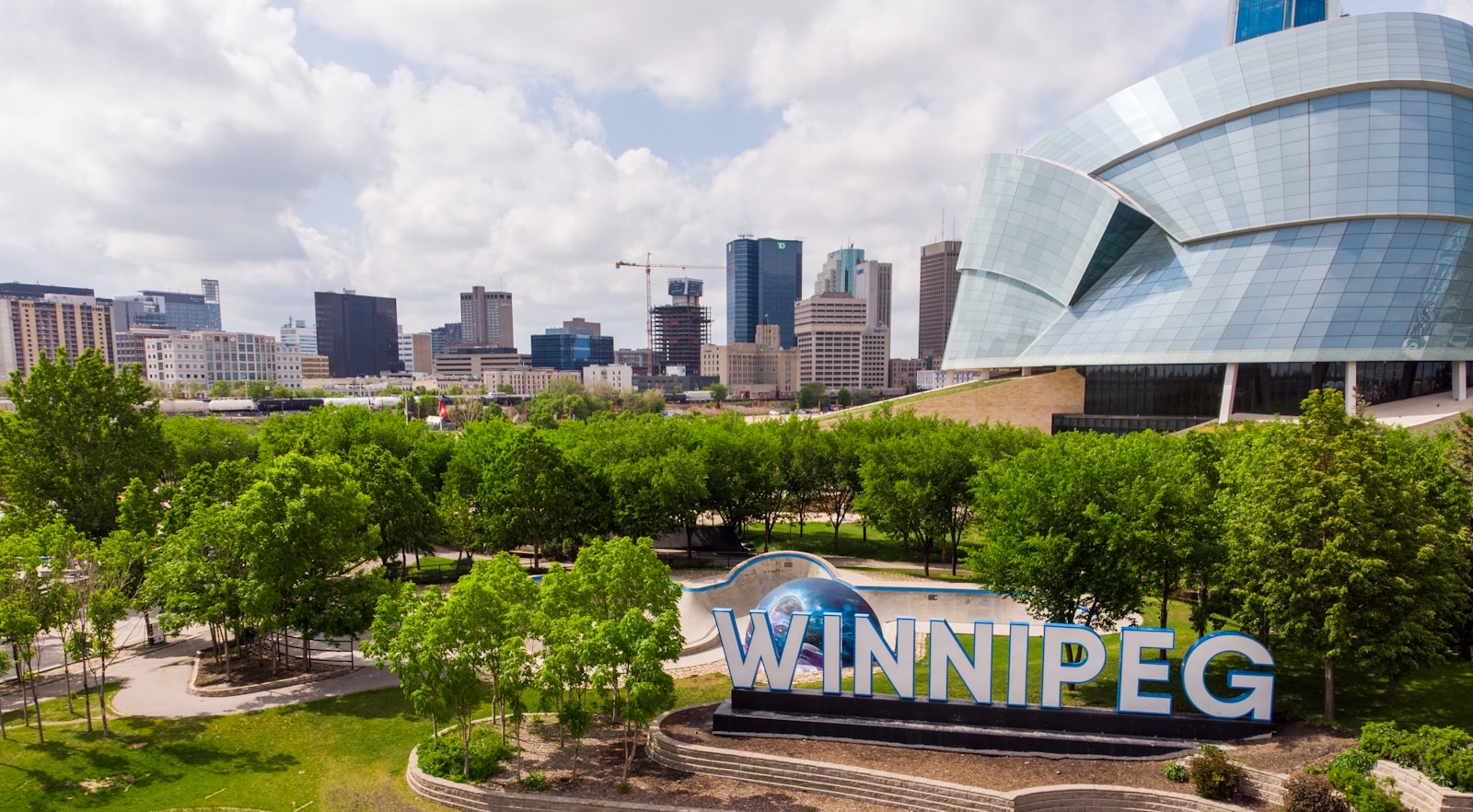
Prairie capital with world-class museums, a historic Exchange District and brutal, beautiful winters.
- Best time to visit: June-September
- Daily budget (budget traveller): $110 to $205 USD
- Ideal trip length: 2 to 3 days
Winnipeg sits near the longitudinal centre of Canada, where the Red and Assiniboine rivers meet at The Forks, a trading crossroads for 6,000 years. It is a city of extremes: -30C winters, 30C summers, and a cultural scene far bigger than its size, anchored by the Canadian Museum for Human Rights and one of North America's finest collections of Edwardian warehouse architecture in the Exchange District.
Winnipeg is a city people drive through and then wish they hadn't. It sits where the Red and Assiniboine rivers meet at The Forks, a gathering place for Indigenous nations for roughly 6,000 years before the fur traders and railway barons arrived. That layering is the whole point. In one walkable stretch you get the Canadian Museum for Human Rights (opened 2014, a spiral of alabaster ramps climbing to a glass tower), Qaumajuq (opened 2021, home to around 14,000 Inuit artworks, the largest public collection of its kind), and the Exchange District, about 20 blocks and roughly 150 heritage buildings of terracotta, brick and cast iron from the 1900s boom. It is a National Historic Site, and it is why Hollywood keeps using Winnipeg as a stand-in for Chicago and New York. Then there is Portage and Main, the most famous intersection in Canada, where pedestrians have been banned since 1979 and you cross through the underground concourse instead. Only here.
The season decides the trip. June to August brings 22-30°C days, light until nearly 10pm, and a festival run that punches far above the city's size: Jazz Winnipeg in June, the Winnipeg Folk Festival at Birds Hill in early July, the Fringe in mid to late July, and Folklorama across two weeks in August, when ethnic pavilions across the city serve food and dance for a few dollars. Bring repellent, because the mosquitoes are serious from June into July. Winter is a different city. January averages around -20°C with wind chill that can touch -35°C, but the Nestaweya River Trail turns the frozen rivers into a skating route of several kilometres when ice conditions allow, and Festival du Voyageur takes over St. Boniface for ten days in February. Spring is slushy and brief, and autumn is quietly the best-kept secret, with gold river valleys and empty museums.
Plan Winnipeg as a base, not a checklist. Two to three days covers The Forks, the Exchange District, Qaumajuq, St. Boniface and Assiniboine Park, and downtown is flat and walkable (with heated Walkway corridors for the cold months). A car or a rideshare budget unlocks Lower Fort Garry, Gimli on Lake Winnipeg and the Mennonite heritage town of Steinbach, which is why the seven-day plan below has room for them. Food is a quiet strength: Ukrainian perogies, Métis and Indigenous cooking at Feast Cafe Bistro, French bistros in St. Boniface and a thriving Exchange District dining scene at prices well under Toronto or Vancouver. Come curious and dressed for the weather, and you will leave with a lot more than a layover story.
How many days in Winnipeg?
For Winnipeg, we recommend 2 to 3 days. With more time, add a day trip to Steinbach and the Mennonite Heritage Village.
| Trip length | What you'll see | Itinerary |
|---|---|---|
| 2 days · Recommended | The Forks and the Human Rights Museum; Exchange District, Manitoba Museum and Qaumajuq | Winnipeg in 2 days |
| 3 days · Recommended | Adds: St. Boniface and Osborne Village | Winnipeg in 3 days |
| 4 days | Adds: Assiniboine Park and Corydon Avenue | Winnipeg in 4 days |
| 5 days | Adds: Lower Fort Garry day trip | Winnipeg in 5 days |
| 7 days | Adds: Gimli and Lake Winnipeg; Legislative Building, Kelekis | Winnipeg in 7 days |
Winnipeg itinerary
Arrive, The Forks and the Human Rights Museum
Morning: Land at YWG, then Uber or taxi to downtown (around CAD 25-30, 15 minutes). Drop bags and walk to The Forks Market for a coffee and a Tall Grass Prairie Bread Co. pastry.
Afternoon: Canadian Museum for Human Rights, book a timed slot online and allow three hours. Ride the ramps up to the Tower of Hope for the prairie view.
Evening: Walk the Esplanade Riel footbridge at golden hour. Dinner at Resto Gare in St. Boniface's restored train station, then an Uber back.
Exchange District, Manitoba Museum and Qaumajuq
Morning: Coffee at Fools + Horses, then a self-guided walk through the Exchange District. Manitoba Museum at opening, step aboard the Nonsuch ketch replica.
Afternoon: Lunch special at Peasant Cookery, then walk to Qaumajuq and the Winnipeg Art Gallery. Look up at the glass vault of Inuit carvings.
Evening: Dinner at Deer + Almond (book ahead). Then Peg Beer Co or Forth for a nightcap.
St. Boniface and Osborne Village
Morning: Cross the Esplanade Riel to St. Boniface Cathedral ruins and Louis Riel's grave. Walk to Musée de Saint-Boniface, inside the oldest building in Winnipeg.
Afternoon: Late lunch in St. Boniface. Then Uber to Osborne Village for vintage shops and dessert at Baked Expectations.
Evening: Summer: Goldeyes game at Shaw Park by The Forks. Winter: a Jets game at Canada Life Centre, or a film at Cinematheque.
Assiniboine Park and Corydon Avenue
Morning: Uber to Assiniboine Park (CAD 12-18). Zoo at opening, Journey to Churchill polar bears first, then the Leaf biomes.
Afternoon: Lunch at the Qualico Family Centre, then wander the Leo Mol Sculpture Garden and the English Garden.
Evening: Dinner on Corydon Avenue, Winnipeg's Little Italy. Patio in summer, pasta and red wine in winter.
Lower Fort Garry day trip
Morning: Pick up a rental car or book a ride. Drive 35 minutes north on Highway 9 to Lower Fort Garry, where Treaty 1 was signed in 1871.
Afternoon: Costumed interpreters and the stone fur-trade buildings (seasonal, check Parks Canada dates). Lunch in nearby Selkirk.
Evening: Back in the city for dinner at Feast Cafe Bistro, Indigenous-inspired cooking with bannock and bison.
Gimli and Lake Winnipeg
Morning: Drive 75 minutes north to Gimli, home of the largest Icelandic community outside Iceland. See the Viking statue and the harbour.
Afternoon: Pickerel and chips by the water, then the New Iceland Heritage Museum or a beach walk.
Evening: Drive back by 7pm. Indie film at Cinematheque or an easy dinner back at The Forks.
Legislative Building, Kelekis, depart
Morning: Manitoba Legislative Building, guided tour (ask about the Hermetic Code route, book ahead). Bagels from Gunn's Bakery.
Afternoon: Hot dog at Kelekis on Main Street, a Winnipeg institution since the 1930s. Last wander through Union Station and The Forks Market.
Evening: Uber or taxi to YWG, around CAD 25-30, allow two hours.
Best neighbourhoods
- The Forks: The riverside market, historic port and winter skating trail at the heart of the city.
- Exchange District: Twenty blocks of preserved 1900s warehouses, now galleries, cafés and film locations.
- Osborne Village: Dense, walkable strip of bars, patios and vintage shops south of the river.
- St. Boniface: Western Canada's largest francophone community, with the cathedral ruins and Riel's grave.
Must-do experiences
- Canadian Museum for Human Rights: A striking Antoine Predock building with ramps spiralling to a glass tower over the prairie.
- Explore the Exchange District: National Historic Site of terracotta and brick warehouses, best on a guided walking tour.
- The Forks Market: Food halls, local makers and river walks where the Red and Assiniboine meet.
- Assiniboine Park and Zoo: The Journey to Churchill polar bear exhibit and the Leaf conservatory biomes.
- Cross to St. Boniface: Walk the Esplanade Riel to the cathedral ruins and Louis Riel's grave.
Hidden gems
- The Manitoba Legislative Building's hidden freemason symbolism, revealed on the Hermetic Code tour.
- Skating the Nestaweya River Trail in winter, with warming huts designed by international architects.
- Winnipeg Art Gallery's Qaumajuq, the world's largest public collection of Inuit art.
- Fort Gibraltar and the Festival du Voyageur site in St. Boniface.
Daily budget
- Accommodation: budget CAD 55-95 / night (university summer residence or basic hotel), mid-range CAD 140-210 (downtown or Exchange District hotel), splurge CAD 300+ (Fort Garry Hotel suite, Inn at The Forks). True hostels are scarce. Rates spike during Fringe, Folklorama and Festival du Voyageur, and drop sharply in November and March.
- Food: budget CAD 35-50 / day (Forks Market, Kelekis hot dog, Salisbury House nip burger), mid-range CAD 70-100 (café lunch, dinner at Peasant Cookery), splurge CAD 150-220 (Deer + Almond shared plates and wine). Menu prices exclude tax and tip, so add 15-20% for service. Lunch specials are the best value in the Exchange District.
- Transport: budget CAD 10-15 / day (Winnipeg Transit, around CAD 3.45 a ride or a day pass), mid-range CAD 20-35 (mix of buses and Uber at CAD 10-18 a hop), splurge CAD 90-150 (rental car and parking, or driver to Lower Fort Garry). Downtown, The Forks and the Exchange District are walkable. In winter, use the Walkway and book rideshares rather than waiting at bus stops.
- Activities: budget CAD 20-35 / day (one museum plus free Forks, Esplanade Riel and Exchange District walks), mid-range CAD 45-80 (CMHR plus Qaumajuq or the zoo), splurge CAD 150+ (Jets game, private heritage tour, Gimli day trip with car). CMHR runs about CAD 21 and the zoo about CAD 25. Goldeyes tickets at Shaw Park are CAD 15-35 from May to September.
- Drinks & nightlife: budget CAD 10-15 (one craft pint or a Liquor Mart six-pack), mid-range CAD 25-45 (Exchange District bar crawl), splurge CAD 90+ (cocktails, live show at Burton Cummings Theatre or Pyramid Cabaret). Pints at Peg Beer Co run CAD 8-10. The legal drinking age in Manitoba is 18, and bars close by 2am.
Where to stay
- Social hostel in Downtown / University of Winnipeg (CAD 55-100 / night): No dedicated hostel scene, so use the University of Winnipeg summer residence rooms (May to August) or a basic downtown hotel. Walkable to Exchange District and The Forks.
- Boutique hotel in The Forks (CAD 190-300 / night): Inn at The Forks puts you beside the market, the river paths and the Human Rights Museum. Walk everywhere, then retreat to a quiet room.
- Apartment in Osborne Village (CAD 110-180 / night): Condo or loft rentals above the bars and cafés, with a kitchen and a short walk to downtown. Best value for a 4+ night stay.
- Splurge in Broadway / Legislature area (CAD 260-450 / night): The Fort Garry Hotel, a 1913 château-style landmark with a spa and period rooms. Ten minutes on foot to Union Station and The Forks.
What to eat
- Perogies and kielbasa from the city's deep Ukrainian community
- Pickerel (walleye) from Manitoba lakes
- Fat Boy burgers with chili, a Winnipeg-only invention
- Tourtière and maple treats in St. Boniface
Day trips
- Lower Fort Garry National Historic Site (32 km, 35 min drive): The oldest intact stone fur-trade fort in North America, and the site where Treaty 1 was signed in 1871. Parks Canada interpreters in period costume run the grounds. Open seasonally, check dates. Drive north on Highway 9 toward Selkirk. No direct transit, so rent a car or book a ride (Uber one way about CAD 55-70). Admission about CAD 12.
- Gimli and Lake Winnipeg (90 km, 1h15 drive): Lakeside town with the largest Icelandic community outside Iceland. Viking statue, harbour, sandy beach and the New Iceland Heritage Museum. Islendingadagurinn, the Icelandic festival, runs each August. Drive north on Highway 8. Rent a car or join a day tour, as public transit is limited.
- Steinbach and the Mennonite Heritage Village (60 km, 45 min drive): A recreated Mennonite settlement with windmill, barns and a Livery Barn restaurant serving varenyky, borscht and farmer sausage. Open seasonally, admission about CAD 15. Drive southeast on Highway 12. Rent a car, as there is no practical transit link.
When to visit
- Spring (April - May): -2 to 15°C, slush, mud and late snow, river flood risk in April. Crowds: Low. The weakest window. Gloomy and half thawed. Come only for the museums, or in late April to mid May for the Narcisse Snake Dens, where thousands of garter snakes emerge.
- Summer (June - August): 22-30°C, long light until nearly 10pm, thunderstorms and mosquitoes. Crowds: Moderate to busy, peaks during Folk Fest, Fringe and Folklorama. The best window. Patios, river paths, Goldeyes games and four big festivals. Bring DEET and book hotels early for Fringe and Folklorama weeks.
- Autumn (September - October): 5-18°C, crisp and often sunny, first snow by late October. Crowds: Low. The locals' pick. September stays warm, the river valleys turn gold and the museums are nearly empty. Blue Bombers football runs to November.
- Winter (November - March): -10 to -25°C, wind chill to -35°C, bright blue skies. Crowds: Low, except Festival du Voyageur in mid February. Brutal and beautiful. Skate the Nestaweya River Trail, hit the museums and Jets games, and use the Walkway. Frostbite is real, so dress properly or stay in.
Entry rules for your passport
Visa rules for Canada depend on the passport you travel on. Check the official source before you book: Immigration, Refugees and Citizenship Canada
Getting there
Winnipeg James Armstrong Richardson International Airport (YWG) is about 15 minutes from downtown. Taxi flat-rate or Uber runs around CAD 25-30. A Winnipeg Transit bus also serves the airport for around CAD 3.45 (check the Transit app for the current route, it is slow and infrequent). Direct flights connect to Toronto, Vancouver, Calgary, Edmonton and Minneapolis (Delta). VIA Rail's The Canadian stops at Union Station on Main Street several times a week on the Toronto to Vancouver run. By road, Winnipeg is about 3.5 hours north of Fargo, and the Trans-Canada Highway passes straight through.
Getting around
The Forks, Exchange District and downtown are walkable and linked by skywalks that matter in January. Winnipeg Transit buses cover the rest at about CAD 3.45 a ride, and rideshares between neighbourhoods run CAD 10-18. A car helps for Assiniboine Park and Lower Fort Garry. Winnipeg Richardson International Airport is 15 minutes from downtown, roughly CAD 25 by taxi.
Safety
The Forks, Exchange District, Osborne Village and St. Boniface are comfortable during the day and evening. Downtown north of Portage and the North End have higher rates of property crime and are best avoided on foot late at night. The real hazard is the cold: January routinely hits -30C with wind chill, so serious layers, covered skin and indoor breaks are non-negotiable. Summer brings mosquitoes; bring repellent.
Solo travel tips
- Sit at the bar: Peasant Cookery, Deer + Almond and most Exchange District pubs have a bar counter. Sit there, chat with the bartender and ask for the local pick. You will get a better dinner and the best city tips.
- Hostel reality check: Winnipeg has almost no true hostels. The best social option is the University of Winnipeg summer residence (May to August, check availability) or a downtown hotel near The Forks. Meet people at Peg Beer Co, Fringe shows and Folklorama pavilions instead.
- Learn the Walkway: The Winnipeg Walkway links Canada Life Centre, the RBC Convention Centre and much of downtown through heated corridors. In January it is the difference between a pleasant walk and a miserable one. Check weekend hours before relying on it.
- Use rideshare after dark: Stick to The Forks, Exchange District, Osborne Village and St. Boniface at night. Take Uber or Duffy's Taxi between neighbourhoods, and skip walking north of Portage or along upper Main Street late.
- Solo female travellers: Visitor areas are comfortable with normal awareness. Share Uber trip details with a friend, keep valuables out of parked cars (property crime is the main issue), and in winter tell someone your plans before any outdoor trail time.
- Find your tribe at festivals and games: Folklorama pavilions, Fringe venues and Goldeyes games at Shaw Park are all easy places to talk to strangers. Winter option: a Jets game, where fans in the cheap seats love to explain everything.
Cultural etiquette
- Winnipeg sits on Treaty 1 territory and the homeland of the Métis Nation. Acknowledge this respectfully, and ask before photographing Indigenous ceremonies or artists.
- Tip 15-20% at restaurants, calculated before tax. Bartenders expect CAD 1-2 a drink, and taxi drivers 10-15%.
- Say bonjour first in St. Boniface. It is the largest francophone community in Western Canada, and the effort goes a long way.
- Remove your boots at the door in private homes and some small guesthouses. Winter slush is no joke.
- Never walk on the frozen river outside the marked Nestaweya River Trail. Ice thickness varies, and locals take this seriously.
- Complain about the cold sparingly. Winnipeggers are proud of surviving it, and 'Winterpeg' jokes land better from locals.
- Louis Riel Day, the third Monday in February, is a provincial holiday tied to Festival du Voyageur. Many shops close or run short hours.
Frequently asked questions
How many days do you need in Winnipeg?
Two to three. One day for The Forks and the Canadian Museum for Human Rights, a second for the Exchange District, Qaumajuq and St. Boniface, and a third for Assiniboine Park, the zoo or Lower Fort Garry outside town.
When is the best time to visit Winnipeg?
June to September, when days run 22-30C and the city fills with festivals like Folklorama and the Fringe. February suits winter travellers for Festival du Voyageur and the river skating trail, but expect -20C to -30C. Spring is muddy and short.
Is Winnipeg expensive?
One of Canada's most affordable cities: CAD 150-280 a day. Hotels run CAD 130-220, restaurant mains CAD 20-35, and museum entry CAD 18-25. Costs sit well below Toronto or Vancouver, though winter travel adds gear and taxi expenses.
Is Winnipeg worth visiting?
Yes for museums and architecture. The Canadian Museum for Human Rights and Qaumajuq's Inuit art collection are world class, the Exchange District is the best-preserved Edwardian commercial district in North America, and the summer festival calendar is unusually strong for a city its size.
Is Winnipeg safe for tourists?
In visitor areas, yes. The Forks, Exchange District, Osborne Village and St. Boniface are fine day and night with normal awareness. Winnipeg does have high property crime, so avoid the North End and downtown's north edge on foot after dark and never leave anything in a parked car.
How cold does Winnipeg get in winter?
Very. January averages around -20C and wind chill regularly pushes it to -35C or lower. Frostbite can happen in minutes on exposed skin. If you visit in winter, bring an insulated parka, thermals, mitts and a covered face, and use the downtown skywalk system.
What is Winnipeg known for?
The Canadian Museum for Human Rights, the Exchange District's historic warehouses, The Forks, Winnie-the-Pooh's namesake bear, the Winnipeg Jets, extreme winters and being the cultural capital of the Canadian prairies.
Do I need a visa or an eTA to visit Canada?
Visa-exempt travellers who fly to Canada, including citizens of the EU, the UK and Australia, need an Electronic Travel Authorization (eTA). It costs CAD 7, is applied for online, and is valid for five years or until your passport expires. US citizens do not need one. Apply on the official Government of Canada site and avoid lookalike sites that charge more.
Tours and activities in Winnipeg | Winnipeg in 2 days | Winnipeg in 3 days | Winnipeg in 4 days | Winnipeg in 5 days | Winnipeg in 7 days
Can't decide? Compare Winnipeg with...
Joy Plus home | Destinations | Itineraries | Activities | Flights | Budget planner | Calendar | Map | Blog | Lifetime access