Destinations / North America
Yosemite National Park, United States travel guide
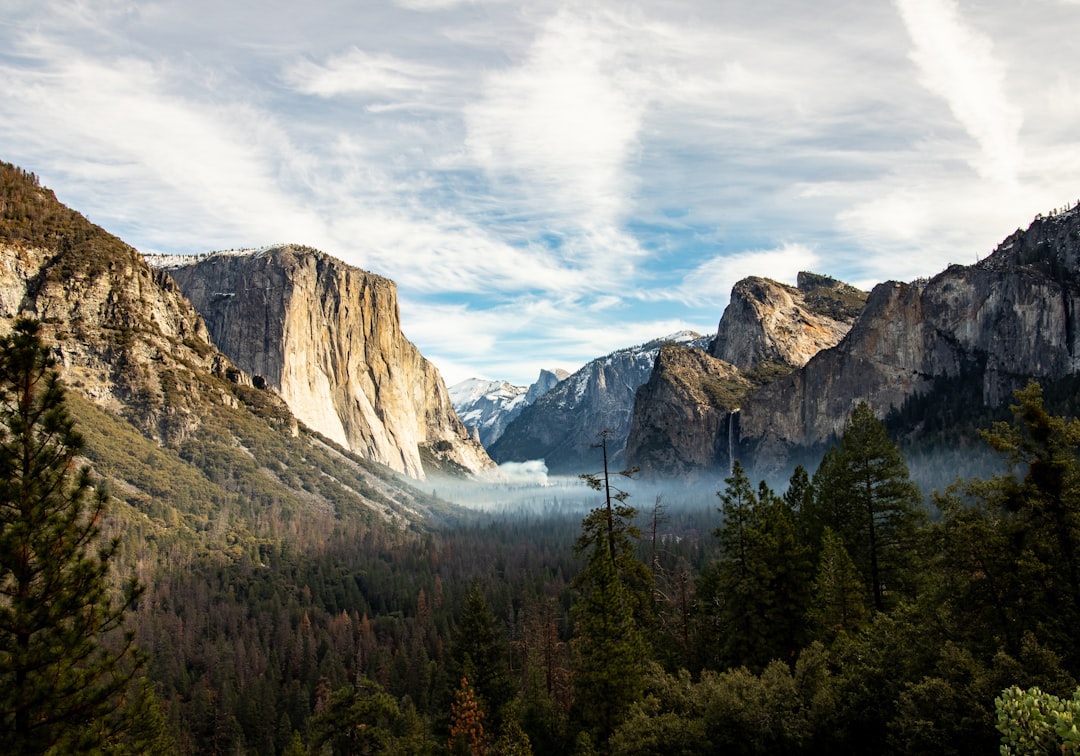
Granite cliffs, giant sequoias, waterfalls and alpine meadows in the Sierra Nevada.
- Best time to visit: May-June and September-October
- Daily budget (budget traveller): $150 to $350 USD
- Ideal trip length: 2 to 4 days
Yosemite National Park is one of the most celebrated landscapes in the United States, a 1,200-square-mile wilderness of granite domes, deep valleys, ancient giant sequoias and thundering waterfalls in California's Sierra Nevada. El Capitan, Half Dome and Yosemite Falls define the Yosemite Valley, while Tuolumne Meadows, Glacier Point, Mariposa Grove and the high country offer space and wildflowers. The park is busy in summer, magical in spring when waterfalls peak, and quietly snow-dusted in winter. It is a destination for hikers, photographers, climbers, and anyone who wants to stand beneath a 3,000-foot granite wall.
Yosemite is not a place you tick off, it is a place that rearranges your sense of scale. Yosemite Valley is a seven-mile-long, one-mile-wide trench cut by glaciers, with El Capitan rising 3,000 feet on one side and Half Dome on the other. The park covers 1,200 square miles of the Sierra Nevada, but about 80 percent of visitors never leave the valley floor. That is the main fact to plan around. Spend your first day in the valley, then use the rest of your time to get away from it: Glacier Point Road, the Mariposa Grove sequoias, Tioga Road and Tuolumne Meadows, or Hetch Hetchy.
Timing matters more here than almost anywhere in the US. Waterfalls peak in May and early June and often shrink to a trickle by August. Tioga Road and Glacier Point Road usually open between late May and June and close with the first big snow in November. Summer valley traffic on weekends is real, with parking lots full by 9am. The fixes are simple: arrive before 8am, park once and use the free shuttle, and book lodging or campsites months ahead. Reservation sites release on rolling windows, and the Ahwahnee and Curry Village sell out first. Check nps.gov/yose before you go, because entry and day-use reservation rules change from year to year.
The 2026 budget picture is lopsided. The $35 per-vehicle entry fee (valid seven days) is a bargain, but lodging inside the valley is not: $200 to $450 for a Valley Lodge room, and $600+ at the Ahwahnee. Non-US residents should also check the new 2026 surcharge for international visitors at Yosemite, reported at $100 per person, before budgeting. The sweet spot is a campsite, a Curry Village tent cabin, or a base outside the park, such as Midpines, El Portal, Mariposa or Groveland, and then eating groceries from the Village Store or a Mariposa supermarket. Spend your money on a guided climb, one proper dinner, and a rental car with a full tank.
How many days in Yosemite National Park?
For Yosemite National Park, we recommend 2 to 4 days. With more time, add a day trip to Hetch Hetchy.
| Trip length | What you'll see | Itinerary |
|---|---|---|
| 2 days · Recommended | Arrive via Highway 140 and meet the valley; Valley floor by bike and foot | Yosemite National Park in 2 days |
| 3 days · Recommended | Adds: The Mist Trail | Yosemite National Park in 3 days |
| 4 days · Recommended | Adds: Glacier Point Road | Yosemite National Park in 4 days |
| 5 days | Adds: Wawona and Mariposa Grove | Yosemite National Park in 5 days |
| 7 days | Adds: Tioga Road and Tuolumne Meadows; Sunrise, Upper Yosemite Fall | Yosemite National Park in 7 days |
Yosemite National Park itinerary
Arrive via Highway 140 and meet the valley
Morning: Fly into Fresno (FAT) and pick up a rental car, or take Amtrak and YARTS from Merced. Fuel up in Mariposa and buy groceries. Enter at Arch Rock and pull over at Tunnel View.
Afternoon: Check in at Curry Village or your campsite. Walk the flat Lower Yosemite Fall loop (1 mile), then browse the Ansel Adams Gallery in Yosemite Village.
Evening: Sunset at El Capitan Meadow, watching headlamps on the wall. Pizza at the Curry Village Pizza Deck, or dinner at Mountain Room Restaurant with a view of the falls.
Valley floor by bike and foot
Morning: Rent a bike near Yosemite Valley Lodge. Ride the 12-mile paved loop, stopping at Cook's Meadow and Swinging Bridge for a Merced River dip.
Afternoon: Walk to Mirror Lake (about 2 miles round trip, best in spring). Lunch from Degnan's Kitchen or the Village Store deli.
Evening: Ranger evening program at Yosemite Valley Lodge or Curry Village, then an easy dinner at Base Camp Eatery. Early bed.
The Mist Trail
Morning: Take the shuttle to Happy Isles (stop 16) at 7am. Hike the Mist Trail to Vernal Fall (2.4 miles round trip), or continue to Nevada Fall (about 6 to 7 miles round trip).
Afternoon: Return via the John Muir Trail for a drier descent. Late lunch at Curry Village, then rest your legs by the river.
Evening: Dinner at the Ahwahnee Dining Room (book ahead) or tacos at your campsite. Pack for tomorrow's early start.
Glacier Point Road
Morning: Drive Glacier Point Road (summer to early fall only). Start the 2.2-mile Sentinel Dome walk at 8am for 360-degree views.
Afternoon: Hike to Taft Point, with its fissures and cliff edge, then picnic at Glacier Point. Look straight down into the valley and across to Half Dome.
Evening: Stay for sunset and, if there is a stargazing program, join it. Drive back slowly after dark, watching for deer.
Wawona and Mariposa Grove
Morning: Drive about 1 hour 15 minutes south on Highway 41 to the Mariposa Grove Welcome Plaza. Take the free shuttle to the grove and walk to the Grizzly Giant and the California Tunnel Tree.
Afternoon: Visit the Pioneer Yosemite History Center. Cool off at the Wawona swimming holes.
Evening: Drive back to the valley for dinner.
Tioga Road and Tuolumne Meadows
Morning: Drive Tioga Road (June to October only). Stop at Olmsted Point and Tenaya Lake. Arrive at Tuolumne Meadows by 10am.
Afternoon: Hike to Lembert Dome (about 2.8 miles round trip) or Cathedral Lakes (about 7 miles round trip). Lunch from the Tuolumne Meadows Grill.
Evening: Optional detour east to Lee Vining for fish tacos at Whoa Nellie Deli, then Mono Lake at sunset. Otherwise drive back to the valley.
Sunrise, Upper Yosemite Fall, depart
Morning: Sunrise at Tunnel View, then breakfast at the Ahwahnee. Walk the first mile or two of the Upper Yosemite Fall Trail to Columbia Rock.
Afternoon: Last swim at Cathedral Beach or a last browse at the Valley Visitor Center. Drive out via Highway 140.
Evening: Return the car at Fresno or Merced, or drive on to San Francisco (about 4 hours). Allow extra time for summer exit traffic.
Best neighbourhoods
- Yosemite Valley: The heart of the park with El Capitan, Half Dome, Yosemite Falls and the main lodges.
- Wawona / Mariposa Grove: Quiet southern area with the park's largest sequoia grove and the historic Wawona Hotel, closed with no reopening date announced.
- Glacier Point Road: Scenic overlook area with panoramic views down into Yosemite Valley; access seasonal.
- Tuolumne Meadows: High alpine meadow area along Tioga Road, best in summer, with wildflowers and high-country hikes.
- El Portal: Gateway town just outside the park with motels and restaurants for budget stays.
Must-do experiences
- Tunnel View: Classic overlook framing El Capitan, Bridalveil Fall and Half Dome; best at sunrise or late afternoon.
- Mist Trail to Vernal and Nevada Falls: The park's most popular waterfall hike, steep, wet and unforgettable in spring.
- Mariposa Grove: Giant sequoia forest with the Grizzly Giant and the Fallen Monarch; a boardwalk loop is accessible.
- Glacier Point: Cliff-top viewpoint with the most dramatic aerial view of Half Dome and Yosemite Valley.
- El Capitan Meadow: Open meadow directly below El Capitan, perfect for watching climbers and photographers.
Hidden gems
- Mirror Lake in spring, when it reflects Half Dome and the valley walls before drying up in late summer.
- The May Lake trail, a shorter high-country hike with a backcountry lodge and fewer crowds than the valley.
- Swimming holes along the Merced River, such as Cathedral Beach and the sandy stretch at Swinging Bridge.
- Badger Pass in winter, a small ski area with snowshoeing and cross-country trails in the park.
Daily budget
- Accommodation: budget $10-45 / night (Camp 4 at $10 per person, Upper Pines at $36 per site, or a Yosemite Bug dorm), mid-range $150-300 (Curry Village cabin or a Mariposa or El Portal motel), splurge $450-1,000+ (Yosemite Valley Lodge, The Ahwahnee, Tenaya Lodge). Campground sites release on Recreation.gov on the 15th of each month at 7am Pacific, about five months ahead. Set an alarm.
- Food: budget $25-40 / day (Village Store groceries, Degnan's Kitchen sandwiches, trail snacks), mid-range $60-90 (Base Camp Eatery lunch, Curry Village Pizza Deck dinner, one sit-down meal), splurge $150+ (Mountain Room Restaurant or The Ahwahnee Dining Room with a drink). Pack a cooler in Mariposa or Oakhurst, where groceries are 20 to 30 percent cheaper than in the valley. Dinner at the Ahwahnee needs a booking.
- Transport: budget $0-22 / day (free valley shuttle, bike, or YARTS bus from Merced at $22 each way), mid-range $70-120 (rental car from Fresno or Merced at $60-100 per day, plus the $35 entry and fuel), splurge $350+ (private driver or guided tour from San Francisco or Fresno). There is no gas in the valley itself. Fill up in Mariposa, El Portal or Groveland, and at Crane Flat or Wawona if you must.
- Activities: budget $0-20 / day (most hikes, meadows, swimming holes, ranger talks are free), mid-range $40-100 (bike rental at $36.50 a half day or $48 a day, valley tram tour, Half Dome lottery fee at $10 plus $10 per person), splurge $150-500+ (Yosemite Mountaineering School beginner climb, private photo tour). The Half Dome cables need a permit via lottery. Apply in March or enter the daily lottery two days before. Check NPS for the current dates.
- Drinks & nightlife: budget $5-15 (a Village Store six-pack and a sunset at El Capitan Meadow), mid-range $20-40 (beer at the Curry Village Pavilion, a cocktail at the Mountain Room Lounge), splurge $60-100 (Ahwahnee Bar cocktails and a late stargazing night). Nightlife is a campfire. Quiet hours run 10pm to 6am. Glacier Point stargazing programs beat any bar.
Where to stay
- Social hostel in Midpines (Highway 140) ($45-100 / night (dorm to private cabin)): Yosemite Bug has dorms, privates, a cafe and a deck full of hikers. It is about 45 minutes from the valley by car or by YARTS bus. For camping-style budget inside the park, Camp 4 is the other option.
- Boutique hotel in Wawona ($200-400 / night): The Wawona Hotel, a Victorian white-clapboard classic near Mariposa Grove, is closed to the public while the park service assesses its condition, with no reopening date announced. Rush Creek Lodge near Groveland and AutoCamp Yosemite are modern alternatives outside the valley.
- Apartment in Yosemite West or Mariposa ($180-400 / night): Cabins and condos give you a kitchen and a real bed after long hikes. Yosemite West is a private community just outside the park boundary, reached through the park via Wawona Road, and has no services. Mariposa has supermarkets and restaurants, about 1h15 from the valley.
- Splurge in Yosemite Valley ($600-1,100 / night): The Ahwahnee is the grand 1927 granite-and-timber lodge with a Dining Room, a Great Lounge and views of Glacier Point and Half Dome. Book early, because summer and holiday weeks sell out months ahead.
What to eat
- A picnic lunch from the Yosemite Valley Village Store
- Breakfast at the Ahwahnee before a full day of hiking
- Pizza and beer at a casual spot in Curry Village
- A post-hike burger at a gateway diner in Mariposa or Oakhurst
Day trips
- Mariposa Grove and Wawona (About 1h15 drive from the valley): The park's largest sequoia grove has the Grizzly Giant, the California Tunnel Tree and the Fallen Monarch. Wawona has a historic hotel (closed to the public, with no reopening date announced), a covered bridge and swimming holes. Drive Highway 41 south to the Mariposa Grove Welcome Plaza, then take the free shuttle (spring to fall). Summer-only valley-to-Wawona shuttle options vary, so check nps.gov.
- Hetch Hetchy (About 1h30 from the valley, via Big Oak Flat): A flooded valley, a granite dam and quiet waterfalls (Tueeulala and Wapama) with far fewer crowds than the main valley. A great spring and early summer day. Drive Highway 120 to Evergreen Road near Groveland, then Hetch Hetchy Road to the dam. Park, then walk over the dam to the trailhead. The road has gates and seasonal hours.
- Mono Lake via Tioga Road (About 2h15 each way (seasonal)): Cross Tioga Pass (9,943 feet) to the eastern Sierra, with tufa towers at Mono Lake, fish tacos at Whoa Nellie Deli and a sunset over the water. Drive Highway 120 East in summer and early fall only. Check Tioga Road status, and return the same day or overnight in Lee Vining.
When to visit
- Spring (April - June): 45-75°F (7-24°C) in the valley, cold nights, rain and snow possible early on. Crowds: Building fast from May, weekends heavy. The waterfall season. Yosemite Falls and the Mist Trail are at full roar in May and early June. Glacier Point and Tioga Roads open late, so check dates.
- Summer (July - August): 85-100°F (29-38°C) in the valley, 60-80°F (16-27°C) in Tuolumne, afternoon thunderstorms. Crowds: Heaviest of the year, parking full by 9am. Best for the high country: Tuolumne Meadows, Tenaya Lake, Cathedral Lakes. The valley is hot and busy and the falls are fading, so start hikes at dawn.
- Autumn (September - October): 50-80°F (10-27°C), crisp mornings, warm afternoons. Crowds: Moderate, falling sharply after mid-October. The locals' favourite. Golden oaks and aspens, empty trails, low light on the granite. Waterfalls are dry, but the park feels like itself again.
- Winter (November - March): 30-50°F (-1 to 10°C) in the valley, heavy snow above 6,000 feet. Crowds: Low, except holiday weeks. Quiet and snowy. Tioga Road and Glacier Point Road close, but the valley is open year-round, Badger Pass has skiing, and mid to late February can bring Horsetail Fall's firefall glow. Carry tire chains.
Entry rules for your passport
Visa rules for the United States depend on the passport you travel on. Check the official source before you book: U.S. Department of Homeland Security
Getting there
Most visitors drive. The closest major airport is Fresno Yosemite International (FAT), about 65 miles from the South Entrance (about 1h15 to Wawona, 2h to the valley). Merced Regional (MCE) is small but connects to YARTS. San Francisco (SFO) is 190 miles (4 to 4.5 hours), Sacramento and San Jose about 4 hours each. Rental cars from Fresno run $60 to $110 per day. By public transport, Amtrak San Joaquins reaches Merced from the Bay Area in about 3 hours, then the YARTS Highway 140 bus takes about 3 to 3.5 hours to the valley for $22 one way or $44 round trip plus small booking fees (park entry and any non-resident fee not included). Park entry is $35 per vehicle, $30 per motorcycle or $20 per person on foot or bike, valid seven days. An $80 America the Beautiful pass covers a year for US residents. International visitors should check the 2026 non-resident fee surcharge on nps.gov before arriving. Highway 140 is the most reliable year-round route. Highway 120 from Groveland (Big Oak Flat) and Highway 41 from Fresno also work. Tioga Pass (Highway 120 East) and Glacier Point Road are seasonal. Avoid arriving between 9am and noon on summer weekends, when entrance lines build.
Getting around
A car is the most flexible way to reach Yosemite, but parking in the valley is limited. From spring through fall, use the free shuttle buses to connect valley trailheads, lodges and viewpoints. The Tioga Road and Glacier Point Road are seasonal and close in winter. YARTS buses run from Merced, Mammoth Lakes and Sonora into the park. Biking on the valley's flat paths is a great way to avoid shuttle waits. No entry reservation is needed in 2026, after the park dropped its timed-entry system, but the rules have changed almost every year, so check the park website before you go.
Safety
Yosemite is wild, not a theme park. Stay on trails, carry water and bear canisters, and never feed wildlife. Black bears are active; store food and scented items properly. Waterfalls are dangerous: rocks are slippery, currents are strong, and people have died at Vernal Fall. Altitude and heat can cause exhaustion; start early, carry more water than you think, and know your limits. Winter brings snow and ice; tire chains may be required. Check trail and road conditions before driving remote roads.
Solo travel tips
- Camp 4 is the social hub: Camp 4 is a walk-in, shared-site campground at $10 per person, with climbers, hikers and van-lifers. You will end up swapping trail beta around a fire by the second night. Reserve on Recreation.gov as soon as your window opens.
- Stay at Yosemite Bug if you want a hostel: Yosemite Bug Rustic Mountain Resort in Midpines (about 45 minutes from the valley on Highway 140) has dorms, a cafe and an easy social vibe. It is the closest thing to a hostel near the park and works well with the YARTS bus.
- Tell someone, carry paper: Cell service is patchy and often non-existent on trails. Download offline maps, carry a paper trail map from the visitor center, and tell a ranger or your lodge your route. A Garmin inReach is worth renting for big days.
- Join the free ranger programs: Evening talks, guided walks and stargazing at Glacier Point are free with park entry. They are the easiest way to meet other solo travellers and get honest hike advice.
- Solo female travellers: Yosemite is one of the safer outdoor destinations, with a strong shuttle network and busy trails. Start early, finish before dark, keep your car free of food (bears and break-ins), and share your itinerary. Camp 4 and Curry Village are well populated.
- Find a Half Dome partner: If you win a Half Dome permit alone, you will want company on the cables. Post in Yosemite Facebook groups or ask at Camp 4, and agree on a turnaround time (around noon) before you start.
Cultural etiquette
- Store all food, toiletries and scented items in a bear locker or your hard-sided car, never in the cabin or tent. Bears are wild, and a fed bear is often a dead bear.
- Stay 50 yards from bears and 25 yards from other wildlife. Do not feed squirrels or deer, however cute.
- Leave No Trace: pack out all trash, stay on trails to protect meadows, and never carve or stack stones.
- Quiet hours are 10pm to 6am in campgrounds and lodges. Sound carries across the granite, so keep voices and speakers low.
- Uphill hikers have the right of way. Step aside to let them pass, and give a friendly hello.
- Drones are illegal in all national parks. Do not fly one, even for a quick shot.
- Yosemite is the homeland of the Ahwahneechee and Southern Sierra Miwok peoples. Visit the Yosemite Museum and the Indian Village of Ahwahnee in the valley, and treat the park with respect.
Frequently asked questions
How many days do you need in Yosemite?
Two to four days. Two days covers the valley's main viewpoints and one waterfall hike. Three or four days let you add Mariposa Grove, Glacier Point and a high-country or Half Dome-area hike.
When is the best time to visit Yosemite?
May and June for peak waterfalls and wildflowers; September and October for pleasant weather, fewer crowds and golden light. Winter is beautiful but many roads close; summer is busiest.
Do you need reservations to enter Yosemite?
Not in 2026. The park dropped its timed-entry system in February 2026, so you only pay the entrance fee. Lodging, campgrounds and the Half Dome cables still need booking well ahead, and valley car parks fill by mid-morning in summer. The rules have changed almost every year since 2020, so check the park's official website before you go.
What is the best hike in Yosemite?
The Mist Trail to Vernal Fall is the signature moderate hike. For a bigger challenge, the Half Dome cables route requires a permit. Easy options include the Lower Yosemite Fall loop and Mirror Lake.
Where should you stay in Yosemite?
Inside the park is best: Yosemite Valley Lodge, Ahwahnee or Curry Village put you near the action. Outside the park, El Portal has cheaper motels about 30 minutes from the valley, and Mariposa and Oakhurst are about 1h15 to 1h30 away.
Is Yosemite expensive?
The park entrance fee is $35 per vehicle for seven days. Lodging inside the valley runs $200 to $500+ in summer; gateway towns are cheaper. Camping is the best budget option if you can reserve far in advance.
What should I pack for Yosemite?
Layers, sturdy hiking shoes, a rain jacket, sun protection, a refillable water bottle, snacks, and a small daypack. Even in summer, mornings are cool and higher elevations can be windy.
Do foreign visitors pay more at US national parks?
At 11 of the busiest, yes. Since 1 January 2026, visitors who are not US residents and are aged 16 or over pay US$100 per person on top of the normal entrance fee at Acadia, Bryce Canyon, Everglades, Glacier, Grand Canyon, Grand Teton, Rocky Mountain, Sequoia and Kings Canyon, Yellowstone, Yosemite and Zion. A US$250 annual pass for non-residents covers that fee for everyone in one vehicle, and is usually cheaper for a group or for more than one park.
Do I need a visa or an ESTA to visit the United States?
Travellers from the 42 Visa Waiver countries, including most of the EU, the UK, Japan and Australia, do not need a visa for stays of up to 90 days but must get an ESTA online before travelling. It costs about $40 since 30 September 2025 and is valid for two years or until your passport expires. Apply at least 72 hours ahead on the official site, esta.cbp.dhs.gov, and avoid lookalike sites that charge more.
Tours and activities in Yosemite National Park | Yosemite National Park in 2 days | Yosemite National Park in 3 days | Yosemite National Park in 4 days | Yosemite National Park in 5 days | Yosemite National Park in 7 days
Joy Plus home | Destinations | Itineraries | Activities | Flights | Budget planner | Calendar | Map | Blog | Lifetime access