Destinations / Africa
Zanzibar, Tanzania travel guide
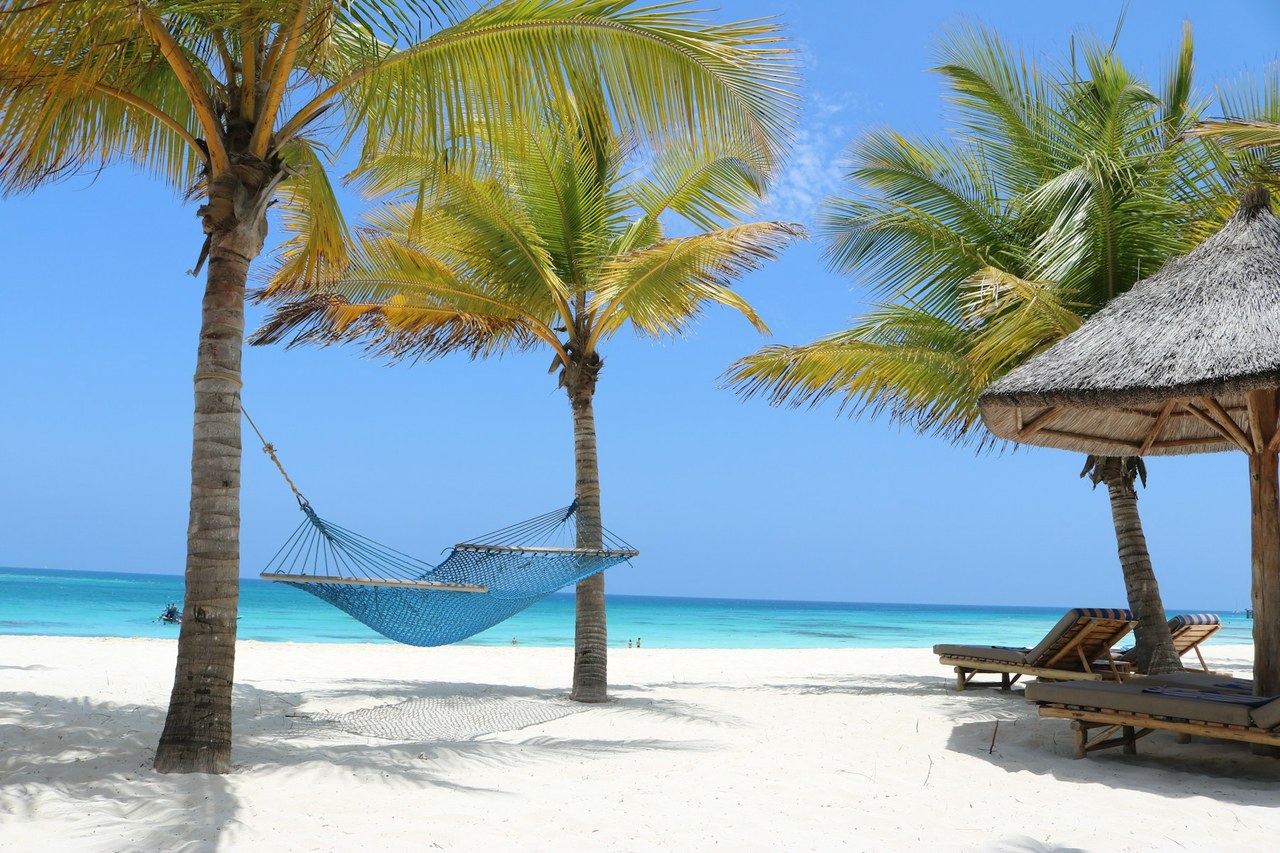
Spice-island history in Stone Town and turquoise Indian Ocean beaches.
- Best time to visit: June-October and December-February (dry seasons)
- Daily budget (budget traveller): $45 to $70 USD
- Ideal trip length: 5 to 7 days
Zanzibar is two trips in one: the labyrinthine, Swahili-Arab-Indian melting pot of Stone Town, and the powder-white beaches of the north and east coasts. Joy Plus splits your nights so you get both - the history, spice tours and sunset rooftop of Stone Town, then the right beach for your tide and vibe, because the east coast's dramatic tides catch out everyone who didn't plan around them.
Zanzibar is two trips wearing one passport stamp. The first is Stone Town, a tangle of coral-stone alleys where Swahili, Omani, Indian and British history sit on top of each other. Carved teak doors, call to prayer bouncing off the Old Fort, and a waterfront that turns into an open-air kitchen every evening at Forodhani. Freddie Mercury was born here, and the clove trade built half of what you'll walk past. Give it two or three nights. Any less and you've only seen the airport road.
The second trip is the beach, and this is where people book the wrong coast. The north (Nungwi and Kendwa) is swimmable at every tide and has the best sunsets, but it's the busiest strip. The east (Paje, Jambiani, Matemwe) has the powder sand and the kitesurfers, but the Indian Ocean drains out of the lagoon for hours twice a day, leaving you with seaweed flats and a very long walk to deep water. Neither coast is better. They suit different people, and a tide table matters more here than a weather forecast.
Move slowly, pay in cash, cover your shoulders and knees in town, and download an offline map before you land. The island is a Muslim place first and a resort destination second, which is the main reason it still feels like somewhere rather than nowhere. Travel is easiest in the dry months, transfers take longer than the map suggests, and the real hack is to split your nights: Stone Town for culture and food, the north for sunset and snorkel boats, the southeast for wind, kites and bare-foot bars. Eat the street food, haggle with a smile, and don't plan more than one big thing a day.
How many days in Zanzibar?
For Zanzibar, we recommend 5 to 7 days. With more time, add a day trip to Prison Island.
| Trip length | What you'll see | Itinerary |
|---|---|---|
| 2 days | Forodhani at dusk; History, markets and rooftop sundowners | Zanzibar in 2 days |
| 3 days | Adds: Spice farm and transfer north | Zanzibar in 3 days |
| 4 days | Adds: Mnemba snorkel and Kendwa sunset | Zanzibar in 4 days |
| 5 days · Recommended | Adds: Cross to the southeast via Jozani | Zanzibar in 5 days |
| 7 days · Recommended | Adds: Kite or paddle, then The Rock | Zanzibar in 7 days |
Zanzibar itinerary
Arrive, settle, Forodhani at dusk
Morning: Land at Abeid Amani Karume Airport (ZNZ), grab a fixed-rate taxi (TZS 30,000-45,000) or Bolt to Stone Town, 15 minutes away. Drop bags at your guesthouse in Shangani or Mkunazini.
Afternoon: Lunch at Lukmaan: fish curry, rice and chapati for under TZS 10,000. Coffee at Zanzibar Coffee House on Mchangani Street, then a slow wander through the Shangani alleys with no map.
Evening: Sunset drink on the Africa House terrace, then Forodhani Gardens at 6pm for Zanzibar pizza, octopus skewers and sugarcane juice with lime. Go early, pick busy stalls, bring cash.
History, markets and rooftop sundowners
Morning: Darajani Market at 7am, the spice, fish and fruit hall locals still shop at. Then the Old Fort (Ngome Kongwe, free) and the exterior of the House of Wonders.
Afternoon: Christ Church Cathedral and the Slave Market museum, a sobering hour, around $10. Late lunch of urojo (Zanzibar mix) at a street stall near Mkunazini.
Evening: Sunset at the Tea House rooftop at Emerson on Hurumzi, book the day before. Dinner there or go back to Forodhani for a second round.
Spice farm and transfer north
Morning: Half-day spice tour to a plantation near Kizimbani or Kidichi, TZS 30,000-45,000 shared. Taste clove, vanilla, cinnamon and fresh nutmeg right off the tree.
Afternoon: Pre-booked transfer or shared shuttle to Nungwi (about 1h45, TZS 25,000-40,000 shared). Check in and swim at the tip of the peninsula, where the water is deep at any tide.
Evening: Sunset on the beach at Nungwi with a Kilimanjaro beer. Grilled fish dinner at one of the sand-floor beach restaurants.
Mnemba snorkel and Kendwa sunset
Morning: Boat to Mnemba Atoll at 8am, the best light and the fewest boats. Snorkel with reef fish and, with luck, dolphins. Around $45-70 for a shared trip.
Afternoon: Back for a late lunch, then a lazy walk or short ride to Kendwa Rocks. Swim at high tide, hammock at low tide.
Evening: Sunset cocktails at Kendwa. If your dates match, the Full Moon Party at Kendwa Rocks is the island's most famous night out.
Cross to the southeast via Jozani
Morning: Private transfer to Paje, about 2 hours. Stop at Jozani Chwaka Bay National Park to walk the mangrove boardwalk and see the endemic red colobus monkeys. About $20 with the guide.
Afternoon: Check in at Paje, then a beach-bar lunch at Mr Kahawa or similar. Check the tide table before you plan the swim.
Evening: Paje by Night, the beach-bar strip with fire shows and Swahili-style grills. Early bed before wind time.
Kite or paddle, then The Rock
Morning: Kite lesson at Kite Centre Zanzibar in the morning breeze, or a SUP at high tide. Lagoons empty by midday, so pay attention to the tide chart.
Afternoon: Drive or taxi to Michamvi for The Rock Restaurant, perched on a tidal outcrop. Walk out at low tide or take the boat at high tide. Lunch is about TZS 90,000-140,000.
Evening: Sunset back in Paje, barefoot dinner, last beer in the sand.
Slow morning, depart
Morning: Swim at high tide, fresh fruit breakfast, last souvenir stop for local spices and kanga cloth.
Afternoon: Transfer to ZNZ, about 1 hour from Paje. Leave three hours before your flight, check-in and security can be slow.
Evening: Fly out, or cross by ferry to Dar es Salaam if you're continuing on the mainland.
Best neighbourhoods
- Stone Town: The UNESCO old city - carved doors, winding alleys, spice markets, and rooftop bars. Base for culture and history.
- Nungwi (North): Lively beach village with swimmable water at all tides and the best sunsets.
- Kendwa (North): Calmer sands next to Nungwi, famous for full-moon parties and easy swimming.
- Paje (Southeast): The kitesurfing and backpacker hub, big tides, laid-back beach-bar scene.
- Matemwe (East): Quiet, upscale beaches facing Mnemba atoll, best for snorkelling and diving.
Must-do experiences
- Explore Stone Town: Get lost in the alleys, see the old fort and former slave market, and shop the carved-door lanes.
- Forodhani night market: Waterfront food stalls at sunset - Zanzibar pizza, grilled seafood and sugarcane juice.
- Spice farm tour: Walk a working plantation tasting cinnamon, cloves, nutmeg and vanilla - the island's old trade.
- Mnemba atoll snorkel or dive: Crystal water, reef fish and dolphins off the northeast coast.
Hidden gems
- Sunset cocktails on a Stone Town rooftop bar like Emerson or Tea House.
- The Rock Restaurant, perched on a tidal outcrop off Michamvi.
- Jozani Forest to see the endemic red colobus monkeys.
- A traditional dhow sunset cruise from Nungwi or Kendwa.
Daily budget
- Accommodation: budget TZS 40,000-90,000 / night ($15-35, dorm or basic fan room), mid-range TZS 200,000-400,000 ($80-150, boutique or beach bungalow), splurge TZS 1,000,000+ ($400+, Park Hyatt, Zuri Zanzibar, Z Hotel). Hotels quote in USD and many add 18% VAT and a service charge, so check the final price. Stone Town is cheaper than the beaches for the same standard.
- Food: budget TZS 15,000-30,000 / day (Swahili plates, Forodhani, bakeries), mid-range TZS 60,000-110,000 (beach restaurants, one rooftop dinner), splurge TZS 200,000+ (The Rock dinner, Emerson Spice Tea House set menu). A plate of fish, rice and coconut curry at a local Swahili spot is TZS 6,000-10,000. Fresh fruit and mandazi from the roadside are almost free.
- Transport: budget TZS 1,000-5,000 (dala-dala) or TZS 25,000-40,000 (shared shuttle), mid-range TZS 90,000-160,000 (private transfer between coasts), splurge TZS 400,000+ (private driver all day, charter boat). The north and east coasts are 1.5 to 2 hours from Stone Town and from each other. Scooters are TZS 30,000-40,000 a day but you need a local temporary licence, about $10, plus your home licence.
- Activities: budget TZS 15,000-45,000 / day (Old Fort free, shared spice tour, free beach time), mid-range TZS 100,000-200,000 (Mnemba snorkel, Jozani, kite lesson), splurge TZS 400,000+ (private dhow, diving trips, Safari Blue). Jozani Forest is about $20 including guide. A shared Mnemba snorkel trip is roughly $45-70. Anything priced in USD can often be paid in TZS at the day's rate.
- Drinks & nightlife: budget TZS 8,000-15,000 (local beer, juice, coffee), mid-range TZS 30,000-60,000 (beach bar night, Stone Town rooftop sundowners), splurge TZS 120,000+ (full-moon party with table, resort cocktails). A Kilimanjaro or Safari lager is TZS 4,000-6,000 at beach bars, cocktails TZS 12,000-20,000. Alcohol is mainly served at hotels and beach bars, not corner shops.
Where to stay
- Social hostel in Stone Town (Shangani / Mkunazini) (TZS 30,000-65,000 / night ($12-25)): Lost & Found Hostel or Zanzibar Hostel, rooftop chill, mixed dorms, easy trips and walkable to Forodhani.
- Boutique hotel in Stone Town (Shangani) (TZS 390,000-650,000 / night ($150-250)): Dhow Palace Hotel or Beyt al Chai, carved doors, courtyards and rooftop terraces in the middle of the old city.
- Apartment in Paje or Jambiani (southeast) (TZS 130,000-260,000 / night ($50-100)): A beach bungalow or two-bed villa with a kitchen, ideal for a 4+ night kite or chill stay. Ask for a fan and mosquito nets.
- Splurge in Kendwa / Nungwi (north) (TZS 1,000,000-2,300,000 / night ($400-900)): Zuri Zanzibar or Z Hotel, beachfront pools, swimmable at all tides and sunset from your own terrace.
What to eat
- Zanzibar pizza and grilled seafood at Forodhani market
- Urojo (Zanzibar mix) sour soup
- Octopus curry with coconut rice
- Fresh tropical fruit and spiced 'Zanzibar coffee'
Day trips
- Prison Island (Changuu) (5km offshore, 30 minutes by boat): A former quarantine island with giant Aldabra tortoises, ruined cells and a small beach with decent snorkelling. Go early, boats fill by 11am. Boat from Forodhani or Mizingani waterfront, TZS 50,000-75,000 shared including entry. Agree the price and return time before you board.
- Jozani Chwaka Bay National Park (35km, 45-60 minutes by road): The last stronghold of the endemic red colobus monkey, with a boardwalk through mangroves. Easy half day, ideally on the way to Paje. Shared tour from Stone Town or a taxi, about TZS 60,000-90,000 return. Park fee about $20 includes the guide.
- Mnemba Atoll (20-30 minutes by boat from Nungwi or Matemwe): The island's best snorkel spot, with coral gardens, turtles and frequent dolphins. Morning trips have the best visibility and least wind. Book through your hotel or a Matemwe or Nungwi dive shop, roughly $45-70 (TZS 120,000-180,000) shared, including gear and marine fee.
When to visit
- Cool dry season (June - October): 25-29°C, low humidity, steady breeze, almost no rain. Crowds: Heavy in July and August, easing in September. The best all-round window. Comfortable days, calm seas, great diving visibility. Book July and August at least two months ahead; September is the sweet spot.
- Hot dry season (December - February): 30-34°C, humid, bright, short sea-breeze afternoons. Crowds: Peak at Christmas and New Year, moderate in late January and February. Hot, flat-calm and ideal for snorkelling and swimming. Prices spike from about 20 December to 5 January. Ramadan runs about 8 February to 9 March in 2027, so expect quieter days and limited daytime dining in Stone Town.
- Long rains (masika) (March - May): 27-31°C, heavy afternoon downpours, very humid, rough seas. Crowds: Very low. Cheapest rooms, emptiest beaches, but many small lodges and restaurants close in April and May, and boat trips get cancelled. Only go if price is the priority.
- Short rains (vuli) (November): 28-32°C, short sharp showers, usually early morning or evening. Crowds: Low, picking up in December. A gamble that often pays off. Most days are dry enough, hotels discount, and the sea is warm. Pack a light rain jacket and keep your itinerary flexible.
Entry rules for your passport
Visa rules for Tanzania depend on the passport you travel on. Check the official source before you book: Tanzania Immigration Services Department
Getting there
Abeid Amani Karume International Airport (ZNZ) is 6km from Stone Town. Turkish Airlines, Qatar Airways, Ethiopian, Kenya Airways and seasonal European charters fly in, while Precision Air, Coastal Aviation and ZanAir link Dar es Salaam (20 minutes) and Arusha. Most visitors need an e-visa, $50 (US citizens $100), applied for online before departure. You must also buy Zanzibar's government inbound travel insurance (US$44, valid for up to 92 days) - you may be refused entry without it. If you land in mainland Tanzania first, buy the mainland NIC policy instead (required since 1 October 2026); you only need one of the two. All travellers must also fill in the Travellers Health Surveillance Form, online before you fly or on arrival. Fixed-rate taxis from the airport to Stone Town are TZS 30,000-45,000 ($12-18), Bolt also works in town, and dala-dala route 505 runs to Darajani market for about TZS 1,000. Ferries from Dar es Salaam (Azam Marine and Kilimanjaro Fast Ferries) take about 2 hours, with the first sailing around 7am and economy fares around $35 (TZS 90,000). Carry your passport and arrival card, and pack no single-use plastic bags, they're banned.
Getting around
Stone Town is walkable. Between Stone Town and the beaches, use a pre-arranged private transfer or shared minibus (dala-dala) - it's an hour or more to the north and east coasts. On the beaches, walk or hire a bike; agree taxi fares before you ride.
Safety
Zanzibar is a Muslim, conservative island - dress modestly away from the beach and resorts, especially in Stone Town (cover shoulders and knees). It's generally safe but watch for petty theft on beaches and use only licensed taxis at night. Buy a local SIM at the airport, carry cash (USD and shillings), and respect Ramadan timings if visiting then.
Solo travel tips
- Base in Stone Town first: Two or three nights in town gives you walkable streets, easy conversations at rooftop bars and a chance to find travel buddies before heading to the beach. It's also the best place to book spice tours, boat trips and transfers at fair prices.
- Do Forodhani right: Arrive by 6pm, before the crowds, and choose busy stalls with fast turnover. Agree prices before you eat, TZS 5,000-8,000 for a Zanzibar pizza, and avoid raw salads. Stand with locals at the sugarcane juice press, it's the best conversation starter.
- Hostel pick: Lost & Found or Zanzibar Hostel in Stone Town, Kendwa Rocks on the beach: Stone Town hostels run low-key social nights, rooftop chill and joint spice trips. At the beach, Kendwa Rocks mixes bungalows with bar hangouts and Full Moon Party energy. Dorms start around TZS 30,000-65,000.
- Respect the tide, always: On the east coast the lagoon empties twice a day. Check a tide app before booking snorkel boats or planning a swim. Wear reef shoes at low tide, sea urchins are common, and never wade out far with the incoming tide behind you.
- Solo female travellers: Zanzibar is generally safe, but expect attention and persistent beach vendors. Dress modestly off the sand, ignore catcalling, use hotel-arranged taxis or Bolt after dark, avoid empty beaches at night, and keep a firm 'no thank you' ready for touts.
- Find your tribe at a kite lesson or the full moon: Kite Centre Zanzibar in Paje and Kendwa's full-moon nights are the easiest places to meet other solos. A shared Mnemba boat or Prison Island trip works too, you'll end up swapping contact details by lunch.
Cultural etiquette
- Dress modestly in Stone Town and villages: shoulders and knees covered. Swimwear and bare midriffs belong on the beach or at your resort only.
- Ask before photographing people, especially women. Many will say no, and some will ask for money. A smile and a greeting first goes a long way.
- Greet people. 'Jambo' or 'Habari' costs nothing. Use the right hand for handing over money and food, and say 'asante' (thank you) generously.
- During Ramadan (about 8 February to 9 March in 2027) don't eat, drink or smoke in public during daylight in Stone Town. Many places shut until sunset.
- Topless sunbathing, public drunkenness and public displays of affection are offensive. Alcohol is served at hotels and beach bars but isn't a street activity.
- Haggle in markets, starting around 40-50% of the first price and settling with a smile. Fixed prices apply in supermarkets, restaurants and for taxi fares agreed in advance.
- Don't enter mosques unless invited, remove shoes at any religious building, and avoid touring on Fridays around midday prayers. Drones need a permit, so leave them at home.
Frequently asked questions
How many days do you need in Zanzibar?
Five to seven: two nights in Stone Town for the history and food, then three or four on a beach. Splitting the trip gives you both sides of the island.
Which side of Zanzibar has the best beaches?
The north (Nungwi and Kendwa) stays swimmable at all tides and has the best sunsets; the east (Paje, Matemwe) has dramatic tides and is better for kitesurfing and snorkelling. Match the coast to the tide.
Is Zanzibar safe for solo travellers?
Yes, with normal precautions. Dress modestly off the beach, use licensed taxis at night, keep valuables secure on the sand, and be respectful of local Muslim customs. Solo female travellers should expect some attention and dress conservatively.
When is the best time to visit Zanzibar?
June-October and December-February (dry seasons) is the sweet spot for weather and crowds. Shoulder season brings lower prices and easier bookings, while peak months mean higher accommodation costs and longer queues at the best known sights, so book early if you travel then.
How much does a trip to Zanzibar cost?
Budget around $45 to $70 USD per person per day, covering a hostel bed or simple room, local transport, two or three meals out and an activity or entry ticket. You can go lower with markets and free walking tours, or far higher with boutique hotels and private guides.
How much does a solo trip to Zanzibar cost?
Budget on roughly $45-$70 USD per day in Zanzibar as a solo traveller. That covers a hostel bed or simple room, local food, getting around and a couple of paid sights. Mid-range comfort with private rooms, sit-down dinners and the odd tour runs closer to double, while shoestring travellers who cook and stick to street food can come in under it.
How do you get around Zanzibar?
Stone Town is walkable. Between Stone Town and the beaches, use a pre-arranged private transfer or shared minibus (dala-dala) - it's an hour or more to the north and east coasts. On the beaches, walk or hire a bike; agree taxi fares before you ride.
Do I need special insurance to enter Zanzibar?
Yes. Every foreign visitor must buy Zanzibar's mandatory inbound travel insurance: US$44 per adult, valid for up to 92 days, from the official portal visitzanzibar.go.tz (best bought before you travel) or on arrival. Your own travel insurance does not replace it. If you enter Tanzania through the mainland first, a separate mainland policy has applied instead since 1 October 2026, and you only need one of the two. Check the visa rules for your nationality as well.
Tours and activities in Zanzibar | Zanzibar in 2 days | Zanzibar in 3 days | Zanzibar in 4 days | Zanzibar in 5 days | Zanzibar in 7 days
Can't decide? Compare Zanzibar with...
- Nairobi vs Zanzibar
- Diani Beach vs Zanzibar
- Malé vs Zanzibar
- Port Louis vs Zanzibar
- Zanzibar vs Seychelles
Joy Plus home | Destinations | Itineraries | Activities | Flights | Budget planner | Calendar | Map | Blog | Lifetime access