Destinations / Europe
Zell am See, Austria travel guide
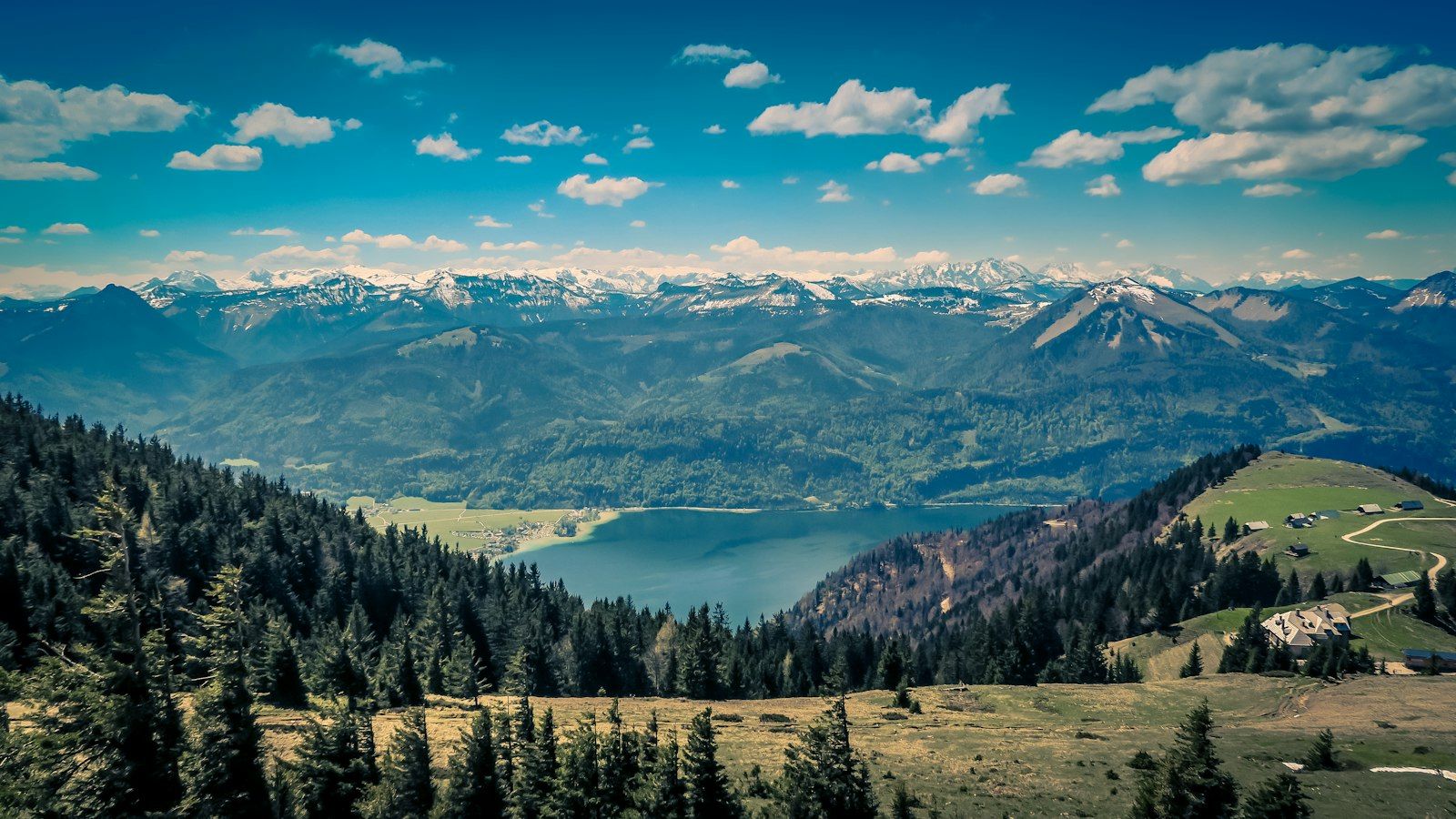
A lakeside Alpine town under the Schmittenhöhe, with a glacier at 3,029 m next door, Austria's grandest mountain road close by, and summer lifts that come free with the right bed.
- Best time to visit: June to September for hiking and the lake, mid-December to March for skiing
- Daily budget (budget traveller): $95 to $300 USD
- Ideal trip length: 4 to 7 days
Zell am See is a town of about 10,000 people on the western shore of Lake Zell, in the Pinzgau region of SalzburgerLand. The Old Town takes ten minutes to cross on foot. It has a Romanesque church, a medieval tower museum and a lakeside promenade. Behind it rises the Schmittenhöhe, a lift-served mountain of almost 2,000 m. A short bus ride south is Kaprun, where cable cars climb to the Kitzsteinhorn glacier at 3,029 m. The Grossglockner High Alpine Road and the Krimml Waterfalls are both easy day trips. The town has two main seasons. Summer means lidos, lake boats, lunches at mountain huts and ridge walks. Winter means the Schmitten ski area, glacier snow and après-ski. It works well for solo travellers. Trains from Salzburg stop a few steps from the lake, buses link the valley, and from mid-May to October partner hosts include the Zell am See-Kaprun Summer Card, which makes the big lift rides free. Zell is not cheap, but with good planning it is excellent value.
Zell am See is a compact lake town of around 10,000 people in Salzburg's Pinzgau region, at about 750 m. It sits on a small delta on the west shore of Lake Zell, a cold, clear lake under 4 km long, with the Schmittenhöhe rising straight behind it. Most of what a visitor wants is within a short bus ride: the Kitzsteinhorn glacier above Kaprun, the Kaprun reservoirs, the Grossglockner road and, a little further away, the Krimml Waterfalls. The resort has an upmarket reputation and prices to match. A summit lift return costs about €52, a glacier ticket €70 and a schnitzel in town €20 or more. There is a cheaper way to do Zell too: a lakeside youth hostel with breakfast included, bakery breakfasts, supermarket picnics, lidos, and a regional card that covers most of the big ticket prices in summer.
The best solo plan is to stay in one place. Sleep in the Old Town or Schüttdorf and do day trips instead of moving your bags around. Arrive by train from Salzburg, spend your first days on the lake and the Schmittenhöhe, then take the bus to Kaprun's sights. Save the Grossglockner for the clearest forecast of your trip. It is the one day a hire car makes sense, unless the seasonal bus fits your dates. Between 15 May and 31 October, book a partner host that includes the Zell am See-Kaprun Summer Card. It covers the Schmittenhöhe and Kitzsteinhorn lifts, the lidos, the lake boats and the Kaprun reservoirs, and can easily save €150 or more in a week.
Timing matters more here than in most Alpine towns, because Zell am See largely closes between seasons. From late October to early December and from mid-April to mid-May, many lifts, hotels and restaurants close, although the Kitzsteinhorn runs for most of the year. June to September is the hiking and swimming season, with afternoon storms to plan around. December to March is ski season, based on the Schmitten and the ALPIN CARD. The town is very safe, English is widely spoken, and the pace is easy-going outside the winter après bars. If you want a swim, a glacier and a plate of Kasnocken on the same day, this is the place.
Zell am See itinerary
Arrive by train, Old Town and the lake
Morning: Train from Salzburg Hauptbahnhof (about 1.5 hours, roughly hourly). Zell am See station is by the lake, a 5-minute walk from the centre. Drop your bags and collect your Summer Card or Guest Card at check-in.
Afternoon: Walk the Old Town: St Hippolyt church, the Vogtturm museum, then the Esplanade and Elisabethpark. Swim at the Zell am See lido, which is free with the Summer Card.
Evening: Schnitzel at Restaurant Steinerwirt on Dreifaltigkeitsgasse (it closes between seasons, so check dates). Then a drink and live music at Villa Crazy Daisy near the station.
Schmittenhöhe and a boat to Thumersbach
Morning: Bus from the station to the trassXpress valley station in Schmittental and ride up early. A return costs about €52 at the desk, less online, and nothing with the Summer Card. Walk the summit trails, or join one of the Schmitten's guided hikes, which run twice a week in summer. Register online by noon the day before.
Afternoon: Lunch at a Schmitten hut, then ride down. Take a lake boat from the Esplanade to Thumersbach (included with the Summer Card) and swim at the Thumersbach lido.
Evening: Watch the sun drop behind the Schmittenhöhe from the Thumersbach shore. Check the last boat back, or take the bus round the lake. Kasnocken in town.
Kitzsteinhorn glacier and the Sigmund-Thun-Klamm
Morning: Bus 660 to the Kitzsteinhorn valley station in Kaprun (allow about 40 minutes). Ride up to the Top of Salzburg at 3,029 m (€70 return for adults, free with the Summer Card). Take the first lifts and bring a warm layer.
Afternoon: Bus down to Kaprun village and walk the Sigmund-Thun-Klamm gorge walkways. Entry is roughly €8-10 and it opens about May to October, so check. Coffee in Kaprun.
Evening: Back to Zell. Dinner and a glass of Austrian wine at Kraftwerk Restaurant & Winebar.
Kaprun high mountain reservoirs
Morning: Bus to the Kesselfall stop in the Kaprun valley, then the reservoir shuttle bus, the Lärchwand inclined lift and a second bus to the Mooserboden reservoir. It opens roughly late May to October. Transport is included with the Summer Card; without it, check the current fare before you go.
Afternoon: Walk the dam wall and an easy shore trail under the glaciers. The guided dam tour costs extra (€12 with the Summer Card). Head down by mid-afternoon.
Evening: Roast pork, Kasnocken or trout from the Limberghof's own pond at its Zum Saustall restaurant, open daily from 5.30pm.
Grossglockner High Alpine Road
Morning: Pick up a hire car the evening before, or take the seasonal Postbus to the Kaiser-Franz-Josefs-Höhe if it runs on your dates (check the timetable). Pay at the northern toll gate (€46.50 per car in 2026) and climb to Fuscher Törl and the Edelweissspitze at 2,571 m.
Afternoon: Carry on to the Kaiser-Franz-Josefs-Höhe for views of the Grossglockner and the Pasterze glacier. Walk the short trails if they are open, and look out for marmots.
Evening: Drive back the same way, because the day ticket covers re-entry. Return the car, then a low-key beer in the Old Town.
Krimml Waterfalls by narrow-gauge train
Morning: Pinzgauer Lokalbahn from Zell am See to Krimml, about 1.5 hours along the Salzach valley, then a short bus to the falls. Aim to arrive by 10am.
Afternoon: Walk the waterfall trail (€9 in 2026, or €15.90 with the WasserWelten exhibition) up to the upper falls, about 1.5 to 2 hours. Picnic at a viewpoint.
Evening: Train back to Zell. Easy dinner in Schüttdorf, such as Indian food at Basmati on Brucker Bundesstraße.
Lake loop by bike and a castle dinner
Morning: Rent a bike or e-bike in town (roughly €25-45 a day, check) and ride the loop around Lake Zell, about 11 km on mostly flat paths, with coffee in Thumersbach.
Afternoon: Last swim at the Schüttdorf or Zell lido, or a slow lunch near the Esplanade. Pack and check tomorrow's train.
Evening: Farewell dinner at Schlosswirtschaft Prielau on the north shore, or book MAYER's Restaurant in the same castle for a tasting menu.
Best neighbourhoods
- Old Town (Zell am See centre): The walkable centre around Stadtplatz, with St Hippolyt church, the Vogtturm museum, most of the restaurants and bars, the Esplanade and Elisabethpark on the lake, and the train station a few minutes away.
- Schüttdorf: The residential district at the lake's southern end. Beds and food cost less here, and it has the Junges Hotel youth hostel by the water, a lido, the AreitXpress lift and quick buses to Zell and Kaprun.
- Thumersbach: The quiet eastern shore, reached by lake boat in summer or by bus round the lake. It has its own lido, a level shore path and the best evening light over the Old Town and the Schmittenhöhe.
- Kaprun: A separate village a short bus ride south, at the foot of the Kitzsteinhorn and Maiskogel. It has plenty of apartments, the Sigmund-Thun-Klamm gorge and the road up to the high mountain reservoirs.
- Prielau and the north shore: The leafy northern end of the lake around Schloss Prielau. It is a calmer base if you have a bike, with lakeside restaurants and easy access to the shore path.
Must-do experiences
- Ride up the Schmittenhöhe: Take the trassXpress from Schmittental to the summit area at about 2,000 m. On a clear day you can see more than 30 peaks above 3,000 m, and there are easy trails and huts for lunch. A summer return costs about €52 at the ticket desk, less online, and nothing with the Summer Card.
- Stand at 3,029 m on the Kitzsteinhorn: Cable cars from Kaprun climb to the Top of Salzburg viewing platforms, the National Park Gallery tunnel and Cinema 3000. It is open all year. An adult return costs €70 for 2026/27, or nothing with the Summer Card. Go on the first lifts for the clearest views.
- Drive the Grossglockner High Alpine Road: This 48 km toll road climbs past Fuscher Törl and the Edelweissspitze to the Kaiser-Franz-Josefs-Höhe, which faces the Grossglockner (3,798 m) and the Pasterze glacier. The 2026 car toll is €46.50, and the Austrian motorway vignette does not cover it. The road usually opens from early May to early November.
- Walk the Krimml Waterfalls trail: Climb the path beside Austria's highest waterfalls, which drop 380 m in three tiers, stopping at viewpoints wet with spray. The 2026 trail fee is €9. The ticketed season runs from about May to the end of October.
- Swim and sail on Lake Zell: Spend a hot afternoon at the lidos in Zell am See, Thumersbach or Schüttdorf, then take a boat across the lake. Lido entry and the lake boats are both included with the Summer Card.
- Visit the Kaprun high mountain reservoirs: Shuttle buses and the Lärchwand inclined lift take you up to the Mooserboden reservoir at about 2,000 m. Walk along the dam wall and look up at a ring of glaciated peaks. It opens roughly late May to October, so check exact dates.
- Wander the Old Town: Visit the Romanesque St Hippolyt church, climb the Vogtturm tower museum, then walk the Esplanade and Elisabethpark at sunset. The whole loop takes about an hour.
- Ski the Schmitten in winter: The Schmitten plans to open on 4 December 2026. The ALPIN CARD also covers the Kitzsteinhorn and Skicircus Saalbach Hinterglemm Leogang Fieberbrunn. An adult day pass costs €82 in peak season and €74 in early and late season.
Hidden gems
- The Pinzgauer Spaziergang, a long and well-marked balcony trail from the Schmittenhöhe towards Saalbach. It is a full day's walk with views of the Hohe Tauern the whole way, so check the bus back before you set off
- The Sigmund-Thun-Klamm in Kaprun, a short, loud gorge with wooden walkways above a glacial torrent, ideal for a cool hour on a hot afternoon
- The Thumersbach shore at sunset, when the light drops behind the Schmittenhöhe and lands on the Old Town across the water
- Cycling the loop around Lake Zell, about 11 km on mostly flat paths, with stops for swims and coffee on the quieter east side
- The Vogtturm museum in the Old Town, a medieval tower with local history displays and views over the rooftops to the lake
Daily budget
- Accommodation: budget €45-70 / night (Junges Hotel dorm bed or single, breakfast included), mid-range €140-250 (boutique or 3 to 4-star double for one), splurge €400+ (Schloss Prielau Hotel). Breakfast is usually included, and partner hosts add the Summer Card from 15 May to 31 October. Add a local tourist tax of a few euros per night and expect surcharges at Christmas, February and in July and August. Single-night stays often cost extra.
- Food: budget €30-45 / day (bakery, supermarket picnic, one hut lunch), mid-range €60-90 (hut lunch plus a sit-down dinner with a drink), splurge €150+ (tasting menu at MAYER's, wine pairing). Kasnocken or Kaiserschmarrn at a hut costs roughly €14-18, and a schnitzel in town €20-28. Spar and Billa supermarkets sell good bread, cheese and speck for picnics. Lunch is often better value than dinner.
- Transport: budget €0-15 / day (walking, regional buses, ask about the Guest Mobility Ticket), mid-range €30-80 (one-day car hire, e-bike rental), splurge €150+ (taxis, private Grossglockner driver). The train from Salzburg takes about 1.5 hours. The Grossglockner toll is €46.50 per car in 2026, and the motorway vignette does not cover it. Check bus timetables for Sundays and evenings, when services thin out.
- Activities: budget €0-20 / day (Summer Card lifts and lidos, hiking, Krimml at €9), mid-range €50-90 (Schmitten return about €52, Kitzsteinhorn €70), splurge €150+ (tandem paragliding, guided glacier tour, ski pass plus rental). Without the Summer Card, lifts are the big cost, though buying online saves a few euros. In winter, an ALPIN CARD day pass costs €82 in peak season and €74 in early and late season.
- Drinks & nightlife: budget €5-12 (supermarket beer plus one half-litre in town), mid-range €20-40 (wine bar evening, a few beers with live music), splurge €60+ (cocktails and late après-ski). A half-litre of local beer costs roughly €4.50-6. Summer nights are relaxed, with Villa Crazy Daisy the main live-music bar. Winter après-ski is much busier.
Where to stay
- Social hostel in Schüttdorf, on the lake (€45-70 per person / night): The Junges Hotel Zell am See on Seespitzstraße is a lakeside youth hostel about 2 km from the centre, with a bar, a lounge, private bathrooms in every room and a buffet breakfast. Bring a youth hostel card or pay about €3 extra a night, and expect a surcharge for one-night stays.
- Boutique hotel in Old Town (€160-300 / night): Hotel Steinerwirt1493 is in a 15th-century building in the centre, with a rooftop hot tub, a good restaurant and everything within walking distance. Check its seasonal closing dates.
- Apartment in Old Town or Schüttdorf (€120-220 / night): AlpenParks apartments, such as AlpenParks Hotel & Apartment Central, give you a kitchen to cut food costs, and they include the Summer Card in season.
- Splurge in Prielau, north shore (€400-800+ / night): Schloss Prielau Hotel is a lakeside castle with its own beach and MAYER's Restaurant on site. Book it for total quiet and one very good dinner.
What to eat
- Pinzgauer Kasnocken: soft dough dumplings baked in a pan with strong local cheese and topped with crispy onions and chives, the mountain-hut classic
- Pinzgauer Bladln: thin fried dough pockets served with sauerkraut, or as a sweet snack, a regional speciality worth asking for
- Wiener Schnitzel: veal or pork beaten thin, breaded and fried, served with potato salad and lingonberry jam, and done very well at Restaurant Steinerwirt
- Kaiserschmarrn: torn caramelised pancake with raisins, icing sugar and plum compote, best as a shared lunch at a mountain hut
- Char and trout: local freshwater fish, often pan-fried with butter and herbs, on lakeside menus and at the Limberghof
- Brettljause: a wooden board of cured speck, sausage, Pinzgau mountain cheese, horseradish and dark bread, ideal for a hut snack
Day trips
- Krimml Waterfalls (About 55 km west, 1.5 hours by narrow-gauge train): Austria's highest waterfalls drop 380 m in three tiers inside the Hohe Tauern National Park. A well-made path climbs past a string of viewpoints, and the WasserWelten exhibition explains the water system. Take the Pinzgauer Lokalbahn from Zell am See to Krimml, then a short bus to the falls. The trail fee is €9 for adults in 2026, or €15.90 with WasserWelten. The ticketed season runs from about May to the end of October.
- Grossglockner High Alpine Road (About 25 km to the northern toll gate, then 48 km of mountain road): Austria's most famous scenic road climbs past Fuscher Törl and the Edelweissspitze at 2,571 m to the Kaiser-Franz-Josefs-Höhe, which faces the 3,798 m Grossglockner and the Pasterze glacier. Hire a car for the day and pay the toll at the gate (€46.50 per car in 2026), or take the seasonal Postbus in high summer if the timetable works. The road usually opens from early May to early November.
- Salzburg (About 85 km north, 1.5 hours by train): Mozart's city has a UNESCO-listed Old Town, the Hohensalzburg fortress, baroque squares and good coffee houses. It makes an easy cultural contrast to the mountains, especially on a rainy day. ÖBB trains run roughly hourly from Zell am See to Salzburg Hauptbahnhof. Book cheap advance fares online, then walk or take a bus into the Old Town.
When to visit
- Summer (June - August): 18-28°C in the valley, near freezing at 3,000 m, frequent afternoon thunderstorms. Crowds: Heavy in July and August, with European school holidays and many Gulf visitors. Peak season for swimming, boat trips and hut lunches. Every lift, lido and day trip is running and the Summer Card applies. Book beds early and do high-altitude trips in the morning.
- Early autumn (September - October): 8-20°C, crisp clear days, first snow on the peaks. Crowds: Moderate in September, quiet in October. The locals' choice. The air is clear for the Kitzsteinhorn and Grossglockner, crowds are thinner and the Summer Card runs to 31 October. The reservoirs and Krimml close around the end of October.
- Off season (November to early December, mid-April to mid-May): 0-15°C, grey and changeable, snow possible. Crowds: Very low. The cheapest time, but many Schmitten lifts, hotels and restaurants close, and the Grossglockner road shuts from early November. The Kitzsteinhorn is usually open. Fine for a quiet lake break if you check what is open.
- Winter (December - March): -8 to 3°C in the valley, reliable snow on the glacier, colder up high. Crowds: Peak at Christmas, New Year and February half-term. Ski season. The Schmitten plans to open on 4 December 2026, the ALPIN CARD covers three ski areas, and the Old Town is lit up for Advent. Expect peak prices and minimum stays over the holidays.
Entry rules for your passport
Visa rules for Austria depend on the passport you travel on. Check the official source before you book: European Commission: Schengen visa policy
Getting there
Salzburg Airport (SZG) is the nearest airport, about 85 km away. Take a local bus or taxi to Salzburg Hauptbahnhof, then an ÖBB train to Zell am See, which takes about 1.5 hours and runs roughly hourly. From Munich, allow about 2.5 to 3.5 hours by train via Salzburg or Rosenheim. Innsbruck is about 1.5 to 2 hours away by train, and Vienna about 4.5 hours. In winter, shared ski transfers run from Salzburg and Munich airports. Zell am See station sits right by the lake, a short walk from the Old Town and on bus routes to Schüttdorf and Kaprun. If you drive on Austrian motorways you need a vignette, but the Grossglockner High Alpine Road charges its own toll (€46.50 per car in 2026). Austria is in the Schengen Area. The EU Entry/Exit System has been fully running since April 2026, and ETIAS had not launched as of early November 2026, so check official sources before you fly.
Border checks: non-EU visitors (other than Swiss, Norwegian, Icelandic, Liechtenstein, Andorran, Monegasque, San Marinese and Vatican citizens, and holders of an EU residence permit or long-stay visa) are registered in the EU's Entry/Exit System (EES) instead of getting a passport stamp. On your first crossing, officers take your photo and/or fingerprints, so allow extra time at passport control. ETIAS, the planned travel authorisation, is not in operation yet, so don't pay any website for one.
Getting around
The Old Town, the station and the Esplanade are all within a 10-minute walk of each other. Regional buses connect the centre with Schüttdorf, the Schmitten lift stations and Kaprun. Line 660 runs to Kaprun and the Kitzsteinhorn valley station in roughly 20 to 40 minutes depending on your stop, and in winter free ski buses serve the lifts. ÖBB trains reach Salzburg in about 1.5 hours. The narrow-gauge Pinzgauer Lokalbahn runs west along the Salzach valley to Krimml. In summer, lake boats link Zell with Thumersbach, and a bike or e-bike is the best way to go round the shore. You only really need a car for the Grossglockner road, and a seasonal bus runs there in high summer, so check the timetable first. Ask your host whether you get the Summer Card or the Guest Mobility Ticket, because both can cut lift and transport costs sharply.
Safety
Zell am See is very safe, and crime against visitors is rare. The main risks come from the mountains. Summer afternoons often bring thunderstorms, so start hikes early and be off exposed ridges by early afternoon. Wear proper footwear, stay on marked trails and download offline maps. On the Kitzsteinhorn, keep to the marked areas, because the glacier has crevasses. You may get a mild headache after going up to 3,029 m quickly. In Austria, call 140 for mountain rescue or 112 for general emergencies. Ticks carry tick-borne encephalitis in parts of Austria, so check yourself after hikes and consider the vaccine. Give grazing cows a wide berth, especially mothers with calves. The lake is cold even in summer, so swim at the lidos and never walk on winter ice unless it has been officially opened. In winter, check the Salzburg avalanche bulletin before going off-piste, and do not go alone. In après-ski bars, watch your drink.
Solo travel tips
- Book a host that includes the Summer Card: From 15 May to 31 October, partner hosts include the Zell am See-Kaprun Summer Card for your whole stay. It covers the Schmitten, the Kitzsteinhorn, the lidos, the lake boats and the reservoirs. You cannot buy it, so a slightly pricier partner bed often works out cheaper overall.
- Go high early and keep spare days: Clouds and storms often build by early afternoon in summer. Take the first lifts for the Kitzsteinhorn and Schmittenhöhe, and keep the Grossglockner and the glacier flexible so you can move them to the clearest forecast.
- Use trains and buses, hire a car for one day: The station is by the lake, buses run to Kaprun, and the Pinzgauer Lokalbahn goes to Krimml. Only hire a car for the Grossglockner day, and pick it up the evening before so you are on the road early.
- Make lunch your main meal: Hut lunches like Kasnocken, Kaiserschmarrn or a Brettljause cost less than town dinners and come with a view. Many huts take cash only. In the evening, a picnic from Spar or Billa keeps a solo budget in check.
- Respect the mountains: Start hikes early, carry a waterproof and a warm layer, stay on marked trails and save 140 for mountain rescue. Keep to marked areas on the glacier, give cows a wide berth and check yourself for ticks after hikes.
- Find company: The Schmitten's guided summer hikes, the bar and lounge at the Junges Hotel, and live music at Villa Crazy Daisy make it easy to meet people. In winter, a group ski lesson or guided tour does the same job. Download offline maps, because signal drops in the side valleys.
Cultural etiquette
- Greet people when you arrive. 'Grüß Gott' or the more casual 'Servus' works in shops, huts and on trails, and saying hello to other hikers you pass is normal.
- Most shops close on Sundays, and many close early on Saturday afternoon. Stock up on Saturday morning, although station and petrol station shops can help.
- When you pay in a restaurant, tell the server the total you want to pay, including the tip, instead of leaving coins on the table. They will often ask if you are paying together or separately.
- Saunas and spas are usually textile-free and mixed. Take a towel to sit on, and keep your swimwear for the pool areas.
- Close farm gates behind you, keep to paths through pastures and never get between a cow and her calf.
- Dress modestly when you visit St Hippolyt and other churches, and keep your voice down during services.
- Observe quiet hours in guesthouses and apartments, usually from about 10pm, and separate your rubbish for recycling as your host asks.
Frequently asked questions
How do I get from the airport to Zell am See?
Salzburg Airport (SZG) is the nearest, about 85 km away. Take a local bus or taxi to Salzburg Hauptbahnhof (about 20 minutes), then an ÖBB train to Zell am See, which takes about 1.5 hours. Munich Airport is roughly 2.5 to 3.5 hours away by train with a change. In winter, shared ski transfers run from both airports. Zell am See station is beside the lake, a short walk from the Old Town.
How many days do I need in Zell am See?
Four days covers the lake, the Schmittenhöhe, the Kitzsteinhorn and Kaprun. Seven days lets you add the Grossglockner road, the Krimml Waterfalls and a rest day without rushing, and gives you spare days to move the high-altitude trips onto the clearest forecast.
When is the best time to visit Zell am See?
June to September is best for hiking, swimming and the high-altitude day trips, and September is often the clearest and calmest month. Mid-December to March is ski season. Late October to early December and mid-April to mid-May are quiet, but many lifts, hotels and restaurants close then. The Kitzsteinhorn runs for most of the year.
What is the Zell am See-Kaprun Summer Card?
It is a free card that partner accommodation gives its guests for the whole stay, between 15 May and 31 October. It covers the Schmittenhöhe and Kitzsteinhorn lifts, the lake lidos, the lake boats, the Kaprun high mountain reservoirs and more. You cannot buy it, so check that your host is a partner before you book. Outside summer, the Guest Card gives smaller discounts.
Do I need a car in Zell am See?
No. Trains, regional buses, lake boats and bikes cover the town, Kaprun and Krimml. A car only helps for the Grossglockner High Alpine Road, and even that has a seasonal bus in high summer. If you do hire a car, one day is enough. The road toll is €46.50 per car in 2026.
Can I pay by card everywhere?
Cards work in hotels, most restaurants, shops and at lift ticket desks. Austrians still like cash, though, and many mountain huts, small cafés and market stalls take cash only. Carry €40 to €60 in notes on hike days. ATMs are easy to find in the Old Town, Schüttdorf and Kaprun.
Is Zell am See safe for solo female travellers?
Yes, it is a very safe and relaxed place for women travelling alone. Take the usual care in winter après-ski bars and on dark paths late at night. The bigger risks are in the mountains, so tell someone your hiking route, check the weather and save the mountain rescue number, 140.
What entry rules apply to travellers visiting Austria in 2026?
Austria is in the Schengen Area. Most visa-exempt visitors can stay up to 90 days in any 180-day period. Since April 2026 the EU Entry/Exit System has been fully running, so non-EU travellers register fingerprints and a photo at the border instead of getting a passport stamp. ETIAS, the online travel authorisation for visa-exempt visitors, had not launched as of early November 2026, and no start date had been announced. Do not pay unofficial sites. Some nationalities still need a Schengen visa. Rules can change, so confirm on the official Austrian government site of the Federal Ministry for European and International Affairs and the EU's official travel portal before you book.
Tours and activities in Zell am See | Zell am See in 2 days | Zell am See in 3 days | Zell am See in 4 days | Zell am See in 5 days | Zell am See in 7 days
Can't decide? Compare Zell am See with...
Joy Plus home | Destinations | Itineraries | Activities | Flights | Budget planner | Calendar | Map | Blog | Lifetime access