Curitiba in 4 days
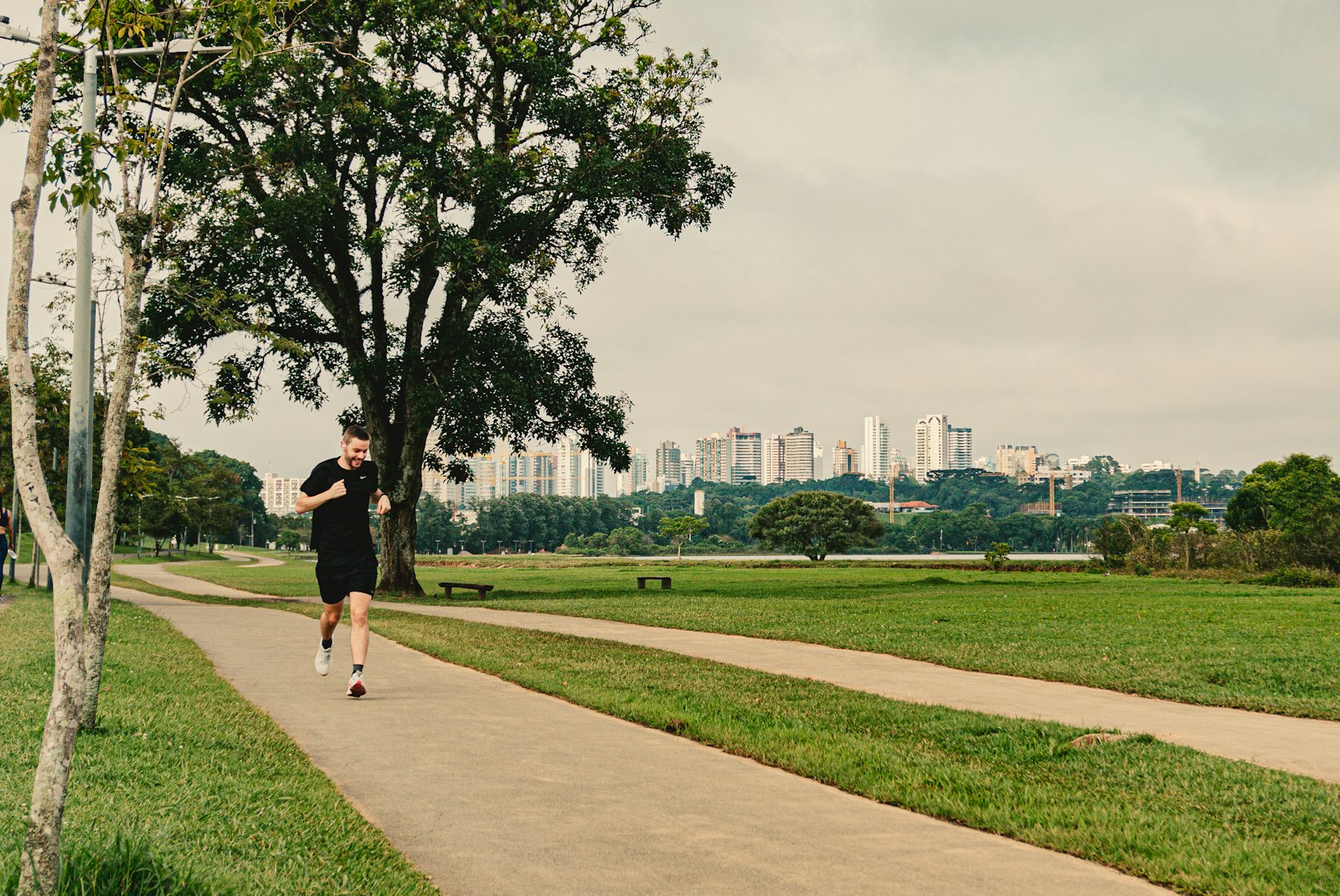
Brazil's green model city, famed for visionary urban planning, parks and a buzzing cultural scene. Best time to visit: March-May and September-November (mild, drier shoulder seasons). Daily budget (budget traveller): $45 to $130 USD.
Arrive, Centro and Rua XV
Morning: Land at CWB, Uber to Centro (R$ 60 to 90, 30 to 40 min) or take the Airport Executive bus to the Rodoferroviária. Drop bags, then a coffee on the Boca Maldita stretch of Rua XV, the famous street-corner gossip spot.
Afternoon: Walk the pedestrian Rua XV de Novembro (Rua das Flores), then Praça Tiradentes and the Catedral Basílica Menor. Hit Passeio Público, the 1886 city park, for free.
Evening: Climb to Largo da Ordem for chopp and a pastel on a terrace. Early night, tomorrow is a transit day.
Linha Turismo and the Botanical Garden
Morning: Board the Linha Turismo at Praça Tiradentes (runs Tuesday to Sunday, about 9am to 5:30pm, around R$ 50, check current price). Hop off at Jardim Botânico, free entry, and spend an hour in the greenhouse and French-style gardens.
Afternoon: Back on the bus to the Torre Panorâmica for a city view, then a late lunch at the Mercado Municipal stalls.
Evening: Dinner in Batel, then one craft beer at a taproom on Av. do Batel or nearby Rua Mateus Leme.
Niemeyer, Wire Opera House and Tanguá
Morning: Museu Oscar Niemeyer at 10am opening (about R$ 30, closed Mondays). Walk the Centro Cívico afterwards, with the modernist state buildings.
Afternoon: Uber to the Ópera de Arame, the steel-and-glass theatre in a quarry forest, then walk to Parque Tanguá for the tunnel and lake viewpoints.
Evening: Back to Batel for dinner. Try a modern Paraná kitchen or a pierogi spot.
Serra Verde train to Morretes
Morning: Board the Serra Verde Express at the Estação Ferroviária (Rodoferroviária), morning departure around 8:15. Sit on the left for the best valley views, bring a rain jacket in case.
Afternoon: Arrive in Morretes around 12:15. Lunch at a riverside restaurant, barreado is mandatory (R$ 80 to 110 per person). Wander the old streets by the Nhundiaquara River.
Evening: Return by Graciosa bus from Morretes (about 1h15, roughly R$ 30). Easy dinner near your hotel.
Heading home: Uber or Executive bus to CWB.
What to eat in Curitiba
- Barreado, a slow-cooked coastal beef stew from Morretes
- Hearty Italian cantina feasts in Santa Felicidade
- Pierogi and Polish dishes from the immigrant heritage
- Local craft beers and cafés
Hidden gems
- Tanguá Park with its tunnel and views over a former quarry.
- The Wire Opera House, a striking tubular-steel theatre in a green park.
- The Polish memorial forest at Bosque do Papa.
- Craft-beer bars around Batel and the growing Curitiba brewing scene.
Getting around
Curitiba is famous for its integrated public transport, and the easiest way for visitors to see the sights is the Linha Turismo, a dedicated tourist bus that loops around 25 of the city's main attractions with a hop-on, hop-off ticket. The wider network of bus rapid transit corridors and tube stations is efficient and cheap for getting between districts. The historic centre and Rua das Flores are pleasant to explore on foot. Ride-hailing apps and taxis are widely available and reasonably priced for areas off the tourist line and for evenings out. The Serra Verde train to Morretes departs from the central station and should be booked in advance.
Safety
Curitiba is generally considered one of Brazil's safer and more orderly large cities, though normal urban precautions still apply. Petty theft and pickpocketing can occur in the central area, on busy buses and around markets, so keep valuables discreet and stay aware in crowds. As in most Brazilian cities, some central districts feel quieter and less secure after dark, so use ride-hailing apps at night rather than walking through empty streets. The parks are lovely by day but best avoided when deserted. Cooler weather means fewer tropical health concerns, but bring layers, as temperatures can drop noticeably. Overall, sensible caution makes Curitiba a comfortable city to visit, including for solo travellers.
Frequently asked questions
What does this 4-day Curitiba itinerary cover?
Day 1: Arrive, Centro and Rua XV. Day 2: Linha Turismo and the Botanical Garden. Day 3: Niemeyer, Wire Opera House and Tanguá. Day 4: Serra Verde train to Morretes.
Is 4 days enough for Curitiba?
Yes, 4 days in Curitiba gives you time to spare. We recommend 2 to 3 days, and this plan uses the extra days for Serra Verde train to Morretes.
How much does 4 days in Curitiba cost?
A budget traveller spends about $45 to $130 USD a day in Curitiba, so roughly $180 to $520 USD for 4 days, not counting flights.
Where should I stay for 4 days in Curitiba?
Centro: The historic core with pedestrian streets, the cathedral and the flower-lined Rua das Flores. Batel: An upscale district known for restaurants, bars, cafés and nightlife.
When is the best time to visit Curitiba?
The best time to visit Curitiba is March-May and September-November (mild, drier shoulder seasons).
How do I get around Curitiba?
Curitiba is famous for its integrated public transport, and the easiest way for visitors to see the sights is the Linha Turismo, a dedicated tourist bus that loops around 25 of the city's main attractions with a hop-on, hop-off ticket. The wider network of bus rapid transit corridors and tube stations is efficient and cheap for getting between districts.
Is Curitiba safe for solo travellers?
Curitiba is generally considered one of Brazil's safer and more orderly large cities, though normal urban precautions still apply. Petty theft and pickpocketing can occur in the central area, on busy buses and around markets, so keep valuables discreet and stay aware in crowds.
More 4-day guides
- Porto Alegre in 4 days
- Natal in 4 days
- Maceió in 4 days
- Belém in 4 days
- Gramado in 4 days
- Búzios in 4 days
- Paraty in 4 days
- Jericoacoara in 4 days
Curitiba in 2 days | Curitiba in 3 days | Curitiba in 5 days | Curitiba in 7 days | Full Curitiba guide
Joy Plus home | Destinations | Itineraries | Activities | Flights | Budget planner | Calendar | Map | Blog | Lifetime access