Ohrid in 2 days
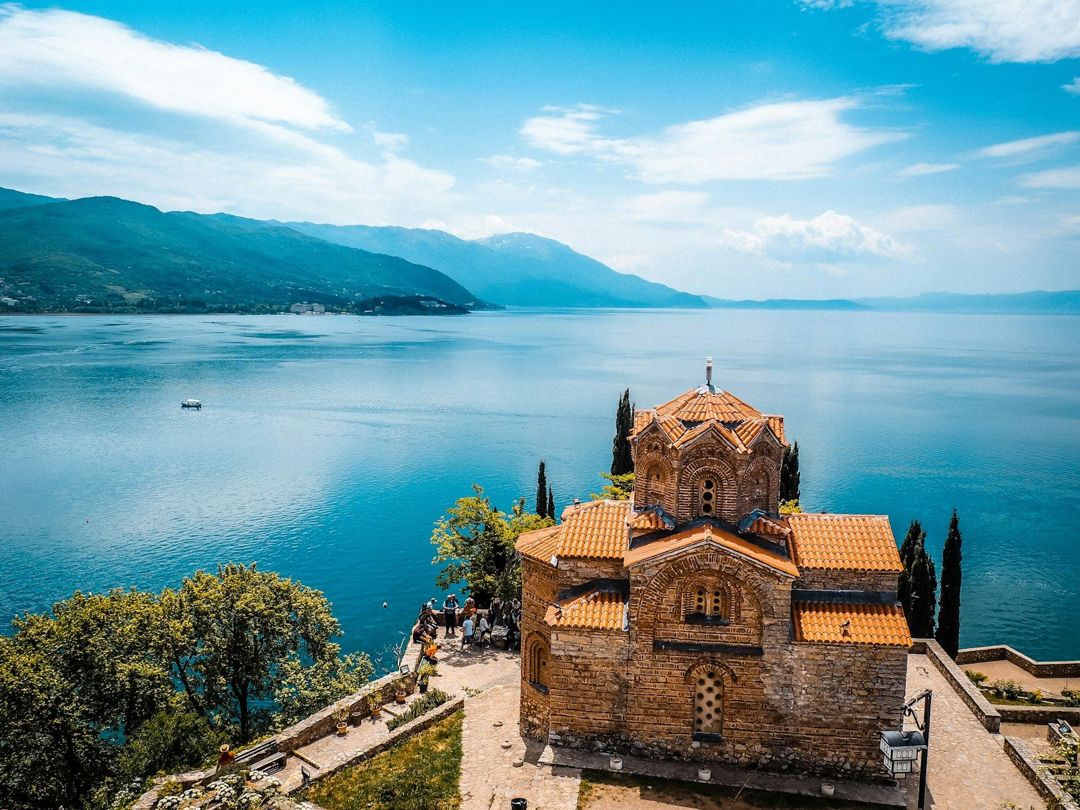
The Jerusalem of the Balkans: lakeside monasteries, Byzantine frescoes and winding cobblestone lanes. Best time to visit: May to September. Daily budget (budget traveller): $55 to $105 USD.
Arrival and the Old Bazaar
Morning: Arrive in Ohrid and drop your bags. Walk down the lively pedestrian street of St. Clement of Ohrid, taking in the bustling atmosphere of the Old Bazaar.
Afternoon: Stop by the centuries-old Chinar Tree, then grab a late lunch of cevapi and fresh shopska salad at a local grill.
Evening: Stroll down to the city port as the sun sets, enjoying a scoop of local ice cream while watching the small boats bob in the harbour.
Fortress Views and Hellenistic Ruins
Morning: Climb the steep cobblestone streets up to Samuel's Fortress. Pay the small entry fee to walk along the ramparts for spectacular panoramic views of the entire lake.
Afternoon: Walk down to the Ancient Theatre of Ohrid, a remarkably preserved Hellenistic amphitheatre. Continue to the intricately frescoed Church of St. Sophia.
Evening: Dine at a traditional restaurant in the Varosh neighbourhood, ordering a comforting clay pot of tavche gravche and local wine.
Heading home: Paul the Apostle Airport for your flight home.
What to eat in Ohrid
- Tavche gravche: a comforting, thick bean stew baked and served in traditional earthenware pots, perfectly seasoned with crushed red paprika
- Ohrid belvica: a sweet-fleshed local trout variety, usually grilled whole and served simply with lemon wedges and a punchy garlic dressing
- Gjomleze: a labour-intensive regional pastry made from layers of thin batter baked under a traditional iron lid, resulting in a soft and crispy slice
- Makalo: a robust, creamy local garlic dip that pairs beautifully with freshly baked bread and charcoal-grilled meats along the lakeside
Hidden gems
- The intricate woodcarvings and traditional Ottoman-style interiors of the historic Robev Family House
- The vivid, beautifully restored 13th-century Byzantine frescoes inside the Church of Holy Mary Perybleptos
- The tranquil, cliff-carved Cave Church of St. Erasmus sitting quietly just outside the main town
- The ruins of the early Christian basilica at Plaosnik, featuring stunning ancient floor mosaics
Getting around
Ohrid's historic Old Town is highly compact and almost entirely pedestrianised, making walking the absolute best way to explore its cultural sights. However, the cobblestone streets are steep and require sturdy footwear. To reach the beaches south of the city or the distant Monastery of Sveti Naum, local minibuses run frequently from the main road for roughly MKD 150. Shared water taxis and scenic boat cruises operate directly from the central port. Official taxis are relatively cheap, but you must negotiate the fare or ensure the meter is running before setting off.
Safety
Ohrid is an incredibly safe destination for solo travellers, boasting a relaxed, welcoming Balkan culture and negligible violent crime. The main hazard is slipping on the highly polished cobblestone streets in the Old Town, particularly after rain, so flat shoes with excellent rubber grip are essential. During the peak summer months of July and August, beware of minor pickpocketing in the crowded bazaar and negotiate boat tour prices clearly in advance to avoid being overcharged. Stray dogs are common but generally docile and well-fed by locals.
Frequently asked questions
What does this 2-day Ohrid itinerary cover?
Day 1: Arrival and the Old Bazaar. Day 2: Fortress Views and Hellenistic Ruins.
Is 2 days enough for Ohrid?
Our recommended trip length for Ohrid is 2 to 3 days. This 2-day plan focuses on the highlights and groups sights by area so you spend less time travelling between them.
How much does 2 days in Ohrid cost?
A budget traveller spends about $55 to $105 USD a day in Ohrid, so roughly $110 to $210 USD for 2 days, not counting flights.
Where should I stay for 2 days in Ohrid?
Old Town (Varosh): A steep, pedestrian-friendly historic quarter defined by traditional Ottoman-style architecture, centuries-old churches, and panoramic views from Samuel's Fortress. Ohrid Bazaar (Charshiya): The bustling, flat commercial heart of the city, lined with local cafes, pearl shops, old mosques, and a giant plane tree at its square.
When is the best time to visit Ohrid?
The best time to visit Ohrid is May to September.
How do I get around Ohrid?
Ohrid's historic Old Town is highly compact and almost entirely pedestrianised, making walking the absolute best way to explore its cultural sights. However, the cobblestone streets are steep and require sturdy footwear.
Is Ohrid safe for solo travellers?
Ohrid is an incredibly safe destination for solo travellers, boasting a relaxed, welcoming Balkan culture and negligible violent crime. The main hazard is slipping on the highly polished cobblestone streets in the Old Town, particularly after rain, so flat shoes with excellent rubber grip are essential.
More 2-day guides
- Skopje in 2 days
- Kaunas in 2 days
- The Hague in 2 days
- Isle of Skye in 2 days
- Lofoten Islands in 2 days
- Dolomites in 2 days
- Izmir in 2 days
- Biarritz in 2 days
Ohrid in 3 days | Ohrid in 4 days | Ohrid in 5 days | Ohrid in 7 days | Full Ohrid guide
Joy Plus home | Destinations | Itineraries | Activities | Flights | Budget planner | Calendar | Map | Blog | Lifetime access