Petra in 4 days
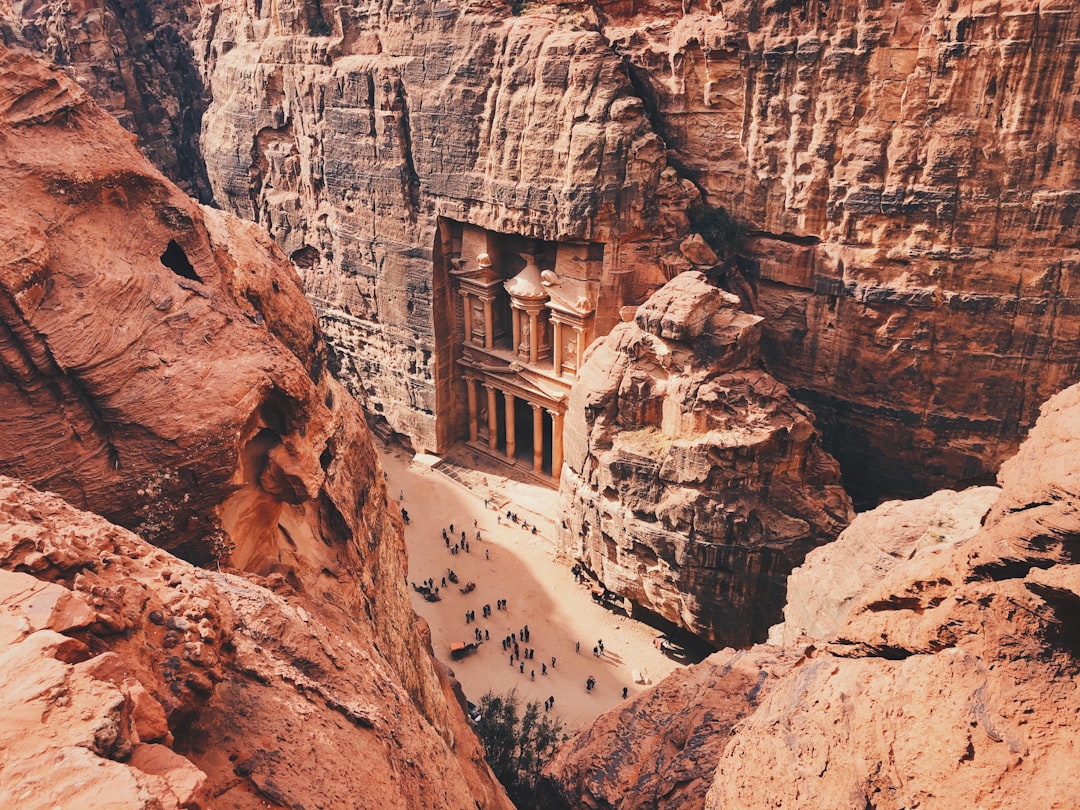
The rose-red city carved from cliffs. A 2,000-year-old wonder reached through a mile-long canyon. Best time to visit: March-May & September-November. Daily budget (budget traveller): $70 to $160 USD.
Arrive in Wadi Musa, set up
Morning: Catch the 6:30am JETT bus from Amman (about 3.5 hours, around JOD 11). Drop bags at your hotel and eat a falafel breakfast in Wadi Musa.
Afternoon: Walk to the Petra Visitor Centre to buy your 2 day ticket and check Petra by Night times. Rest, drink water, and lay out your gear for a 5:30am start.
Evening: Dinner at Al Arabi Restaurant, mansaf or maqluba for about JOD 8 to 12. One mint tea or a beer at the Cave Bar, then bed early.
The Siq, Treasury and the Monastery
Morning: Be at the gate at 6am. Walk the Siq while it is empty, see the Treasury at 6:40am, then continue past the Street of Facades and Roman Theatre. Start the 800 step Monastery climb from Qasr al-Bint by about 8am, before the heat.
Afternoon: Tea at the cafe facing the Monastery, then walk out to the 'End of the World' viewpoint. Descend, lunch at the Basin Restaurant or on your packed falafel, and walk back up the Siq slowly.
Evening: From Sunday to Thursday, do Petra by Night (JOD 30, 8:30pm to about 10:30pm, some 2,000 candles with projections and narration, and a daytime ticket or Jordan Pass is required). Otherwise, an early dinner and sleep.
Treasury from above, High Place, Wadi Farasa
Morning: Enter at 6am again. Hire a Bedouin guide at the Street of Facades for the Al-Khubtha trail to the Treasury overlook (negotiate roughly JOD 10 to 20). Aim to be at the top when the sun hits the facade, around 9am.
Afternoon: Climb the High Place of Sacrifice from the Roman Theatre (about 45 minutes), then descend the Wadi Farasa trail past the Garden Temple and Lion Triclinium, where you will meet almost nobody.
Evening: Book the Petra Kitchen cooking class (about JOD 35) in Wadi Musa and cook your own mezze. It is an easy place to meet other travellers.
Little Petra and Beidha
Morning: Taxi to Little Petra (15 minutes, JOD 10 to 15 one way, or JOD 20 to 25 return with wait). It is free and open all day. Find the Painted House (Biclinium) with its faded ceiling frescoes, and walk the narrow Siq al-Barid.
Afternoon: Continue 1km to Beidha, a Neolithic village roughly 9,000 years old. Have lunch with a Bedouin family or at a camp restaurant nearby.
Evening: Hammam in Wadi Musa for around JOD 15 to 25, then an easy dinner at your hotel. This is your recovery day for sore calves.
Heading home: Fly out of AQJ or take the JETT bus to Amman.
What to eat in Petra
- Jordanian mansaf (lamb with fermented yoghurt over rice)
- Maqluba (upside-down rice and vegetable dish)
- Fresh falafel and hummus in Wadi Musa
- Bedouin-style zarb (underground-roasted meat) at a desert camp
Hidden gems
- The Al-Khubtha trail to the Treasury overlook, quieter than the main viewpoint route.
- Sabra, a remote Nabataean suburb few visitors ever reach.
- Sunset from the High Place of Sacrifice when the day-trippers have left.
- Tea with Bedouin families who still have deep ties to the site.
Getting around
Petra itself is explored entirely on foot - expect to walk 8-15km a day over uneven, hilly terrain, so bring sturdy shoes and water. Horses, donkeys, camels and golf carts are offered inside but involve animal-welfare concerns and pushy pricing. Wadi Musa is small and walkable, though steep. To reach Petra, most travellers drive or take the JETT bus from Amman (about 3.5 hours) or come via Wadi Rum and Aqaba.
Safety
Jordan is one of the safest countries in the Middle East, and Petra is very secure for solo travellers, including women. The main risks are physical: steep climbs, loose rock, heat and dehydration, so carry plenty of water and start early. Vendors and animal-ride touts can be persistent but are not dangerous; a polite firm 'no' works. Flash floods can occur in the Siq during winter rains, so heed any closures. The region is at war: since 28 February 2026 Iran has fired missiles and drones at targets in Jordan, most recently in early September, and European regulators advise airlines to avoid Jordanian airspace. The US raised its advice for Jordan to 'Reconsider travel' in March 2026, and flights have been disrupted, so check official advice and flight status before booking.
Frequently asked questions
What does this 4-day Petra itinerary cover?
Day 1: Arrive in Wadi Musa, set up. Day 2: The Siq, Treasury and the Monastery. Day 3: Treasury from above, High Place, Wadi Farasa. Day 4: Little Petra and Beidha.
Is 4 days enough for Petra?
Our recommended trip length for Petra is 2 to 3 days. This 4-day plan focuses on the highlights and groups sights by area so you spend less time travelling between them.
How much does 4 days in Petra cost?
A budget traveller spends about $70 to $160 USD a day in Petra, so roughly $280 to $640 USD for 4 days, not counting flights.
Where should I stay for 4 days in Petra?
The Siq & Treasury: The dramatic canyon entrance opening onto Petra's iconic carved facade. The Street of Facades & Theatre: Royal tombs and a Roman-era theatre carved into the rock.
When is the best time to visit Petra?
The best time to visit Petra is March-May & September-November.
How do I get around Petra?
Petra itself is explored entirely on foot - expect to walk 8-15km a day over uneven, hilly terrain, so bring sturdy shoes and water. Horses, donkeys, camels and golf carts are offered inside but involve animal-welfare concerns and pushy pricing.
Is Petra safe for solo travellers?
Jordan is one of the safest countries in the Middle East, and Petra is very secure for solo travellers, including women. The main risks are physical: steep climbs, loose rock, heat and dehydration, so carry plenty of water and start early.
More 4-day guides
- Amman in 4 days
- Aqaba in 4 days
- Wadi Rum in 4 days
- Dead Sea in 4 days
- Jerusalem in 4 days
- Riyadh in 4 days
- Jeddah in 4 days
- Beirut in 4 days
Petra in 2 days | Petra in 3 days | Petra in 5 days | Petra in 7 days | Full Petra guide
Joy Plus home | Destinations | Itineraries | Activities | Flights | Budget planner | Calendar | Map | Blog | Lifetime access