Puno in 2 days
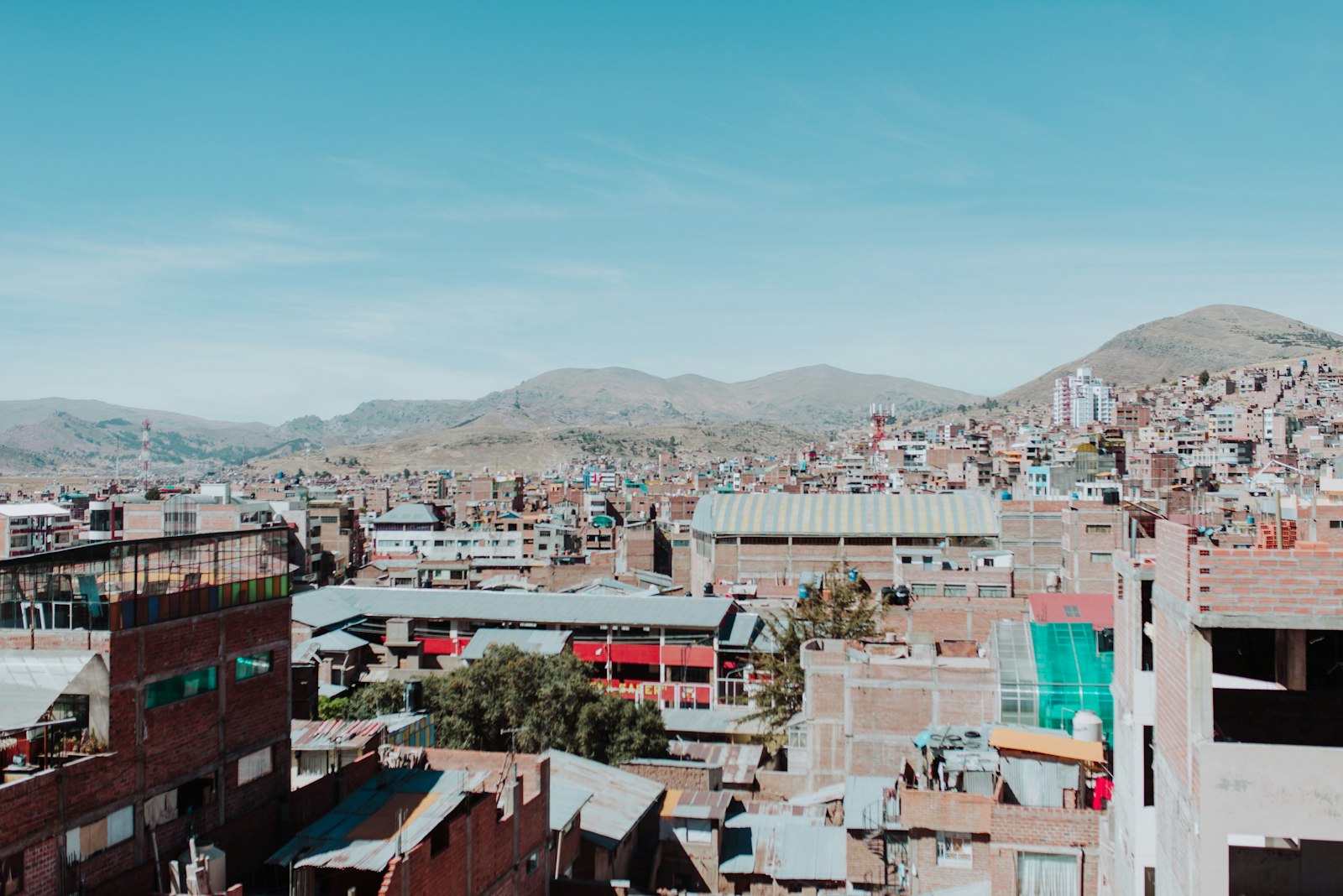
Peru's folkloric capital on the shores of Lake Titicaca, gateway to the floating Uros islands. Best time to visit: May-October (dry season, clear skies). Daily budget (budget traveller): $35 to $100 USD.
Arrive, acclimatise, go slow
Morning: Arrive from Cusco, Arequipa or Juliaca airport (JUL). Check in, drink a mate de coca, and rest for two hours before doing anything.
Afternoon: Stroll the Plaza de Armas and the Cathedral facade, then walk Jirón Lima. Late lunch of quinoa soup at Tulipans, no alcohol yet.
Evening: Mototaxi to Parque Huajsapata for sunset over the bay. Early dinner near the Plaza de Armas, in bed by 9:30pm.
Yavari, museums and Kuntur Wasi
Morning: Breakfast at Mercado Central (api morado and bread, about S/ 5). Taxi to the Yavari steamship for a volunteer-led tour, donation entry.
Afternoon: Museo Carlos Dreyer off the Plaza for Tiwanaku and Inca ceramics. Trout lunch at Casa del Corregidor's café on Deustua.
Evening: Climb the stairs to Mirador Kuntur Wasi for sunset. Dinner at Mojsa on Jirón Lambayeque: alpaca, quinoa, trout, good pisco.
Heading home: Bus to Copacabana (about 3.5 hours, S/ 35-50) via the Kasani or Yunguyo border, or to Cusco (6 to 7 hours, S/ 50-100).
What to eat in Puno
- Trucha (Lake Titicaca trout), grilled or fried
- Quinoa soups and Andean grains
- Chairo, a hearty highland meat-and-vegetable stew
- Mate de coca to help with the altitude
Hidden gems
- The lookout at Parque Huajsapata for sunset over the lake.
- The chullpa towers of Cutimbo, quieter than Sillustani.
- Trout dishes fresh from Lake Titicaca in local eateries.
- The Yavari, a 19th-century steamship museum moored on the lake.
Getting around
Central Puno is compact and easily explored on foot, with the Plaza de Armas, cathedral and the pedestrianised Jirón Lima all close together, though the altitude means you should walk slowly. The lake's attractions are reached by boat from the port, and most travellers visit the Uros, Taquile and Amantaní islands on organised half-day, full-day or overnight tours. For the Sillustani burial towers and other sites outside town, tours or hired taxis are the easiest option. Puno connects to Cusco and Arequipa by long-distance buses and the scenic tourist train, and lies close to the Bolivian border for onward travel to La Paz and Copacabana.
Safety
Puno is a reasonably safe destination for travellers, but the biggest challenge is the extreme altitude of about 3,800 metres, which can cause soroche (altitude sickness). Acclimatise gradually, ideally arriving from other highland areas, drink plenty of water, avoid alcohol at first, and consider coca tea or medication. Nights are very cold year-round, so pack warm layers. In town, take normal urban precautions: watch for pickpockets in markets and crowds, use registered taxis or apps at night, and keep valuables secure. On lake tours, dress warmly and use strong sun protection, as the high-altitude sun is intense even when it feels cool. Overall, with sensible care, Puno is comfortable for solo travellers.
Frequently asked questions
What does this 2-day Puno itinerary cover?
Day 1: Arrive, acclimatise, go slow. Day 2: Yavari, museums and Kuntur Wasi.
Is 2 days enough for Puno?
Our recommended trip length for Puno is 2 to 3 days. This 2-day plan focuses on the highlights and groups sights by area so you spend less time travelling between them.
How much does 2 days in Puno cost?
A budget traveller spends about $35 to $100 USD a day in Puno, so roughly $70 to $200 USD for 2 days, not counting flights.
Where should I stay for 2 days in Puno?
Plaza de Armas & Jirón Lima: The central square and pedestrian street with the cathedral, restaurants and shops. Puerto de Puno: The lakeside port where boats depart for the Uros, Taquile and Amantaní islands.
When is the best time to visit Puno?
The best time to visit Puno is May-October (dry season, clear skies).
How do I get around Puno?
Central Puno is compact and easily explored on foot, with the Plaza de Armas, cathedral and the pedestrianised Jirón Lima all close together, though the altitude means you should walk slowly. The lake's attractions are reached by boat from the port, and most travellers visit the Uros, Taquile and Amantaní islands on organised half-day, full-day or overnight tours.
Is Puno safe for solo travellers?
Puno is a reasonably safe destination for travellers, but the biggest challenge is the extreme altitude of about 3,800 metres, which can cause soroche (altitude sickness). Acclimatise gradually, ideally arriving from other highland areas, drink plenty of water, avoid alcohol at first, and consider coca tea or medication.
More 2-day guides
- Máncora in 2 days
- Paracas in 2 days
- Huacachina in 2 days
- Ollantaytambo in 2 days
- Colca Canyon in 2 days
- Huaraz in 2 days
- Lima in 2 days
- Cusco in 2 days
Puno in 3 days | Puno in 4 days | Puno in 5 days | Puno in 7 days | Full Puno guide
Joy Plus home | Destinations | Itineraries | Activities | Flights | Budget planner | Calendar | Map | Blog | Lifetime access