The Coolcation Boom: Why Travellers Are Swapping Heatwaves for Germany and Switzerland
Jun 16, 2026, 11 min read
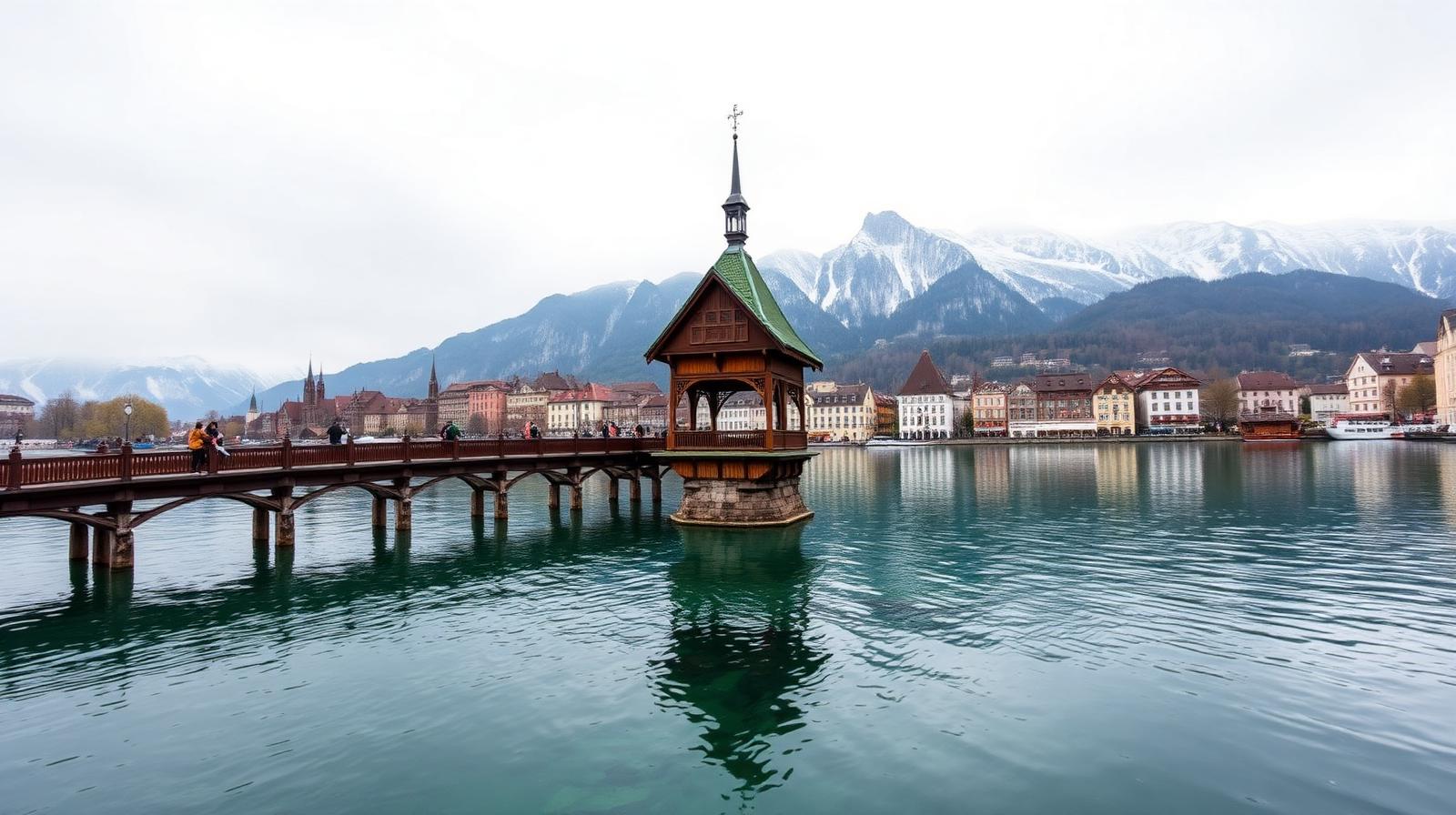
As southern Europe bakes, travellers are heading north for the 'coolcation': lower temperatures, green landscapes and crowd-free cities. Here's why Germany and Switzerland lead the trend, with itineraries for Frankfurt, Cologne and Lucerne.
There's a word taking over travel feeds, booking data and dinner-party conversations: coolcation. The idea is simple and increasingly urgent: instead of sweating through a 40°C heatwave in southern Spain, Italy or Greece, you holiday somewhere the summer is genuinely pleasant. After several record-breaking European heatwaves, travellers are voting with their flights, and the booking platforms confirm it: searches for cooler northern destinations are climbing fast, even though the Mediterranean is still the most popular summer choice.
Two countries sit at the centre of the coolcation boom: Germany and Switzerland. Both offer mild summers, lakes and mountains within easy reach, world-class rail, and cities that stay liveable in July and August. Here's why they're the smart swap for summer 2027, and how to base a trip around Frankfurt, Cologne and Lucerne.
What exactly is a coolcation?
A coolcation is a holiday chosen for its cooler climate, escaping extreme summer heat in favour of comfortable temperatures, green scenery and water. Think lakes instead of packed beaches, alpine air instead of asphalt that radiates heat after dark, and the ability to actually walk around a city at midday in July. It's part climate adaptation, part comfort, and for a growing number of travellers (especially families and anyone who struggles in heat) it's simply more enjoyable.
Why Germany and Switzerland lead the trend
Both countries average far milder summers than the Mediterranean, with daytime highs that mostly sit in the comfortable low-to-mid 20s°C rather than the high 30s. They're laced with rivers and lakes, ringed or filled with mountains, and connected by some of the best train networks on earth, so you can be city-hopping one day and on an alpine lake the next without renting a car. And because the crowds still flock south, the north feels refreshingly uncongested in peak season.
Frankfurt: the gateway with more soul than its skyline suggests
Most people know Frankfurt as an airport and a bank district, but that sells it short, and makes it a perfect coolcation entry point. Beyond the only real skyline in Germany, the rebuilt Römer old town, the museum-lined Museumsufer along the river Main, and the apple-wine taverns of Sachsenhausen give it genuine charm. Best of all, Frankfurt is the most connected rail hub in the country: from here you can reach almost anywhere in Germany, or Switzerland, in a few comfortable hours.
Cologne: cathedral, river and effortless cool
About an hour north-west by ICE, Cologne is built for warm-weather wandering without the heat. Stand under the soaring Gothic cathedral, then stroll the Rhine promenade where locals gather for sundowners as river barges drift past. The old town's Romanesque churches, the buzzing Belgian Quarter and the city's signature crisp Kölsch beer, served in small glasses by roaming waiters, make Cologne one of the most relaxed summer cities in Europe. Riverside, green and rarely sweltering, it's coolcation done effortlessly.
Lucerne: the alpine showstopper
Cross into Switzerland and Lucerne is the coolcation poster child. A medieval old town wraps around a crystal lake, the wooden Chapel Bridge crosses the river, and the peaks of Pilatus and Rigi rise straight out of the water. You can take a paddle steamer across Lake Lucerne in the morning, ride a cogwheel railway up a mountain in the afternoon, and be back for dinner by the water, all in cool, clean alpine air. It's the single best base for swapping a heatwave for a fresh-air summer.
A simple coolcation route
Fly into Frankfurt, spend a day or two on the Main and in the old town, then take the train (about an hour by ICE) to Cologne for the Rhine and the cathedral. From there, ride the rails south to Lucerne for lakes and mountains; the scenic run into Switzerland is part of the holiday. Three cities, two countries, no car, and not a single day spent hiding from the heat indoors.
Pack for cooler, changeable weather
This is the upside-down of a Mediterranean trip: bring layers, a light rain jacket and proper walking shoes. Alpine weather shifts fast, and evenings by the lake or river get genuinely cool even in midsummer, which, of course, is the entire point.
Best time for a coolcation
July and August are peak heatwave months in southern Europe and exactly when Germany and Switzerland shine: comfortable temperatures, long daylight and full mountain-railway and lake-steamer schedules. June and September are quieter still and just as pleasant. As Mediterranean summers grow harsher, expect these cool northern escapes to get busier, so book early for summer 2027.
The coolcation isn't a gimmick; it's a rational response to a changing climate, and it happens to deliver gorgeous lakes, mountains and walkable cities into the bargain. Germany and Switzerland make it easy: comfortable, beautiful, brilliantly connected, and blissfully free of the heat the rest of the continent is now fleeing.
Frequently asked questions
What is a coolcation?
A coolcation is a holiday chosen specifically for its cooler climate, swapping extreme summer heat for comfortable temperatures, green landscapes and water. Instead of a 40°C beach, you might choose alpine lakes, mountain air and walkable northern cities. It's a fast-growing trend driven by repeated European heatwaves.
Why are Germany and Switzerland good coolcation destinations?
Both have milder summers than the Mediterranean, with highs typically in the low-to-mid 20s°C rather than the high 30s. They're full of lakes, rivers and mountains, connected by excellent train networks, and far less crowded than southern Europe in July and August, making them ideal for escaping the heat without sacrificing things to do.
Where should I go for a coolcation in 2027?
Frankfurt, Cologne and Lucerne make an excellent coolcation route. Frankfurt is a well-connected gateway with a riverside old town, Cologne offers the Rhine and its famous cathedral in a relaxed summer setting, and Lucerne delivers a lakeside medieval old town ringed by alpine peaks, all reachable by train.
Is Switzerland too expensive for a summer trip?
Switzerland is pricier than most of Europe, but you can manage costs by basing yourself in one city like Lucerne, using a Swiss Travel Pass for trains, boats and some mountain railways (Rigi is included, Pilatus is half price), eating from markets and bakeries, and pairing the Swiss leg with cheaper days in Germany. The cool, crowd-free summer experience is well worth it for many travellers.
What is the best time of year for a coolcation?
July and August, exactly when southern Europe is hottest, are when Germany and Switzerland are most comfortable and all the lake steamers and mountain railways run full schedules. June and September are even quieter while staying pleasant, making them great shoulder-season options.
Can you travel between Frankfurt, Cologne and Lucerne by train?
Yes, and it's the best way to do it. Frankfurt to Cologne takes around one to two hours by high-speed train, and there are rail connections south to Lucerne in Switzerland, usually with one change in Basel. The scenic ride into the Alps is part of the holiday, no car needed.
What should I pack for a coolcation in Germany and Switzerland?
Pack layers, a light waterproof jacket and comfortable walking shoes. Alpine and riverside weather changes quickly and evenings get cool even in midsummer. Unlike a Mediterranean trip, you'll want warmth for the mornings and nights rather than just beachwear.