The Amsterdam Dupe: Why Utrecht Is Europe's Best Crowd-Free Canal City
Jun 18, 2026, 11 min read
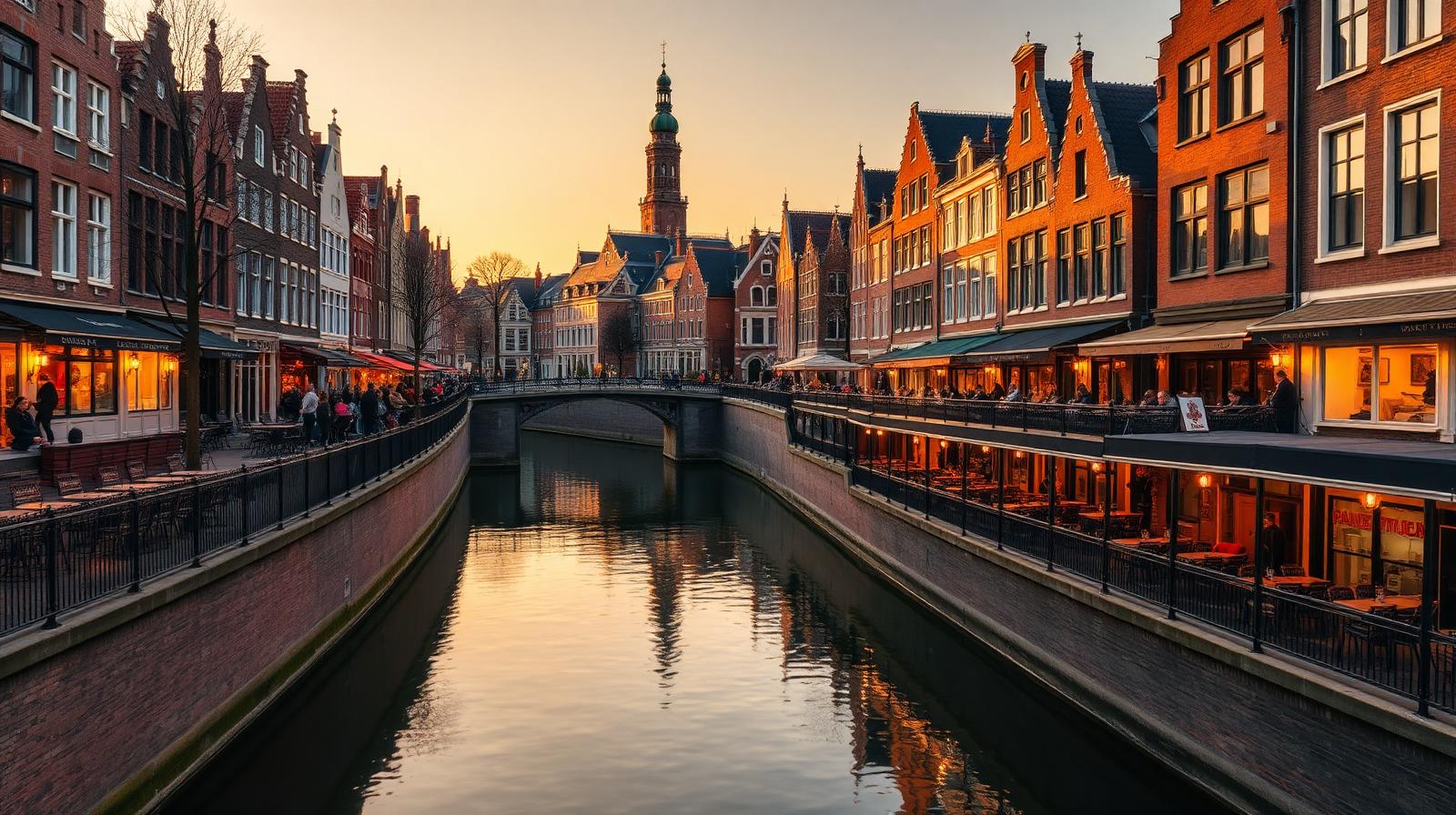
Everyone calls it 'the Amsterdam dupe', but Utrecht is the real thing without the queues: split-level wharf canals, a medieval skyline and waterside cafés locals actually use. Here's how to do it right and pair it with Rotterdam and Cologne.
If you have searched 'Amsterdam alternative' or 'Amsterdam without the crowds' lately, the algorithm has probably already whispered one word back at you: Utrecht. The label that keeps trending is 'the Amsterdam dupe', and it sells the city short. Utrecht is not a budget copy of the capital. It is a 2,000-year-old canal city with a trick Amsterdam never had, half the tourists, and a student-fuelled energy that makes it feel lived-in rather than performed. Sitting just 25 minutes south of Amsterdam by direct train, it is the easiest swap in European travel.
Here is the case for visiting Utrecht in 2026, what makes it genuinely different from Amsterdam, and how to build it into a low-stress trip that pairs naturally with Rotterdam and Cologne.
The wharf canals are the thing Amsterdam can't match
Utrecht's Oudegracht (Old Canal) is split into two levels. Up top is the street; down at the water you have the werven, medieval wharf cellars that once stored goods off the boats and are now candle-lit cafés, wine bars and restaurant terraces right at the waterline. You don't look at these canals from a bridge with 200 other phones. You sit on the brick at water level with a beer while a kayak drifts past. There is genuinely nothing like it in Amsterdam, or anywhere else in the Netherlands.
It is calmer, cheaper and more local
Amsterdam now actively discourages day-trippers, caps cruise ships and has some of the priciest hotels in Europe. Utrecht hotels routinely run 30 to 40 percent cheaper for a similar standard, restaurant queues are short, and because roughly one in five residents is a student, prices and the food scene skew toward people who actually live there. You spend less and you feel less like you are intruding.
Day 1: The old centre and the climb that orients you
Start at the Dom Tower, the tallest church tower in the Netherlands at 112 metres. Pre-book the guided climb (the only way up) for the 465-step reward: a 360-degree view that on a clear day reaches Amsterdam and Rotterdam. Back at ground level, walk the full Oudegracht, drop down to the wharves, and have lunch at a waterside terrace. Spend the afternoon getting lost in the lanes around the Domplein and Mariaplaats.
Day 2: Museums, music boxes and the modern edge
Utrecht punches absurdly above its weight on museums. Museum Speelklok (self-playing musical instruments, far more fun than it sounds) and the Centraal Museum with its Dick Bruna / Miffy collection are both worth a morning. Architecture fans should book the Rietveld Schröder House, a UNESCO World Heritage masterpiece of the De Stijl movement. Finish at the Botanic Gardens (open March to November) or a canal cruise that runs the quiet outer rings.
Eat and drink like a local
Skip the obvious chains. Hit the Saturday market on the Vredenburg, grab a herring or a stroopwafel hot off the iron, and reserve an evening table on the wharf at one of the Oudegracht cellars. For coffee, the independent roasteries around the Twijnstraat are where Utrechters actually go.
Where to stay
Base yourself inside the singel (the moat-ring) so everything is walkable. The area between Domplein and the station gives you canals on the doorstep and a five-minute walk to fast trains in every direction.
Why Utrecht is a better base than Amsterdam
Utrecht Centraal is the busiest, most central rail hub in the country. From here, direct trains reach Amsterdam (25 min), Rotterdam (40 min) and the German border in under two hours. If you want one calm, affordable home base from which to explore the Low Countries and the Rhine, Utrecht beats Amsterdam on every practical measure.
Pair it with Rotterdam for the perfect contrast
Forty minutes southwest, Rotterdam is the architectural anti-Utrecht: flattened in WWII and rebuilt as the boldest modern skyline in the Netherlands. Cube houses, the Markthal, the Erasmus Bridge and a harbour-city grit make it the ideal counterpoint to Utrecht's medieval calm. Two cities, 40 minutes apart, that feel like different centuries.
Extend into Germany via Cologne
If you have a week, ride the rails east to Cologne. The Rhine-side cathedral city is about two to two and a half hours from Utrecht on the direct ICE and adds a third flavour, Gothic grandeur, Kölsch beer halls and Romanesque churches, to a trip that started on Dutch canals. Utrecht, Rotterdam and Cologne together make a tidy, train-only loop with no internal flights and no car.
Best time to visit Utrecht
Late April to June and September are the sweet spots: mild weather, long evenings on the wharves, and far thinner crowds than Amsterdam at the same time. King's Day (27 April) turns the canals into one giant orange party if you want the spectacle; high summer is pleasant but the terraces fill up.
The 'dupe' framing gets it backwards. Utrecht is not Amsterdam with the volume turned down, it is the canal experience most people imagine Amsterdam will be and then can't find through the crowds. Go now, while it is still the locals' secret.
Frequently asked questions
Is Utrecht better than Amsterdam to visit?
For canals, atmosphere and value, many travellers now prefer Utrecht. Its split-level wharf canals are unique in the Netherlands, hotels run 30 to 40 percent cheaper, and the crowds are a fraction of Amsterdam's. Amsterdam still wins on world-class museums (Rijksmuseum, Van Gogh) and nightlife, so the ideal trip uses Utrecht as a calm base and day-trips into Amsterdam in 25 minutes by train.
How far is Utrecht from Amsterdam by train?
Direct trains run from Amsterdam Centraal to Utrecht Centraal in about 25 to 30 minutes, several times an hour. There's no need to rent a car: Utrecht is the most central rail hub in the Netherlands, with fast direct links to Amsterdam, Rotterdam, Schiphol Airport and the German border.
How many days do you need in Utrecht?
Two days is enough to see the Dom Tower, walk the full Oudegracht, sit on the wharves and cover the main museums. With three to four days you can use Utrecht as a base and add day trips to Rotterdam and even Amsterdam without changing hotels.
What is special about Utrecht's canals?
Utrecht's Oudegracht has a unique two-level design. Below the street are the medieval werven, or wharf cellars, that sit right at the waterline and now house cafés, bars and restaurant terraces. You sit at water level rather than looking down from a bridge, which is something no other Dutch canal city offers.
Can you visit Utrecht and Rotterdam in one trip?
Easily. Rotterdam is about 40 minutes from Utrecht by direct train, so it makes a perfect day trip or second stop. Utrecht delivers medieval canals while Rotterdam offers the boldest modern architecture in the Netherlands, the cube houses, Markthal and Erasmus Bridge, making the two a great old-versus-new pairing.
Is Utrecht a good base for exploring the Netherlands and Germany?
Yes. Thanks to its central station, Utrecht reaches Amsterdam in 25 minutes, Rotterdam in 40, and Cologne in Germany in roughly three hours, all by direct or single-change train. For a flight-free trip through the Low Countries and the Rhine, it's the most practical home base in the country.
When is the best time to visit Utrecht?
Late April to June and the month of September offer mild weather, long light evenings on the wharves and far fewer crowds than Amsterdam. King's Day on 27 April is the wildest day of the year if you want a festival; high summer is warm and lively but the canal-side terraces get busy.