Destinations / Europe
Alghero, Italy travel guide
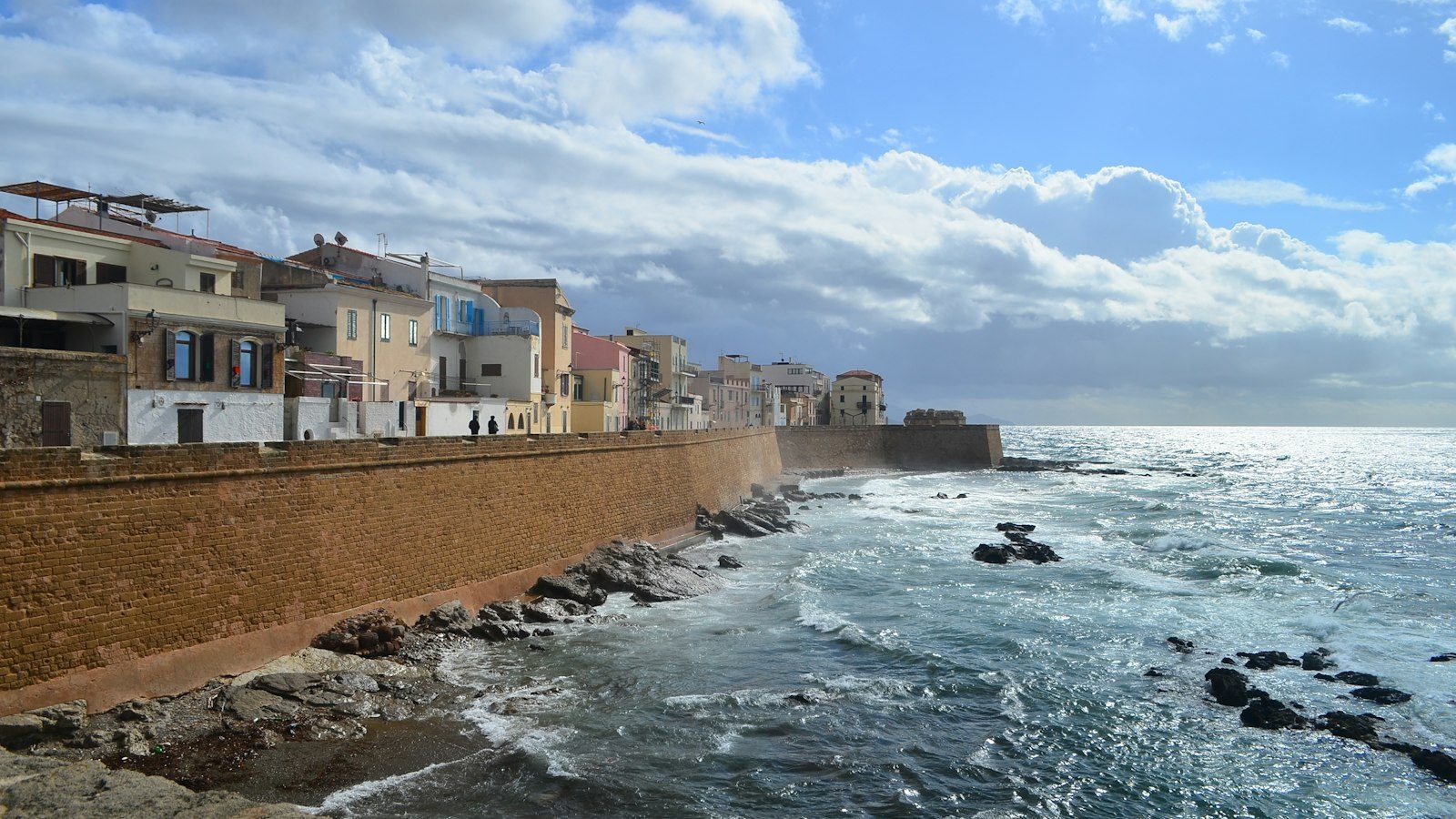
A walled Catalan town on Sardinia's north-west coast, with honey-coloured sea walls, a long sandy beach and the cliffs of Capo Caccia on the horizon. You walk the ramparts at sunset, take a boat to Neptune's Grotto and eat lobster cooked the Catalan way.
- Best time to visit: May to June and September
- Daily budget (budget traveller): $75 to $215 USD
- Ideal trip length: 4 to 6 days
Alghero sits on the north-west coast of Sardinia, about 10km from its own airport and 35km from Sassari. The Crown of Aragon took it in the 14th century and settled it with Catalans. Some older locals still speak a dialect of Catalan called Algherese, and the street signs are in both languages, which is why people call it 'Barcelonetta'. The old town is a tight grid of cobbled lanes inside thick sea walls and towers. It is mostly closed to traffic and you can cross it on foot in 10 minutes. The bastions along the water face west, and walking them at sunset is the thing everyone does, for good reason. North of the port, the Lido runs for kilometres of sand towards Fertilia. Beyond that lie the Porto Conte park, a Bronze Age nuraghe village and the cliffs of Capo Caccia, with Neptune's Grotto at their foot. Alghero is busy and dearer in July and August, and Sardinia rarely feels cheap in summer. Still, €1 airport buses, free beaches, cheap fainè and pizza al taglio, and an easy train to Sassari make it a friendly place for a solo traveller to spend a week.
Alghero is the most Catalan town in Italy, and probably the prettiest old town in northern Sardinia. It is a compact grid of stone lanes behind 16th-century sea walls, with about 40,000 people in the wider town. The Crown of Aragon took it in 1354, replaced much of the population with settlers from Catalonia and kept it for centuries. The legacy is everywhere: in the street signs, in the Gothic churches and in the Algherese dialect, which some older residents still speak. Most visitors come for a beach holiday or a day from the cruise and resort hotels. Stay a few nights and you get the better version: the walls almost empty at 8am, a swim off the Lido before lunch, sunset over Capo Caccia from the bastions and fainè eaten standing up. It is not the cheapest place in Italy, but €1 buses, free beaches and simple local food keep costs reasonable.
Getting here is easy. Alghero-Fertilia airport has direct flights from much of Europe, many seasonal, and the ALFA bus reaches the old town in 20 to 30 minutes for €1. Buses also run from the airport to Sassari, and from mid-April to mid-October an airport bus links Olbia airport with Alghero. Ferries from Genoa, Barcelona and France dock at Porto Torres, about 35km away. Once you are here, walk. Base yourself in the old town for atmosphere, or by the Lido if you want sand on the doorstep. Use the buses and the small train for Fertilia, Sassari and Bosa, and think about hiring a car for a day to reach Capo Caccia and the western beaches.
Timing shapes the trip. May, June and September bring warm sea, running boats and fewer crowds. July and August are hot, busy and the most expensive, though the town is at its liveliest, with concerts, festivals and the Ferragosto fireworks. From November to March, Alghero is quiet and mild, with sea urchin season and the Cap d'Any New Year celebrations, but some places close and buses thin out. The maestrale wind can blow for days in any season and shuts the grotto boats. Alghero is very safe, and English is spoken in most hotels and restaurants, though a little Italian goes a long way. Evenings are about long dinners and drinks on the walls rather than clubs. If you want a party, go in August. If you want a swim, a sunset and a plate of lobster, any month from May to October will do.
Alghero itinerary
Arrive and find your feet
Morning: Take the ALFA bus from the airport (€1, 20 to 30 minutes) to Via Catalogna. Drop your bag and get a coffee in Piazza Civica.
Afternoon: Wander Via Carlo Alberto and the side lanes, then look into the Cathedral of Santa Maria. Have a first swim at the Lido di San Giovanni, a short walk north of the port.
Evening: Walk the Bastioni Marco Polo at sunset, then grab fainè or pizza al taglio and eat it on the walls.
Neptune's Grotto by boat
Morning: Check the sea forecast, then take a morning boat from the port to Capo Caccia (about 40 minutes each way). Buy the €18 grotto ticket and join the guided tour.
Afternoon: Back in town, cool off in MACOR, the coral museum on Via XX Settembre (about €7), and browse the coral jewellers afterwards.
Evening: See whether a concert is on in the San Francesco cloister. Dinner in the old town, with aragosta alla catalana if you are splurging.
Palmavera and Maria Pia
Morning: Bus or cycle out towards Fertilia and on to the Palmavera nuraghe (€7) before the heat. Allow about an hour.
Afternoon: Spend the afternoon on Maria Pia beach, with dunes and pine shade. Pack a picnic from the Mercato Civico.
Evening: Stroll the Fertilia seafront at dusk, then take the bus back to Alghero for a drink on the walls.
Porto Conte and Le Prigionette
Morning: Hire a car or scooter, or take the limited bus, to the Le Prigionette forest reserve. Walk the trails to the cliffs and look out for wild horses and donkeys.
Afternoon: Swim at Mugoni or Lazzaretto, then drive up to the Capo Caccia viewpoints over the grotto and Foradada island.
Evening: Watch the sunset from Capo Caccia or back on the bastions. A simple pasta dinner in the new town around Via Sassari.
A day in Bosa
Morning: Drive the coast road south (about 1 hour) or take an ARST bus to Bosa. Wander the pastel houses climbing up to Malaspina castle.
Afternoon: Walk along the Temo river and have lunch in the old town. Try a glass of the local Malvasia di Bosa.
Evening: Head back to Alghero along the coast for the late light, then dinner and gelato on the walls.
Sassari or La Pelosa
Morning: In season, use a pre-booked €3.50 ticket for La Pelosa in Stintino, and bring the compulsory mat. Otherwise, take the small train to Sassari (about 35 minutes).
Afternoon: At La Pelosa, swim in the shallows below the Spanish tower. In Sassari, see Piazza d'Italia, the cathedral and the Sanna museum.
Evening: Back in Alghero for a farewell fish dinner and a mirto in the old town.
Slow morning and depart
Morning: Have a last swim at the Lido and breakfast on the walls before the crowds arrive.
Afternoon: Buy Torbato wine, bottarga or pecorino for home, then catch the ALFA bus to the airport. Check times the day before.
Evening: Fly home, or carry on to the rest of Sardinia.
Best neighbourhoods
- Centro Storico (old town): The walled Catalan core, with the cathedral, the church of San Francesco, Piazza Civica and the bastions over the sea. Most restaurants, gelato shops and coral jewellers are here, and the port is just below. It is lively late into the night in summer, so ask for a room away from the busier lanes and squares if you sleep lightly.
- New town and Via Sassari: The grid of streets just east of the walls, around Via Sassari, Piazza Sulis and the covered market. It is where locals shop and eat, with cheaper B&Bs, bakeries and bars. The bus terminal on Via Catalogna and the old town are both within a few minutes' walk.
- Lido and Via Lido: The long seafront strip north of the port, behind the Lido di San Giovanni beach. You get hotels, apartments, beach bars and a flat promenade for walking or cycling into town. It suits you if you want sand on the doorstep, and the old town is 15 to 30 minutes away on foot.
- Fertilia: A small, quiet town about 6km north-west, built in the 1930s and later settled by families from Istria. It has a seafront promenade, a few hotels and easy access to Maria Pia beach and the airport. Evenings are calm, and the ALFA bus links it with Alghero.
- Porto Conte and Capo Caccia: The wide bay and nature park west of Fertilia, with pine woods, coves, resort hotels and the cliffs of Capo Caccia at the end. It is beautiful and peaceful, but buses are few, so it works best if you have a car or are happy to stay put.
Must-do experiences
- Walk the sea walls at sunset: Follow the Bastioni Marco Polo and Cristoforo Colombo along the western edge of the old town. It is free, and the sun sets behind Capo Caccia across the bay. Bars along the walls put out tables, but you can just as easily sit on the stone with a gelato.
- Visit Neptune's Grotto: This huge sea cave under Capo Caccia has stalactites, a salt lake and guided tours of about 30 minutes. Adult entry is €18. Go by boat from the port from April to October, or by land down the Escala del Cabirol, about 650 steps, which needs a free time-slot booking. It closes in rough seas.
- Get lost in the old town lanes: Wander Via Carlo Alberto, the old main street, and the side lanes with Catalan street names. Look into the Cathedral of Santa Maria and its bell tower, the Gothic cloister of San Francesco and the Torre di Porta Terra gate. Early mornings are the quietest.
- Explore the Palmavera nuraghe: A Bronze Age village on the road to Porto Conte, with a stone tower, a meeting hut and the remains of dozens of round houses. Adult entry is €7, and audio guides are available. Go first thing in summer, as there is very little shade.
- Learn about red coral at MACOR: Alghero's coast is called the Riviera del Corallo, and the coral museum in a liberty-style villa on Via XX Settembre tells the story of the trade. Entry is about €7. Afterwards, the jewellers in the old town will make more sense, and you will spot the fakes.
- Hike Le Prigionette and Capo Caccia: The Arca di Noè forest reserve at Le Prigionette has trails through scrub to cliffs and coves, with wild horses, donkeys and deer. It is free. Carry on to the Capo Caccia viewpoints and the steep cliff path over Cala d'Inferno if you have the legs.
- Swim at the Lido and Maria Pia: The Lido di San Giovanni starts right by town and is easy and free. For a better beach, go to Maria Pia towards Fertilia, which is backed by dunes and pine trees. Le Bombarde and Lazzaretto, further west, have clearer water but are harder to reach without a car.
Hidden gems
- The cloister of San Francesco on Via Carlo Alberto, a calm two-level courtyard that hosts summer concerts and is easy to walk straight past
- The Torre di San Giovanni, a round tower on the landward walls that is often used for exhibitions and gives a different view over the old town roofs
- The Mercato Civico on Via Sassari in the morning, where fishmongers lay out the day's catch and locals argue about prices
- The Fertilia seafront at dusk, a quiet promenade with Roman bridge remains and views back across the bay to Alghero
- The Anghelu Ruju necropolis north of town, a field of rock-cut prehistoric tombs that sees a fraction of the Grotto's visitors
Daily budget
- Accommodation: budget €30-55 / night (hostel dorm or basic B&B room off-season), mid-range €90-160 (old town B&B or 3-star hotel), splurge €300+ (Villa Las Tronas or a sea-view suite). Prices jump in July and August. Alghero has few hostels, so solo travellers often use small B&Bs. A per-night tourist tax is added on top. Book June to September early.
- Food: budget €20-30 / day (bakery breakfast, fainè or pizza al taglio, market picnic), mid-range €40-65 (pasta lunch and a sit-down fish dinner), splurge €100+ (Catalan lobster, wine, dessert). Pasta dishes are about €12-18 and fish mains €18-30. Lobster and whole fish are priced by weight, so ask first. Prices are rough guides.
- Transport: budget €0-5 / day (walking, €1 town and airport buses), mid-range €10-30 (regional buses, the Sassari train, bike hire), splurge €50-80 (car or scooter hire for the day, plus fuel). The ALFA airport bus is €1 from the machine or €1.50 on board. The Capo Caccia car park shuttle is €5 return in summer. A taxi to the airport is roughly €30.
- Activities: budget €0-10 / day (beaches, sea walls, Le Prigionette, Palmavera at €7), mid-range €20-40 (Neptune's Grotto €18 plus the boat, MACOR about €7), splurge €60+ (boat day trips, snorkelling or diving, wine tastings). The Alghero Ticket, about €35 in 2026, covers 13 sites including the Grotto, Palmavera and MACOR, and pays off if you visit four or five. La Pelosa needs a €3.50 booked ticket in season.
- Drinks & nightlife: budget €5-10 (a beer or glass of Vermentino on the walls), mid-range €15-30 (an aperitivo and a few drinks), splurge €50+ (cocktails at a seafront bar or beach club). A coffee at the bar costs about €1.20-1.50, more at a table. An aperitivo spritz with snacks is around €6-9. Nightlife is mostly bars on the walls and along the Lido.
Where to stay
- Social hostel in New town or Fertilia (€30-55 / night (dorm)): Alghero has only a handful of hostels and small budget guesthouses, some in the new town and some out in Fertilia. They are the cheapest beds around and easy for meeting people, but book well ahead for summer.
- Boutique hotel in Centro Storico (€110-220 / night): Small hotels and smart B&Bs in restored old town houses put you a few steps from the walls, the port and the restaurants. Rooms are often compact, so check for air conditioning in summer.
- Apartment in Lido and Via Lido (€80-150 / night): Holiday flats behind the Lido give you a kitchen, more space and the beach across the road. The old town is a flat 15 to 30-minute walk along the promenade.
- Splurge in Lungomare, south of the old town (€300-700+ / night): Villa Las Tronas is a 19th-century villa on its own rocky promenade, with a pool, a spa and views back to the old town walls. It is a short walk along the seafront to the centre.
What to eat
- Aragosta alla catalana: lobster with tomato, onion and lemon, Alghero's signature dish. It is priced by the hectogram (etto), so a whole lobster can easily pass €60. Ask before ordering
- Fainè: a thin chickpea flatbread baked in wood ovens, often topped with onion or sausage. Cheap, filling and mostly served from autumn to spring
- Spaghetti ai ricci: pasta with fresh sea urchin roe, a winter and early spring dish, as harvesting is regulated
- Seadas: a fried pastry filled with sheep's cheese and drizzled with honey, the dessert you will see on every menu
- Torbato, Vermentino and Cannonau: local white and red wines from vineyards around Alghero, with a myrtle liqueur (mirto) to finish
- Pizza al taglio or a panino from a bakery for lunch, then gelato on the walls in the evening
Day trips
- Bosa (About 45km south, around 1 hour by car along the coast or 1 to 1.5 hours by bus): A small town of pastel houses climbing a hill below Malaspina castle, on the only navigable river in Sardinia. The coast road from Alghero is one of the most beautiful drives on the island. Drive the coastal road south, or take an ARST bus from Via Catalogna. Departures are few, so check return times before you go.
- Stintino and La Pelosa (About 55km north, around 1 hour by car): A former fishing village near the north-western tip of Sardinia, with La Pelosa beach, very shallow turquoise water and a 16th-century watchtower. It is famously beautiful and strictly managed. Drive, or take a summer bus where available. From 15 May to 15 October, book a €3.50 ticket on the official spiaggialapelosa.it site. Numbers are capped at 1,500 a day and a mat is compulsory.
- Sassari (About 35km north-east, around 35 minutes by train or bus): Sardinia's second city, with a grand main square, a richly decorated cathedral and the Sanna archaeological museum. It is very local and a good contrast to the beach towns. Take the small train from Alghero station or an ARST bus. Tickets cost a few euros each way.
When to visit
- Spring (April - May): 17-24°C, sunny and fresh, sea still cool until late May. Crowds: Low to moderate, busier at Easter and on May weekends. Great for walking, hiking at Capo Caccia and cheaper rooms. Grotto boats start in April. Holy Week brings Catalan-style processions.
- Early summer (June): 24-28°C, dry and sunny, sea around 21-23°C. Crowds: Moderate, rising towards the end of the month. Arguably the best month. Long evenings, warm water and everything open without August prices.
- High summer (July - August): 29-33°C, hot and dry, sea up to about 25°C. Crowds: Busy, very busy in August and around Ferragosto. Perfect for beaches and nightlife, but rooms cost the most and wildfire risk is high. Book well ahead and hike or sightsee early in the day.
- Autumn and winter (September - March): September 24-28°C, then cooling to 10-16°C in winter, with maestrale wind. Crowds: Moderate in September, quiet from November. September is the locals' pick, with warm water and calm streets. Winter is cheap and peaceful, with sea urchins and fainè, but some places close and buses run less often.
Entry rules for your passport
Visa rules for Italy depend on the passport you travel on. Check the official source before you book: European Commission: Schengen visa policy
Getting there
Alghero-Fertilia airport (AHO) is about 10km north-west of town, with direct flights from many European cities, especially from spring to autumn. The ARST ALFA bus runs roughly hourly from about 05:20 to 23:00 and takes 20 to 30 minutes to Via Catalogna. It costs €1 from the machine in arrivals or the app, or €1.50 on board. A taxi costs roughly €30. ARST buses also link the airport with Sassari for about €3. From mid-April to mid-October, an airport bus runs from Olbia airport via Sassari to Alghero for about €25, which helps if flights to Olbia are cheaper. Cagliari is about 3 to 3.5 hours away by train or bus via Sassari. By sea, ferries from Genoa, Barcelona and southern France arrive at Porto Torres, about 35km north. Regular buses run from there to Sassari and Alghero. If you drive, the old town is mostly closed to traffic, so use the paid car parks around the walls and the port.
Border checks: non-EU visitors (other than Swiss, Norwegian, Icelandic, Liechtenstein, Andorran, Monegasque, San Marinese and Vatican citizens, and holders of an EU residence permit or long-stay visa) are registered in the EU's Entry/Exit System (EES) instead of getting a passport stamp. On your first crossing, officers take your photo and/or fingerprints, so allow extra time at passport control. ETIAS, the planned travel authorisation, is not in operation yet, so don't pay any website for one.
Getting around
Alghero's old town is small and largely closed to cars, so you will walk almost everywhere. The bus terminal on Via Catalogna is a few minutes from Porta Terra, and the walk from the walls to the far end of the Lido takes about 30 minutes. Local buses run along the Lido and out to Fertilia, and a single ticket costs about €1 from a machine or app. The ALFA bus links the airport, Fertilia and the town centre roughly hourly. Out of town, ARST buses go to Capo Caccia, Porto Conte, Bosa and Sassari, but departures are limited and fewer in winter, so check times before you plan a day. A small train line runs from Alghero to Sassari in about 35 minutes for a few euros. Cycling is a good option, as a flat cycle path runs along the seafront to Fertilia and on towards Maria Pia. To reach the remoter beaches, Le Prigionette and Bosa at your own pace, hire a car or scooter for a day or two. Parking in summer is tight and mostly paid near the centre. Taxis are not cheap, at roughly €30 to the airport, so book through your accommodation.
Safety
Alghero is very safe, and violent crime against visitors is rare. Watch your bag on busy summer evenings in the old town, on the walls and at crowded beaches, and do not leave valuables on the sand while you swim. The bigger risks are the sun, the sea and the wind. Sardinia gets very hot in July and August, so carry water and avoid hiking at midday. The maestrale (mistral) wind can whip up big waves at short notice. Respect red flags, as many beaches have lifeguards only in high season, and Neptune's Grotto and the boats close in rough seas. The Escala del Cabirol and the Capo Caccia cliff paths are steep and exposed, so wear proper shoes. Wildfires are a real summer risk, so never light fires or drop cigarettes. Tap water is generally safe to drink, though many locals buy bottled because of the taste. The EU emergency number is 112. EU travellers should carry an EHIC and UK travellers a GHIC, and everyone else needs travel insurance with medical cover.
Solo travel tips
- Stay inside the walls: You can walk to sunset on the bastions, the port and the bus terminal without planning anything. Pick a side lane rather than a main square and you still get some sleep.
- Check the wind before grotto day: The maestrale can close the grotto boats and the cave itself. Keep your Neptune's Grotto day flexible and move it if the forecast looks rough.
- Do the maths on the Alghero Ticket: At about €35 for 13 sites, it pays off quickly if you plan to see the Grotto, Palmavera, MACOR and a couple of towers. If you only want the Grotto, buy a single ticket.
- Eat like a local: Fainè, pizza al taglio, bakery panini and the Mercato Civico keep daily food costs low. Save the lobster priced by weight for one good dinner.
- Safety for solo travellers: The main risks are heat, strong wind and swimming alone at unguarded beaches. Swim where other people are, respect red flags, carry water on hikes and tell someone your plans before remote walks.
- Meet people on a tour or a boat: Group boat trips along the Coral Riviera, guided walks of the old town and wine tastings near town are easy ways to meet other travellers. Aperitivo hour on the walls is another.
Cultural etiquette
- Greet people with 'buongiorno' or 'buonasera' and say 'grazie'. If you want to make a local smile, try the Algherese 'bon dia' (good day) and 'gràcies'.
- Cover up when you leave the beach. Walking through the old town or into shops and churches in swimwear is frowned upon.
- Dress modestly in the cathedral and other churches, with covered shoulders and knees, and stay quiet during services.
- Keep noise down in the old town lanes late at night. Sound carries between the stone houses, and people live above the bars.
- Ask the price of lobster and whole fish before ordering. It is priced per hectogram (etto), not per plate.
- Expect a 'coperto' (cover charge) of a few euros on restaurant bills. Tipping is not expected, though rounding up for good service is appreciated.
- Never take sand, shells or pebbles from Sardinian beaches. It is illegal, and travellers are fined at the airport every year.
Frequently asked questions
How do I get to Alghero and from the airport to my room?
Most people fly into Alghero-Fertilia airport, about 10km north-west of town. The ARST ALFA bus leaves from just outside arrivals roughly every hour from around 05:20 to 23:00, and takes 20 to 30 minutes to Via Catalogna by the old town. A ticket costs €1 from the machine in the arrivals hall or the app, or €1.50 on board, and is valid for 90 minutes. A taxi costs roughly €30. Most of the old town is a five to ten-minute walk from the last stop, but the lanes are cobbled, so ask your host for directions if you have a heavy case.
How many days do I need in Alghero?
Two nights covers the old town, the sea walls and a beach. Four to six nights lets you add Neptune's Grotto, the Palmavera nuraghe, the Porto Conte park and a day trip to Bosa or Sassari. A week works if you want slow beach days and a booked day at La Pelosa in Stintino.
When is the best time to visit Alghero?
May, June and September are the sweet spot. The sea is warm enough to swim, the boats to Neptune's Grotto are running and prices are lower than in high summer. July and August are hot, crowded and expensive, especially around Ferragosto in mid-August. From November to March, Alghero is quiet and mild, with sea urchin season and fainè ovens, but some restaurants and beach services close and buses run less often.
Do I need a car in Alghero?
Not for the town itself, which is walkable, or for the Lido, Fertilia and Maria Pia, which have buses and a cycle path. A car helps a lot for Capo Caccia, Le Prigionette, the western beaches and Bosa, because buses there run only a few times a day. Many solo travellers go without a car and hire one for a day or two. Parking near the old town is limited and mostly paid in summer.
Where can I swim near Alghero?
The Lido di San Giovanni starts right next to the port and runs north for several kilometres. It is free, with paid sunbeds in places. Maria Pia, towards Fertilia, has dunes and pine shade. For clearer water, go to Le Bombarde, Lazzaretto or Mugoni in Porto Conte bay. From 15 May to 15 October, La Pelosa in Stintino needs a €3.50 ticket booked online, with a cap of 1,500 people a day and a compulsory mat under your towel.
How do I visit Neptune's Grotto?
There are two ways. From April to October, boats leave Alghero port for a scenic trip of about 40 minutes each way, and boat passengers are guaranteed a tour slot. The boat fare is separate from the €18 cave ticket. Alternatively, go by land to Capo Caccia by car or the limited ARST bus, book a free time slot online and walk down the Escala del Cabirol, about 650 steps. In summer, cars park at a car park with a €5 return shuttle. Tours run hourly, and the grotto closes in rough seas, so check on the day.
Is Alghero safe for solo female travellers?
Yes. It is a relaxed, friendly town, and the old town and seafront are busy and well lit in the evenings. Take normal care with drinks in bars, watch your bag in crowds and use taxis or the bus rather than walking unlit roads out of town at night. On remote beaches and hiking trails, tell someone where you are going.
What entry rules apply to Italy in 2026?
Italy is in the EU and the Schengen area. Many non-EU visitors, including those from the UK, US, Canada and Australia, can stay visa-free for up to 90 days in any 180-day period across Schengen. The EU's Entry/Exit System has been fully running since April 2026 and records non-EU travellers' fingerprints and photos at the external border. The ETIAS travel authorisation is not yet running and has no confirmed start date, with 2027 widely expected, so do not pay any website for it. Confirm the rules on official EU and Italian government websites and check your own government's travel advice.
More about Alghero
Tours and activities in Alghero | Alghero in 2 days | Alghero in 3 days | Alghero in 4 days | Alghero in 5 days | Alghero in 7 days
Can't decide? Compare Alghero with...
Joy Plus home | Destinations | Itineraries | Activities | Flights | Budget planner | Calendar | Map | Blog | Lifetime access