Destinations / South America
Asunción, Paraguay travel guide
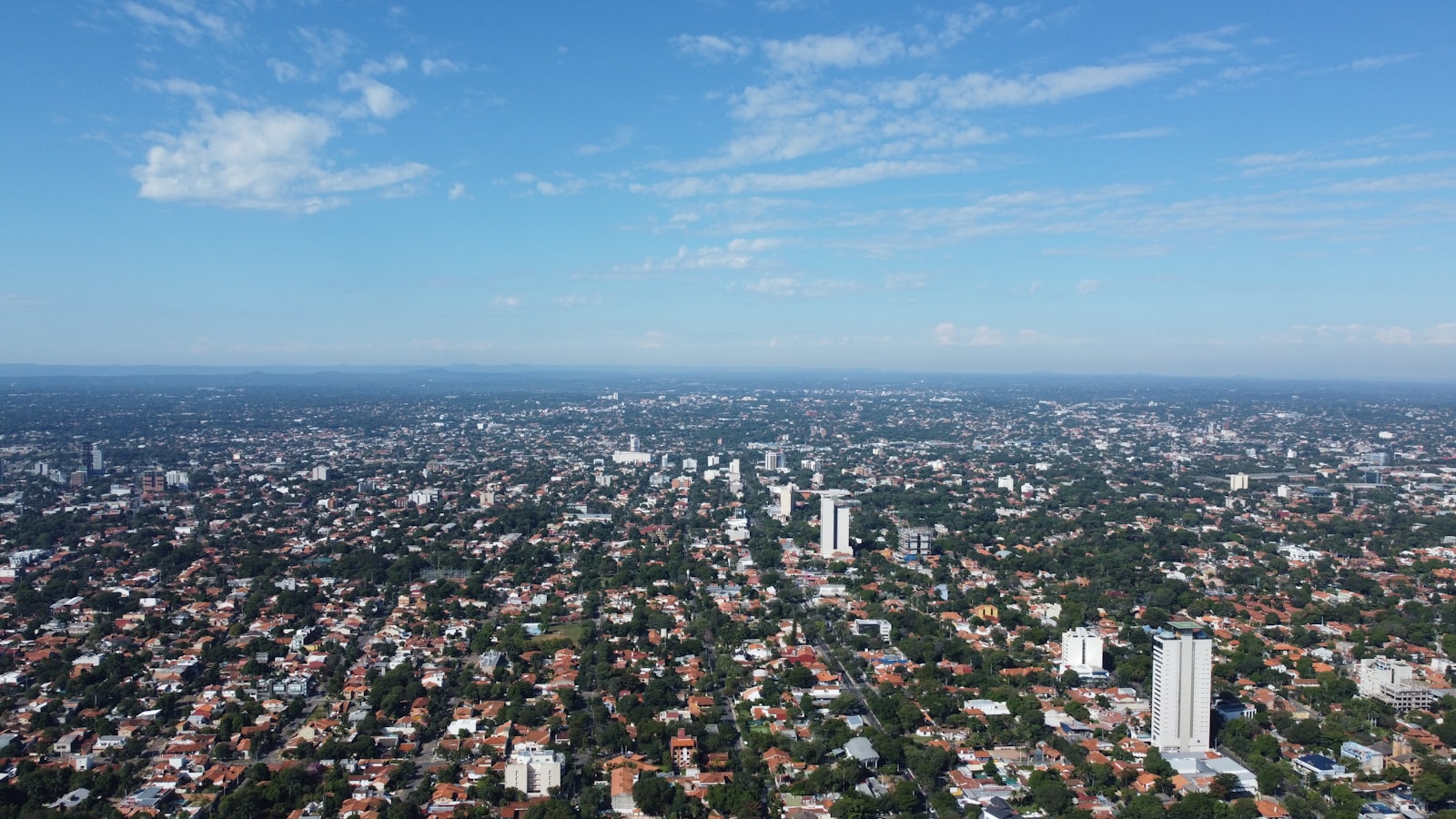
South America's overlooked capital, a laid-back riverside city of history and warmth.
- Best time to visit: April-September (cooler, drier autumn and winter months)
- Daily budget (budget traveller): $30 to $75 USD
- Ideal trip length: 2 to 3 days
Asunción is one of South America's least-visited capitals, and that's a big part of its appeal. Sitting on the banks of the Paraguay River, it's a relaxed, affordable city of faded colonial mansions, leafy plazas, friendly locals and a strong Guaraní cultural undercurrent. There are no blockbuster sights, but there's genuine character: historic government buildings, lively markets, a growing café and craft-beer scene, and a slow pace that rewards wandering. Joy Plus maps the walkable historic centre and the modern districts so you experience authentic Paraguay without the tourist crowds.
Asunción doesn't perform for you, and that's the pitch. Founded on 15 August 1537 and nicknamed Madre de Ciudades because Spanish expeditions set out from here to found Buenos Aires and half the continent, it sits on a bend of the Paraguay River with faded colonial mansions, shady plazas and a Guaraní language that locals mix into everything. There's no queue for the Panteón Nacional, the Palacio de los López looks grand from the outside, and the best meal of your trip may be a Gs 35,000 bowl of bori bori at Lido Bar or a plate of chipa guasu at Mercado 4. Expect a capital that is half sleepy, half chaotic, and almost entirely free of other tourists.
The city is spread out and runs on heat. The Centro Histórico is compact and walkable, but it shuts down around 6pm and on Sundays, while the life of the city has moved east to Villa Morra, Recoleta and Las Mercedes, where malls, Paseo Carmelitas and the bar strips keep going until 2am. In summer it's 38°C and sticky, so do the Centro between 7:30am and noon, take a long lunch, and use Bolt, Uber or MUV (a Gs 25,000 to 45,000 ride) between districts. Buses cost Gs 3,500 or so but are slow and confusing, so ride apps are the sane choice. The river is your reset button: sunset on the Costanera or from the Loma San Jerónimo steps is the city at its best.
Asunción suits people who like places better than sights. Two to three days is the sweet spot for the city proper: Day 1 Centro, Day 2 Mercado 4 and Recoleta, Day 3 Loma San Jerónimo and the river, with extra days for ñandutí lace in Itauguá, ceramics in Areguá and Lake Ypacaraí. Buy a guampa and a termo, learn "Mba'éichapa?" and say yes the first time someone offers you tereré in a plaza. That one cold, bitter, herbal round of yerba mate will teach you more about Paraguay than any museum, and the museums (Museo del Barro, the Memorias museum, the Cabildo) are worth your time too.
How many days in Asunción?
For Asunción, we recommend 2 to 3 days.
| Trip length | What you'll see | Itinerary |
|---|---|---|
| 2 days · Recommended | Centro Histórico and the river; Mercado 4 and Recoleta | Asunción in 2 days |
| 3 days · Recommended | Adds: Loma San Jerónimo and the waterfront | Asunción in 3 days |
| 4 days | Adds: Itauguá and Areguá | Asunción in 4 days |
| 5 days | Adds: Lake Ypacaraí and San Bernardino | Asunción in 5 days |
| 7 days | Adds: Slow culture day; Cerro Lambaré, tereré | Asunción in 7 days |
Asunción itinerary
Centro Histórico and the river
Morning: Arrive at ASU, Bolt to your hotel (Gs 80,000 to 120,000). Walk to the Palacio de los López to see it from the outside, then the Catedral Metropolitana and the Cabildo.
Afternoon: Late lunch at Lido Bar on Plaza de los Héroes (bori bori or chipa guasu). Visit the Panteón Nacional across the street and the Casa de la Independencia on 14 de Mayo.
Evening: Walk to the Costanera for sunset, then Bolt to Bar San Roque for dinner and live music. Don't walk back, Centro empties after 7pm.
Mercado 4 and Recoleta
Morning: Be at Mercado 4 by 7:30am, before the heat. Eat soup or a milanesa plate at a stall (Gs 25,000 to 40,000), buy a guampa (Gs 30,000 to 60,000) and bombilla. Keep your phone in a zipped bag.
Afternoon: Bolt to Recoleta for coffee, then the Museo del Barro (usually afternoons, Thursday to Saturday, around Gs 20,000, check Instagram first). Walk the quiet streets and the Cementerio de la Recoleta.
Evening: Asado at Lo de Osvaldo or a parrilla in Villa Morra (Gs 120,000 to 200,000 with drinks), then drinks at Paseo Carmelitas.
Loma San Jerónimo and the waterfront
Morning: Bolt to Loma San Jerónimo (Gs 20,000 to 35,000). Climb the mural-covered stairs and walk the colourful lanes before the sun gets serious.
Afternoon: Long lunch in Centro, then the Manzana de la Rivera (free, restored colonial houses) and its small galleries. Siesta back at the hotel.
Evening: Golden hour on the Costanera, then dinner and a craft beer in Las Mercedes.
Itauguá and Areguá
Morning: Bolt or bus to Itauguá (about 30 km east, Gs 10,000 by bus, Gs 90,000 to 140,000 by Bolt). Browse ñandutí lace shops and the parish museum, doilies from Gs 30,000.
Afternoon: Continue to Areguá on Lake Ypacaré's shore for ceramics studios and strawberries (in season). Lunch with a lake view.
Evening: Back to Asunción, easy dinner near your hotel and an early night.
Lake Ypacaraí and San Bernardino
Morning: Bus or Bolt to San Bernardino (about 50 km, 1 hour). Walk the lakefront and the old German-era streets.
Afternoon: Lunch lakeside, swim where it's allowed and permitted, and climb to a viewpoint if energy allows. Weekends get busy with Asunción families.
Evening: Return before dark. Dinner in Villa Morra, then tereré and an early night.
Slow culture day
Morning: Jardín Botánico y Zoológico (entry around Gs 10,000) for shade and the Carlos Antonio López house, then the Museo Nacional de Bellas Artes.
Afternoon: Museo de las Memorias on the Stroessner dictatorship (free, powerful, allow 90 minutes). Coffee at a café near Plaza Uruguaya.
Evening: Football at a Cerro Porteño or Olimpia match if your dates line up (Gs 80,000 to 300,000), or a night out in Las Mercedes.
Cerro Lambaré, tereré and depart
Morning: Bolt up to the Cerro Lambaré viewpoint for an early look over the river and the city. Back to Plaza Uruguaya, buy chipa and join a tereré circle.
Afternoon: Last lunch at Lido Bar or Bolsi, then souvenir shopping on Calle Palma.
Evening: Bolt to ASU (Gs 80,000 to 120,000), leave 3 hours before an international flight.
Best neighbourhoods
- Centro Histórico: The old core with the Panteón, government palace, cathedral and colonial-era streets.
- Villa Morra: Modern, upscale district with shopping centres, restaurants and hotels.
- Recoleta: Leafy residential area with cafés, embassies and the famous Recoleta cemetery.
- Loma San Jerónimo: Colourful riverside neighbourhood revitalised with murals, eateries and viewpoints.
- Las Mercedes: Trendy zone known for its restaurants, bars and nightlife.
Must-do experiences
- Visit the Panteón Nacional: See Paraguay's marble mausoleum honouring its national heroes on Plaza de los Héroes.
- See the Palacio de los López: Admire the grand 19th-century presidential palace, beautifully lit at night.
- Explore the Mercado 4: Dive into the sprawling, chaotic market for food, crafts and local life.
- Wander Loma San Jerónimo: Stroll the colourful, mural-covered riverside neighbourhood and its viewpoints.
- See the Casa de la Independencia: Visit the colonial house where Paraguay's independence was planned.
- Relax on Costanera Avenue: Walk or cycle the riverfront promenade along the Paraguay River.
Hidden gems
- Tereré (cold yerba mate) shared with locals in a shady plaza.
- The craft shops selling intricate ñandutí lace from nearby Itauguá.
- Sunset over the river from the Costanera or Loma San Jerónimo.
- Small museums like the Museo del Barro for indigenous and folk art.
Daily budget
- Accommodation: budget Gs 90,000-160,000 / night (hostel dorm), mid-range Gs 450,000-750,000 (boutique or 4-star double), splurge Gs 1,000,000+ (Sheraton Asunción, Wyndham Garden). Villa Morra and Recoleta give the best value and safest evenings. Centro is cheaper but quiet at night. About Gs 7,500 = US$1.
- Food: budget Gs 70,000-110,000 / day (menú del día, Mercado 4, chipa), mid-range Gs 180,000-300,000 (parrilla dinner, café lunch), splurge Gs 500,000+ (tasting menu or top-end asado with wine). Lunch set menus run Gs 30,000 to 50,000 in Centro. A bori bori at Lido Bar is about Gs 35,000, chipa Gs 3,000 to 5,000.
- Transport: budget Gs 15,000-30,000 / day (a few bus rides), mid-range Gs 60,000-120,000 (Bolt and Uber between districts), splurge Gs 600,000+ (driver and guide for Itauguá and Areguá). Bolt Centro to Villa Morra is Gs 25,000 to 45,000. Buses are Gs 3,500 or so, but slow and confusing. No rental car needed in town.
- Activities: budget Gs 0-40,000 / day (Palacio, Panteón, Casa de la Independencia are free), mid-range Gs 100,000-250,000 (Museo del Barro, Jardín Botánico, day trip), splurge Gs 450,000+ (private guide, football match, lake day). Most government sights are free. Check museum hours on Instagram, they change with the heat and the week.
- Drinks & nightlife: budget Gs 30,000 (kiosk beer, tereré), mid-range Gs 100,000-180,000 (cocktails and craft beer in Villa Morra), splurge Gs 300,000+ (club table, hotel bar). A bar Pilsen costs Gs 15,000 to 25,000, a supermarket one Gs 8,000 to 12,000. Cocktails are Gs 35,000 to 55,000.
Where to stay
- Social hostel in Villa Morra / Centro (Gs 90,000-160,000 / night): El Nómada Hostel or a similar small hostel, mixed dorms, kitchen, patio. Few options exist so book ahead and check recent reviews.
- Boutique hotel in Villa Morra / Recoleta (Gs 450,000-750,000 / night): Granados Park Hotel or Hotel Westfalenhaus, quiet, safe at night, restaurants and malls on your doorstep, Bolt to Centro in 15 minutes.
- Apartment in Recoleta or Las Mercedes (Gs 280,000-450,000 / night): Airbnb with a kitchen and air conditioning, near cafés and supermarkets. Best value for 4+ nights.
- Splurge in Villa Morra (Gs 1,000,000-1,500,000 / night): Sheraton Asunción or Wyndham Garden, pool, big breakfast, serious air conditioning and the safest streets in town.
What to eat
- Sopa paraguaya, a savoury cornbread despite its name
- Chipa, the cheesy cassava-bread snack
- Asado (grilled meats) at a local parrilla
- Tereré, the national cold herbal infusion
Day trips
- Itauguá (30 km, 40 to 60 minutes): Home of ñandutí, the spiderweb lace Paraguay is famous for. Watch lacemakers work, visit the parish museum and bring home doilies (from Gs 30,000, large pieces Gs 500,000+). The Festival del Ñandutí is held in July. Local bus from the Terminal de Ómnibus, around Gs 10,000, or Bolt for Gs 90,000 to 140,000 each way.
- Areguá (28 km, about 1 hour): A hillside town on Lake Ypacaraí with ceramics workshops, strawberry stands, old villas and lake views. Slow, pretty and ideal for a lazy lunch. Bus from Asunción, about Gs 8,000 to 10,000, or Bolt for Gs 100,000 to 150,000 each way. Combine with Itauguá in one day.
- San Bernardino (50 km, about 1 hour): Lakeside resort town founded by German settlers in 1881, with old hotels, lakeside promenades and Asunción families on weekends. Quiet on weekdays. Bus from the Terminal de Ómnibus (Gs 15,000 to 25,000, 1.5 hours) or Bolt (Gs 180,000 to 250,000 each way).
When to visit
- Autumn (March to May): 20-30°C, humid in March, drier and softer by May. Crowds: Very low, mostly business travellers. One of the two best windows. April and May bring walkable mornings, clear skies and lighter air. Holy Week empties the city as Asuncenos head to the countryside.
- Winter (June to August): 11-23°C, dry, sunny days, occasional cold snaps to 5°C. Crowds: Low, with local spikes around San Juan (24 June) and 15 August city birthday. The locals' pick. Best light, no heat, hot chipa and locro weather. Pack a fleece, few places have heating.
- Spring (September to November): 22-34°C, warming fast, violent storms from October. Crowds: Low. September is lovely, with jacarandas and lapacho blossoms. By November the heat is back and a 20-minute thunderstorm can flood the streets.
- Summer (December to February): 28-40°C+, 70% humidity, heavy rain and dengue-season mosquitoes. Crowds: Low in town, huge on 8 December at Caacupé (54 km away). Skip if you can. Sightseeing is only comfortable before 10am and after 5pm. Hotels are cheap, but you'll live in air conditioning.
Entry rules for your passport
Visa rules for Paraguay depend on the passport you travel on. Check the official source before you book: Paraguay National Directorate of Migration
Getting there
Silvio Pettirossi International Airport (ASU) is in Luque, about 15 km and 25 to 45 minutes from the centre depending on traffic. Direct flights come from Buenos Aires, São Paulo, Lima, Santiago and Panama City (Copa), with LATAM, Aerolíneas Argentinas, GOL and Paranair among the carriers. A Bolt or Uber to Centro or Villa Morra is Gs 70,000 to 110,000, the airport taxi counter will quote Gs 120,000 to 160,000, so use the app. By land, the Terminal de Ómnibus on the southeast side has long-distance buses: Ciudad del Este (4.5 to 5 hours, Gs 70,000 to 110,000), Encarnación (5 hours) and Buenos Aires (17 to 20 hours, Gs 400,000 to 650,000). Take Bolt from the terminal into town for Gs 30,000 to 50,000.
Getting around
Asunción is spread out and its public buses, while very cheap, are slow, crowded and confusing for visitors. The easiest way to get around is by ride app, Uber, Bolt and MUV all operate and are inexpensive and reliable. The historic centre is compact and walkable, though the heat can be intense, so explore on foot in the cooler mornings and use ride apps to reach the modern districts like Villa Morra and Las Mercedes. Traffic can be heavy at peak times. A rental car isn't necessary for a short city stay, but useful if you plan to explore the surrounding circuit of historic towns.
Safety
Asunción is relatively safe by South American standards, with petty theft being the main concern rather than violent crime. Keep an eye on your belongings in crowded places like Mercado 4 and on buses, and avoid displaying expensive items. The historic centre can feel quiet and a little run-down after business hours, so use ride apps at night rather than walking through empty streets. Modern districts like Villa Morra and Las Mercedes are lively and safe in the evenings. Solo travellers, including women, generally find the city friendly and manageable with standard urban precautions and common sense.
Solo travel tips
- Carry a tereré kit: Buy a guampa, bombilla and thermos at Mercado 4 (Gs 60,000 to 120,000 for all three). Sit in Plaza Uruguaya or on the Costanera with ice water and herbs, and someone will offer you a pour within ten minutes.
- Use ride apps after dark: Bolt, Uber and MUV cost Gs 20,000 to 45,000 for most hops. Check the plate before you get in. The Centro is dead after 7pm, so don't walk it alone.
- Hostel pick: El Nómada Hostel or a Villa Morra guesthouse: The scene is small. Look for places with a patio and kitchen, mixed dorms and shared tereré and asado nights. Check recent Hostelworld reviews, as options change.
- Do Centro before 11am: The Palacio de los López exterior, the Panteón and the Casa de la Independencia are best in the cool morning, and the streets are busiest and safest then. Spend afternoons in a café, museum or shopping centre.
- Solo female travellers: Asunción is manageable for women alone. Expect friendly attention and occasional piropos. Keep to Villa Morra, Recoleta and Las Mercedes at night, use Bolt, and avoid the Chacarita riverside north of the Palacio after dark.
- Find your tribe at the stadium or the market: A Cerro Porteño or Olimpia match is full of solos who'll adopt you. Mercado 4 with a local friend is the best crash course in Guaraní vocabulary and food.
Cultural etiquette
- Tereré is a ritual. One guampa circles the group, the server refills it and hands it to each person. Drink it all, return it, and say "gracias" only when you want to stop, since thanks means you're done.
- Greet people when you walk into a shop, lift or office ("buen día", "buenas tardes"). A handshake is normal, and women often exchange one cheek kiss.
- Guaraní is official, not a dialect. Try "Mba'éichapa" (how are you), "iporã" (good) and "aguyje" (thanks). Locals love the effort.
- The 1864 to 1870 War of the Triple Alliance and the Stroessner dictatorship (1954 to 1989) are emotional topics. Many people revere Mariscal López. Listen, ask questions and don't argue.
- Tip 10% at sit-down restaurants (servicio is rarely included), round up at cafés, and don't tip in ride apps.
- Cover your shoulders in the Catedral.
- Time is elastic. Lunch is 12 to 2:30pm, dinner starts at 9pm, and Centro shops often close midday and on Sundays.
Frequently asked questions
How many days do you need in Asunción?
Two to three days is plenty for Asunción. One full day covers the historic centre, the Panteón Nacional, the Palacio de los López, Casa de la Independencia and the cathedral, plus the bustling Mercado 4. A second day lets you explore the riverside, the colourful Loma San Jerónimo neighbourhood, museums like the Museo del Barro, and the modern dining districts. With a third day you can take a day trip to nearby historic towns or craft villages. Asunción is a low-key capital without major blockbuster sights, so it suits a relaxed short stay rather than a long one.
Is Asunción safe for tourists?
Asunción is relatively safe compared with many South American capitals, with petty theft rather than violent crime being the main risk. Stay alert in crowded areas like Mercado 4 and on public buses, keep valuables out of sight, and don't flash expensive phones or jewellery. The historic centre empties out and can feel a little neglected after business hours, so use ride apps at night instead of walking through quiet streets. The modern districts are lively and safe in the evenings. Solo travellers, including women, generally find the city welcoming and easy to navigate with standard precautions.
When is the best time to visit Asunción?
The best time is the cooler, drier season from April to September (autumn and winter), when temperatures are comfortable for exploring on foot. Summer (December to February) is extremely hot and humid, with temperatures often soaring above 38°C, making daytime sightseeing tough. Spring and autumn offer the best balance. Asunción is warm year-round given its subtropical climate, so light clothing and sun protection are always useful. If you visit in summer, plan activities for the cooler mornings and evenings and take advantage of air-conditioned malls and cafés during the hottest part of the day.
What is Asunción known for?
Asunción is the capital of Paraguay and one of the oldest cities in South America, known for its laid-back atmosphere, riverside setting and strong Guaraní cultural heritage. Highlights include the Panteón Nacional de los Héroes, the elegant Palacio de los López, and the sprawling Mercado 4. It's also known for the social ritual of drinking tereré (cold yerba mate), for traditional crafts like ñandutí lace, and for hearty local foods such as chipa and sopa paraguaya. As one of the continent's least-touristed capitals, it offers an authentic, off-the-radar experience.
Is Asunción worth visiting?
Asunción is worth visiting if you appreciate off-the-beaten-path destinations and authentic local culture over big-ticket sights. It's not a city of grand monuments, but it offers genuine warmth, affordability, an interesting history, a relaxed pace and a window into Paraguay's distinctive Guaraní-influenced identity. Travellers who enjoy wandering markets, sharing tereré with locals, sampling regional food and exploring without crowds will find it rewarding. If you only want headline attractions, it may underwhelm, but as part of a wider South American trip or a deeper dive into a lesser-known country, it has real character.
How do you get around Asunción?
The easiest way to get around Asunción is by ride app, with Uber, Bolt and MUV all operating cheaply and reliably. The historic centre is compact and walkable, best explored on foot during the cooler mornings, but the city is spread out and you'll need transport to reach the modern districts like Villa Morra and Las Mercedes. Public buses are extremely cheap but slow, crowded and hard to navigate for visitors. A rental car isn't necessary for a city stay but can be useful for exploring the surrounding historic towns. Traffic gets heavy at peak hours, so plan accordingly.
What day trips can you take from Asunción?
Asunción makes a good base for the 'Circuito de Oro', a loop of historic towns and craft villages in the surrounding countryside. Popular stops include Areguá, a charming lakeside town known for ceramics and strawberries; Itauguá, famous for its intricate ñandutí lace; San Bernardino, a lakeside resort town on Lake Ypacaraí; and Yaguarón with its remarkable colonial church. The Jesuit ruins of Trinidad and Jesús are further afield (a longer trip toward Encarnación). These excursions reveal Paraguay's rural culture, crafts and colonial heritage, and are easily arranged by hired car, tour or local transport.
Do I need a visa to visit Paraguay?
Citizens of the EU, UK, US, Canada and Australia can enter Paraguay visa-free for up to 90 days. Your passport must be valid for six months. Citizens of some countries may need proof of onward travel or a yellow fever certificate if arriving from affected areas.
More about Asunción
Tours and activities in Asunción | Asunción in 2 days | Asunción in 3 days | Asunción in 4 days | Asunción in 5 days | Asunción in 7 days
Joy Plus home | Destinations | Itineraries | Activities | Flights | Budget planner | Calendar | Map | Blog | Lifetime access