Hidden Gems in South America: 10 Under-the-Radar Destinations for Solo Travelers
Jun 8, 2026, 13 min read
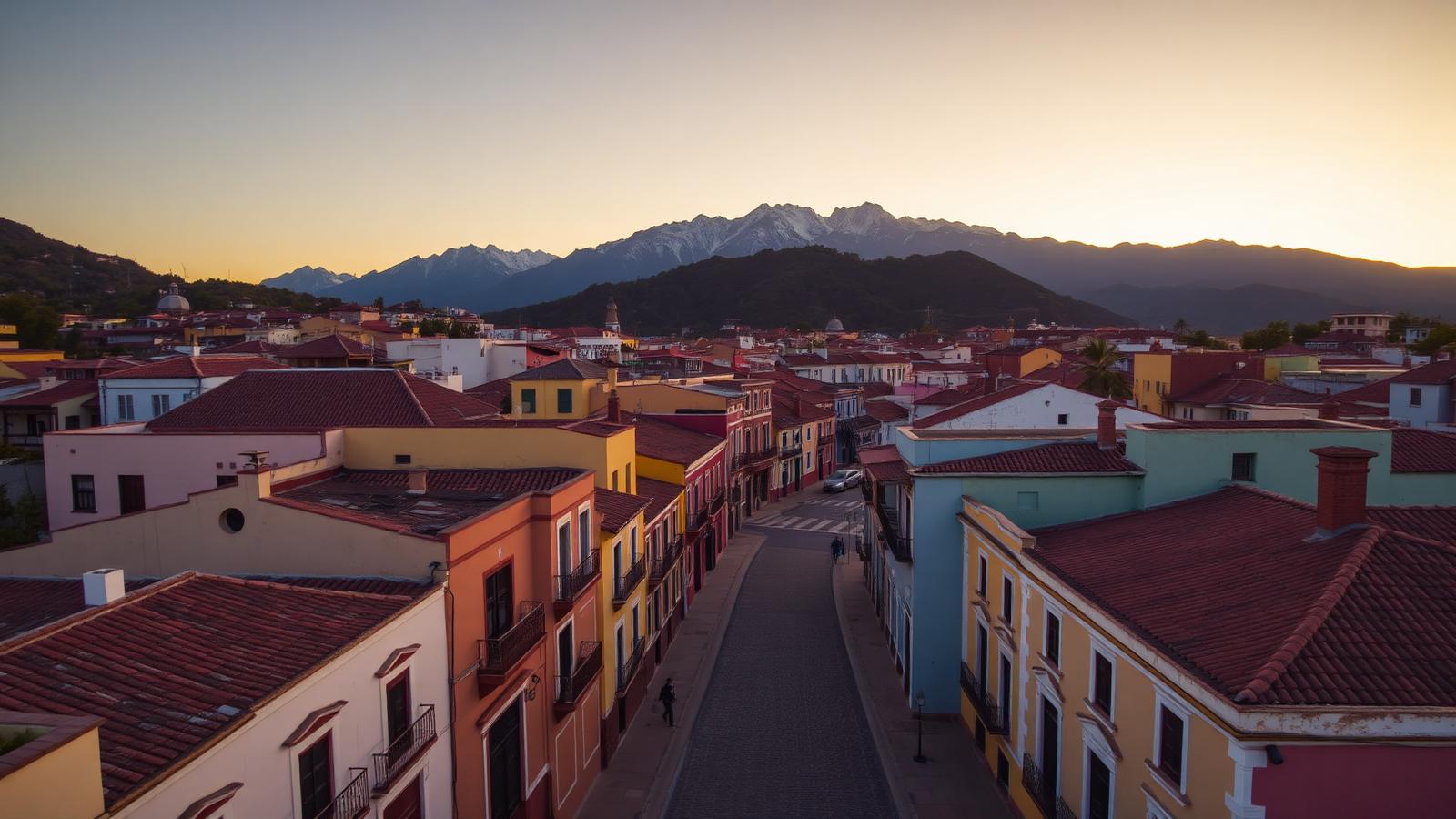
Machu Picchu and Rio get the headlines, but South America's best solo travel happens in the towns nobody Instagrams to death. Here are 10 under-the-radar gems, from Bolivia's white city to Paraguay's riverside carnival town, picked for safety, budget and how easy it is to meet people there.
Everyone arrives in South America with the same shortlist: Machu Picchu, Rio, the salt flats, maybe Patagonia. All worth it. But if you have ever stood shoulder to shoulder with 400 people waiting for the same photo, you already know the secret: the continent's best solo travel happens one bus ride away from the headline act, in towns that locals love and algorithms ignore.
These ten places are under-the-radar for a reason, and that reason is almost always good news for a solo traveler: cheaper rooms, friendlier locals, slower mornings, and a backpacker scene small enough that you actually meet people instead of getting lost in the crowd. Each one is safe enough to navigate alone with normal city sense, easy to reach by bus or a short flight, and packed with the kind of moments that make solo travel feel like a superpower rather than a compromise.
Here are 10 hidden gems in South America, why each one works for solo travelers, and what it actually costs to be there.
1. Sucre, Bolivia
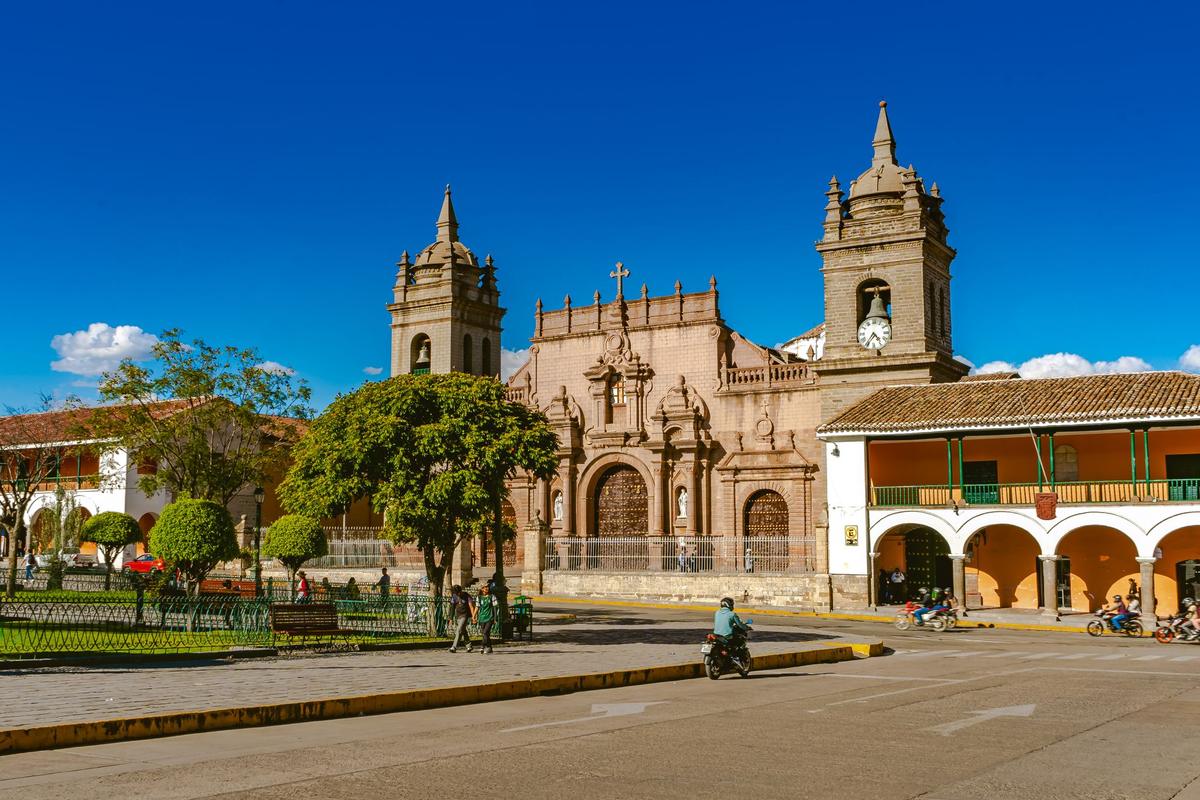
Bolivia's constitutional capital is the prettiest city most travelers skip, and it is a gift for solo budgets. Whitewashed colonial buildings, a perfect spring climate year round, and the cheapest Spanish lessons on the continent (around $5 to $8 an hour) make it the spot to slow down for a week or three. Language schools double as social hubs, so you will have friends by day two. Markets overflow with cheap almuerzos, dinosaur footprints sit just outside town, and the altitude is gentle compared with La Paz. Read the full Sucre city guide before you go.
2. Trujillo, Peru
While everyone funnels south to Cusco, Peru's colonial north stays quiet and cheap. Trujillo gives you the vast adobe ruins of Chan Chan, the Moche pyramids, surf breaks at nearby Huanchaco, and ceviche that rivals Lima for half the price. It is flat, walkable and easy to base in for a few days of beach-and-ruins solo travel, but Peru has kept Trujillo under a crime-related state of emergency, renewed repeatedly since 2024, so use registered taxis and ask locally which areas to avoid. See the Trujillo guide for neighbourhoods and day trips.
3. Puerto Varas, Chile
Picture a German-Chilean lake town with a snow-capped volcano mirrored in the water, kuchen in every cafe, and adventure sports on tap: kayaking, rafting, volcano hikes and hot springs. Puerto Varas is the gateway to Chilean Patagonia without the Patagonia price tag or crowds. Hostels here attract a mellow, outdoorsy crowd that is easy to tag along with. Plan around the Puerto Varas guide.
4. Salento, Colombia
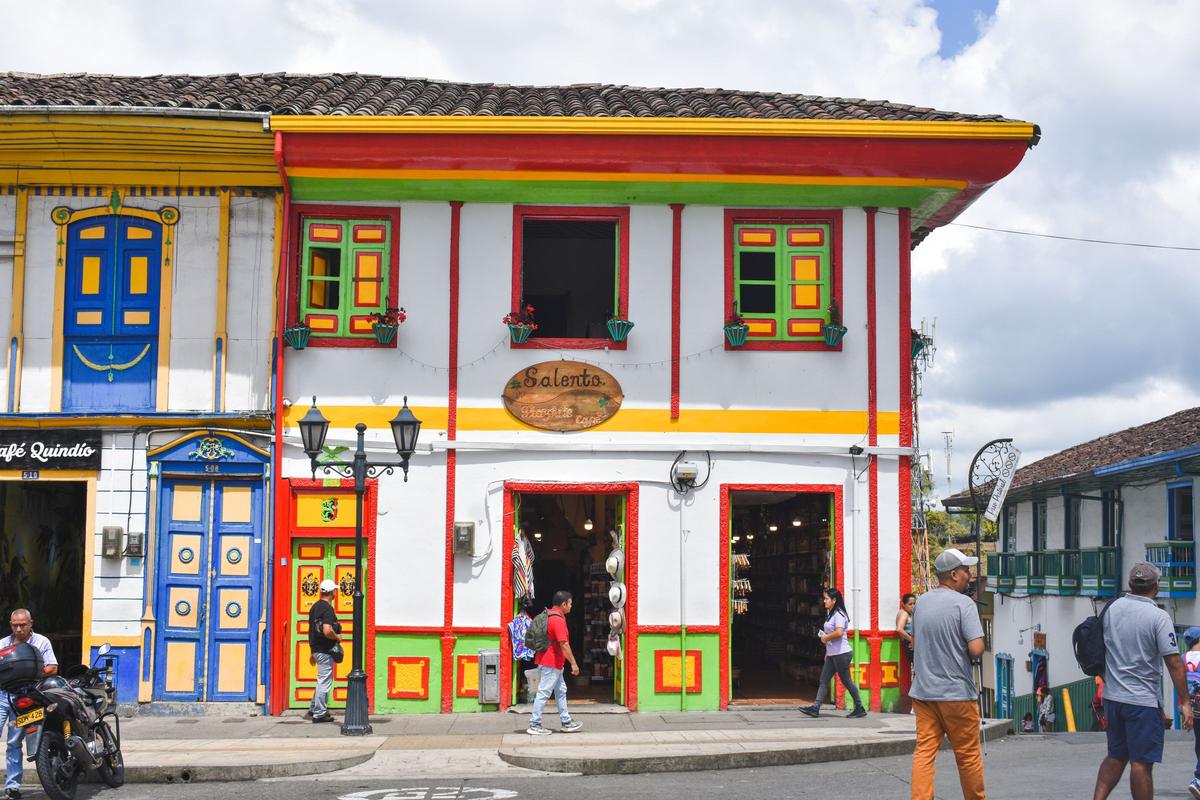
The most colourful town in Colombia's coffee region is also one of its most sociable. Salento is the launch pad for the Cocora Valley, where wax palms (the tallest in the world) tower over green ridges. Days mean coffee-farm tours and hikes, evenings mean tejo (Colombia's beer-and-explosives bar game) where solo travelers and locals mix fast. Start with the Salento guide.
5. Encarnacion, Paraguay
Paraguay is the country almost nobody visits, which makes it the ultimate under-the-radar pick. Encarnacion is its riverside summer capital: a sandy beach promenade, the haunting Jesuit ruins of Trinidad nearby, and a carnival on Saturday nights through January and February that punches far above the country's tiny tourist numbers. Prices are some of the lowest on the continent. Details in the Encarnacion guide.
6. Arequipa, Peru
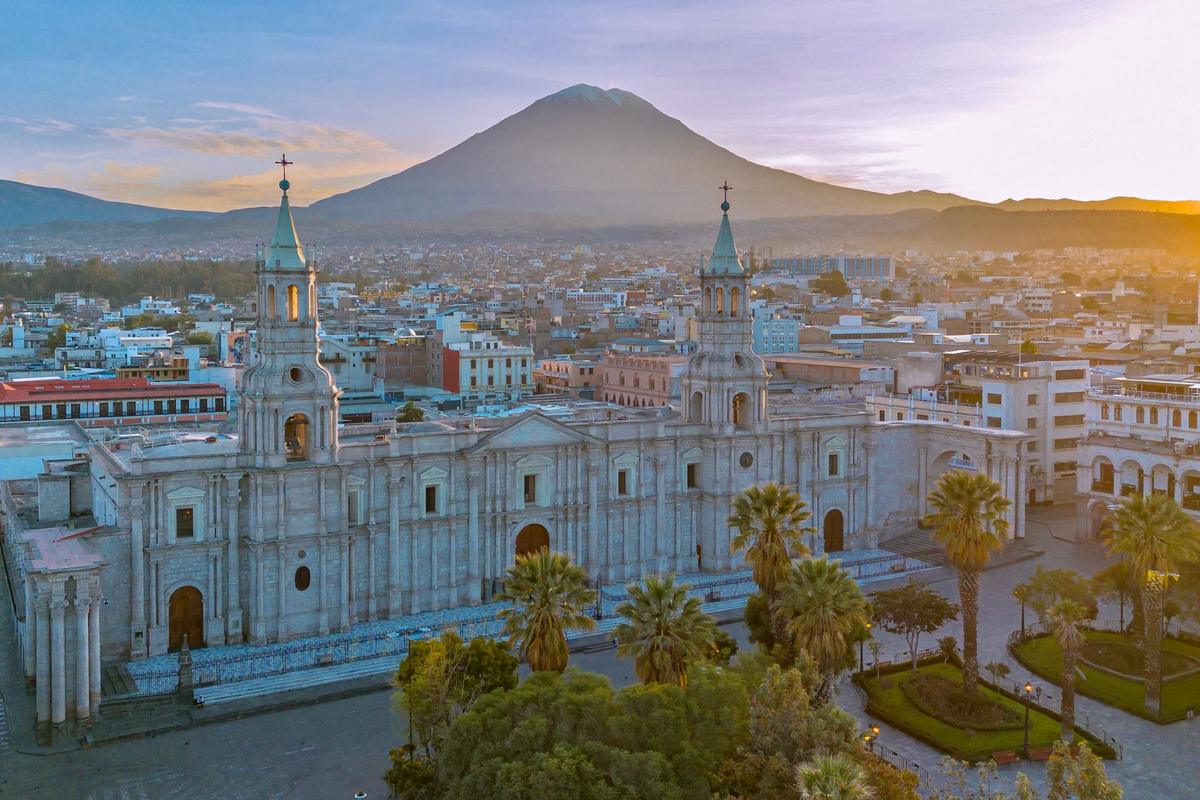
Peru's elegant White City is built from pale volcanic stone and ringed by three snow-capped volcanoes. It is the base for the Colca Canyon (twice as deep as the Grand Canyon and one of the best places on earth to see condors) but the city itself rewards a slow stay: a stunning main plaza, a 16th-century convent you can wander for hours, and a food scene that quietly competes with Lima. See the Arequipa guide.
7. Cuenca, Ecuador
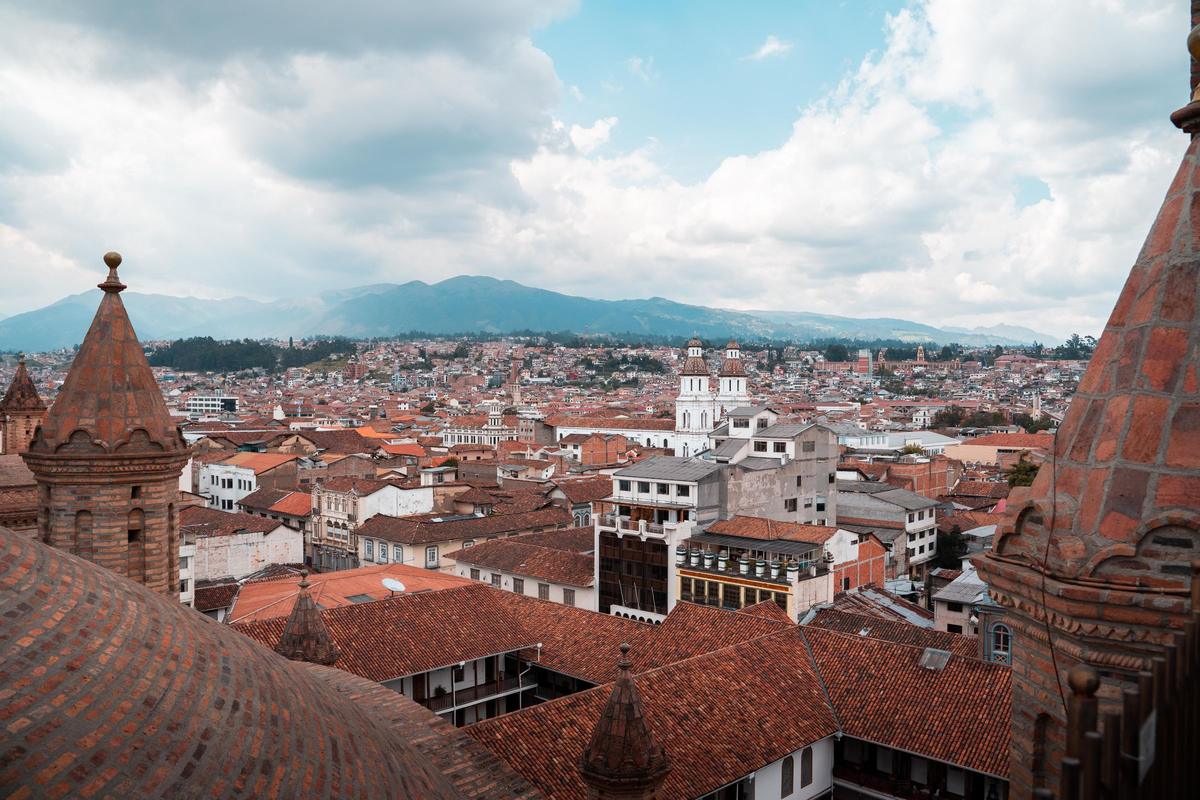
A UNESCO-listed Andean city of blue-domed cathedrals, cobbled streets and rivers you can walk along for free, Cuenca is calm, cheap and famously welcoming, which is why so many long-term travelers and retirees settle here. For a solo traveler it means good cafes, easy conversation and a very low cost of living. Browse the Cuenca guide.
8. Montevideo, Uruguay
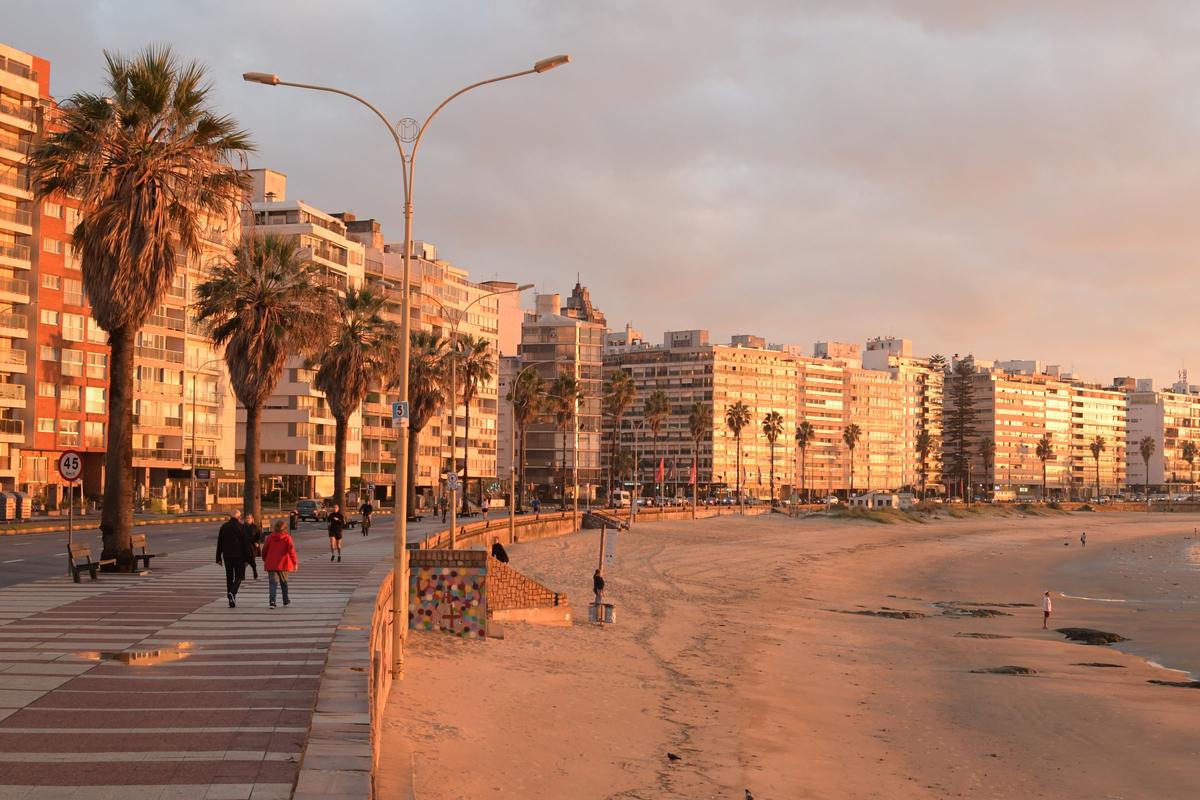
Buenos Aires gets the glory across the river, but Montevideo is the relaxed, safe, walkable capital that solo travelers quietly fall for. Spend mornings on the long coastal rambla, afternoons in the historic Ciudad Vieja, and evenings over grilled meat and tango roots. It is one of the calmer capitals in South America, but UK and Canadian travel advice warn of muggings downtown and in the port area, so take a taxi rather than walking alone late at night. See the Montevideo guide.
9. Salvador, Brazil
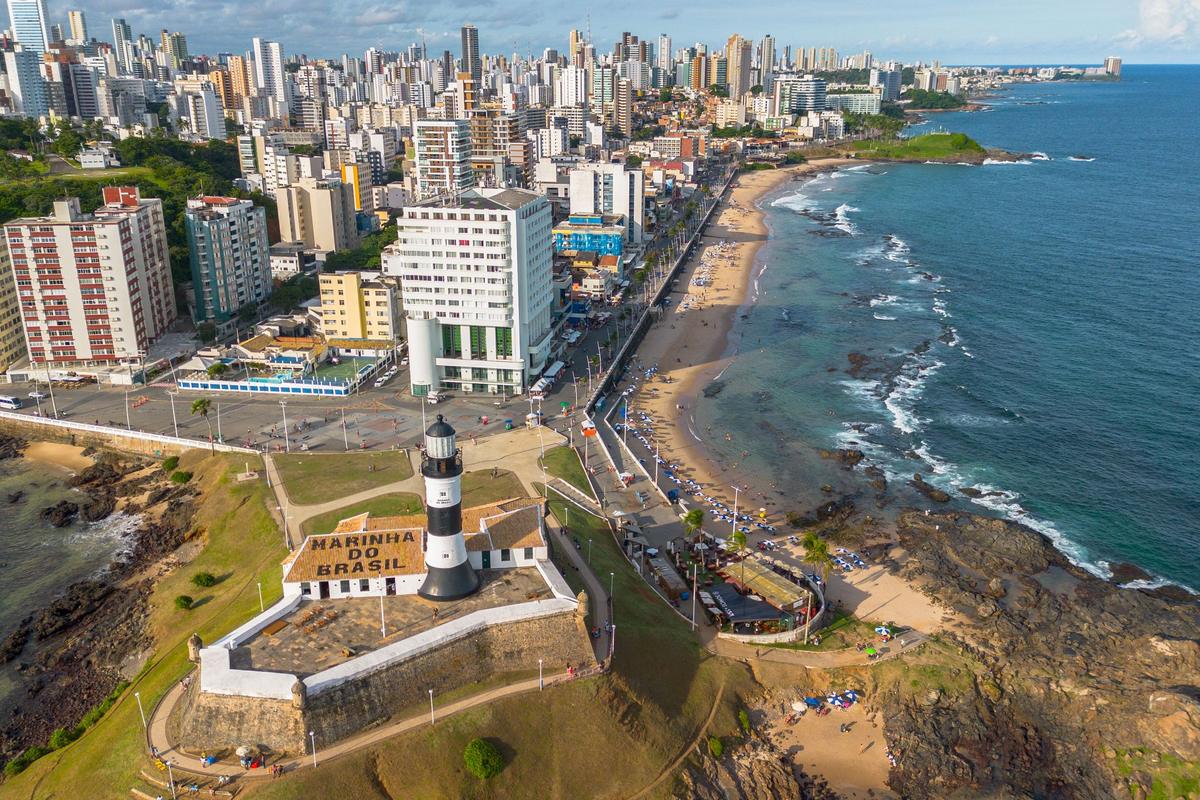
Skip the obvious Brazil and go to its Afro-Brazilian soul instead. Salvador's Pelourinho district is a riot of candy-coloured colonial houses, live drumming spills into the streets, and the beaches on the Bay of All Saints stretch for miles. It rewards a traveler who wants culture and rhythm over postcards. Read the Salvador guide (and travel with city sense, as you would in any big Brazilian city).
10. Mendoza, Argentina
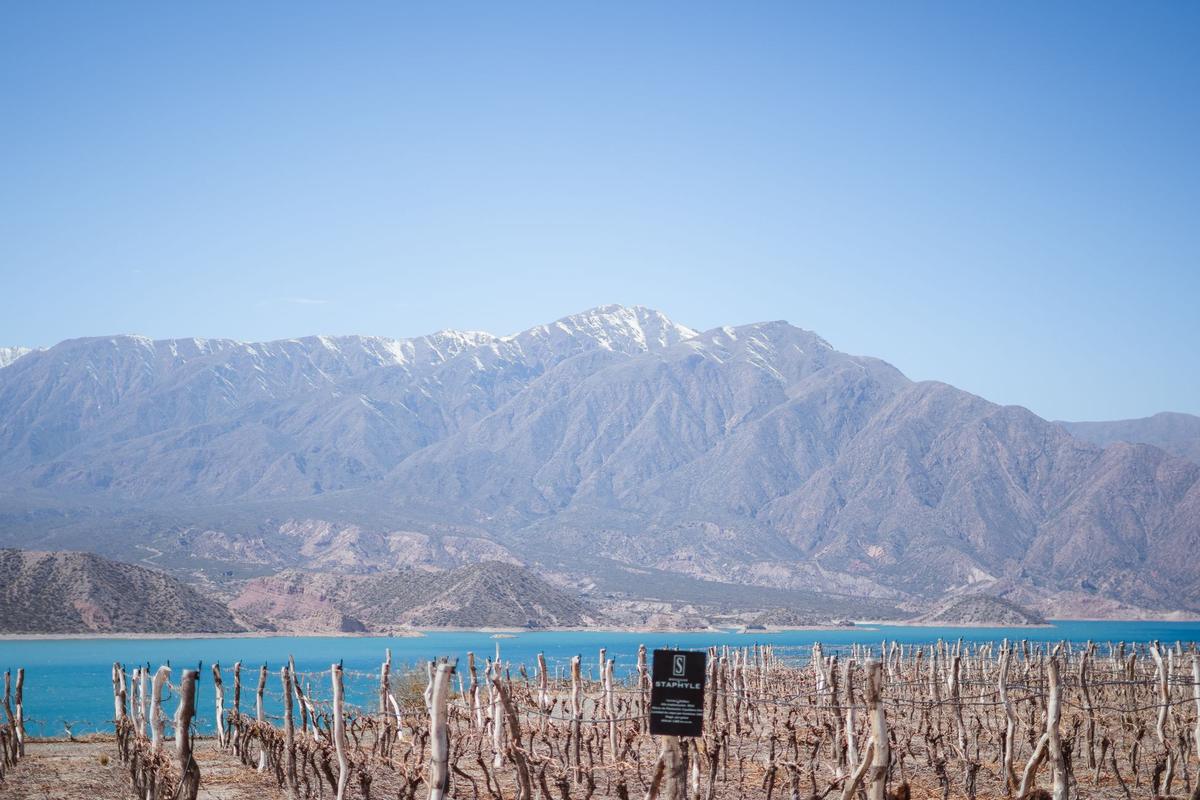
Malbec country at the foot of the Andes: vineyard lunches, big skies and high-altitude adventure all in one. Mendoza is built for solo travelers because wine tours and bike-the-bodegas days are inherently social, though a stronger peso means Argentina is no longer the bargain it was in 2023. See the Mendoza guide.
How to string these together
South America's long-distance buses are excellent and cheap, and they are where you will meet half the people on your trip. A classic loop links the Peruvian north and Arequipa, crosses into Bolivia for Sucre (check for road blockades and fuel shortages first, which have disrupted Bolivian buses in 2026), and drops south through Chile and Argentina, with Colombia and Ecuador as a separate northern leg. Don't try to do all ten in one trip; pick a region and go deep.
Solo safety, honestly
None of these towns are no-go zones, but South America rewards the same habits everywhere: use registered taxis or apps like Cabify and Uber at night, keep your phone out of sight on the street, don't flash valuables, and trust the read locals give you. Buy travel insurance that actually covers medical evacuation, since some of these spots are hours from a major hospital.
Plan it in one go with Joy Plus
Pick a town from this list, add up to two more in the same country, and Joy Plus builds a day-by-day itinerary in seconds, with a map, timed stops and the transit between them. Planning solo, it can also flag bookable group experiences where you can meet other travelers. Start planning your trip
Frequently asked questions
What is the most under-the-radar country in South America for solo travelers?
Paraguay is one of the most overlooked countries in South America and a genuine hidden gem. Encarnacion gives you a riverside beach town, the Jesuit ruins of Trinidad and a big January-to-February carnival at some of the lowest prices on the continent. Bolivia (especially Sucre) is a close runner-up for travelers who want quiet, safe and cheap, and Uruguay (Montevideo) for quiet and calm, though at higher prices.
Is South America safe for solo travelers?
Yes, for prepared travelers using normal city sense. The towns in this list, like Sucre, Cuenca, Montevideo, Puerto Varas and Salento, are calm and walkable. Use ride apps at night, keep valuables hidden, avoid displaying phones on the street, and buy travel insurance with medical evacuation. Cuenca and Montevideo feel calmer than most cities on the continent, though official advice warns against walking alone at night in central Montevideo and its port area.
How much does it cost to travel South America solo?
On the budget-to-mid range, expect roughly $35 to $70 a day in cheaper countries like Bolivia, Peru, Ecuador and Paraguay, covering a private hostel room, local food, transport and an activity. Chile, Uruguay and Brazil run higher, around $60 to $110 a day. Argentina is no longer the bargain it was in 2023, because the peso has strengthened in real terms, so budget at least as much as for Chile.
When is the best time to visit South America?
It depends on the region. The Andean towns (Sucre, Cuenca, Arequipa, Salento) are good year round thanks to spring-like highland climates, with the May to September dry season ideal for hiking. For the southern lake and wine country (Puerto Varas, Mendoza) aim for November to March (southern summer). Brazil's Salvador is warm all year but liveliest around Carnival in February or March.
How do solo travelers meet people in these hidden-gem towns?
Smaller towns make it easier, not harder. Spanish schools in Sucre and Cuenca are social hubs, hostels in Salento and Puerto Varas run group hikes and coffee tours, and shared bus routes mean you keep seeing the same faces. Wine and bodega tours in Mendoza and tejo games in Salento are social by design.
Is it easy to get between these destinations without flying?
Mostly yes. South America has a dense, affordable long-distance bus network, and overnight buses save you a hotel night, though UK travel advice for Peru and Colombia urges reputable companies and daytime travel where possible on mountain roads and near borders. A northern leg can link Colombia and Ecuador; a central-to-southern leg links Peru, Bolivia, Chile and Argentina by bus. A few long hops (for example reaching Paraguay or crossing to Brazil) are faster by a cheap regional flight.
Which of these is best for a first solo trip to South America?
Cuenca, Sucre and Montevideo are the gentlest first-timer picks: safe, walkable, affordable and full of other travelers. If you want adventure with an easy social scene, Salento (Colombia) and Puerto Varas (Chile) are ideal. Arequipa is the best base if you want one bucket-list trek (the Colca Canyon) without the Cusco crowds.