Destinations / Africa
Aswan, Egypt travel guide
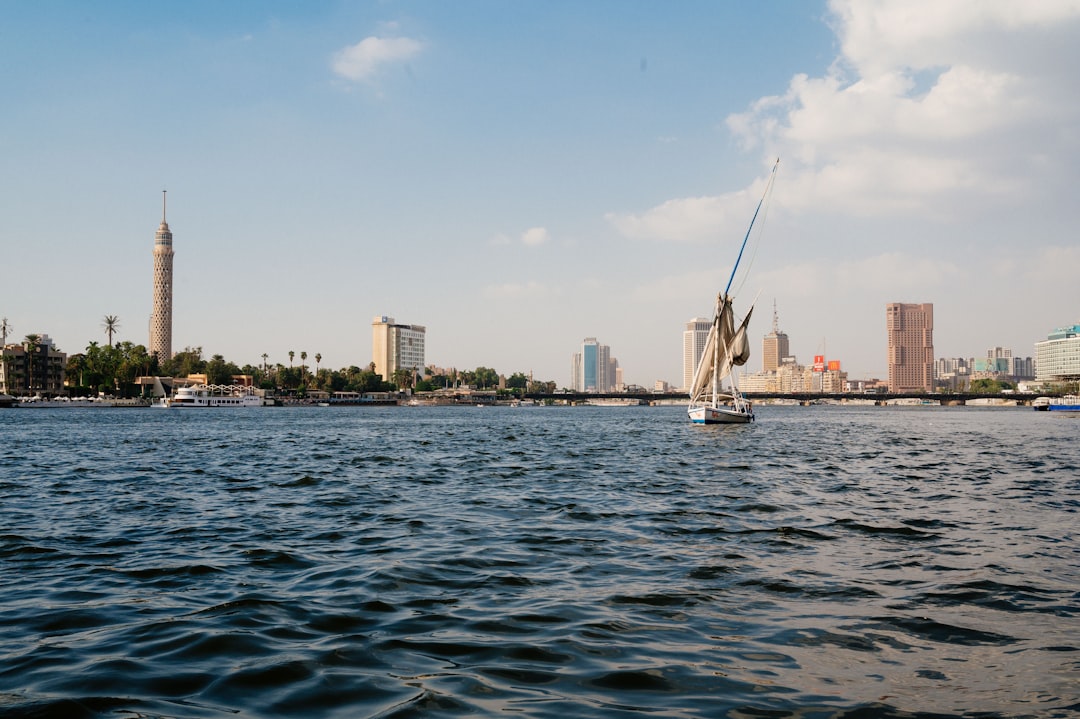
Egypt's gentlest city: feluccas on the bluest Nile, Nubian villages, Philae temple and the gateway to Abu Simbel.
- Best time to visit: October-April
- Daily budget (budget traveller): $50 to $120 USD
- Ideal trip length: 2 to 3 days
Aswan is where the Nile is at its most beautiful: granite boulders, palm-fringed islands and white-sailed feluccas gliding past desert dunes. Egypt's southernmost city moves slower than Cairo or Luxor, with Nubian villages of painted houses, the island temple of Philae, and the launchpad for Abu Simbel's colossi three hours south.
Aswan is where Egypt exhales. The Nile squeezes through granite boulders at the First Cataract, palm-covered islands split the river, and white-sailed feluccas drift past dunes the colour of toast. Cairo shouts and Luxor sells. Aswan sits on a Corniche bench with a glass of karkade and lets you come to it. It is also the most Nubian city in Egypt, which means different music, different food, houses painted turquoise and ochre, and a hospitality that feels offered rather than extracted.
The sights are compact and the logistics are easy once you know the rhythm. Philae, the island temple of Isis, is a 15-minute taxi plus a short motorboat ride south of town. The Unfinished Obelisk, the Nubian Museum and Elephantine Island are all within a few kilometres of the Corniche. The big one, Abu Simbel, is 280km south across the desert, and you leave in the dark for it. Everything works best on a split day: out before 8am, back in the shade by noon, then out again when the light turns gold around 4pm.
Expect touting, because it is part of the landscape. Felucca captains, taxi drivers and bazaar sellers will all say 'Welcome to Aswan, where are you from?' The trick is to smile, fix every price before you move, and keep small notes in your pocket. Do that and Aswan rewards you with the best sunsets in the country, a lunch in a Nubian family home you will talk about for years, and the strange calm of floating at dusk past a granite island with nobody rushing you.
How many days in Aswan?
For Aswan, we recommend 2 to 3 days. With more time, add a day trip to Kalabsha, Beit el-Wali and Lake Nasser.
| Trip length | What you'll see | Itinerary |
|---|---|---|
| 2 days · Recommended | Corniche and the souq; Philae at opening, Obelisk and the Nubian Museum | Aswan in 2 days |
| 3 days · Recommended | Adds: Abu Simbel convoy | Aswan in 3 days |
| 4 days | Adds: Elephantine Island and Kitchener's | Aswan in 4 days |
| 5 days | Adds: West Bank, St Simeon and a Nubian lunch | Aswan in 5 days |
| 7 days | Adds: Kom Ombo and the Daraw camel market; High Dam, slow morning | Aswan in 7 days |
Aswan itinerary
Arrive, Corniche and the souq
Morning: Land at ASW (about 25 min from town) or step off the train at Aswan station. Taxi to your hotel for EGP 250-400 from the airport, check in or drop bags, then ful and taameya at a souq stall.
Afternoon: Walk the Corniche and then the covered Sharia as-Souq. Buy karkade, hibiscus and a bag of Nubian spice mix for EGP 50-100. Nap through the 1pm to 3pm heat.
Evening: Sunset tea on the terrace of the Old Cataract (a drink is about EGP 400-600, worth it for the view). Dinner at Al Masry or El Dokka.
Philae at opening, Obelisk and the Nubian Museum
Morning: Taxi to Shellal marina by 7am (EGP 150-200), then motorboat to Philae Temple (ticket about EGP 550) before the cruise groups arrive at 9am. Hathor's colonnade is empty at that hour.
Afternoon: Visit the Unfinished Obelisk in its granite quarry (about EGP 180), then the Nubian Museum, the best-designed museum in southern Egypt. Wander its garden between exhibits.
Evening: Dinner at Aswan Moon or Panorama on the Nile, grilled Nile perch with salads. Early night, tomorrow starts at 3:30am.
Abu Simbel convoy
Morning: Leave at 3:30 to 4am by minibus or private car (EGP 700-1,500 shared). Arrive at about 7am and see the Great Temple of Ramses II and the smaller Temple of Hathor while the light hits the colossi.
Afternoon: Back in Aswan by 1 to 2pm. Eat a proper lunch, nap, shower. If you fly instead, you are back by 11am.
Evening: Easy sunset felucca (EGP 200-500 per hour per boat) then a quiet dinner of fish and rice.
Elephantine Island and Kitchener's
Morning: Public ferry from the Corniche to Elephantine (EGP 5-10, foreigners often quoted more, hold your ground). Walk the Nubian villages of Siou and Koti, then see the Aswan Museum and Nilometer.
Afternoon: Hire a felucca for Kitchener's Island botanical garden (entry about EGP 150) and drift between the granite boulders. Shade and breeze, the best way to spend 2pm.
Evening: Rooftop dinner at Keylany or sunset again from the Corniche. Stroll the souq lanterns after dark.
West Bank, St Simeon and a Nubian lunch
Morning: Cross by boat to the west bank at 7:30am. Visit the Tombs of the Nobles at Qubbet el-Hawa (about EGP 240) for painted tombs and a river view, then camel to the Monastery of St Simeon (about EGP 240 entry plus camel).
Afternoon: Boat down to Gharb Soheil for a Nubian lunch in a family home, usually EGP 300-600 with tea, hennaed hands optional. Meet the crocodile in the courtyard if your host keeps one.
Evening: Back to the east bank for a shisha on the Corniche and a late felucca if the moon is up.
Kom Ombo and the Daraw camel market
Morning: Early taxi north (about 45km, 1 hour). Visit the Daraw camel market on a market morning (busiest on Sunday), then the Temple of Kom Ombo, twin temples to Horus and Sobek.
Afternoon: Visit the crocodile museum on site, lunch in town, then return to Aswan by 2pm. A shared trip is EGP 500-900 per person.
Evening: Quiet dinner and packing. Or use the evening to book an overnight felucca for tomorrow.
High Dam, slow morning, depart
Morning: Sleep in. Late breakfast of fuul, eggs and hot baladi bread. Quick look at the Aswan High Dam (about EGP 120) and Lake Nasser, 15 min by taxi.
Afternoon: Final souq run for karkade, spices and a Nubian basket. Check out, then train to Luxor (about 3 hours) or board a Nile cruise.
Evening: Arrive in Luxor by 7pm, or take the sleeper train north to Cairo if you are heading home.
Best neighbourhoods
- The Corniche: The Nile-front promenade with hotels, cafes and felucca moorings.
- Elephantine Island: Mid-river island with Nubian villages, ruins and a museum.
- Nubian Villages (Gharb Soheil): Painted houses, henna, spice shops and Nubian home cooking on the west bank.
- Sharia as-Souq: The lively covered market street of spices, karkade and textiles.
- West Bank: Tombs of the Nobles, the Aga Khan Mausoleum (seen from outside) and the desert monastery of St Simeon.
Must-do experiences
- Philae Temple: Take a motorboat to the relocated island temple of Isis, best at golden hour or the sound-and-light show.
- Abu Simbel: Travel south to Ramses II's rock-cut colossi, one of Egypt's greatest sights.
- Felucca at sunset: Sail around Elephantine and Kitchener's Island as the granite turns gold.
- Nubian Museum: Understand the culture flooded by Lake Nasser, in Egypt's best-designed regional museum.
Hidden gems
- Kitchener's Island botanical garden, a shaded escape mid-Nile.
- The Monastery of St Simeon reached by camel across the desert.
- The Unfinished Obelisk, still lying in its granite quarry.
- Nubian lunch in a family home in Gharb Soheil.
Daily budget
- Accommodation: budget EGP 600-1,200 / night (budget hotel or guesthouse room), mid-range EGP 2,500-5,000 (Nubian guesthouse or Nile-view hotel), splurge EGP 20,000+ (Sofitel Legend Old Cataract, Mövenpick on Elephantine). Dedicated hostels barely exist. Budget rooms around Sharia Keylany and the Corniche are the best value, and summer rates fall by half.
- Food: budget EGP 250-450 / day (ful, taameya, koshary, grilled fish), mid-range EGP 700-1,200 (Nubian tagen dinner at Al Dokka or a Nile terrace), splurge EGP 3,000+ (1902 at the Old Cataract). A ful and taameya breakfast is EGP 30-60. Order from a souq stall with fresh baladi bread and you are fed all morning.
- Transport: budget EGP 100-250 / day (public ferry, microbus, short taxis), mid-range EGP 600-1,200 (private taxi for half a day, motorboat to Philae), splurge EGP 4,000+ (private driver and guide for Abu Simbel, or the flight). Agree the taxi fare before you get in, never after. Philae motorboats cost roughly EGP 350-500 per boat, return, with waiting time.
- Activities: budget EGP 500-900 / day (Philae ticket about EGP 550, or Obelisk plus museum), mid-range EGP 1,000-2,500 (Philae, felucca, a shared Abu Simbel trip with ticket), splurge EGP 8,000+ (private guide, Abu Simbel flight, camel to St Simeon). Tickets for foreigners are priced well above local rates. Abu Simbel entry alone is about EGP 1,000, plus transport on top.
- Drinks & nightlife: budget EGP 40-100 (karkade, sugarcane juice, mint tea on the Corniche), mid-range EGP 300-600 (hotel-rooftop Stella beers, shisha), splurge EGP 1,500+ (cocktails on the Old Cataract terrace at sunset). Aswan is early to bed. Alcohol is only served in hotels and a few licensed restaurants, and a Stella costs EGP 100-150.
Where to stay
- Social hostel in Corniche / Sharia Keylany (EGP 600-1,200 / night): Keylany Hotel and similar budget guesthouses near the souq. Simple rooms, a rooftop, and a steady stream of solo travellers heading to Abu Simbel and Luxor.
- Boutique hotel in Gharb Soheil / West Bank (EGP 3,000-5,500 / night): Anakato Nubian Houses and similar Nubian-style guesthouses: domed rooms, painted walls, Nile terraces and home cooking. A short boat ride from the Corniche.
- Apartment in Elephantine Island (EGP 1,500-3,000 / night): Village guesthouses and Airbnb flats among the Nubian houses, with small kitchens, no traffic and the public ferry to town for a few pounds. Best for stays of 4+ nights.
- Splurge in Corniche / Elephantine Island (EGP 8,000-35,000 / night): Sofitel Legend Old Cataract for the colonial terrace and Nile views, or Mövenpick Resort on Elephantine Island for pools, quiet gardens and a private shuttle boat.
What to eat
- Nubian tagen, a clay-pot stew of chicken or beef
- Grilled Nile perch and fresh baladi bread
- Karkade, chilled hibiscus tea, Aswan's signature drink
- Fuul and taameya breakfast at a souq stall
Day trips
- Abu Simbel (280km, 3 hours by road or 45 min by air): Ramses II's rock-cut colossi, moved block by block in the 1960s to escape Lake Nasser. Arrive by 7am for soft light and fewer crowds, and don't skip the smaller Temple of Hathor. Minibus or private car leaves at 3:30 to 4am, EGP 700-1,500 shared plus about EGP 1,000 entry. Flights run from Aswan airport, roughly EGP 6,000-9,000 return with transfers.
- Kom Ombo and Daraw camel market (45km, 1 hour by taxi): A riverside temple shared between the falcon god Horus and the crocodile god Sobek, with a small crocodile museum. Pair it with the Daraw camel market on a market morning, busiest on Sunday. Shared taxi or private car, EGP 500-900 per person on a group trip, or EGP 1,500-2,500 for a private car. Hotels organise it easily.
- Kalabsha, Beit el-Wali and Lake Nasser (15km, 20 min by taxi plus boat): Temples rescued from the flooded Nubian heartland and rebuilt on a hilltop island in Lake Nasser. Quiet, uncrowded, with views over a lake the size of a small country. Taxi to the High Dam (about EGP 120 entry), then a small motorboat from the dock, roughly EGP 400-600 per boat for the trip.
When to visit
- Winter (November - February): 22-28°C days, 8-14°C nights, dry and cloudless. Crowds: Peak, Nile cruise boats full, Abu Simbel busy by 7am. The perfect weather window. Book rooms and the Abu Simbel transfer early for December and January, and bring a jumper for the 4am convoy.
- Spring (March - April): 29-37°C, dry, occasional sandy wind (khamsin). Crowds: Easing, with cruise numbers falling by mid-April. Sweet spot for value. Do Philae and the temples before 10am, then nap. Prices drop and rooftops are still pleasant at night.
- Summer (May - September): 38-46°C, bone dry, scorching until sunset. Crowds: Very low, many hotels discount 40-60%. Only for the heat-tolerant. Go dawn to 10am, hide in an air-conditioned room, return at 5pm. The Nile itself is a mercy.
- Autumn (October): 32-36°C days, warm evenings, easing through the month. Crowds: Light, then building toward November. A quiet shoulder month with the Nile at its fullest and lower prices. Still hot at midday, so keep the early-start rule.
Entry rules for your passport
Visa rules for Egypt depend on the passport you travel on. Check the official source before you book: Egypt e-Visa portal (Ministry of Interior)
Getting there
Aswan International Airport (ASW) is about 25 minutes from the Corniche, with daily flights to Cairo (1h40) and to Abu Simbel (45 min). A taxi into town costs EGP 250-400, hotel pickups EGP 400-600, so agree before you leave the terminal. Aswan station sits just off the Corniche. The day train from Luxor takes about 3 hours (first class around EGP 450-700 for foreigners), and the overnight sleeper from Cairo takes 12 to 14 hours (roughly $120-150 per person). Book on the Egyptian National Railways site, via your hotel, or at the foreigners' window. Nile cruises of 3 to 4 nights link Luxor and Aswan. Egyptian visa is $30 on arrival (cash only) or by e-visa.
Getting around
Aswan has an airport 25 minutes from town with flights to Cairo and Abu Simbel, plus overnight sleeper trains and day trains from Cairo and Luxor (3 hours). In town, everything happens by taxi, caleche or boat: public ferries to Elephantine cost a few pounds, and motorboats or feluccas are hired by the hour. Abu Simbel is 3 hours by road.
Safety
Aswan is calm, friendly and considered one of Egypt's safest cities for visitors, with a heavy tourist-police presence. Expect persistent felucca and taxi touting rather than crime; agree all boat prices before boarding. Heat is the real hazard, exceeding 40°C from May to September, so plan dawn starts, drink constantly and avoid midday sun. Avoid swimming in the Nile. The regional war that began in February 2026 has not changed official advice for Egypt's main tourist areas: the US keeps the country at 'Exercise increased caution' and the UK does not advise against travel to Cairo, Luxor, Aswan or the Red Sea resorts. Flights have seen delays and cancellations, and energy-saving measures have at times shortened opening hours, so check before you go.
Solo travel tips
- Fix every price before you move: Taxi, felucca, camel, motorboat, all of it. Say the price, say it again in front of the driver, and agree what is included (waiting time, return). Pay at the end and carry small notes, as nobody has change for EGP 200.
- Sit at a Corniche ahwa: Coffeehouses along the Nile are the best social space in town. Sit, order tea (EGP 15-30), and let the owner or the table next to you start the conversation. It is where you learn which felucca captain is honest.
- Stay where the rooftop is: Keylany Hotel and the guesthouses around Sharia Keylany have rooftops where solo travellers end up together. Ask the front desk to link you with others for the Abu Simbel minibus, which cuts the cost by half.
- Join the Abu Simbel convoy shared: A private car is EGP 4,000+, a shared minibus EGP 700-1,500. Book it through your hotel the day before, confirm the 4am pickup, and sit on the left on the way down for the better dawn view.
- Solo female travellers: Aswan is calm and the tourist police are visible. Expect staring and 'where is your husband' lines. Cover shoulders and knees, wear a ring if it helps, sit in the front of taxis only with drivers you have bargained with, and don't take late night felucca rides alone.
- Do a Nubian village visit with a host: Gharb Soheil and the villages on Elephantine are friendlier when you go through a guesthouse or a named family. Lunch, henna and a courtyard tea are normal and priced at EGP 300-600, a good way to meet people without a hard sell.
Cultural etiquette
- Dress modestly. Shoulders and knees covered in town and at temples, loose cotton works best in the heat.
- Use your right hand for eating, handing over money and shaking hands.
- Ask before photographing people, especially women and children. A smile and a gesture is enough.
- Bargaining is expected, but stay friendly. Name a price, smile, and walk away without drama if it does not work.
- Accept a glass of tea when you are offered one in a shop or home. Refusing outright can feel rude, and there is rarely an obligation to buy.
- Nubian people have their own language, music and history. Do not call Gharb Soheil 'just Egyptian', and ask about the culture, not just the henna.
- During Ramadan, avoid eating and drinking in public before sunset. Restaurants open late, the Corniche comes alive after iftar.
Frequently asked questions
Is Aswan worth visiting?
Yes, many travellers rate it their favourite Egyptian city. The Nile is at its most scenic here, the pace is far gentler than Cairo or Luxor, and Philae, the Nubian villages and Abu Simbel are all within reach. Two to three days is the sweet spot.
How many days do you need in Aswan?
Two to three days. One day covers Philae, the Unfinished Obelisk and the Nubian Museum, a second handles a full-day Abu Simbel trip, and a third allows a felucca day, Elephantine Island and a Nubian village lunch. Many visitors also join a Nile cruise to Luxor from here.
How do you get from Aswan to Abu Simbel?
By road in about 3 hours each way, usually leaving at 4 to 5am with a tour or private driver, or by a 45-minute flight from Aswan airport. Road trips cost roughly 700 to 1,500 EGP per person shared; flights run considerably more but save half a day.
When is the best time to visit Aswan?
October to April, when daytime temperatures sit between 23 and 35°C and evenings are pleasant. May to September regularly exceeds 40°C, making sightseeing brutal outside dawn hours, though prices drop sharply. December and January are peak season with cool, perfect days.
Is Aswan safe for tourists?
Yes. Aswan is among Egypt's safest destinations, with a visible tourist police presence and a relaxed local culture. The main issues are aggressive felucca and taxi touting and inflated prices, so negotiate everything upfront. Heat and dehydration pose a bigger risk than crime.
How much does a felucca ride in Aswan cost?
Expect around 200 to 500 EGP per hour for a whole boat, depending on season and bargaining, with sunset trips at the top of the range. Multi-day felucca sails to Kom Ombo or Edfu run roughly 800 to 1,500 EGP per person per day including simple meals.
Is Aswan better than Luxor?
They're complementary. Luxor has the greater density of monuments, including Karnak and the Valley of the Kings, while Aswan has better scenery, a calmer atmosphere, Nubian culture and Abu Simbel. Most itineraries do both, often linked by a three or four-night Nile cruise.
Do I need a visa for Egypt?
Most visitors, including EU, UK and US citizens, need a visa: an e-visa bought online before travel, or a visa on arrival at the airport. A single-entry visa on arrival costs US$30 since 1 March 2026 (the e-visa price can differ; check visa2egypt.gov.eg); bring US dollars in cash for the arrival option. A free stamp of about two weeks covers only the South Sinai resorts such as Sharm el-Sheikh and Dahab, and does not allow travel to Cairo, Luxor or Hurghada.
More about Aswan
- Where to Travel in 2027: 15 Places Worth Planning a Trip Around
- Total Solar Eclipse 2 August 2027: Where to Watch It and How to Plan Now
Tours and activities in Aswan | Aswan in 2 days | Aswan in 3 days | Aswan in 4 days | Aswan in 5 days | Aswan in 7 days
Can't decide? Compare Aswan with...
Joy Plus home | Destinations | Itineraries | Activities | Flights | Budget planner | Calendar | Map | Blog | Lifetime access