Total Solar Eclipse 2 August 2027: Where to Watch It and How to Plan Now
Nov 17, 2026, 14 min read
On 2 August 2027 the Moon blacks out the Sun for up to 6 minutes 23 seconds, from southern Spain to Luxor. Here is where totality really reaches, how long it lasts in each spot, the cloud and heat odds, and what to book now before prices climb further.
On Monday 2 August 2027 the Moon will cover the Sun completely for up to 6 minutes 23 seconds. The shadow comes ashore at the Strait of Gibraltar, crosses North Africa, peaks in southern Egypt near Luxor and then runs on over Saudi Arabia, Yemen and Somalia. No total eclipse will last longer until 2114, it falls in peak summer holiday season, and rooms along the path were already scarce a year out.
This guide is written nine months ahead, for travellers who want to see it without paying luxury tour prices. You get totality times and durations for the main viewing spots from NASA, Spain's national astronomy service and timeanddate.com, cloud odds from eclipse meteorologist Jay Anderson, an honest comparison of the regions, and a simple countdown of what to book by when.
The path, and why close is not enough
Totality only happens inside a band about 258 km wide at its broadest, according to NASA's eclipse data. From west to east it crosses southern Spain, Gibraltar, northern Morocco, Algeria, Tunisia, Libya, Egypt, Saudi Arabia, Yemen and the tip of Somalia. Outside the band you get a partial eclipse: you keep your glasses on the whole time and never see the corona. Several famous cities miss out. Seville, Tunis, Hurghada and Aswan sit just outside the band and Cairo lies well north of it, so all of them get a partial eclipse only. Never book somewhere just because it looks close to the line.
Is it really the eclipse of the century?
Almost. NASA's catalogue lists one longer total eclipse this century, on 22 July 2009 at 6 minutes 39 seconds, and nothing longer again until 3 June 2114. For anyone planning a trip today, 2 August 2027 is very likely the longest totality they will ever get the chance to stand under, and much of its path runs through ordinary holiday destinations.
Southern Spain: Cádiz province gets the most
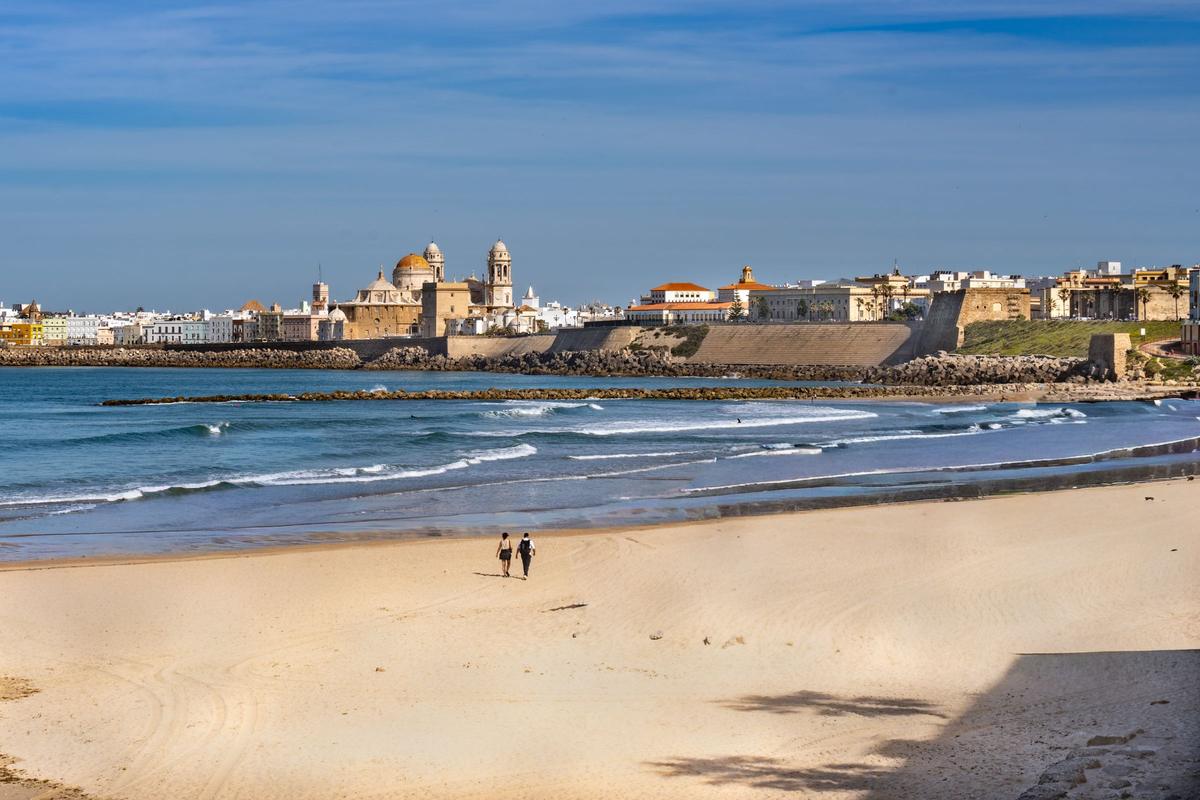
Spain's Instituto Geográfico Nacional says totality covers almost all of Cádiz province, part of Málaga province and the southern edges of Granada and Almería, in the late morning, Spanish summer time. Tarifa gets 4 minutes 38 seconds, the longest on the mainland. Cádiz city gets 2 minutes 54 seconds from 10:45, Marbella 3 minutes 17 seconds, and Málaga city scrapes in with 1 minute 48 seconds from 10:48. Ceuta, the Spanish city across the Strait, has the longest Spanish totality at 4 minutes 48 seconds. Seville is outside the path, so from there you need to head south into Cádiz province the day before.
Gibraltar: 4 minutes 28 seconds and an easier border
Totality over the Rock starts at about 10:45 local time and lasts 4 minutes 28 seconds, according to timeanddate.com. Since 15 July 2026, under the new EU and UK treaty, the border fence with La Línea has come down and passport checks have moved to Gibraltar's airport and port. That makes it realistic to sleep on the Spanish side and walk in that morning.
Northern Morocco: Tangier and Chefchaouen
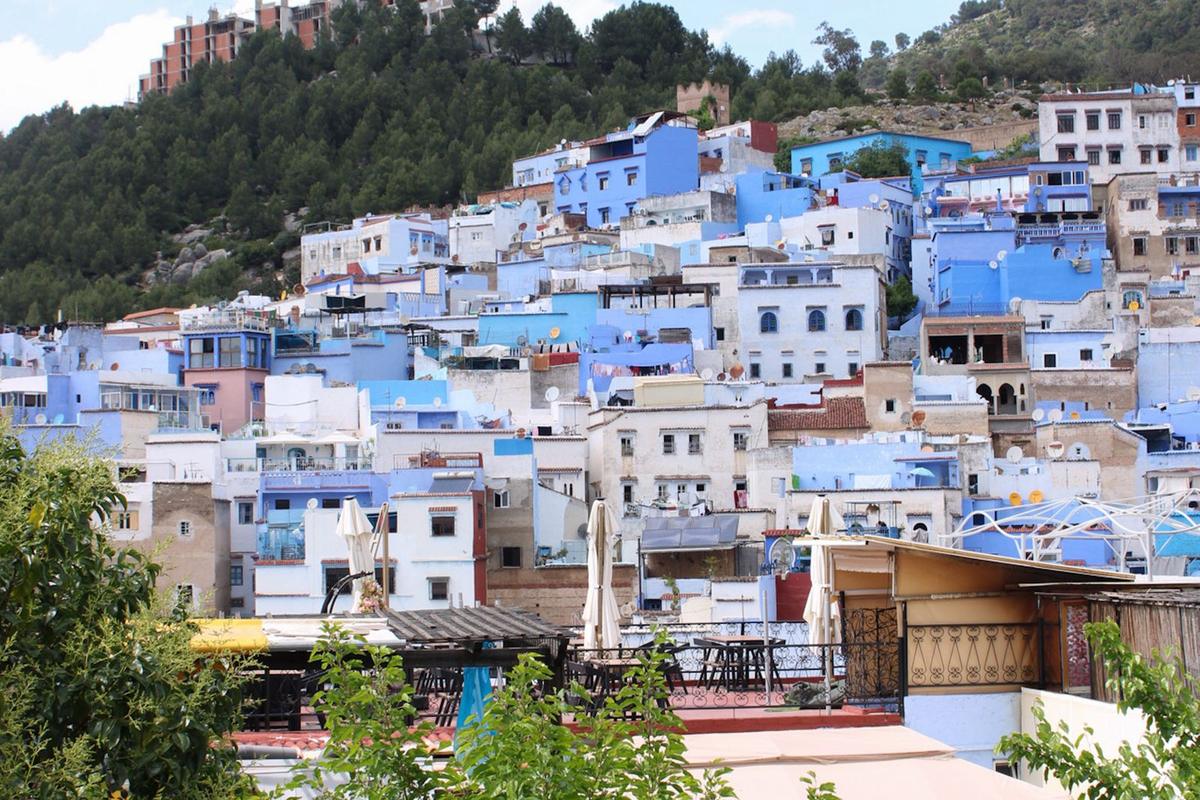
Tangier gets 4 minutes 51 seconds of totality from 08:44 local time. That early hour is not a typo: Morocco moved to GMT all year round on 20 September 2026, so in August it is two hours behind Spain. Reset your watch if you cross the Strait. Morning sea cloud is the risk here. Jay Anderson rates Tangier as very likely to clear in time, but advises avoiding the Mediterranean coast between Tetouan and El Jebha, where cloud gets trapped. Inland Chefchaouen has the lowest cloud in Morocco on his maps and 4 minutes 13 seconds of totality.
Tunisia: Sfax and Djerba, not Tunis
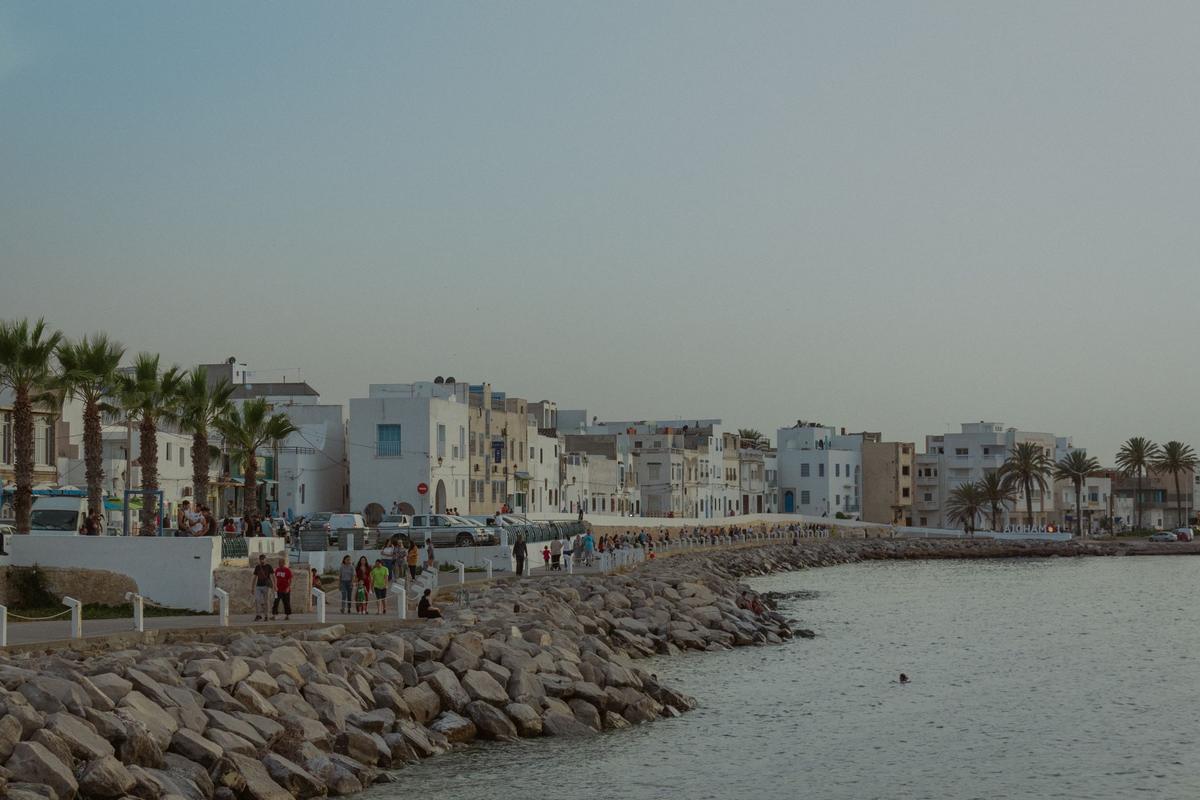
Tunis only sees a partial eclipse, so treat it as an arrival airport and head south. Sfax gets 5 minutes 41 seconds from 10:08 local time, and Anderson's data gives Sfax and the area south of it the lowest average cloud on the western half of the track. Djerba gets about 4 minutes 43 seconds at Houmt Souk. Check your spot against the UK Foreign Office map: Kasserine governorate is inside the path but carries advice against all but essential travel, and against all travel to the Chaambi Mountains National Park and nearby military zones.
Egypt: Luxor is the headline act
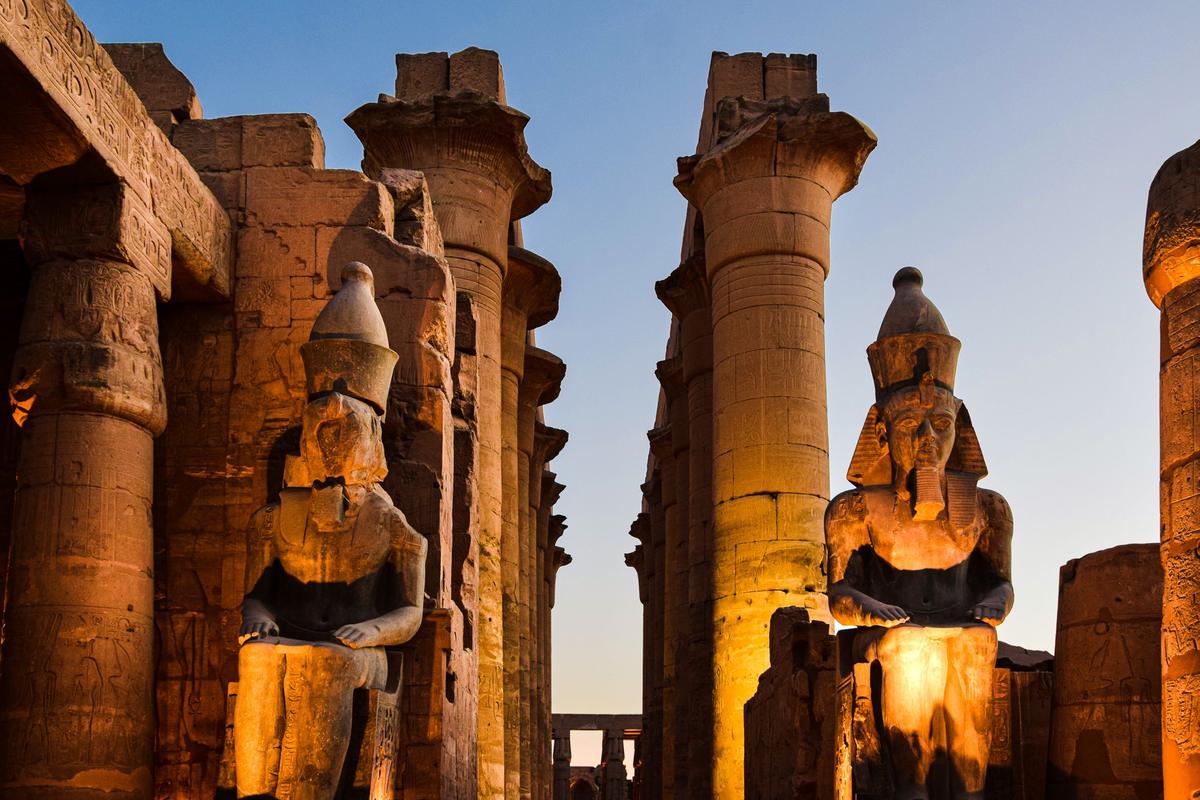
Luxor gets 6 minutes 22 seconds, from about 13:02 to 13:08 local time, with the Sun about 82 degrees up, almost overhead. The point of greatest eclipse lies about 60 km south-east of the city. Anderson calls the cloud outlook for this eclipse among the lowest he has analysed in 45 years, and at Luxor the main threat is thin, transparent cirrus rather than real cloud. Egypt's Ministry of Tourism and Antiquities has set up a committee to plan transport, security and viewing sites. A 3-day Luxor plan fills the days either side.
Aswan and the Red Sea: check the line
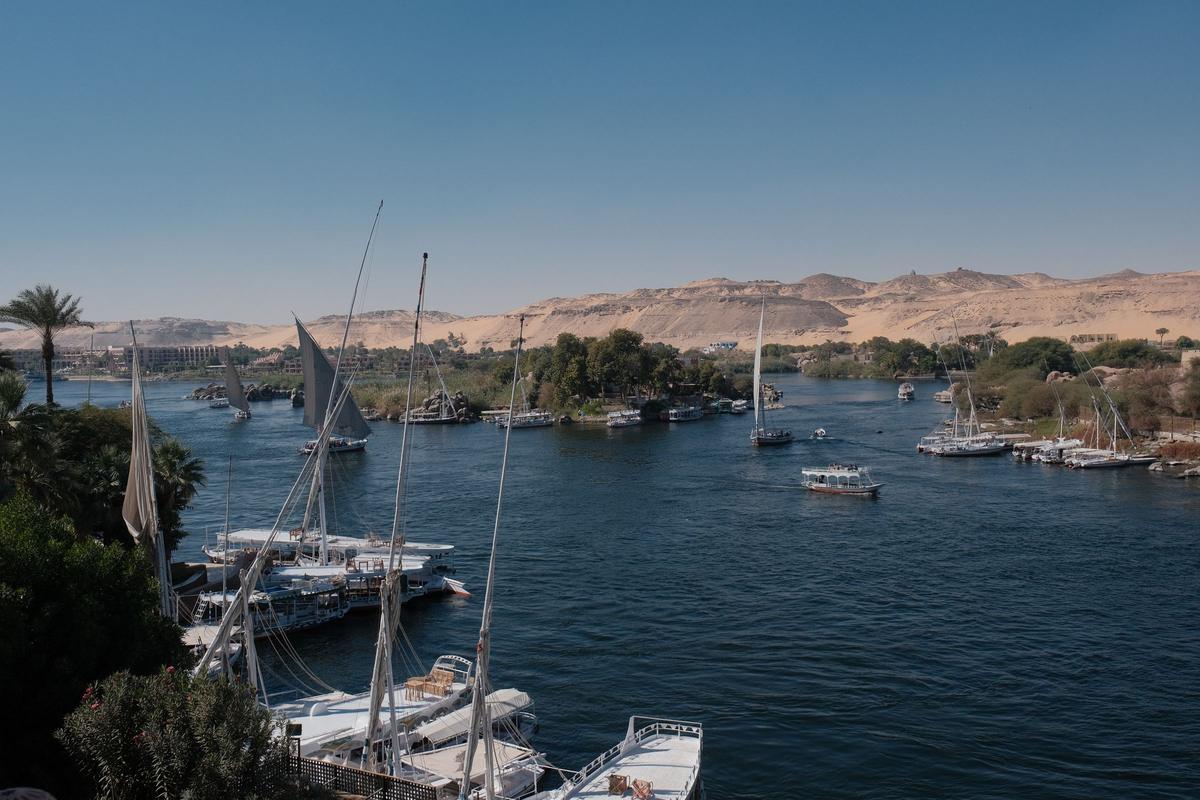
Aswan just misses out, with a very deep partial eclipse (magnitude 0.996) but no totality, according to timeanddate.com. Edfu, on the Nile between Aswan and Luxor, is inside with 5 minutes 33 seconds. On the Red Sea, Hurghada also gets a partial only, while Marsa Alam gets about 5 minutes 30 seconds, with maximum eclipse around 13:10. If you want a beach and totality in Egypt, Marsa Alam is the one.
Saudi Arabia: Jeddah, with big caveats
Jeddah gets about 5 minutes 50 seconds, starting around 13:22 local time. Mecca gets about 5 minutes 10 seconds, but Saudi law prohibits non-Muslims from entering the city. Anderson notes average cloudiness rises by over 40 percent between the Egyptian Red Sea coast and Jeddah. The bigger issue is security. After a missile struck Riyadh's King Khalid International Airport on 10 October 2026, the UK Foreign Office advises against all but essential travel to Saudi Arabia, and against all travel within 10 km of the Yemen border (update of 21 October 2026). The US State Department rates Saudi Arabia Level 3, Reconsider Travel. Advice may change by August, but do not put non-refundable money on a Saudi plan yet.
Libya and Yemen: not realistic for most travellers
Benghazi in Libya would get about 6 minutes 11 seconds. The UK Foreign Office advises against all travel to most of Libya and against all but essential travel to Benghazi, and against all travel to the whole of Yemen. The US State Department rates both countries Level 4, Do Not Travel. Travelling against your government's advice can also invalidate your travel insurance.
How the regions compare: minutes and sky
For length, Egypt wins, then Jeddah at just under 6 minutes and Sfax at about 5 minutes 40 seconds, then the Strait of Gibraltar, where Tangier, Ceuta, Tarifa and Gibraltar all get roughly four and a half to five minutes, then Cádiz city and the Costa del Sol. For weather, Egypt and southern Tunisia are the safest bets. Spain is good but less certain on the Atlantic: in Anderson's survey, Cádiz city had the Sun visible on 88 percent of days, against about 74 percent at Tarifa, Barbate and Atlanterra. His maps show average cloud dropping below 15 percent inland, so a town inside the path but away from the sea, such as Medina Sidonia, is a sensible hedge.
Heat and crowds
Luxor in August is seriously hot. Anderson's 17 years of data for 2 August show an average high of 42.0°C and a peak of 46°C, and totality arrives in the hottest part of the day. He also notes many cameras start warning at around 45°C. Southern Spain is milder, but the path covers popular beaches at the height of summer. Tunisia and Morocco have had far less coverage than Luxor or Cádiz, so price them first.
Visas, quickly
Rules depend on your passport, so check your own government's advice. For British travellers, the UK Foreign Office says Morocco and Tunisia are visa-free for up to 90 days. Egypt needs a visa: an e-visa online in advance, or 30 US dollars in cash at airport kiosks for a visa on arrival valid for up to 30 days, and your passport needs at least six months left. Spain is in the Schengen Area, and since July 2026 Gibraltar effectively is too, with checks at its port and airport.
Prices: high, but sold out is not always sold out
In August 2026, CNN reported Booking.com figures showing more than 90 percent of Luxor listings for the eclipse were already unavailable, with some of the remaining rooms listed at more than 2,000 pounds a night. In Cádiz province, the newspaper La Voz del Sur found Booking.com searches for two people in Tarifa or Vejer reaching up to 39,500 euros a night. Yet the president of the Horeca Cádiz hospitality association said many small hotels and hostales had not set 2027 prices and were simply blocking the dates. Set price alerts, email small places directly and check again over the winter.
Book flexible now and read the minimum stay
The best move today is a refundable room inside the path that you can cancel if something better or cheaper appears. Some Luxor properties sell eclipse week only as fixed multi-night stays paid in full, and informal room offers can be cancelled or repriced as demand rises, so get every term in writing. Buy travel insurance when you pay the first deposit, and check what it says about cancelling if government travel advice changes.
Nile cruises: ask where the boat will be at 13:00
A cruise between Luxor and Aswan bundles bed, meals and transport into one booking. Before you pay, ask exactly where the boat will be moored on the afternoon of 2 August. Luxor or Edfu puts you inside the path, Aswan does not. An open sun deck works well with the Sun nearly overhead, but you will want shade until the last minutes.
Getting around on the day
Be in position the night before or very early, and do not plan to drive into the path that morning. For Spain's 12 August 2026 eclipse, its first total eclipse in more than a century, the authorities set up 350 official viewing sites, restricted access to 123 others because of wildfire risk and deployed more than 33,500 police officers. Expect closures and controls again in 2027. In Egypt, totality comes at lunchtime, so carry more water than you think, a hat and something to sit on in the shade.
Eclipse glasses: ISO 12312-2, from a vetted supplier
ISO 12312-2 is the international standard for filters for looking directly at the Sun, in force since 2015. You cannot tell by looking whether glasses meet it, and printed claims on a package prove nothing, which is why the American Astronomical Society keeps a list of vetted manufacturers. Buy direct from a manufacturer on that list, or from a dealer that manufacturer names as authorised, not from whatever pops up in marketplace ads, and buy early: before Spain's 2026 eclipse, glasses sold out quickly and many pharmacies ran out. Sunglasses are never safe.
The one rule: glasses on, except during totality
NASA's advice is simple. Wear your glasses for every second of the partial phases. Only when the Moon completely covers the Sun's bright face can you take them off and look with your eyes, and they go straight back on as soon as bright sunlight reappears. Never use eclipse glasses behind binoculars, a camera or a telescope: optics need their own solar filter fitted on the front.
Phone photos without the risk
For the partial phases, fit a proper solar filter over your phone lens, and the AAS list includes clip-on filters made for phones. Take it off for totality, because the corona is about a million times fainter than the Sun's surface. NASA's tips: press and hold on the screen to lock focus, slide to adjust the exposure, and practise on the full Moon first. A small tripod and a short self-timer keep the phone steady. Then take a few shots and put the phone down. Six minutes goes fast.
Your countdown to 2 August 2027
Now to December 2026: choose a region, book a refundable room inside the path and set fare alerts on our flight finder. January to March 2027: buy glasses and a phone filter from an AAS-listed manufacturer or one of its named dealers, and travel insurance if you have not already. April to May: lock in the last legs, such as ferries, trains or a driver for eclipse day. June to July: apply for an Egypt e-visa if you need one and recheck government travel advice. 1 August: be in position with water, glasses and a charged phone.
Plan it with Joy Plus
Pick your region, then let Joy Plus build the days around eclipse day: temples in Luxor, beaches near Tarifa or the medina in Tangier, with timed stops, transit between them, a budget and an offline PDF for when the signal drops. Start planning your trip
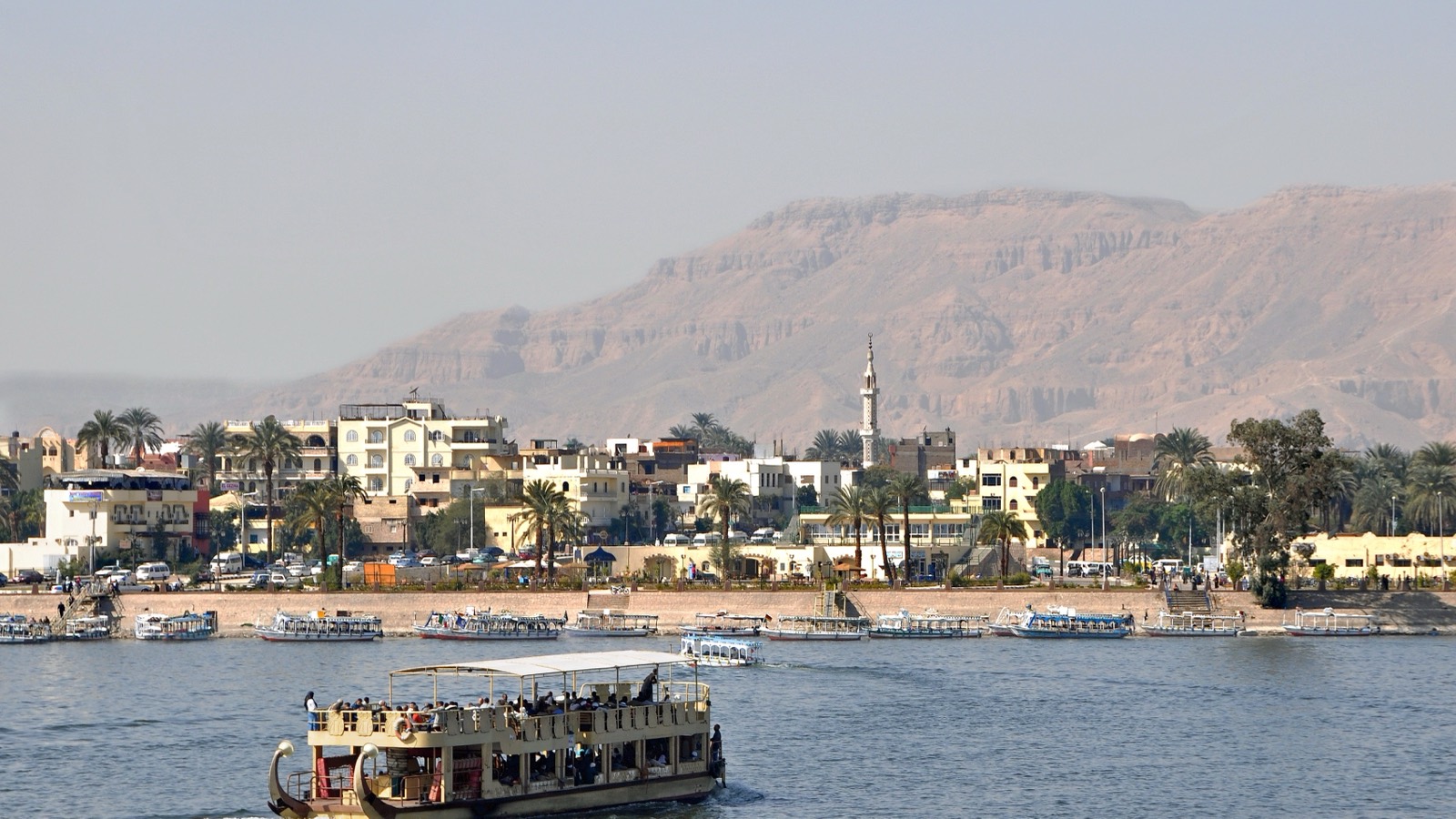
Banner photo (cropped): The West Bank of the Nile at Luxor, Egypt, by Marc Ryckaert, via Wikimedia Commons, licensed under CC BY 3.0.

Frequently asked questions
When and where is the total solar eclipse in August 2027?
The total solar eclipse is on Monday 2 August 2027. The path of totality, a band about 258 km wide, crosses southern Spain, Gibraltar, northern Morocco, Algeria, Tunisia, Libya, Egypt, Saudi Arabia, Yemen and Somalia. Totality peaks at 6 minutes 23 seconds in southern Egypt near Luxor. Places outside the band, including Seville, Tunis, Cairo and Aswan, see only a partial eclipse.
Where is the best place to see the 2027 solar eclipse?
Luxor in Egypt has the longest totality of any easy-to-reach city, 6 minutes 22 seconds from 13:02 local time, and one of the lowest cloud risks on the track, according to eclipse meteorologist Jay Anderson. The trade-offs are heat, with average highs around 42°C, and high prices. Sfax in Tunisia (5 minutes 41 seconds) and Tarifa in Spain (4 minutes 38 seconds) are strong alternatives.
Can you see the 2027 total solar eclipse in Spain?
Yes. Spain's Instituto Geográfico Nacional says totality covers almost all of Cádiz province, part of Málaga province and the southern edges of Granada and Almería, at around 10:45 local time. Tarifa gets 4 minutes 38 seconds, Cádiz city 2 minutes 54 seconds and Málaga city 1 minute 48 seconds. Ceuta has the longest Spanish totality at 4 minutes 48 seconds. Seville is outside the path.
What time is the 2027 eclipse in Luxor?
In Luxor the partial eclipse begins at around 11:40 local time on 2 August 2027. Totality runs from about 13:02 to 13:08, a total of 6 minutes 22 seconds, according to timeanddate.com, with the Sun almost overhead. Under Egypt's current summer time law, clocks are three hours ahead of UTC in August, but check the local time before you go. The partial phase ends mid-afternoon, so plan for shade and water.
Is the 2027 eclipse the longest solar eclipse of the century?
Not quite. NASA's catalogue shows the total eclipse of 22 July 2009 lasted up to 6 minutes 39 seconds, longer than the 6 minutes 23 seconds of 2027. But no total eclipse will last longer again until 3 June 2114, so for most people alive today, 2 August 2027 is the longest totality they will have the chance to see, much of it over easy-to-reach land.
Can tourists watch the 2027 eclipse from Mecca?
Not if they are not Muslim. Saudi law prohibits non-Muslims from entering Mecca, which gets about 5 minutes 10 seconds of totality. Jeddah, open to all visitors, gets about 5 minutes 50 seconds. As of its 21 October 2026 update, though, the UK Foreign Office advises against all but essential travel to Saudi Arabia after a missile strike on Riyadh's main airport, so check current advice before booking.
What eclipse glasses are safe for the 2027 eclipse?
Use glasses or handheld viewers that meet the ISO 12312-2 international standard, bought from a manufacturer on the American Astronomical Society's list of vetted suppliers or from a dealer that manufacturer names as authorised. You cannot check safety by looking at them, and printed claims can be fake. Wear them for all partial phases and take them off only during totality. Ordinary sunglasses, however dark, are never safe.
When is the next total solar eclipse after August 2027?
The next total solar eclipse is on 22 July 2028, crossing Australia and New Zealand with up to 5 minutes 10 seconds of totality, according to NASA. Before that, Spain and Portugal get an annular eclipse, a ring of fire rather than totality, on 26 January 2028. Spain also saw a total eclipse on 12 August 2026, its first in more than a century.