Destinations / Europe
Bari, Italy travel guide
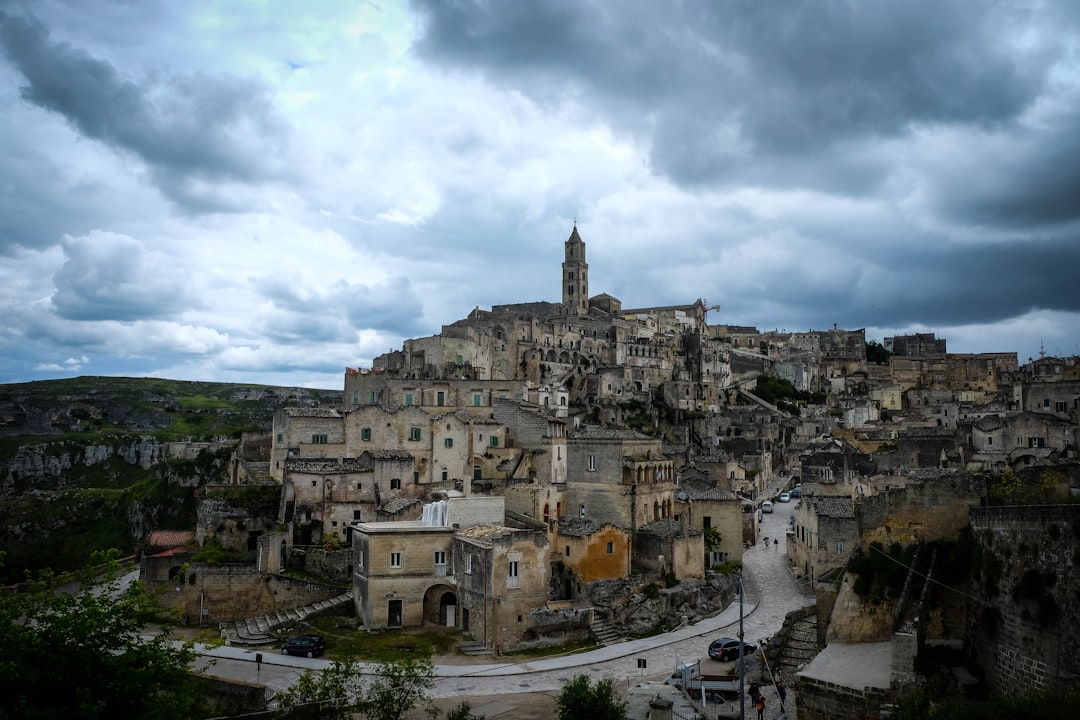
Puglia's port capital: limestone old town alleys, orecchiette rolled on doorsteps and ferries to the Balkans.
- Best time to visit: May-June and September-October
- Daily budget (budget traveller): $90 to $170 USD
- Ideal trip length: 2 to 3 days
Bari is the gateway to Puglia and far more than an airport transfer. Bari Vecchia is a maze of limestone alleys where grandmothers still roll orecchiette on folding tables, the Basilica di San Nicola holds the bones of the saint who became Santa Claus, and the seafront Lungomare is one of southern Italy's great evening walks. It is also the launchpad for Polignano a Mare, Alberobello's trulli and the Adriatic ferries.
Bari is the Puglia city most people treat as a luggage drop between a Ryanair landing and a trullo, and that is their loss. Bari Vecchia is a working medieval maze, not a museum. Women roll orecchiette on folding tables along Strada Arco Basso, washing hangs over limestone alleys, and the Basilica di San Nicola fills with Orthodox pilgrims who come for the bones of the original Santa Claus. A morning here costs less than a Rome coffee and cocktail combined: a slice of focaccia barese is around €2, a panzerotto fried to order around €2 to €3.
The city comes in layers that you can walk in an afternoon. Bari Vecchia is the dense old core on its little peninsula. South of it the Murat quarter, a tidy 19th-century grid, brings Via Sparano's shops, the Teatro Petruzzelli and the aperitivo crowd. Beyond that the Lungomare runs for kilometres along the Adriatic, where the whole city turns out at sunset. Everything central is flat, and a bar espresso is about €1.20 to €1.50. Eat raw octopus and sea urchin from the stalls on the Molo San Nicola, then go for pasta in a trattoria with a handwritten menu.
Bari is also the best-connected base in Puglia, and you will not need a car. Regional trains reach Polignano a Mare in about 30 minutes, Monopoli in 45 and Trani in under an hour. Ferrovie del Sud Est runs to Alberobello and Ferrovie Appulo Lucane to Matera, two separate railways, and ferries leave from the port for Albania, Greece and Croatia. Plan three days in the city and its beaches, then add trips by train timetable rather than by guesswork. Two nights is enough for the old town and the food. A week lets you sleep in Bari and see most of the region without ever packing a bag.
How many days in Bari?
For Bari, we recommend 2 to 3 days.
| Trip length | What you'll see | Itinerary |
|---|---|---|
| 2 days · Recommended | Bari Vecchia on foot; Murat, the port and the Lungomare | Bari in 2 days |
| 3 days · Recommended | Adds: Polignano a Mare | Bari in 3 days |
| 4 days | Adds: Alberobello's trulli | Bari in 4 days |
| 5 days | Adds: Matera | Bari in 5 days |
| 7 days | Adds: Trani and a slow coast; Last coffee, the castle | Bari in 7 days |
Bari itinerary
Arrive, then Bari Vecchia on foot
Morning: Take the Ferrotramviaria train from BRI to Bari Centrale (about 18 min, €5), drop bags, then walk Corso Vittorio Emanuele II into the old town. Focaccia at Panificio Fiore on Strada Palazzo di Città.
Afternoon: Strada Arco Basso for the orecchiette ladies, then the Basilica di San Nicola and the crypt. Visit the cathedral of San Sabino and its Succorpo.
Evening: Dinner at Alle Due Corti in the old town, or Terranima on Via Putignani. Drinks on Piazza Mercantile, then wander the alleys back before midnight.
Murat, the port and the Lungomare
Morning: Coffee on Via Sparano and a look at the Teatro Petruzzelli. Walk to the Molo San Nicola for raw fish and sea urchins straight from the stalls.
Afternoon: Walk the Lungomare south to Madonnella, then take a city bus to Pane e Pomodoro beach for a swim.
Evening: Aperitivo around Murat and dinner in Madonnella at a local trattoria. Finish with the sunset walk back along the seafront.
Polignano a Mare
Morning: Early Trenitalia regional train from Bari Centrale to Polignano (about 30 min, €3-4). Walk to the Lama Monachile cove before the day-trippers.
Afternoon: Lunch at Pescaria (fish sandwiches), then a granita at Il Super Mago del Gelato. Wander the clifftop old town and look down at the sea caves.
Evening: Train back to Bari. Easy dinner of panzerotti and a beer in Murat.
Alberobello's trulli
Morning: Ferrovie del Sud Est train from Bari Centrale to Alberobello (about 1h30, around €5-6). Start in Rione Aia Piccola for the quieter trulli lanes.
Afternoon: Lunch at Trattoria Terra Madre, then Rione Monti for the postcard view. Go in a trullo shop only if you want to bargain.
Evening: Return to Bari and eat light. Aperitivo and an early night after the heat.
Matera
Morning: FAL train from Bari Centrale to Matera (about 1h30 to 2h, around €5-6). Walk down into the Sasso Barisano before the heat.
Afternoon: Visit a cave house and the rock churches. Lunch on local bread and cheese, then the Belvedere Murgia Timone across the gorge.
Evening: Back to Bari by early evening. Late dinner and a gelato on the Lungomare.
Trani and a slow coast
Morning: Regional train to Trani (under an hour, about €4-5). Walk to the Cattedrale di San Nicola Pellegrino, which sits right on the water.
Afternoon: Lunch of fresh seafood at the harbour, then a swim or a stroll back along the waterfront.
Evening: Return to Bari and make it your big dinner. Orecchiette or a seafood antipasti plate at a place you passed earlier.
Last coffee, the castle, depart
Morning: Castello Svevo, then a last focaccia and a bag of dried orecchiette from Arco Basso to carry home.
Afternoon: Lunch in Bari Vecchia and a final seafront stroll. Collect bags from your hotel.
Evening: Airport train or Pugliairbus to BRI. Allow time for security, the airport is small and queues build.
Best neighbourhoods
- Bari Vecchia: The walled old town of tangled alleys, San Nicola, the cathedral and pasta-making doorsteps.
- Murat: The 19th-century grid of shopping streets, aperitivo bars and Via Sparano's boutiques.
- Lungomare: The long seafront promenade for sunset walks between the old port and the Margherita theatre.
- Madonnella: A residential coastal neighbourhood with local trattorias and fewer tourists.
- San Girolamo & Pane e Pomodoro: City beaches north and south of the centre for a quick swim between meals.
Must-do experiences
- Bari Vecchia and San Nicola: Wander the old town at dusk and visit the Norman basilica that draws Orthodox pilgrims.
- Watch orecchiette being made: Walk Strada Arco Basso where pasta is rolled and sold from doorways each morning.
- Lungomare sunset walk: Follow the seafront from the fish market to Teatro Margherita as the light drops.
- Day trip to Polignano a Mare: Take the 30-minute train to the cliff town and its cove beach.
Hidden gems
- The raw fish stalls at the old port, where locals eat sea urchins and octopus standing up.
- Succorpo, the crypt beneath Bari cathedral with Roman and early-Christian layers.
- Pinacoteca Metropolitana, a nearly empty gallery of Puglian art with sea views.
- Torre Quetta, a scruffy but beloved local beach bar strip south of the centre.
Daily budget
- Accommodation: budget €25-40 / night (hostel dorm or basic room), mid-range €90-150 (boutique or 3-4 star double), splurge €220+ (Mövenpick Hotel Bari, Villa Romanazzi Carducci). Murat and Madonnella give the best value. Old town B&Bs are atmospheric but loud on summer weekends.
- Food: budget €20-30 / day (focaccia, panzerotti, pasta lunch), mid-range €45-70 (trattoria dinner with wine), splurge €100+ (seafood tasting menu on the castle square). Expect a coperto of €1-3 a head. Lunch is the cheap meal, with orecchiette in a trattoria at around €9-12.
- Transport: budget €3-6 / day (walking plus a city bus at about €1.50), mid-range €15-25 (a regional day trip by train), splurge €80+ (private driver through the Valle d'Itria). Bari to Polignano is about €3-4 each way. Alberobello by Ferrovie del Sud Est and Matera by Ferrovie Appulo Lucane are each around €5-6 each way. Skip the rental car.
- Activities: budget €0-10 / day (churches, Lungomare, port, beaches), mid-range €20-45 (Castello Svevo, a pasta class, entry to a Puglia trullo or cave house), splurge €100+ (private sailing or a guided Matera day). San Nicola and the old town cost nothing. Check opening times for the cathedral crypt, they shift.
- Drinks & nightlife: budget €8-12 (beer from a bottle shop plus a bar espresso), mid-range €25-40 (aperitivo, then wine and cocktails), splurge €70+ (rooftop bar and a late club in summer). A spritz is about €6-8, a glass of Primitivo or Negroamaro about €5-7. Piazza Mercantile and Piazza del Ferrarese are the evening gathering points.
Where to stay
- Social hostel in Murat / near Bari Centrale (€25-40 / night): A short walk from the station and trains, with the old town ten minutes away. The scene is small, so check recent reviews and book early in summer.
- Boutique hotel in Murat or Bari Vecchia edge (€100-180 / night): Small palazzo hotels and 4-star places on Corso Cavour and Via Sparano put you near the Petruzzelli, the shops and the old town without the noise.
- Apartment in Madonnella or Bari Vecchia (€70-120 / night): A local flat near the seafront, with a kitchen for market food. Best value for stays of four nights or more.
- Splurge in Murat / Lungomare (€220-400 / night): Mövenpick Hotel Bari or Villa Romanazzi Carducci, grand, with real service and a short taxi or walk to the old town.
What to eat
- Orecchiette con cime di rapa
- Focaccia barese with tomatoes and olives
- Panzerotti fried to order
- Raw seafood and sea urchin at the port
Day trips
- Polignano a Mare (30 min by train): A whitewashed clifftop town above a pebble cove, with sea caves and the famous Grotta Palazzese restaurant. Go early to beat the crowds, then eat a fish sandwich at Pescaria. Regional Trenitalia train from Bari Centrale, about €3-4 each way, every hour or so. Buy tickets at the machines and validate paper tickets.
- Alberobello (1h30 by train): A UNESCO village of conical limestone trulli. The Rione Monti is the postcard district, and Rione Aia Piccola is calmer and more local. Ferrovie del Sud Est train from Bari Centrale, about €5-6 each way. Works and weekend timetables often replace trains with buses, so check the timetable the night before.
- Matera (About 2 hours by train): The cave-dwelling Sassi, rock churches and ravine views. Best as a long day with an early start. FAL train from Bari Centrale to Matera Centrale, about €5-6 each way. Check return times before you commit, the last departures are early evening.
When to visit
- Spring (April - June): 17-28°C, mostly sunny, sea still cool. Crowds: Building, manageable. The best window. May 7 to 9 is the Festa di San Nicola, with a procession by sea and a packed old town. Book ahead if you come then.
- Summer (July - August): 30-37°C, humid, sticky nights. Crowds: Heavy, Italian holidaymakers and ferry traffic. Hot and busy. Mid-August (Ferragosto) empties the city, and some family trattorias in Bari Vecchia shut for a week or two.
- Autumn (September - October): 22-29°C in September, 17-24°C in October, warm sea. Crowds: Moderate, falling after early October. The locals' choice. You can still swim, the heat has broken and day trips are comfortable.
- Winter (November - March): 7-15°C, windy, rainy spells. Crowds: Low. Cheapest rooms and the real Bari, with the Christmas lights and the Saint Nicholas feast on December 6. Coastal day trips are quiet and some seaside places close.
Entry rules for your passport
Visa rules for Italy depend on the passport you travel on. Check the official source before you book: European Commission: Schengen visa policy
Getting there
Bari Karol Wojtyła airport (BRI) is about 9km from the centre. The Ferrotramviaria train reaches Bari Centrale in about 18 min for around €5 and runs roughly every 30 min through the day. The Pugliairbus shuttle is about €5 and a taxi to the centre is a fixed fare of about €25-30. Frecciarossa and Italo run from Rome in about four hours and from Milan in about six. Ferries leave from the port for Albania, Greece, Croatia and Montenegro, so allow time for check-in and the walk from the old town. Avoid unofficial taxi touts at the arrivals door.
Border checks: non-EU visitors (other than Swiss, Norwegian, Icelandic, Liechtenstein, Andorran, Monegasque, San Marinese and Vatican citizens, and holders of an EU residence permit or long-stay visa) are registered in the EU's Entry/Exit System (EES) instead of getting a passport stamp. On your first crossing, officers take your photo and/or fingerprints, so allow extra time at passport control. ETIAS, the planned travel authorisation, is not in operation yet, so don't pay any website for one.
Getting around
Bari Karol Wojtyla airport is 15 minutes from the centre on the Ferrotramviaria train or airport bus. The city centre is flat and walkable, with the old town and Murat quarter easily covered on foot; buses and a bike-share fill in the beaches. Regional trains reach Polignano, Monopoli and Trani in under an hour, while Ferrovie del Sud Est serves Alberobello and Ferrovie Appulo Lucane serves Matera, so no car is needed unless you want the Valle d'Itria back roads.
Safety
Bari is safer than its old reputation suggests, but petty theft is a real issue: keep bags closed in Bari Vecchia, avoid leaving anything visible in a parked car, and be alert around the port and station at night. Scooters move fast through pedestrian alleys. Swimming near the city beaches is fine, though water quality is better a few kilometres out. Summer heat regularly tops 35C.
Solo travel tips
- Eat standing at the port: The fish stalls on the Molo San Nicola are the fastest way to meet locals. Point at what you want, stand at the counter and eat it straight from the shell. Nobody minds a solo diner here.
- Take an orecchiette class: A short pasta-making session with a local woman is the easiest group activity in Bari. Expect about €30-60 for a couple of hours, and you will be rolling alongside other solo travellers.
- Hostels are few, so book early: Bari's hostel scene is small. Look near Bari Centrale and Murat and read recent reviews. A good B&B host is often more social than any dorm.
- Use aperitivo as your social hour: From about 6:30pm, bars in Murat and on Piazza Mercantile fill up. A spritz at the counter and a plate of nibbles is the easiest way to start a conversation.
- Solo female travellers: Bari is generally fine for women alone. Stick to busier streets in Bari Vecchia after midnight, be alert near the station late at night, and use a taxi from the rank or an app instead of walking home alone.
- Use trains to find company: The Ferrovie del Sud Est, FAL and regional trains to Polignano, Alberobello and Matera are full of travellers. Sit together on the way, share a table at lunch, and you have a day trip buddy.
Cultural etiquette
- Cover shoulders and knees in San Nicola and the cathedral. The crypt is an active place of prayer for Orthodox pilgrims, so keep your voice low.
- Cappuccino is a morning drink. After lunch order an espresso at the bar, and expect to drink it standing for a lower price.
- Ask before photographing the women rolling orecchiette on Arco Basso. Buying a bag is the polite way to say thanks, expect about €8-12 a kilo.
- Coperto (a cover charge of €1-3 a head) is normal and not a scam. Tipping is a small extra, a few euro at a sit-down dinner is plenty.
- Lunch runs about 1pm to 3pm and dinner starts after 8pm. Many shops close for a long mid-afternoon break.
- Raw seafood at the port is eaten as it comes, with a squeeze of lemon. Do not ask for it to be cooked, and eat it where you buy it.
- Mid-August (Ferragosto) is family time. Book ahead and expect many local places to be closed.
Frequently asked questions
How many days do you need in Bari?
Two to three days. One day covers Bari Vecchia, San Nicola, the cathedral and the Lungomare, a second is for the Murat quarter, the port fish stalls and a beach afternoon, and a third for a day trip to Polignano a Mare, Alberobello or Matera by train.
Is Bari worth visiting?
Yes, if you treat it as a living southern Italian city rather than a polished tourist set. The old town, food culture and seafront are genuinely good, prices are low by Italian standards, and its rail and ferry links make it the most practical base in Puglia.
Is Bari safe for tourists?
Generally yes. Violent crime rarely touches visitors, but pickpocketing and car break-ins are common enough to plan around. Keep valuables out of sight in the old town and near the station, do not leave luggage in a car, and stick to busier streets late at night. Solo travellers report few problems.
What is Bari famous for?
The Basilica di San Nicola, holding relics of Saint Nicholas and drawing Orthodox pilgrims from across Europe; orecchiette pasta rolled by hand on old town streets; focaccia barese and panzerotti; raw seafood eaten at the port; and its ferries to Albania, Greece, Croatia and Montenegro.
When is the best time to visit Bari?
May to June and September to October bring warm sea, manageable heat and lower prices. July and August are hot, humid and busy with Italian holidaymakers, though the city empties in mid-August. December to March is quiet and mild with fewer restaurant options in coastal towns.
Can you day trip from Bari to Alberobello and Matera?
Yes. Ferrovie del Sud Est trains from Bari Centrale reach Alberobello in about 90 minutes to two hours, and Ferrovie Appulo Lucane trains reach Matera in roughly two hours, though engineering works and weekend timetables often replace trains with buses. Polignano a Mare, Monopoli and Trani are all under an hour on regional Trenitalia trains.
Is Bari expensive?
No, it is one of the cheaper Italian cities to visit. Budget around $90 to $170 a day. Street food like focaccia and panzerotti costs a couple of euros, trattoria pasta stays modest, regional trains are cheap, and hotels are far below Rome or Florence levels outside August.
More about Bari
Tours and activities in Bari | Bari in 2 days | Bari in 3 days | Bari in 4 days | Bari in 5 days | Bari in 7 days
Can't decide? Compare Bari with...
Joy Plus home | Destinations | Itineraries | Activities | Flights | Budget planner | Calendar | Map | Blog | Lifetime access