Destinations / South America
Bogotá, Colombia travel guide
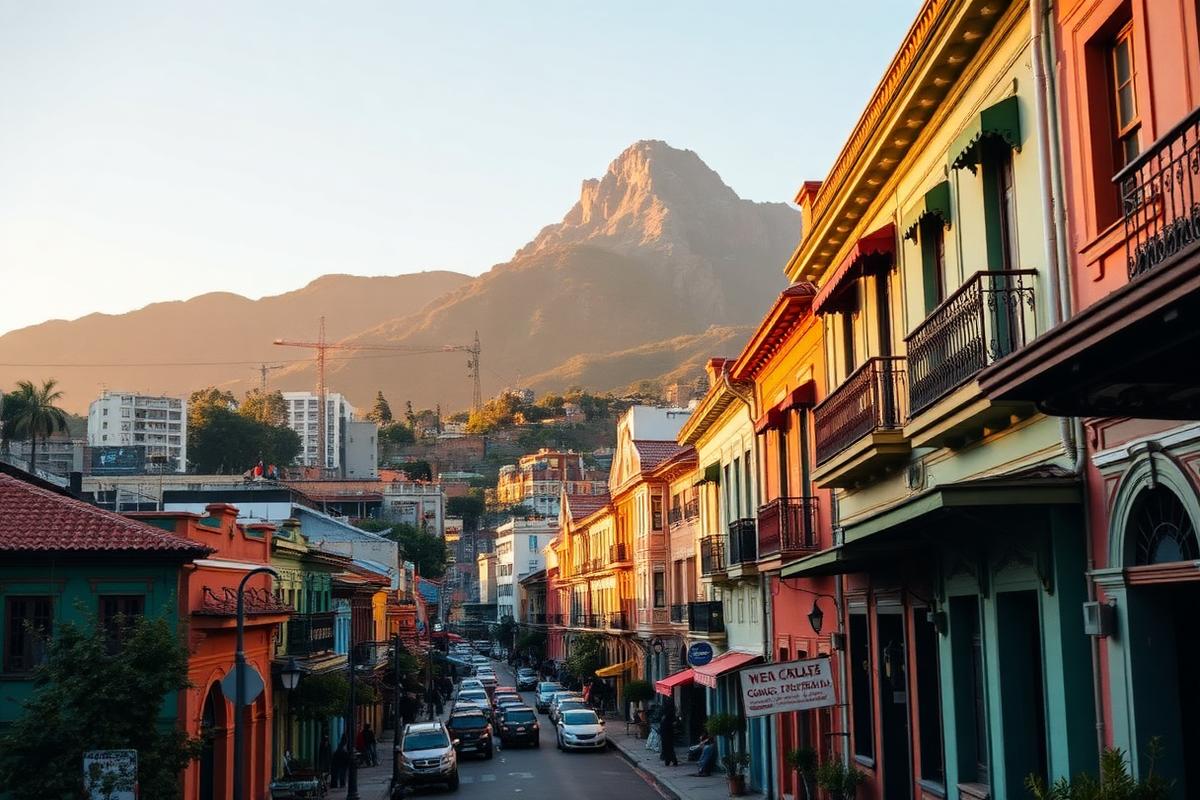
A high-altitude capital of cobbled colonial streets, world-class museums, street art and a serious coffee and food scene.
- Best time to visit: December-March and July-August (drier months)
- Daily budget (budget traveller): $55 to $85 USD
- Ideal trip length: 3 to 4 days
Bogotá sits 2,640m up in the Andes, a sprawling, energetic capital where colonial La Candelaria, gold-filled museums and bold street art meet a thriving café and restaurant scene. It's grittier and cooler than Colombia's coast, but rewards curious travellers with culture, history and superb value. Joy Plus paces the altitude, clusters the museums and markets, and times the cable car up Monserrate for clear morning views.
Bogotá sits at 2,640m on a high Andean plateau, with a wall of mountains, the Cerros Orientales, running along its eastern edge. Treat that wall as your compass: east is up, and the grid is easy once you know that Carreras run north to south and Calles run east to west. Mornings start at 8°C, the sun is fierce by noon, and the clouds roll in around 3pm. Pack for all three. This is a city of eight million people, not a postcard. It is loud, hilly and grey in places, and it's much more rewarding than its old reputation suggests. Give it two days to stop feeling overwhelming and four to start feeling like yours.
The cultural payoff is real. The Museo del Oro holds around 55,000 pieces of pre-Columbian metalwork, including the tiny Muisca raft that started the El Dorado legend. The Botero Museum, about 1km away in La Candelaria, is free and has Picassos and Monets alongside the artist's famous round figures. Since 2011 street art has been legal here, which is why La Candelaria's walls look like an open-air gallery. The food has caught up too. You can eat a 1816 tamal with hot chocolate and cheese in the morning, then a tasting menu by Leonor Espinosa that night. Chapinero's roasters are serving some of the best coffee in a country that grows it. Colombia's best cup is usually a short Uber from your hostel, not at the farm.
Logistics decide whether you love it. Take day one slowly, since the altitude is real. Cluster your days by neighbourhood, because crossing the city by TransMilenio at rush hour can eat 90 minutes. The metro is still under construction, with the first line due around 2028. Use ride apps instead of street taxis, and learn the local rule 'no dar papaya': don't hand out opportunities. Do all that and Bogotá is cheap, safe enough and full of surprises. Plan on COP 180,000 to 270,000 a day on a tight budget, or about COP 560,000 to 880,000 if you want a boutique bed and a proper dinner. Sunday is the day to be here, because the Ciclovía shuts roughly 120km of roads to cars from 7am to 2pm.
How many days in Bogotá?
For Bogotá, we recommend 3 to 4 days. With more time, add a day trip to Laguna de Guatavita or Villa de Leyva.
| Trip length | What you'll see | Itinerary |
|---|---|---|
| 2 days | La Candelaria; Gold, Botero and street art | Bogotá in 2 days |
| 3 days · Recommended | Adds: Monserrate, Quinta de Bolívar and Museo Nacional | Bogotá in 3 days |
| 4 days · Recommended | Adds: Sunday Ciclovía to Usaquén | Bogotá in 4 days |
| 5 days | Adds: Markets, coffee and Zona T | Bogotá in 5 days |
| 7 days | Adds: Zipaquirá Salt Cathedral; Ajiaco | Bogotá in 7 days |
Bogotá itinerary
Land softly, La Candelaria
Morning: Land at BOG and take an official taxi from the airport desk or an Uber to La Candelaria, COP 40,000-55,000 and 40-70 min in traffic. Drop bags, drink water, nap if you need to. Altitude hits hard on arrival.
Afternoon: Set lunch at Prudencia, a Candelaria favourite (Wednesday to Sunday, 12pm to 4pm), or tamal and chocolate santafereño with cheese at La Puerta Falsa (Calle 11 #6-50, open since 1816). Walk Plaza de Bolívar, the Catedral Primada and down to Chorro de Quevedo.
Evening: Early dinner in La Candelaria. Take an Uber back rather than walking after 8pm, since the area empties out and gets edgy.
Gold, Botero and street art
Morning: Museo del Oro at 9am sharp (closed Mondays, Sundays are free but packed). Allow two hours for the Muisca raft and the gold room. Then the free Botero Museum and Casa de Moneda.
Afternoon: Corrientazo lunch on Calle 11 for around COP 18,000. Then the Bogotá Graffiti Tour at 2pm from Parque de los Periodistas (tip-based, 2.5 hours, suggested donation USD 17, about COP 65,000-70,000).
Evening: Canelazo (hot cinnamon aguapanela with aguardiente) at Chorro de Quevedo. Then Uber to Chapinero for a late dinner and bed.
Monserrate, Quinta de Bolívar and Museo Nacional
Morning: Take the cable car or funicular up Monserrate before 11am, when views are clearest and queues are short. Return COP 35,000 (COP 21,000 on Sundays). Check the sanctuary and the paths at the top.
Afternoon: Quinta de Bolívar, Simón Bolívar's former country home, a quiet garden five minutes from the Monserrate base. Then the Museo Nacional on Carrera 7 for Colombia's history in one building.
Evening: Dinner at El Chato in Chapinero (Calle 65 #4-76). Walk back via Carrera 7 only if it's still busy, otherwise Uber.
Sunday Ciclovía to Usaquén
Morning: Rent a bike for the Ciclovía (7am to 2pm, roughly COP 30,000 for half a day). Ride Carrera 7 north from La Candelaria, about 10km to Usaquén. Stop for fruit and an arepa de choclo on the way.
Afternoon: Usaquén Sunday flea market (9am to 5pm) for crafts and street food. Brunch at Hatoviejo, then wander the cobbled plaza and the church.
Evening: Dinner in Usaquén, Uber back (COP 25,000-40,000). If your trip falls on a long weekend, Ciclovía also runs on festivo Mondays.
Markets, coffee and Zona T
Morning: Plaza de Paloquemao at 7am for breakfast stalls and fruit: lulo, curuba, granadilla, pitahaya. Go before 11am when it's at its liveliest.
Afternoon: Coffee cupping at a Chapinero roaster such as Azahar or Amor Perfecto. Late lunch in Zona G at Harry Sasson (mains COP 70,000-110,000).
Evening: Andrés DC in Zona T for a loud Colombian dinner, then Armando Records for rooftop drinks and house music. Uber home.
Zipaquirá Salt Cathedral
Morning: TransMilenio to Portal Norte, then a bus to Zipaquirá (COP 8,000-10,000, about 1h15). Salt Cathedral entry is from COP 118,000 for foreign visitors and opens at 9am.
Afternoon: Lunch on Plaza de los Comuneros, then wander the colonial centre. Bus back to Bogotá by 4pm to beat the Autopista Norte traffic.
Evening: Dinner in Chapinero, then a tejo hall, where you throw metal discs at gunpowder packets. Cheap, loud, hugely social.
Slow morning, ajiaco and depart
Morning: Specialty coffee and a pastry in Chapinero. Buy beans to take home: whole beans, vacuum-packed, usually COP 35,000-60,000 per 340g bag.
Afternoon: Last lunch of ajiaco at Casa Vieja or La Puerta Falsa. Collect bags and leave La Candelaria three and a half hours before an international flight.
Evening: Uber or airport taxi to BOG (COP 40,000-55,000). Allow extra time in rush hour, 4pm to 7pm.
Best neighbourhoods
- La Candelaria: The historic heart: cobbled lanes, museums, street art and student energy.
- Chapinero: Hip, leafy and LGBTQ+-friendly, full of cafés, bars and brunch spots.
- Zona G: The 'gourmet zone' for the city's best restaurants.
- Usaquén: A village-like northern quarter with a famous Sunday flea market.
- Zona Rosa (Zona T): Upscale shopping, bars and nightlife.
Must-do experiences
- Gold Museum (Museo del Oro): One of the world's finest pre-Columbian gold collections.
- Monserrate by cable car: Ride up the mountain for sweeping views over the city.
- La Candelaria street-art walk: Murals, history and the Botero Museum's free collection.
- Sunday Ciclovía: Join locals as major roads close to cars for cycling and skating.
Hidden gems
- The Usaquén Sunday market for crafts and brunch.
- Paloquemao market for tropical fruit you've never seen.
- A coffee tasting at a specialty roaster in Chapinero.
- The Quinta de Bolívar, Simón Bolívar's leafy former home.
Daily budget
- Accommodation: budget COP 45,000-80,000 / night (hostel dorm), mid-range COP 350,000-600,000 (boutique double), splurge COP 1,200,000+ (Four Seasons Casa Medina, Hotel de la Ópera). Show your passport and entry stamp at check-in to be exempt from the 19% IVA on lodging. Chapinero and Quinta Camacho are the best-value mid-range.
- Food: budget COP 45,000-70,000 / day (corrientazos + street food), mid-range COP 110,000-180,000 (one nice dinner + café stops), splurge COP 450,000+ (Leo tasting menu). Almuerzo corriente (soup, main, juice) is COP 15,000-25,000 at lunch. A tamal and chocolate santafereño at La Puerta Falsa is around COP 25,000.
- Transport: budget COP 10,000-15,000 / day (TransMilenio + walking), mid-range COP 30,000-60,000 (Uber / inDrive mix), splurge COP 250,000+ (private driver to Zipaquirá). TransMilenio is about COP 3,500 a ride with a rechargeable TuLlave card. Uber and inDrive are cheap and safer than hailing taxis at night.
- Activities: budget COP 20,000-45,000 / day (Gold Museum, free Botero, Monserrate), mid-range COP 120,000-200,000 (Zipaquirá, graffiti tour tip, coffee cupping), splurge COP 350,000+ (private guide, coffee farm day trip). The Gold Museum is cheap Tuesday to Saturday and free on Sundays, but packed. Botero Museum, Casa de Moneda and Ciclovía are free.
- Drinks & nightlife: budget COP 25,000-40,000 (beers at Chorro de Quevedo, canelazo), mid-range COP 80,000-150,000 (Zona T bars, craft beer, cocktails), splurge COP 250,000+ (Armando Records bottle, club table). Club Colombia beer is COP 8,000-12,000, cocktails COP 35,000-50,000. Bars close around 3am. Drink lightly the first night, as altitude amplifies everything.
Where to stay
- Social hostel in La Candelaria (COP 45,000-80,000 / night): Masaya Bogotá. Rooftop terraces, mixed dorms and privates, walkable to the Gold Museum and the graffiti tour. Take an Uber home after dark.
- Boutique hotel in Parque de la 93 / Zona Rosa (COP 450,000-700,000 / night): Click Clack Hotel Bogotá, a design hotel with a rooftop bar and a short ride to Zona T's restaurants. A safe, polished base if you're here for food and nightlife.
- Apartment in Quinta Camacho / Chapinero Alto (COP 200,000-380,000 / night): Tudor-style brick houses, leafy streets and quick access to Zona G, roasters and Carrera 7. Best value for a stay of five nights or more.
- Splurge in Chapinero / Zona G edge (COP 1,400,000-2,500,000 / night): Four Seasons Casa Medina on Carrera 7, a restored 1940s hacienda-style hotel next to the best restaurants. Hotel de la Ópera in La Candelaria is the colonial alternative.
What to eat
- Ajiaco, the hearty Bogotá chicken-and-potato soup
- Fresh arepas with cheese from a street stall
- Specialty Colombian coffee from a local roaster
- Exotic fruit juices like lulo and feijoa
Day trips
- Zipaquirá Salt Cathedral (About 1h15 by bus): An underground cathedral carved inside a working salt mine, with the Via Crucis chapels and a massive nave. Open daily 9am to 4:40pm. Pair it with lunch on Plaza de los Comuneros. TransMilenio to Portal Norte, then an intermunicipal bus to Zipaquirá for COP 8,000-10,000. Entry is from COP 118,000 for foreign visitors. The Turistren steam train runs on weekends and holidays and is slower and pricier.
- Laguna de Guatavita (About 2h by bus): The sacred lake behind the El Dorado legend, with a guided walk through the paramo. Daily visitor numbers are capped, so book ahead. Bus from Portal Norte to Guatavita or Sesquilé, then a local taxi to the reserve. Budget COP 25,000-40,000 for entry plus transport. Go early to avoid afternoon cloud.
- Villa de Leyva (3h30 by bus): A whitewashed colonial town with one of South America's largest cobbled plazas, plus fossils and the Pozos Azules. Long for a day trip, so stay a night if you can. Direct buses from Terminal Salitre, around COP 35,000-50,000 each way. Book weekend and festivo return tickets ahead.
When to visit
- Dry season (December - March): 8-20°C, mostly sunny days, cold clear nights, January is the driest month. Crowds: Busy around Christmas, New Year and Semana Santa (21 to 28 March in 2027). The best window for Monserrate views and Ciclovía Sundays. Book rooms early around Easter, when Good Friday brings pilgrims in the thousands.
- First rains (April - June): 9-19°C, regular afternoon downpours, April and May are the wettest. Crowds: Low after Easter, rising late June with domestic holidays. Mornings are usually clear, so do outdoor plans before 1pm and museums after. Hotels discount well and a compact umbrella is all you need.
- Mid-year dry (July - August): 8-19°C, sunny but windy, kites fill the parks in August. Crowds: Moderate to heavy, Colombian school holidays and long weekends (festivos). The locals' pick. Sharp light, blue skies and the August kite season. Book weekend trips to Villa de Leyva ahead, as long weekends fill fast.
- Second rains (September - November): 9-18°C, October and November are the wettest, grey and drizzly. Crowds: Low. Cheapest beds and shortest queues. September can still be lovely. Come prepared for cold rain and plan around museums and restaurants.
Entry rules for your passport
Visa rules for Colombia depend on the passport you travel on. Check the official source before you book: Migración Colombia
Getting there
El Dorado International Airport (BOG) is about 15km west of La Candelaria, 40 to 70 minutes depending on traffic. Most Western passports get 90 days visa-free, but Canadians must pay an entry fee (by card at immigration, or online beforehand to avoid delays) and can be refused entry without it. Migración Colombia may require the online Check-Mig form between 72 hours and 1 hour before your flight, so check the rule before you fly. At arrivals, use the official taxi desk, which prints a slip with the fare, usually COP 40,000-55,000 to Candelaria or Chapinero. Uber, DiDi and inDrive work from the airport car park for COP 30,000-45,000. Skip the bus with luggage, as TransMilenio and SITP routes are crowded and confusing after a long flight. For intercity travel, buses depart from Terminal Salitre. Bogotá's metro is not yet open (first line due around 2028), so ride apps and TransMilenio are your options.
Getting around
The TransMilenio bus rapid-transit network covers the city cheaply but gets crowded; pair it with the cycle network on Sundays. Use inDrive or Uber-style apps rather than hailing taxis on the street, especially at night. Allow extra time for traffic, and take the first day slowly to adjust to the altitude.
Safety
Bogotá still requires real street smarts, and the US rates Colombia 'Reconsider travel'. Stick to well-trodden areas, don't flash phones or jewellery (the local saying 'no dar papaya' means don't give opportunities), use ride apps at night, and only carry what you need. Never accept drinks from strangers or leave yours unattended, and be very careful meeting people from dating apps: criminals use sedatives such as scopolamine to rob visitors. La Candelaria is fine by day but quieter after dark.
Solo travel tips
- Take day one slowly: At 2,640m you'll feel it. Drink water, try mate de coca (legal, mild, and it helps), eat light and skip the second beer. Most people feel normal by day two.
- No dar papaya: The local rule: don't hand over opportunities. Keep your phone in your pocket on Carrera 7, in TransMilenio and near bus stops. Phone-snatching from motorbikes is the usual risk, so check maps inside a shop doorway.
- Hostel pick: Masaya Bogotá: It has common areas, rooftops and organised events without forced pub crawls. Dorm beds are COP 45,000-80,000. Book near Candelaria for museums or Chapinero for nightlife.
- Use ride apps, never street taxis: Use Uber, inDrive, DiDi or Cabify and check the plate and driver photo. The 'paseo millonario' scam, where a hailed cab takes you from ATM to ATM, is real. Share your trip with a friend at night.
- Solo female travellers: Chapinero, Usaquén and Zona T are the most comfortable areas to go out alone. Never leave your drink unattended or accept one from a stranger, since spiked drinks (burundanga) are a rare but real risk in Colombia. Stay in groups at night in Candelaria.
- Find your tribe at Ciclovía or tejo: Sunday Ciclovía is full of locals and solos, and bike hire along Carrera 7 is easy. Tejo halls pair you with strangers at the lanes. The Bogotá Graffiti Tour (daily 10am and 2pm) is a quick way to find travel buddies.
Cultural etiquette
- Greet people. A 'buenos días' or 'buenas tardes' when you enter a shop or taxi is expected, and 'usted' (formal you) is the default with service staff and older people.
- Rolos (Bogotanos) are formal and polite. 'Sumercé' is a warm, old-fashioned Andean term of address you'll hear often. 'Ahorita' means soon, but vaguely.
- Restaurant bills add a 10% voluntary service charge (propina). It's normal to accept it. At cafés, leave coins, and in taxis just round up.
- 'No dar papaya' means don't make yourself an easy target. Don't wear flashy jewellery, don't use your phone at the roadside, and carry only what you need.
- Avoid Narcos jokes and merchandise. Pablo Escobar is a painful subject for many Colombians, and 'narco tours' are widely seen as disrespectful.
- Elections have a 'ley seca': no alcohol sales from around 6pm the day before until 6am the day after, so check for election dates and plan your drinks.
- Dress modestly at Monserrate's sanctuary and in churches. It's an active pilgrimage site, especially on Sundays and Good Friday.
Frequently asked questions
How many days do you need in Bogotá?
Three to four days covers La Candelaria's museums, Monserrate, the markets and a day trip to the Zipaquirá salt cathedral or Lake Guatavita.
Is Bogotá safe for tourists?
It can be visited safely, but it needs care: governments including the US advise caution, and drugging-and-robbery in bars and through dating apps is a known risk. Stick to known areas, use ride apps at night, keep valuables hidden, watch your drink, and stay alert in crowds.
Does the altitude in Bogotá affect you?
At 2,640m some people feel breathless or tired on day one. Take it easy, hydrate, go light on alcohol, and you'll usually adjust within a day or two.
When is the best time to visit Bogotá?
December-March and July-August (drier months) is the sweet spot for weather and crowds. Shoulder season brings lower prices and easier bookings, while peak months mean higher accommodation costs and longer queues at the best known sights, so book early if you travel then.
How much does a trip to Bogotá cost?
Budget around $55 to $85 USD per person per day, covering a hostel bed or simple room, local transport, two or three meals out and an activity or entry ticket. You can go lower with markets and free walking tours, or far higher with boutique hotels and private guides.
How much does a solo trip to Bogotá cost?
Budget on roughly $55-$85 USD per day in Bogotá as a solo traveller. That covers a hostel bed or simple room, local food, getting around and a couple of paid sights. Mid-range comfort with private rooms, sit-down dinners and the odd tour runs closer to double, while shoestring travellers who cook and stick to street food can come in under it.
How do you get around Bogotá?
The TransMilenio bus rapid-transit network covers the city cheaply but gets crowded; pair it with the cycle network on Sundays. Use inDrive or Uber-style apps rather than hailing taxis on the street, especially at night. Allow extra time for traffic, and take the first day slowly to adjust to the altitude.
Is there an entry form for Colombia?
Yes. Air travellers are asked to complete the free Check-Mig form on the Migración Colombia website before flying in, and again before flying out, between 72 hours and 1 hour before the flight. The immigration authority now describes it as recommended rather than compulsory, but airlines often ask for it at check-in, so complete it. Beware of lookalike sites that charge a fee.
More about Bogotá
Tours and activities in Bogotá | Bogotá in 2 days | Bogotá in 3 days | Bogotá in 4 days | Bogotá in 5 days | Bogotá in 7 days
Can't decide? Compare Bogotá with...
Joy Plus home | Destinations | Itineraries | Activities | Flights | Budget planner | Calendar | Map | Blog | Lifetime access